
How Do You Learn Best?
Learn by Reading
Immerse yourself in the 10-minute visual lesson for a comprehensive understanding of the topic.
Learn by Reviewing
Jump directly to the key facts, timeline, and vocabulary lists to build a solid foundation of details.
Learn by Doing
Challenge yourself! Jump straight into the interactive games to learn by trial, error, and discovery.
Poland in 10 Minutes
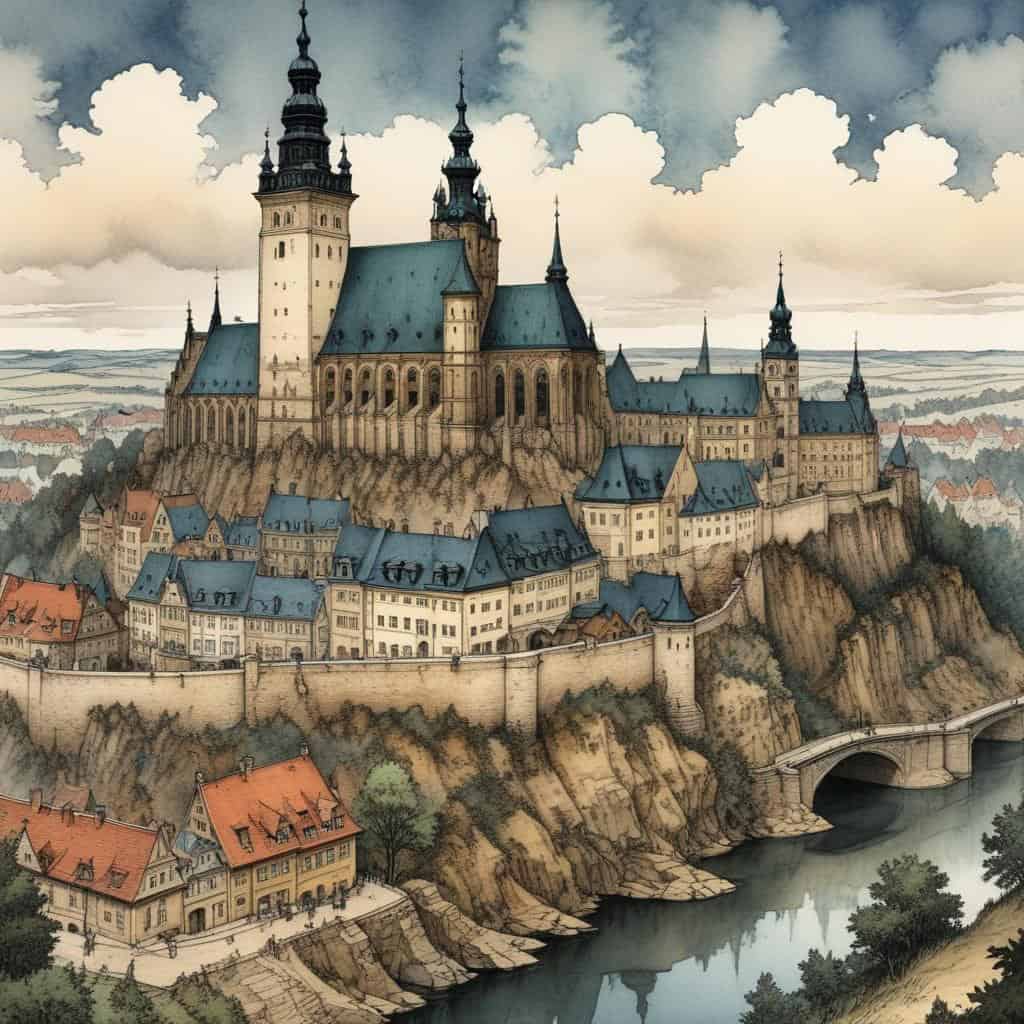
Introduction

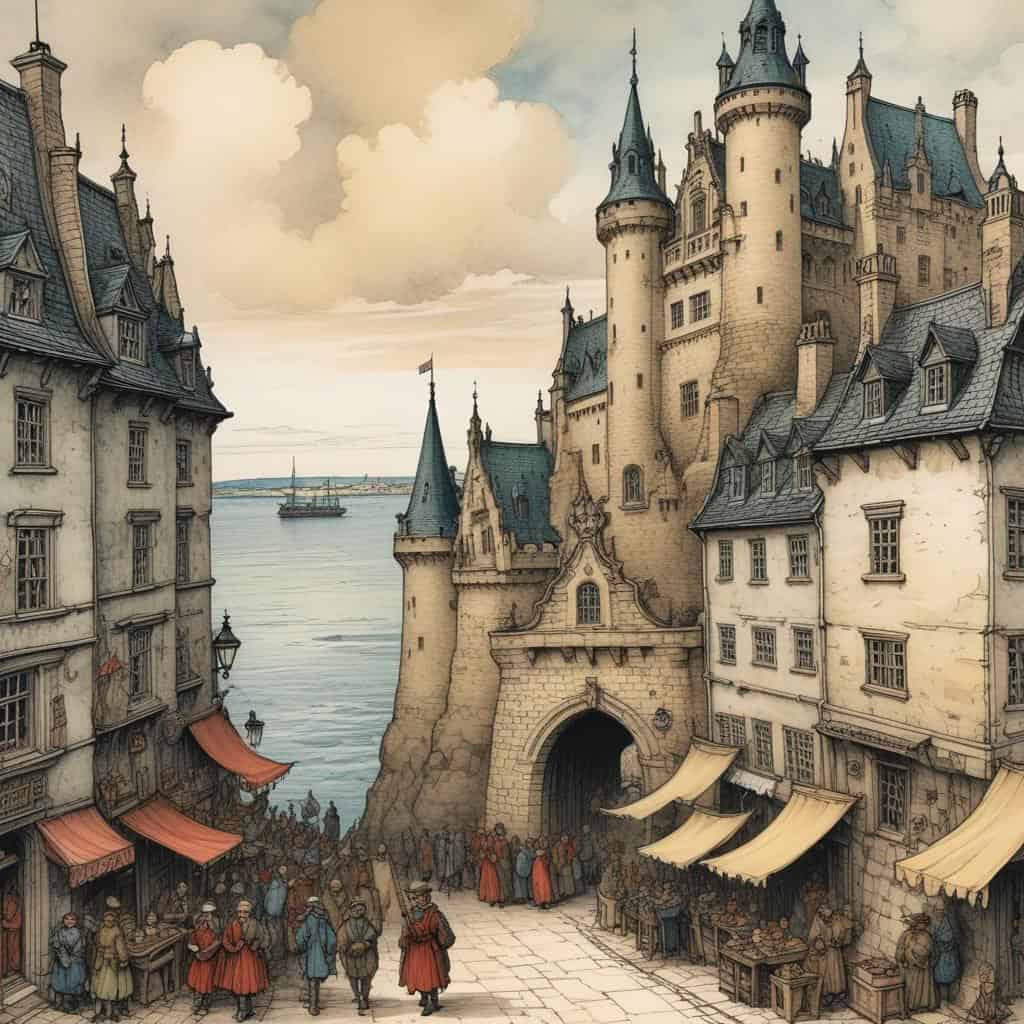
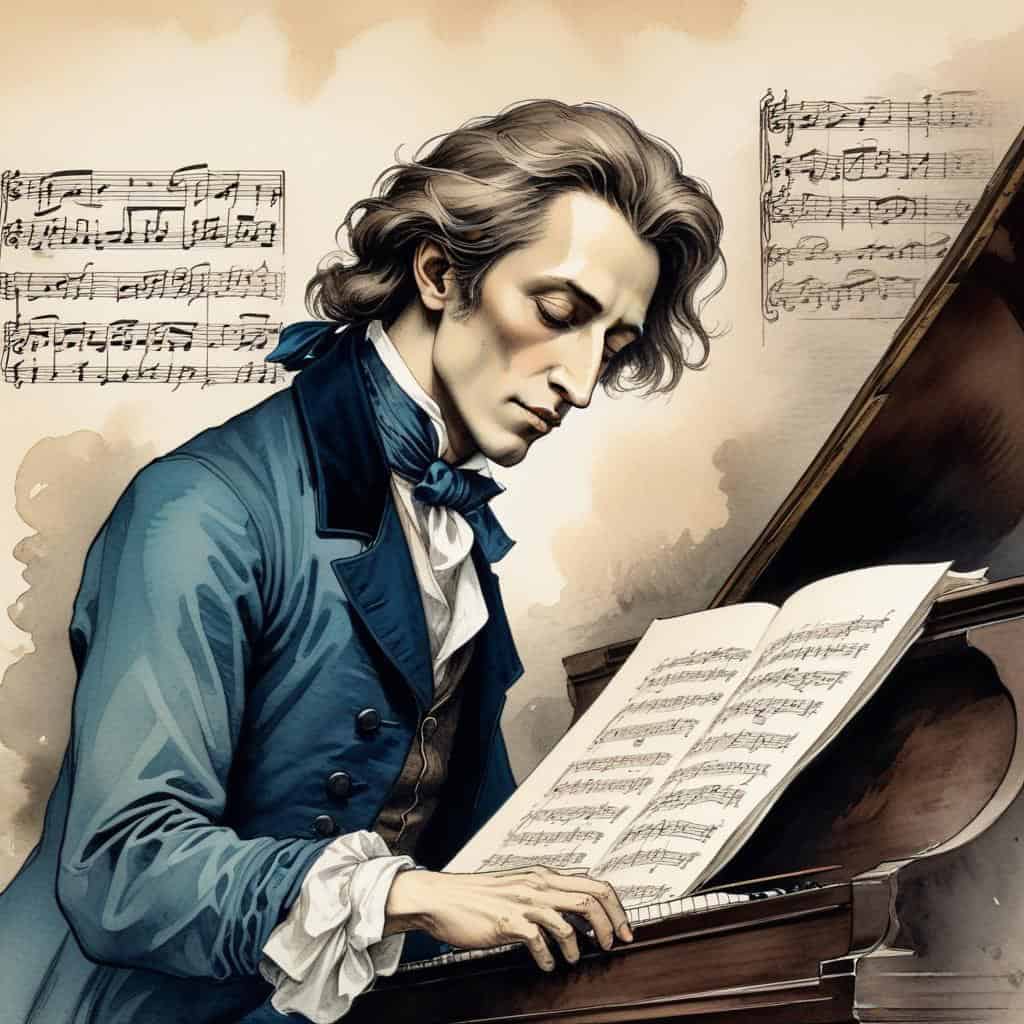
Frederic Chopin
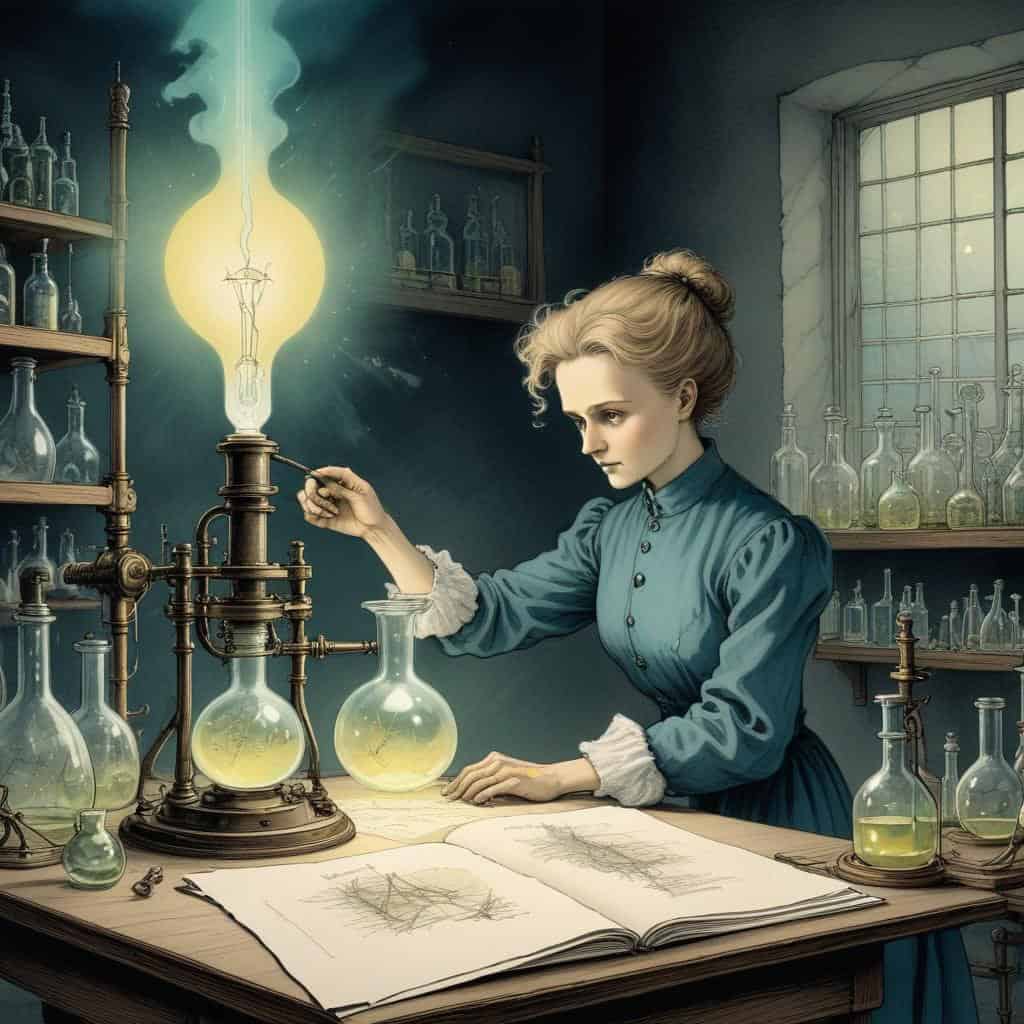
Marie Curie

Lech Walesa
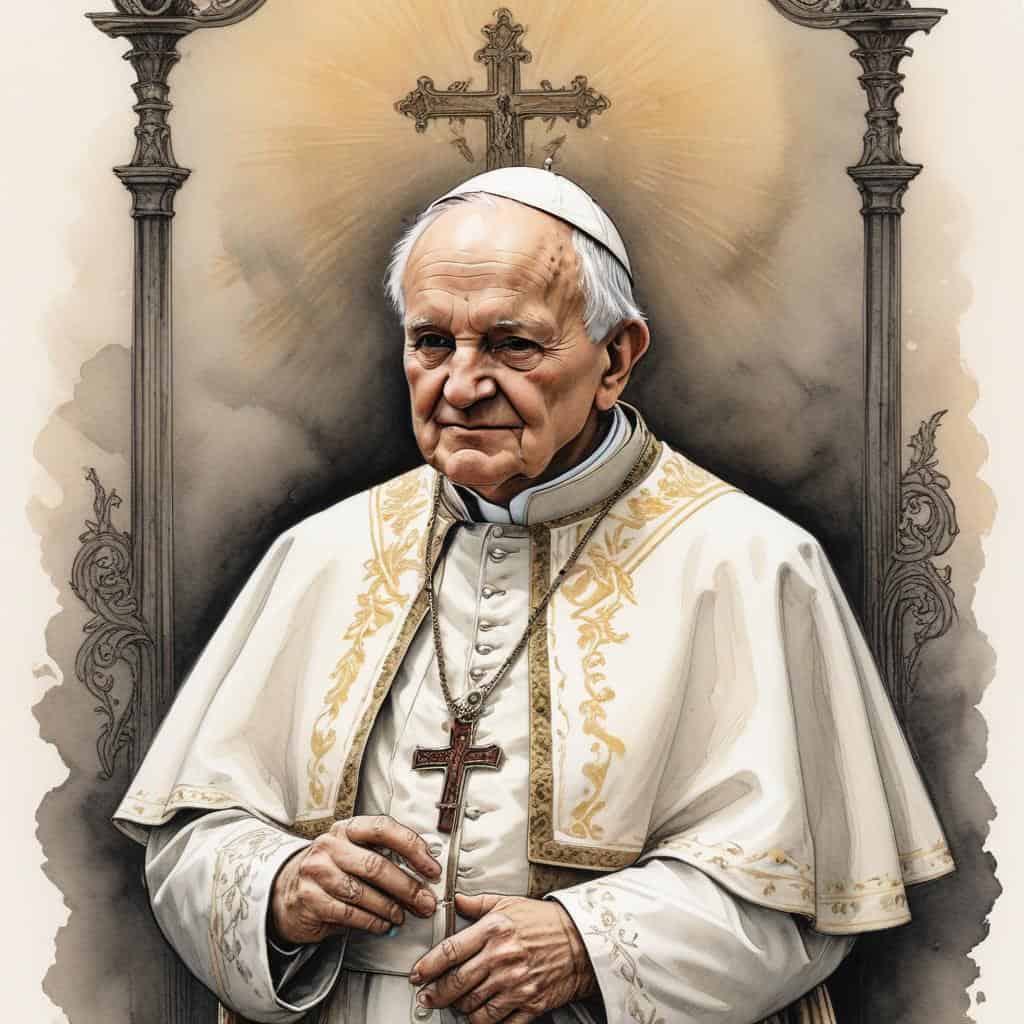
Pope John Paul II
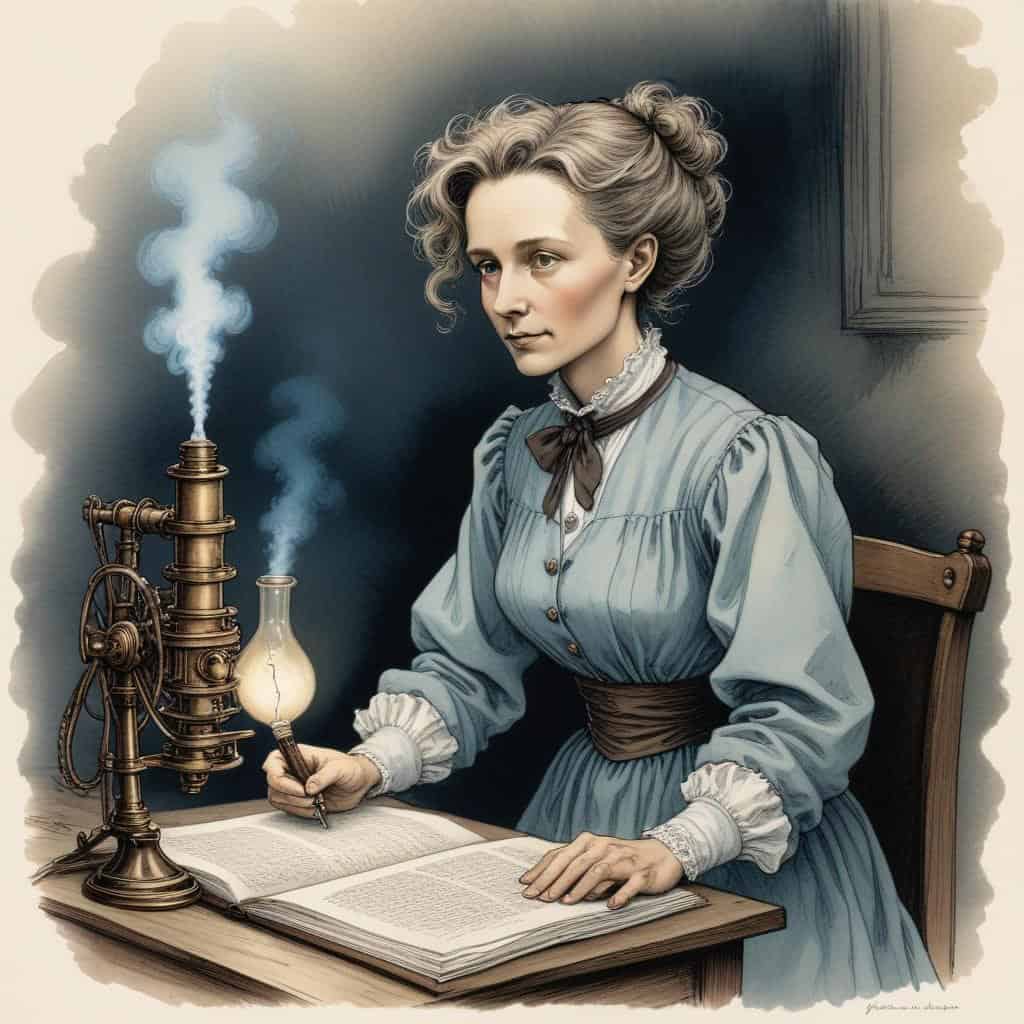
Maria Sklodowska-Curie
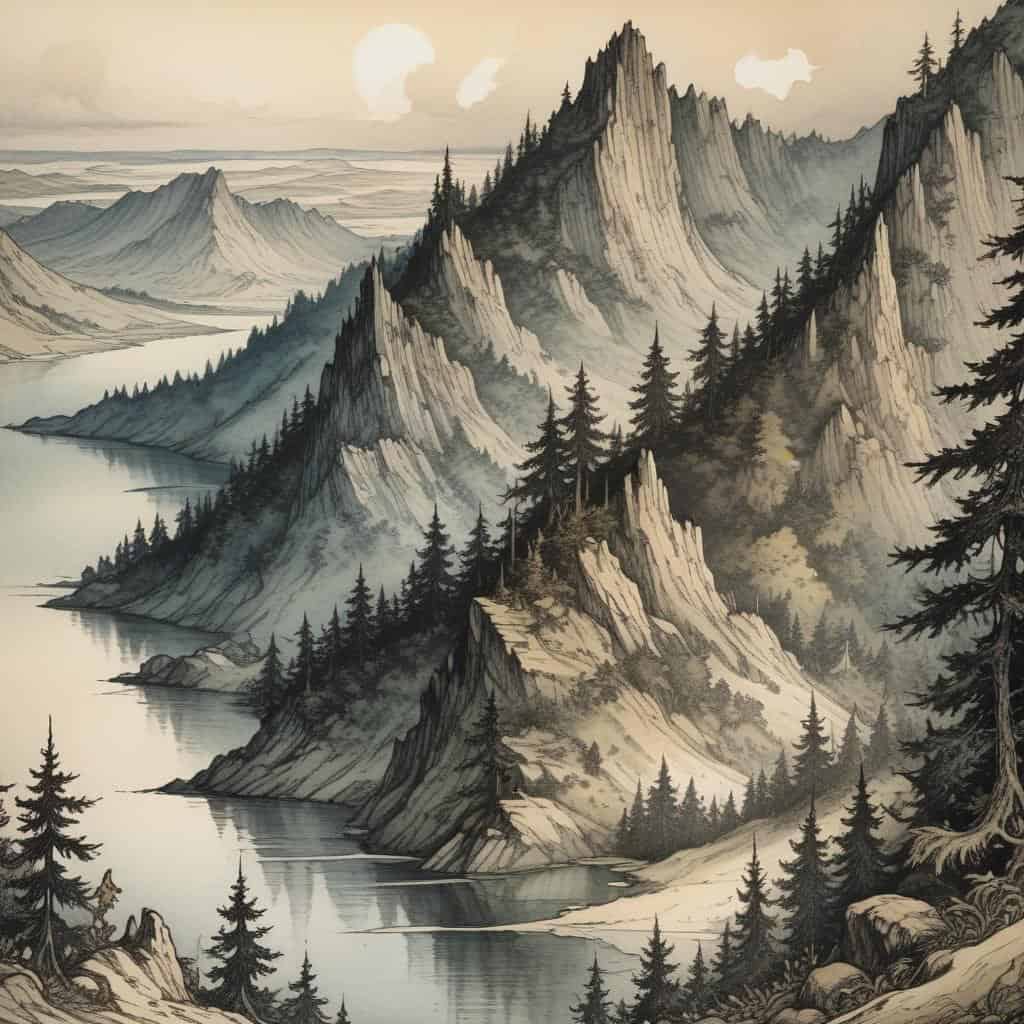
1. Location and Geography

2. Rich History
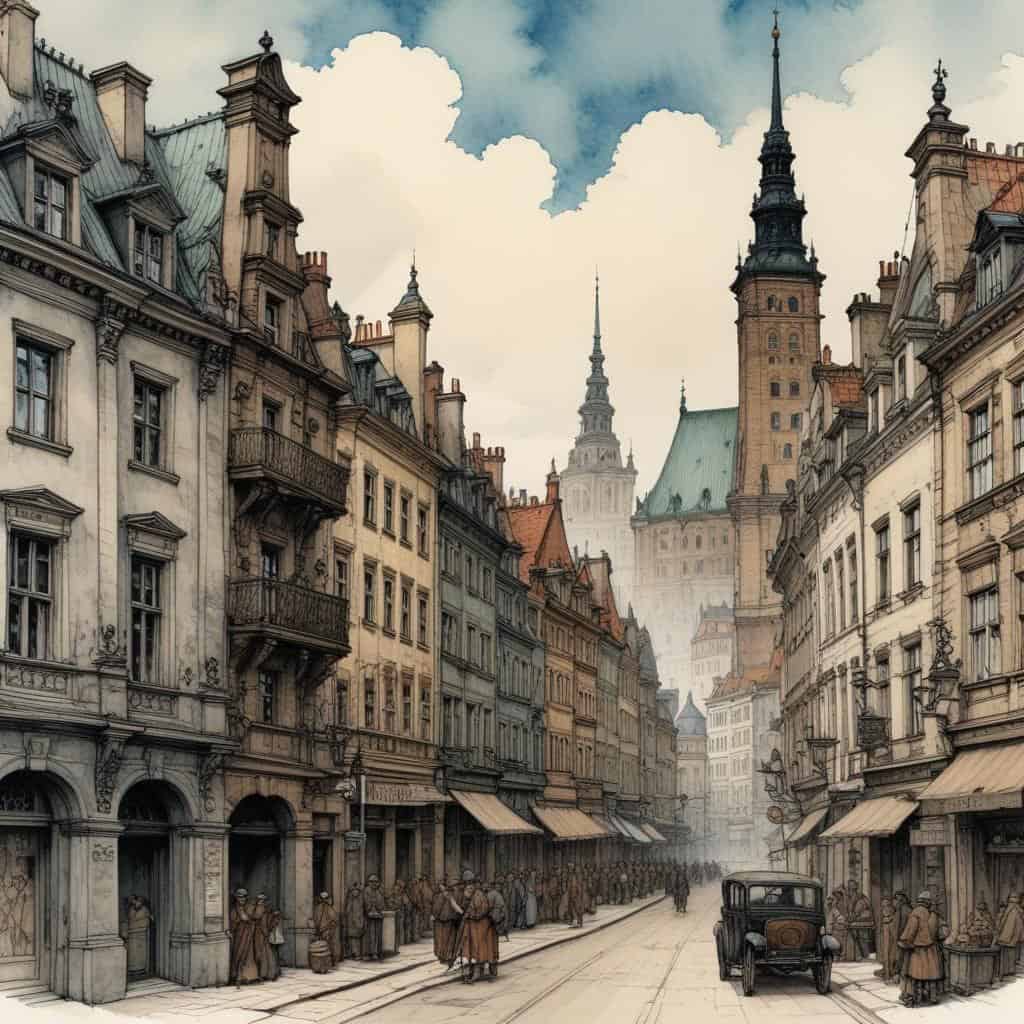
3. Warsaw - The Capital City

4. Krakow - A Historical Gem

5. Delicious Cuisine
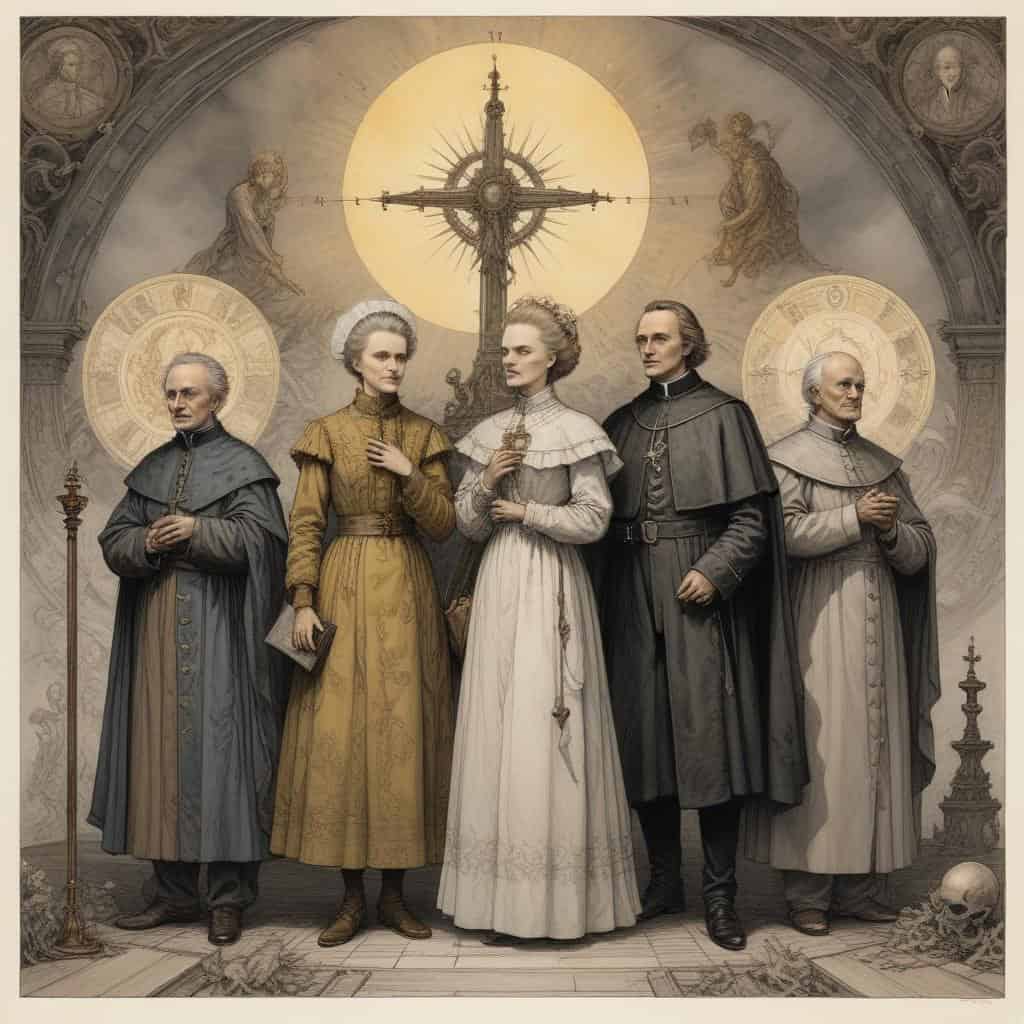
6. Famous Poles
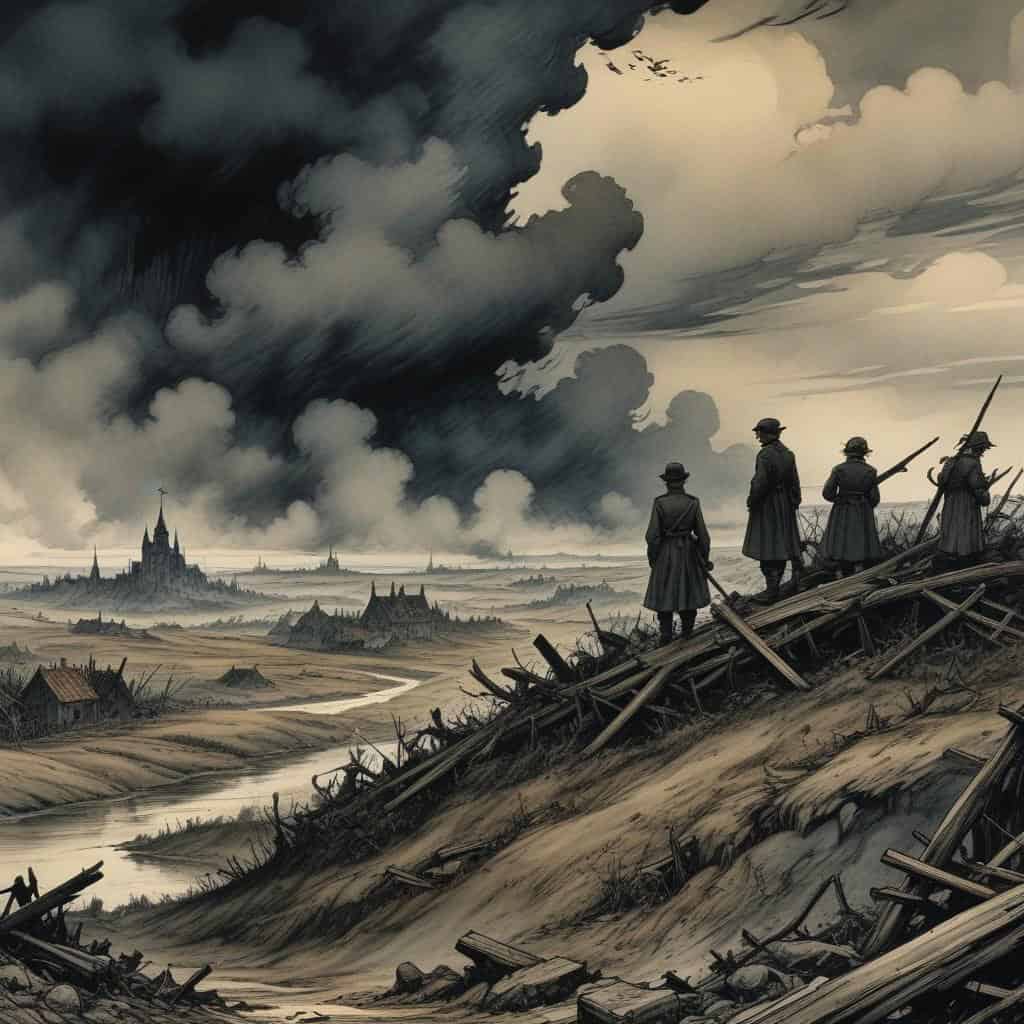
7. World War II and Communism
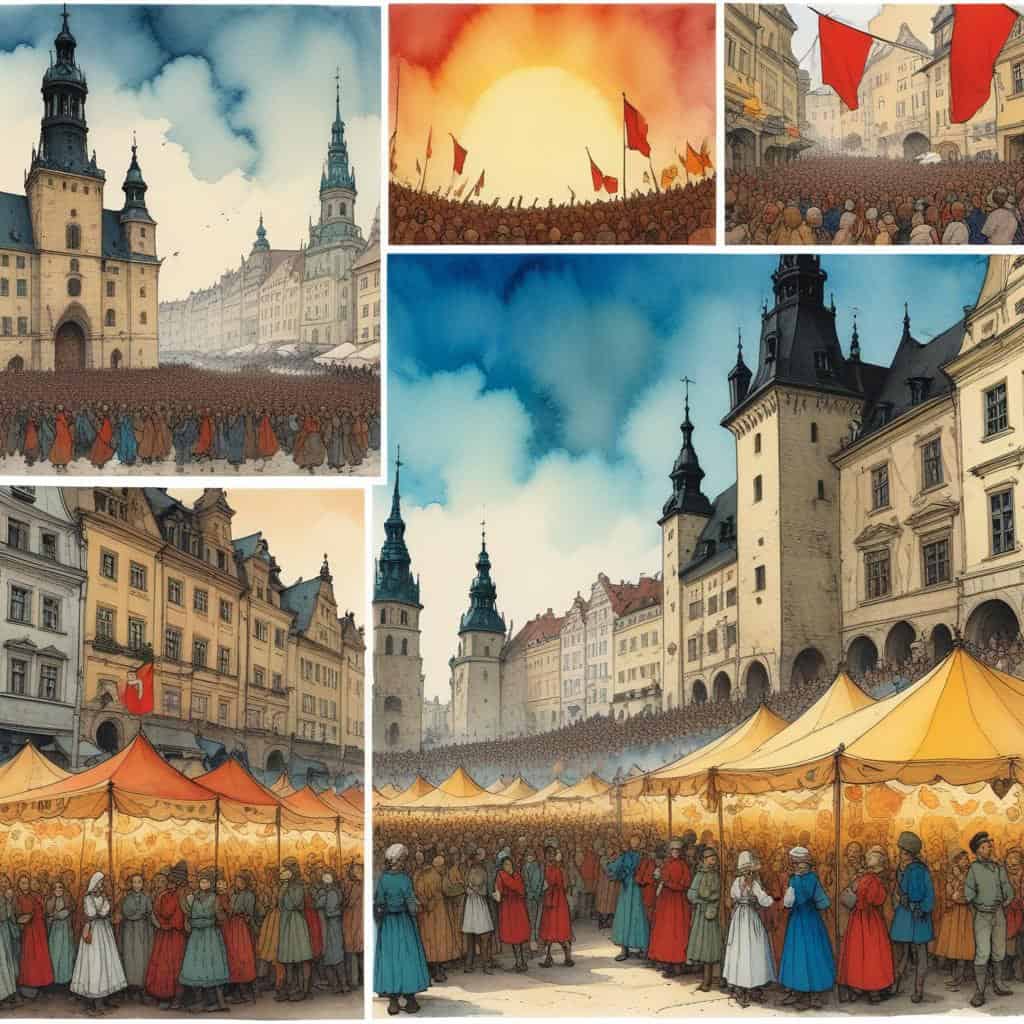
8. Vibrant Festivals

9. Natural Beauty
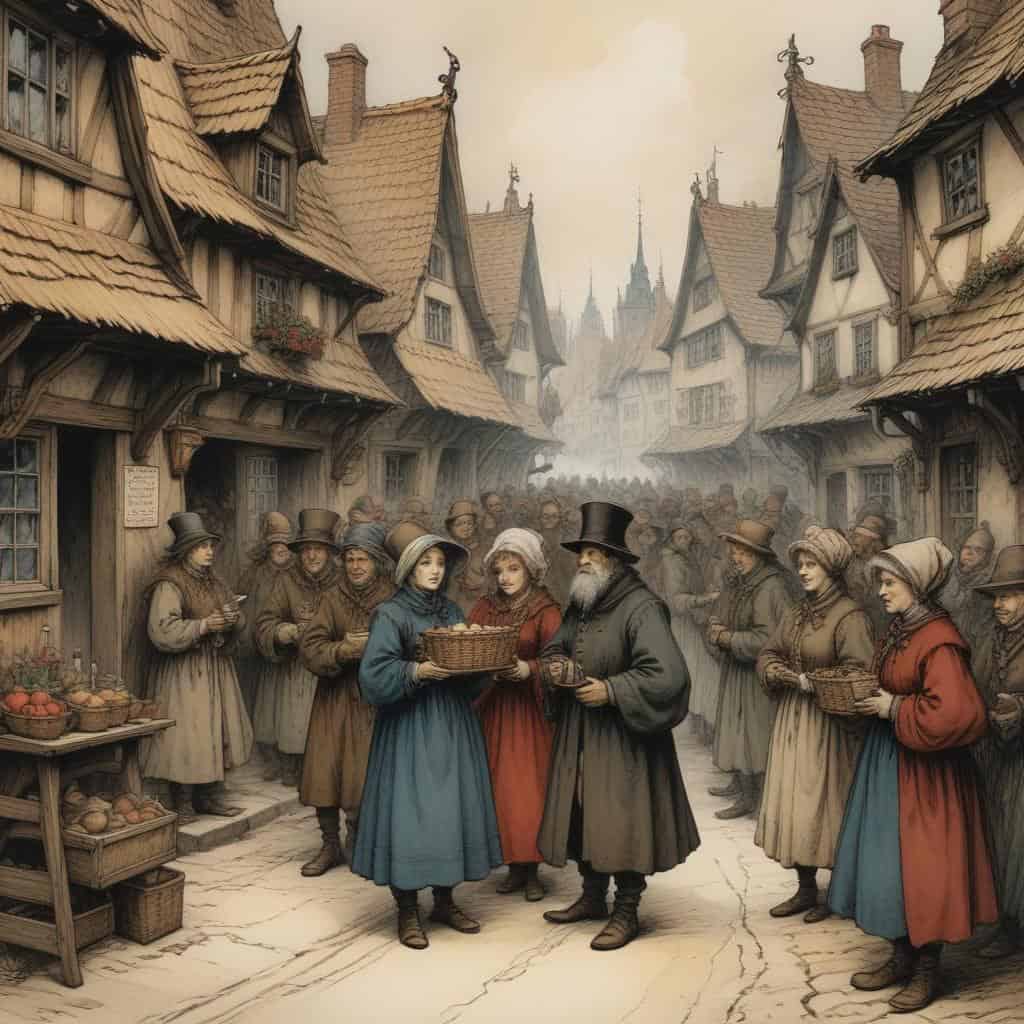
10. Warm Hospitality
In a Nutshell
- Capital: Warsaw
- Population: Approx. 38 million (2023)
- Official Language: Polish
- Currency: Polish złoty (PLN)
Breaking Down the Country
History & Heritage
Poland's rich history is showcased in its medieval castles, Gothic cathedrals, and the legacy of famous figures like Copernicus and Chopin.
Natural Beauty
From the stunning Tatra Mountains to the sandy beaches of the Baltic Sea, Poland's diverse landscapes offer something for every nature lover.
Cultural Traditions
Experience Poland's vibrant folk music, colorful festivals, and traditional cuisine, all steeped in centuries-old customs and rituals.
Timeline of Poland
First recorded settlement in Poland by Lech, Czech, and Rus
Baptism of Poland by Mieszko I
Establishment of the Kingdom of Poland
Mongol invasion of Poland
Union of Lublin between Poland and Lithuania
Polish-Lithuanian Commonwealth established
Warsaw becomes the capital of Poland
The Deluge - Swedish invasion of Poland
First Partition of Poland by Russia, Prussia, and Austria
Second Partition of Poland by Russia and Prussia
Third Partition of Poland by Russia, Prussia, and Austria
Congress Kingdom of Poland established under Russian rule
November Uprising against Russian rule in Poland
Polish-Soviet War
Invasion of Poland by Nazi Germany and Soviet Union, start of World War II
Warsaw Uprising against Nazi occupation
End of World War II, Communist rule imposed in Poland
Formation of the Solidarity trade union movement
End of Communist rule, establishment of democratic government in Poland
Poland joins the European Union
Vocabulary List
- Warsaw
- The capital city of Poland.
- Pierogi
- A traditional Polish dumpling filled with various ingredients.
- Krakow
- A historic city in southern Poland known for its medieval architecture.
- Solidarity
- A Polish trade union that played a key role in the country's transition to democracy.
- Polish
- The official language of Poland.
- ?ubrówka
- A popular Polish vodka flavored with bison grass.
- Copernicus
- A famous Polish astronomer known for proposing a heliocentric model of the solar system.
- Wawel Castle
- A historic castle in Krakow, Poland.
- Polska
- The Polish word for Poland.
- Chopin
- A renowned Polish composer and pianist.
Key Facts
This is the information used in the fact matching game
- Poland is a country located in Central Europe.
- The official language of Poland is Polish.
- Poland has a population of over 38 million people.
- The capital city of Poland is Warsaw.
- Poland has been a member of the European Union since 2004.
- The currency used in Poland is the Polish z?oty.
- Poland is known for its traditional cuisine, including dishes like pierogi and kielbasa.
- Poland is the ninth largest country in Europe by land area.
- The Wieliczka Salt Mine in Poland is a UNESCO World Heritage Site.
- Poland has 14 UNESCO World Heritage Sites.
- The symbol of Warsaw is the Mermaid.
- The largest castle in the world by land area is located in Poland, known as Malbork Castle.
- Poland is home to the Bia?owie?a Forest, one of the last remaining primeval forests in Europe.
- The Polish flag consists of two horizontal stripes - white on top and red on bottom.
- Poland is a parliamentary republic with a President as the head of state.
- Famous Polish people include Marie Curie, Frederic Chopin, and Pope John Paul II.
- Poland has a rich history, with evidence of human settlement dating back over 500,000 years.
- The Tatra Mountains in Poland are part of the Carpathian mountain range.
- The annual Pierogi Festival in Krakow celebrates the popular dumpling dish.
- Poland is known for its traditional folk art, including intricate paper cut-outs known as wycinanki.
Why It Matters
Geopolitical Significance
Poland’s location in Central Europe has historically made it a buffer zone between Eastern and Western powers. Its position on the Baltic Sea has given it strategic importance in trade and defense, impacting its relationships with neighboring countries and influencing regional politics.
Historical Importance
Poland has a rich and turbulent history, marked by periods of strength and partition by neighboring empires. It is known for its resistance to foreign rule, the rise of the Solidarity movement, and its role in shaping European borders and alliances throughout the centuries.
Modern-Day Role
Today, Poland is a key player in the European Union and NATO. Its economy is one of the largest in Central Europe, driven by industries like manufacturing, agriculture, and technology. Poland’s cultural heritage and political influence continue to shape its role in the region and beyond.
Poland Games


Take Your Learning Offline
Want a convenient, print-ready study guide for this lesson? Become a Memory Wizards Pro member to unlock the downloadable " Memory Scrolls" for this topic and our entire library!
- ✓ Complete Vocabulary Lists
- ✓ Key Facts & Timelines
- ✓ Beautifully Formatted for Print & Mobile