
How Do You Learn Best?
Learn by Reading
Immerse yourself in the 10-minute visual lesson for a comprehensive understanding of the topic.
Learn by Reviewing
Jump directly to the key facts, timeline, and vocabulary lists to build a solid foundation of details.
Learn by Doing
Challenge yourself! Jump straight into the interactive games to learn by trial, error, and discovery.
Malta in 10 Minutes
Introduction
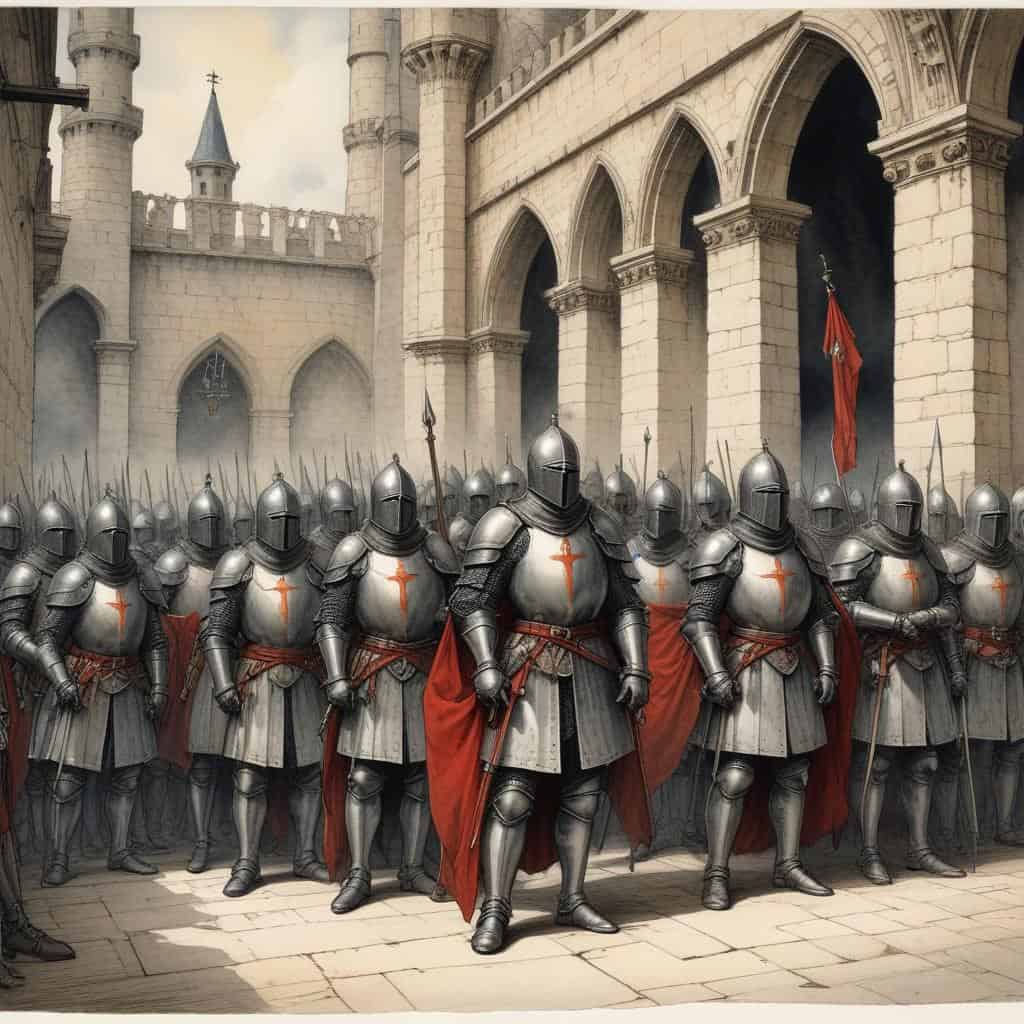
1. The Knights of St. John
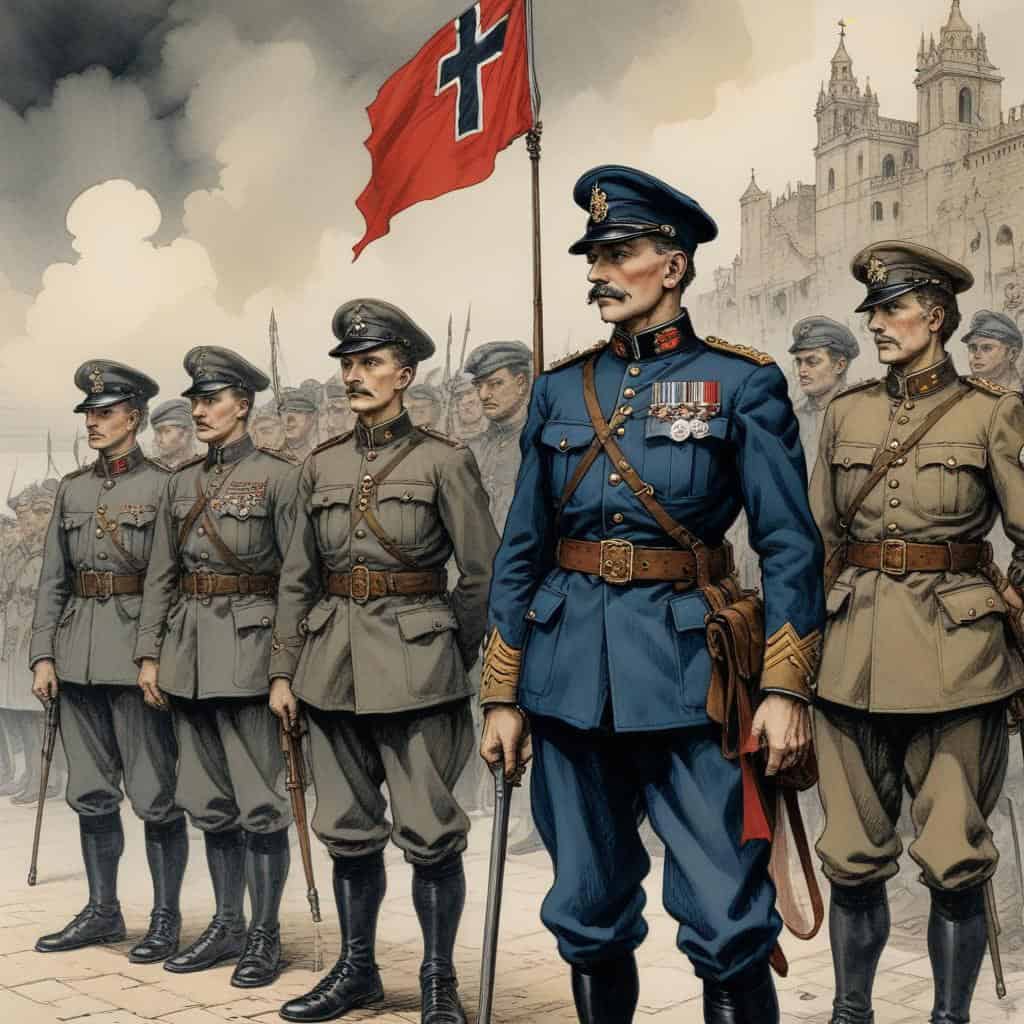
2. George Cross Recipients
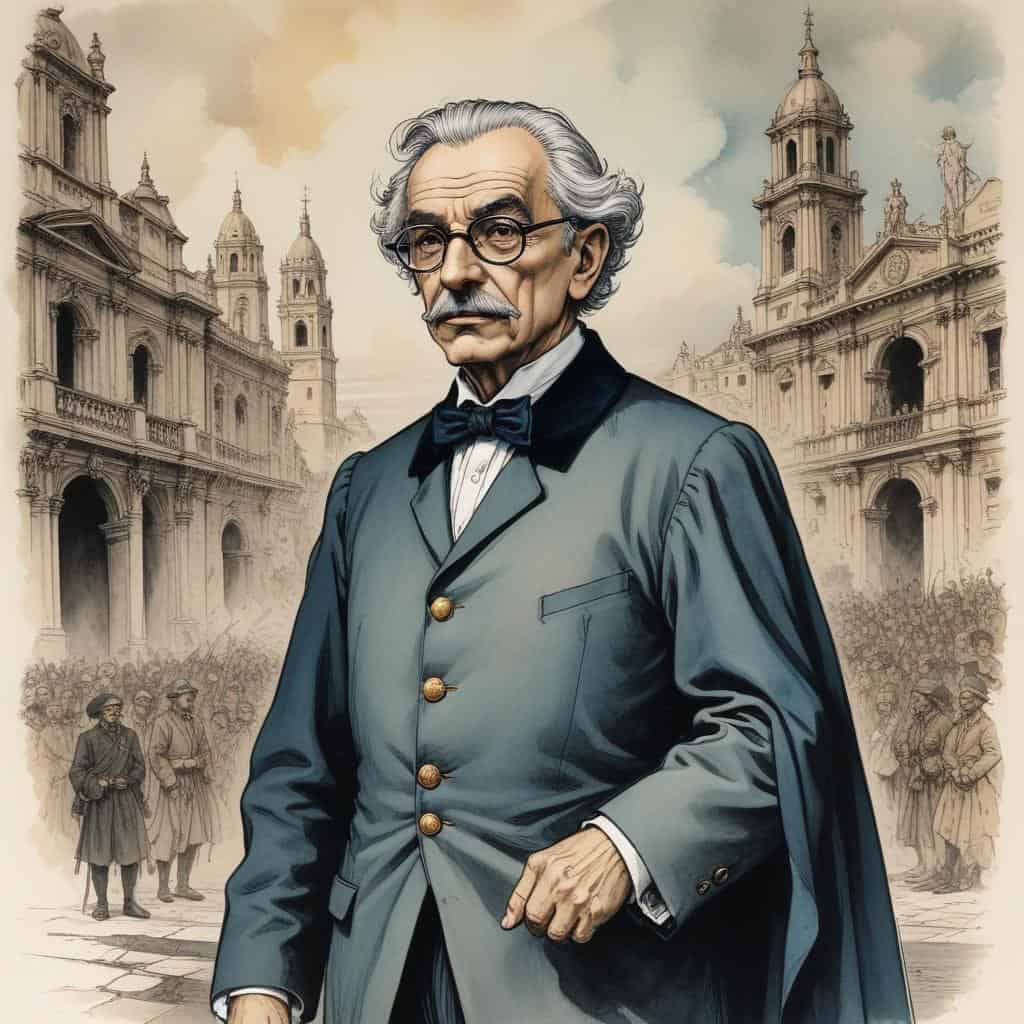
3. Dom Mintoff
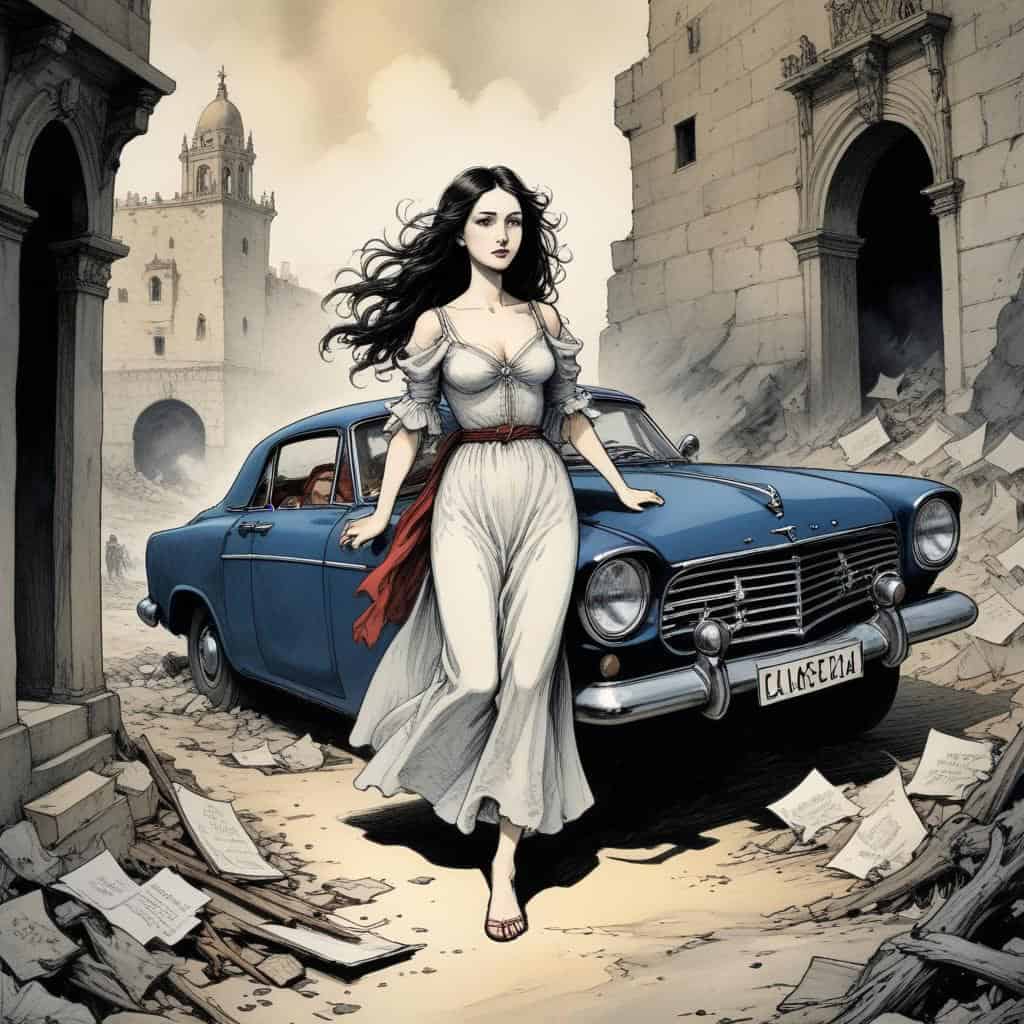
4. Daphne Caruana Galizia
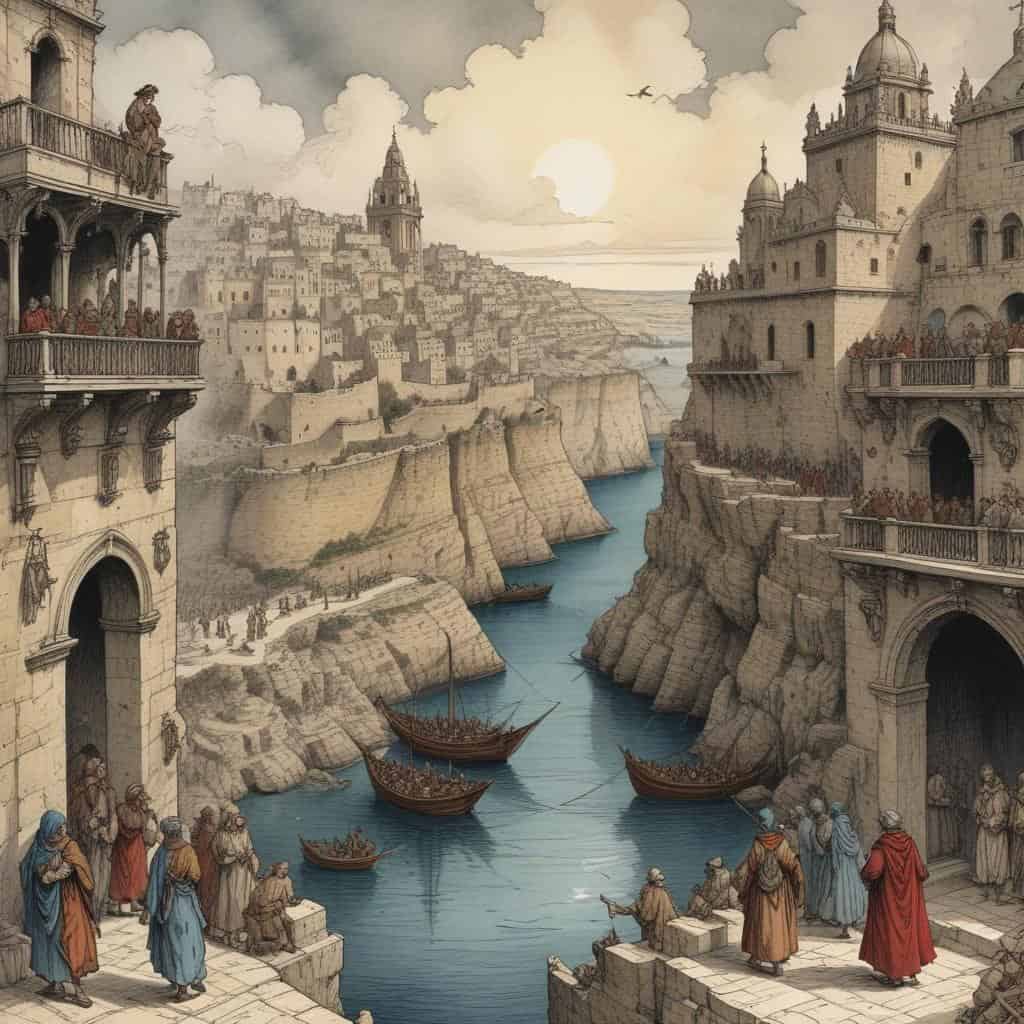
1. History of Malta
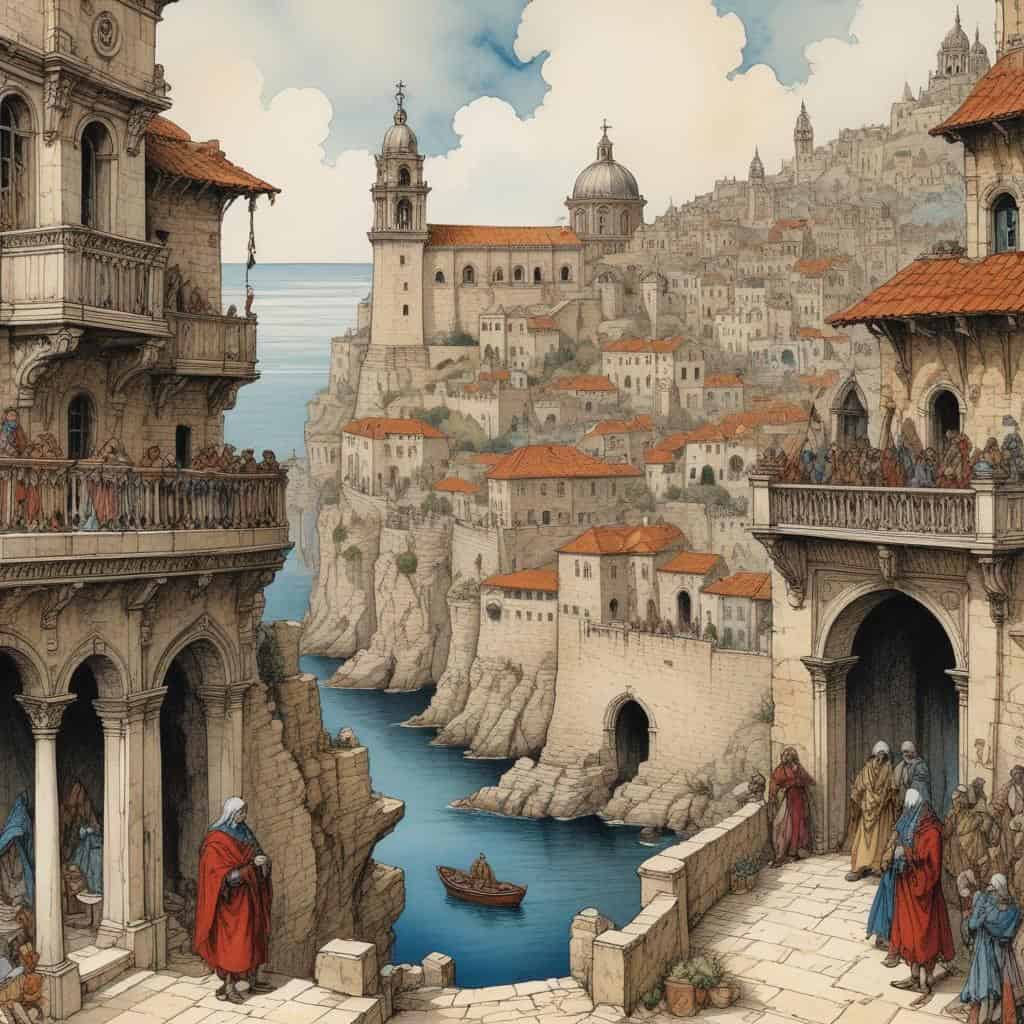
2. Culture and Language
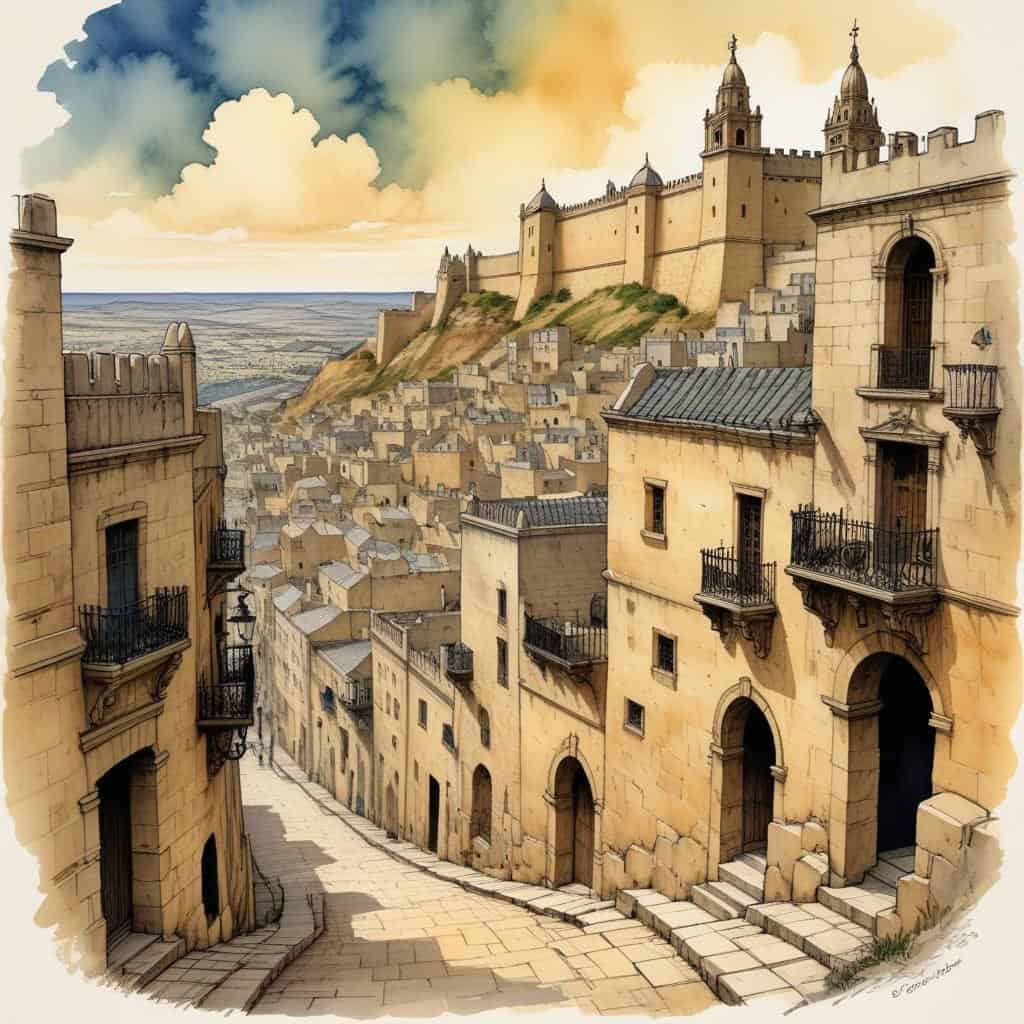
3. Attractions in Malta
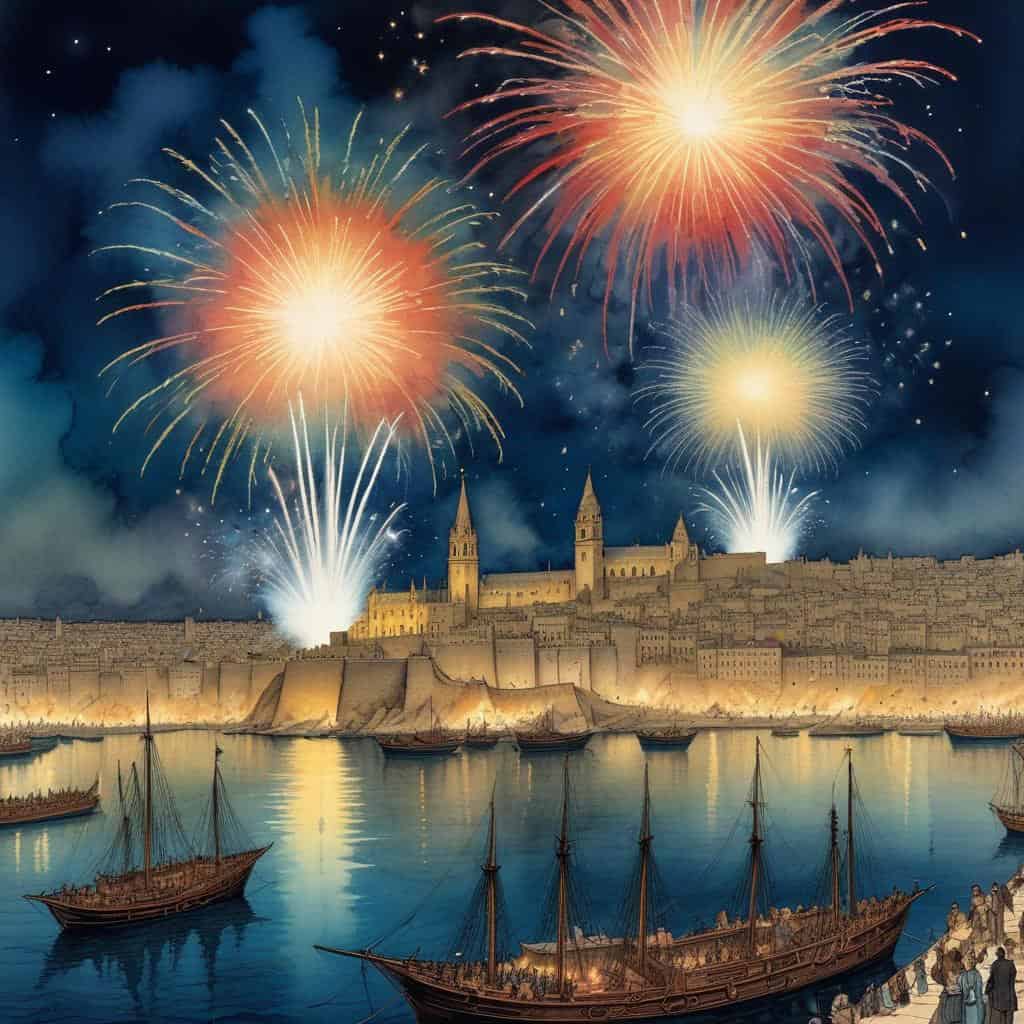
4. Festivals and Events
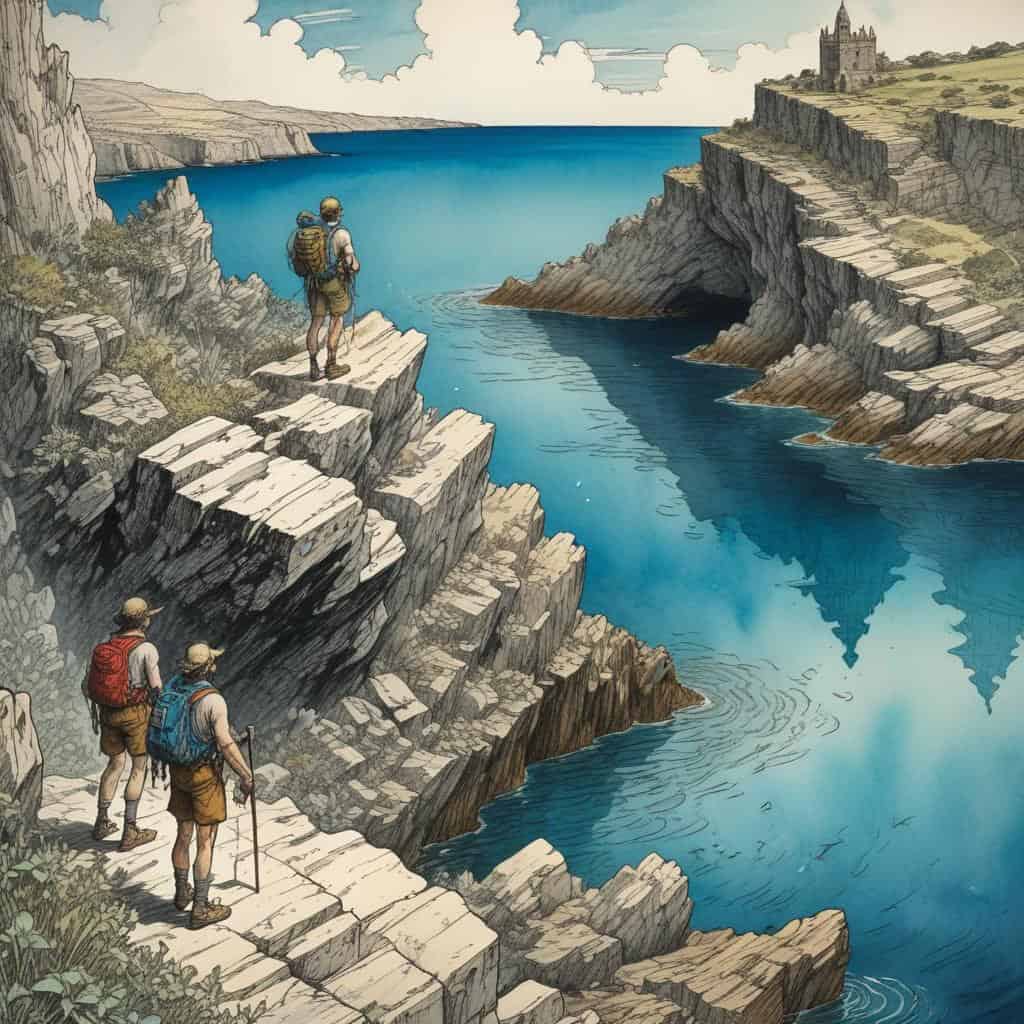
5. Outdoor Activities
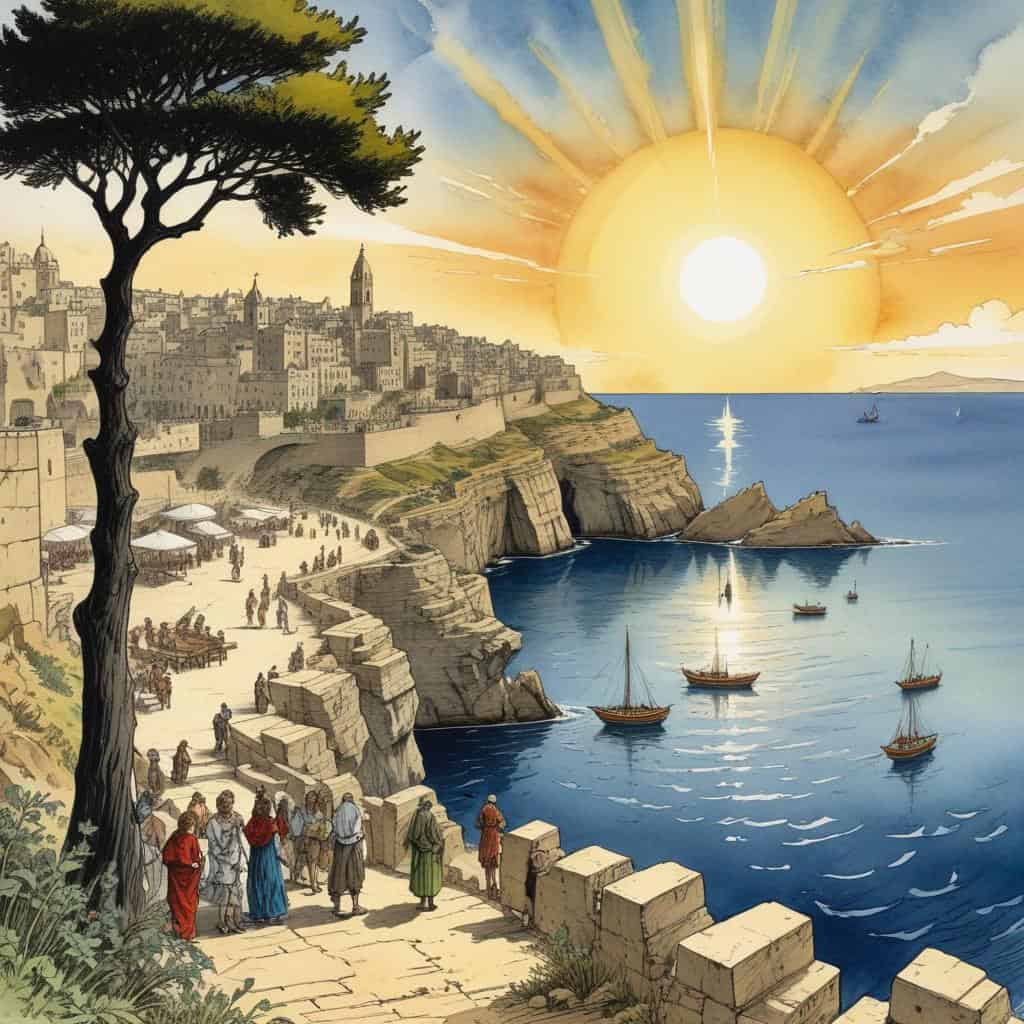
6. Climate and Weather
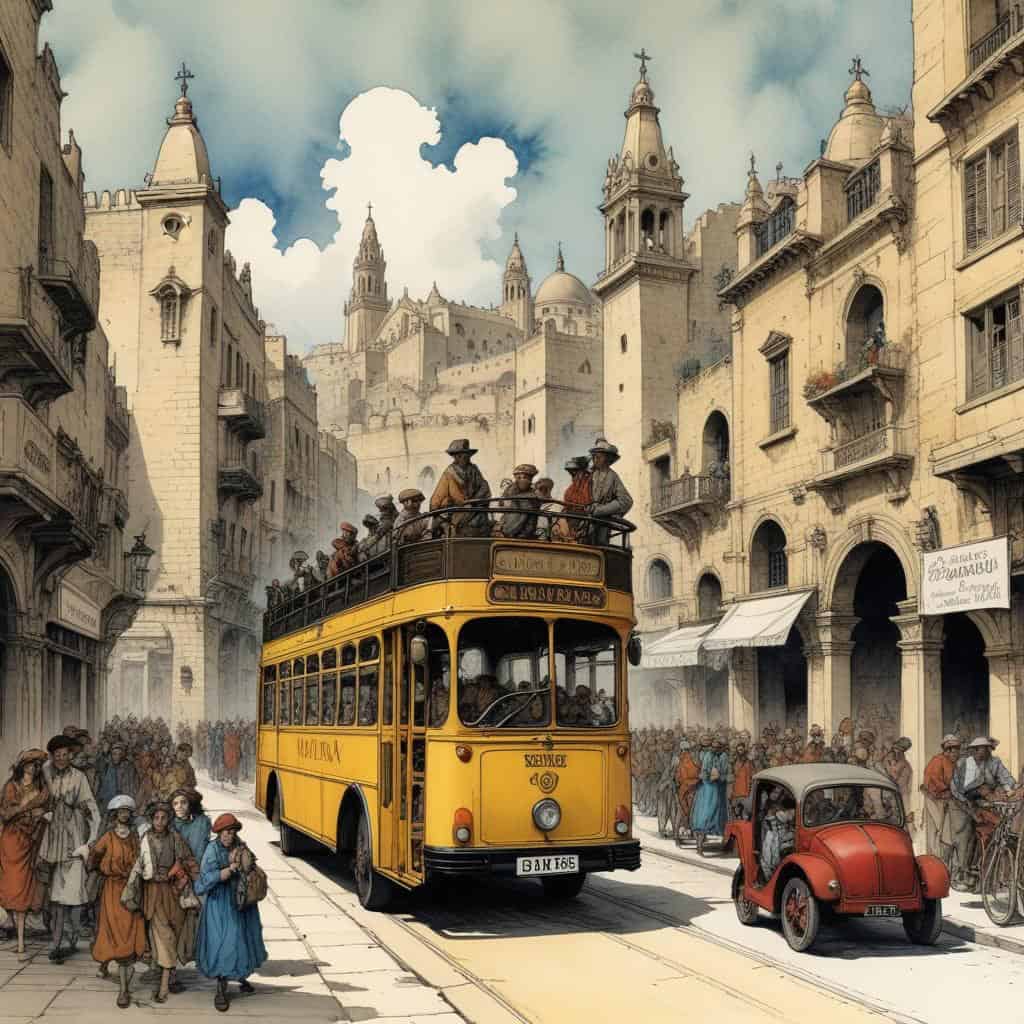
7. Transportation in Malta
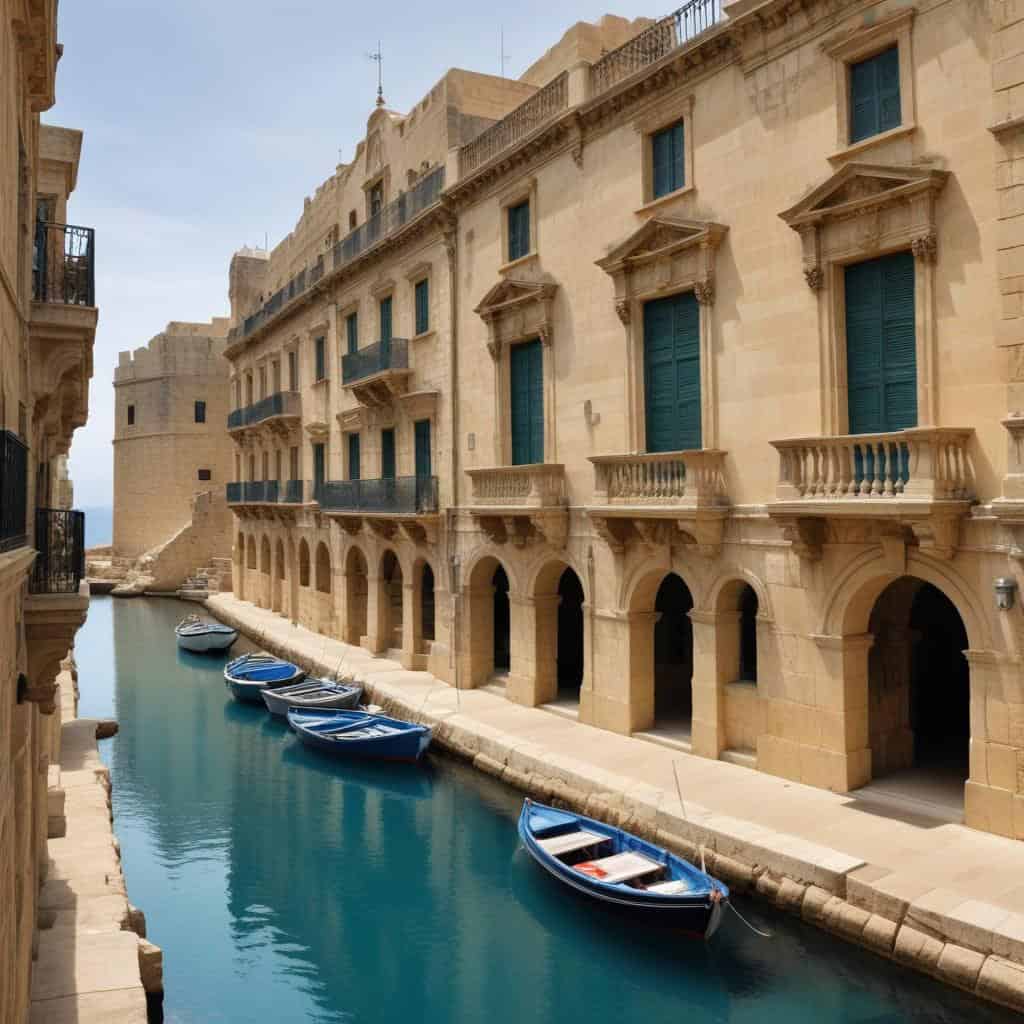
8. Accommodation Options
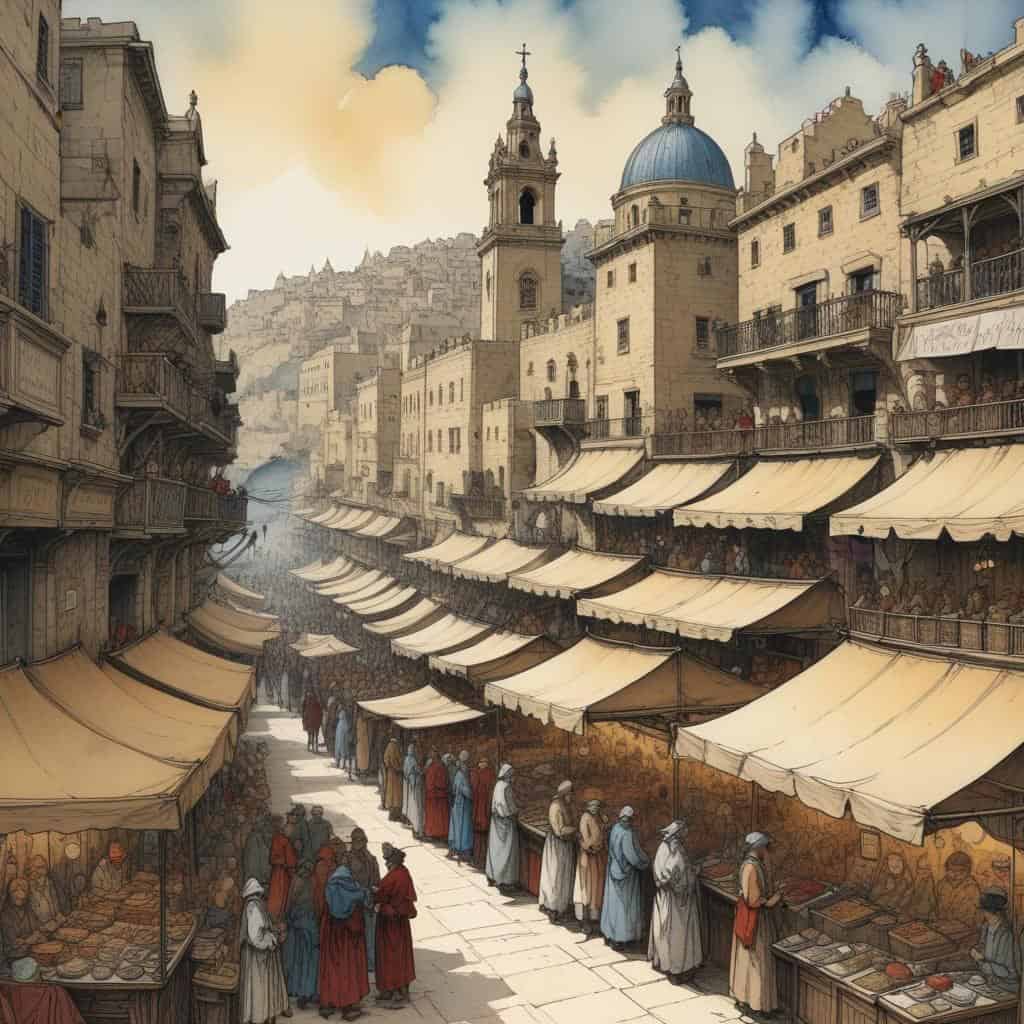
9. Shopping and Dining
10. Safety and Health
In a Nutshell
- Capital: Valletta
- Population: Approx. 514,564 (2021)
- Official Language: Maltese
- Currency: Euro (EUR)
Breaking Down the Country
History
Malta's rich history dates back to the Neolithic period, with influences from Phoenician, Roman, Arab, and Knights of St. John occupations.
Cultural Heritage
Experience Malta's unique blend of Mediterranean, North African, and European cultures through its cuisine, festivals, and local crafts.
Natural Beauty
Discover Malta's stunning landscapes, from the crystal-clear waters of Blue Lagoon to the ancient temples of Ħaġar Qim and Mnajdra.
Timeline of Malta
First settlers arrive in Malta
Malta becomes part of the Phoenician Empire
Malta becomes part of the Roman Empire
St. Paul shipwrecked on Malta
Malta becomes part of the Byzantine Empire
Arab rule begins in Malta
Norman rule established in Malta
Malta becomes part of the Kingdom of Sicily
Knights of St. John establish themselves in Malta
Great Siege of Malta by the Ottoman Empire
Malta becomes a British protectorate
Malta becomes a British colony
Malta gains independence from Britain
Malta becomes a republic
Malta joins the European Union
Malta adopts the Euro as its currency
Malta legalizes same-sex marriage
Malta becomes a popular tourist destination
Malta hosts the EU presidency
Malta becomes known for its blockchain and cryptocurrency regulations
Vocabulary List
- Valletta
- The capital city of Malta, known for its historic architecture and picturesque harbor.
- Gozo
- The second largest island in the Maltese archipelago, known for its rural landscapes and historic sites.
- Megalithic temples
- Ancient stone structures found in Malta, dating back over 5,000 years.
- Maltese language
- The official language of Malta, a Semitic language with influences from Italian and English.
- Knights of Malta
- A medieval order of knights that once ruled over the Maltese islands.
- Blue Grotto
- A series of sea caves on the southern coast of Malta, known for their crystal-clear blue waters.
- Mediterranean cuisine
- The traditional cuisine of Malta, featuring fresh seafood, olive oil, and Mediterranean herbs.
- Mdina
- A fortified city in Malta, also known as the 'Silent City' due to its peaceful atmosphere.
Key Facts
This is the information used in the fact matching game
- Malta is the smallest country in the European Union by area.
- The official languages of Malta are Maltese and English.
- Malta has a Mediterranean climate with hot, dry summers and mild, wet winters.
- The capital city of Malta is Valletta, which is a UNESCO World Heritage Site.
- The currency used in Malta is the Euro.
- Malta has a rich history dating back to prehistoric times, with evidence of human activity from around 5200 BC.
- Malta was a British colony from 1814 until gaining independence in 1964.
- The Maltese archipelago consists of three main islands: Malta, Gozo, and Comino.
- The Maltese flag features a George Cross, awarded to the people of Malta for their bravery during World War II.
- Malta is known for its beautiful beaches and clear blue waters, making it a popular destination for tourists.
- The traditional Maltese dish is rabbit stew, known as 'fenkata'.
- Malta is a member of the Commonwealth of Nations and the United Nations.
- The Maltese Cross, a symbol of the Knights Hospitaller, is widely recognized and used in Malta.
- Malta has a strong Catholic tradition, with the majority of the population identifying as Roman Catholic.
- Malta is known for its historic sites, including megalithic temples, medieval fortifications, and Baroque architecture.
- The film 'Gladiator' was partially filmed in Malta, using the historic Fort Ricasoli as a location.
- Malta has a strong maritime history, with a long tradition of seafaring and naval activities.
- The Maltese Carnival, known as 'il-Karnival ta' Malta', is a colorful and festive celebration held in February.
- Malta is a popular destination for scuba diving, with clear waters and a variety of dive sites to explore.
- The Maltese economy is driven by tourism, financial services, and manufacturing industries.
Why It Matters
Geopolitical Significance
Located in the central Mediterranean, Malta has historically been a strategic naval base due to its position between Europe, Africa, and the Middle East. Its ports have played crucial roles in trade and military operations, making it a valuable asset for various empires and nations throughout history.
Historical Importance
Malta has a rich history dating back to ancient times, with influences from Phoenician, Roman, Arab, and European civilizations. The island’s strategic location has led to numerous invasions and occupations, shaping its unique culture and architecture that blend various influences.
Modern-Day Role
Today, Malta is a member of the European Union and plays a vital role in the Mediterranean region. Its economy relies heavily on tourism, financial services, and shipping industries. Malta’s strategic importance continues to be recognized in the modern geopolitical landscape.
Malta Games


Take Your Learning Offline
Want a convenient, print-ready study guide for this lesson? Become a Memory Wizards Pro member to unlock the downloadable " Memory Scrolls" for this topic and our entire library!
- ✓ Complete Vocabulary Lists
- ✓ Key Facts & Timelines
- ✓ Beautifully Formatted for Print & Mobile