
How Do You Learn Best?
Learn by Reading
Immerse yourself in the 10-minute visual lesson for a comprehensive understanding of the topic.
Learn by Reviewing
Jump directly to the key facts, timeline, and vocabulary lists to build a solid foundation of details.
Learn by Doing
Challenge yourself! Jump straight into the interactive games to learn by trial, error, and discovery.
Luxembourg in 10 Minutes
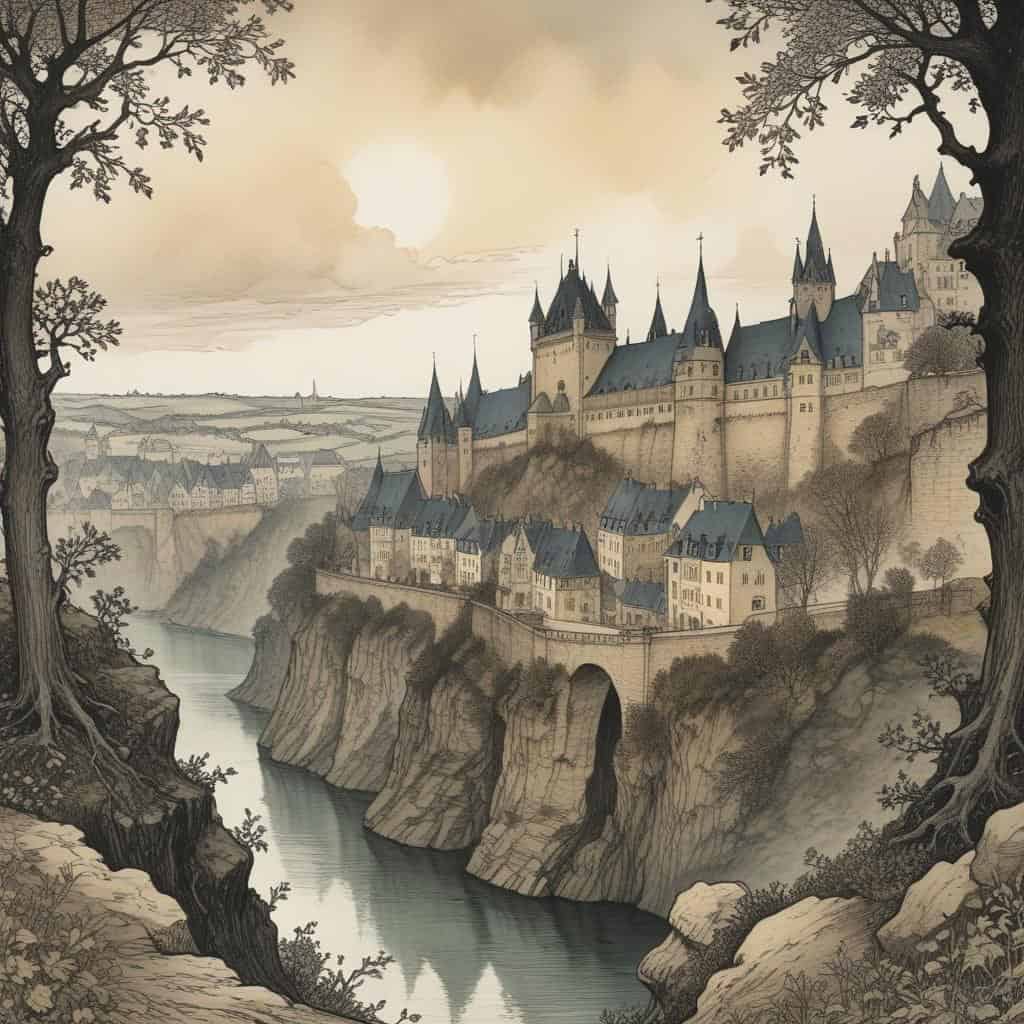
Introduction
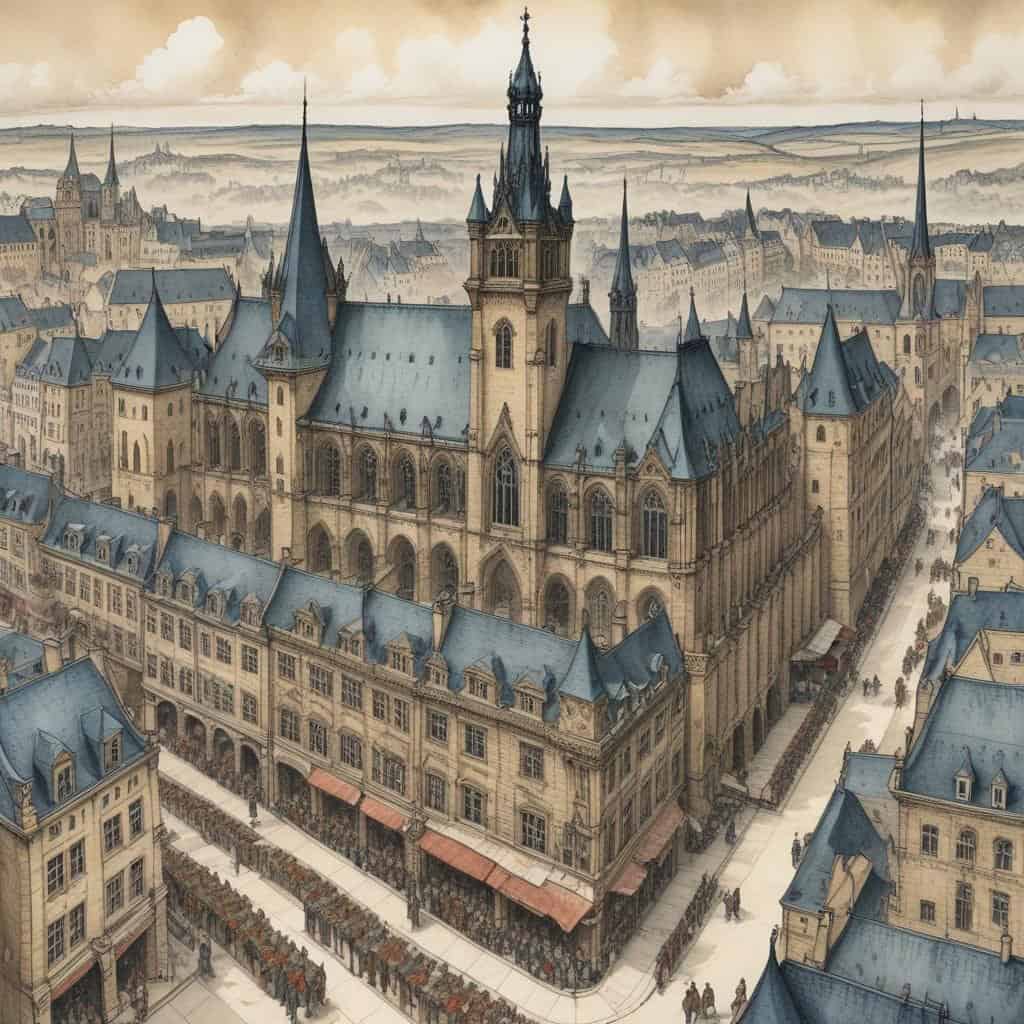
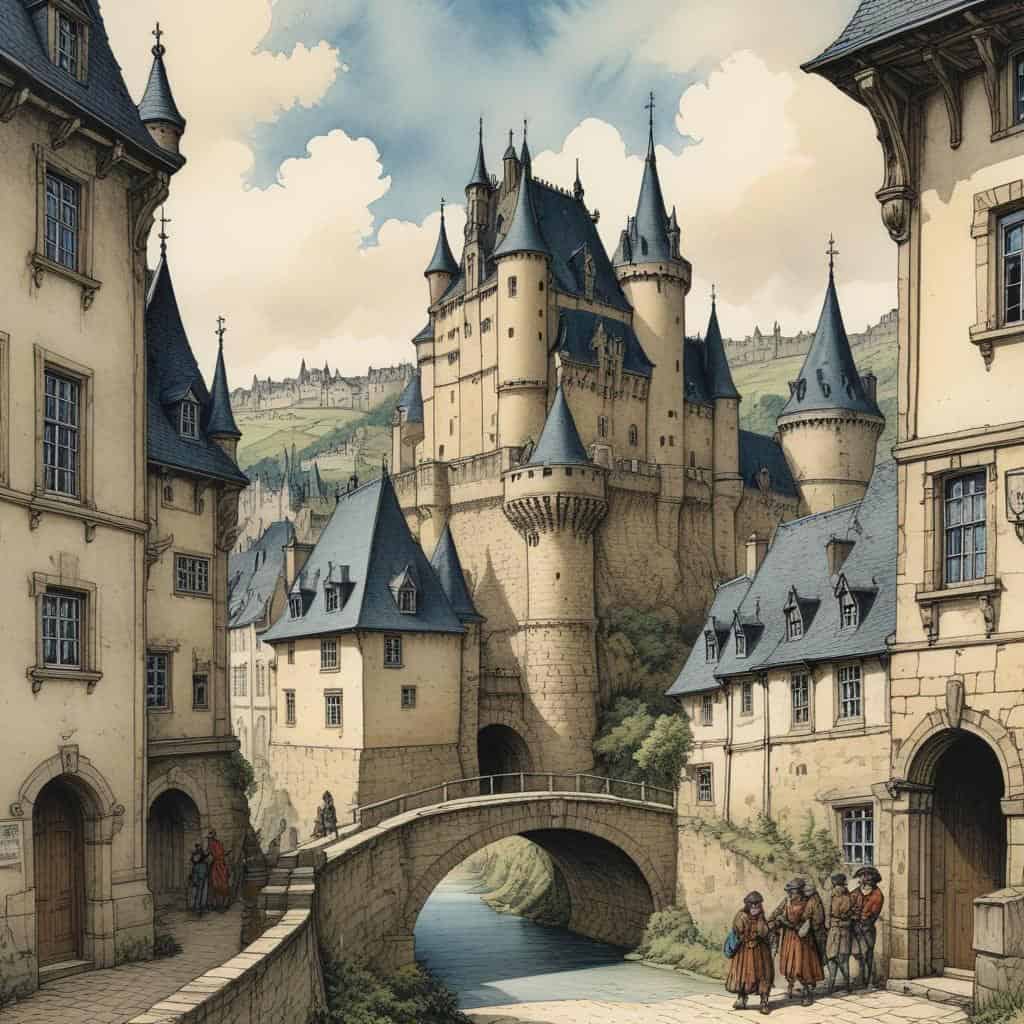
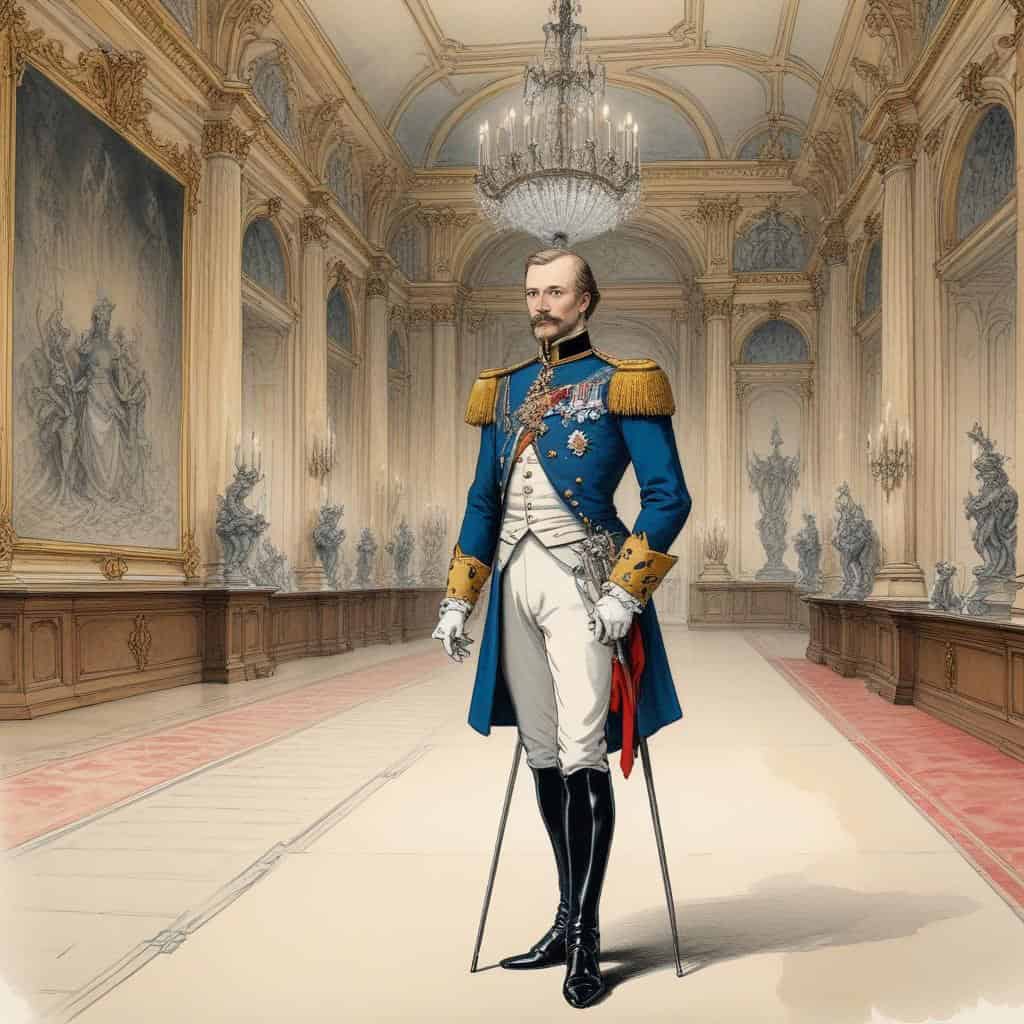
Grand Duke Henri
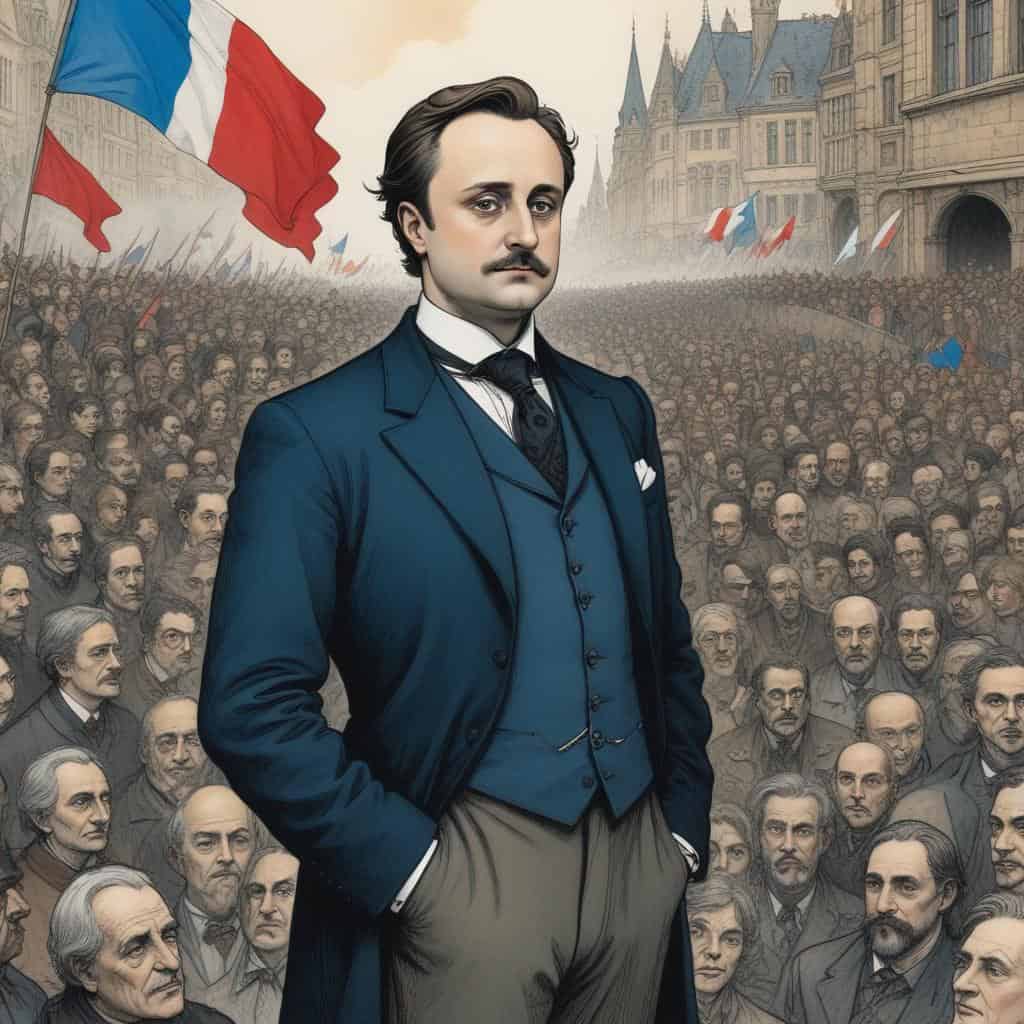
Xavier Bettel

Charlotte
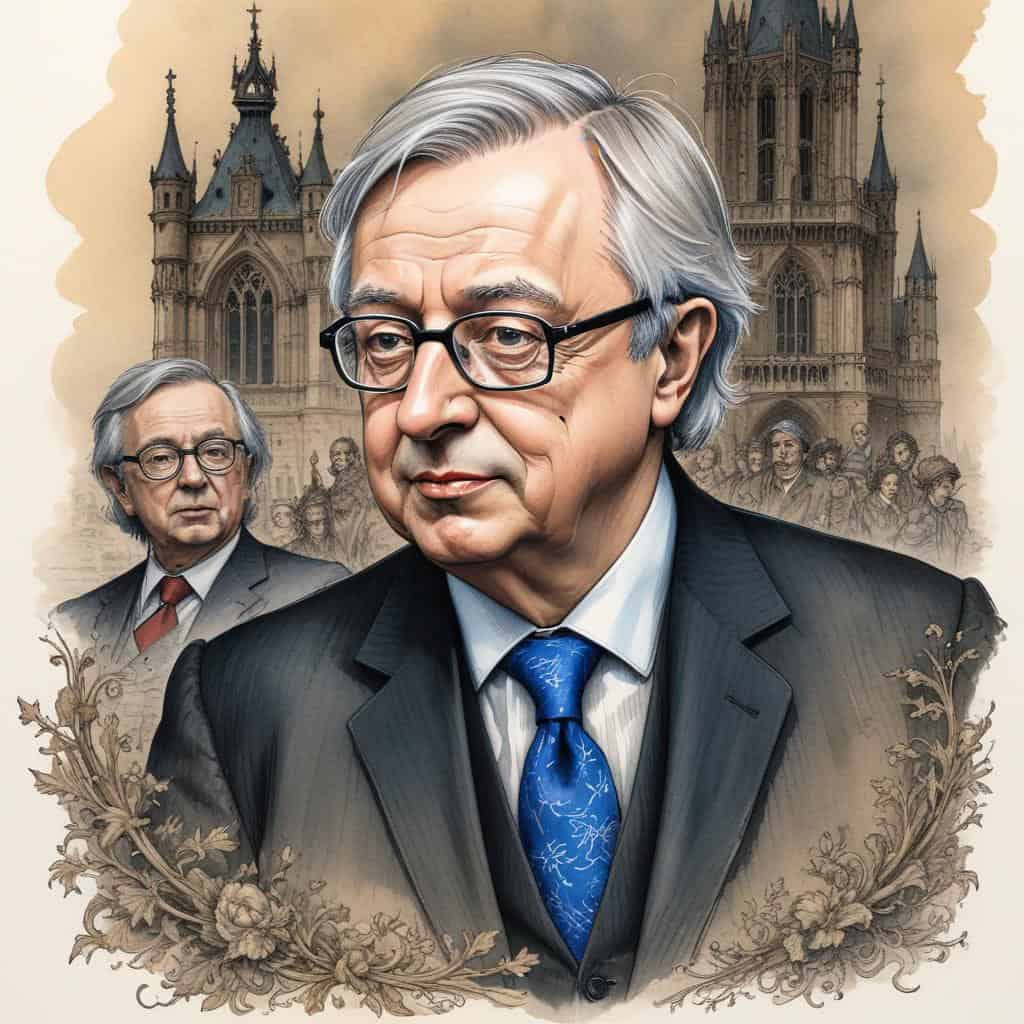
Jean-Claude Juncker

Michel Rodange
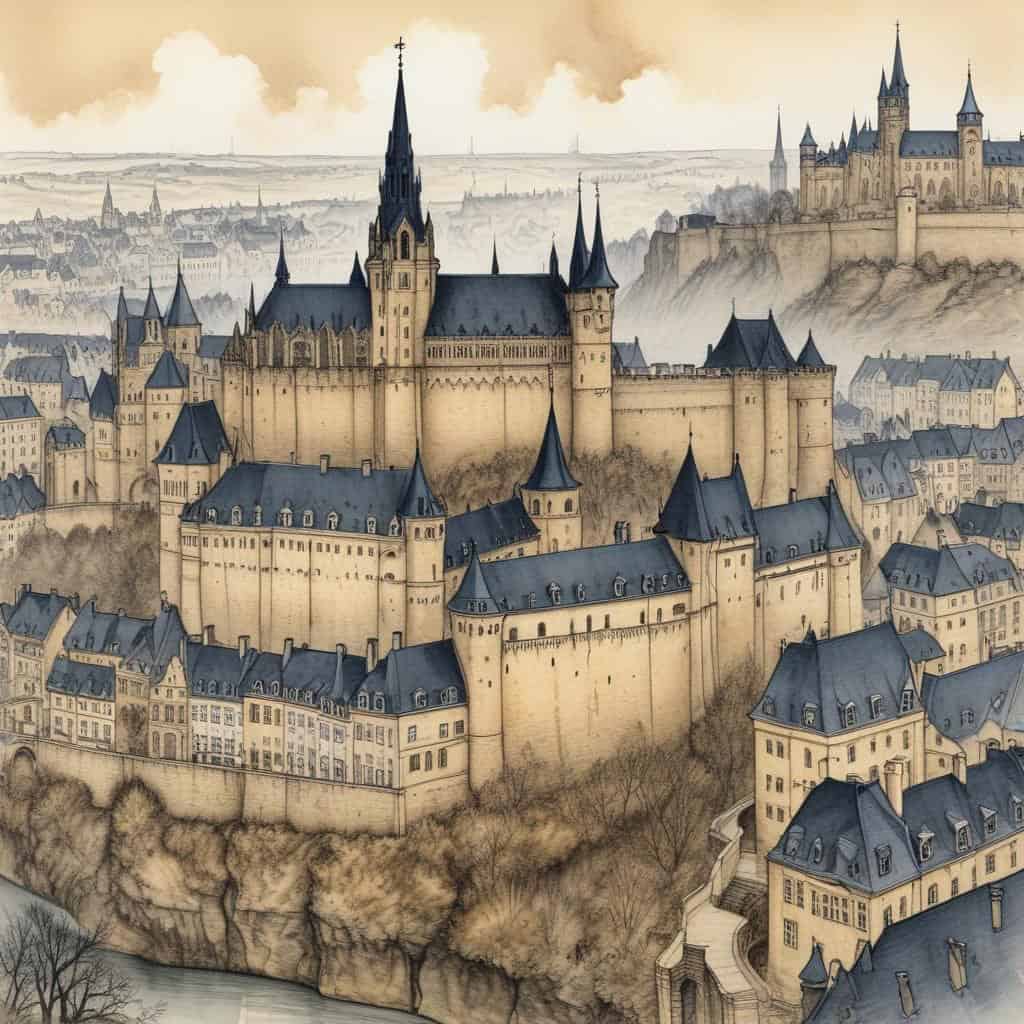
Luxembourg City
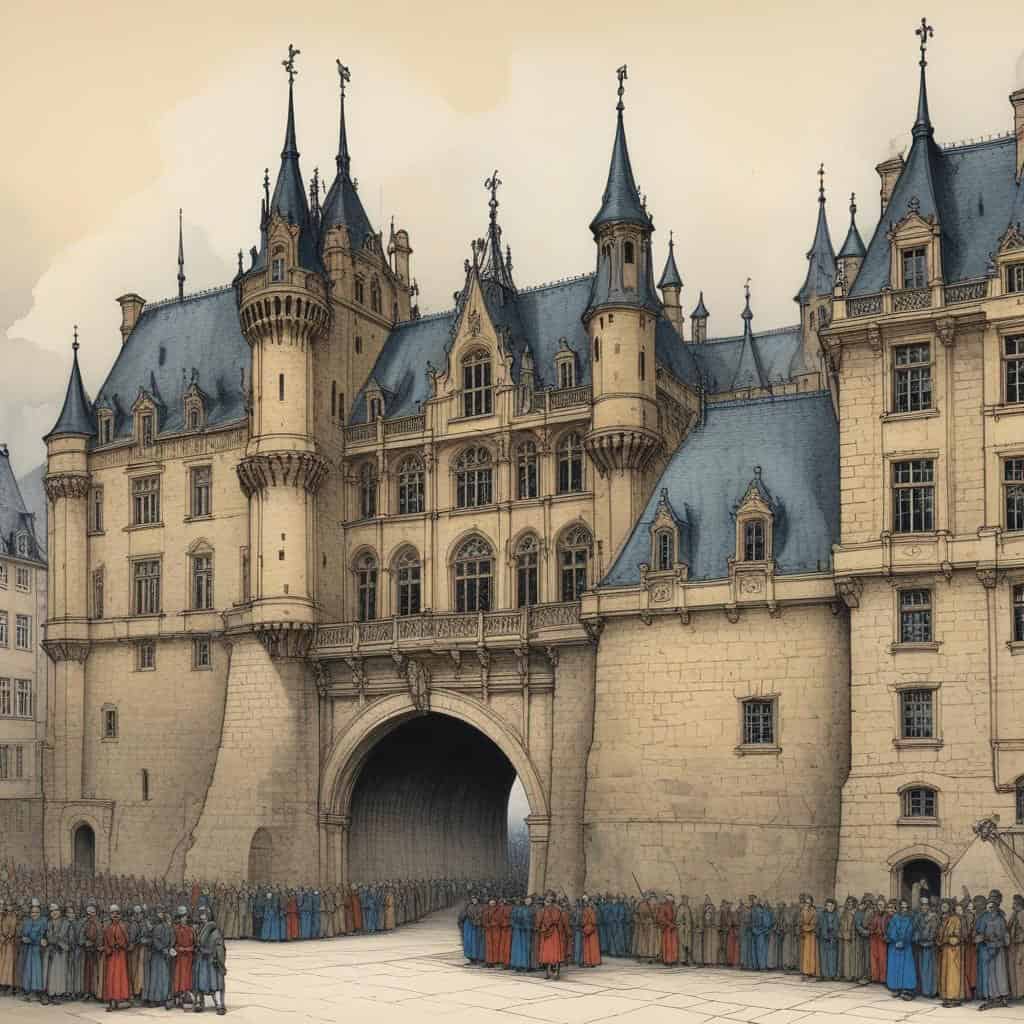
European Union
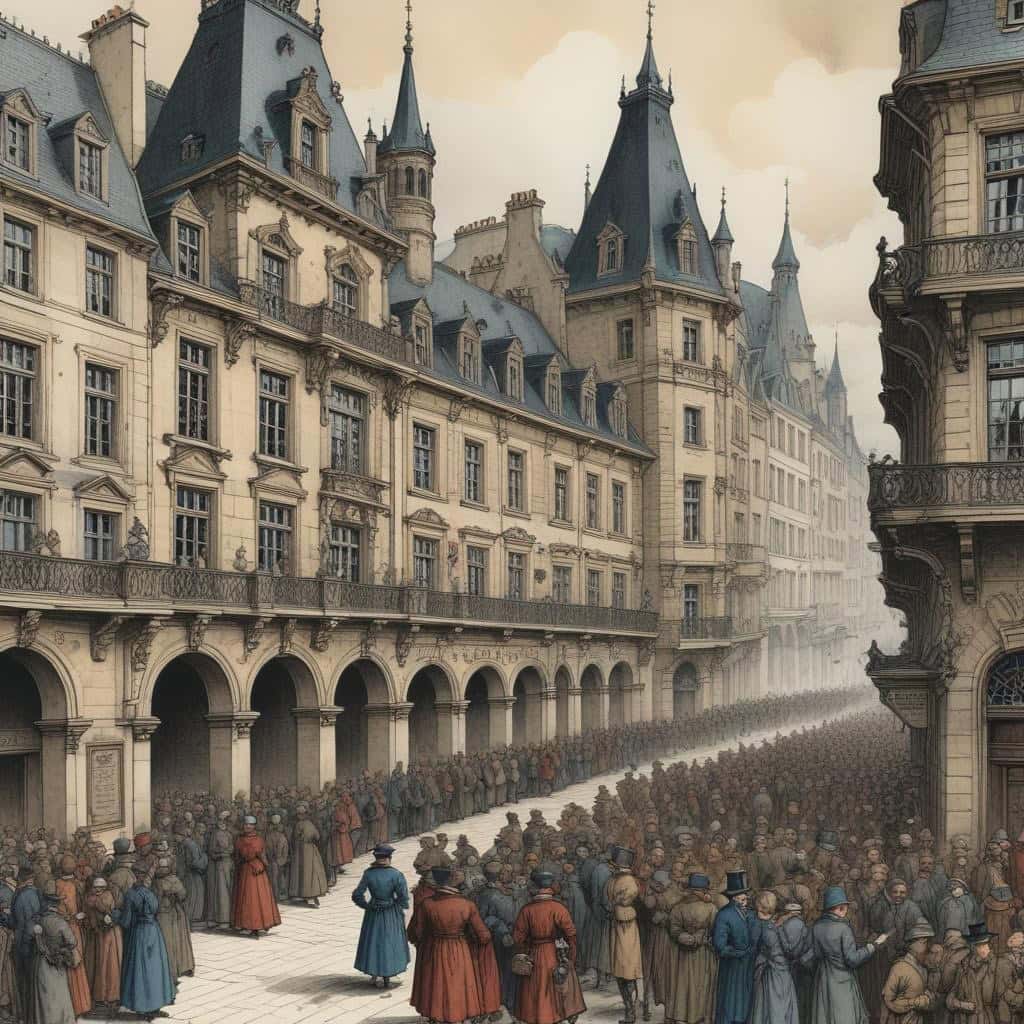
Banking Sector
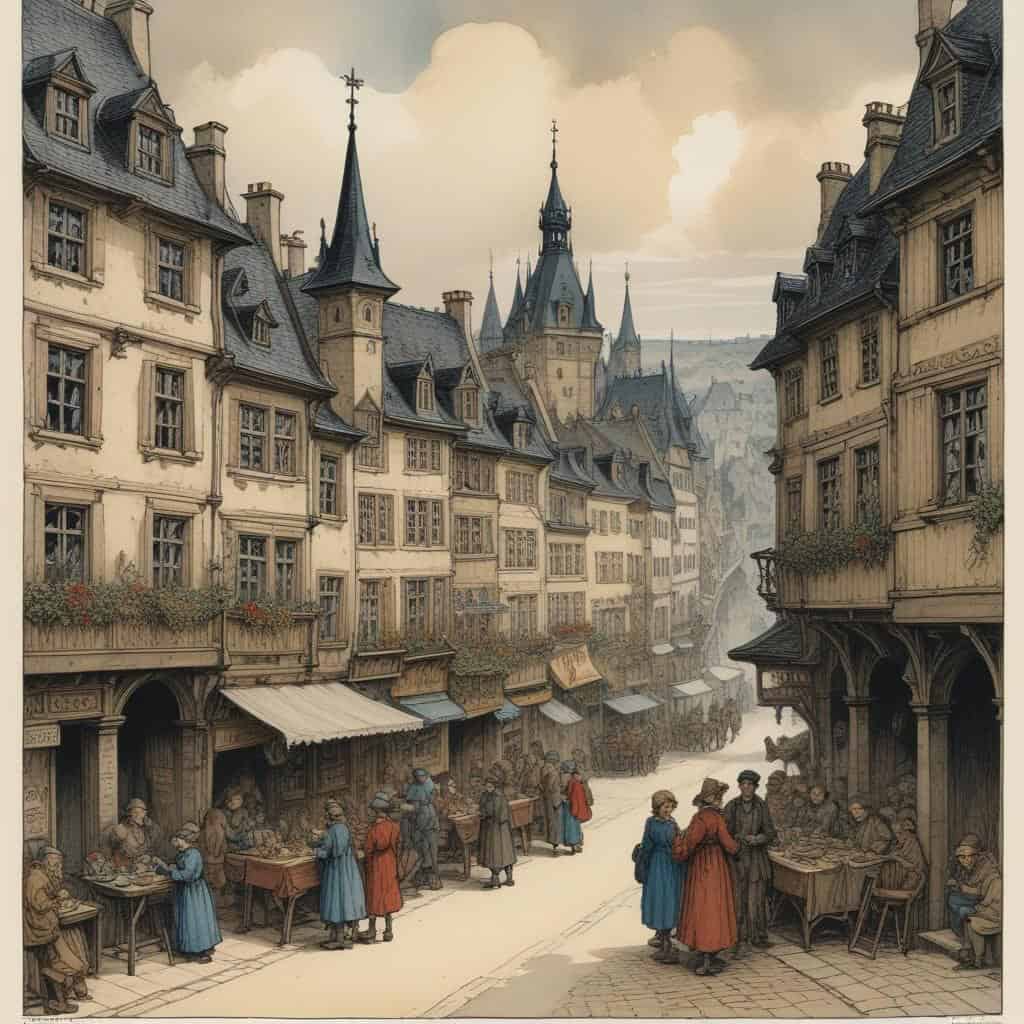
Standard of Living
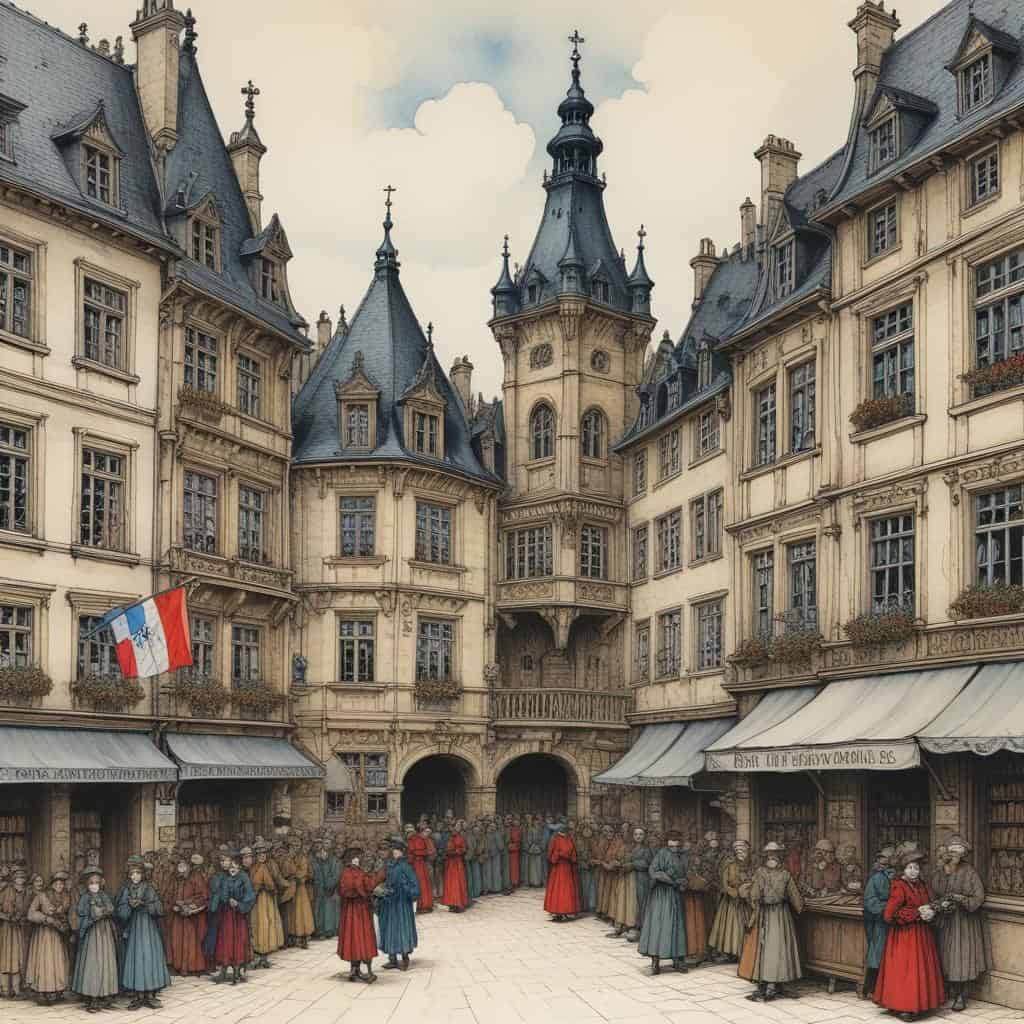
Multilingual Society
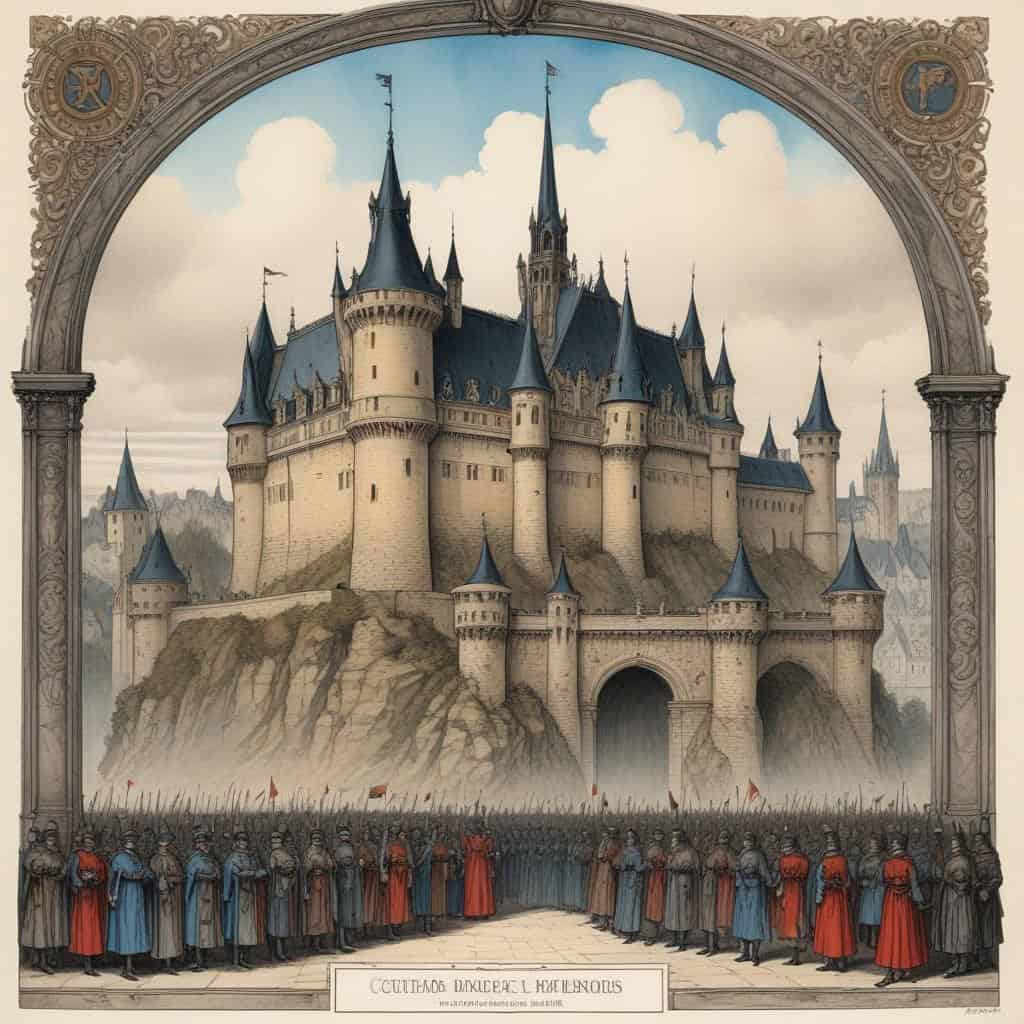
Grand Duchy
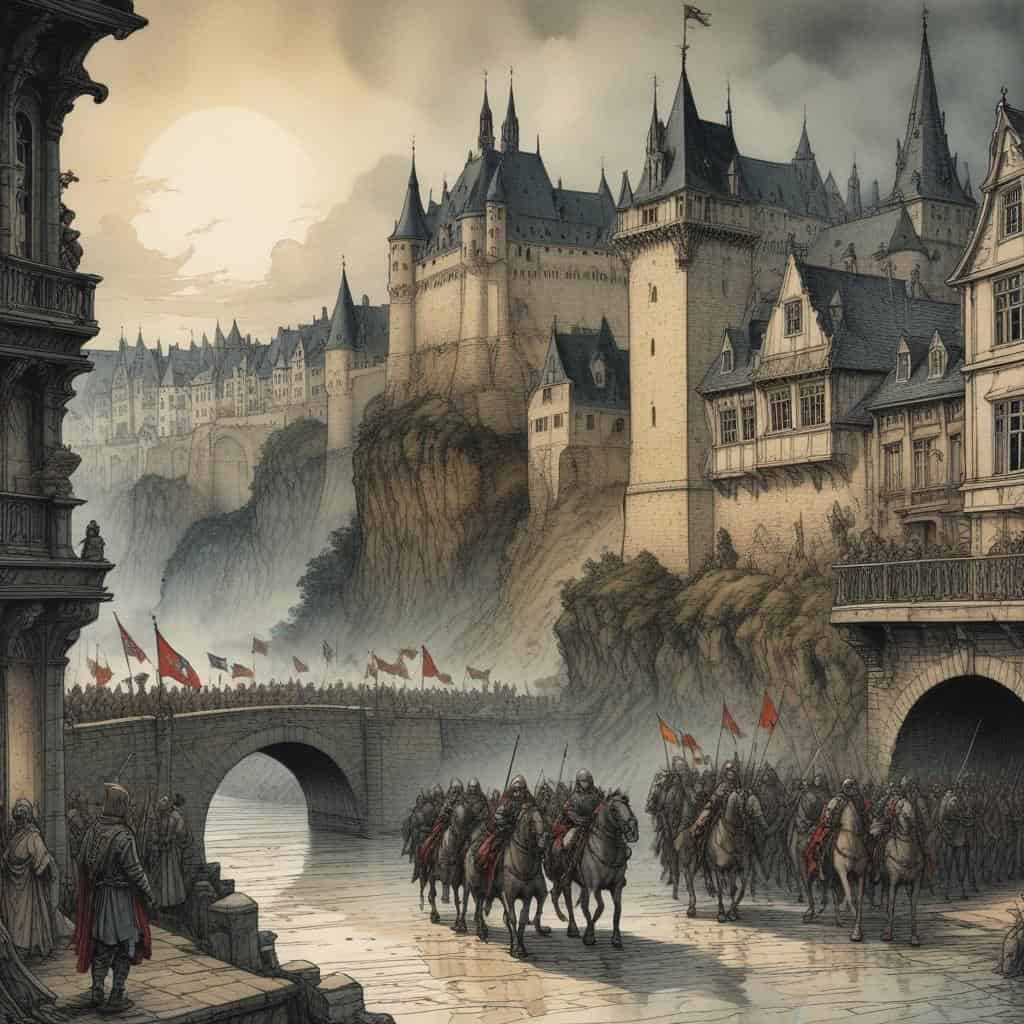
Historical Significance

Nature and Parks
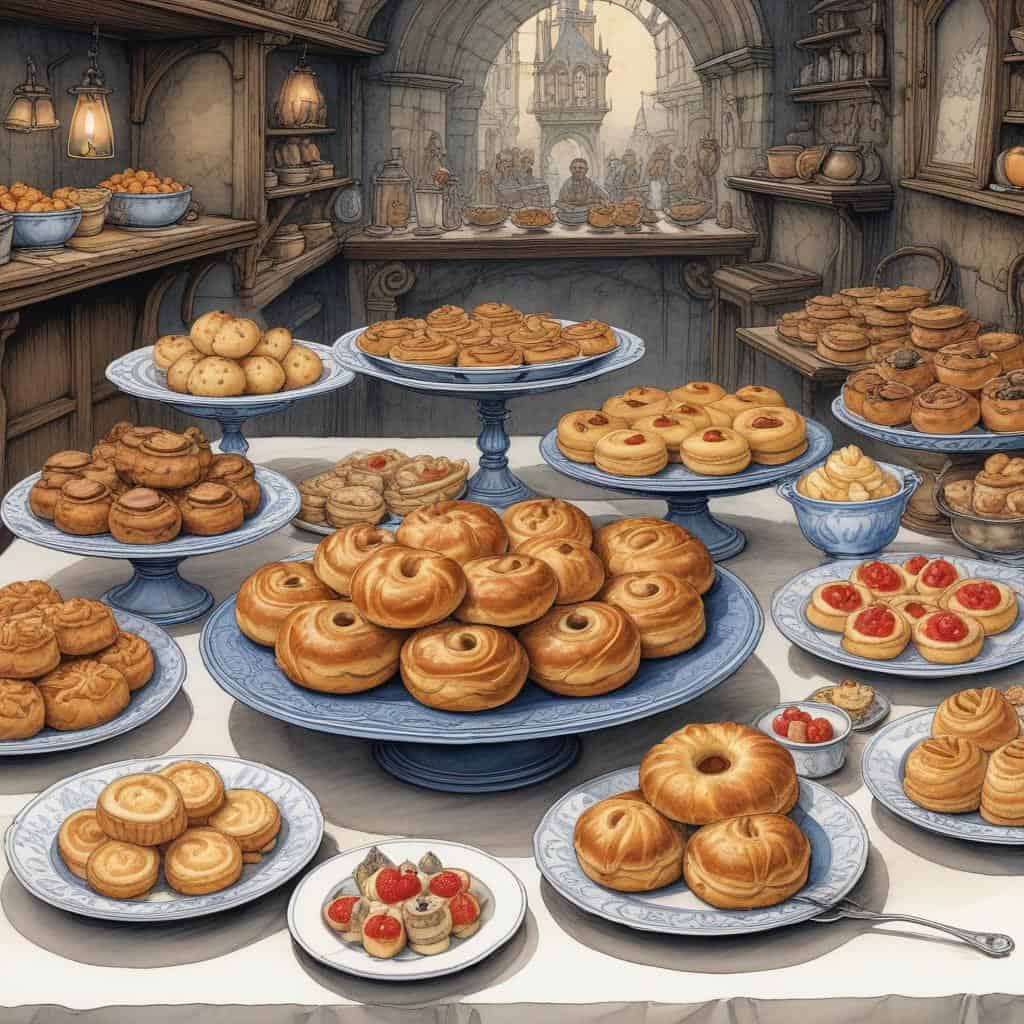
Culinary Delights
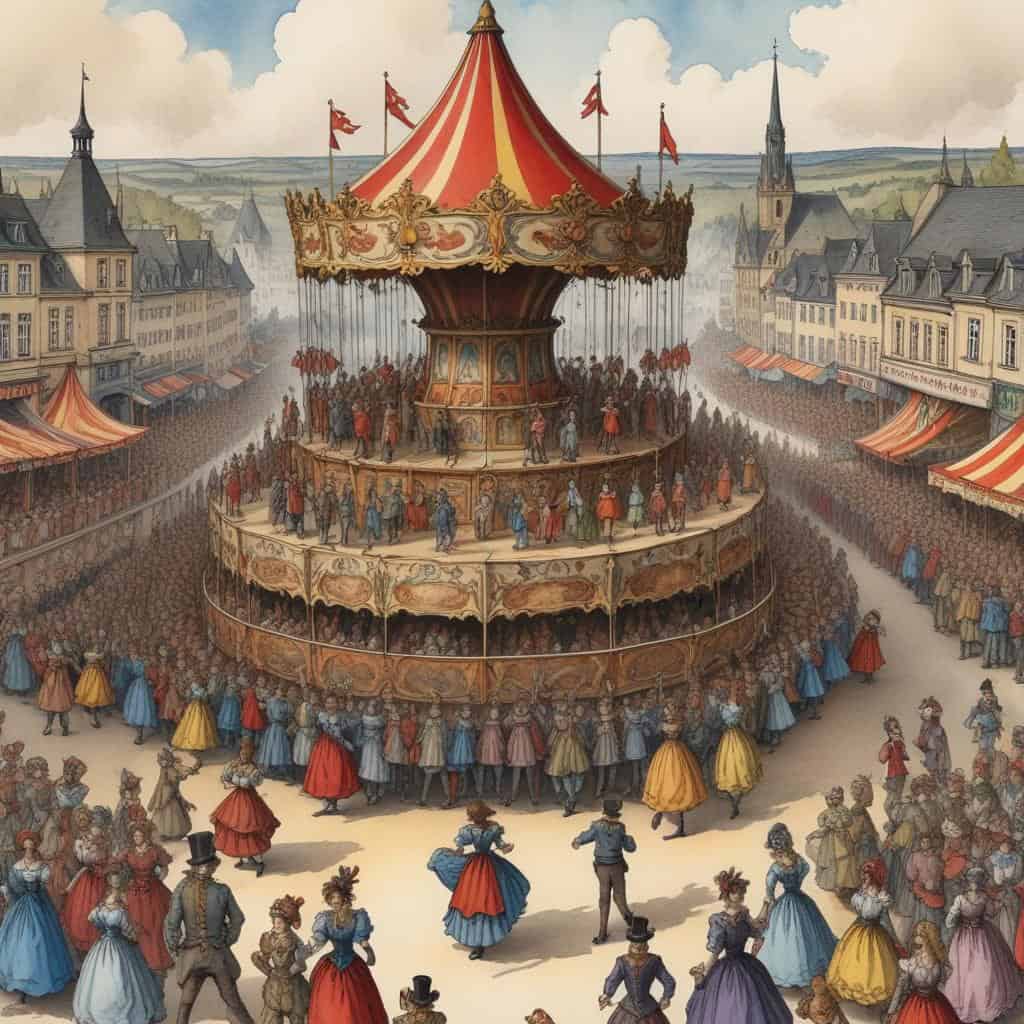
Festivals and Events
In a Nutshell
- Capital: Luxembourg City
- Population: Approx. 633,000 (2021)
- Official Language: Luxembourgish
- Currency: Euro (EUR)
Breaking Down the Country
Historic Castles
Luxembourg is home to numerous well-preserved medieval castles, offering a glimpse into the country's rich history and strategic importance.
Financial Hub
As a leading financial center in Europe, Luxembourg boasts a robust economy, low unemployment rates, and a high standard of living for its residents.
Multilingual Society
With three official languages - Luxembourgish, French, and German - the country reflects its diverse cultural influences and international connections.
Timeline of Luxembourg
Luxembourg City founded by the Romans
Luxembourg becomes a grand duchy under the House of Orange-Nassau
Luxembourg gains independence from the Netherlands
Luxembourg becomes a neutral country
Luxembourg occupied by Germany during World War I
Luxembourg occupied by Germany during World War II
Luxembourg becomes a founding member of the European Coal and Steel Community
Luxembourg becomes a founding member of the European Economic Community
Luxembourg becomes a founding member of the European Union
Luxembourg adopts the euro as its currency
Luxembourg becomes the first country to make all public transportation free
Luxembourg legalizes same-sex marriage
Luxembourg's Prince Henri abdicates in favor of his son Prince Guillaume
Luxembourg becomes a founding member of NATO
Luxembourg hosts the European Parliament
Luxembourg becomes a member of the United Nations
Luxembourg joins the Schengen Area
Luxembourg becomes one of the founding members of the Benelux Economic Union
Luxembourg becomes a member of the World Trade Organization
Luxembourg becomes one of the founding members of the European Free Trade Association
Vocabulary List
- Luxembourgish
- The official language of Luxembourg is Luxembourgish, a Germanic language.
- Grand Duchy
- Luxembourg is known as the Grand Duchy of Luxembourg, a title that reflects its history as a sovereign monarchy.
- Schengen Agreement
- Luxembourg is one of the founding members of the Schengen Agreement, which allows for passport-free travel between participating European countries.
- Euro
- Luxembourg is part of the Eurozone, using the euro as its official currency.
- Fortifications
- Luxembourg City is known for its well-preserved fortifications, which are a UNESCO World Heritage Site.
- Banking
- Luxembourg is a major financial center, known for its banking and investment services.
- European Union
- Luxembourg is one of the six founding countries of the European Union, and it hosts several EU institutions, including the European Court of Justice.
- Ardennes
- The northern part of Luxembourg is part of the Ardennes mountain range, known for its forests and natural beauty.
Key Facts
This is the information used in the fact matching game
- Luxembourg is a landlocked country in Western Europe.
- Luxembourg is one of the smallest countries in Europe, with a total area of 2,586 square kilometers.
- Luxembourg is known for its high standard of living and is one of the wealthiest countries in the world.
- Luxembourg is a founding member of the European Union, NATO, and the United Nations.
- Luxembourg has three official languages: Luxembourgish, French, and German.
- Luxembourg City is the capital and largest city in Luxembourg.
- Luxembourg is a constitutional monarchy with a parliamentary democracy.
- Luxembourg is home to many international institutions, including the European Court of Justice and the European Investment Bank.
- Luxembourg has a strong financial sector and is known for being a tax haven.
- Luxembourg has a population of approximately 625,000 people.
- Luxembourg has a diverse economy with a focus on steel, finance, and technology.
- Luxembourg is known for its picturesque countryside and historic castles.
- Luxembourg has a high level of education and healthcare, with a strong social welfare system.
- Luxembourg is a member of the Schengen Area, allowing for passport-free travel within the European Union.
- Luxembourg has a well-developed public transportation system, including trains and buses.
- Luxembourg is known for its local cuisine, including dishes like Judd mat Gaardebounen (smoked pork neck with broad beans) and Quetschentaart (plum tart).
- Luxembourg celebrates its National Day on June 23rd, in honor of the Grand Duke's official birthday.
- Luxembourg has a strong tradition of cycling, with many dedicated bike paths and events like the Tour de Luxembourg.
- Luxembourg is home to several UNESCO World Heritage Sites, including the Old City of Luxembourg and the Moselle wine region.
- Luxembourg has a vibrant arts and culture scene, with museums, galleries, and music festivals throughout the year.
Why It Matters
Geopolitical Significance
Located at the heart of Europe, Luxembourg’s strategic position has made it a key player in international affairs. Its role as a founding member of the European Union and host to numerous EU institutions underscores its importance as a hub for diplomacy and cooperation.
Historical Importance
Despite its small size, Luxembourg has a rich history shaped by its strategic location and the influence of neighboring powers. From the medieval era to its role in World War II, Luxembourg’s past is marked by periods of prosperity, conflict, and resilience.
Modern-Day Role
Today, Luxembourg is a global financial center and home to many multinational corporations. Its commitment to sustainable development, innovation, and international cooperation has solidified its reputation as a progressive and forward-thinking nation on the world stage.
Luxembourg Games


Take Your Learning Offline
Want a convenient, print-ready study guide for this lesson? Become a Memory Wizards Pro member to unlock the downloadable " Memory Scrolls" for this topic and our entire library!
- ✓ Complete Vocabulary Lists
- ✓ Key Facts & Timelines
- ✓ Beautifully Formatted for Print & Mobile