
How Do You Learn Best?
Learn by Reading
Immerse yourself in the 10-minute visual lesson for a comprehensive understanding of the topic.
Learn by Reviewing
Jump directly to the key facts, timeline, and vocabulary lists to build a solid foundation of details.
Learn by Doing
Challenge yourself! Jump straight into the interactive games to learn by trial, error, and discovery.
Albania in 10 Minutes
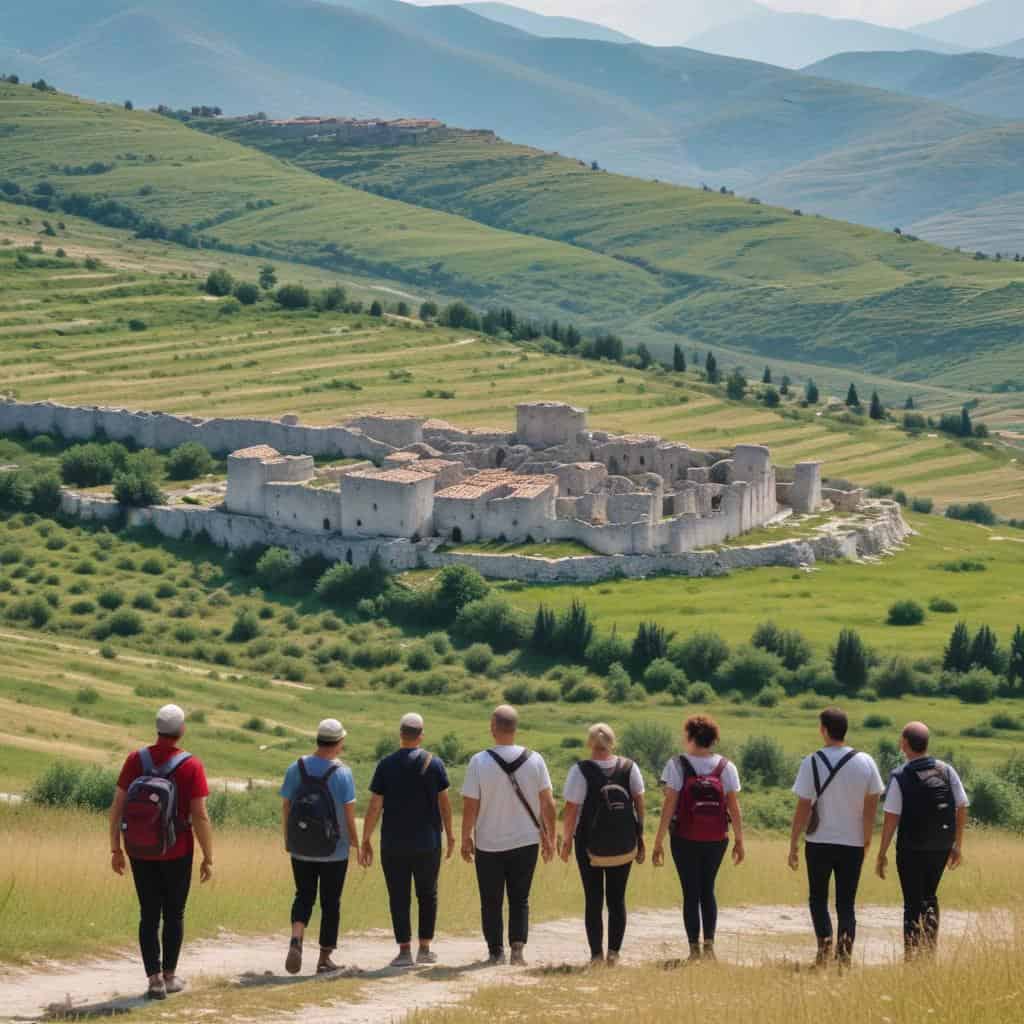
Introduction
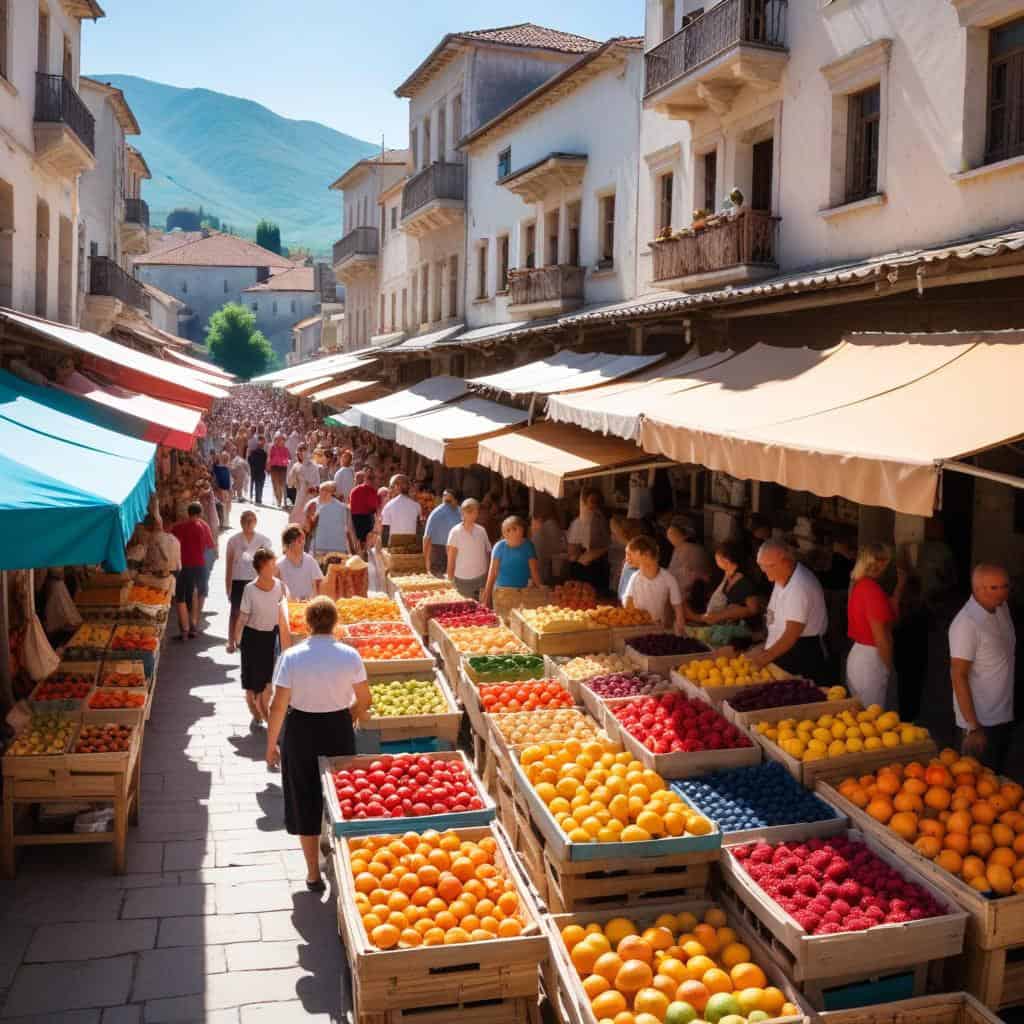
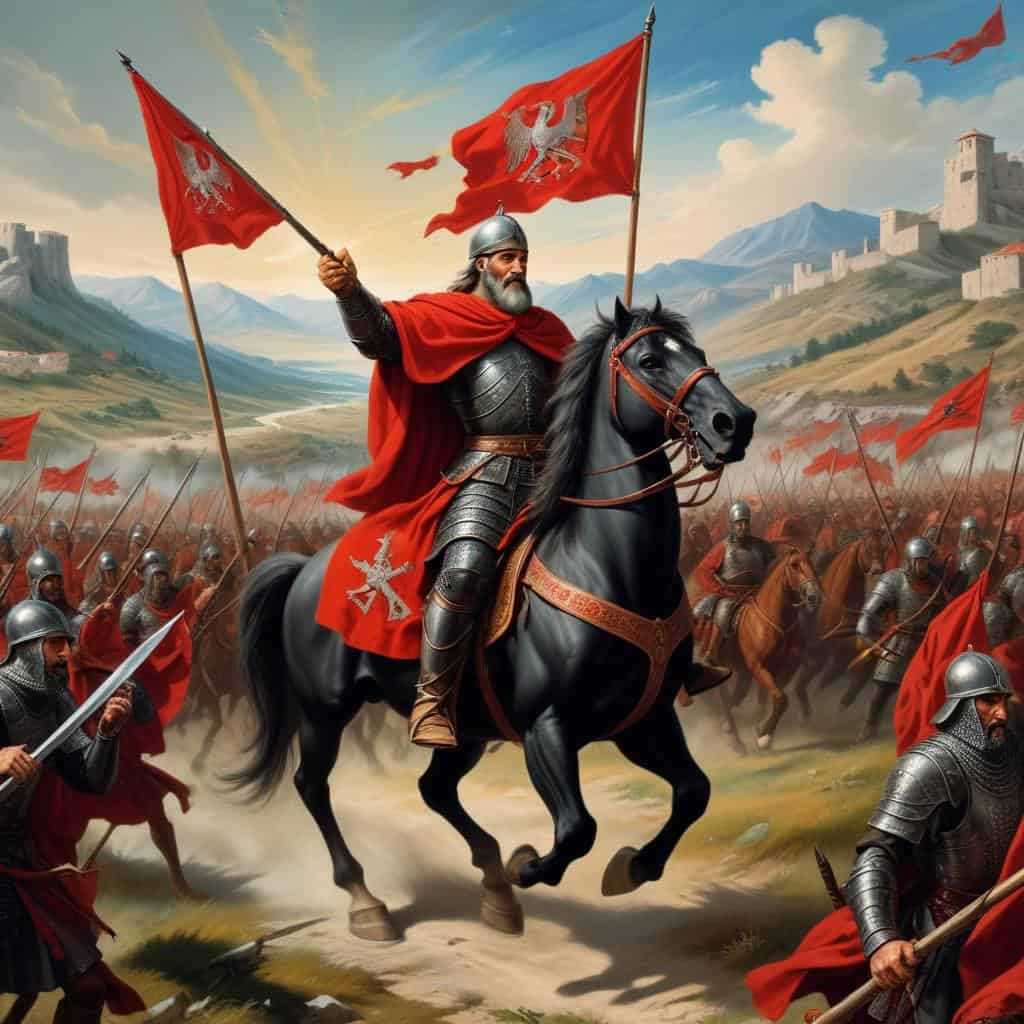
Skanderbeg
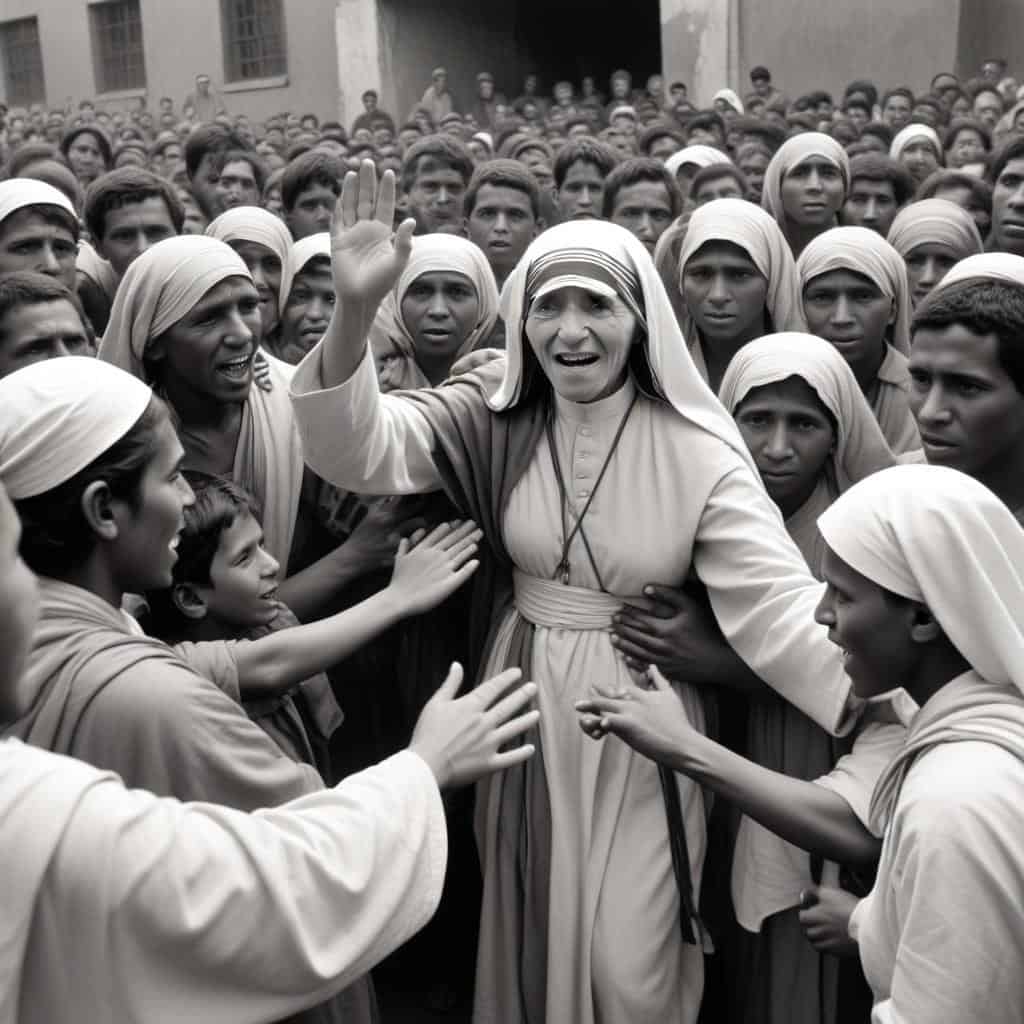
Mother Teresa
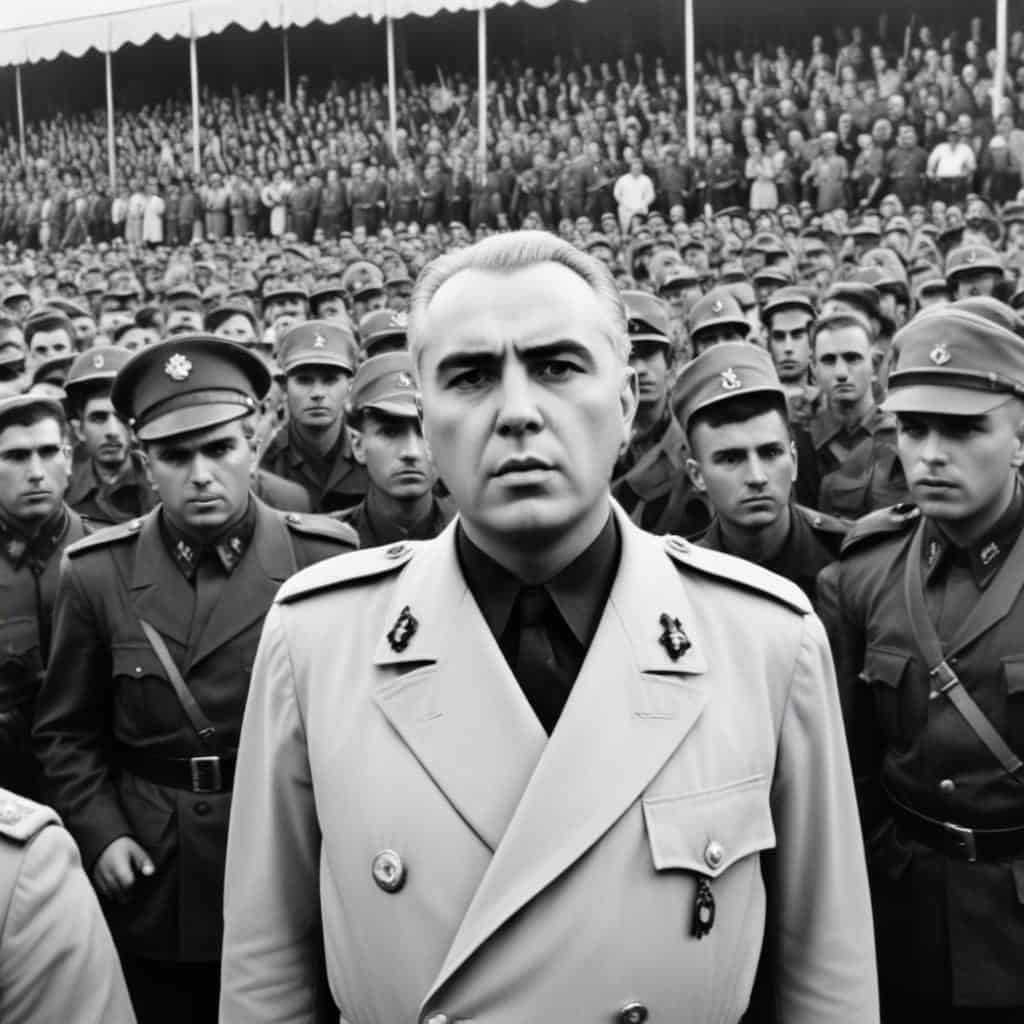
Enver Hoxha

Rita Ora
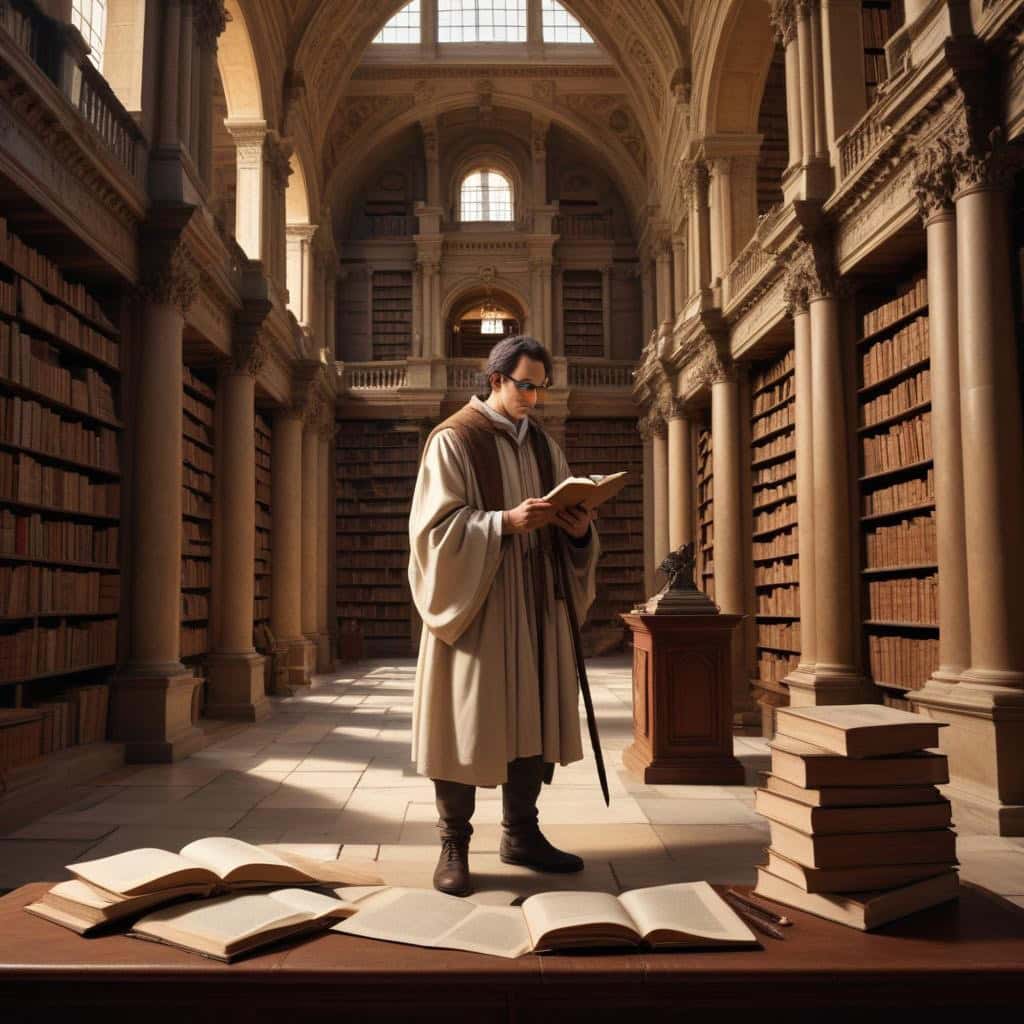
Ismaïl Kadare
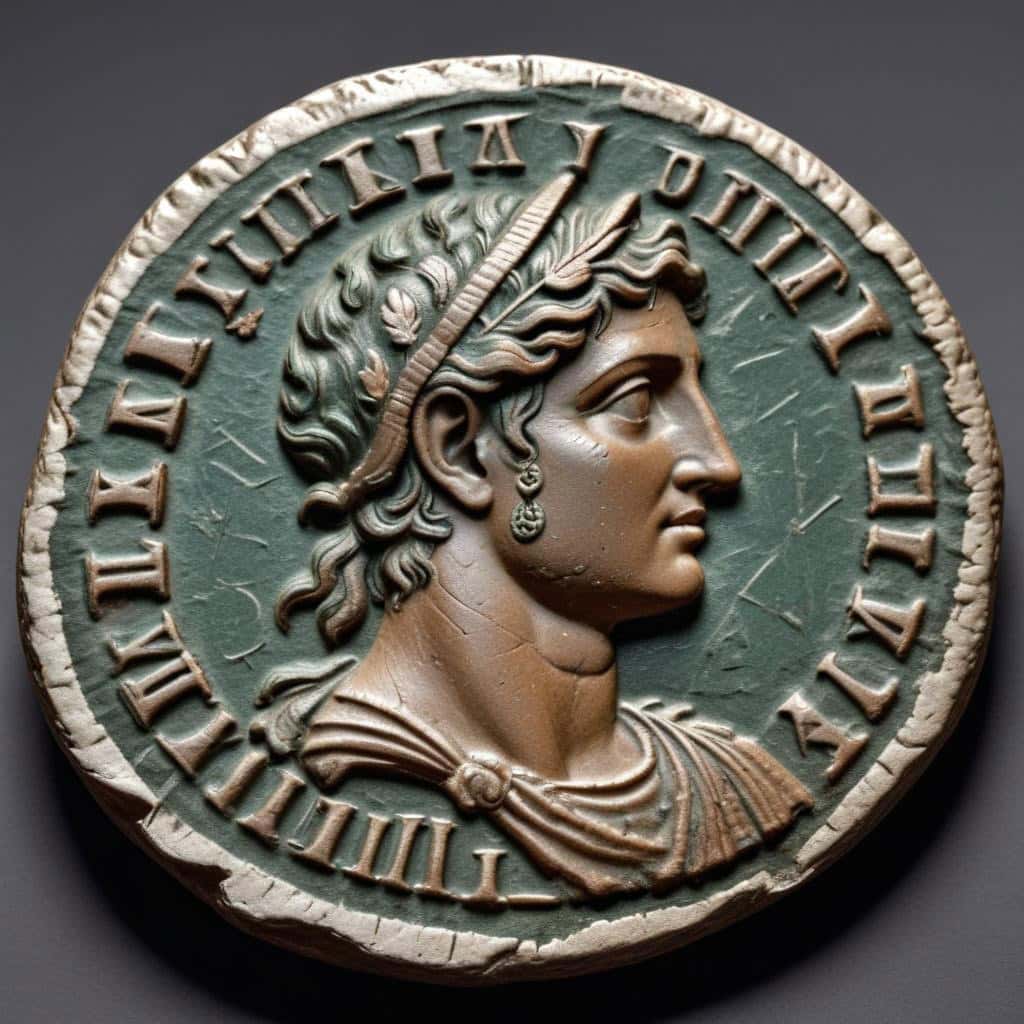
1. History
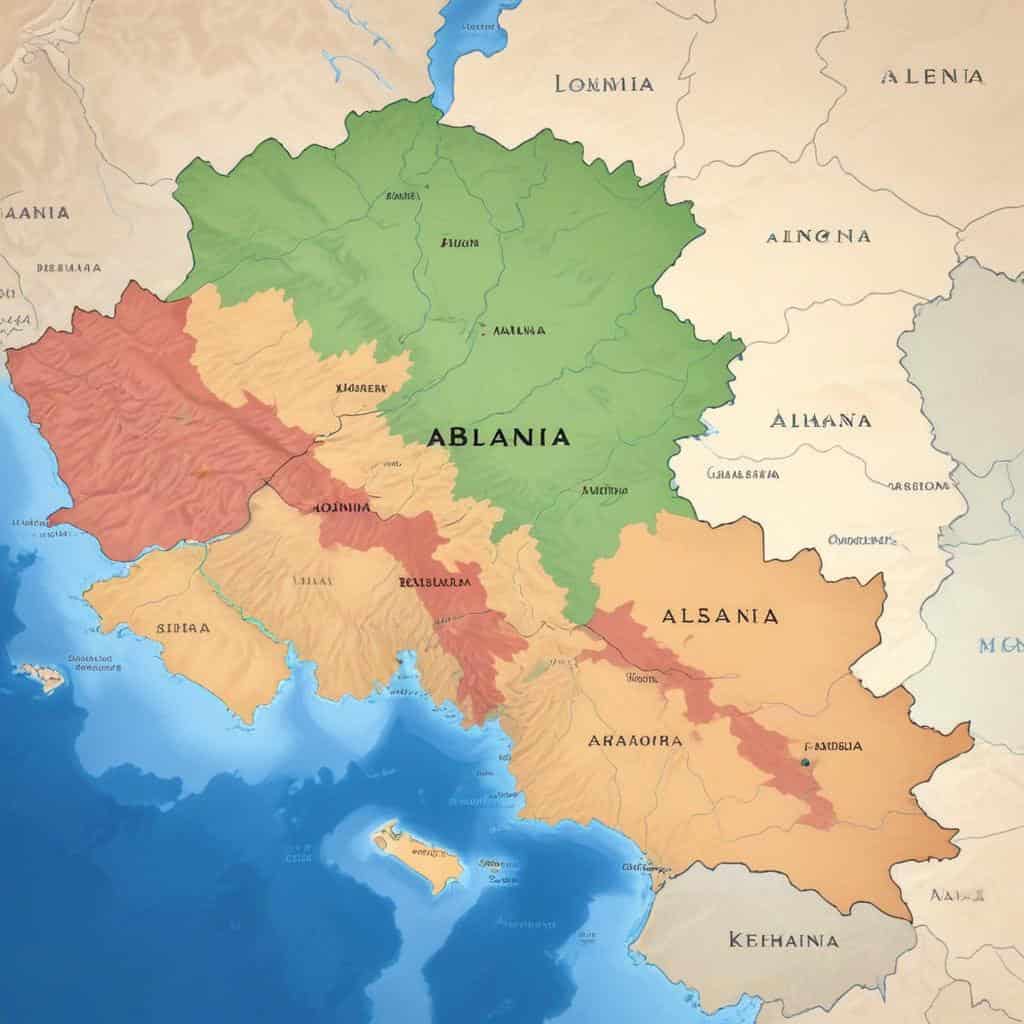
2. Geography
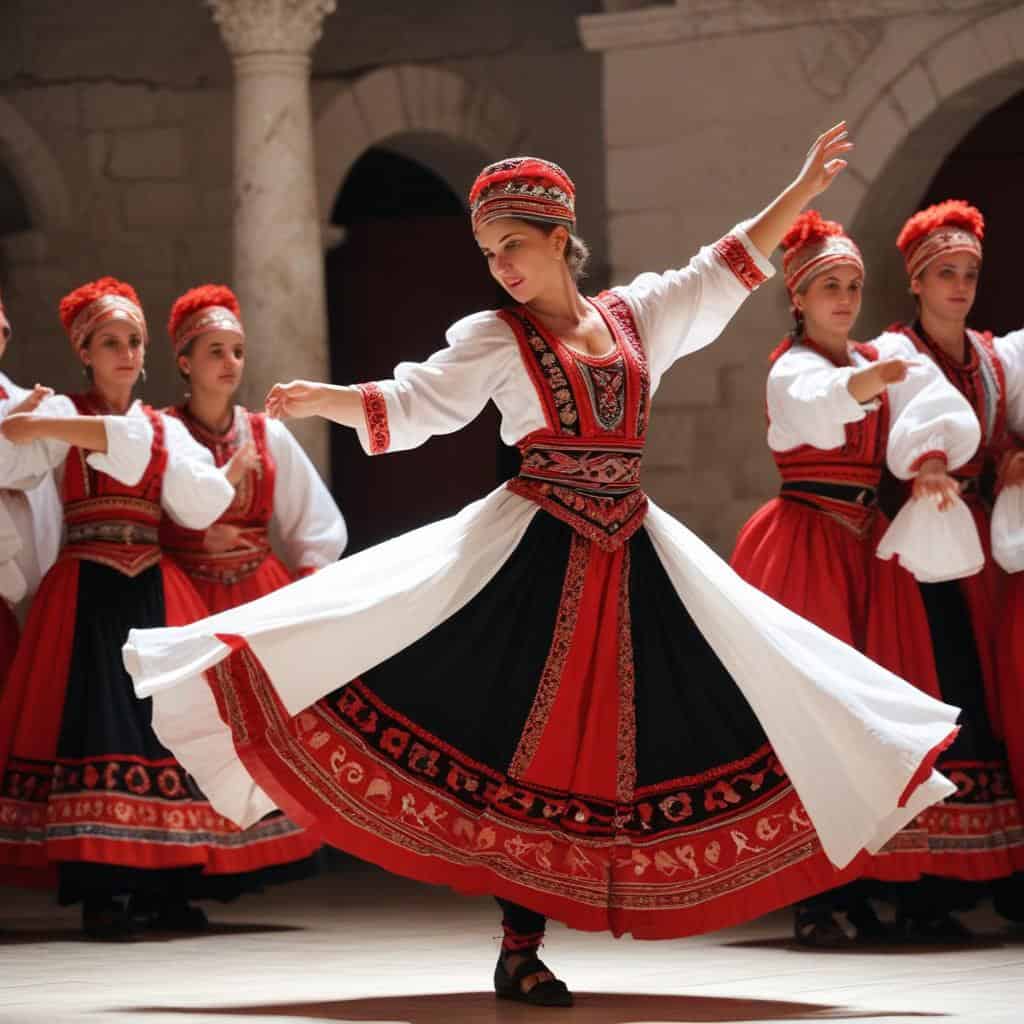
3. Culture
4. Language
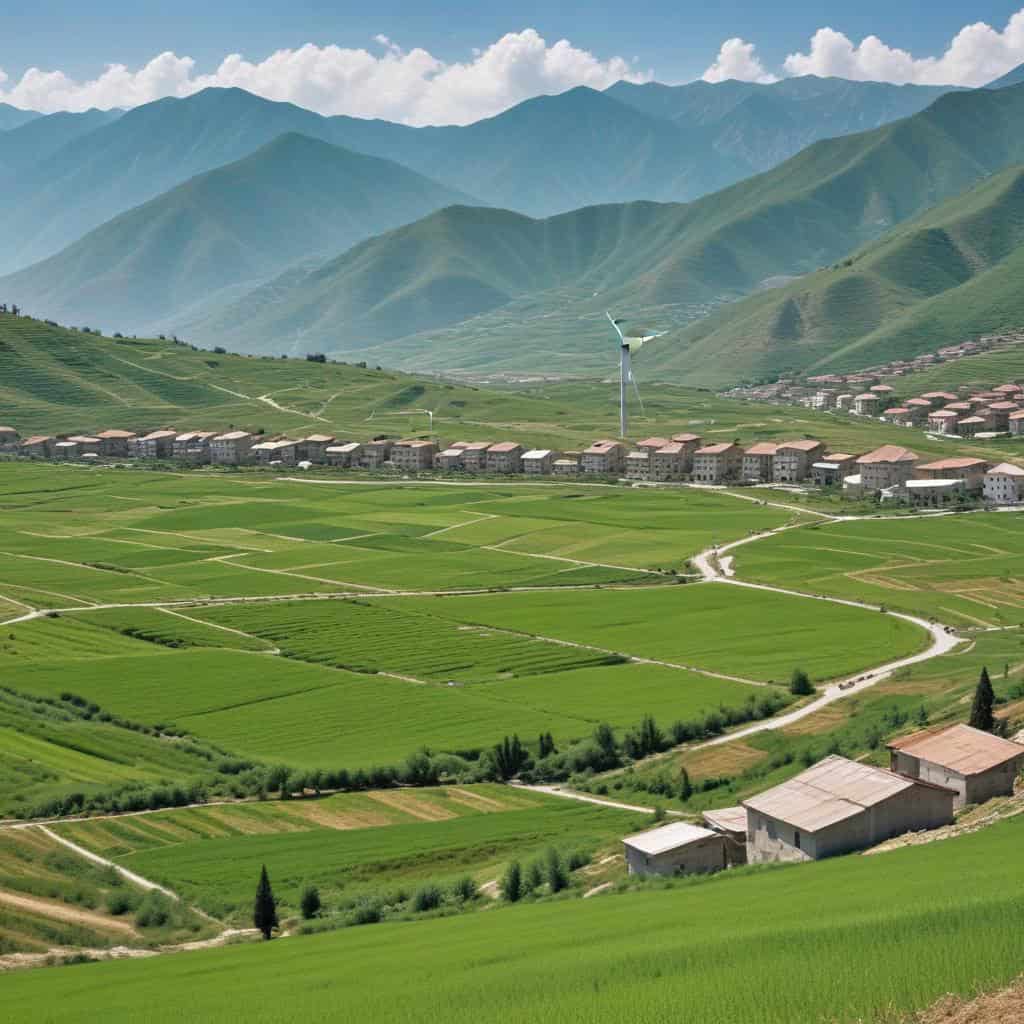
5. Economy
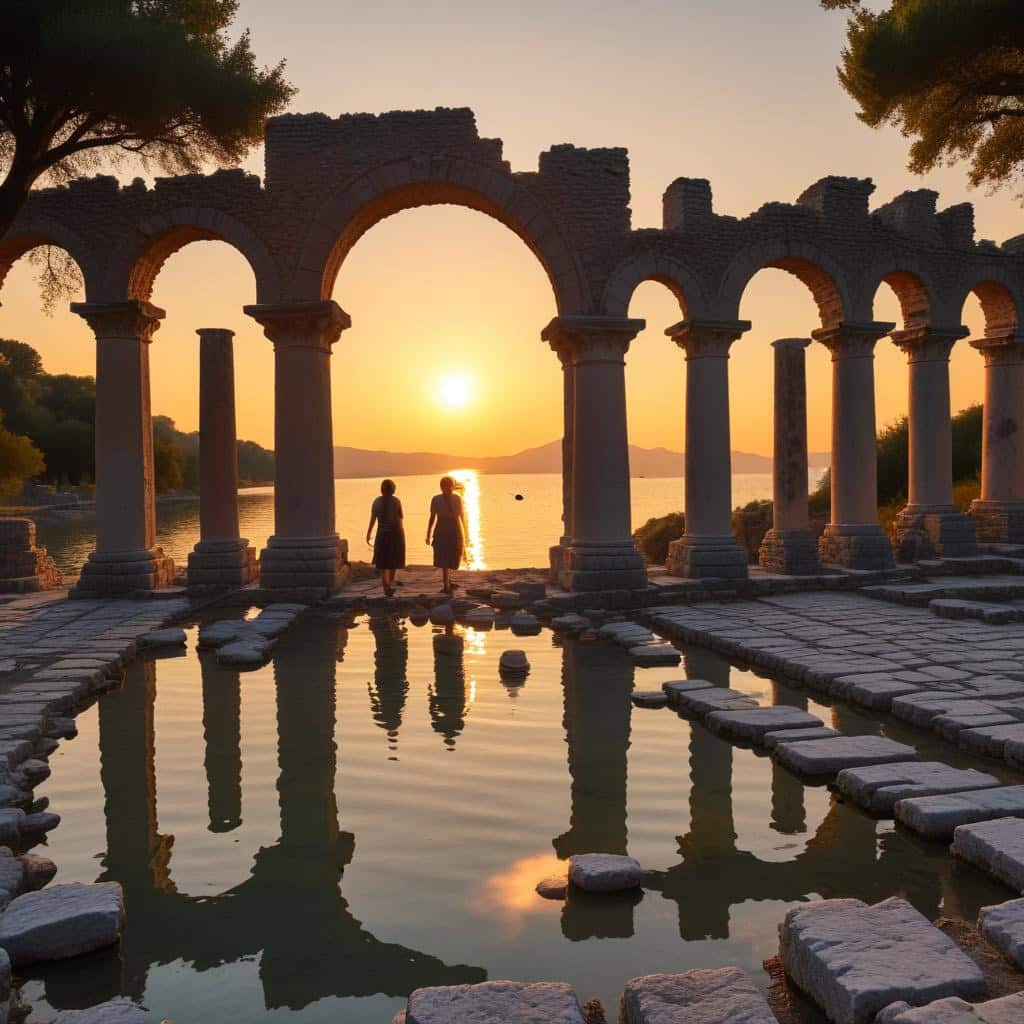
6. Tourism
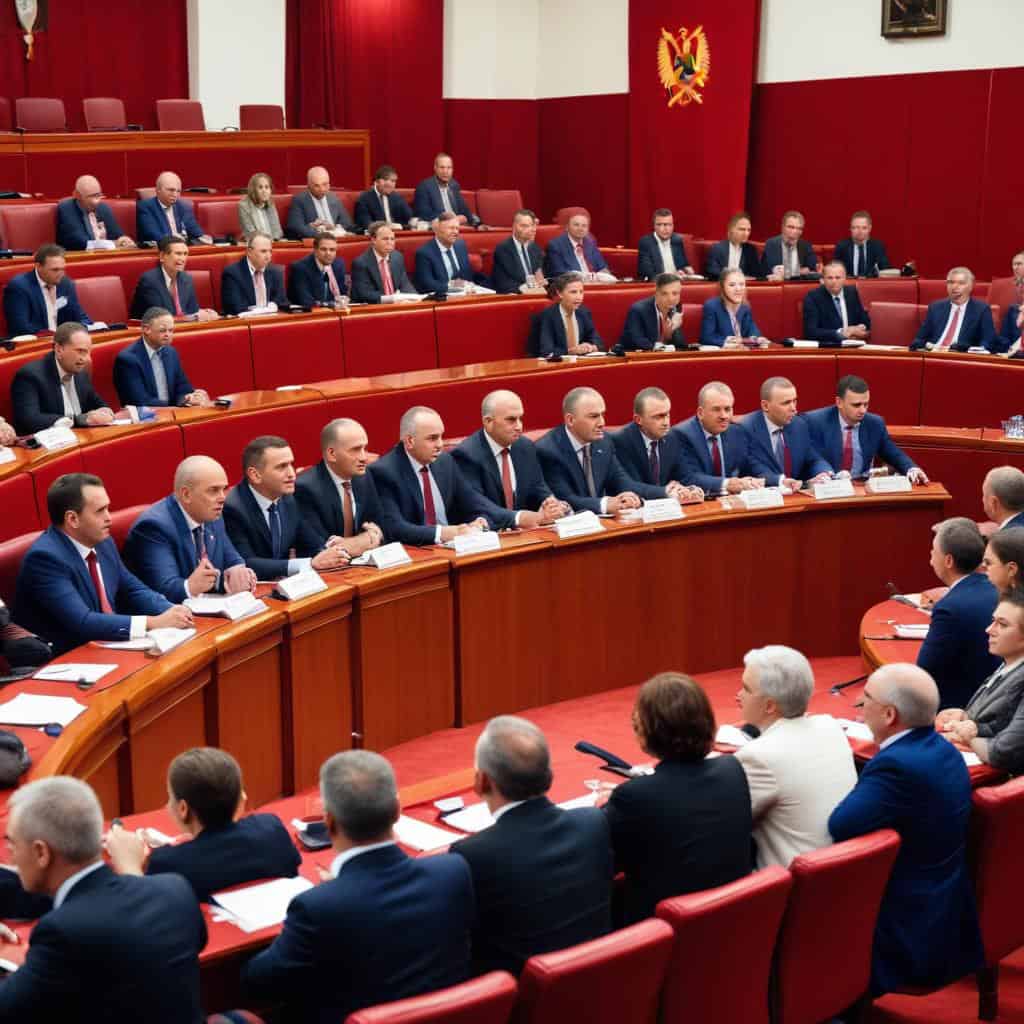
7. Politics
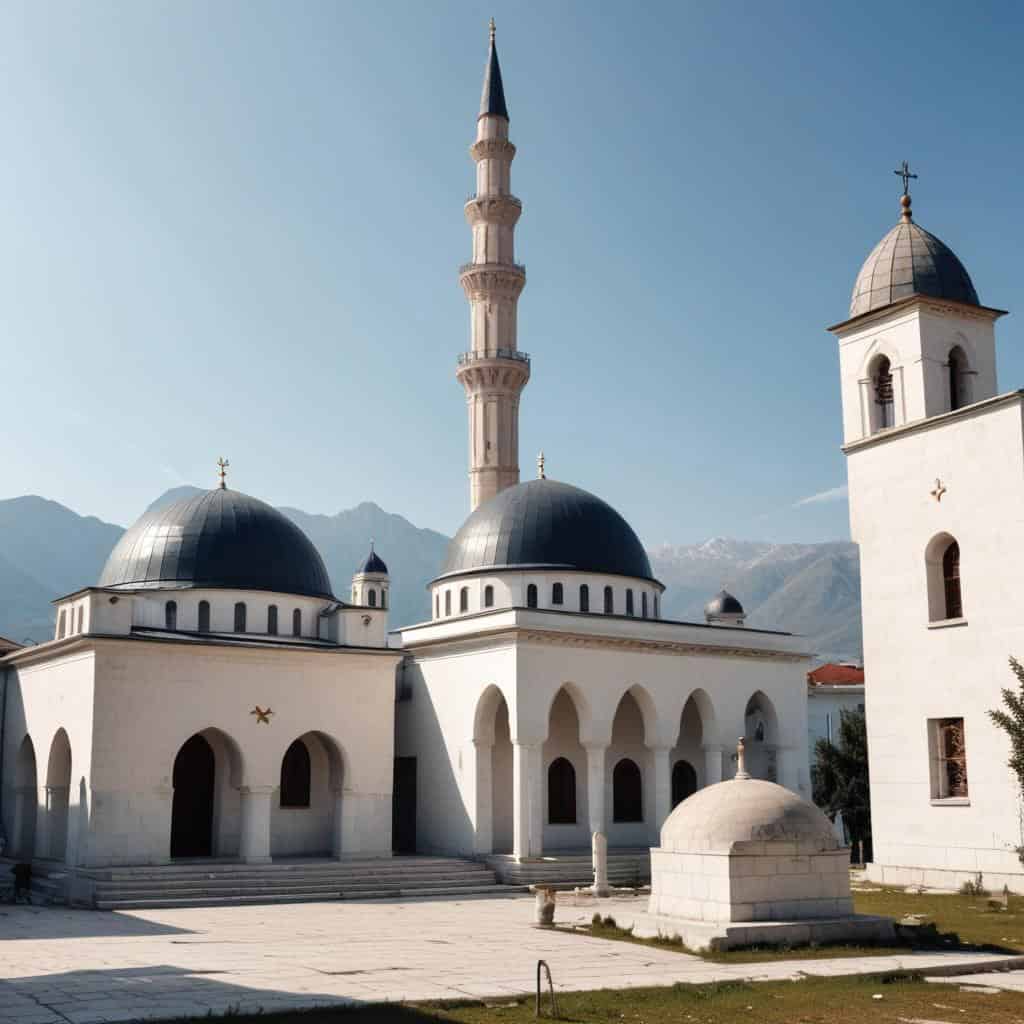
8. Religion
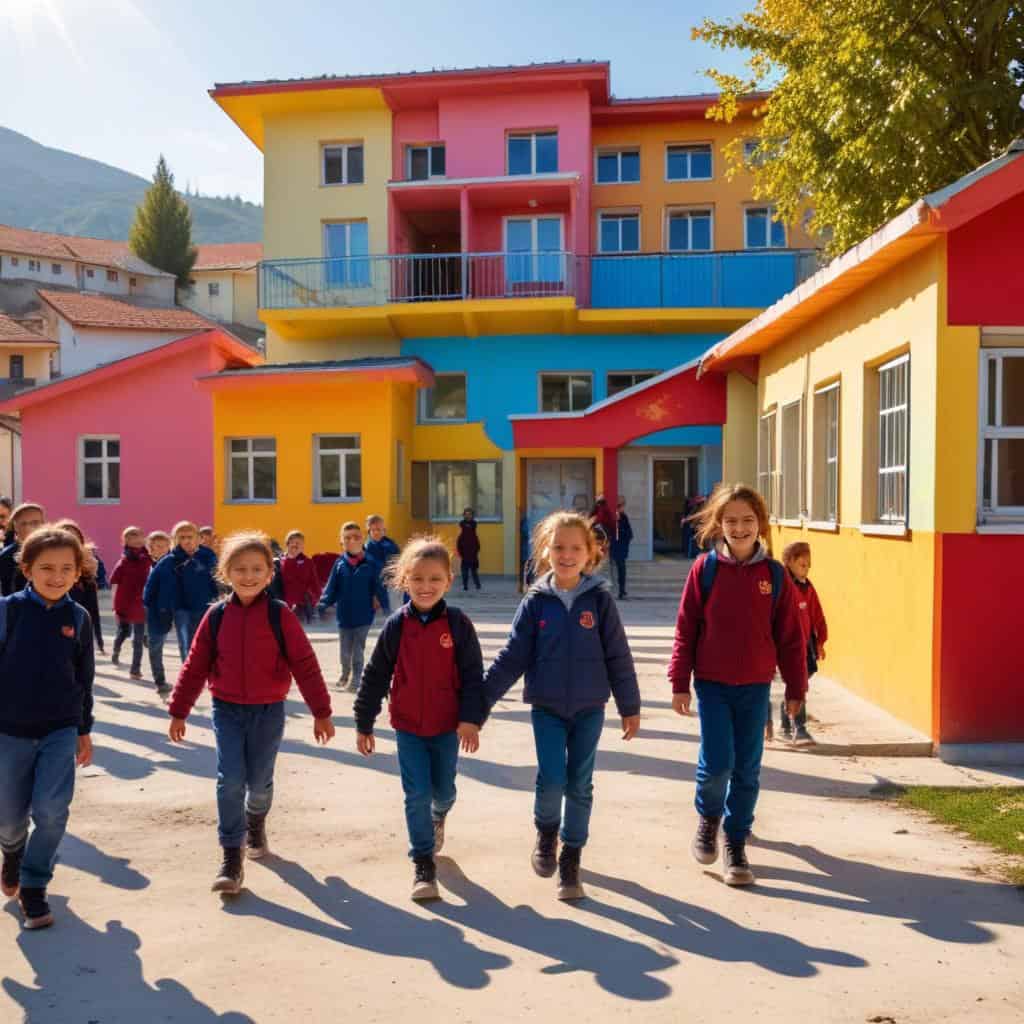
9. Education
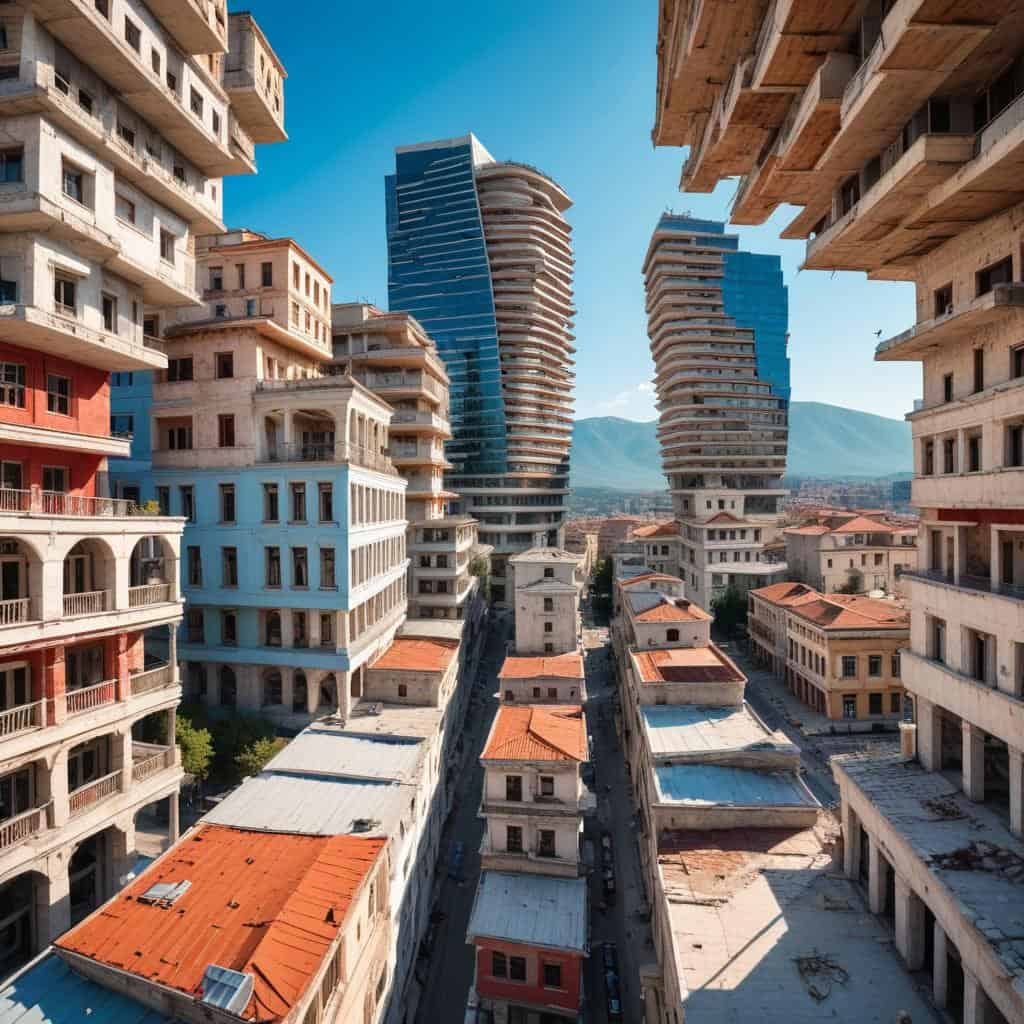
10. Future Outlook
In a Nutshell
- Capital: Tirana
- Population: Approx. 2.8 million (2023)
- Official Language: Albanian
- Currency: Albanian lek (ALL)
Breaking Down the Country
Key Geography
Nestled in the heart of the Balkans, Albania boasts a diverse landscape of mountains, rivers, and picturesque coastlines along the Adriatic and Ionian Seas.
Cultural Heritage
From ancient archaeological sites like Butrint to vibrant traditions of music, dance, and cuisine, Albania showcases a rich tapestry of history and culture.
Adventure & Exploration
Embark on thrilling outdoor adventures in Albania's national parks, explore charming historic towns, and immerse yourself in the warm hospitality of the locals.
Timeline of Albania
Albania becomes part of the Roman Empire
Albania is conquered by the Ottoman Empire
Albanian independence declared
Albania becomes a republic
Italian invasion of Albania
Albania becomes a communist state under Enver Hoxha
Albania breaks ties with the Soviet Union
Albania establishes diplomatic relations with the United States
Albania holds its first multiparty elections
Albania joins NATO
Albania becomes a candidate for European Union membership
Albania experiences a major earthquake
COVID-19 pandemic reaches Albania
Albania holds parliamentary elections
Albania celebrates its 110th Independence Day
Vocabulary List
- Tiranë
- Tiranë is the capital city of Albania.
- Shqipëri
- Shqipëri is the Albanian name for Albania.
- Gjirokastër
- Gjirokastër is a UNESCO World Heritage Site in Albania.
- Besa
- Besa is a cultural concept in Albania that represents faith and trust.
- Fustanella
- Fustanella is a traditional Albanian skirt worn by men.
- Raki
- Raki is a popular alcoholic drink in Albania.
- Albanian Eagle
- The Albanian Eagle is a national symbol of Albania.
- Kosovo
- Kosovo is a disputed territory with a majority Albanian population.
- Ottoman Empire
- Albania was part of the Ottoman Empire for nearly 500 years.
- Enver Hoxha
- Enver Hoxha was the communist leader of Albania from 1944 to 1985.
Key Facts
This is the information used in the fact matching game
- Albania is located in Southeastern Europe, bordered by Montenegro, Kosovo, Macedonia, and Greece.
- The capital city of Albania is Tirana.
- Albania has a population of approximately 2.9 million people.
- The official language of Albania is Albanian.
- Albania gained its independence from the Ottoman Empire in 1912.
- The currency used in Albania is the Albanian lek.
- Albania has a Mediterranean climate with hot, dry summers and mild, wet winters.
- The Albanian flag features a black double-headed eagle on a red background.
- Albania is known for its stunning beaches along the Adriatic and Ionian Seas.
- Albania is home to the UNESCO World Heritage Site of Butrint, an ancient city dating back to the 7th century BC.
- Albania is a candidate country for membership in the European Union.
- Traditional Albanian cuisine includes dishes like fërgesë (pepper and tomato stew), tavë kosi (baked lamb with yogurt), and baklava (sweet pastry).
- Albania is known for its rich history of religious diversity, with significant populations of Muslims, Christians, and Bektashis.
- Albania is home to the Accursed Mountains, a rugged range popular with hikers and outdoor enthusiasts.
- Albania has a high level of biodiversity, with over 3,250 plant species and 354 bird species.
- The national symbol of Albania is the double-headed eagle, which dates back to the Byzantine Empire.
- Albania has a rich tradition of folk music and dance, with unique styles varying by region.
- Albania is one of the least urbanized countries in Europe, with a majority of the population living in rural areas.
- Albania has a history of blood feuds, known as gjakmarrja, which have been a part of the culture for centuries.
- Albania has a growing tourism industry, attracting visitors with its beautiful landscapes, historic sites, and warm hospitality.
Why It Matters
Geopolitical Significance
Albania’s location on the Adriatic and Ionian Seas makes it a key point of entry between Southern and Western Europe. Its relationships with neighboring countries shape regional stability and politics.
Historical Importance
Albania has a rich history as a battleground for empires and is known for its fierce independence. Figures like Skanderbeg have left a lasting legacy in the country’s struggle against foreign powers.
Modern-Day Role
Albania is a developing democracy and a member of NATO. Its economy is growing, driven by tourism and energy development. The country’s presence in the Balkans remains significant culturally and politically.
Albania Games


Take Your Learning Offline
Want a convenient, print-ready study guide for this lesson? Become a Memory Wizards Pro member to unlock the downloadable " Memory Scrolls" for this topic and our entire library!
- ✓ Complete Vocabulary Lists
- ✓ Key Facts & Timelines
- ✓ Beautifully Formatted for Print & Mobile