
How Do You Learn Best?
Learn by Listening
Start with the 3-minute audio summary to get the key facts and narrative highlights quickly.
Learn by Reading
Immerse yourself in the 10-minute visual lesson for a comprehensive understanding of the topic.
Learn by Reviewing
Jump directly to the key facts, timeline, and vocabulary lists to build a solid foundation of details.
Learn by Doing
Challenge yourself! Jump straight into the interactive games to learn by trial, error, and discovery.
Rwanda in 10 Minutes
Introduction
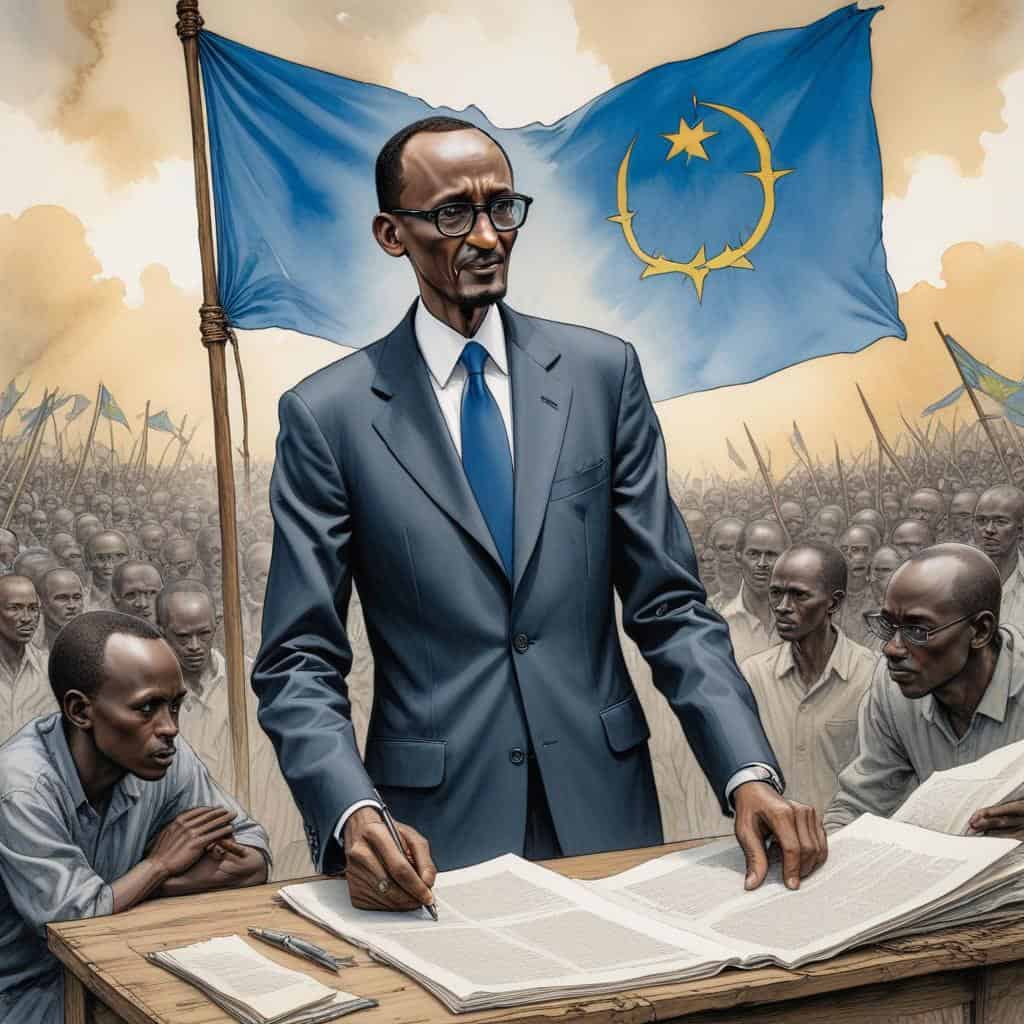
President Paul Kagame
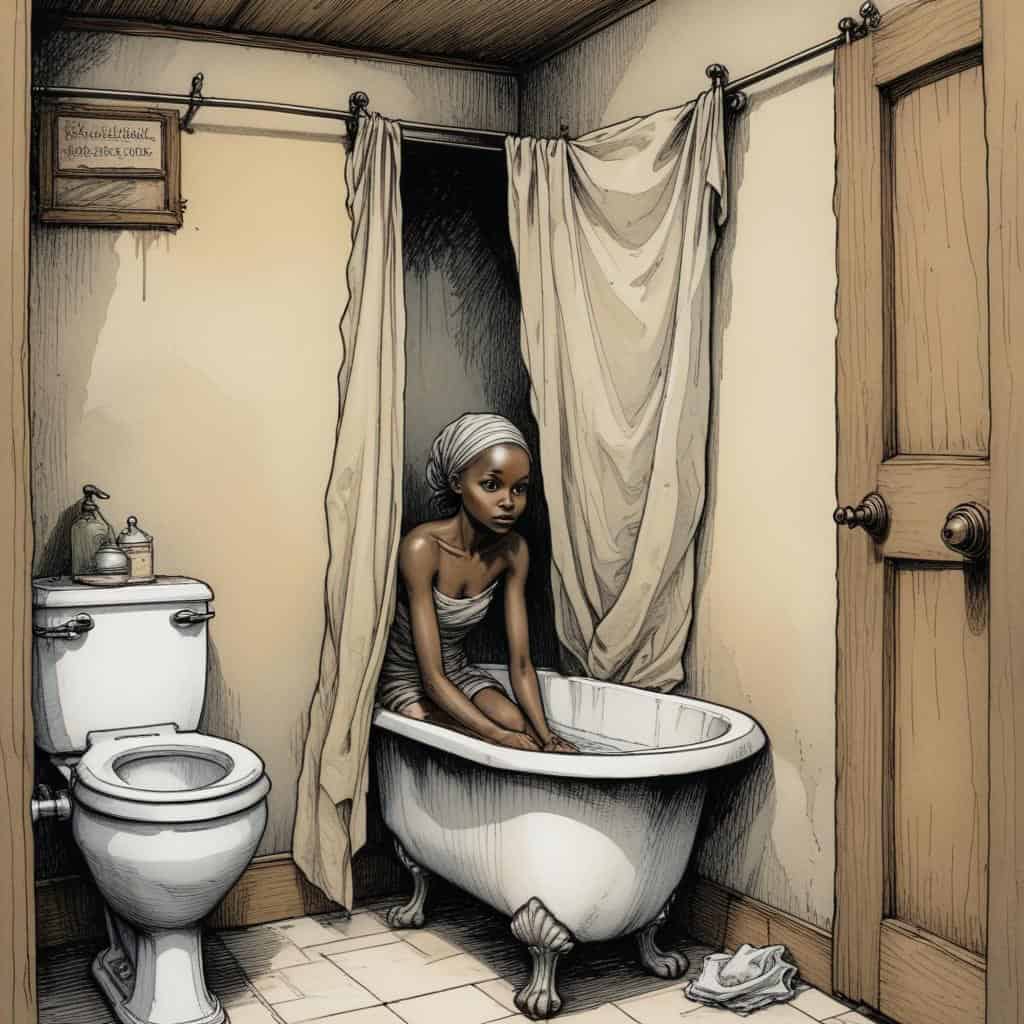
Immaculée Ilibagiza
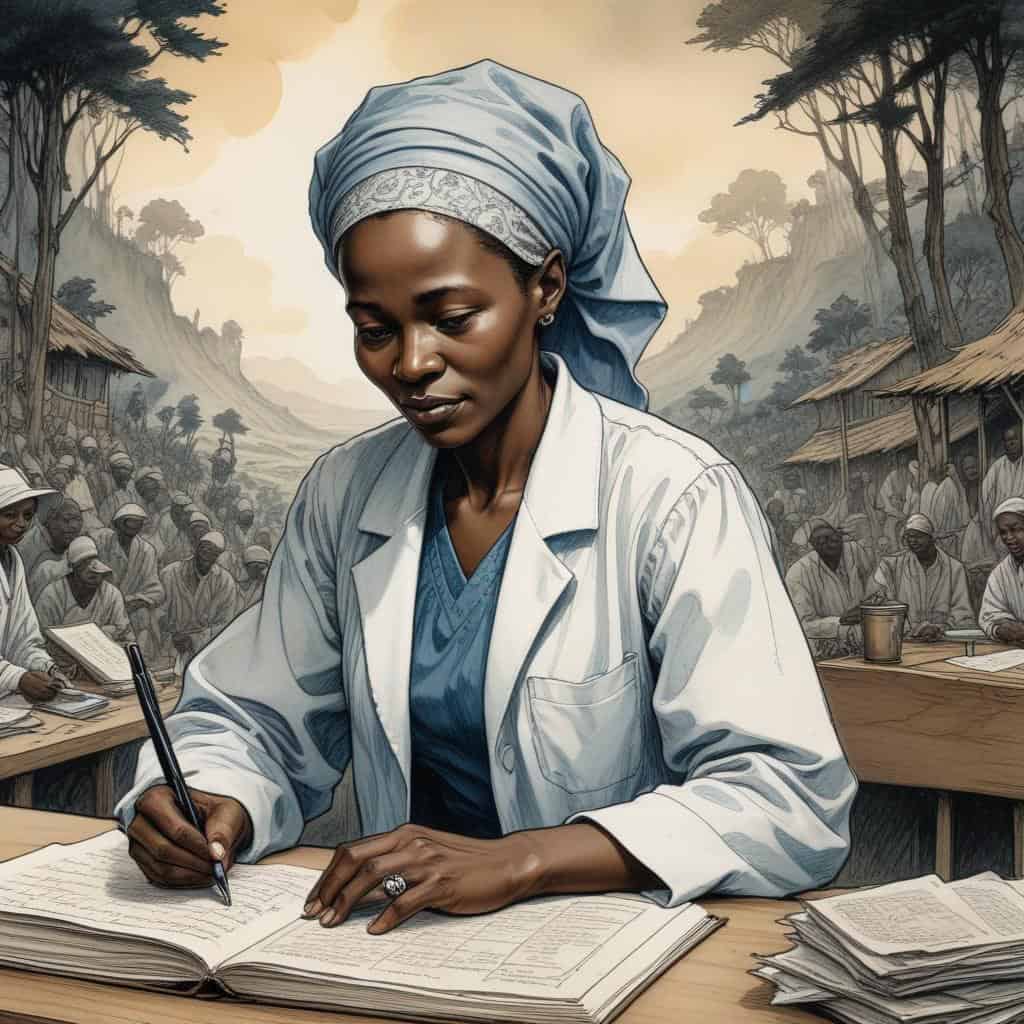
Dr. Agnes Binagwaho
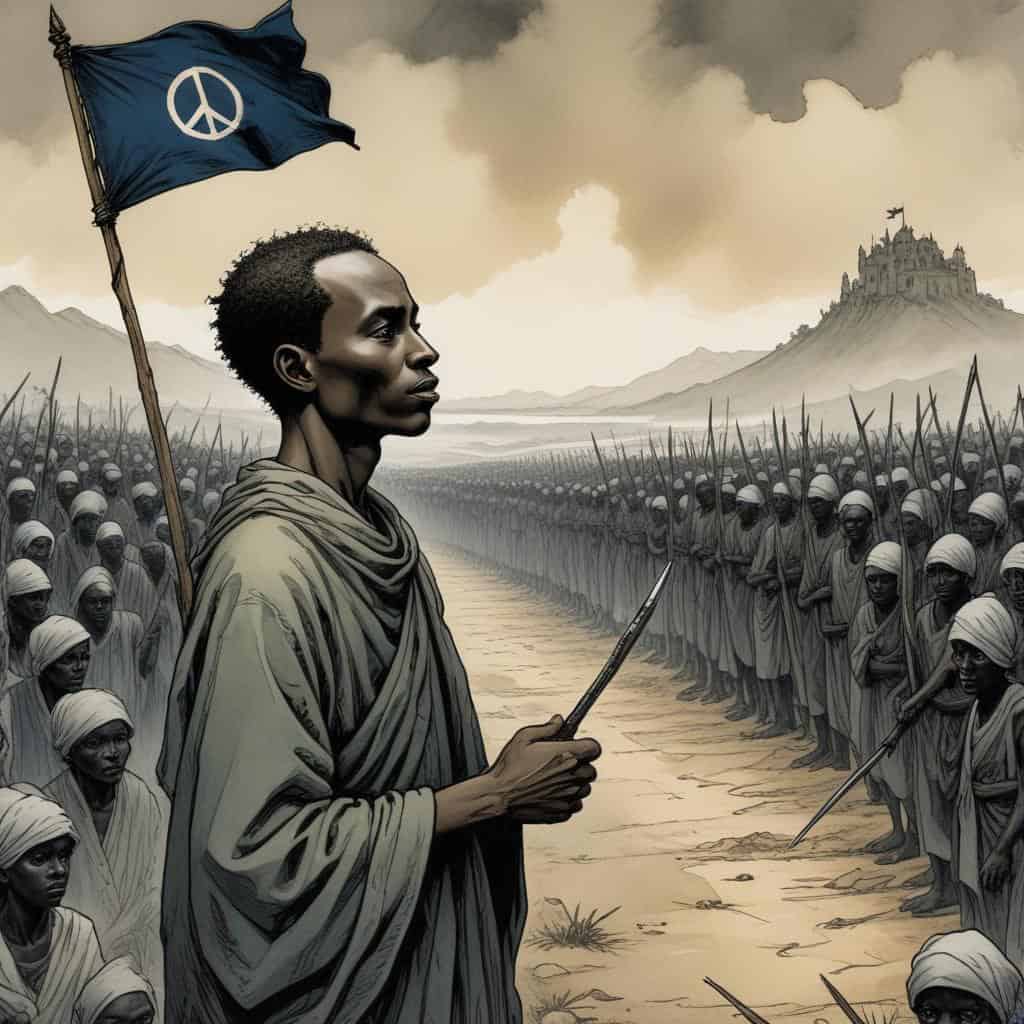
Emmanuel Habimana
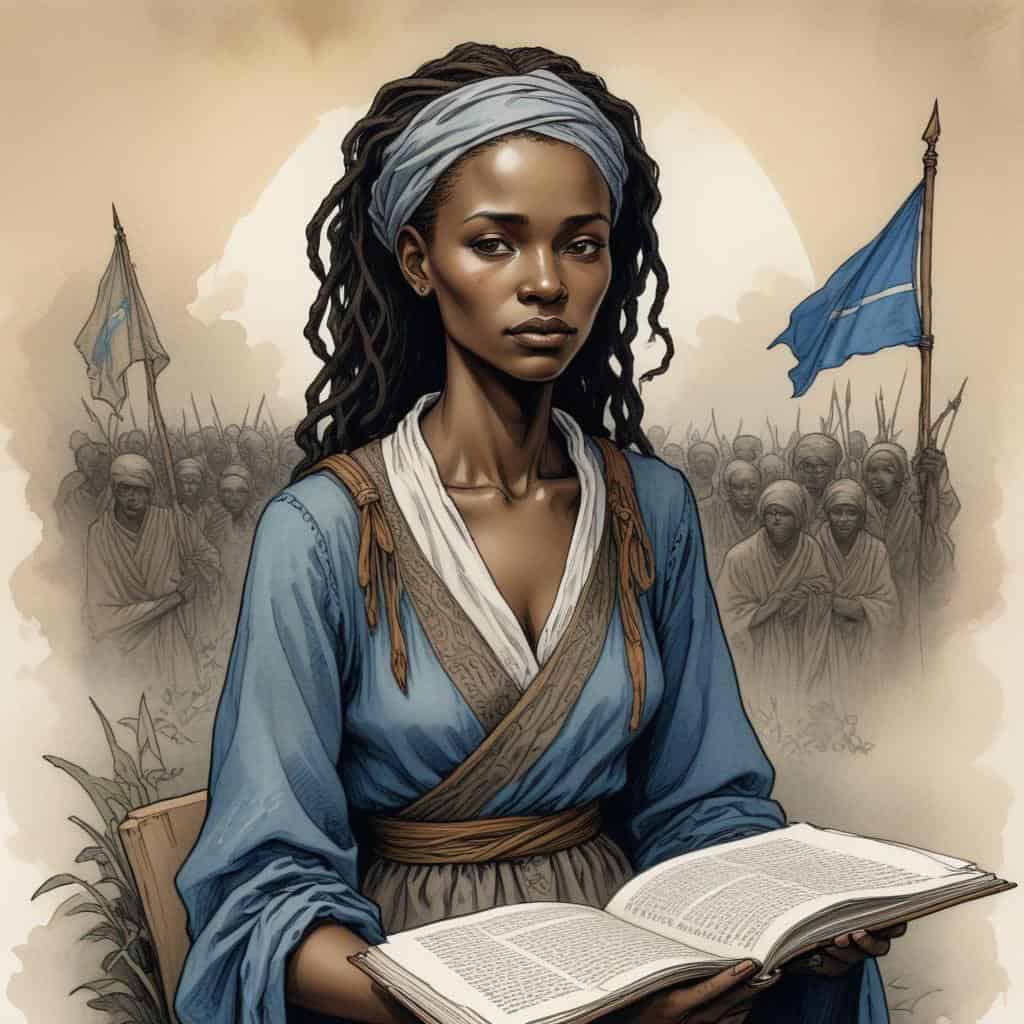
Angelique Mukamana
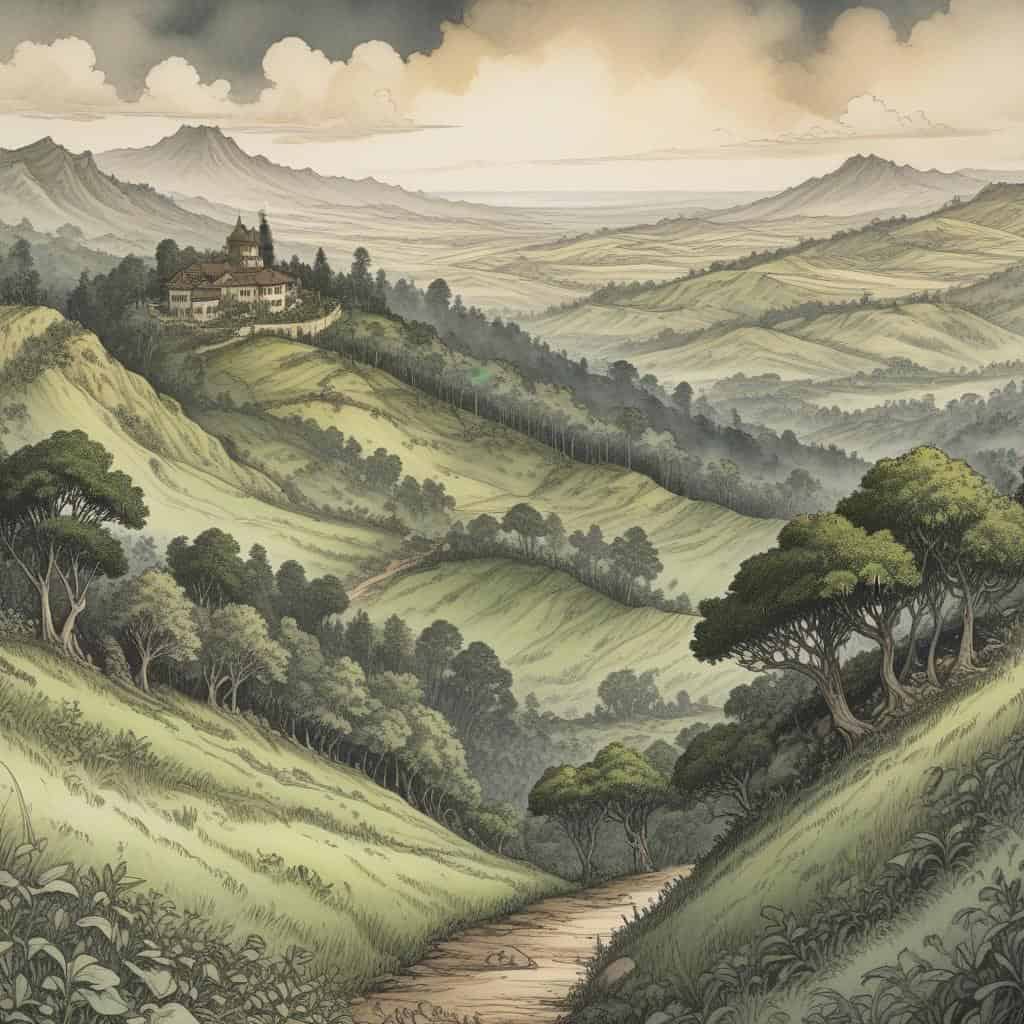
1. Land of a Thousand Hills
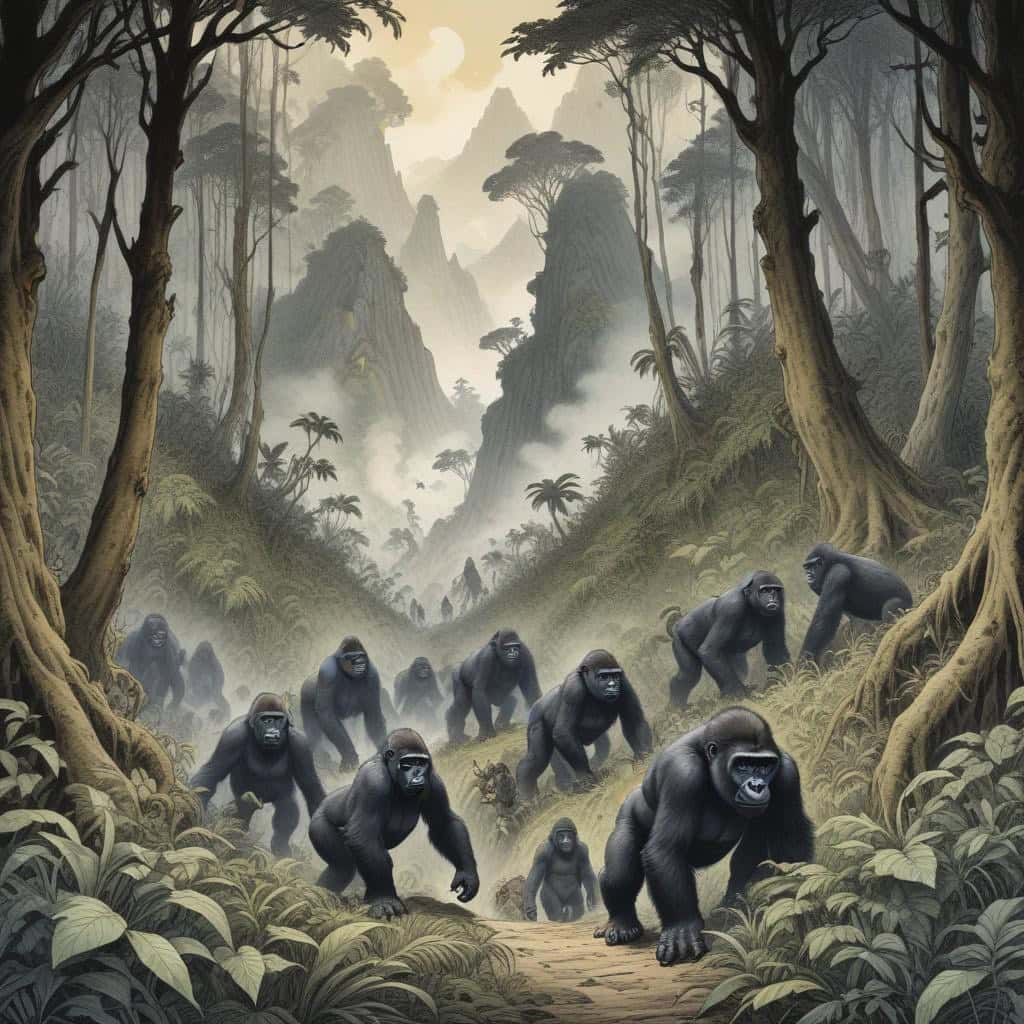
2. Volcanoes National Park
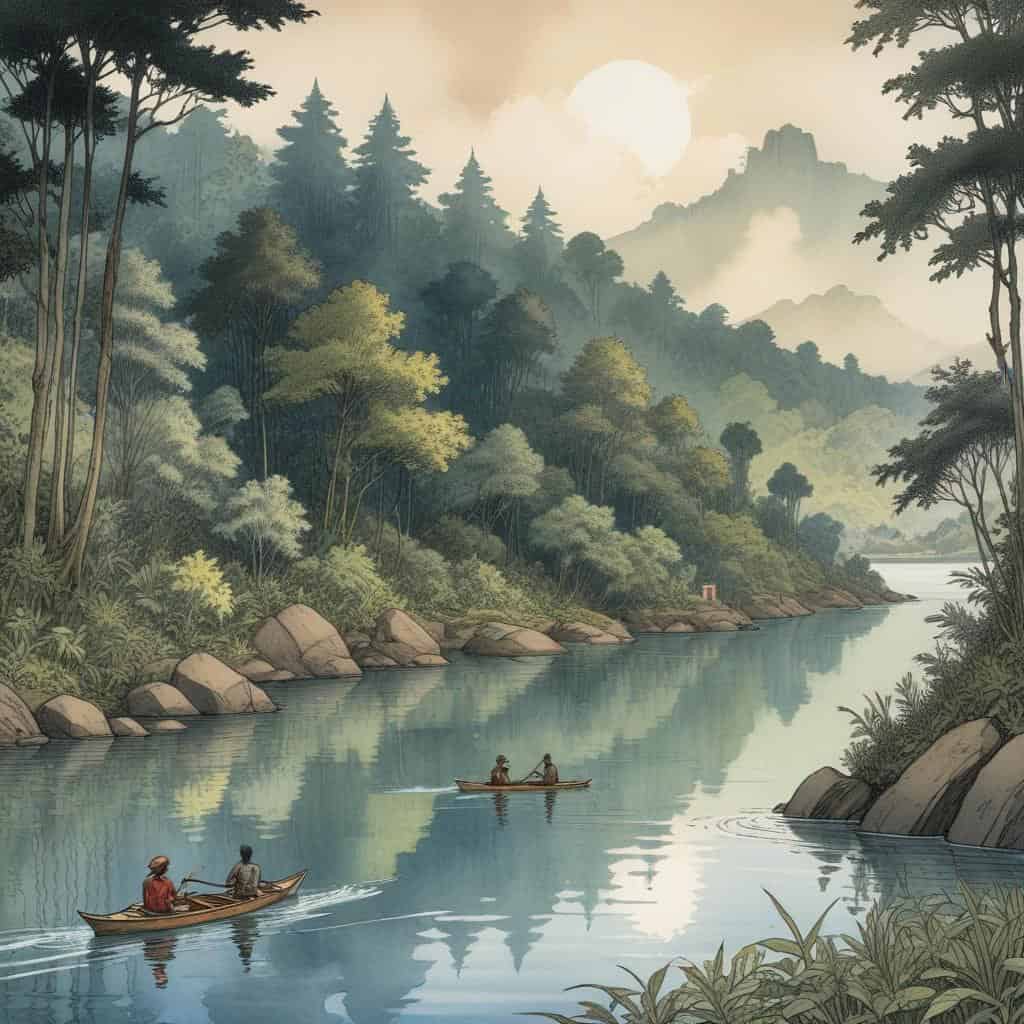
3. Lake Kivu
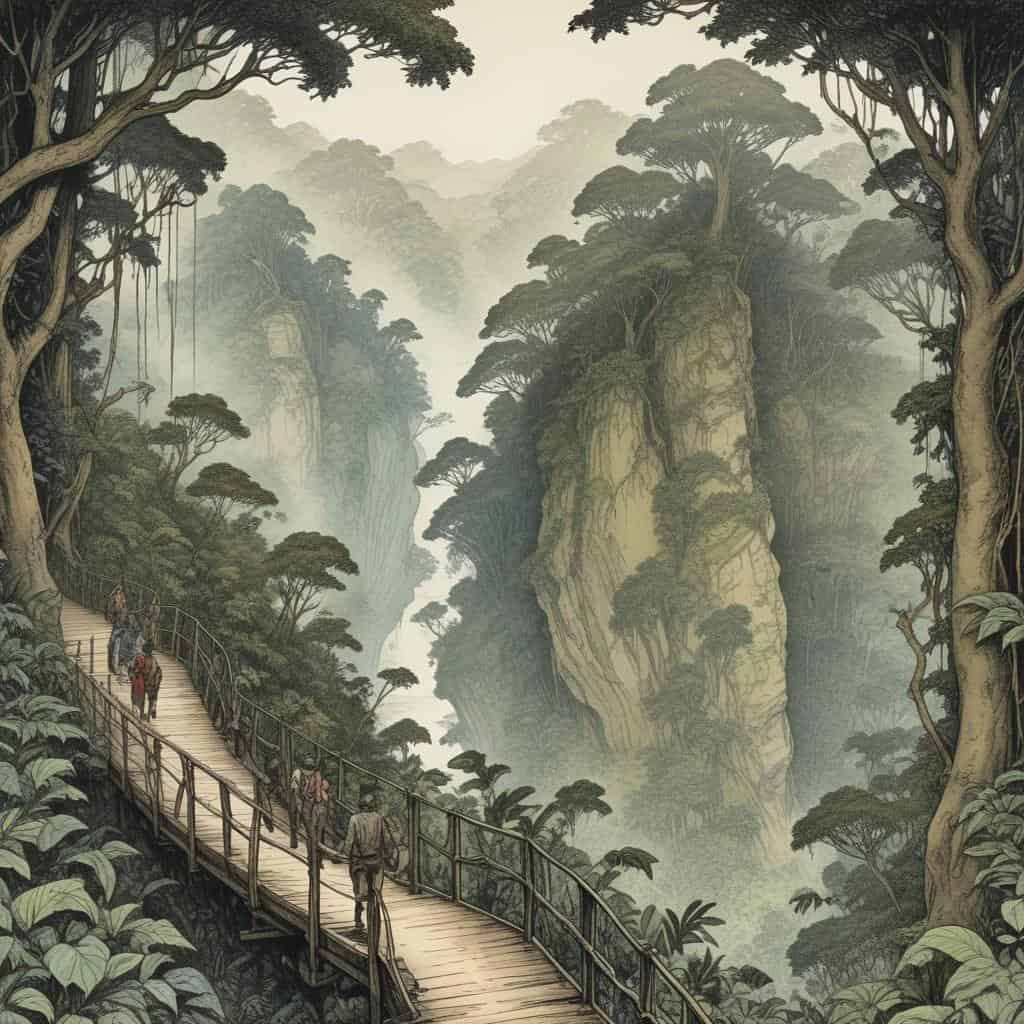
4. Nyungwe Forest National Park
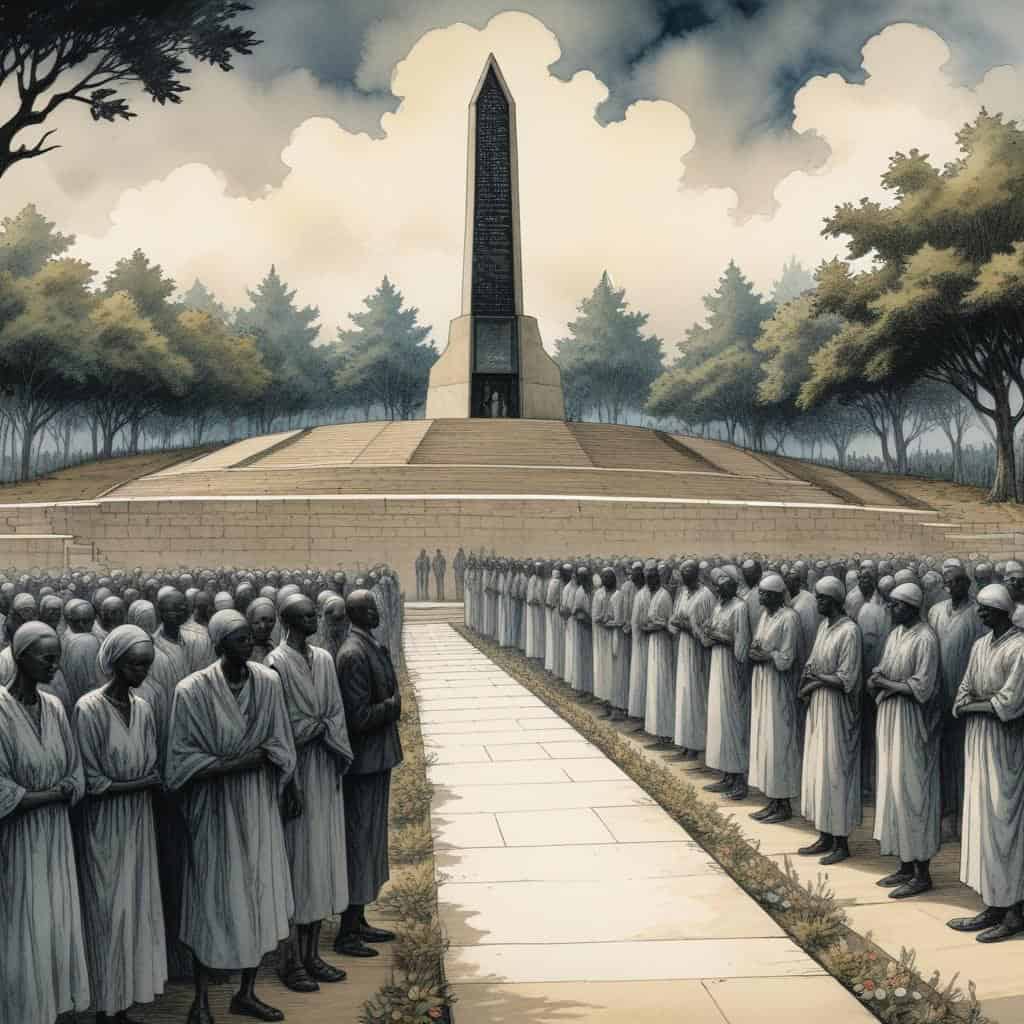
5. Kigali Genocide Memorial
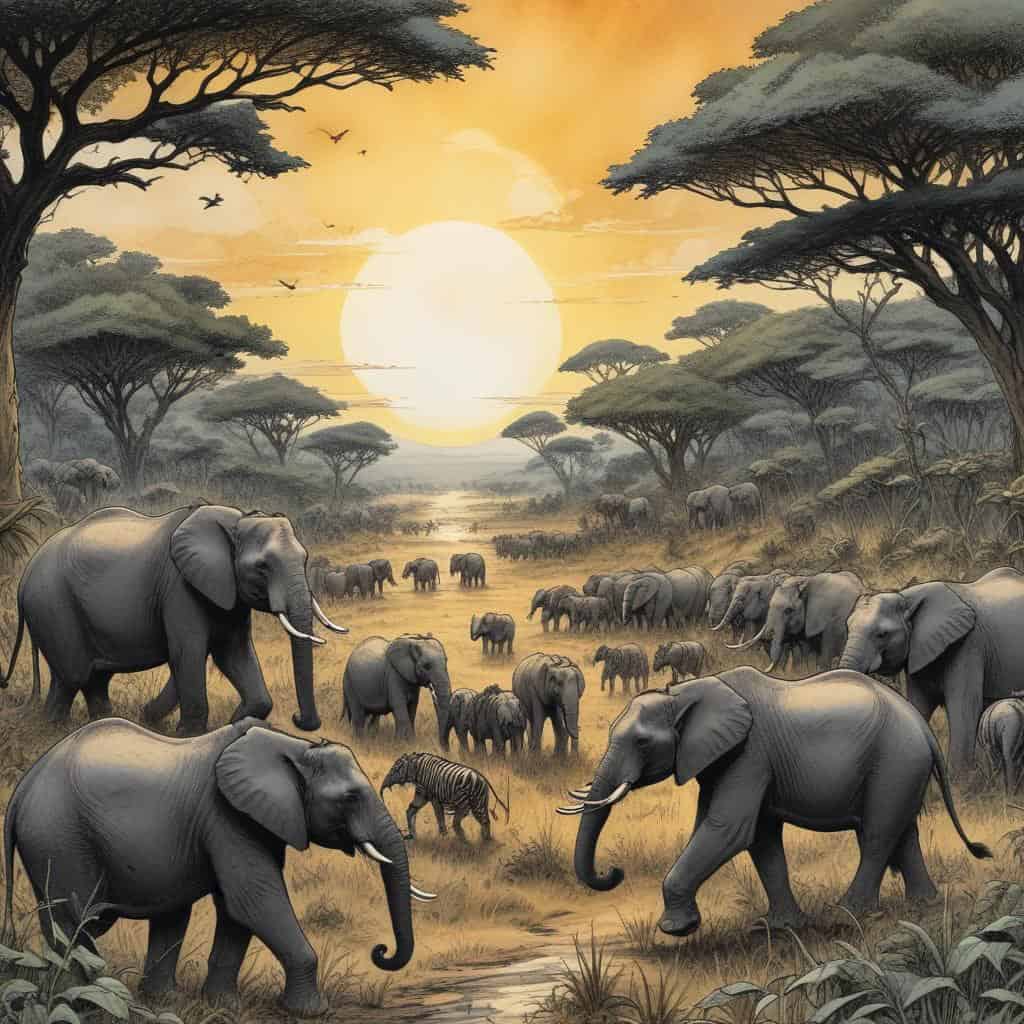
6. Akagera National Park
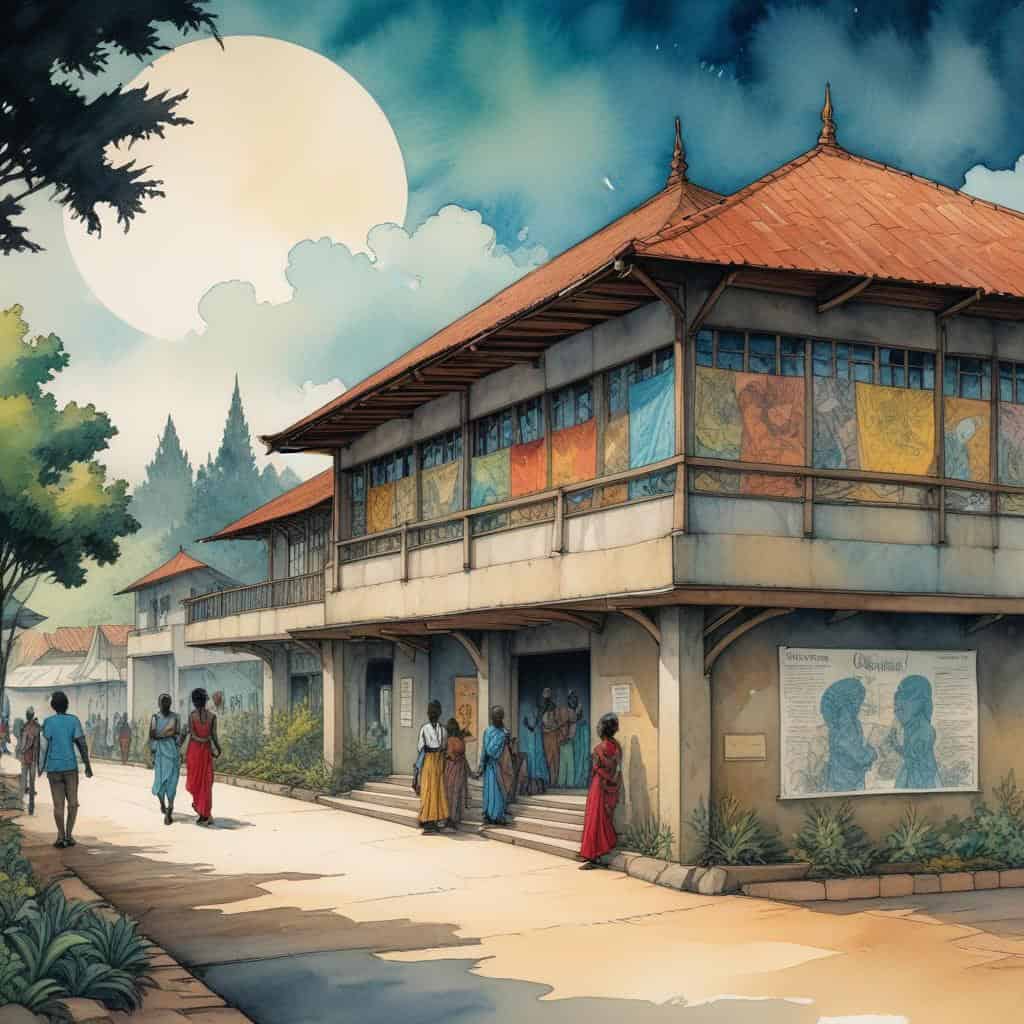
7. Inema Art Center

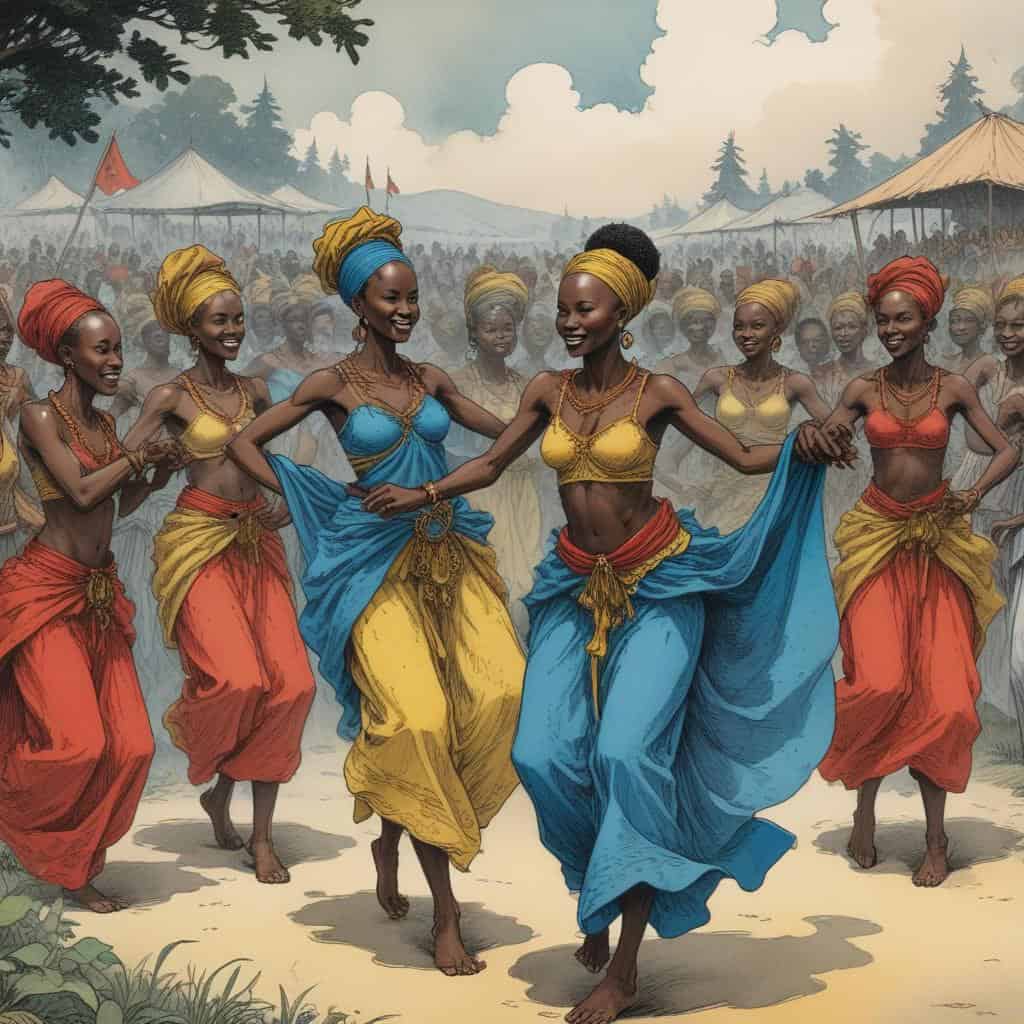
8. Traditional Intore Dancers
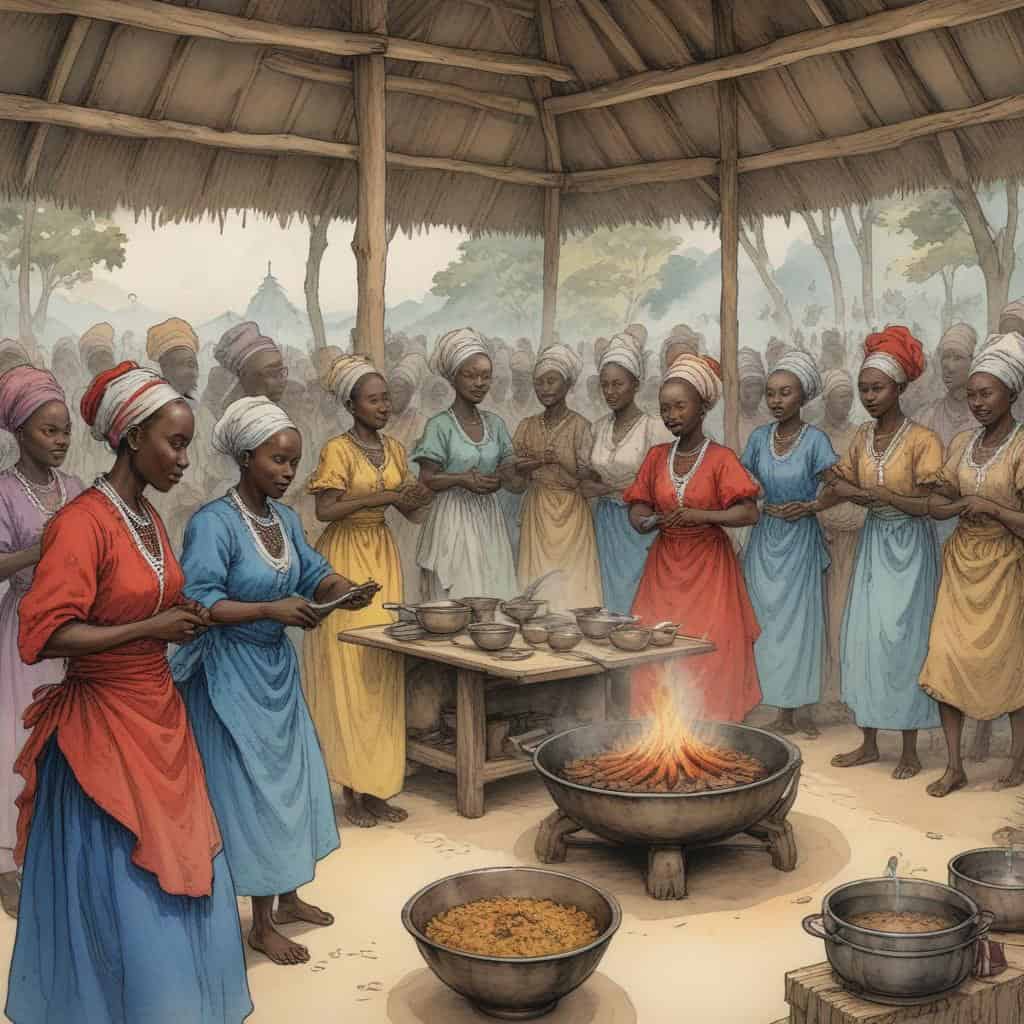
9. Iby’Iwacu Cultural Village
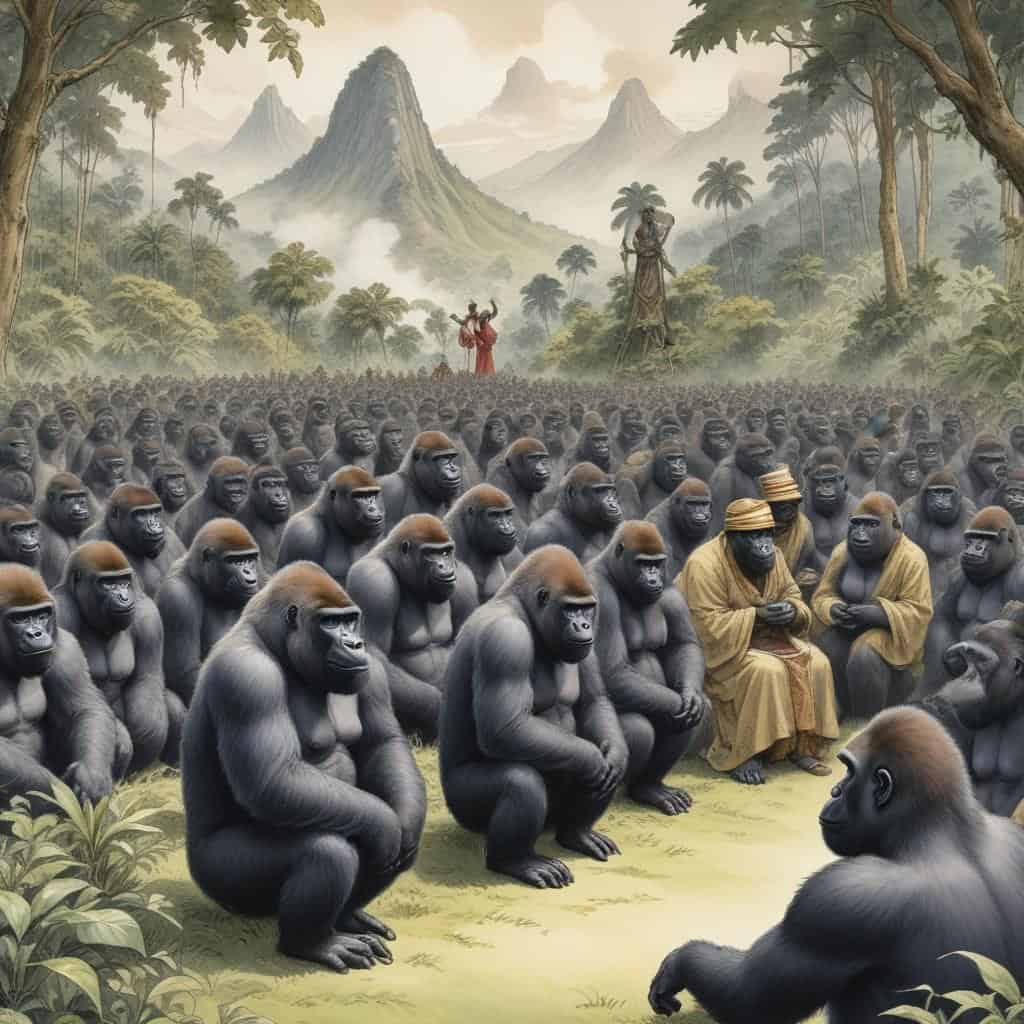
10. Gorilla Naming Ceremony
Audio Library
As one of our featured lessons, this topic includes premium audio guides.
Unlock the Wizard's Cram Session
This powerful audio study guide is a Pro-exclusive feature. Upgrade to Memory Wizards Pro to access this and all of our premium learning tools.
Upgrade to ProIn a Nutshell
- Capital: Kigali
- Population: Approx. 12.6 million (2021)
- Official Language: Kinyarwanda, English, French, Swahili
- Currency: Rwandan franc (RWF)
Breaking Down the Country
Land of a Thousand Hills
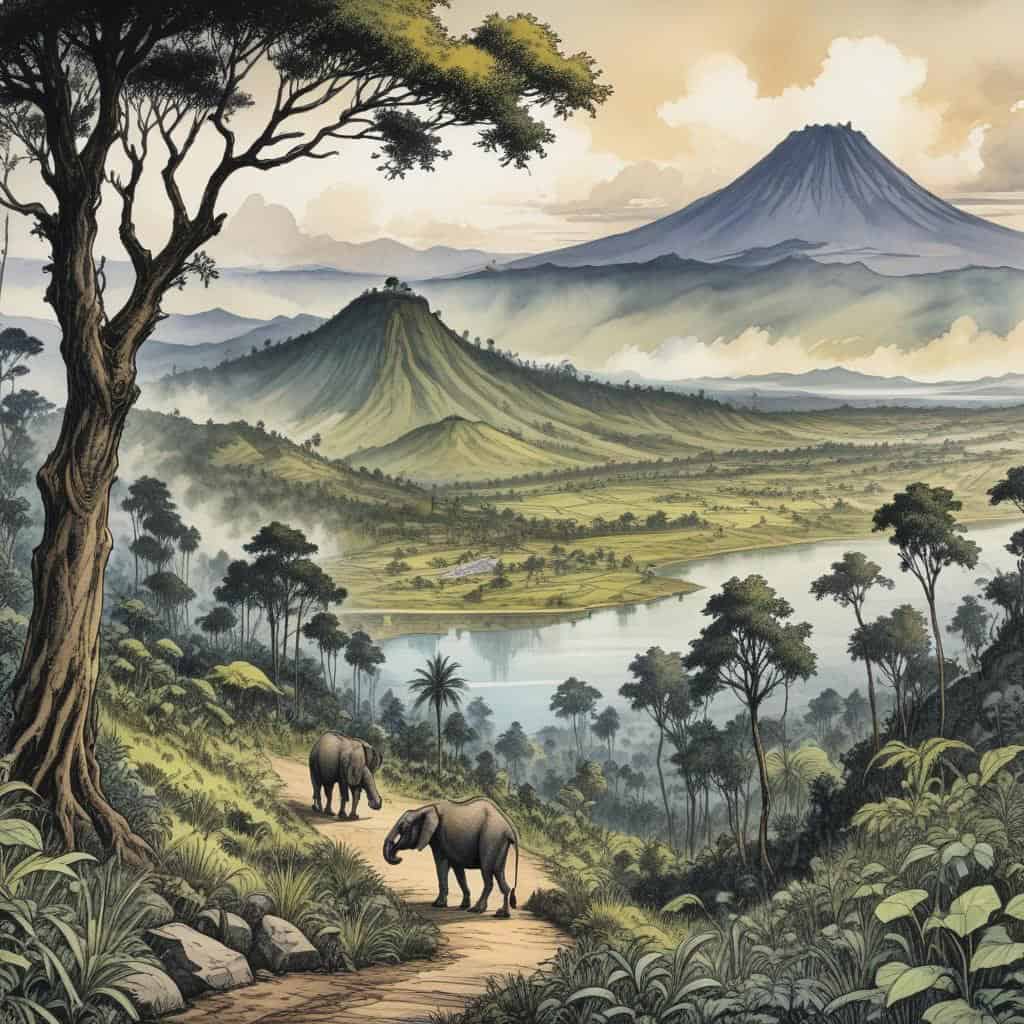
Rwanda's stunning landscape is characterized by rolling hills, lush greenery, and breathtaking views that have earned it the nickname 'Land of a Thousand Hills.'
Genocide Recovery
After the tragic genocide in 1994, Rwanda has made remarkable strides in reconciliation, justice, and rebuilding, becoming a symbol of hope and resilience.
Gorilla Trekking
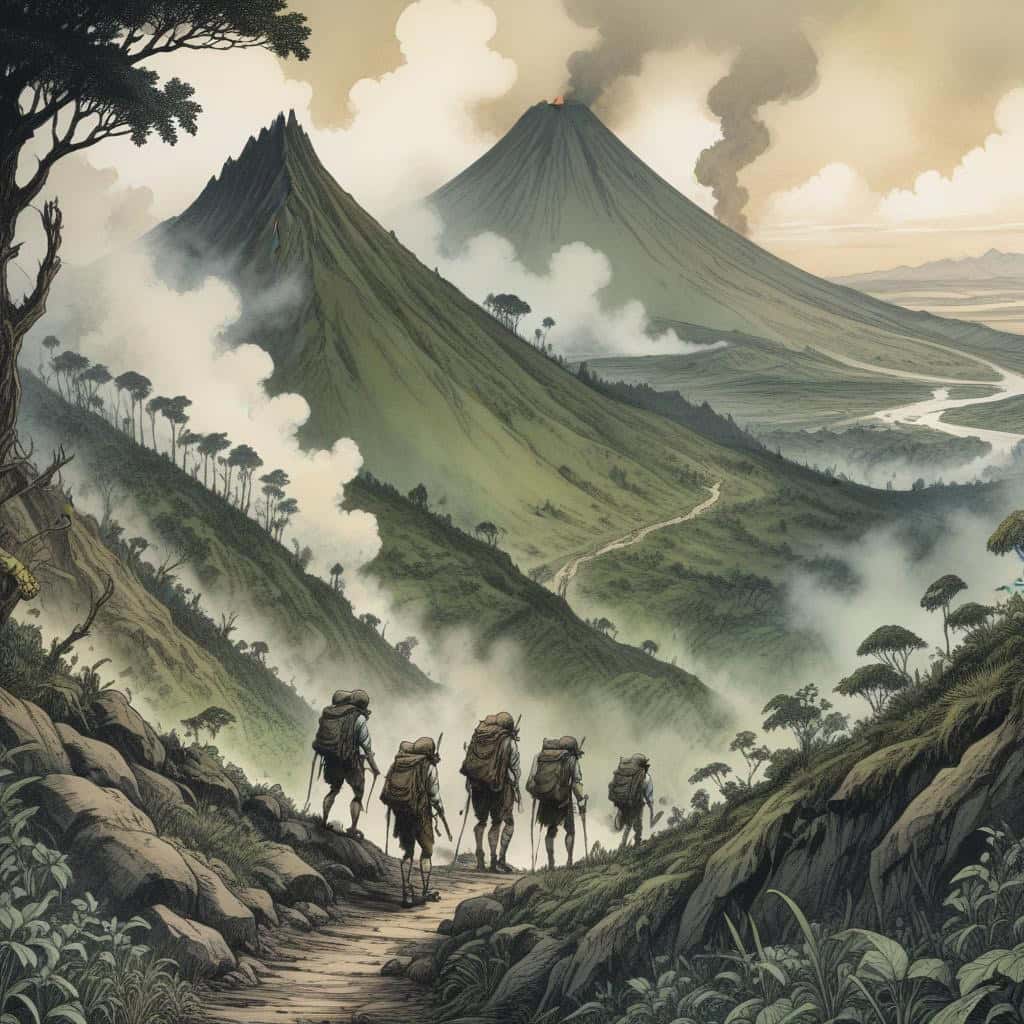
Embark on an unforgettable adventure in Rwanda's Volcanoes National Park, where you can trek through dense forests to encounter majestic mountain gorillas in their natural habitat.
Timeline of Rwanda
Formation of the Rwandan landscape through volcanic activity
Arrival of Bantu-speaking people in the region
Establishment of the Kingdom of Rwanda
Arrival of European explorers in Rwanda
Colonization of Rwanda by Germany
Belgian mandate over Rwanda
Introduction of cash crops like coffee and tea
Independence of Rwanda from Belgium
Ethnic tensions between Hutu and Tutsi communities intensify
Assassination of President Habyarimana, sparking the Rwandan Genocide
End of the Rwandan Genocide
Reconstruction and reconciliation efforts begin in Rwanda
Rwanda's economy grows rapidly, with a focus on tourism and technology
Rwanda becomes a leading country in conservation and sustainable development
Kagame elected President of Rwanda
Kwibohora Day established in Rwanda
The Kigali Genocide Memorial is opened
Rwanda joins the East African Community
Kagame re-elected President of Rwanda
Rwanda hosts the Commonwealth Heads of Government Meeting
Vocabulary List
- Terraced
- The hills of Rwanda are often covered in terraced fields used for agriculture.
- Volcanic
- Rwanda's landscape includes several volcanic mountains, such as Mount Karisimbi.
- Lush
- The landscape of Rwanda is known for its lush vegetation and dense forests.
- Crater
- Rwanda is home to several crater lakes, formed by volcanic activity.
- Gorge
- The landscape of Rwanda includes deep gorges carved out by rivers.
Key Facts
This is the information used in the fact matching game
- Rwanda is known as the 'land of a thousand hills' due to its hilly and mountainous landscape.
- The country is home to several volcanoes, including Mount Karisimbi, which is the highest point in Rwanda.
- Rwanda's landscape is dominated by lush forests, including Nyungwe Forest National Park, which is one of the oldest rainforests in Africa.
- The country is also known for its numerous lakes, including Lake Kivu, one of Africa's Great Lakes, which offers stunning views and water activities.
- Rwanda is home to the Akagera National Park, which is known for its diverse wildlife and savannah landscape.
- The country's landscape is characterized by terraced hillsides, where agriculture such as tea and coffee cultivation is prominent.
- The Virunga Mountains, which straddle Rwanda, Uganda, and the Democratic Republic of Congo, are home to endangered mountain gorillas.
- Rwanda's landscape also includes rolling plains and wetlands, such as the Nyabarongo River wetlands, which provide important habitats for birds and wildlife.
- The country's diverse landscape offers opportunities for activities such as hiking, birdwatching, and gorilla trekking, making it a popular destination for ecotourism.
- Rwanda's landscape has been shaped by its volcanic past, with volcanic activity contributing to the formation of its mountains, lakes, and fertile soils.
- The country's landscape is vulnerable to natural disasters such as landslides and floods, due to its hilly terrain and heavy rainfall.
- Rwanda has made efforts to protect and preserve its natural landscape through initiatives such as reforestation, conservation, and sustainable land management practices.
- The country's landscape plays a key role in supporting its economy, with agriculture, tourism, and renewable energy industries dependent on its natural resources.
- Rwanda's landscape has inspired artists and writers, with its beauty and diversity serving as a muse for creative works.
- The country's landscape has cultural significance, with traditional practices and beliefs tied to the land and its features.
- Rwanda's landscape is also impacted by climate change, with changes in temperature and rainfall patterns affecting its ecosystems and agricultural productivity.
- The country's landscape has been featured in films and documentaries, showcasing its beauty and biodiversity to a global audience.
- Rwanda's landscape is a source of inspiration for photographers, with its stunning scenery and wildlife providing ample opportunities for capturing memorable images.
- The country's landscape is a reflection of its history and culture, with traditional practices and knowledge passed down through generations shaping its land use and conservation efforts.
- Rwanda's landscape is a testament to the resilience and ingenuity of its people, who have adapted to and thrived in the challenging terrain and climate of the region.
Why It Matters
Geopolitical Significance
Rwanda’s location in East Africa makes it a key player in regional politics and trade. It shares borders with Uganda, Tanzania, Burundi, and the Democratic Republic of Congo, positioning it as a hub for economic cooperation and conflict resolution in the Great Lakes region.
Historical Importance
Rwanda’s history is marked by the tragic genocide of 1994, where hundreds of thousands of Tutsis and moderate Hutus were killed. This event has shaped the country’s identity and international relations, leading to efforts for reconciliation, justice, and development.
Modern-Day Role
Today, Rwanda is known for its remarkable recovery from the genocide, focusing on economic growth, environmental sustainability, and social progress. It has become a model for post-conflict reconstruction and is a leader in innovative development strategies in Africa.
Rwanda Games


Take Your Learning Offline
Want a convenient, print-ready study guide for this lesson? Become a Memory Wizards Pro member to unlock the downloadable " Memory Scrolls" for this topic and our entire library!
- ✓ Complete Vocabulary Lists
- ✓ Key Facts & Timelines
- ✓ Beautifully Formatted for Print & Mobile