
How Do You Learn Best?
Learn by Listening
Start with the 3-minute audio summary to get the key facts and narrative highlights quickly.
Learn by Reading
Immerse yourself in the 10-minute visual lesson for a comprehensive understanding of the topic.
Learn by Reviewing
Jump directly to the key facts, timeline, and vocabulary lists to build a solid foundation of details.
Learn by Doing
Challenge yourself! Jump straight into the interactive games to learn by trial, error, and discovery.
Morocco in 10 Minutes
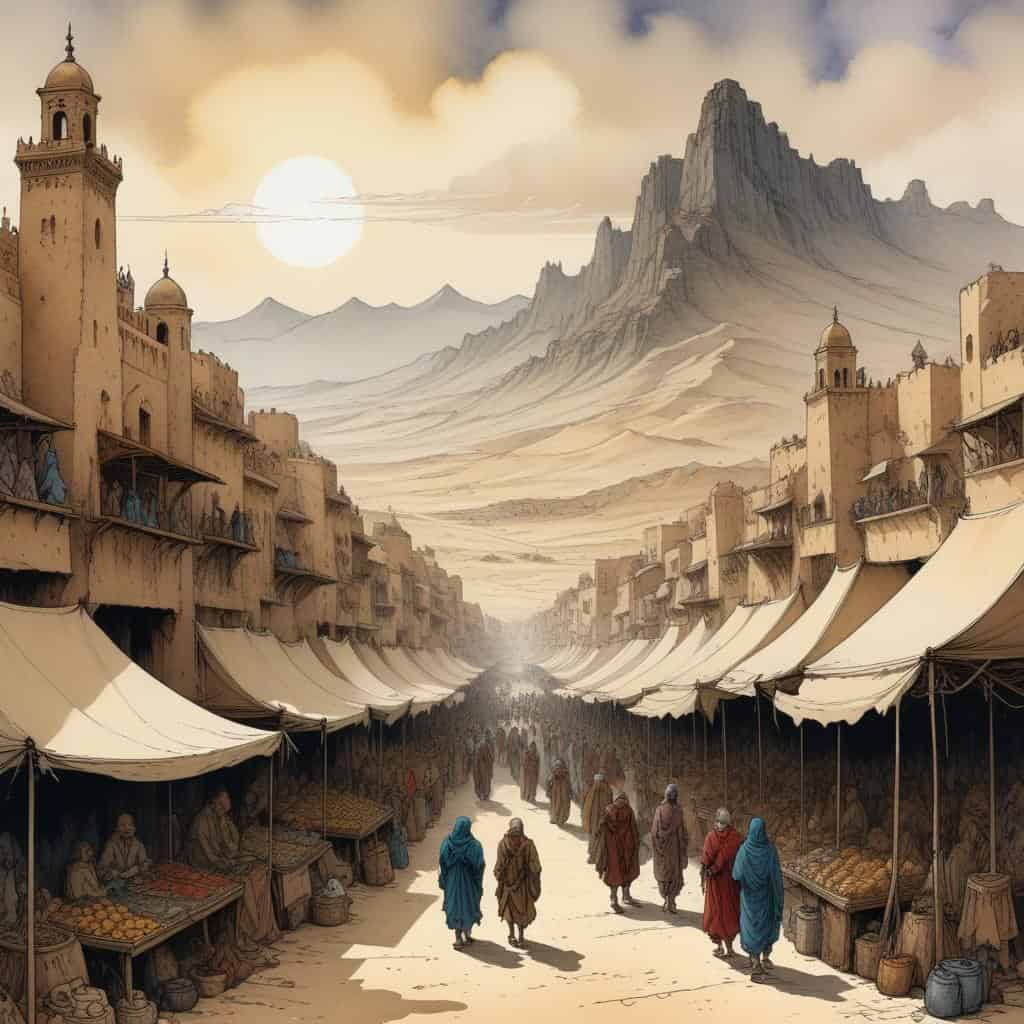
Introduction


King Mohammed VI
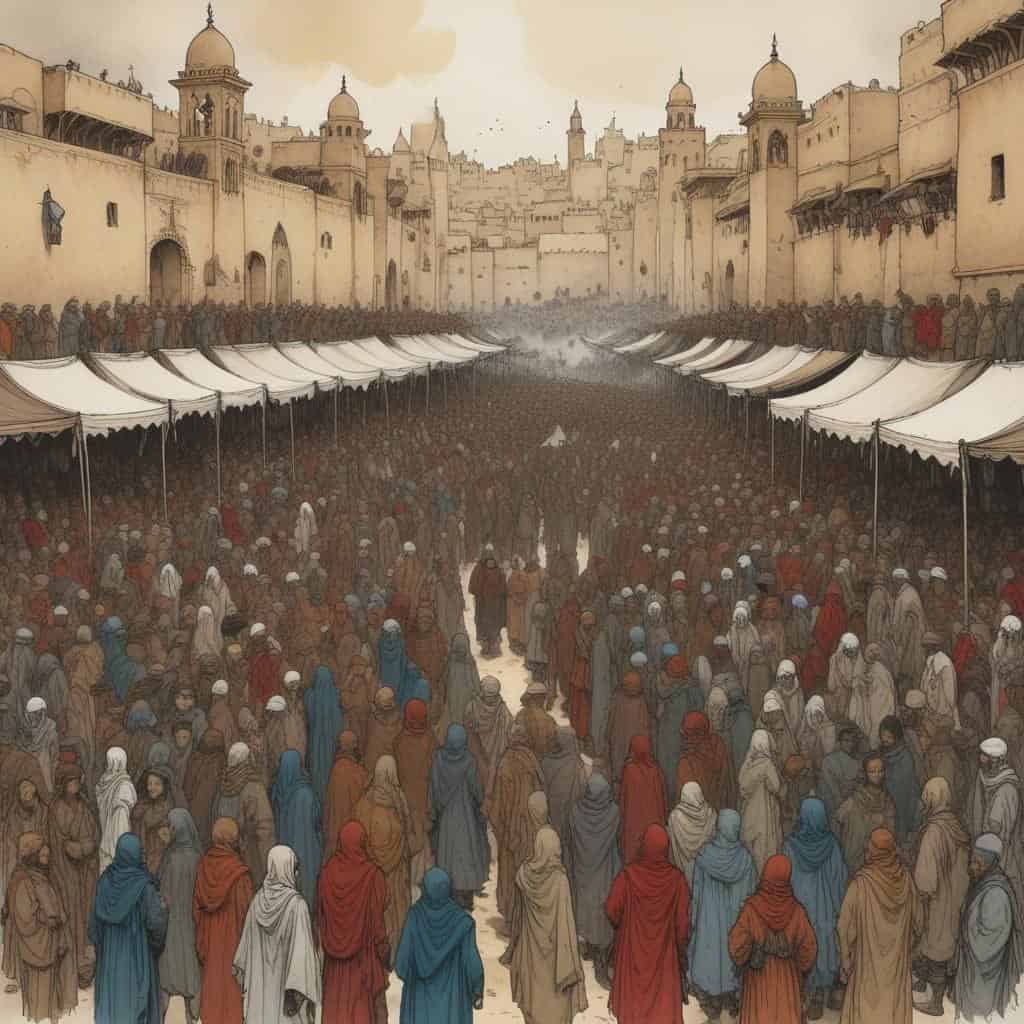
Moroccan Berbers
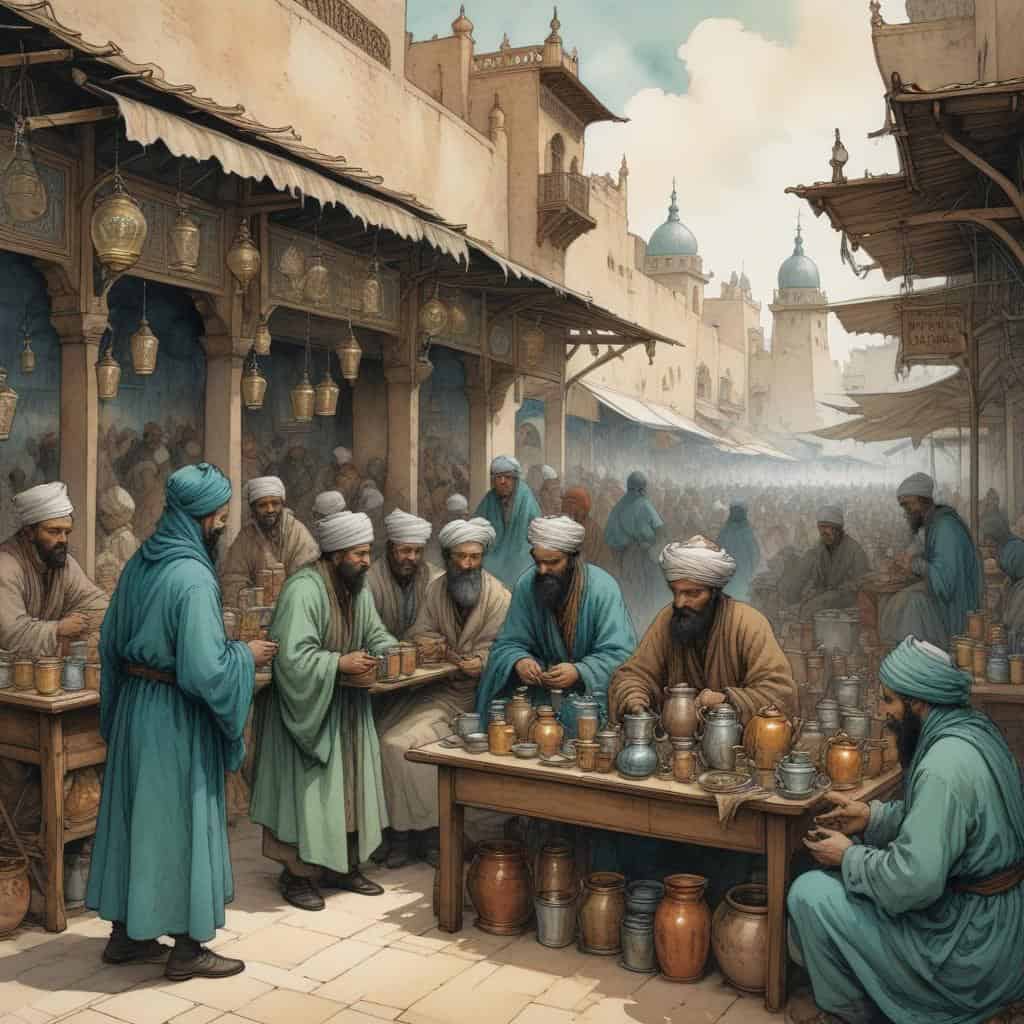
Moroccan Mint Tea Sellers
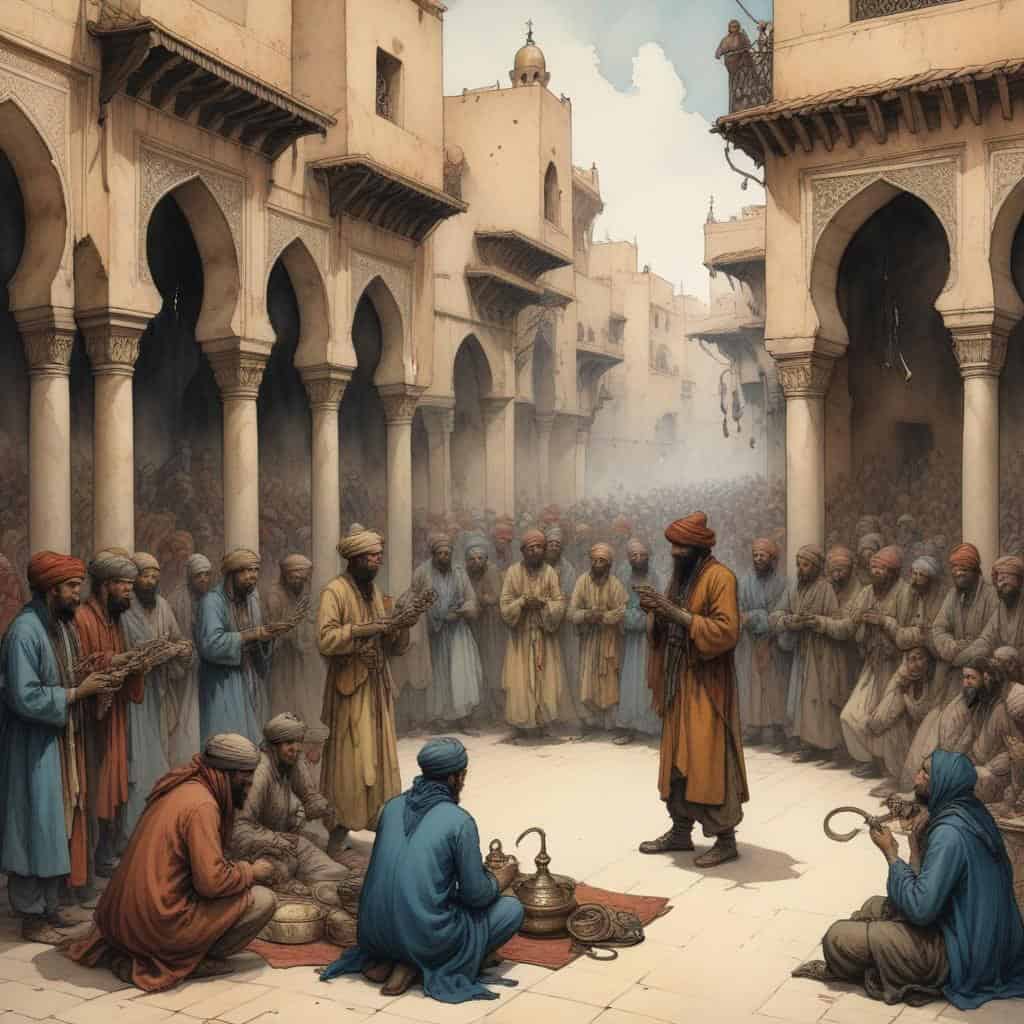
Snake Charmers in Marrakech
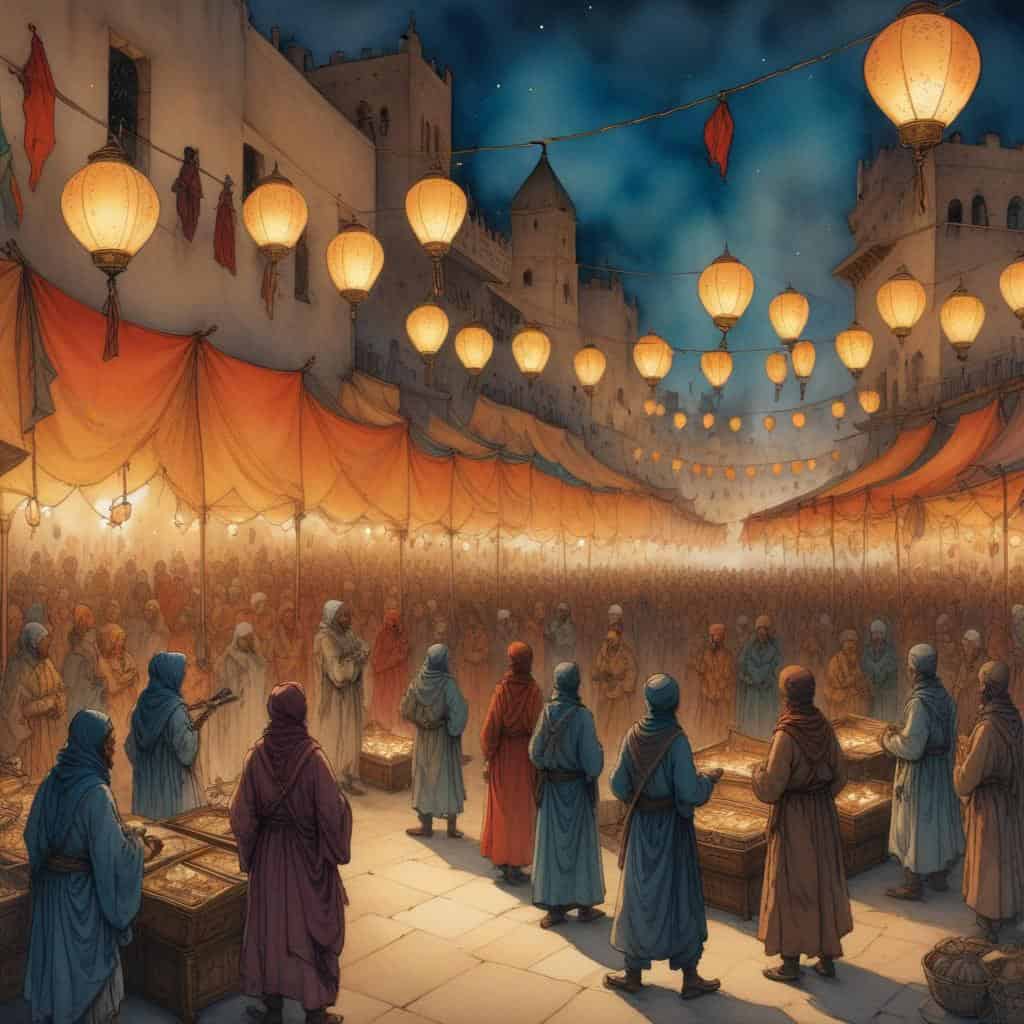
Traditional Moroccan Musicians
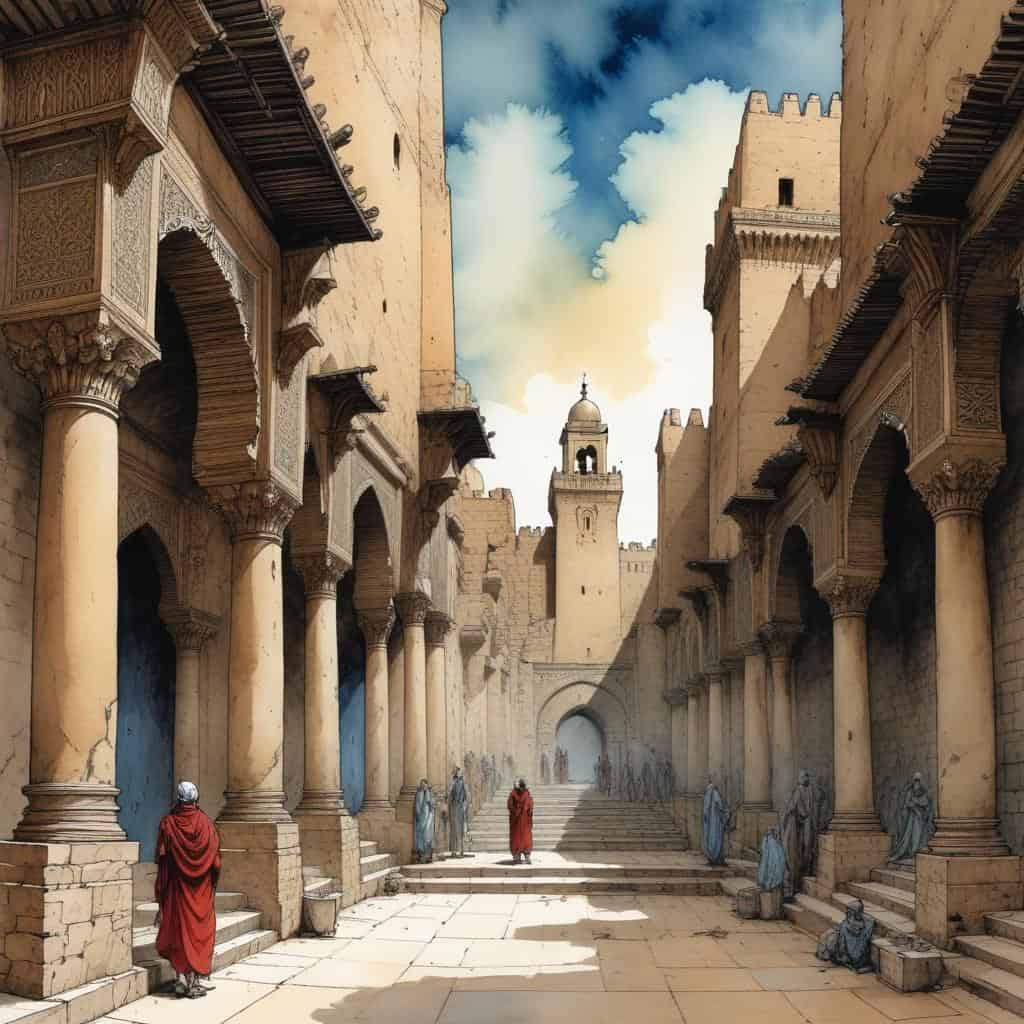
1. Discovering the Rich History
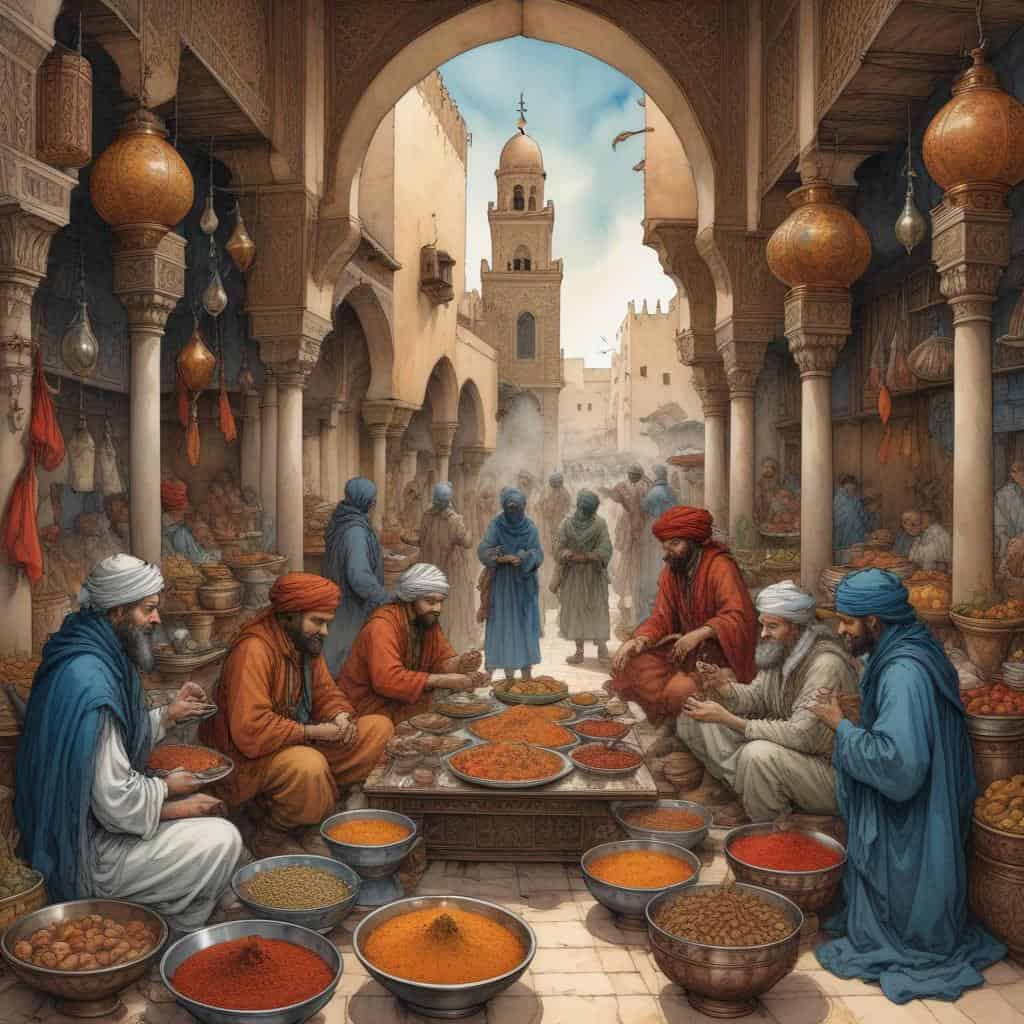
2. Indulging in Exotic Cuisine
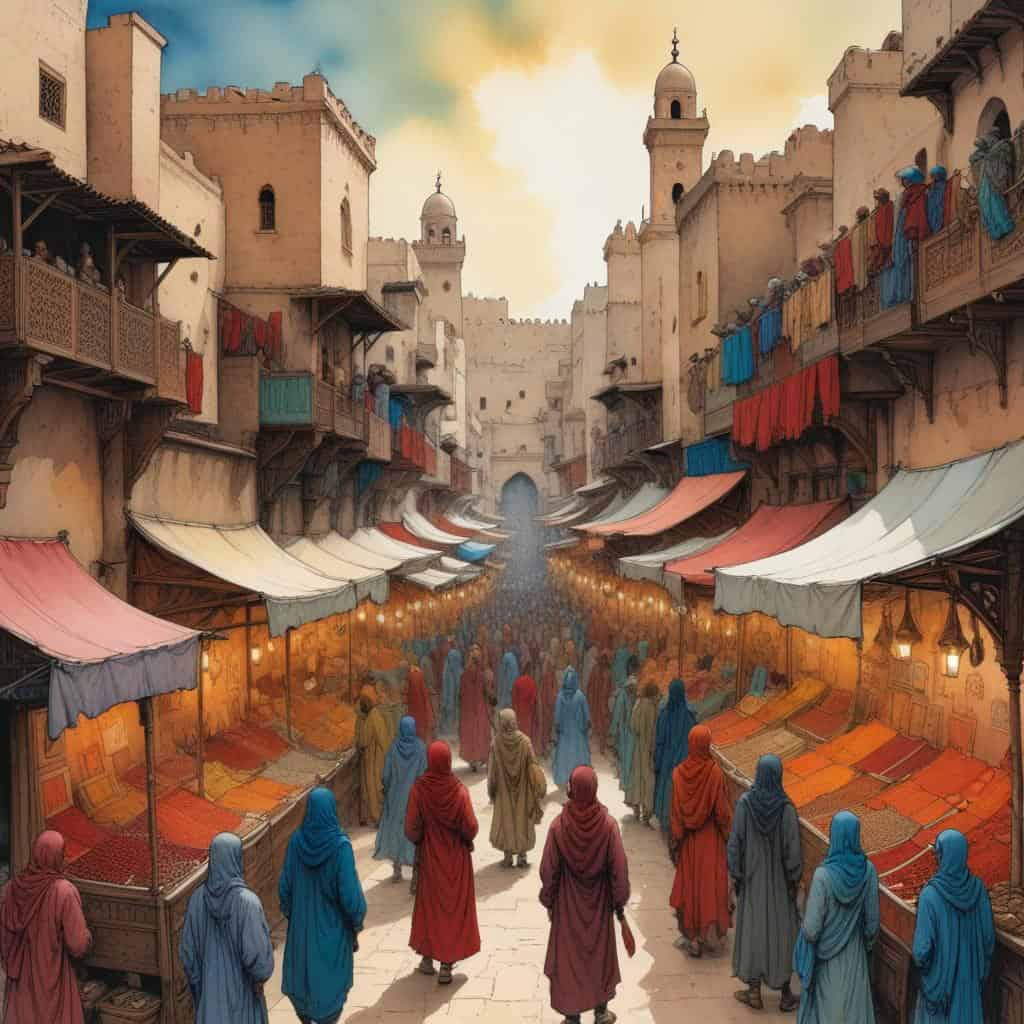
3. Exploring Vibrant Markets
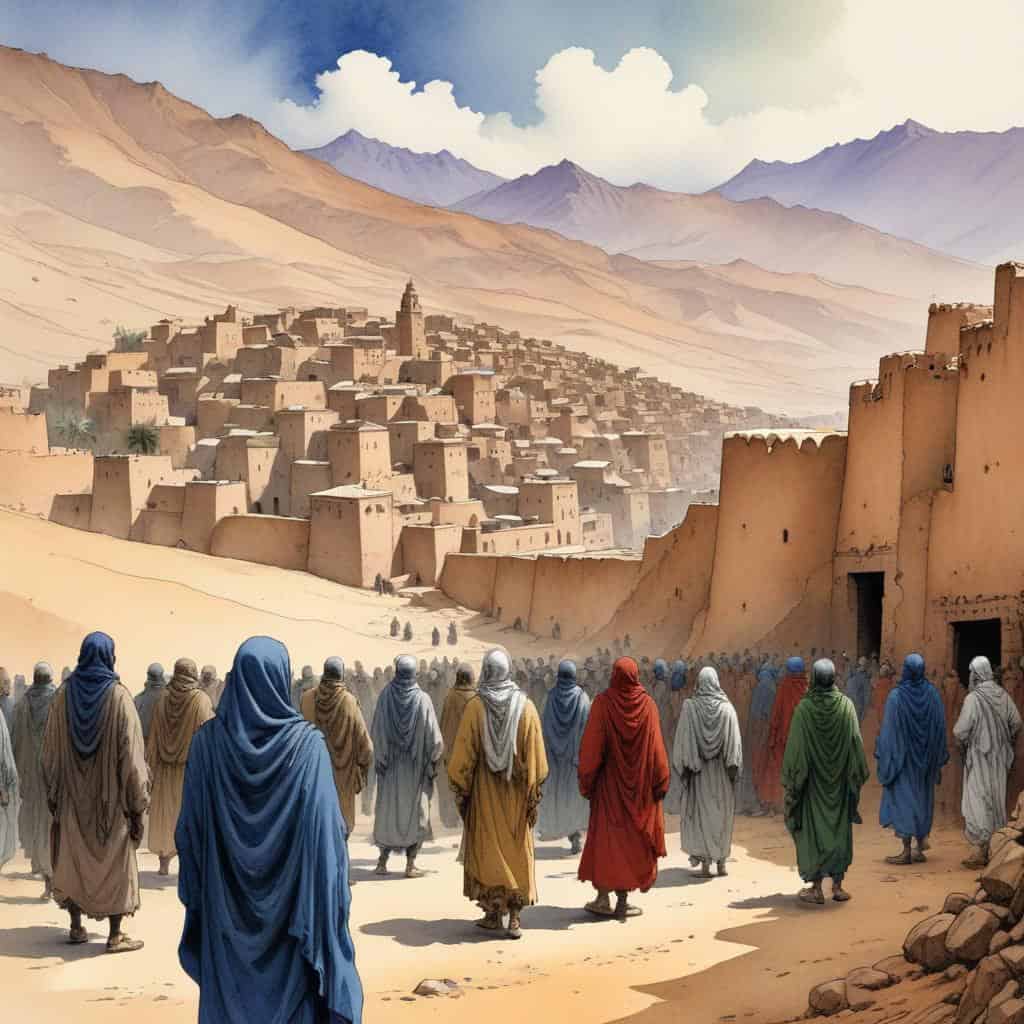
4. Immersing Yourself in Berber Culture

5. Relaxing on Stunning Beaches
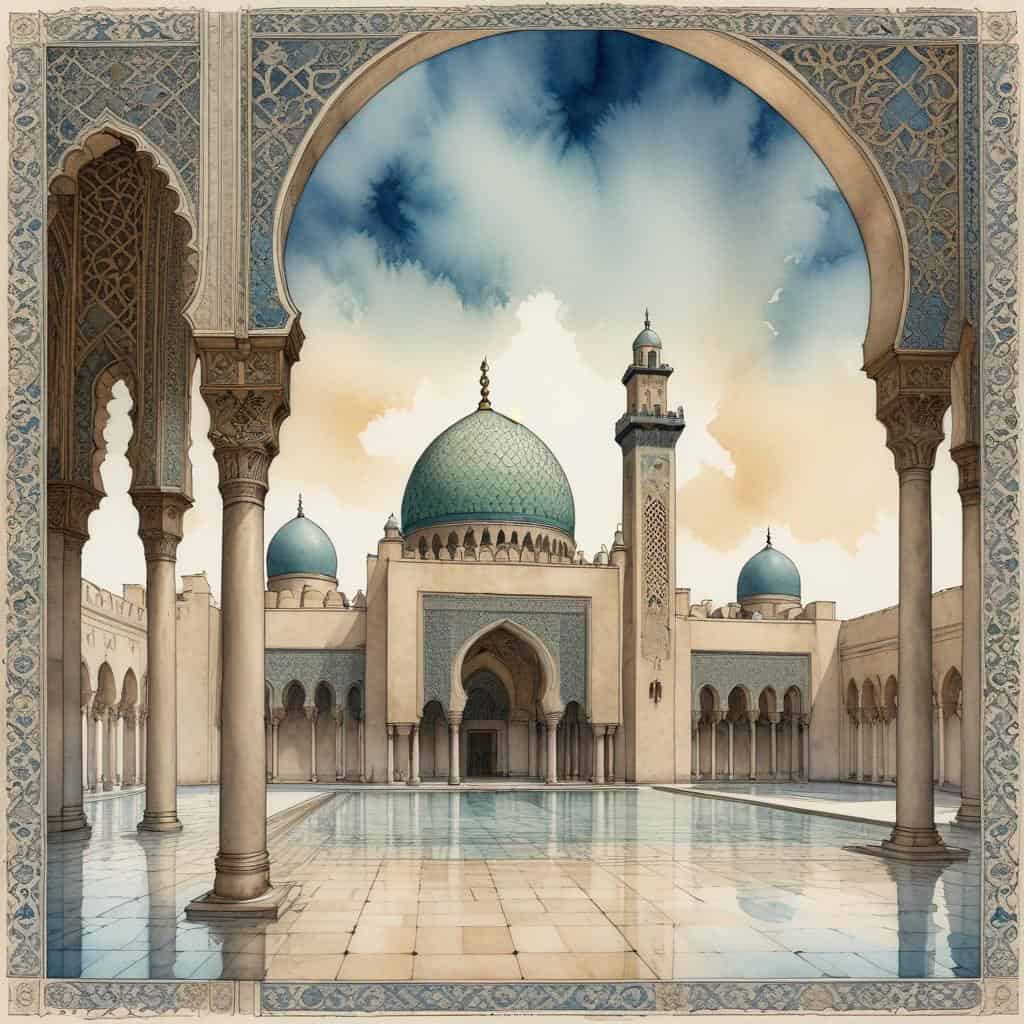
6. Marveling at Architectural Wonders
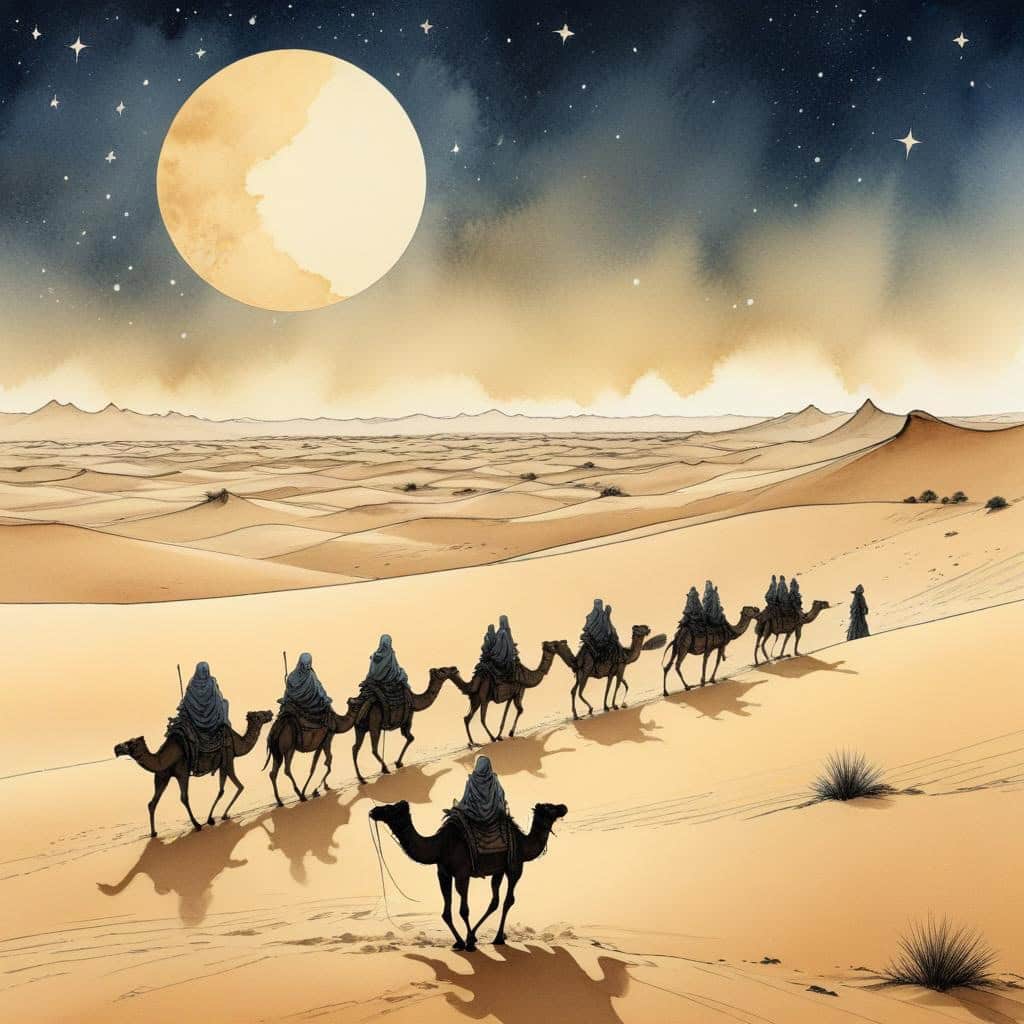
7. Trekking Through the Sahara Desert
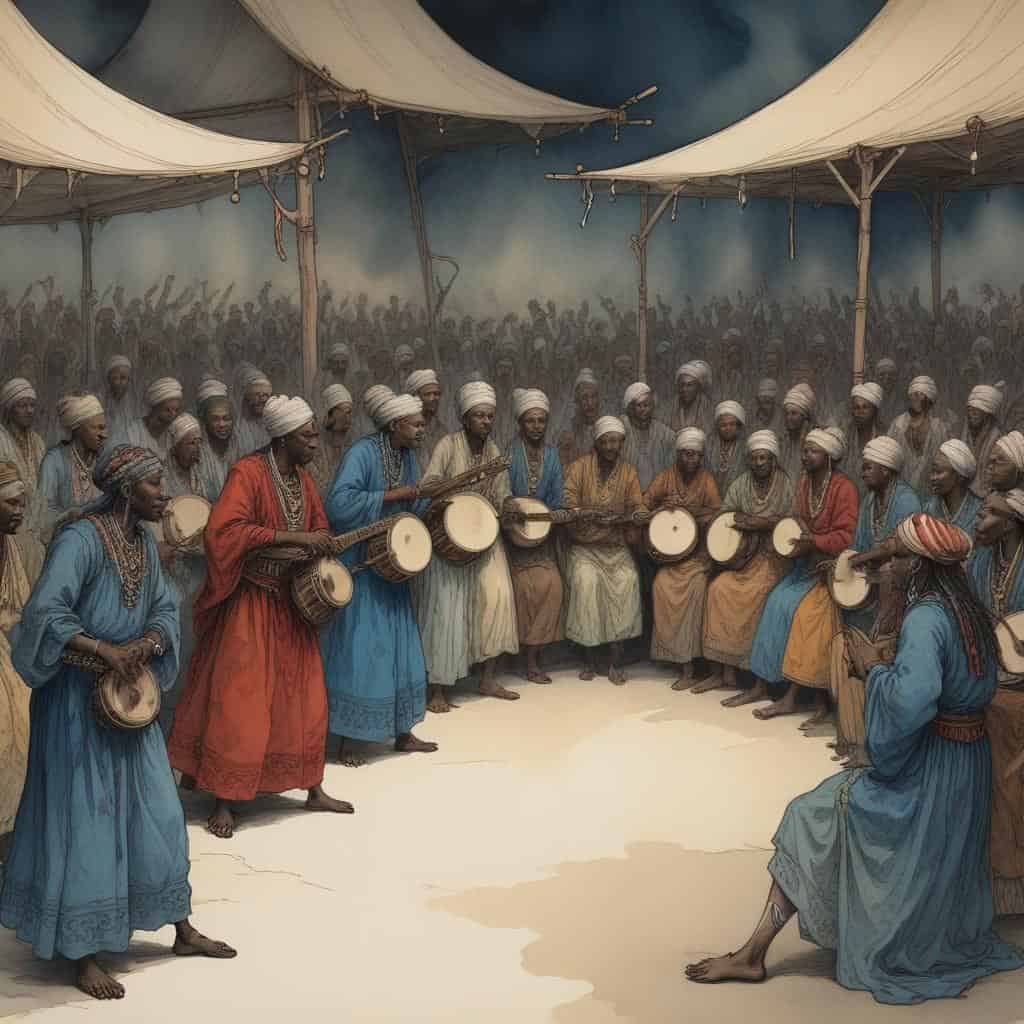
8. Enjoying Traditional Music and Dance
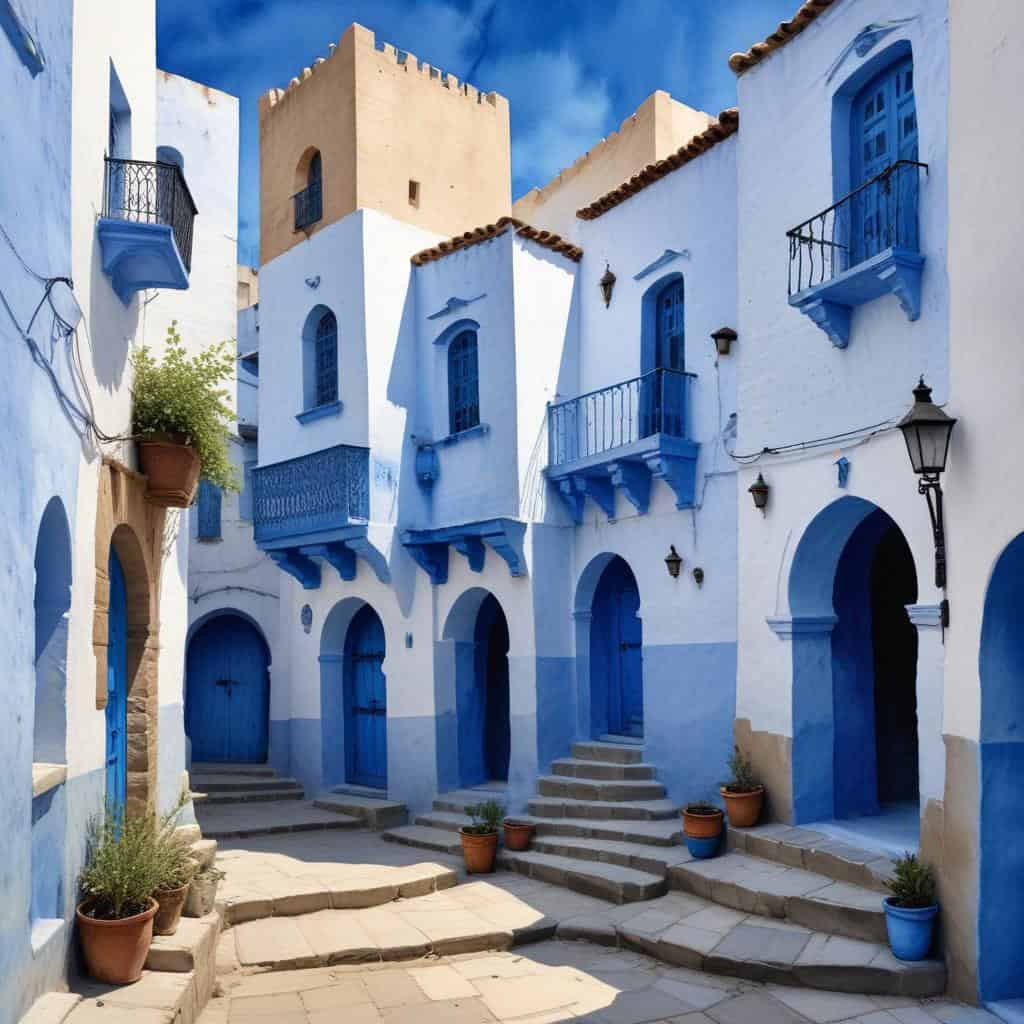
9. Visiting Charming Coastal Towns
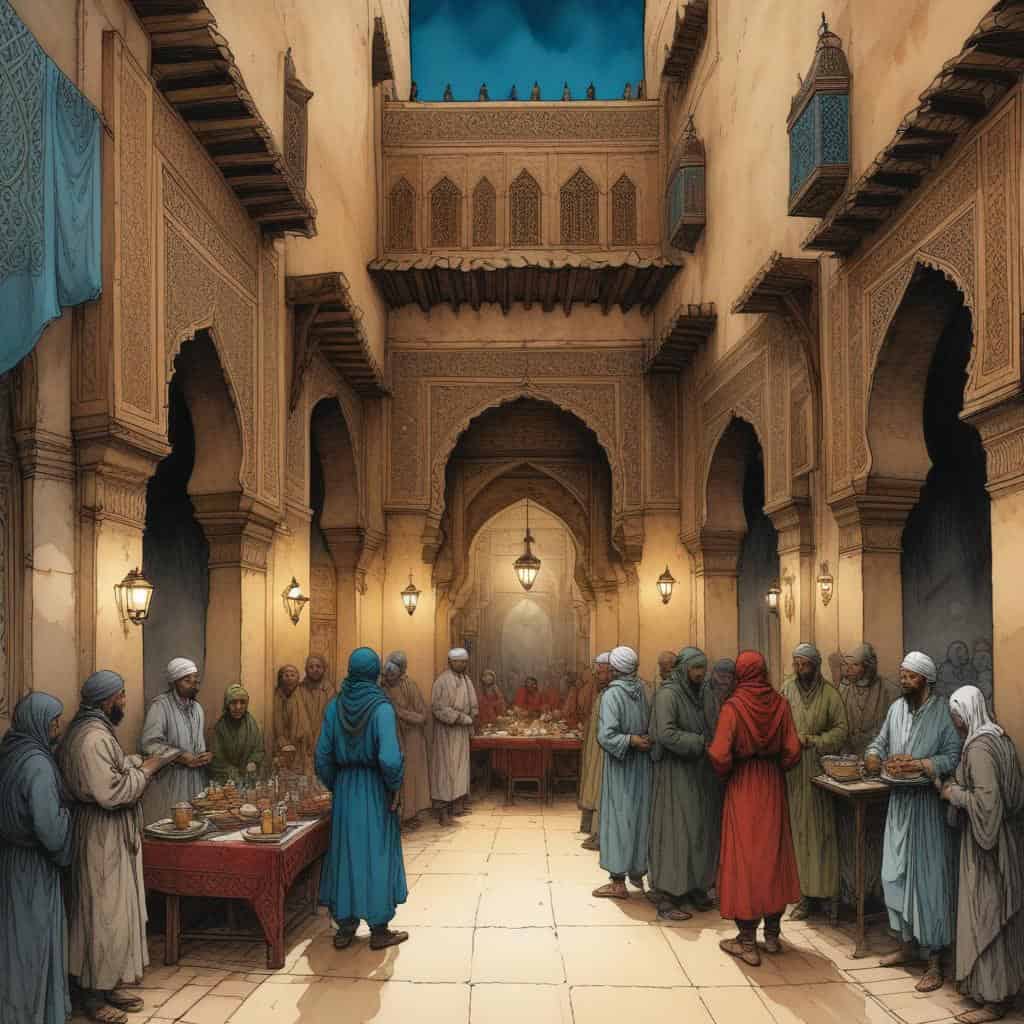
10. Experiencing the Hospitality of the Moroccan People
Audio Library
As one of our featured lessons, this topic includes premium audio guides.
Unlock the Wizard's Cram Session
This powerful audio study guide is a Pro-exclusive feature. Upgrade to Memory Wizards Pro to access this and all of our premium learning tools.
Upgrade to ProIn a Nutshell
- Capital: Rabat
- Population: Approx. 36.9 million (2021)
- Official Language: Arabic
- Currency: Moroccan dirham (MAD)
Breaking Down the Country
Geographical Diversity
Morocco boasts a diverse landscape, from the Atlas Mountains to the Sahara Desert, offering a mix of natural wonders and cultural richness.
Vibrant Souks & Markets
Experience the vibrant colors and exotic scents of Morocco's bustling markets, where you can haggle for traditional crafts and local delicacies.
Timeless Architecture
Discover the intricate and ornate architecture of Morocco, from the ancient medinas of Marrakech to the stunning palaces of Fez.
Timeline of Morocco
Morocco becomes a French protectorate
Proclamation of Moroccan independence from France
Death of King Mohammed V
Morocco gains control of Western Sahara from Spain
King Hassan II survives a coup attempt
Green March in Western Sahara
Signing of the Treaty of Fes between Morocco and Spain
Adoption of a new constitution in Morocco
King Hassan II dies, succeeded by King Mohammed VI
Morocco joins the Arab League
Death of King Mohammed VI
Casablanca bombings by Islamic extremists
Morocco hosts the COP22 climate conference in Marrakech
Morocco re-joins the African Union
Morocco announces intention to rejoin the African Union
Morocco becomes a member of the United Nations
Start of the Rif War between Spain and the Rif Republic
Morocco gains independence from Spain
Morocco hosts the FIFA Club World Cup
Morocco launches a bid to host the FIFA World Cup
Vocabulary List
- Souk
- We spent the morning exploring the bustling souk in Marrakech, filled with vendors selling colorful textiles and handmade crafts.
- Tagine
- One of Morocco's most famous dishes is the tagine, a slow-cooked stew made with meat, vegetables, and spices.
- Medina
- The medina of Fez is a maze-like old town filled with narrow alleyways, bustling markets, and historic architecture.
- Kasbah
- We visited the ancient kasbah of Ait Ben Haddou, a UNESCO World Heritage site known for its well-preserved mud-brick buildings.
- Mint tea
- No trip to Morocco is complete without sipping on a glass of traditional mint tea, a sweet and refreshing drink enjoyed throughout the country.
- Djellaba
- Many Moroccans wear the traditional djellaba, a long, loose-fitting robe with a pointed hood, especially during religious ceremonies or special occasions.
- Riad
- We stayed in a beautiful riad in the heart of Marrakech's old town, with a central courtyard, lush gardens, and intricately tiled rooms.
- Camel trek
- One of the most popular tourist activities in Morocco is going on a camel trek through the Sahara Desert, experiencing the vast dunes and starry skies.
- Argan oil
- Morocco is known for its production of argan oil, a versatile and nutrient-rich oil used in cooking, skincare, and haircare products.
- Henna
- Many women in Morocco decorate their hands and feet with intricate henna designs for special occasions like weddings or festivals.
- Kasbah
- We explored the kasbah of Tangier, a historic fortress overlooking the Strait of Gibraltar and the Mediterranean Sea.
- Babouche
- I bought a pair of colorful babouche slippers at the market in Essaouira, perfect for wearing around the house.
- Sahrawi
- The Sahrawi people are indigenous to the Western Sahara region of Morocco, known for their rich cultural traditions and nomadic lifestyle.
- Kefta
- One of my favorite Moroccan dishes is kefta, seasoned ground meat skewers grilled to perfection and served with couscous.
- Hammam
- After a long day of exploring, we treated ourselves to a relaxing hammam spa experience, complete with steam baths, exfoliating scrubs, and massages.
- Fez
- The city of Fez is famous for its ancient medina, historic mosques, and vibrant artisan workshops producing intricate ceramics, textiles, and leather goods.
Key Facts
This is the information used in the fact matching game
- Morocco is located in North Africa and is bordered by the Atlantic Ocean and the Mediterranean Sea.
- Morocco is the only African country that is not a member of the African Union.
- The official language of Morocco is Arabic, but French is also widely spoken.
- Morocco is known for its vibrant and colorful markets, known as souks.
- The capital city of Morocco is Rabat, but the largest city is Casablanca.
- Morocco is a constitutional monarchy with an elected parliament.
- Morocco is one of the top producers of phosphates in the world.
- The traditional dress for men in Morocco is called a djellaba, while women often wear a kaftan.
- Morocco is known for its beautiful architecture, including the famous blue city of Chefchaouen.
- The Sahara Desert covers a large portion of southern Morocco.
- Morocco is a popular filming location for movies and TV shows, including Game of Thrones.
- Mint tea is a popular drink in Morocco and is often served with sugar.
- Morocco has a diverse landscape that includes mountains, deserts, and beaches.
- Moroccan cuisine is known for its use of spices like cumin, cinnamon, and saffron.
- Morocco is home to the ancient city of Marrakech, known for its bustling markets and historic sites.
- The traditional music of Morocco includes instruments like the oud, qraqeb, and bendir.
- Morocco is a Muslim-majority country, with Islam as the official religion.
- Morocco has a rich history of arts and crafts, including pottery, textiles, and metalwork.
- Casablanca, Morocco's largest city, is home to one of the largest mosques in the world, the Hassan II Mosque.
- Morocco has a high literacy rate, with over 70% of the population being able to read and write.
Why It Matters
Geopolitical Significance
Located in North Africa, Morocco holds strategic importance as a gateway between Europe and Africa. Its proximity to the Strait of Gibraltar gives it control over key maritime trade routes, influencing global commerce and politics.
Historical Importance
With a rich history of Berber, Arab, and European influences, Morocco has been a crossroads of cultures for centuries. It was a center of Islamic civilization and played a crucial role in trans-Saharan trade, shaping the development of the region.
Modern-Day Role
Today, Morocco is a stable monarchy with a growing economy driven by agriculture, tourism, and industry. It is a key ally in the fight against terrorism and a leader in renewable energy initiatives, making it a significant player in regional and global affairs.
Morocco Games


Take Your Learning Offline
Want a convenient, print-ready study guide for this lesson? Become a Memory Wizards Pro member to unlock the downloadable " Memory Scrolls" for this topic and our entire library!
- ✓ Complete Vocabulary Lists
- ✓ Key Facts & Timelines
- ✓ Beautifully Formatted for Print & Mobile