
How Do You Learn Best?
Learn by Listening
Start with the 3-minute audio summary to get the key facts and narrative highlights quickly.
Learn by Reading
Immerse yourself in the 10-minute visual lesson for a comprehensive understanding of the topic.
Learn by Reviewing
Jump directly to the key facts, timeline, and vocabulary lists to build a solid foundation of details.
Learn by Doing
Challenge yourself! Jump straight into the interactive games to learn by trial, error, and discovery.
Equatorial Guinea in 10 Minutes
Introduction
Teodoro Obiang Nguema Mbasogo
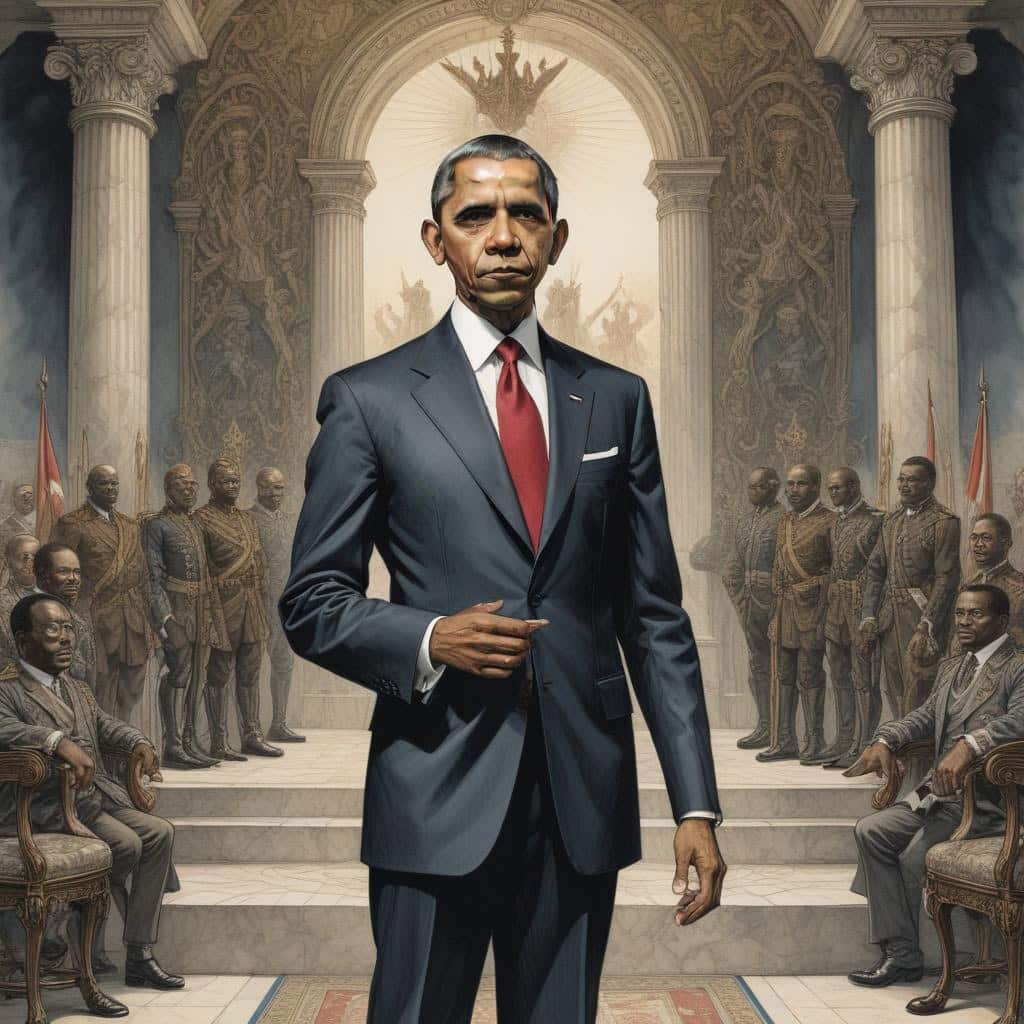
Francisco Pascual Obama Asue
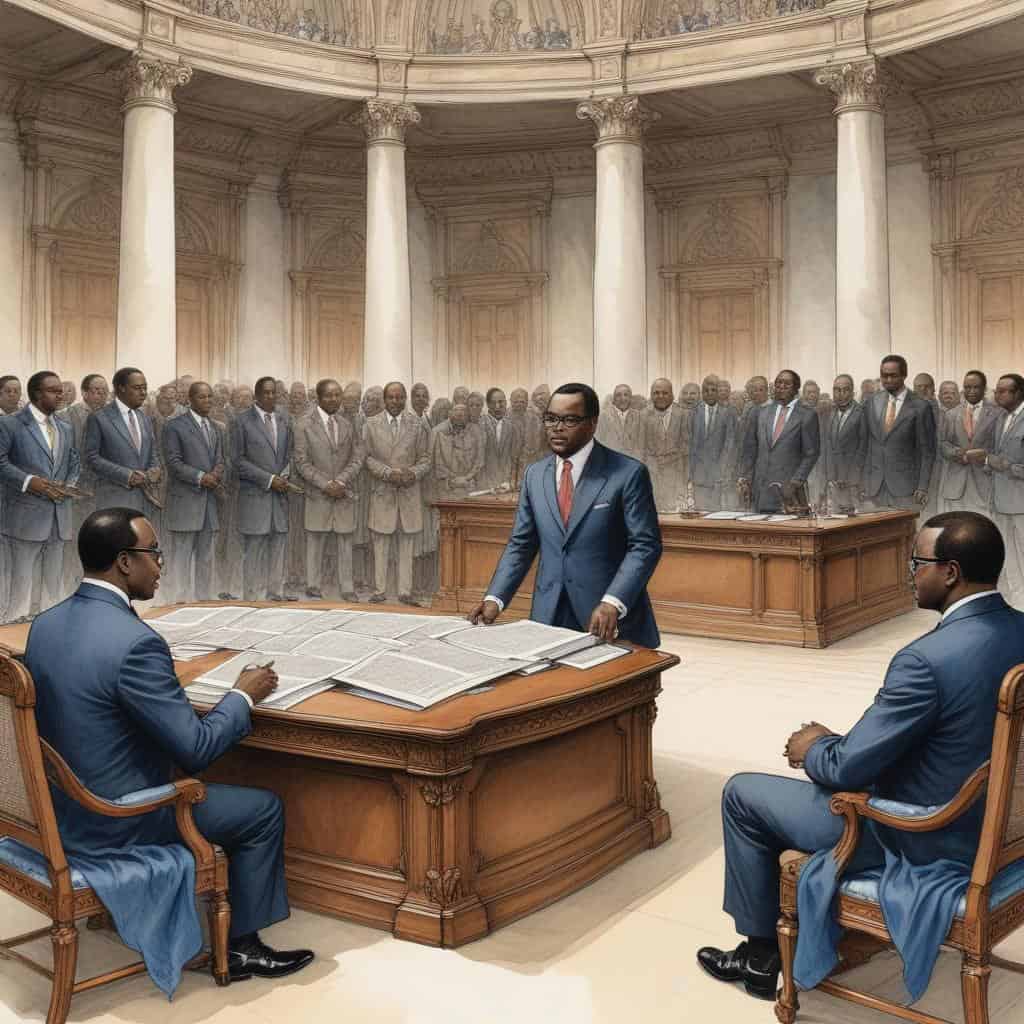
Manuel Nguema Mba
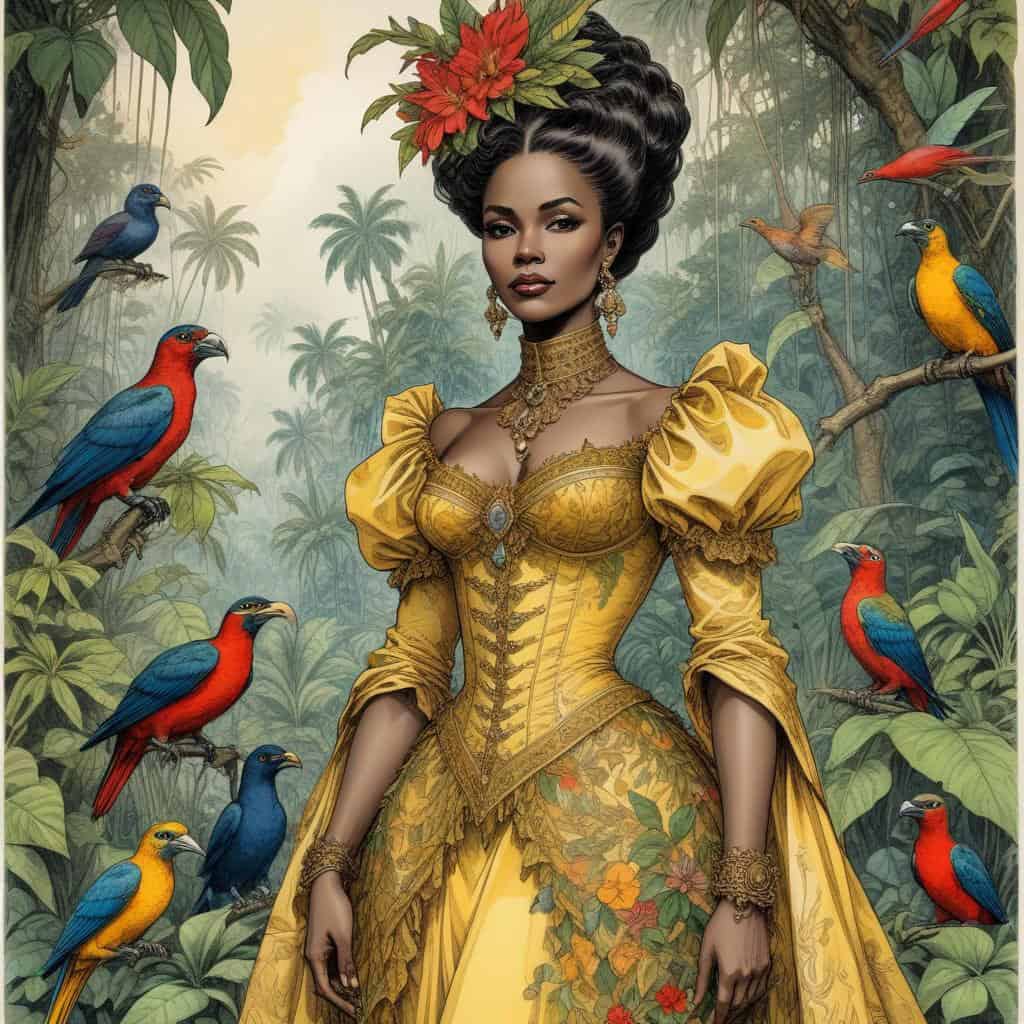
Constancia Mangue de Obiang

Teodorin Obiang
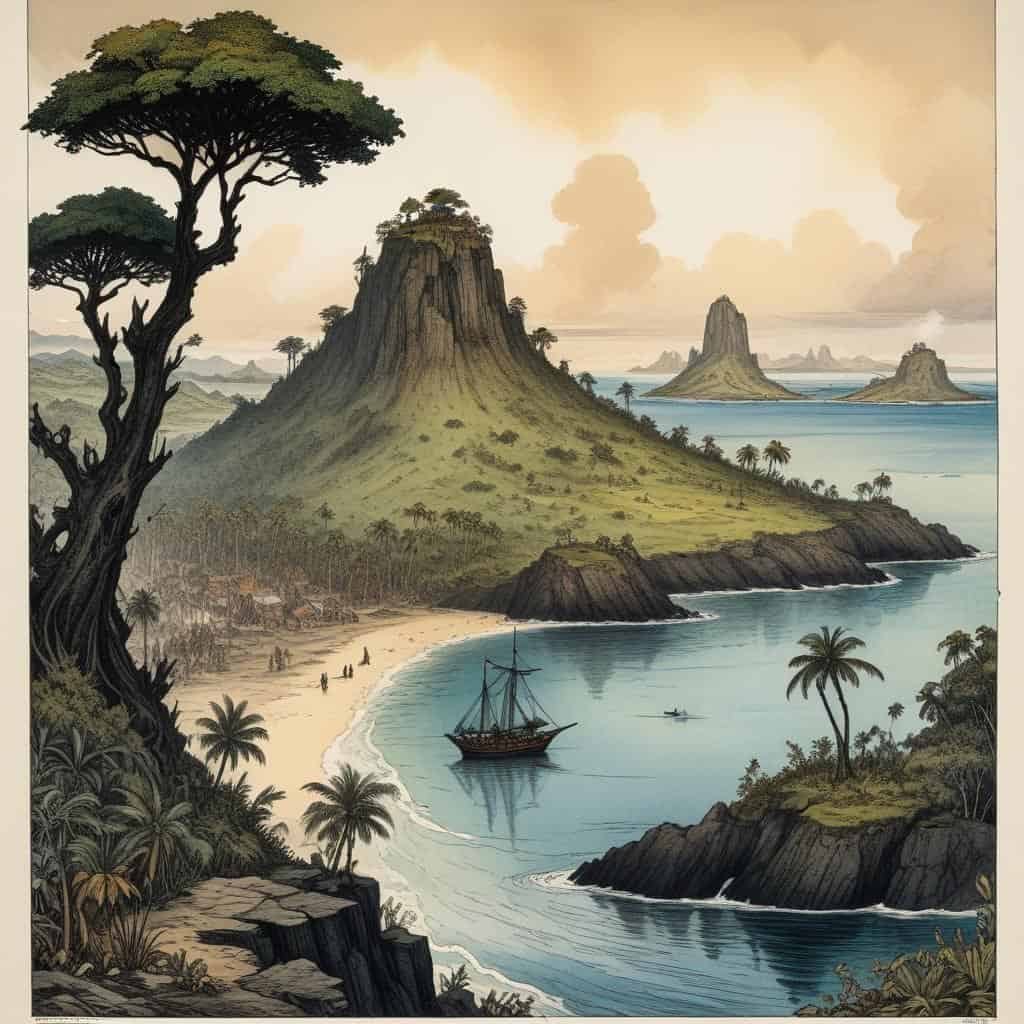
1. History
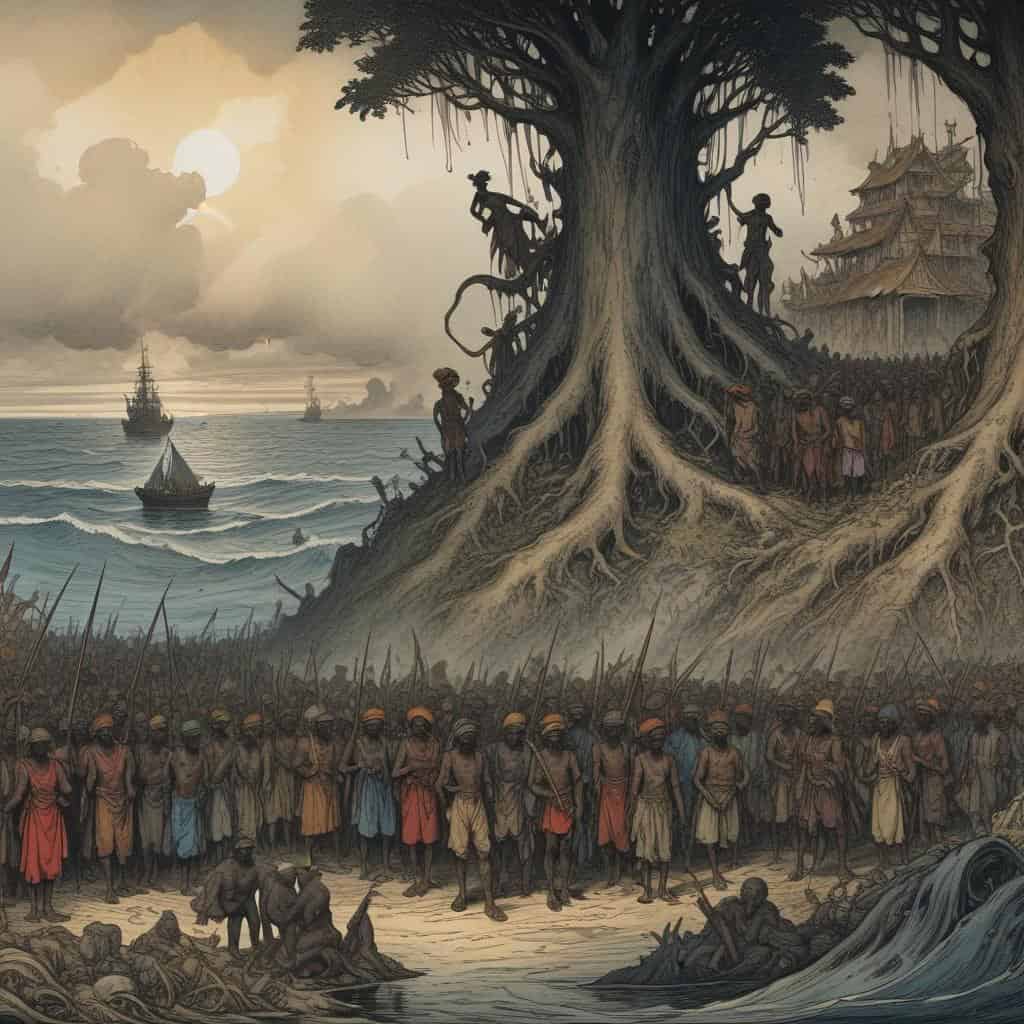
2. Economy
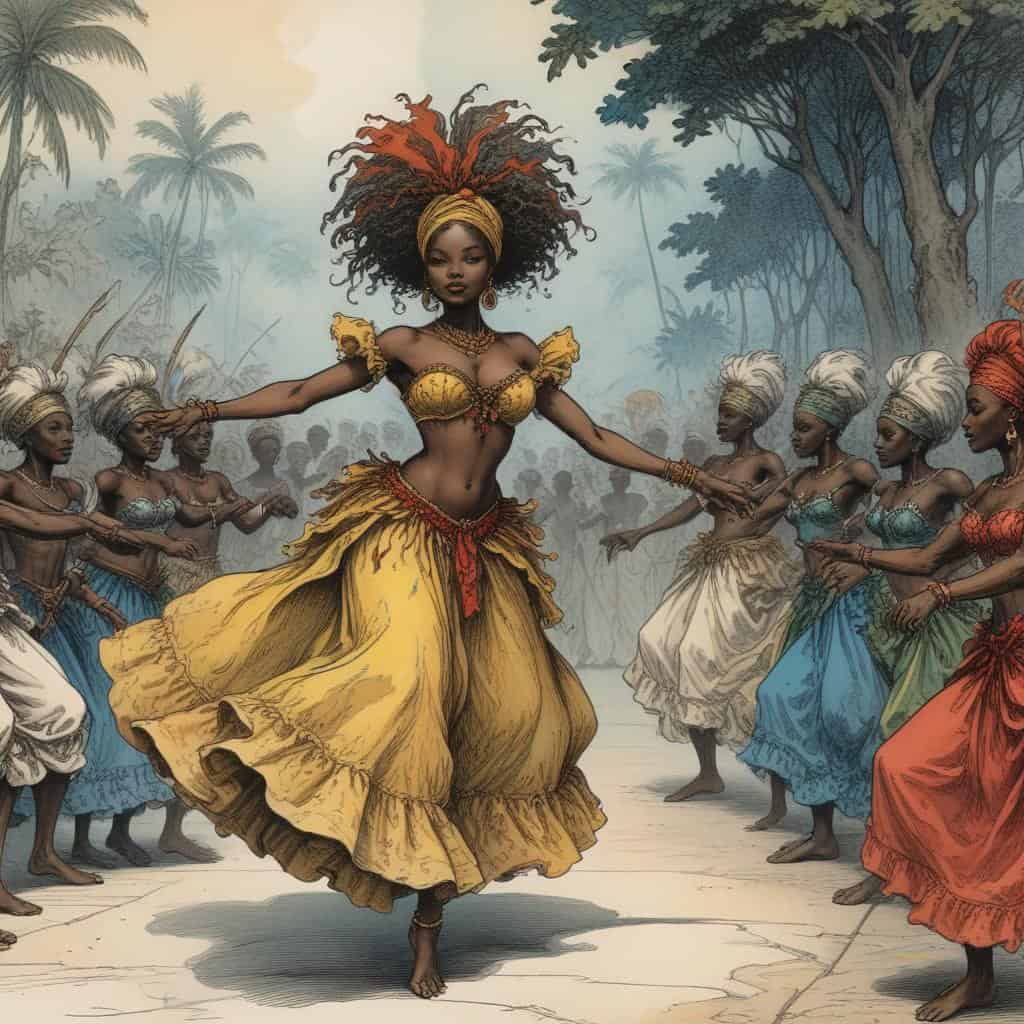
3. Culture

4. Languages
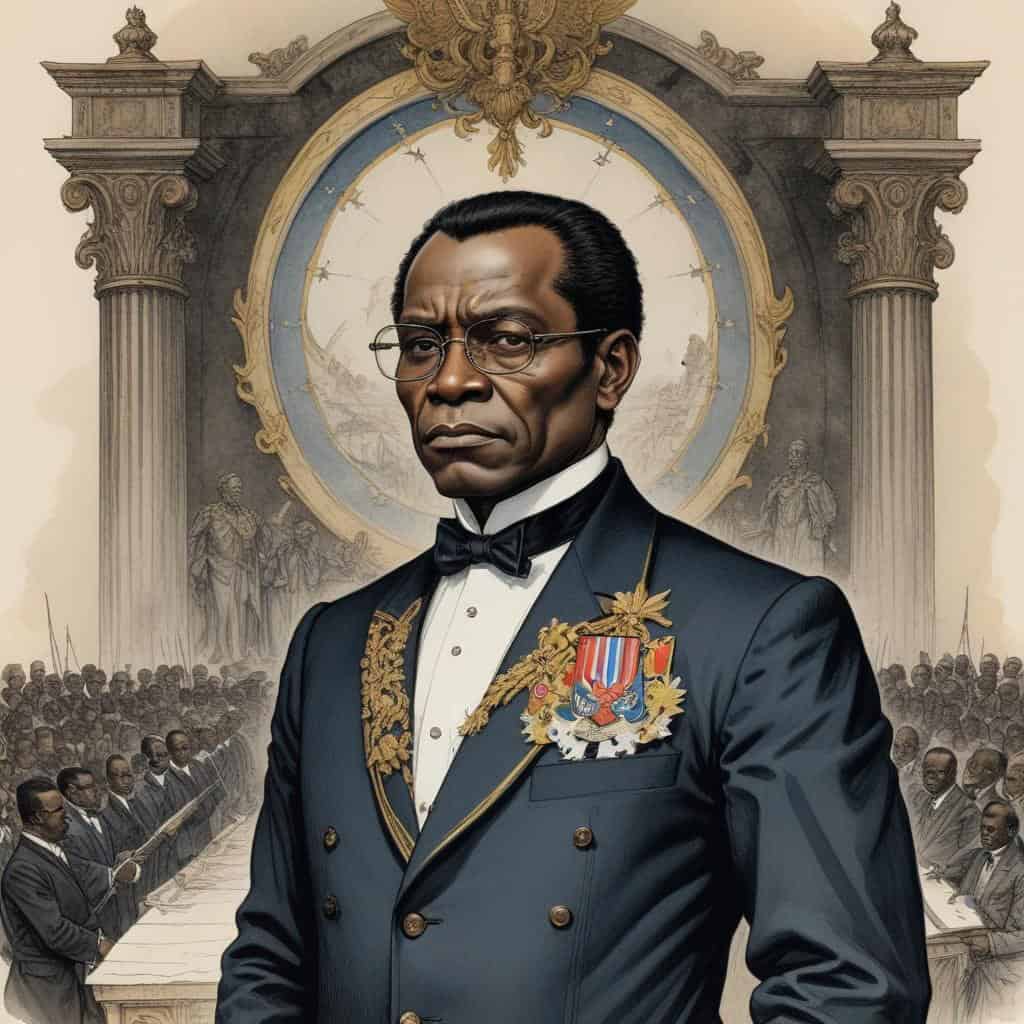
5. Government
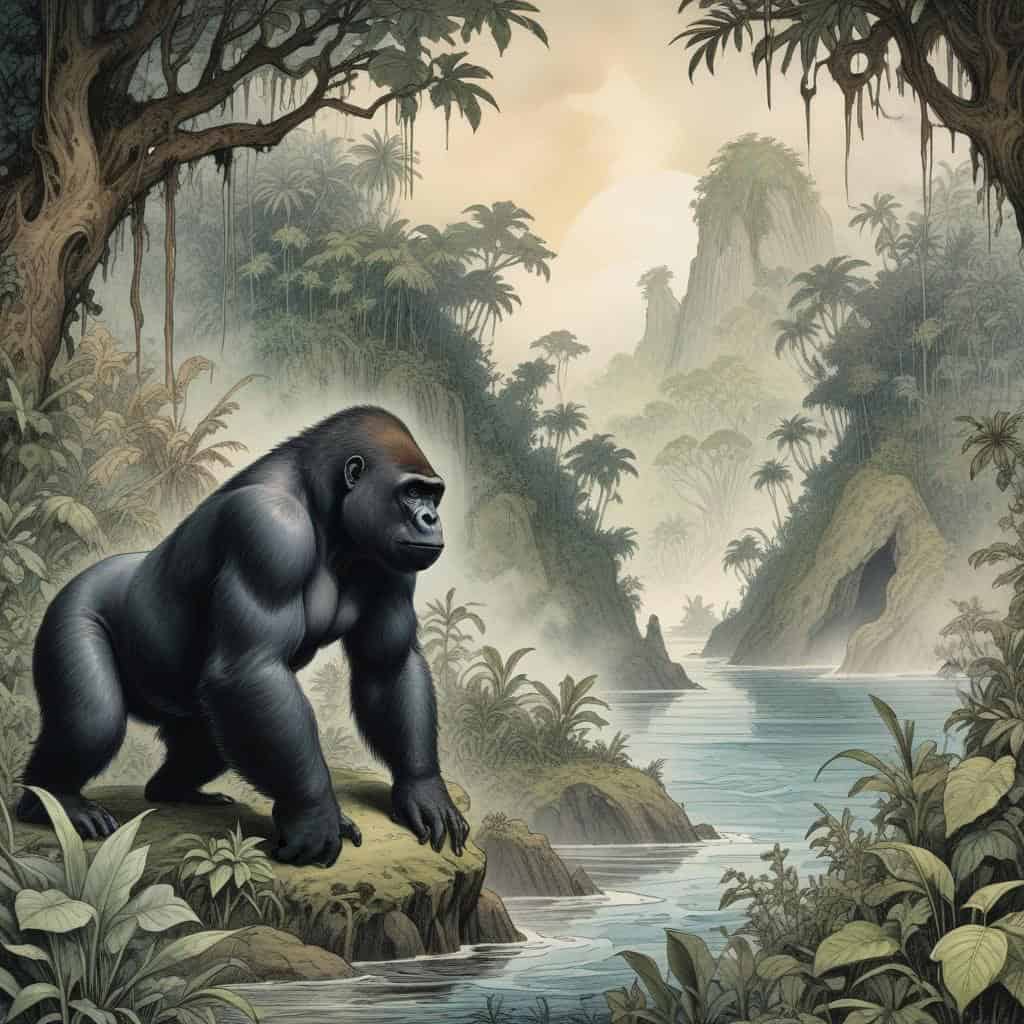
6. Wildlife
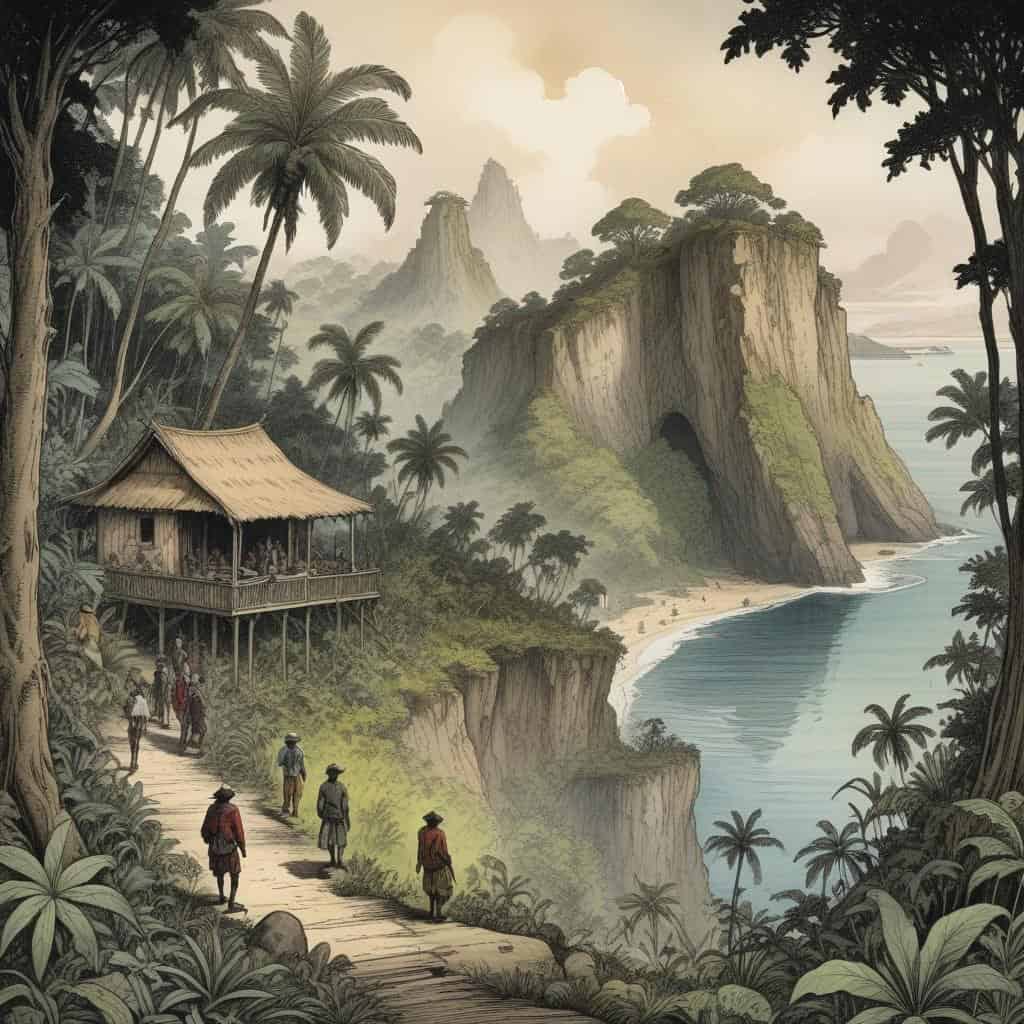
7. Tourism
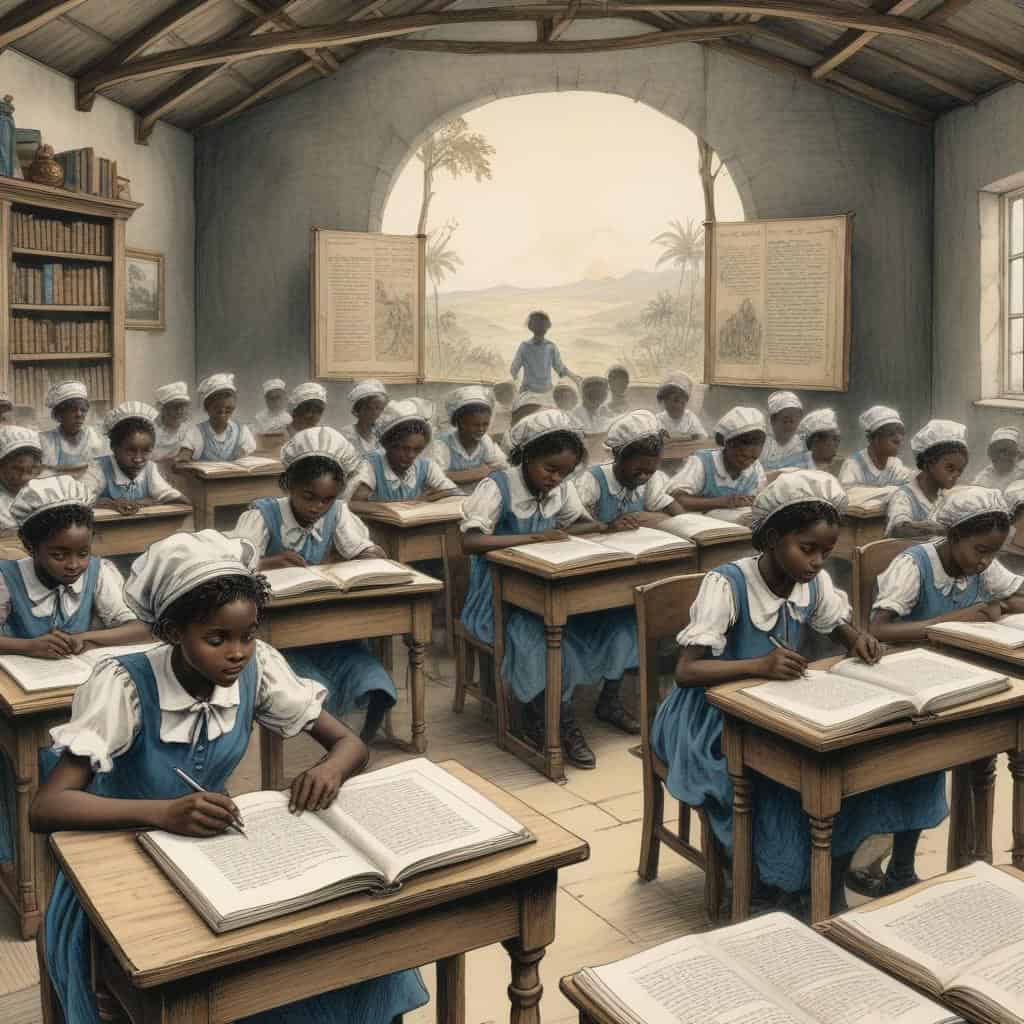
8. Education

9. Healthcare

10. Future
Audio Library
As one of our featured lessons, this topic includes premium audio guides.
Unlock the Wizard's Cram Session
This powerful audio study guide is a Pro-exclusive feature. Upgrade to Memory Wizards Pro to access this and all of our premium learning tools.
Upgrade to ProIn a Nutshell
- Capital: Malabo
- Population: Approx. 1.4 million (2021)
- Official Language: Spanish, French, Portuguese
- Currency: Central African CFA franc (XAF)
Breaking Down the Country
Geographical Diversity
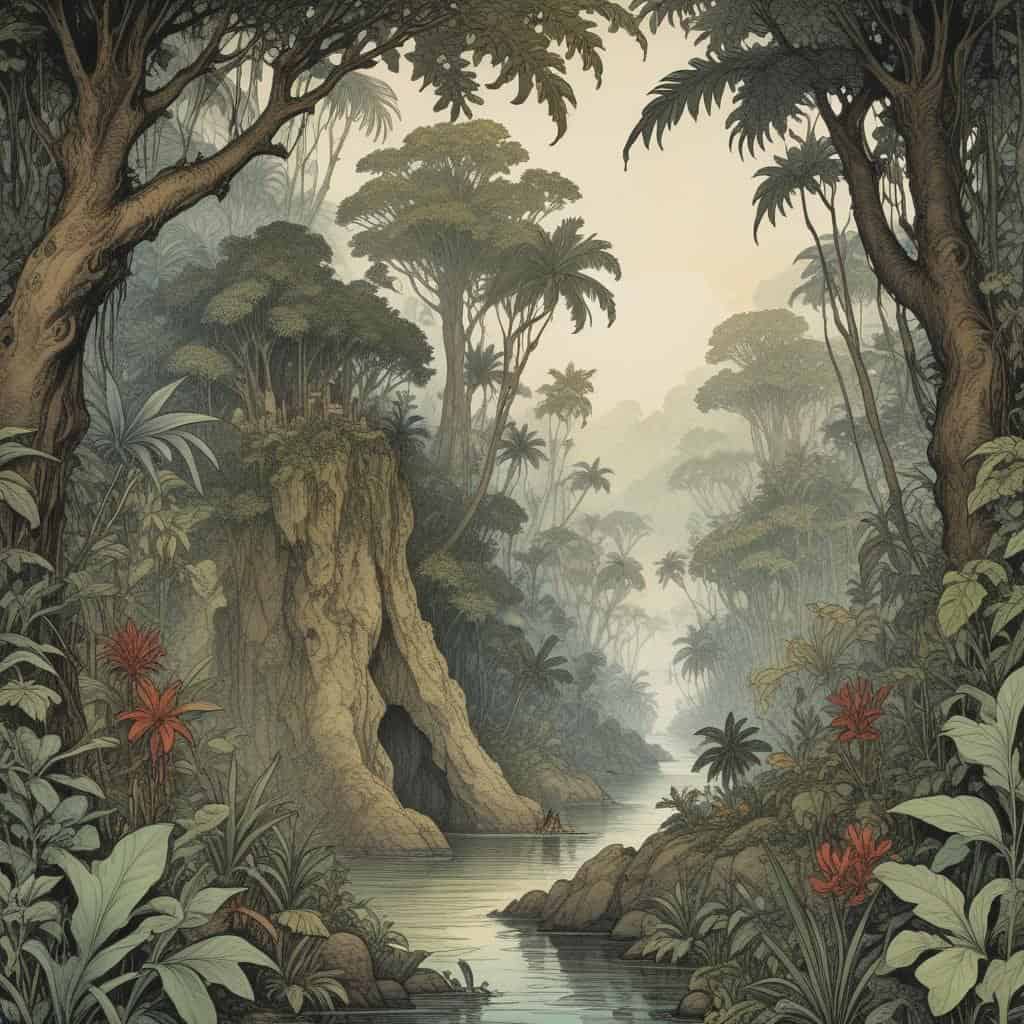
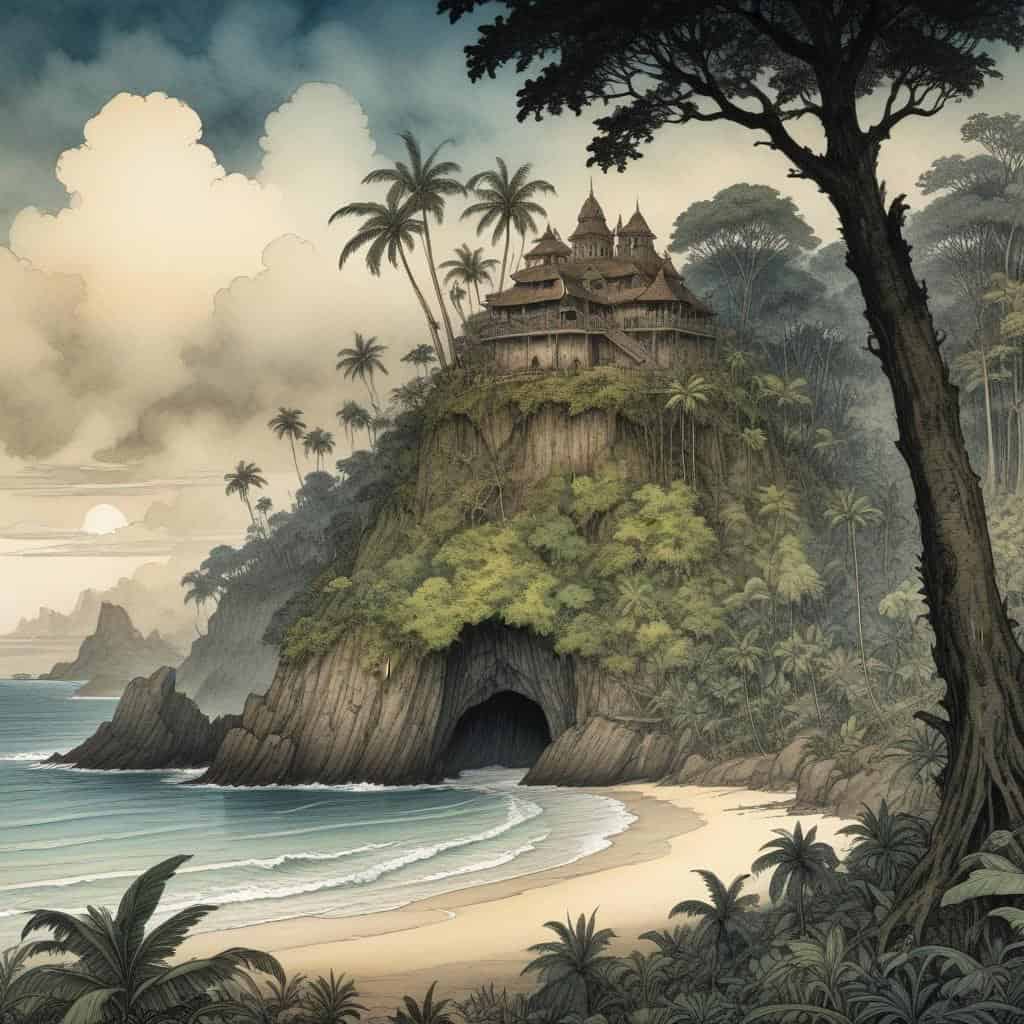
Equatorial Guinea boasts diverse landscapes from lush rainforests and volcanic islands to stunning beaches along the Gulf of Guinea.
Cultural Fusion
With a blend of Spanish, French, and indigenous influences, Equatorial Guinea offers a unique cultural experience with vibrant music, dance, and art.
Wildlife Paradise
Explore rich biodiversity in Equatorial Guinea's national parks, home to diverse species including primates, elephants, and exotic birdlife.
Timeline of Equatorial Guinea
Spanish explorer Fernao do Po arrives in the region and names it Rio Muni
Spanish colonization begins in Equatorial Guinea
Fernando Poo (Bioko) and Rio Muni are established as Spanish colonies
Equatorial Guinea becomes a Spanish colony
Independence movement begins in Equatorial Guinea
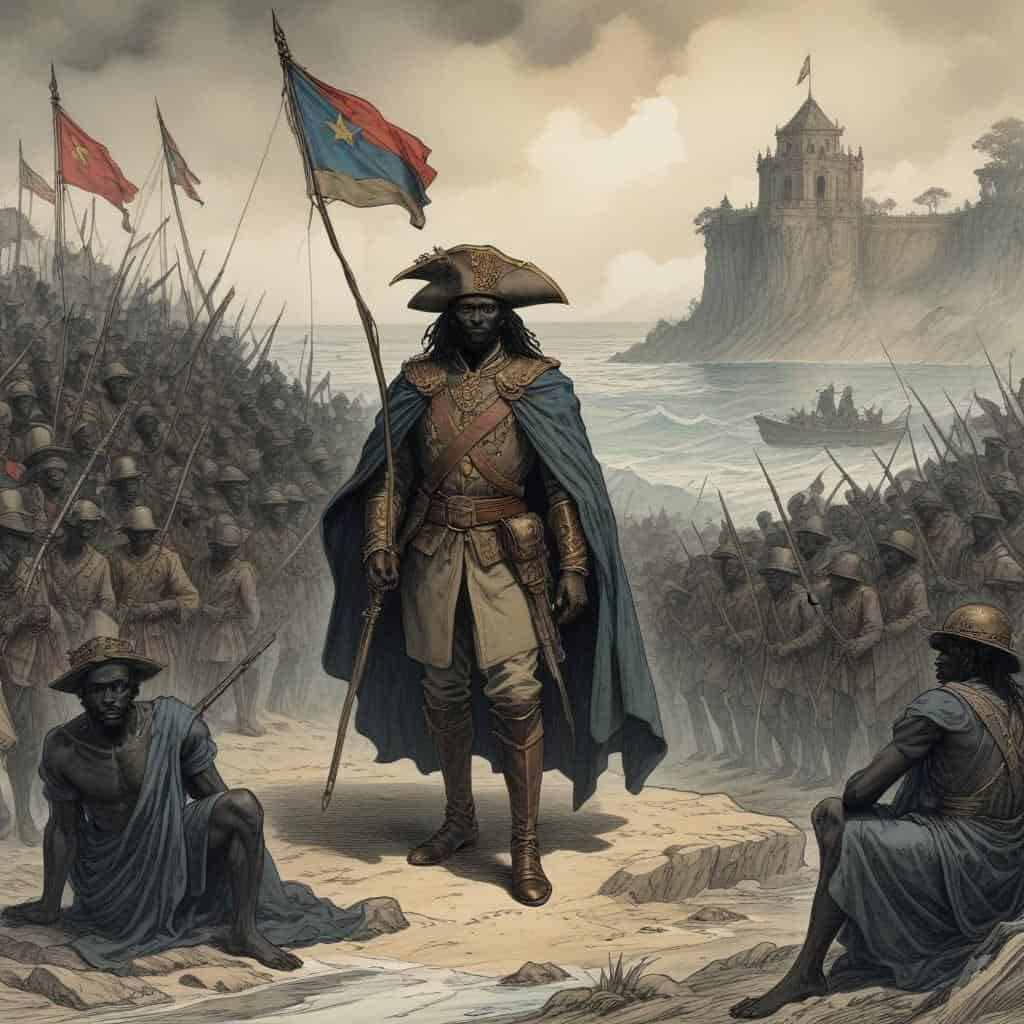
Equatorial Guinea gains independence from Spain
Francisco Macias Nguema becomes the first President of Equatorial Guinea
Macias Nguema declares himself President for Life
Macias Nguema's reign of terror begins, leading to widespread human rights abuses
Macias Nguema is overthrown in a coup led by Teodoro Obiang Nguema Mbasogo
Teodoro Obiang Nguema Mbasogo becomes the President of Equatorial Guinea
Equatorial Guinea discovers large oil reserves, boosting the economy
Equatorial Guinea becomes one of the wealthiest countries in Africa per capita
Human rights abuses and political repression continue under President Obiang
Equatorial Guinea becomes a member of the African Union
Equatorial Guinea hosts the Africa Cup of Nations football tournament
President Obiang's son, Teodoro Nguema Obiang Mangue, is convicted of embezzlement in France
Equatorial Guinea celebrates its 50th anniversary of independence
Equatorial Guinea becomes a non-permanent member of the United Nations Security Council
President Obiang wins another controversial election, extending his rule
Vocabulary List
- Malabo
- The capital city of Equatorial Guinea.
- Fang
- One of the main ethnic groups in Equatorial Guinea.
- Bioko
- An island off the coast of Equatorial Guinea.
- Francophone
- Refers to countries or regions where French is the primary language, including parts of Equatorial Guinea.
- Mbini
- A town in Equatorial Guinea located on the mainland.
- Bantu
- A language family spoken by many ethnic groups in Equatorial Guinea.
- Cocoa
- One of the main exports of Equatorial Guinea.
- Oyala
- A planned city that is being built as the future capital of Equatorial Guinea.
- Oil
- A major industry in Equatorial Guinea, with the country being one of the largest oil producers in Africa.
- Luba
- Another one of the main ethnic groups in Equatorial Guinea.
Key Facts
This is the information used in the fact matching game
- Equatorial Guinea is the only African country where Spanish is an official language.
- Equatorial Guinea is one of the smallest countries in Africa, both in terms of population and land area.
- The country gained independence from Spain in 1968.
- Equatorial Guinea is divided into two parts: a mainland region called Río Muni and an insular region containing Bioko Island (formerly Fernando Po) and Annobón island.
- The capital city of Equatorial Guinea is Malabo, located on Bioko Island.
- Equatorial Guinea has a tropical climate with high temperatures and humidity throughout the year.
- The country's economy is heavily dependent on oil exports, making it one of the wealthiest countries in Africa per capita.
- Equatorial Guinea has one of the highest GDP per capita in Africa, but income inequality is very high.
- The majority of Equatorial Guinea's population belongs to the Fang ethnic group.
- Equatorial Guinea has a rich cultural heritage, with influences from Spanish, Portuguese, and indigenous traditions.
- The country has a low literacy rate, with only about half of the population able to read and write.
- Equatorial Guinea is known for its diverse wildlife, including rare species such as the drill monkey and the African grey parrot.
- The country has a high rate of deforestation due to logging and agricultural practices.
- Equatorial Guinea has a history of political instability and human rights abuses under the rule of President Teodoro Obiang Nguema Mbasogo.
- Equatorial Guinea is a member of the African Union, the United Nations, and the Community of Portuguese Language Countries.
- The country's official currency is the Central African CFA franc.
- Equatorial Guinea has a small but growing tourism industry, with attractions such as the beaches of Bioko Island and the Monte Alen National Park.
- The country has a high prevalence of HIV/AIDS, with an estimated 4.1% of the adult population living with the disease.
- Equatorial Guinea has a limited healthcare infrastructure, with most medical facilities located in the capital city of Malabo.
- The country has a national football team that competes in international competitions, although it has not achieved much success.
Why It Matters
Geopolitical Significance
Equatorial Guinea’s location in Central Africa gives it strategic importance in the region. Its oil reserves make it a significant player in the global energy market, attracting international investment and partnerships. The country’s relationship with neighboring countries and international organizations influences regional politics and economic development.
Historical Importance
Equatorial Guinea’s history is marked by colonization, independence struggles, and political upheaval. Its diverse cultural heritage, including influences from indigenous tribes and European settlers, shapes its identity. Understanding the country’s past is crucial for comprehending its current social, political, and economic dynamics.
Modern-Day Role
Today, Equatorial Guinea is one of Africa’s top oil producers, contributing to its economic growth and development. The government’s policies on resource management, human rights, and governance impact its international reputation. Its position in regional organizations like the African Union and economic partnerships demonstrate its evolving role in the global community.
Equatorial Guinea Games


Take Your Learning Offline
Want a convenient, print-ready study guide for this lesson? Become a Memory Wizards Pro member to unlock the downloadable " Memory Scrolls" for this topic and our entire library!
- ✓ Complete Vocabulary Lists
- ✓ Key Facts & Timelines
- ✓ Beautifully Formatted for Print & Mobile