
How Do You Learn Best?
Learn by Listening
Start with the 3-minute audio summary to get the key facts and narrative highlights quickly.
Learn by Reading
Immerse yourself in the 10-minute visual lesson for a comprehensive understanding of the topic.
Learn by Reviewing
Jump directly to the key facts, timeline, and vocabulary lists to build a solid foundation of details.
Learn by Doing
Challenge yourself! Jump straight into the interactive games to learn by trial, error, and discovery.
Cabo Verde in 10 Minutes
Introduction
Amilcar Cabral
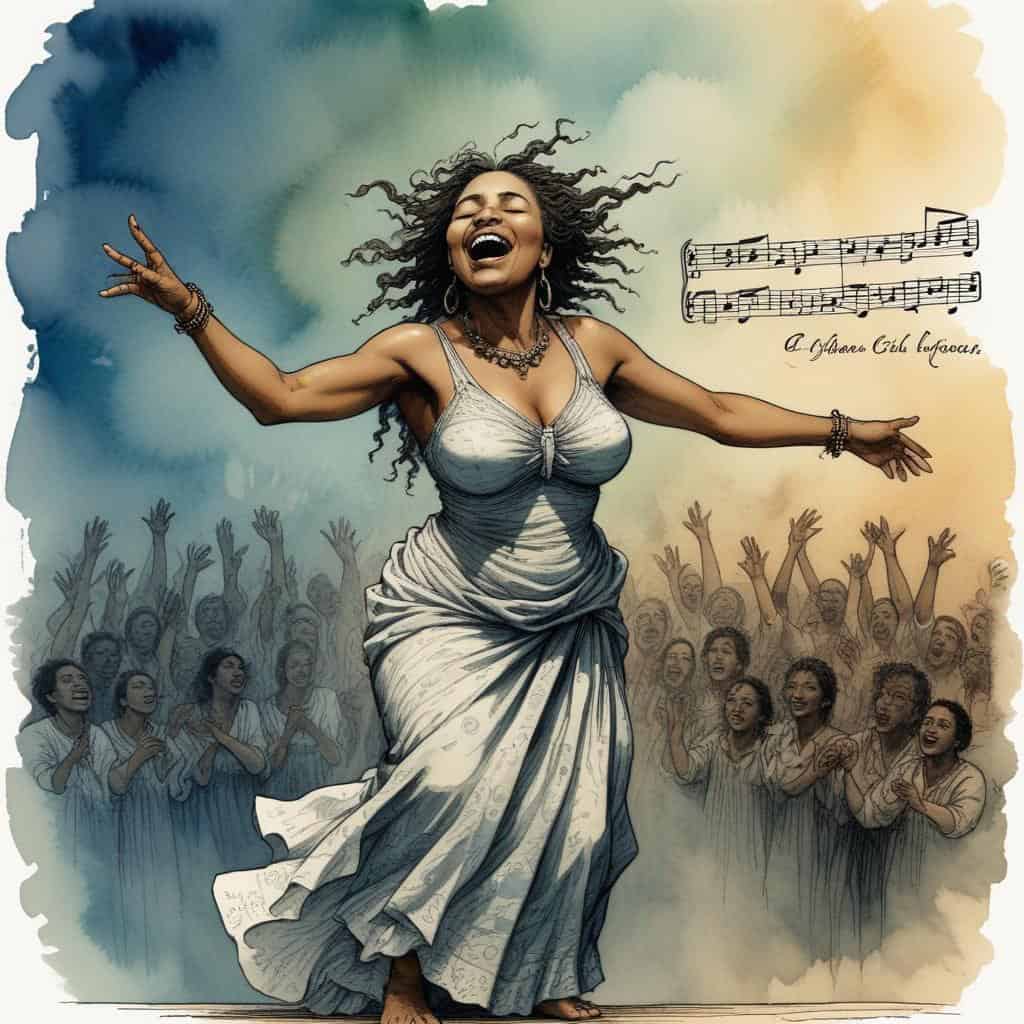
Cesaria Evora
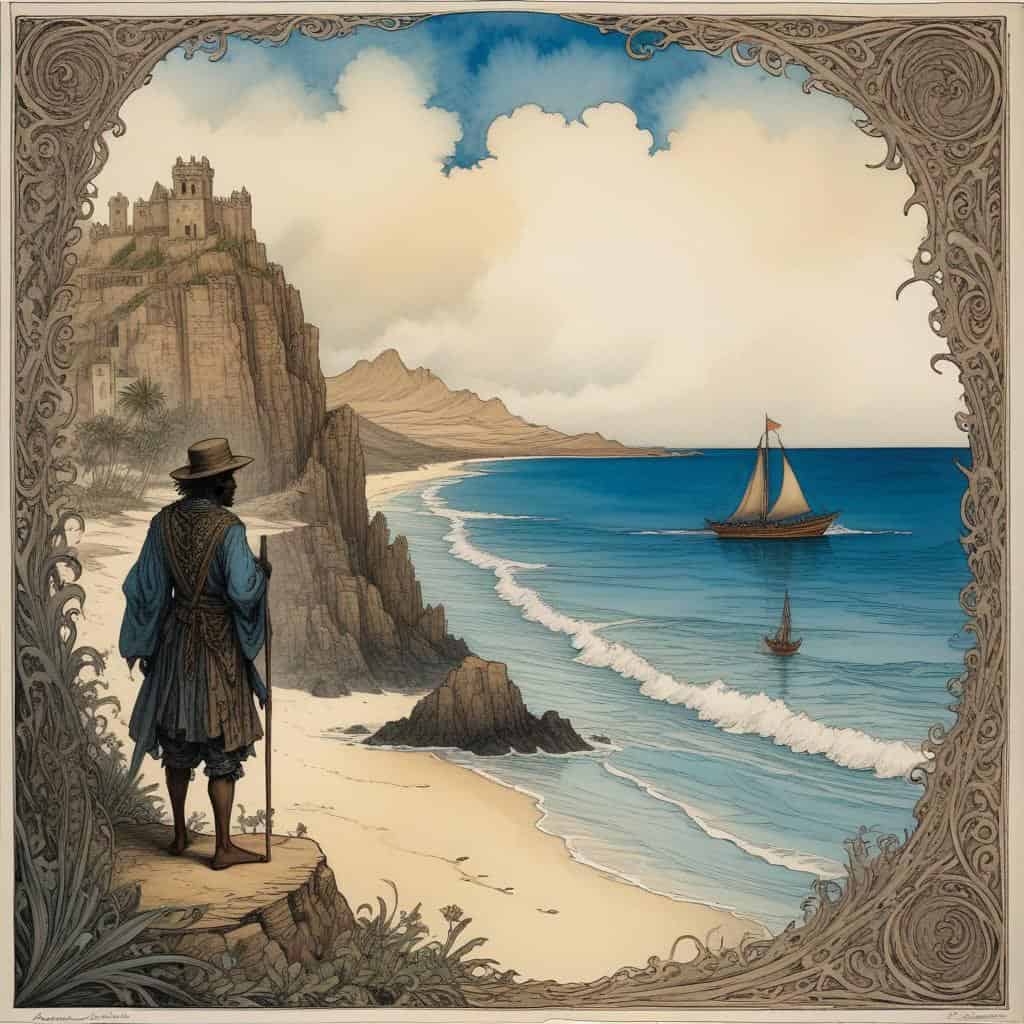
Manuel Pina
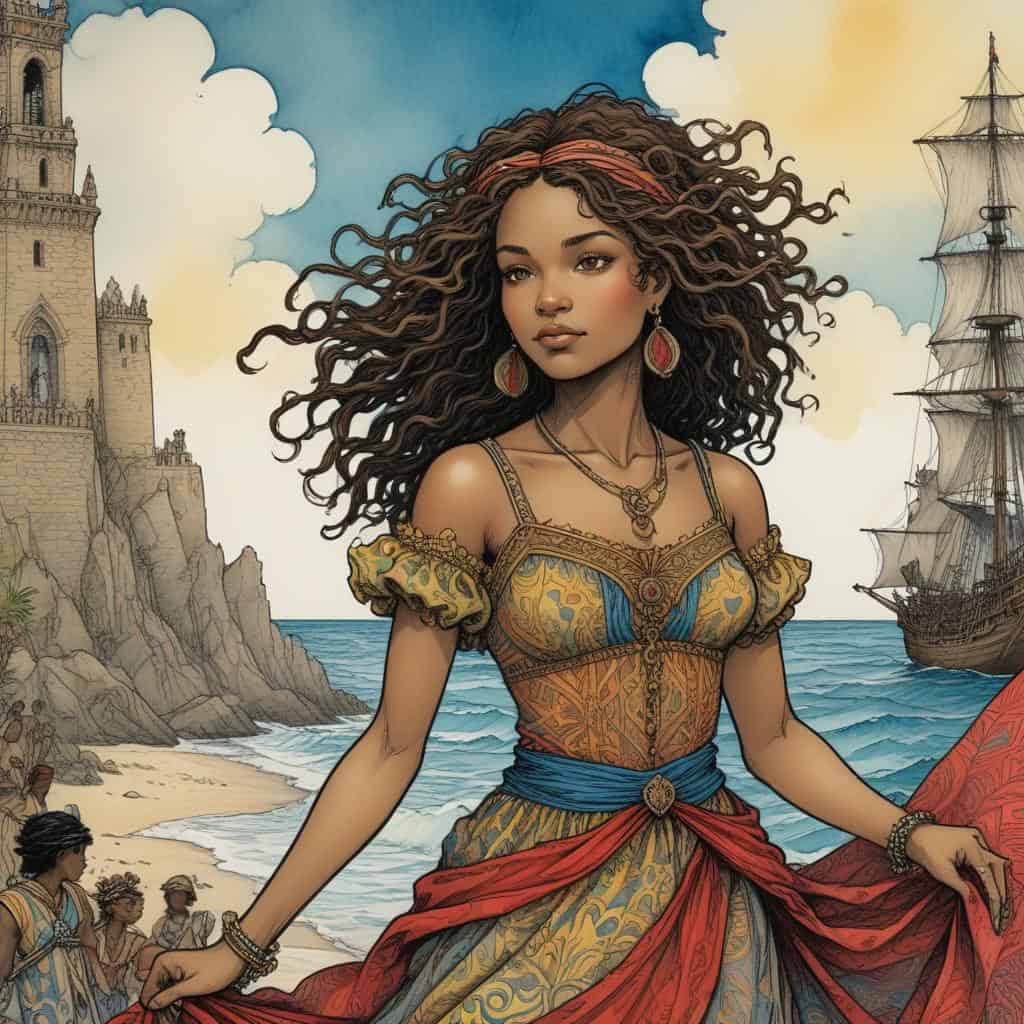
Clarisse Alves
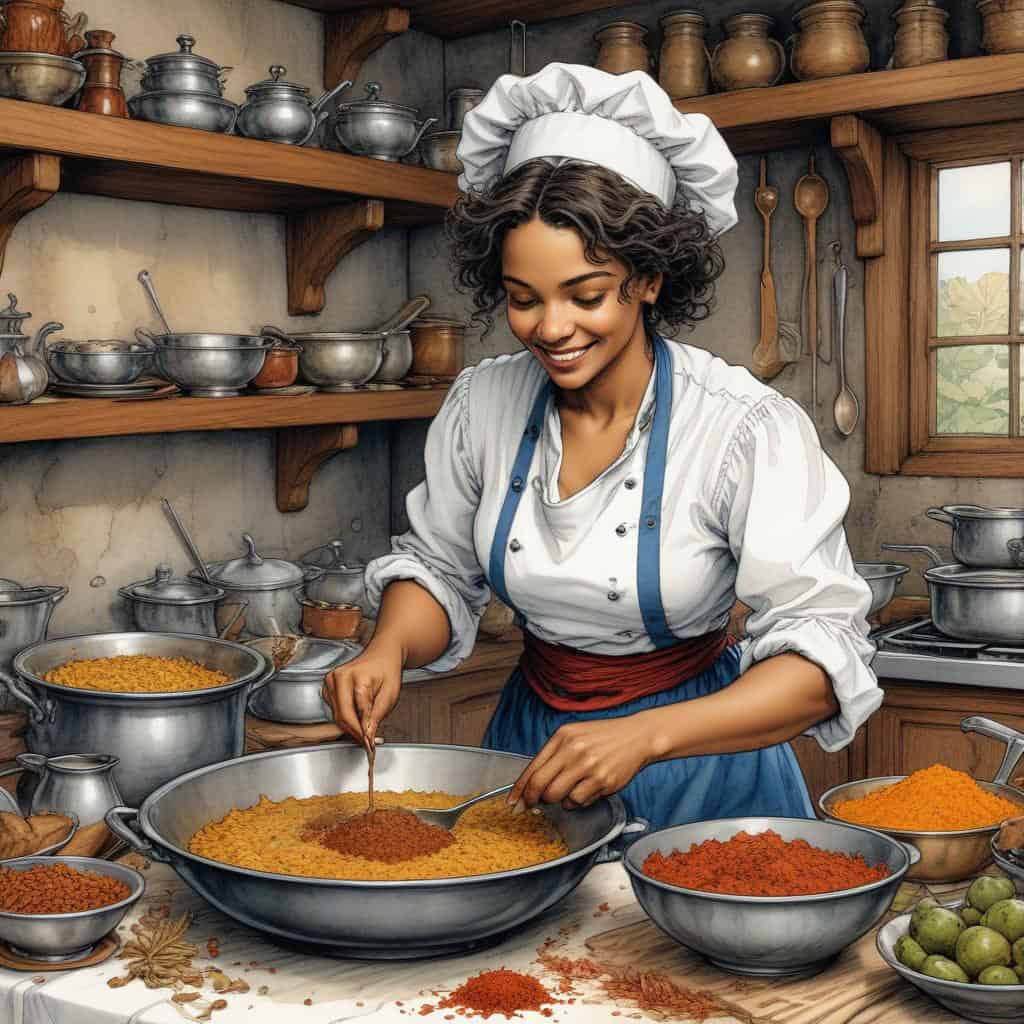
Luisa Alves
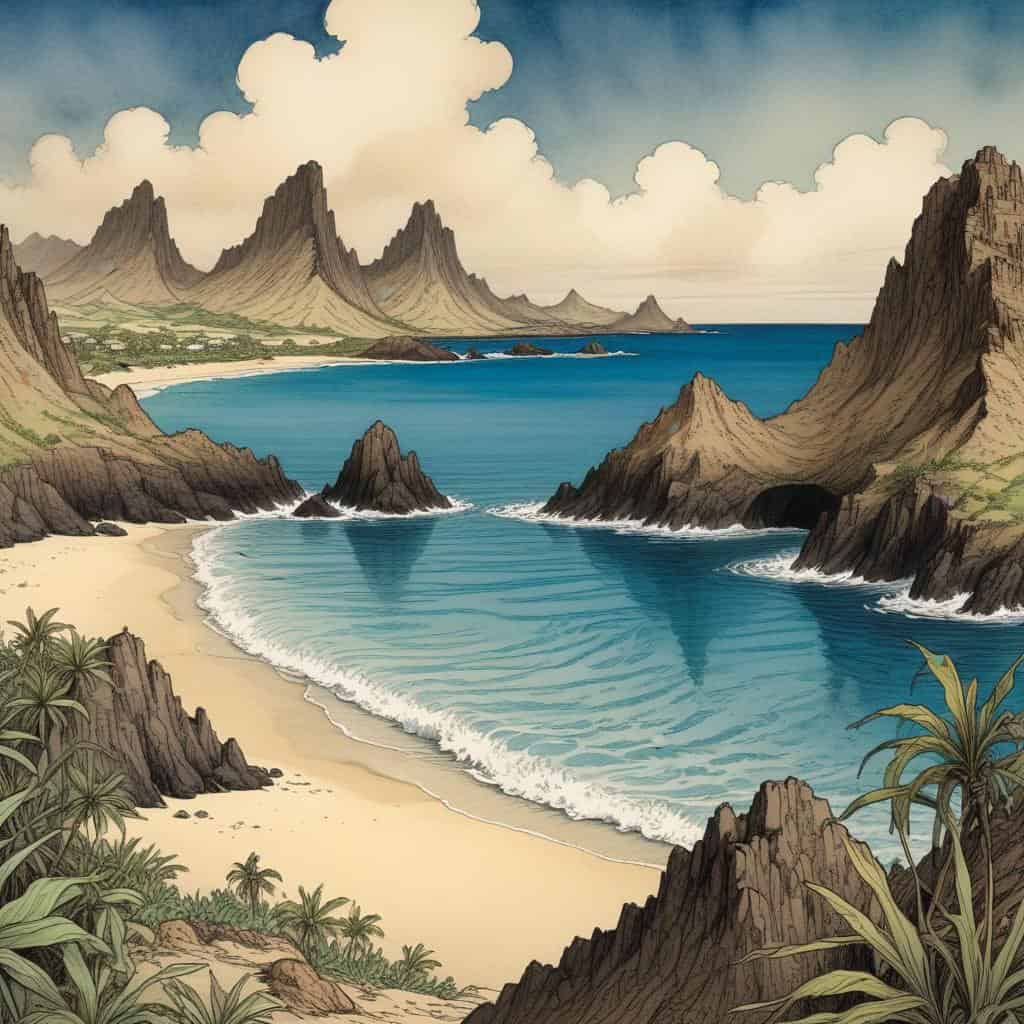
1. Location
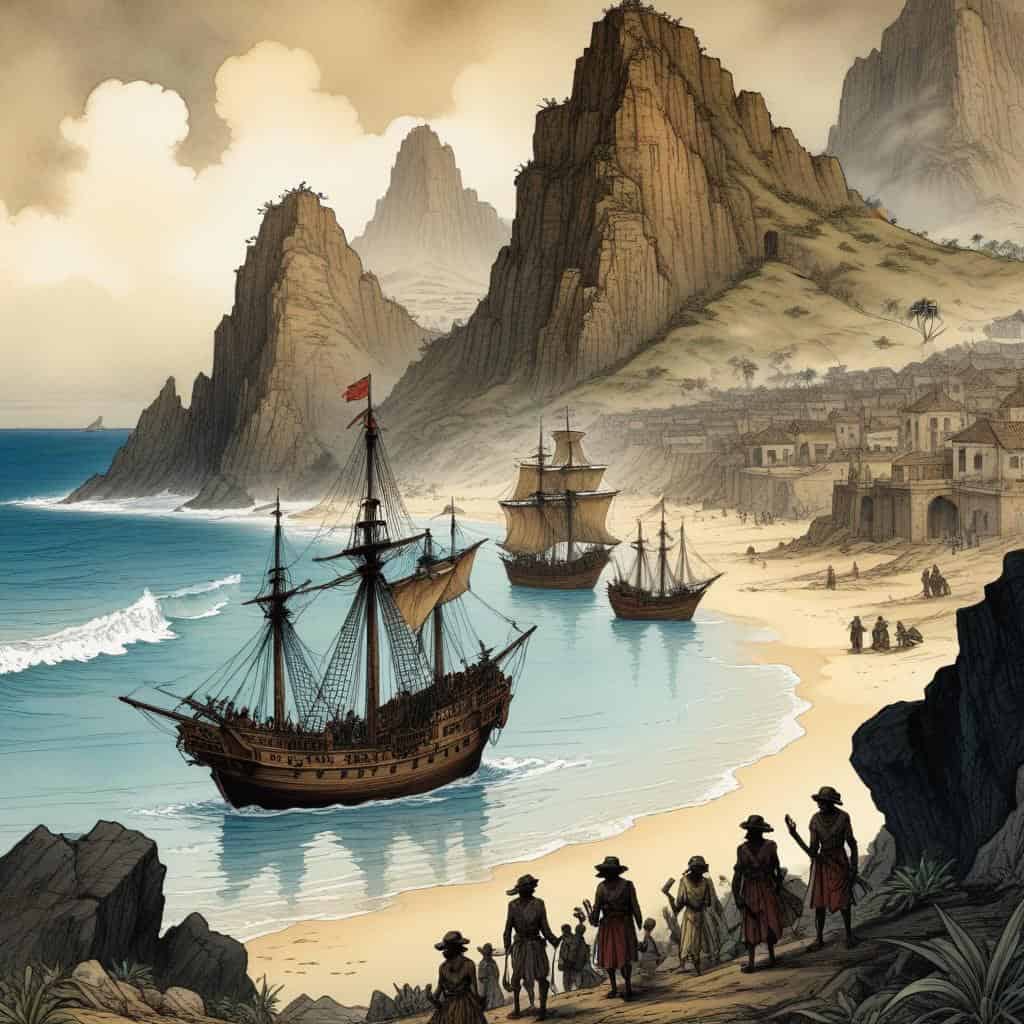
2. History
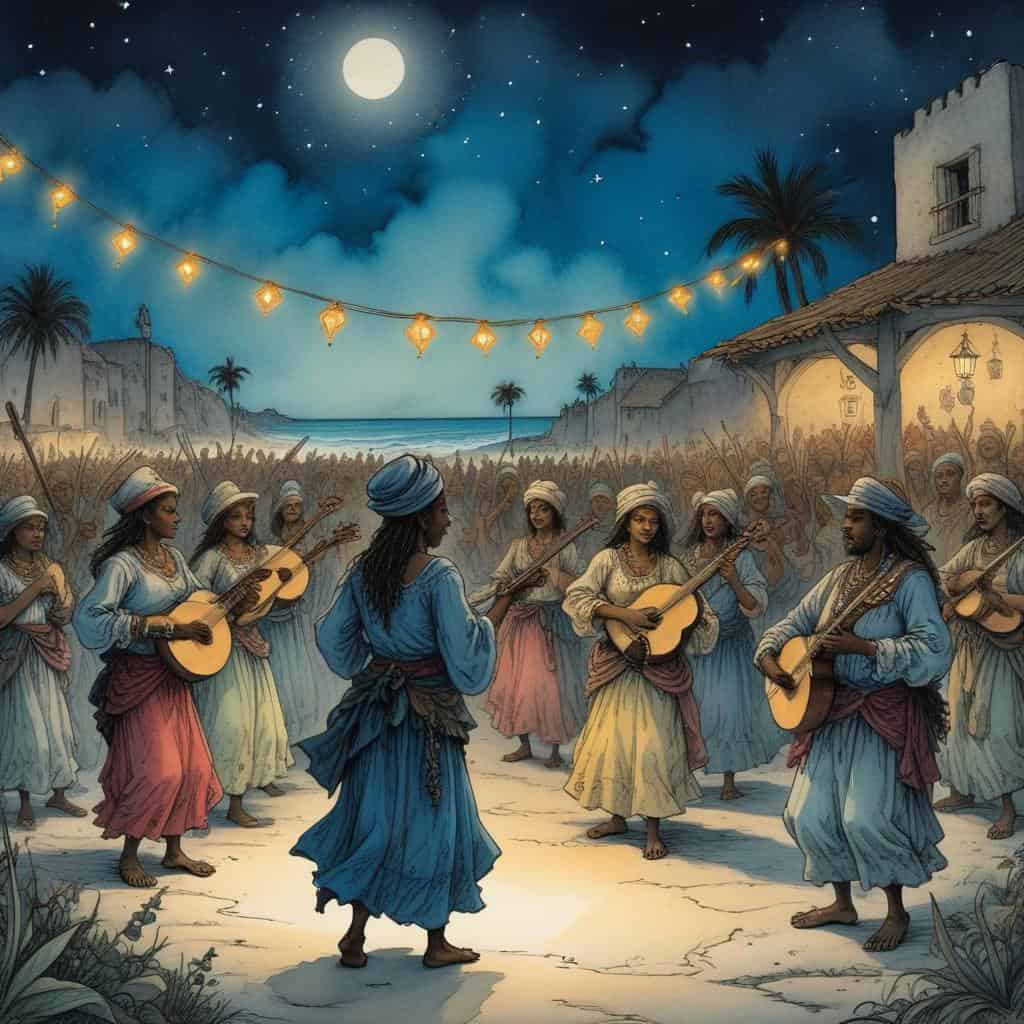
3. Culture
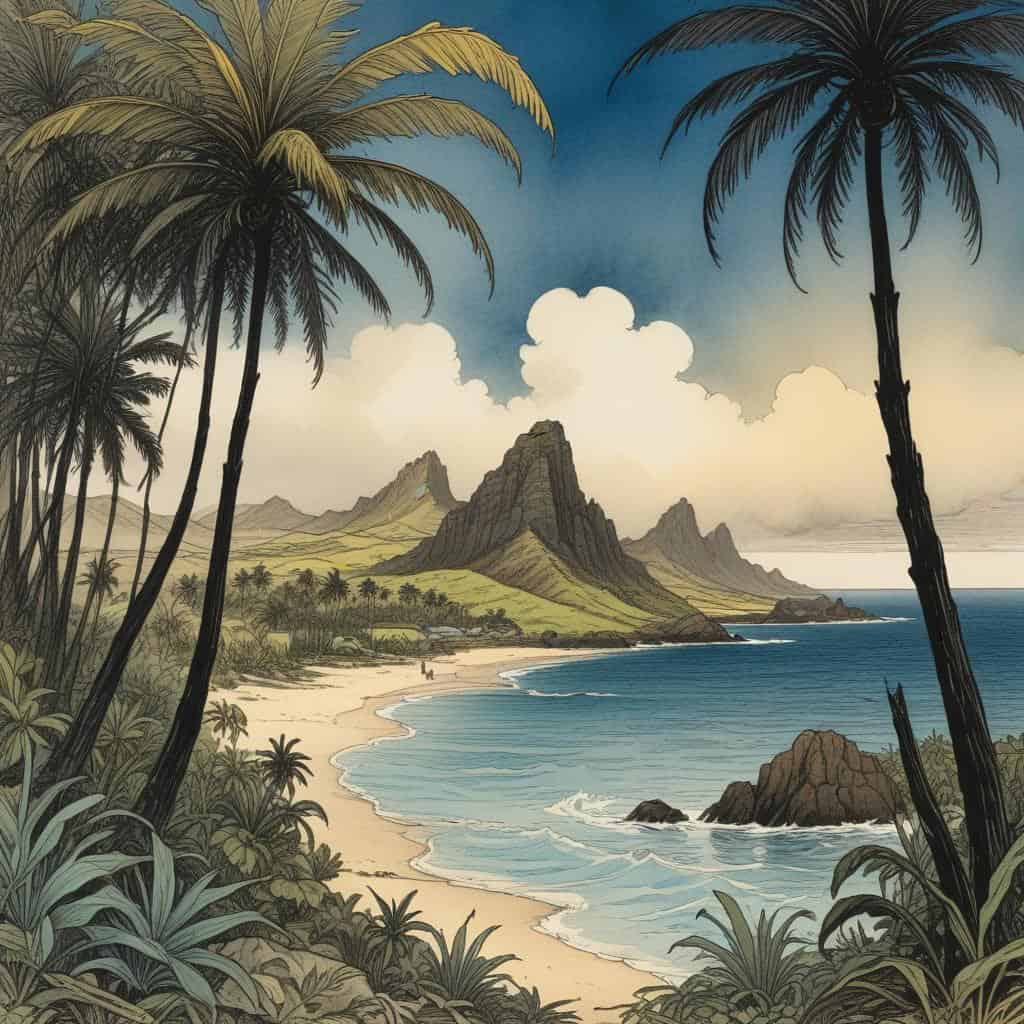
4. Climate
5. Economy
6. Biodiversity

7. Language

8. Transportation
9. Safety
Audio Library
As one of our featured lessons, this topic includes premium audio guides.
Unlock the Wizard's Cram Session
This powerful audio study guide is a Pro-exclusive feature. Upgrade to Memory Wizards Pro to access this and all of our premium learning tools.
Upgrade to ProIn a Nutshell
- Capital: Praia
- Population: Approx. 555,000 (2021)
- Official Language: Portuguese
- Currency: Cape Verdean escudo (CVE)
Breaking Down the Country
Geographical Diversity
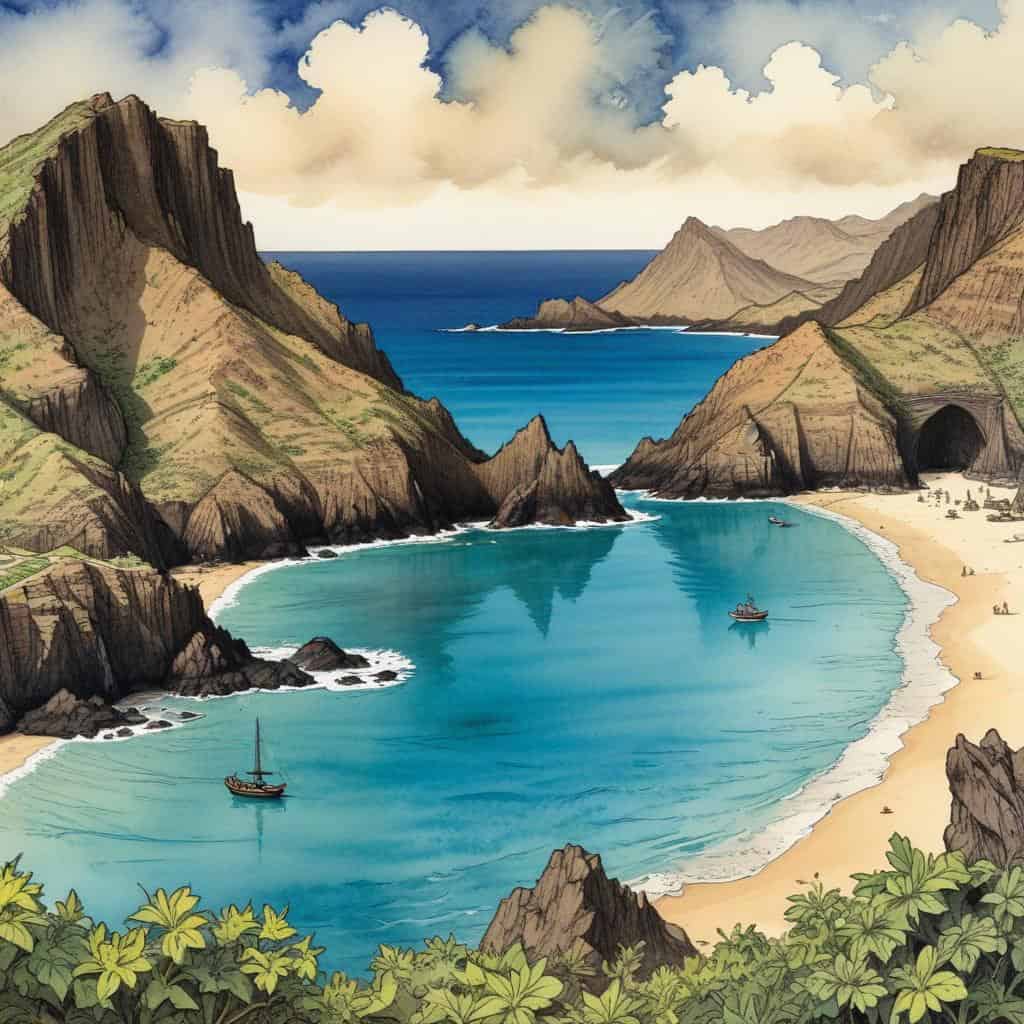
Cabo Verde offers a diverse landscape of volcanic islands, from the lunar-like terrain of Fogo to the golden beaches of Sal.
Cultural Fusion
Experience the blend of African, Portuguese, and Brazilian influences in the music, dance, and cuisine of Cabo Verde.
Marine Paradise
Discover the crystal-clear waters teeming with marine life, perfect for snorkeling, diving, and relaxing on pristine beaches.
Timeline of Cabo Verde
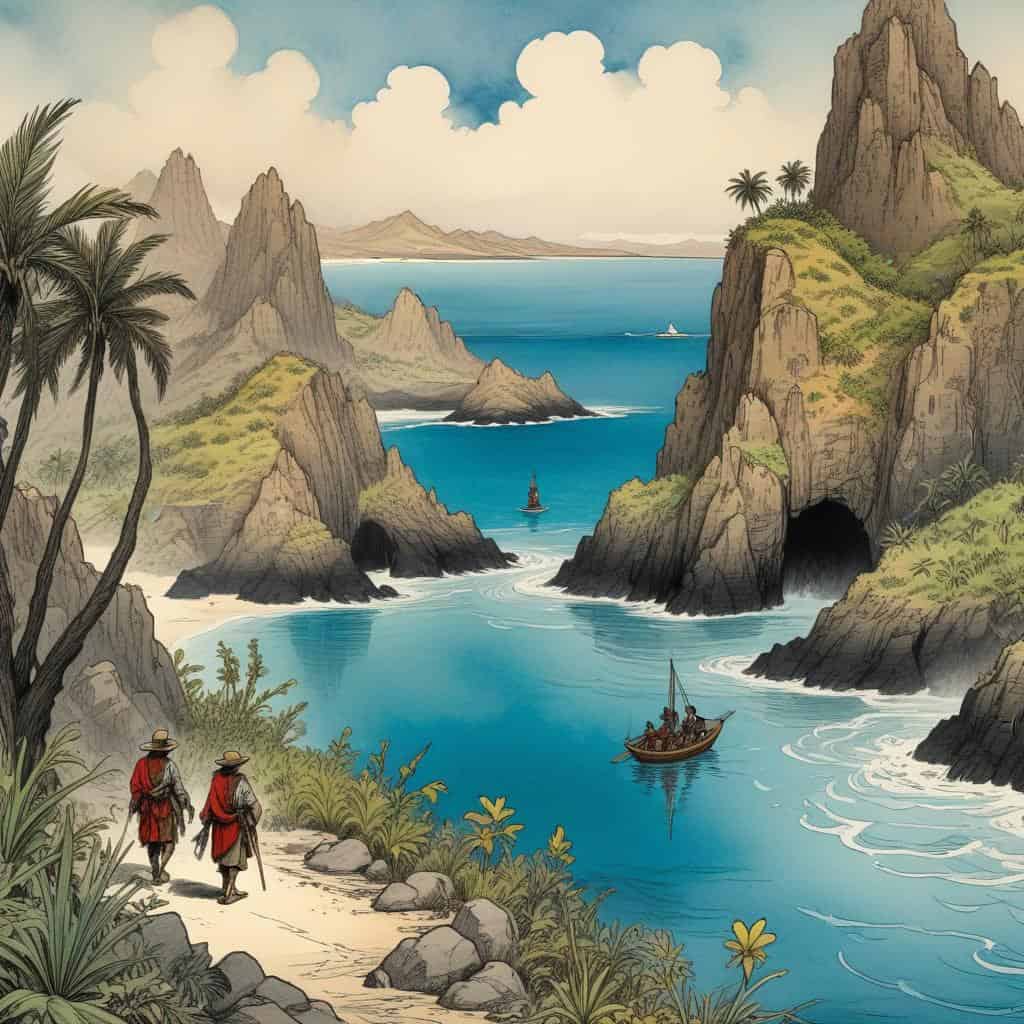
Portuguese explorers discover and colonize the islands of Cabo Verde
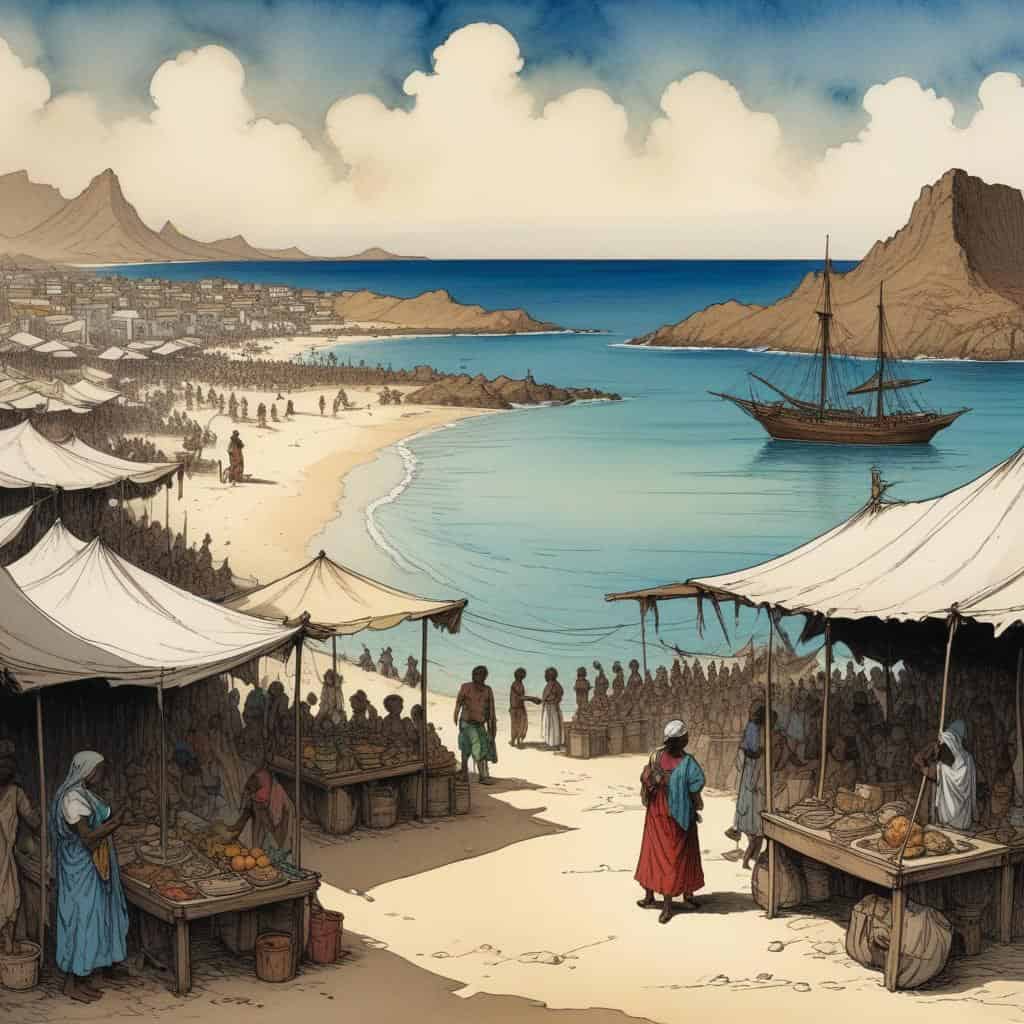
Transatlantic slave trade begins, with Cabo Verde serving as a key hub for the trade
Cabo Verde becomes an important stopping point for ships traveling between Africa, Europe, and the Americas
British and French naval attacks on Cabo Verde during the Napoleonic Wars
Cabo Verde becomes an important refueling station for transatlantic flights
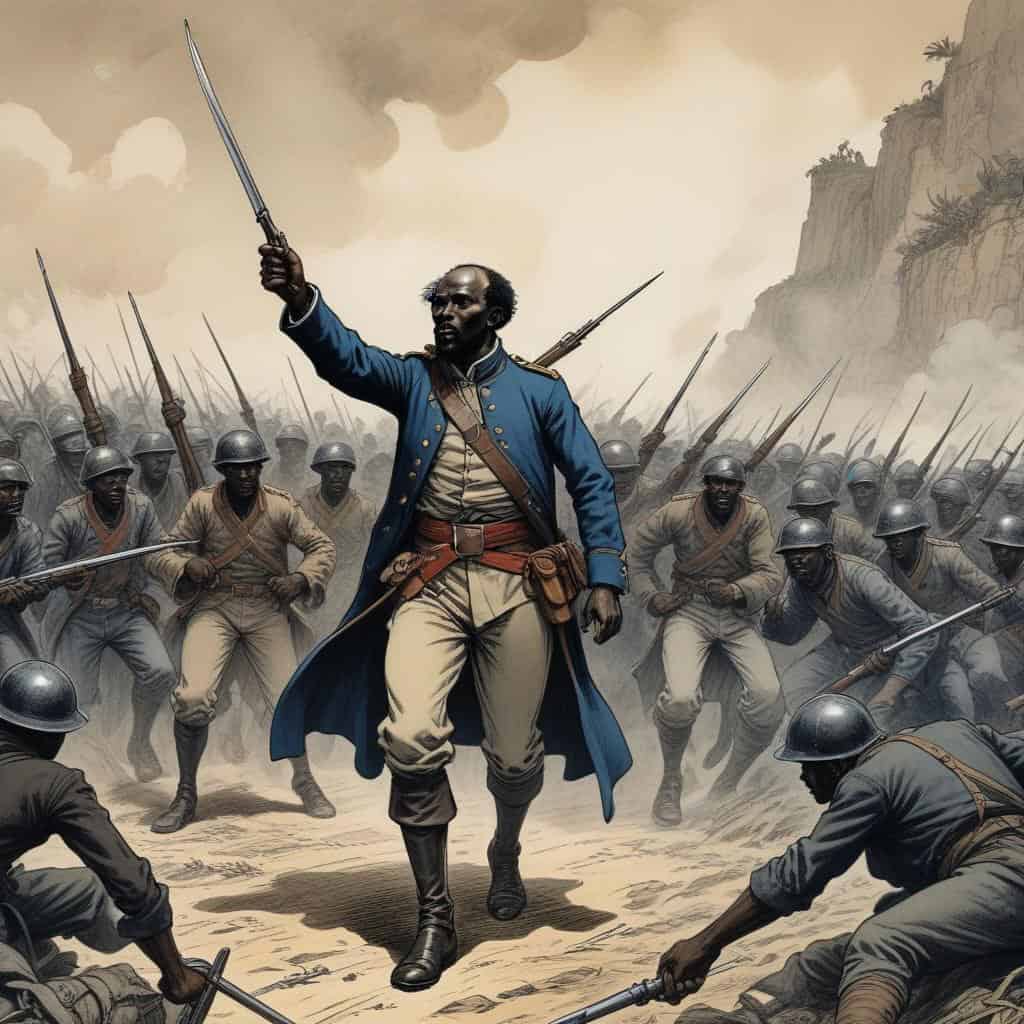
Cabo Verde gains independence from Portugal
One-party rule established by the African Party for the Independence of Guinea and Cabo Verde (PAIGC)
Multi-party elections held in Cabo Verde
Cabo Verde becomes a stable democracy with regular peaceful transitions of power
Cabo Verde joins the Economic Community of West African States (ECOWAS)
Cabo Verde experiences economic growth and development, with a focus on tourism and renewable energy
Cabo Verde establishes diplomatic relations with China
Cabo Verde suffers from periodic droughts and food insecurity
Cabo Verdean diaspora plays a significant role in the country's economy through remittances
Cabo Verde hosts the first World Forum on the Blue Economy
Cabo Verde participates in international peacekeeping missions in Africa
Cabo Verde becomes a member of the Community of Portuguese Language Countries (CPLP)
Cabo Verde celebrates its annual Independence Day on July 5th
Cabo Verdean music and culture gain international recognition
Cabo Verde faces challenges of climate change and rising sea levels
Vocabulary List
- Cape Verde
- The official English name for the country of Cabo Verde.
- Creole
- The widely spoken language in Cabo Verde, a mix of Portuguese and African languages.
- Morna
- A traditional music genre in Cabo Verde, often accompanied by guitar.
- Batuku
- A traditional music and dance style in Cabo Verde, typically performed by women.
- Cachupa
- A popular dish in Cabo Verde made with corn, beans, and various meats.
- Sodade
- A Cape Verdean Portuguese word meaning longing or nostalgia, often used in the lyrics of Morna songs.
Key Facts
This is the information used in the fact matching game
- Cabo Verde is an island country in the central Atlantic Ocean, made up of 10 volcanic islands.
- The capital city of Cabo Verde is Praia, located on the island of Santiago.
- Cabo Verde gained independence from Portugal in 1975.
- The official language of Cabo Verde is Portuguese.
- Cabo Verde is known for its music, with genres such as morna and coladeira being popular.
- The economy of Cabo Verde is heavily dependent on tourism, remittances, and foreign aid.
- Cabo Verde is a member of the African Union and the Economic Community of West African States (ECOWAS).
- The highest point in Cabo Verde is Mount Fogo, an active volcano on the island of Fogo.
- Cabo Verde has a tropical climate with a rainy season from August to October.
- The country has a population of around 550,000 people.
- Cabo Verde was a major hub for the transatlantic slave trade in the 16th and 17th centuries.
- The currency of Cabo Verde is the Cape Verdean escudo.
- Cabo Verde is a popular destination for windsurfing and kite surfing due to its strong winds.
- The national dish of Cabo Verde is cachupa, a stew made with corn, beans, and fish or meat.
- Cabo Verde has a literacy rate of over 86%.
- The country has a diverse population with influences from Africa, Europe, and Brazil.
- Cabo Verde has a strong tradition of arts and crafts, including pottery, weaving, and painting.
- The flag of Cabo Verde features a circle of ten stars, representing the ten main islands of the country.
- Cabo Verde has a high level of gender equality compared to other African countries.
- The country is known for its vibrant festivals and celebrations, such as Carnival and the Baia das Gatas music festival.
Why It Matters
Geopolitical Significance
Cabo Verde’s location in the Atlantic Ocean has made it a key strategic point for trade routes between Africa, Europe, and the Americas. Its position has influenced its relationships with surrounding countries and its role in international maritime affairs.
Historical Importance
Cabo Verde has a storied history as a former Portuguese colony and a hub for the transatlantic slave trade. Its cultural heritage is a blend of African, European, and Creole influences, reflecting its past as a crossroads of civilizations.
Modern-Day Role
Today, Cabo Verde is a stable democracy and an important partner in regional economic and security initiatives. Its growing tourism industry, renewable energy projects, and strong diaspora connections contribute to its emerging role as a beacon of stability and development in West Africa.
Cabo Verde Games


Take Your Learning Offline
Want a convenient, print-ready study guide for this lesson? Become a Memory Wizards Pro member to unlock the downloadable " Memory Scrolls" for this topic and our entire library!
- ✓ Complete Vocabulary Lists
- ✓ Key Facts & Timelines
- ✓ Beautifully Formatted for Print & Mobile