
How Do You Learn Best?
Learn by Reading
Immerse yourself in the 10-minute visual lesson for a comprehensive understanding of the topic.
Learn by Reviewing
Jump directly to the key facts, timeline, and vocabulary lists to build a solid foundation of details.
Learn by Doing
Challenge yourself! Jump straight into the interactive games to learn by trial, error, and discovery.
The Testament of Love in 10 Minutes
Introduction

Christine de Pizan

Lady Reason

Lady Love

The God of Love
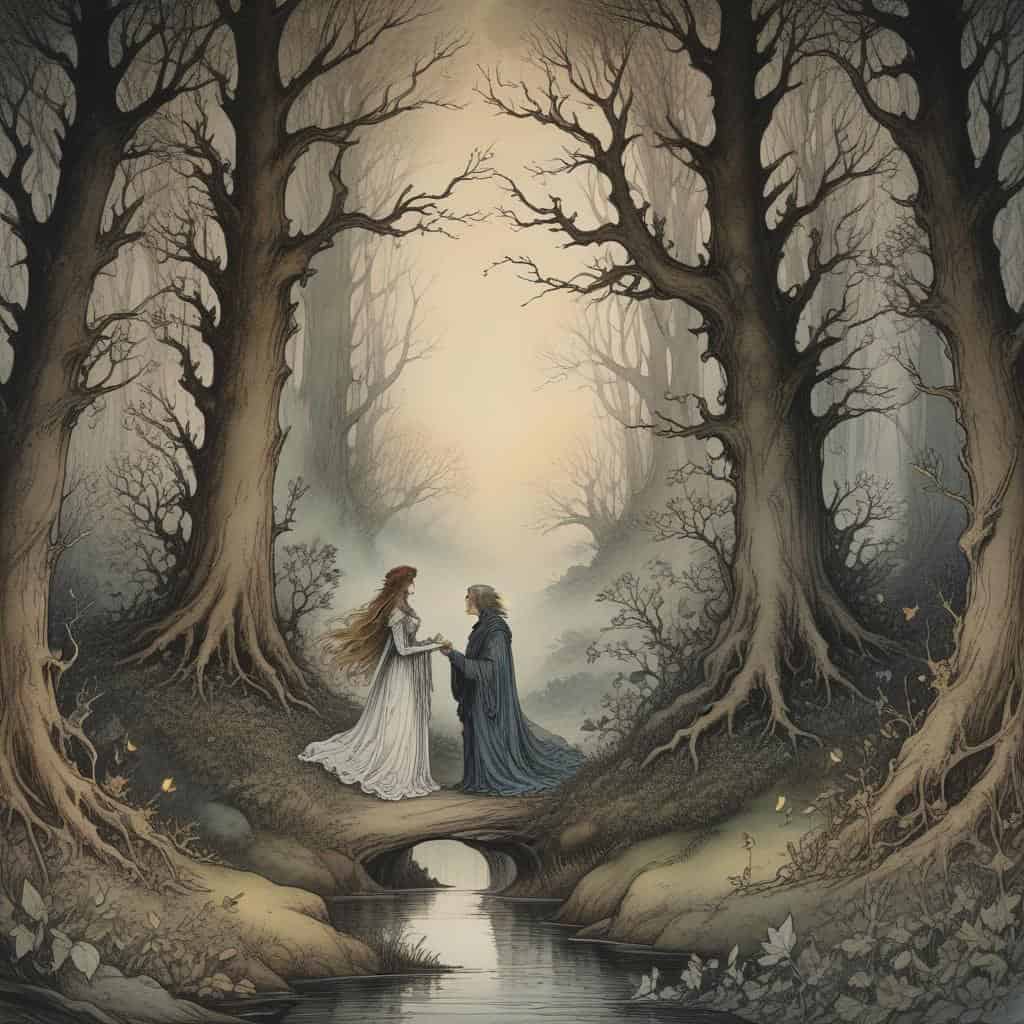
The Meeting of the Narrator and Lady Nature
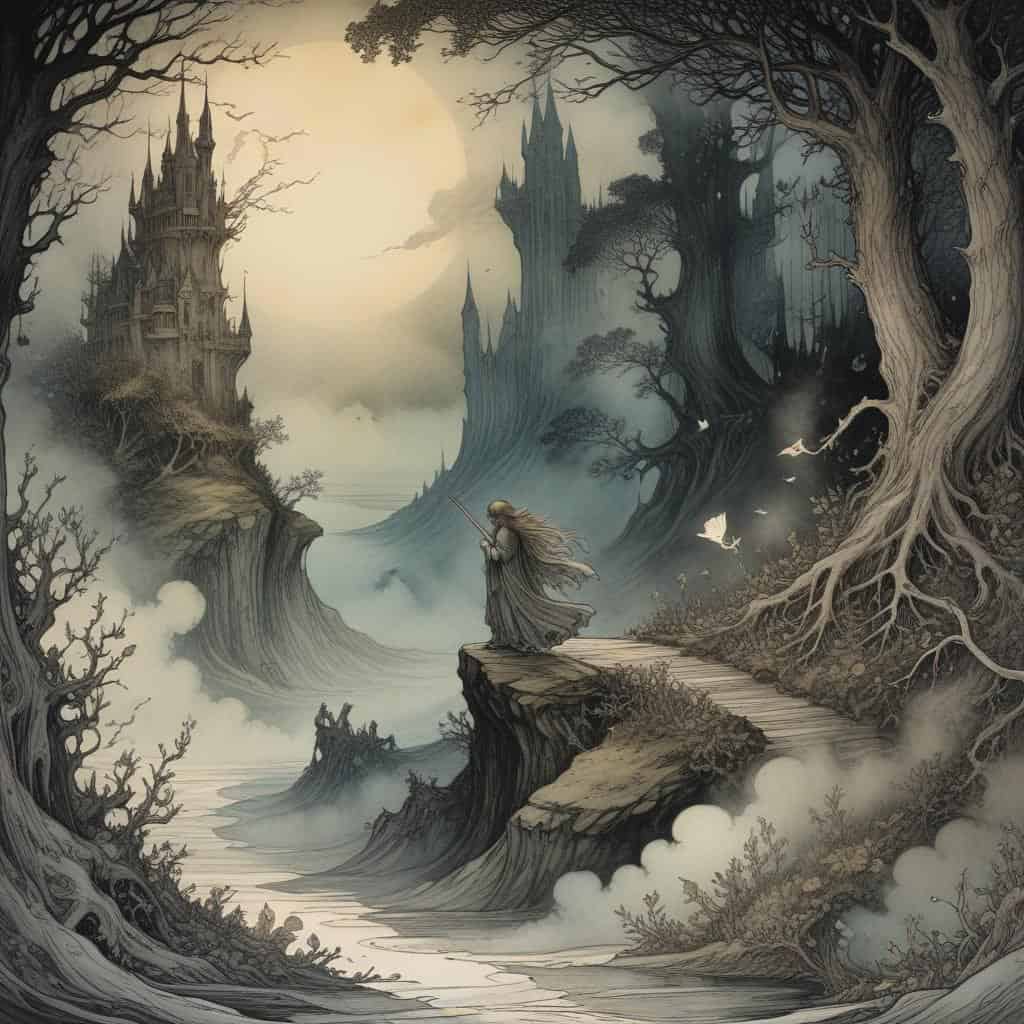
The Narrators Quest for Knowledge
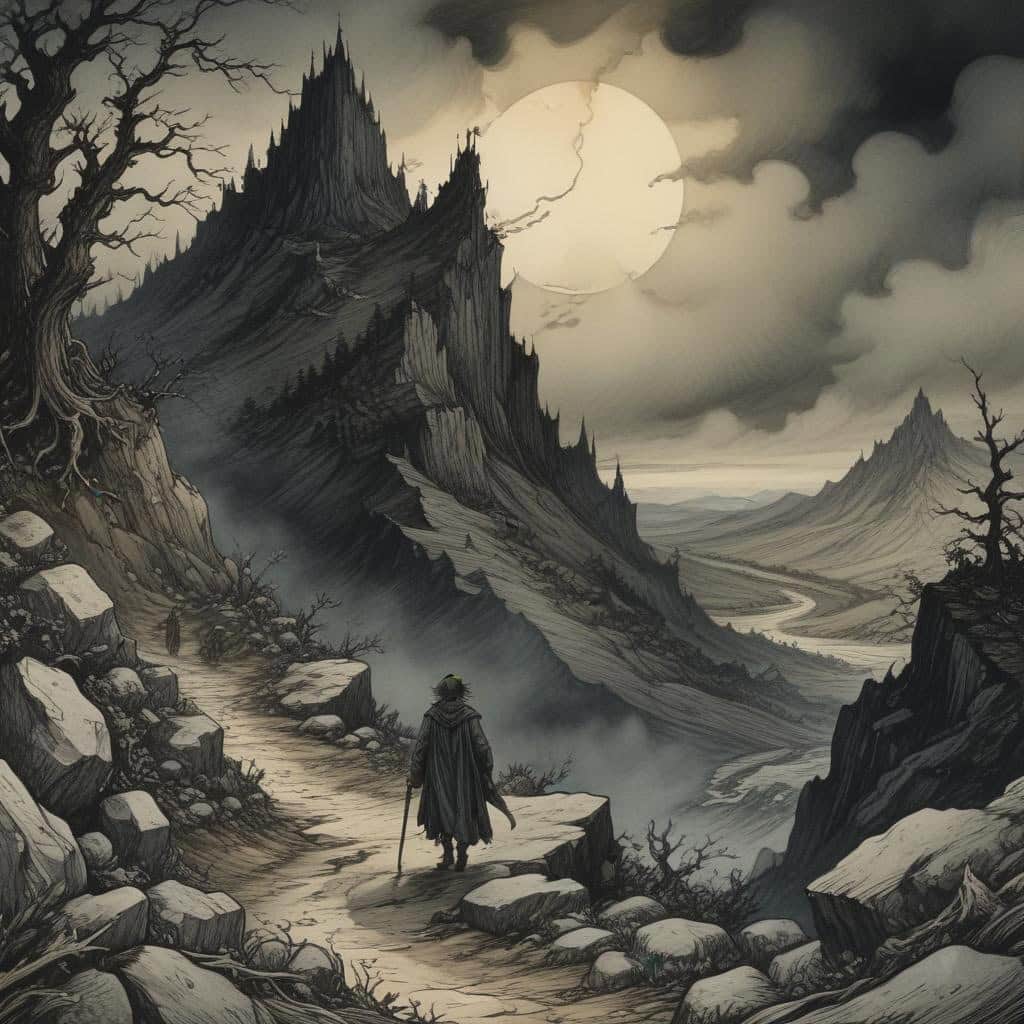
The Narrators Trials and Tribulations
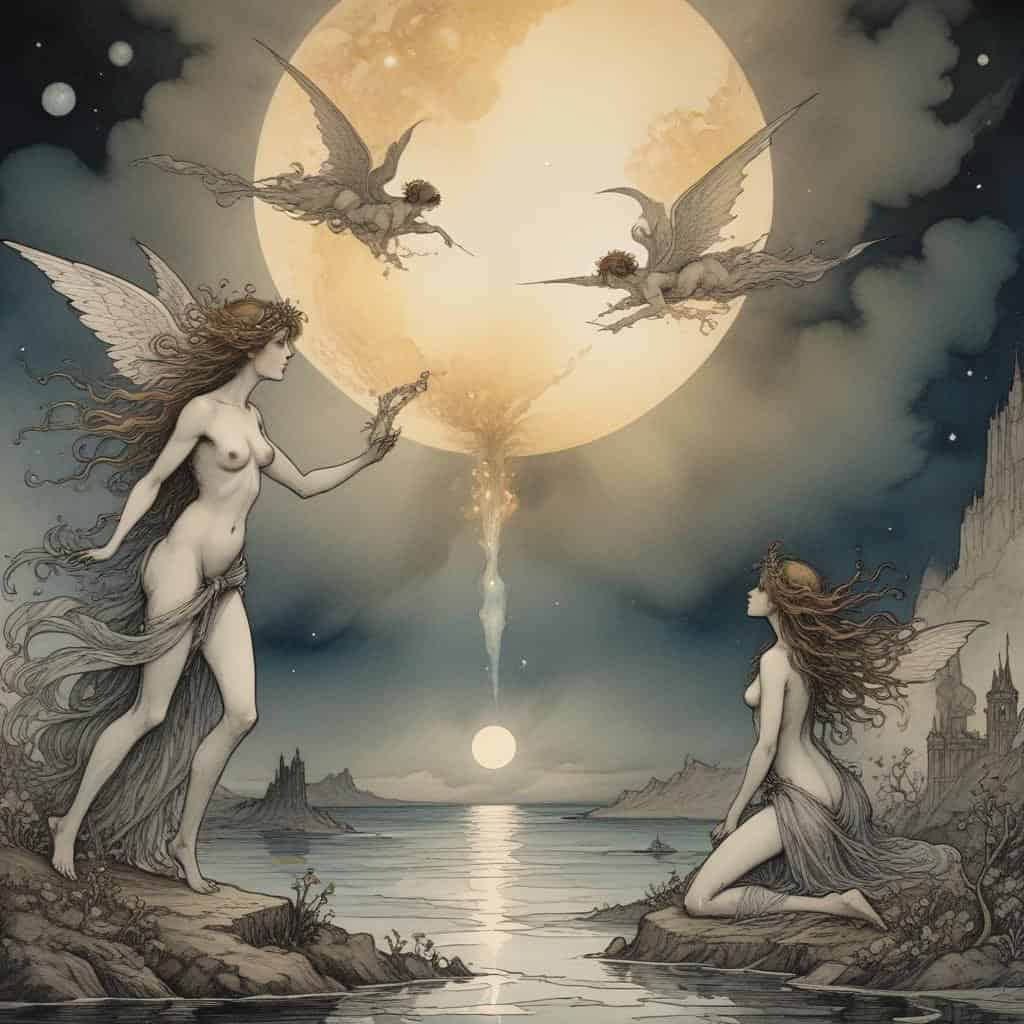
The Narrators Encounter with Venus
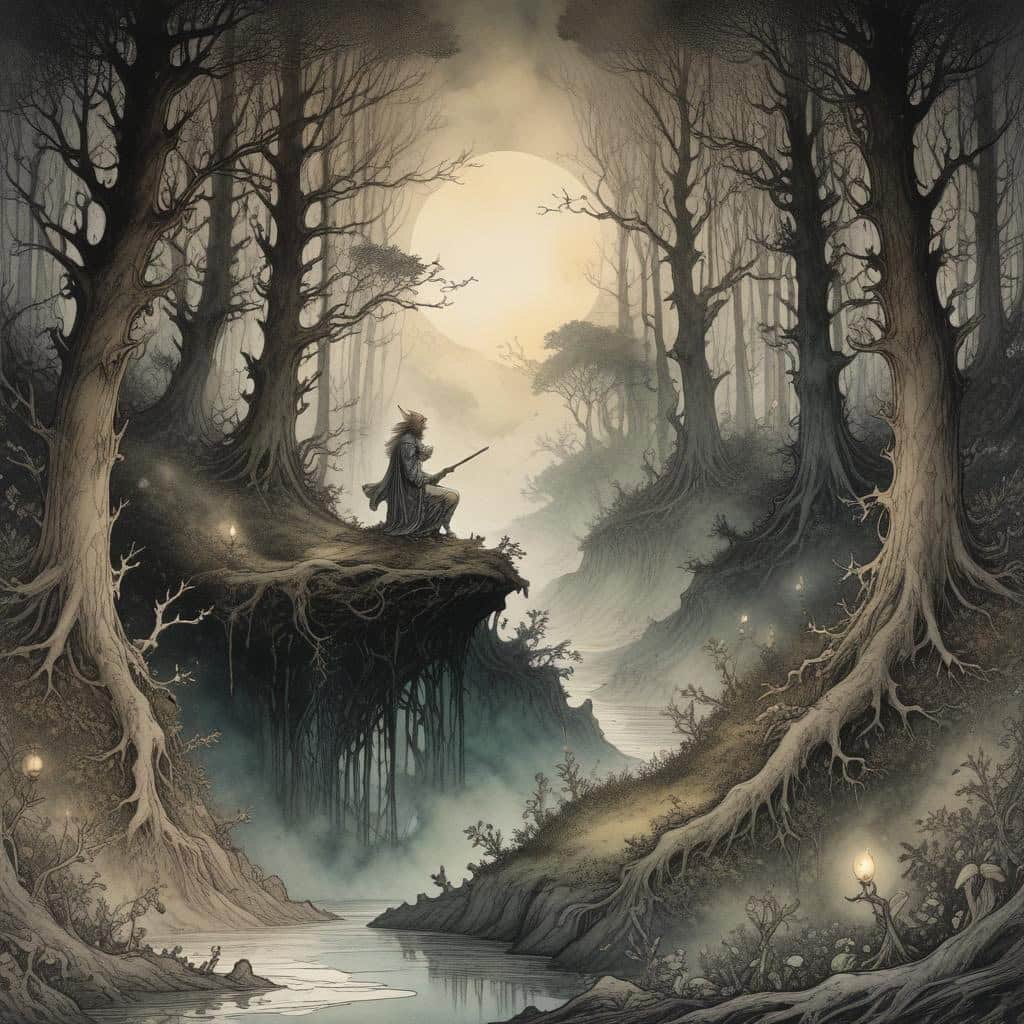
The Narrators Revelations
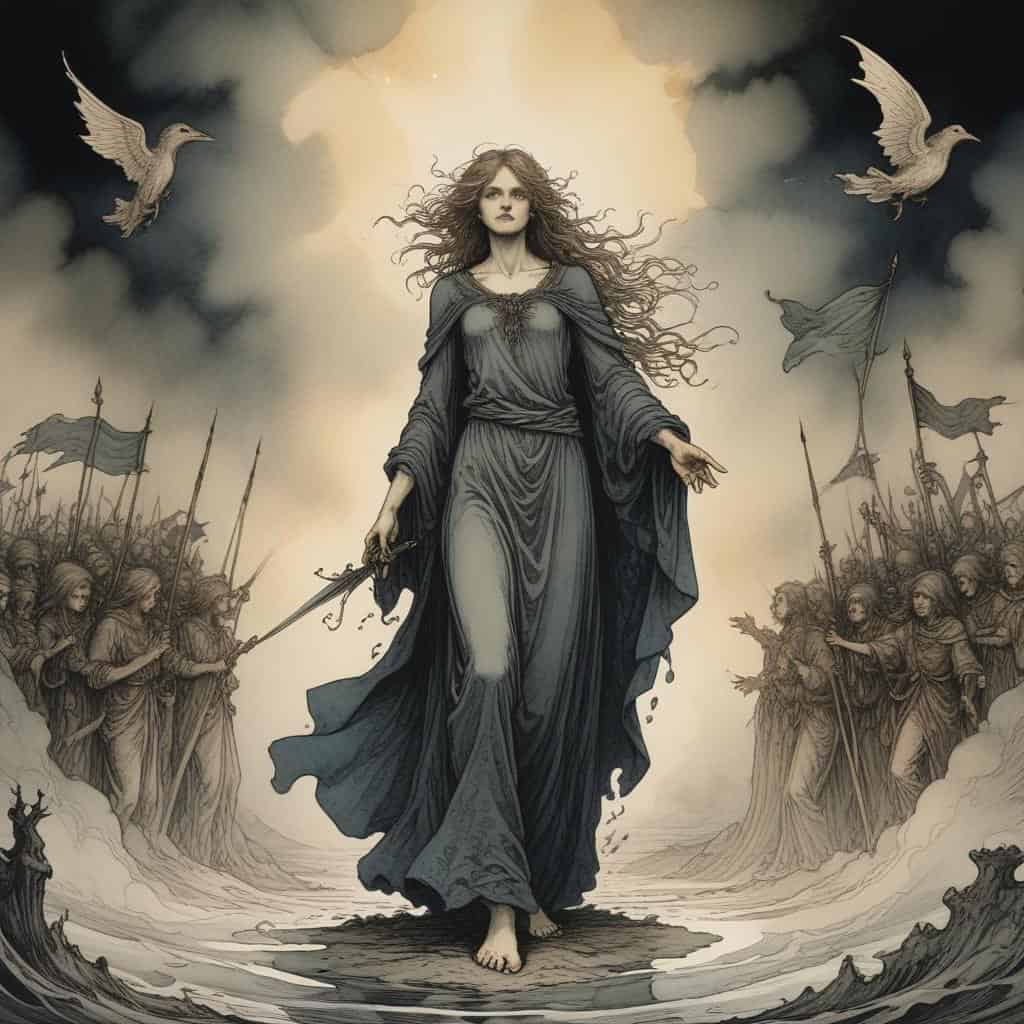
The Narrators Transformation
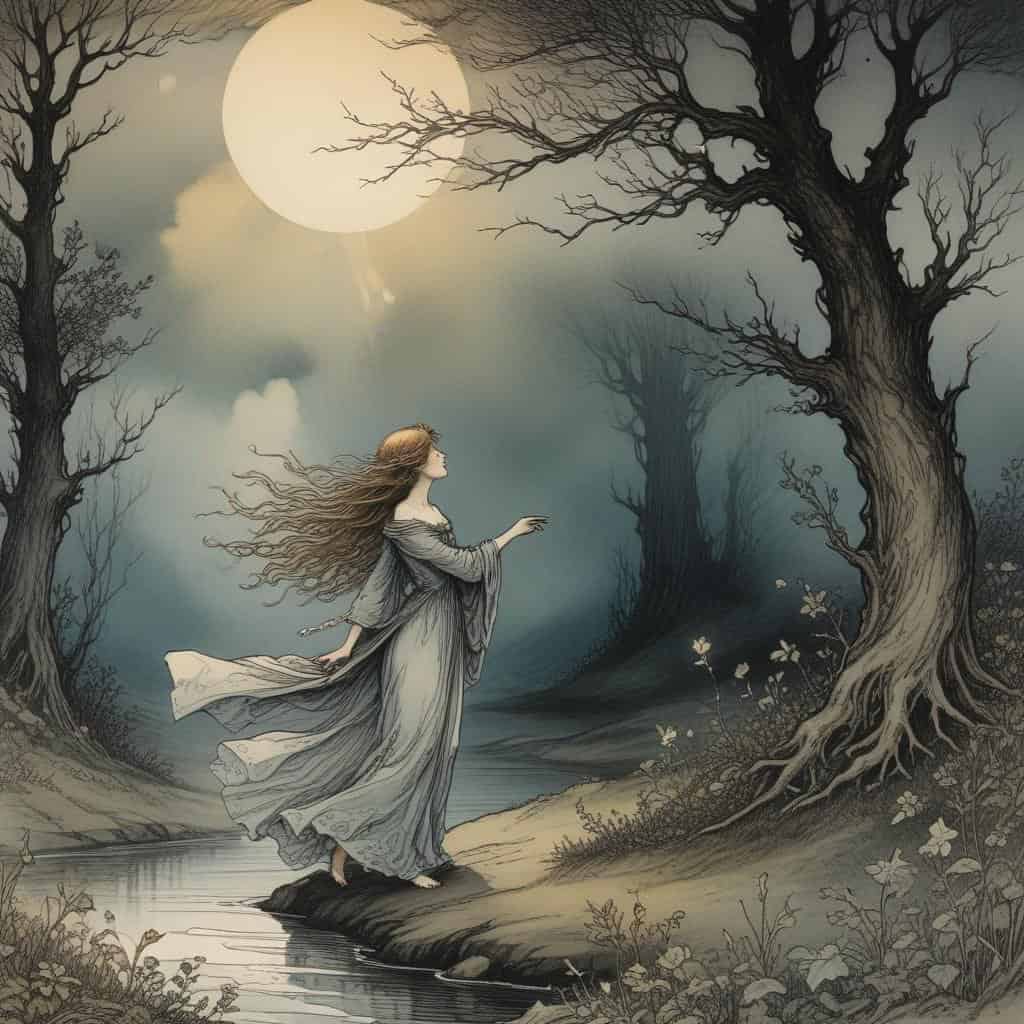
The Narrators Return to Lady Nature

The Narrators Reflections on Love
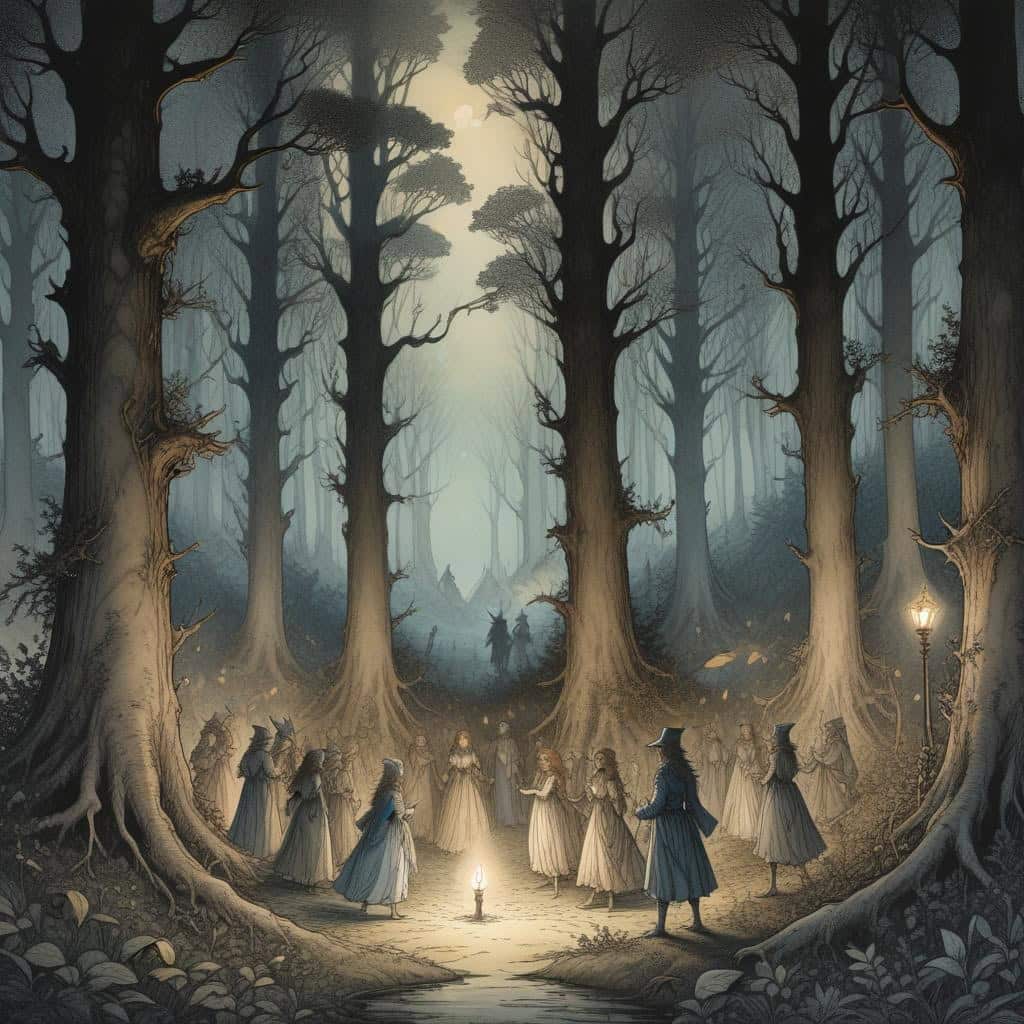
The Narrators Legacy
Lesson Details & Resources
In a Nutshell
- What: The Testament of Love by Julian of Norwich
- When: Written in the 14th century
- Who: Julian of Norwich
- Theme: Spiritual love and divine grace
List of Characters in The Testament of Love
-
Cupid
Cupid is the god of love and desire, who plays a central role in the story.
-
Venus
Venus is the goddess of love and beauty, often associated with Cupid.
-
Hope
Hope is personified as a character who gives comfort to the protagonist in times of despair.
-
Fortune
Fortune is depicted as a fickle force that can bring both joy and sorrow to the characters.
-
Nature
Nature is sometimes personified as a guiding force in the characters' lives.
Timeline of The Testament of Love
The protagonist, Gower, begins his tale by lamenting his unrequited love for a lady.
Gower sees a group of people gathered around a tomb and asks about the cause of their sorrow.
He learns that the tomb belongs to a knight named Piers who was unjustly accused of treason.
Gower visits the tomb and offers a prayer for Piers' soul.
He falls asleep and has a dream where Love herself appears to him.
Love explains that she has chosen Gower as her messenger to spread her teachings.
Gower wakes up and decides to write a book called "The Testament of Love" to fulfill Love's request.
He seeks divine inspiration and prays to God for guidance.
Gower begins writing his book, recounting the story of Piers and the events surrounding his unjust trial.
Vocabulary List
- Penance
- The protagonist undergoes a period of penance to atone for his sins.
- Repentance
- The character expresses deep repentance for their past actions.
- Redemption
- The theme of redemption plays a key role in the narrative.
- Salvation
- The protagonist seeks salvation through acts of charity and kindness.
- Forgiveness
- The protagonist seeks forgiveness for their transgressions.
- Virtue
- The protagonist embodies virtue through their actions and words.
- Mercy
- The character pleads for mercy from a higher power.
- Compassion
- The protagonist shows compassion towards those in need.
- Grace
- The character experiences a moment of divine grace.
- Sin
- The protagonist struggles with the burden of sin throughout the story.
Key Facts
This is the information used in the fact matching game
- - The Testament of Love is a poetic work written by Geoffrey Chaucer.
- - It is believed to have been written between 1380 and 1386.
- - The story is written in the form of a dream vision.
- - The narrator, who is also the author, falls asleep and has a dream in which he meets the god of Love.
- - The god of Love instructs the narrator to write a book about love.
- - The book is written in prose and verse.
- - The narrator recounts his personal experiences of love and his reflections on its nature.
- - The work is influenced by the medieval tradition of courtly love.
- - It explores themes of love, devotion, virtue, and the nature of God.
- - The narrator's love interest in the story is a woman named Lady Reason.
- - He seeks to understand the complexities of love and its relationship with reason and virtue.
- - The Testament of Love is considered one of Chaucer's lesser-known works.
- - It was likely written during a time when Chaucer faced personal and financial difficulties.
- - The work showcases Chaucer's skill as a poet and his ability to navigate complex philosophical ideas.
- - The Testament of Love is written in Middle English, the language spoken in England during Chaucer's time.
- - The work contains numerous allusions to classical mythology and literature.
- - It draws on the works of writers such as Boethius and Ovid.
- - The Testament of Love was not as popular as Chaucer's other works, such as The Canterbury Tales.
- - It was overshadowed by the success and enduring popularity of The Canterbury Tales.
- - Despite its relative obscurity, The Testament of Love offers valuable insights into Chaucer's views on love, morality, and the human condition.
Analysis & Significance
Impact on Literature
‘The Testament of Love’ is a significant work that has had a lasting impact on the literary world. It is considered one of the earliest examples of a memoir in Western literature, influencing the development of autobiographical writing. The work’s introspective and emotional approach has set a precedent for how personal experiences can be explored and shared in literary form.
Enduring Themes
The themes explored in ‘The Testament of Love’ continue to resonate with modern audiences. Love, loss, faith, and the search for meaning are timeless topics that the work delves into with depth and nuance. The exploration of these universal themes allows readers to connect with the text on a personal level, making it relevant across generations.
Cultural Significance Today
Despite being a lesser-known work in comparison to other medieval texts, ‘The Testament of Love’ still holds cultural significance today. Its influence can be seen in various adaptations and interpretations in literature, art, and even popular culture. The work’s legacy lies in its ability to provoke thought and inspire creativity in audiences of all ages.
The Testament of Love Games


Take Your Learning Offline
Want a convenient, print-ready study guide for this lesson? Become a Memory Wizards Pro member to unlock the downloadable " Memory Scrolls" for this topic and our entire library!
- ✓ Complete Vocabulary Lists
- ✓ Key Facts & Timelines
- ✓ Beautifully Formatted for Print & Mobile