
How Do You Learn Best?
Learn by Reading
Immerse yourself in the 10-minute visual lesson for a comprehensive understanding of the topic.
Learn by Reviewing
Jump directly to the key facts, timeline, and vocabulary lists to build a solid foundation of details.
Learn by Doing
Challenge yourself! Jump straight into the interactive games to learn by trial, error, and discovery.
The Parliament of Birds in 10 Minutes
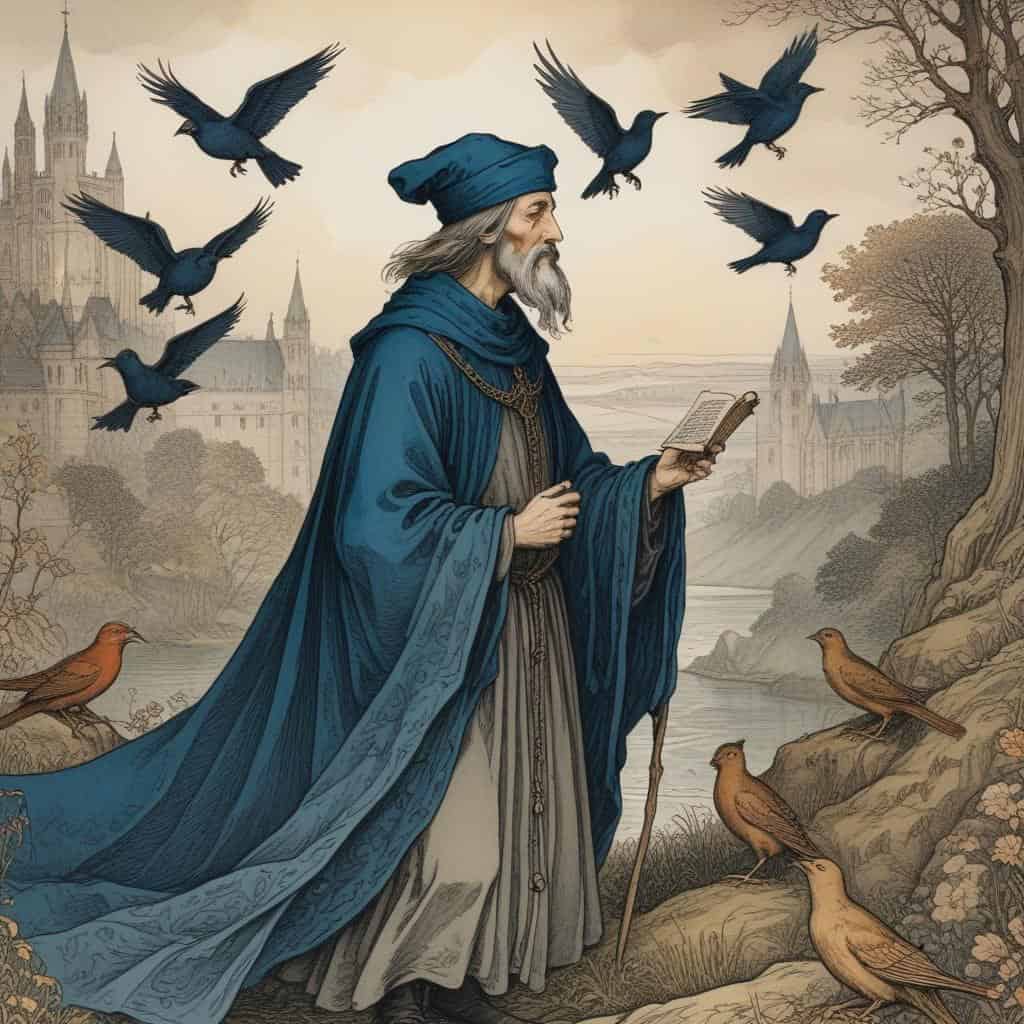
Introduction
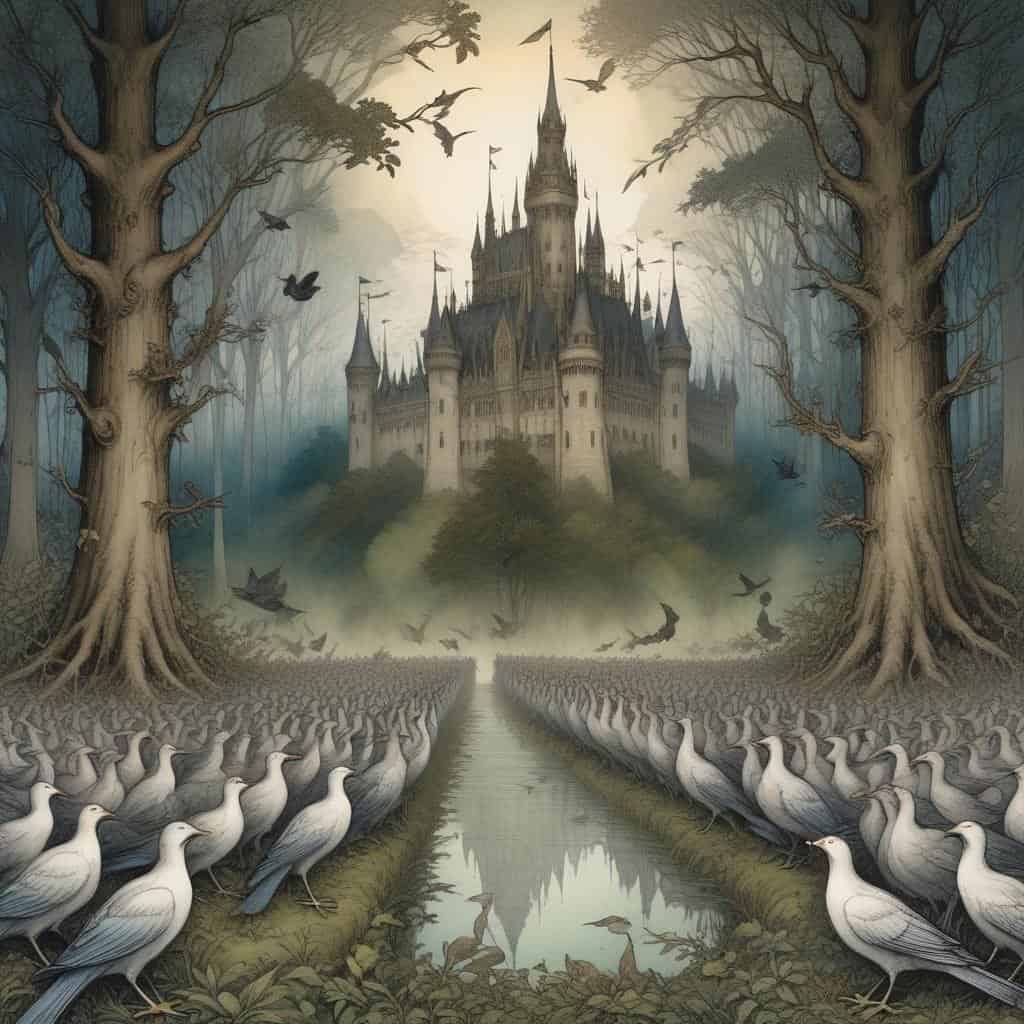
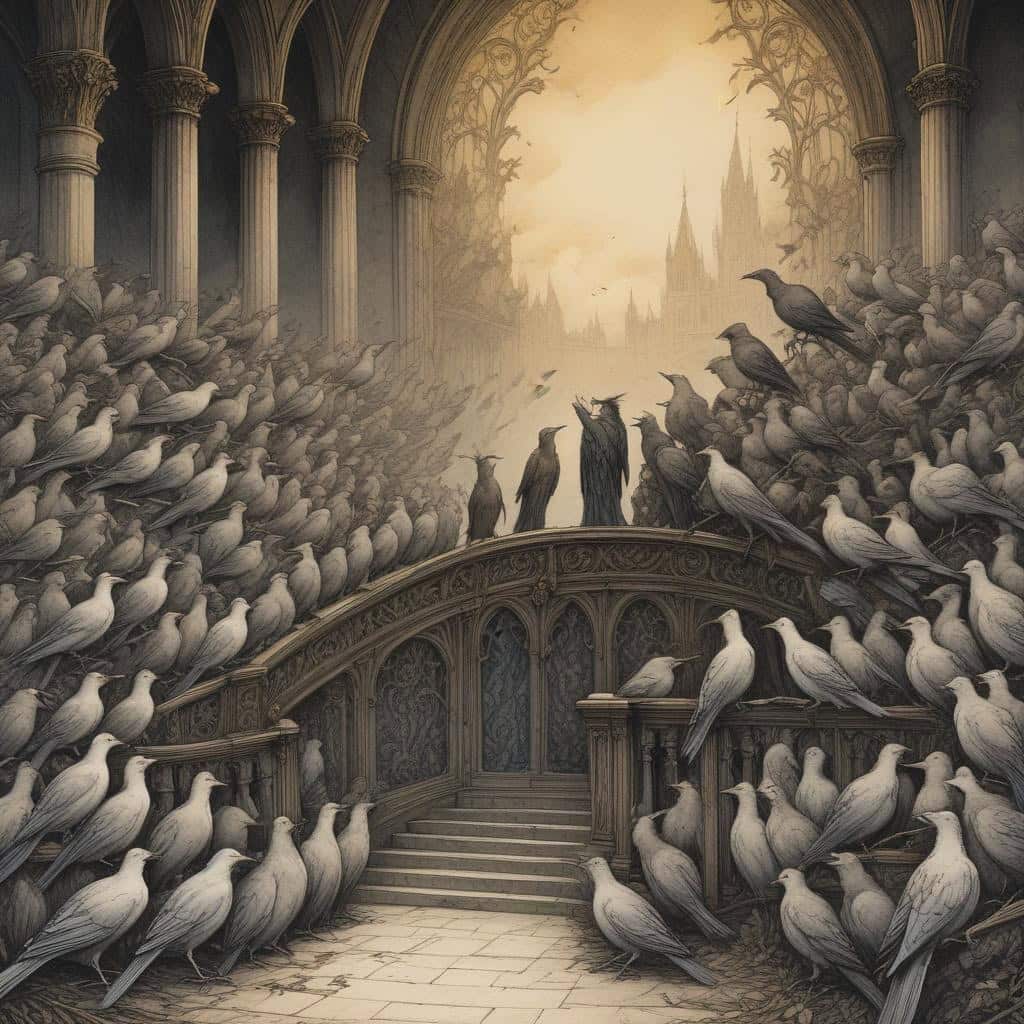
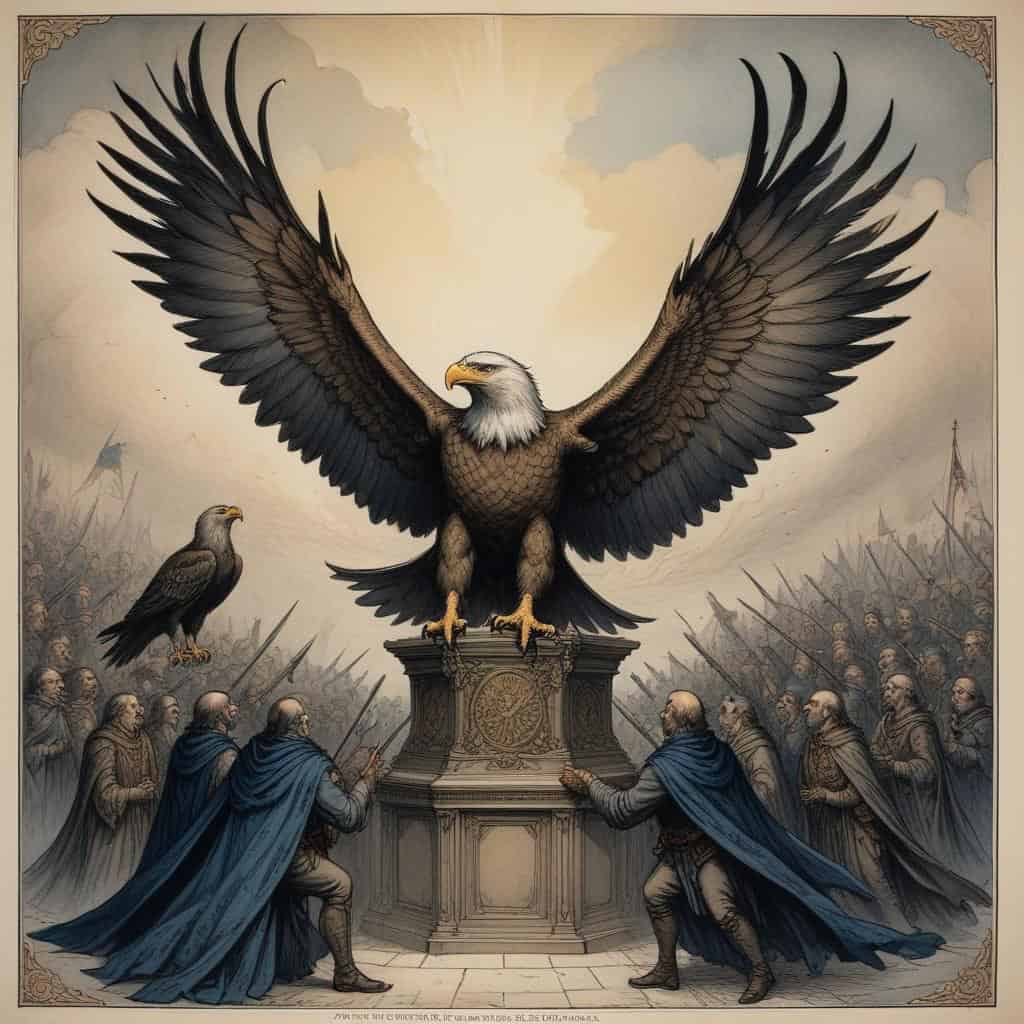
The Eagle

The Nightingale
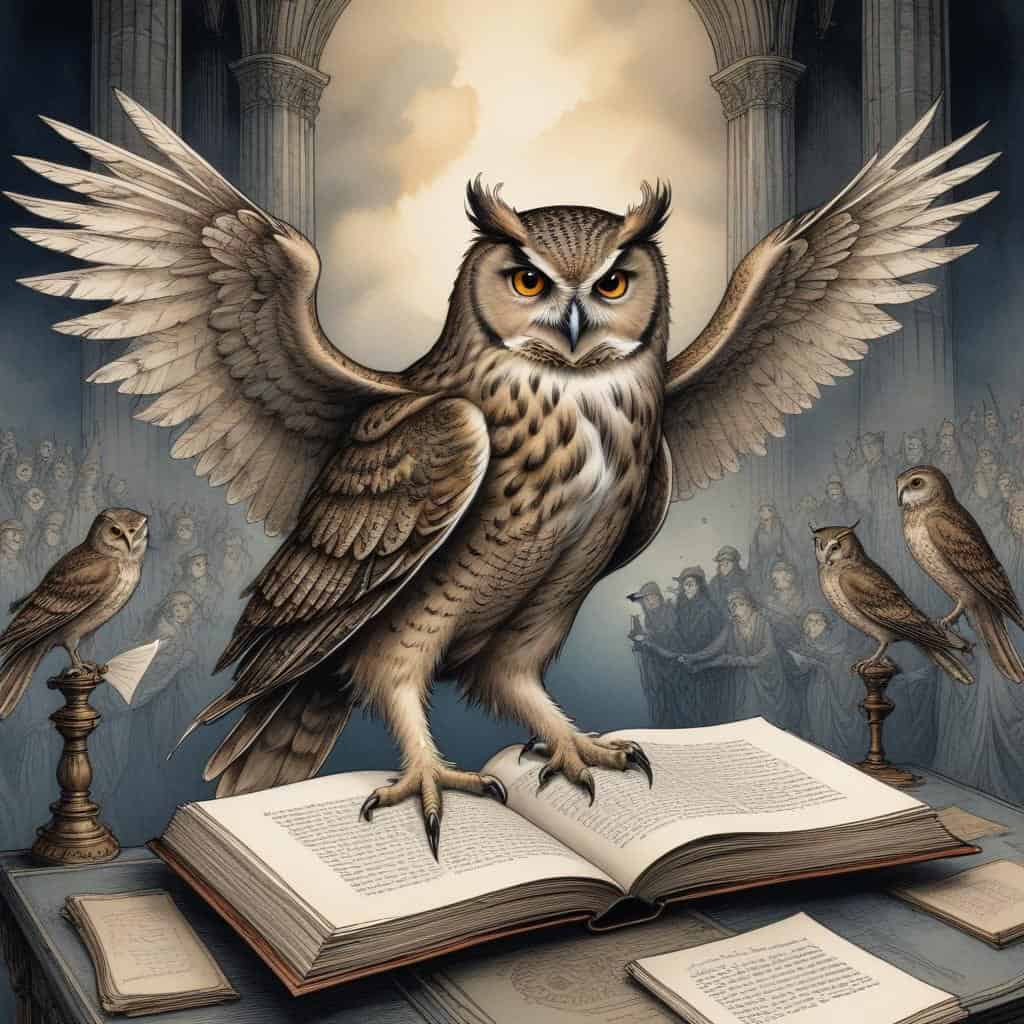
The Owl

The Swan
The Dream of the Narrator
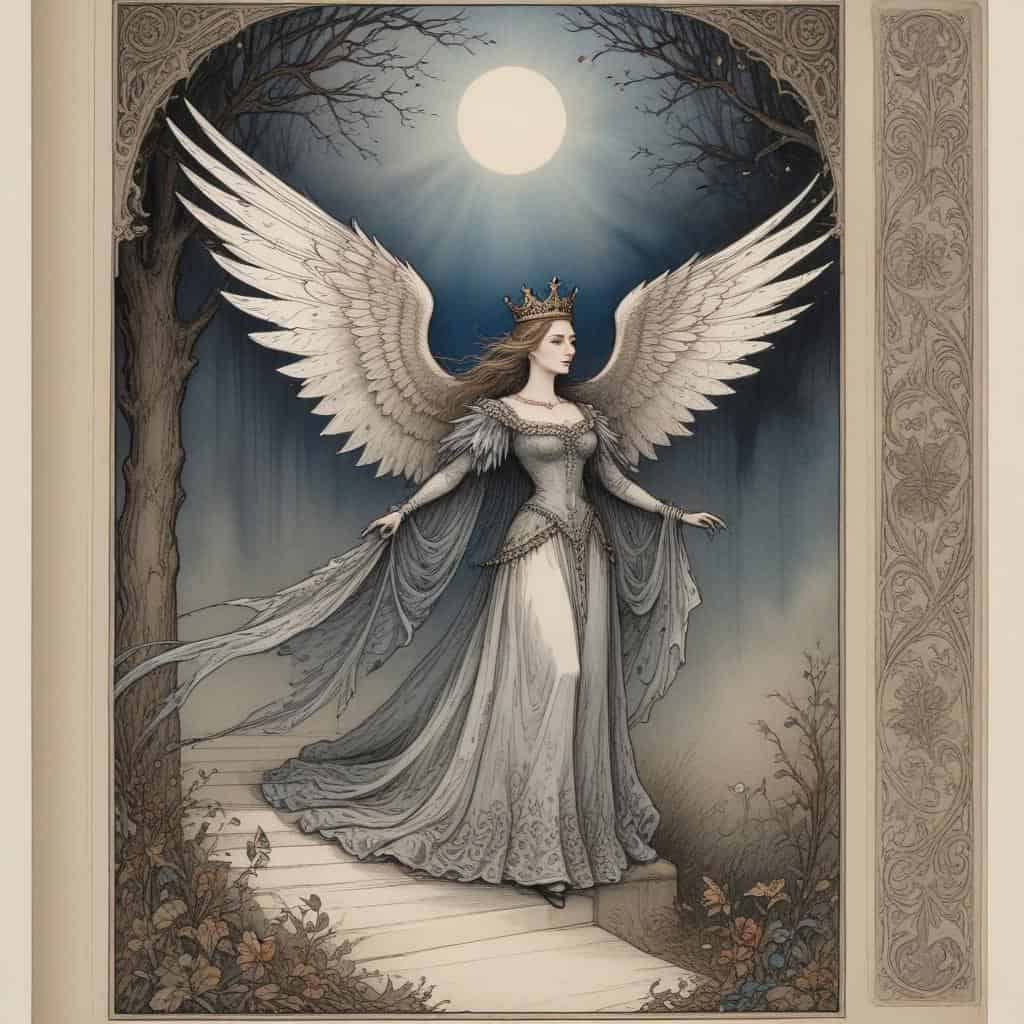
The Arrival of the Queen
The Debate Among the Birds
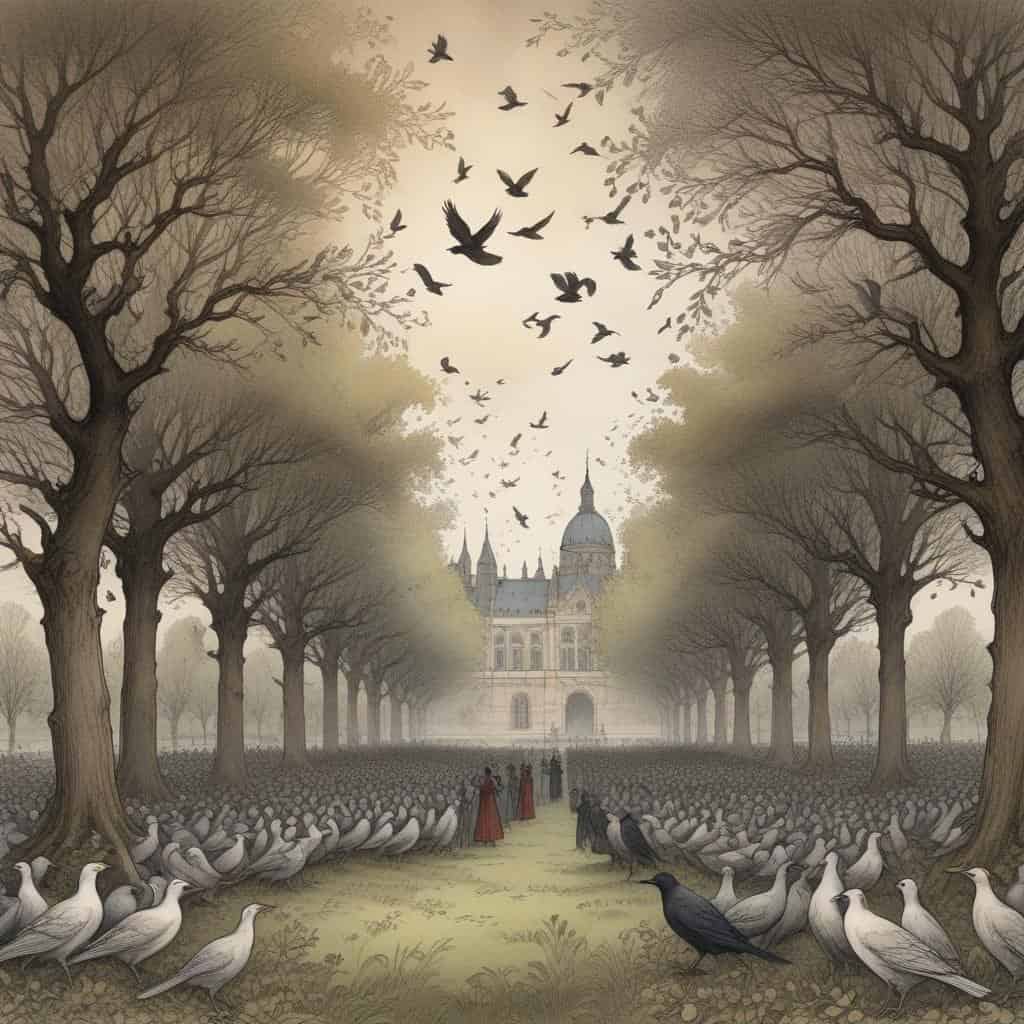
The Assembly of the Birds
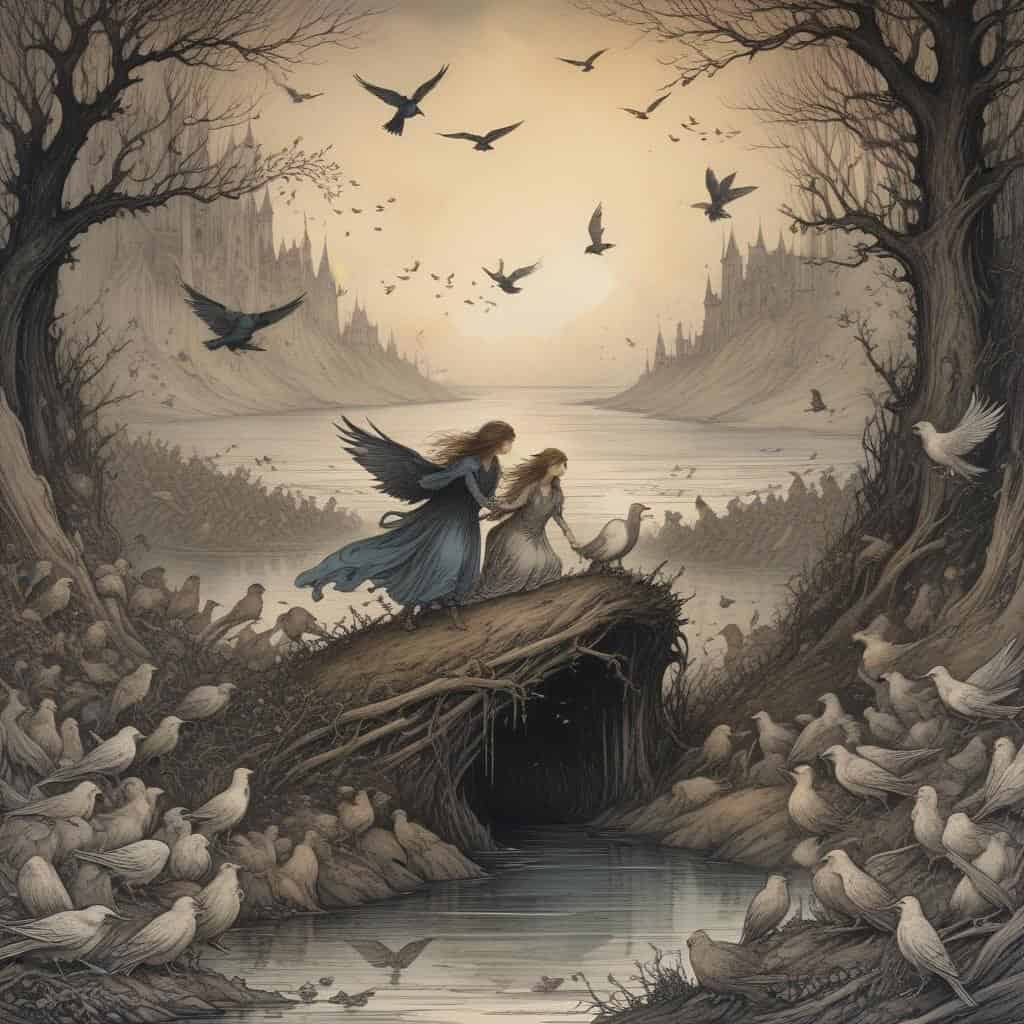
The Search for Love

The Resolution of the Parliament
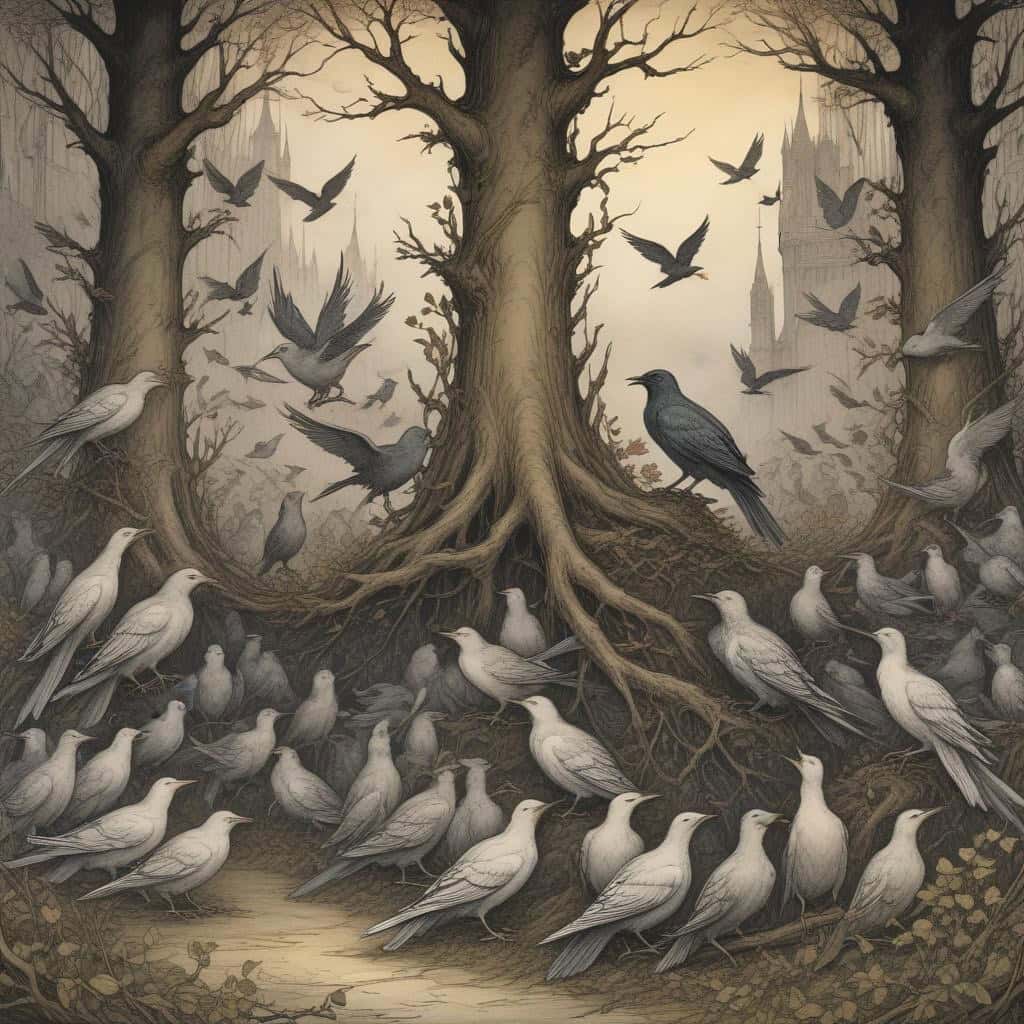
The Moral of the Story
Lesson Details & Resources
In a Nutshell
- What: 'The Parliament of Birds' by Geoffrey Chaucer
- When: Medieval period
- Who: The main characters are the narrator, various birds, and the goddess Nature
- Theme: The core theme of the work is the search for true love and the concept of courtly love
List of Characters in The Parliament of Birds
-
The narrator
The narrator is a dreamer who finds himself in a beautiful garden where he encounters the Queen of Love and witnesses the parliament of birds.
-
The Queen of Love
The Queen of Love is a majestic and powerful figure who presides over the parliament of birds.
-
The Eagle
The Eagle is the leader of the birds and sets the rules for the parliament.
-
The birds in the parliament
The birds in the parliament are a diverse group who come together to discuss love and relationships.
Timeline of The Parliament of Birds
The narrator falls asleep in a garden on May Day.
The narrator dreams of being in a beautiful meadow.
The narrator encounters a group of birds.
The birds discuss their desire for a mate and decide to hold a parliament to choose one.
The birds assemble in a field to hold the parliament.
The birds debate and argue over who should be chosen as their mate.
The eagle, representing Jove, suggests that the birds should choose the highest-ranked bird as their mate.
The birds agree and decide that the female eagle, representing Nature, should be their mate.
The birds sing and celebrate their decision.
The birds fly away with their chosen mates.
Vocabulary List
- The Parliament of Birds
- Title of a poem by Geoffrey Chaucer that describes a dream vision in which the narrator is led by a guide to a gathering of birds who are debating love and marriage.
- Allegory
- A literary device in which characters, events, and settings represent abstract ideas or moral qualities, often used in The Parliament of Birds to convey deeper meanings.
- Dream vision
- A genre of medieval literature in which the narrator experiences a dream that serves as a vehicle for exploring philosophical, moral, or spiritual ideas, as seen in The Parliament of Birds.
- Love
- A central theme in The Parliament of Birds, with the birds debating the nature of love and the importance of commitment in relationships.
- Marriage
- A topic of discussion among the birds in The Parliament of Birds, who debate the merits of marriage and whether it is necessary for a fulfilling life.
- Nature
- A prominent motif in The Parliament of Birds, with the birds representing different aspects of the natural world and highlighting the beauty and complexity of nature.
- Fate
- A recurring theme in The Parliament of Birds, with the birds questioning whether love and marriage are predetermined by fate or if individuals have the power to shape their own destinies.
- Satire
- A literary technique used in The Parliament of Birds to mock or criticize societal norms and conventions, often through the exaggerated behaviors of the bird characters.
- Wisdom
- An important concept in The Parliament of Birds, with the birds sharing their knowledge and insights on love, marriage, and the nature of the world.
- Unity
- A key theme in The Parliament of Birds, with the birds coming together in a shared purpose to discuss important topics and reach collective decisions.
Key Facts
This is the information used in the fact matching game
- 1. "The Parliament of Birds" is a poem written by Geoffrey Chaucer in the 14th century.
- 2. It is also known as "The Assembly of Fowls" or "The Parliament of Foules."
- 3. The poem is believed to have been written around 1380.
- 4. It is written in Middle English, the language of the time.
- 5. Chaucer is considered one of the greatest English poets and a pioneer of English literature.
- 6. "The Parliament of Birds" is a dream vision poem, a popular genre in medieval literature.
- 7. The poem is set on St. Valentine's Day and revolves around the theme of love.
- 8. It features a narrator who falls asleep and dreams of being led to a beautiful garden.
- 9. In the garden, the narrator witnesses a parliament of birds gathering to choose their mates.
- 10. The birds represent different types of lovers and their various attitudes towards love.
- 11. The poem explores themes of courtly love, nature, and the complexities of romantic relationships.
- 12. Chaucer uses allegory and symbolism extensively throughout the poem.
- 13. The poem also includes references to Greek mythology and classical literature.
- 14. "The Parliament of Birds" is believed to have influenced later works, such as William Shakespeare's "A Midsummer Night's Dream."
- 15. The poem showcases Chaucer's skill in using vivid imagery and descriptive language.
- 16. It is structured in the form of a debate, with the birds presenting arguments for and against love.
- 17. The poem's ending is ambiguous, leaving the resolution of the debate open to interpretation.
- 18. "The Parliament of Birds" reflects the social and cultural context of medieval England.
- 19. It demonstrates Chaucer's fascination with the natural world and his ability to portray human emotions through animal characters.
- 20. The poem remains a significant work in the literary canon and continues to be studied and appreciated for its poetic beauty and thematic exploration.
Analysis & Significance
Impact on Literature
‘The Parliament of Birds’ by Geoffrey Chaucer is a significant work in the history of literature for its early use of allegory and dream vision. This poem influenced later writers such as John Milton and William Wordsworth, who drew inspiration from its structure and themes.
Enduring Themes
The timeless themes of love, beauty, and the search for truth explored in ‘The Parliament of Birds’ continue to resonate with modern audiences. The allegorical journey of the dreamer through the parliament of birds speaks to the universal human experience of seeking meaning and understanding in the world.
Cultural Significance Today
Chaucer’s work remains culturally significant today for its exploration of social hierarchy, love, and nature. ‘The Parliament of Birds’ has been adapted into various forms, including plays, operas, and modern retellings, showcasing its enduring legacy and continued relevance in contemporary culture.
The Parliament of Birds Games


Take Your Learning Offline
Want a convenient, print-ready study guide for this lesson? Become a Memory Wizards Pro member to unlock the downloadable " Memory Scrolls" for this topic and our entire library!
- ✓ Complete Vocabulary Lists
- ✓ Key Facts & Timelines
- ✓ Beautifully Formatted for Print & Mobile