
How Do You Learn Best?
Learn by Reading
Immerse yourself in the 10-minute visual lesson for a comprehensive understanding of the topic.
Learn by Reviewing
Jump directly to the key facts, timeline, and vocabulary lists to build a solid foundation of details.
Learn by Doing
Challenge yourself! Jump straight into the interactive games to learn by trial, error, and discovery.
The Legend of Good Women in 10 Minutes
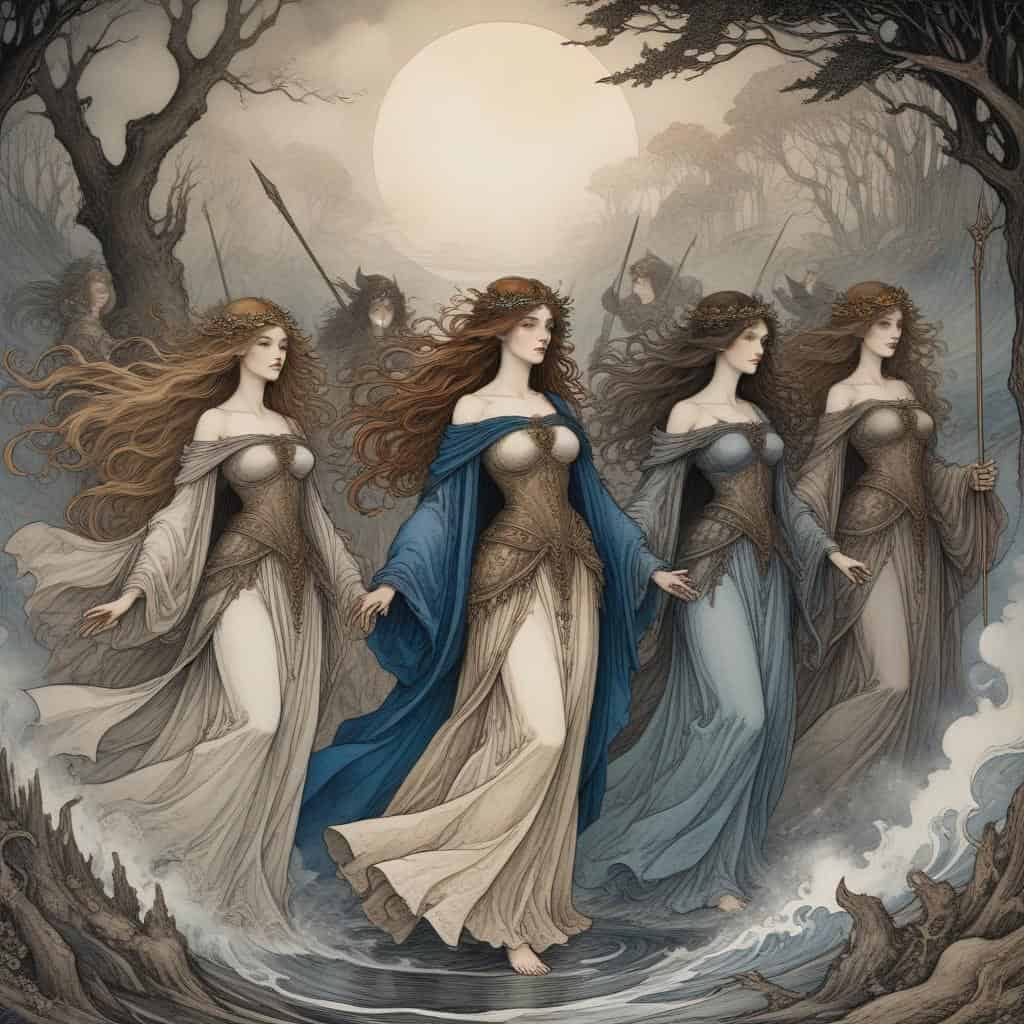
Introduction
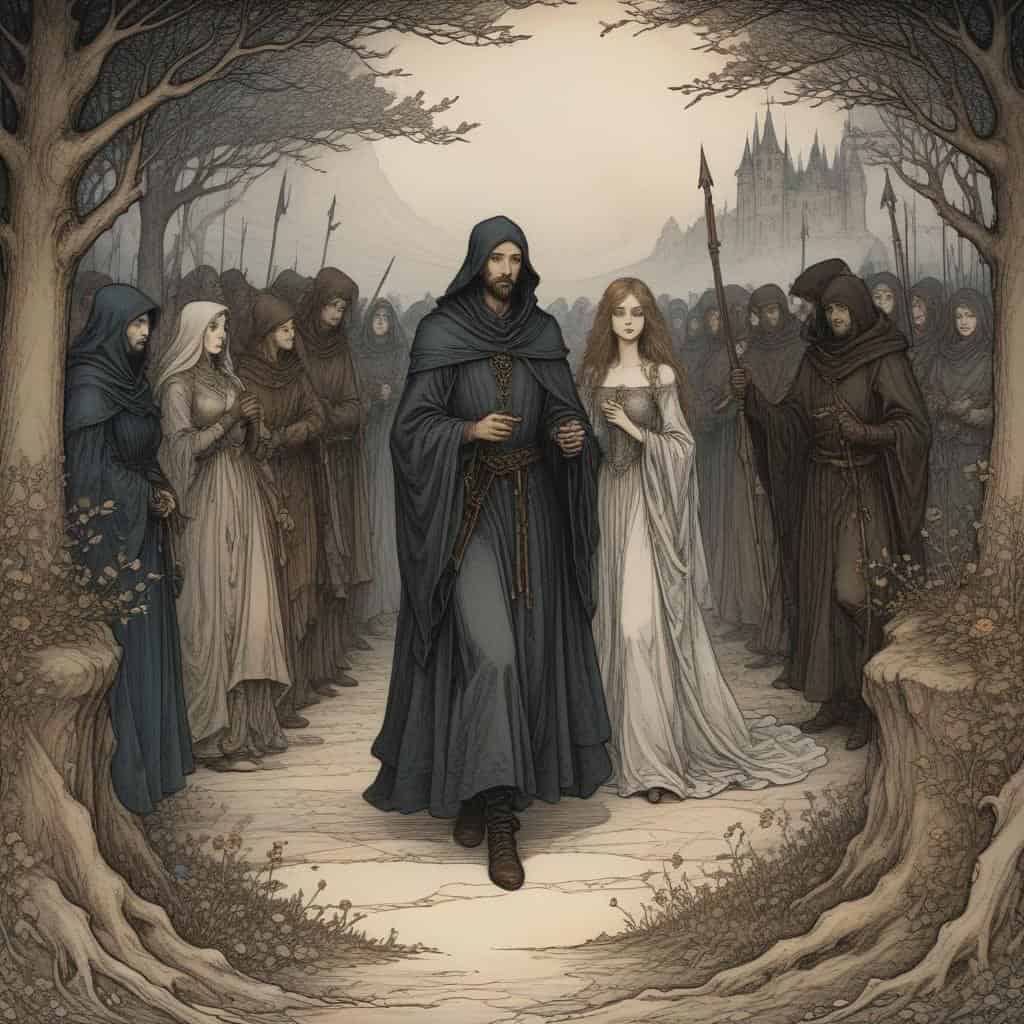
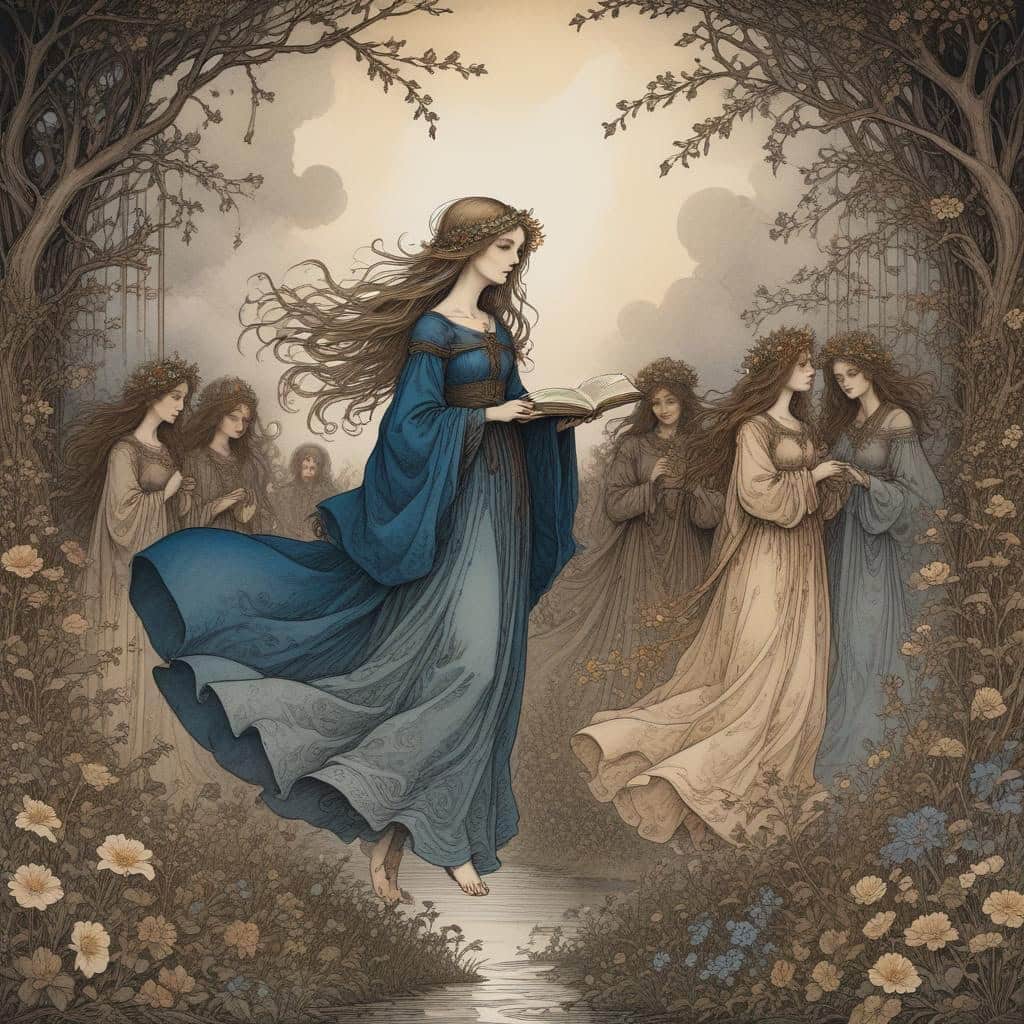

Queen Alceste

Dido

Hypsipyle
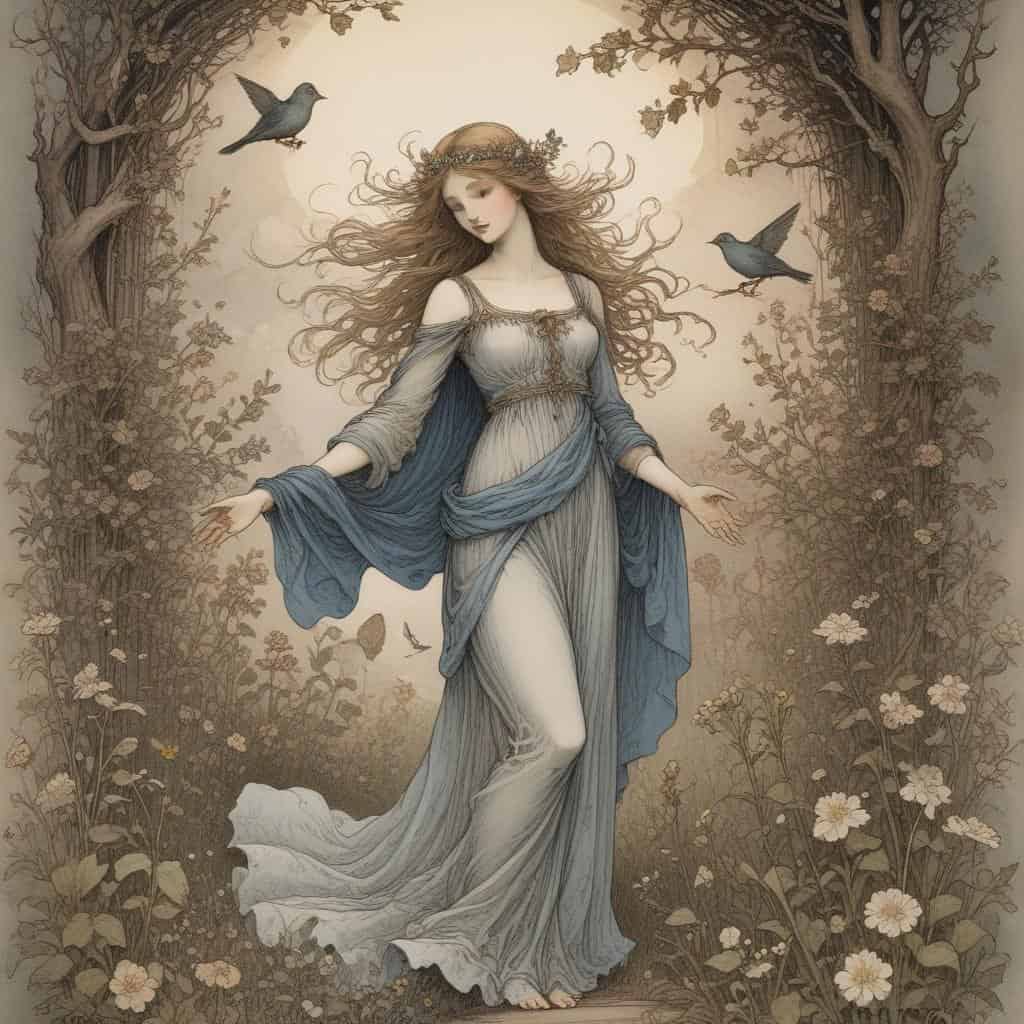
Lavinia

Lucretia
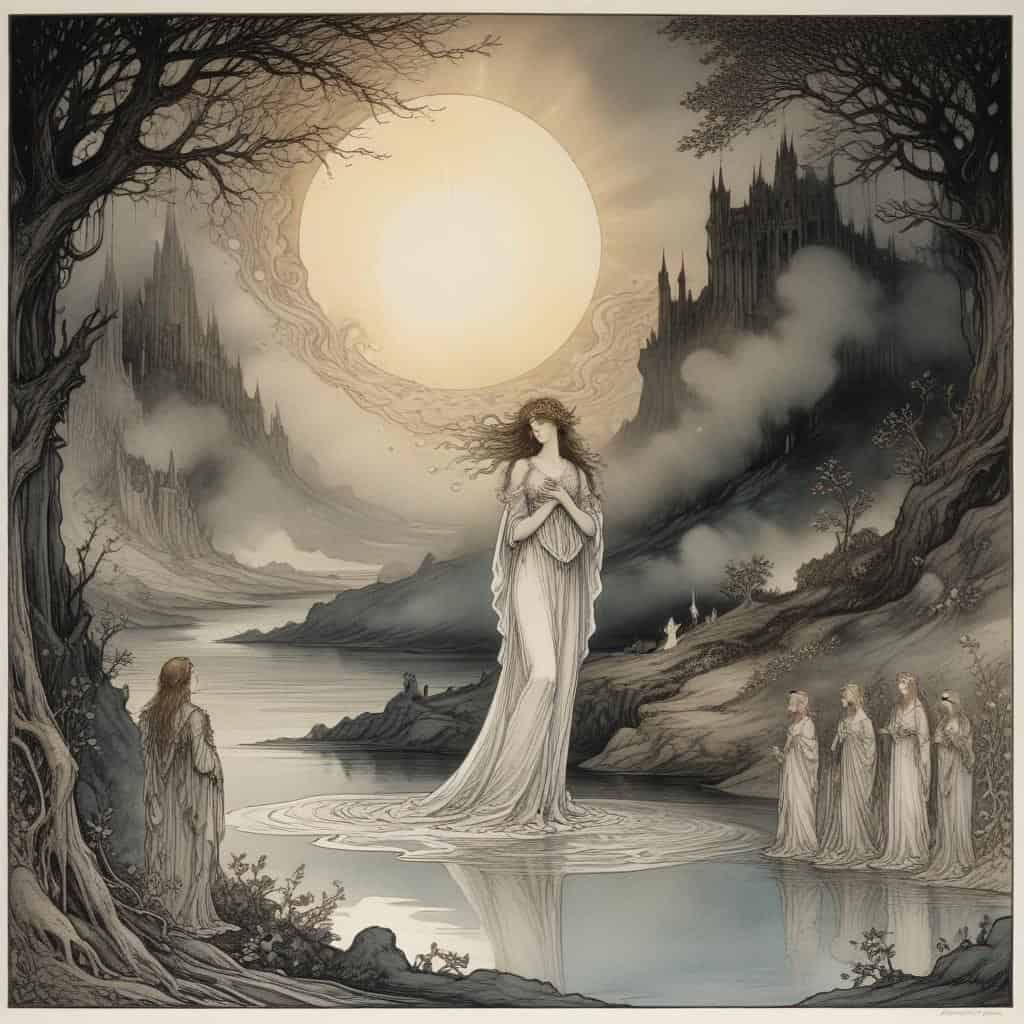
The Dream of the God of Love
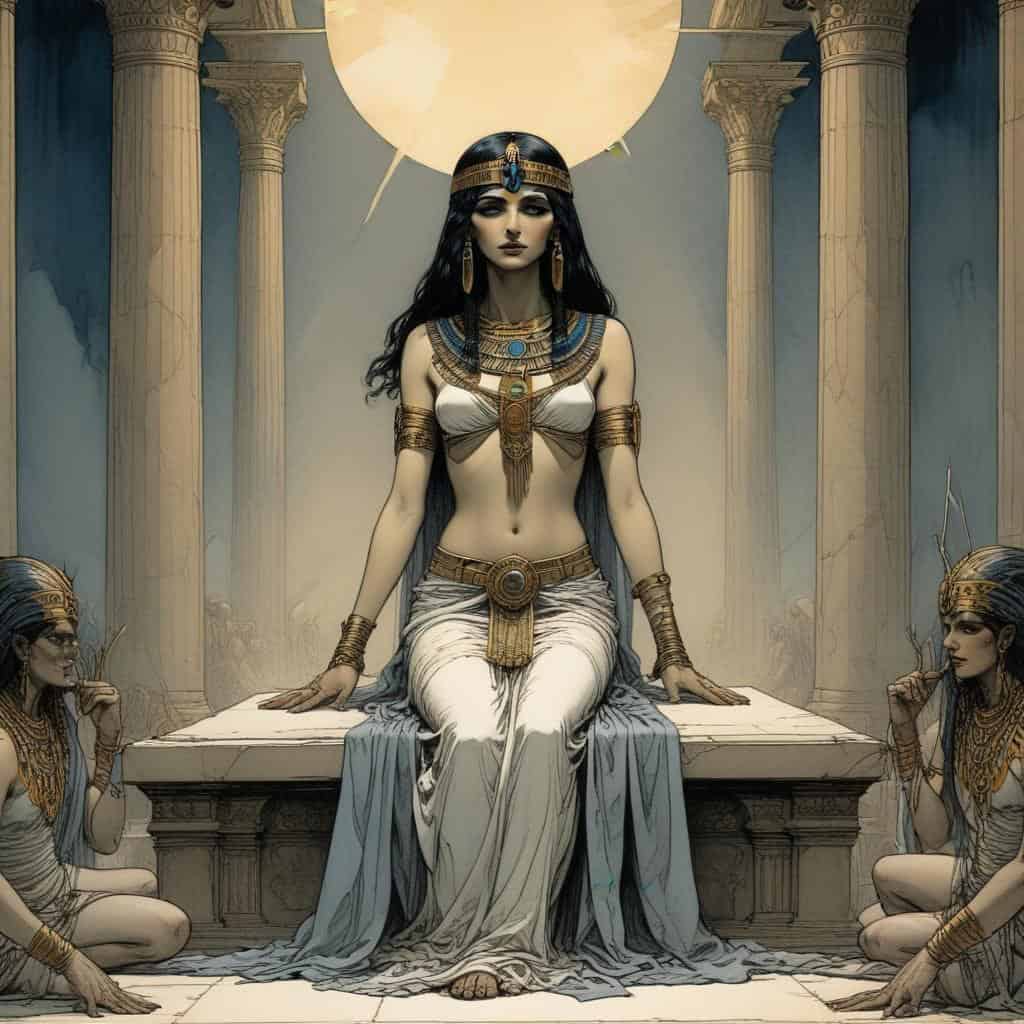
The Story of Cleopatra
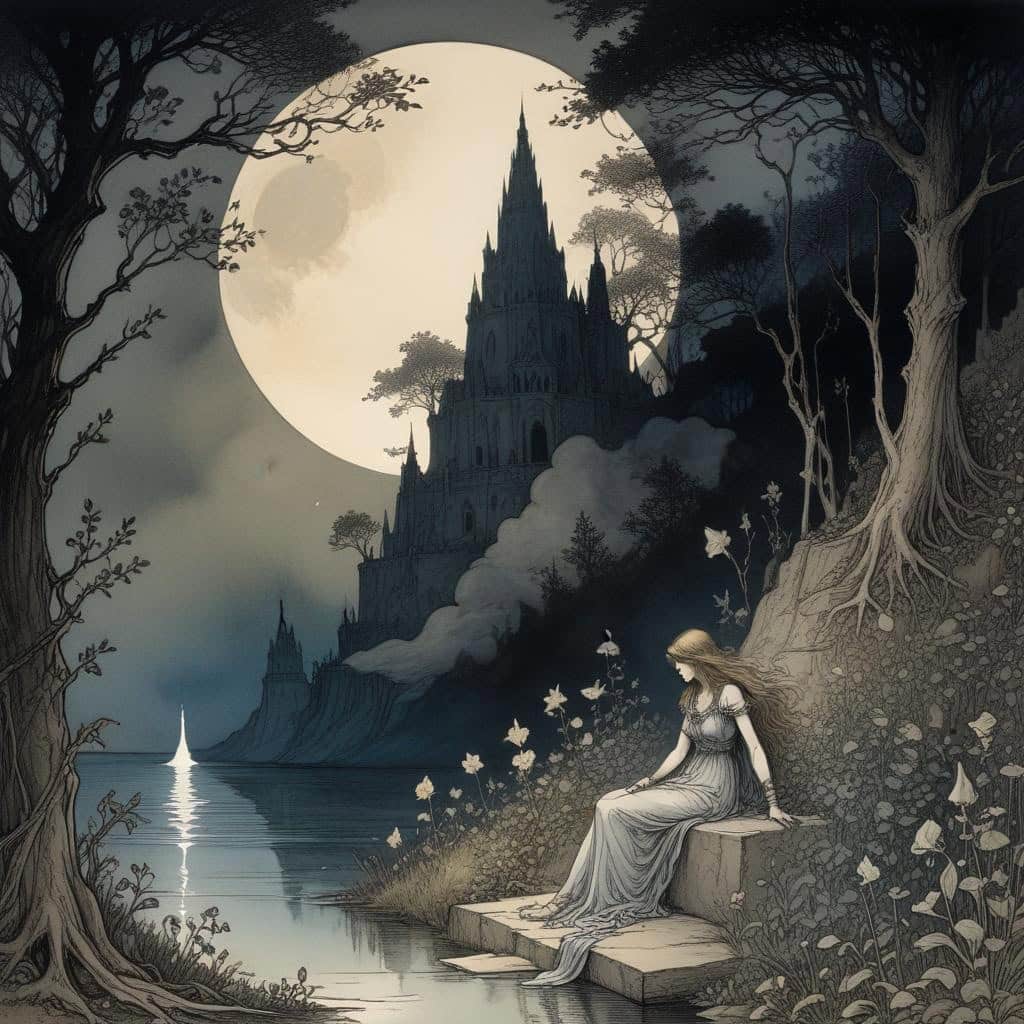
The Story of Thisbe
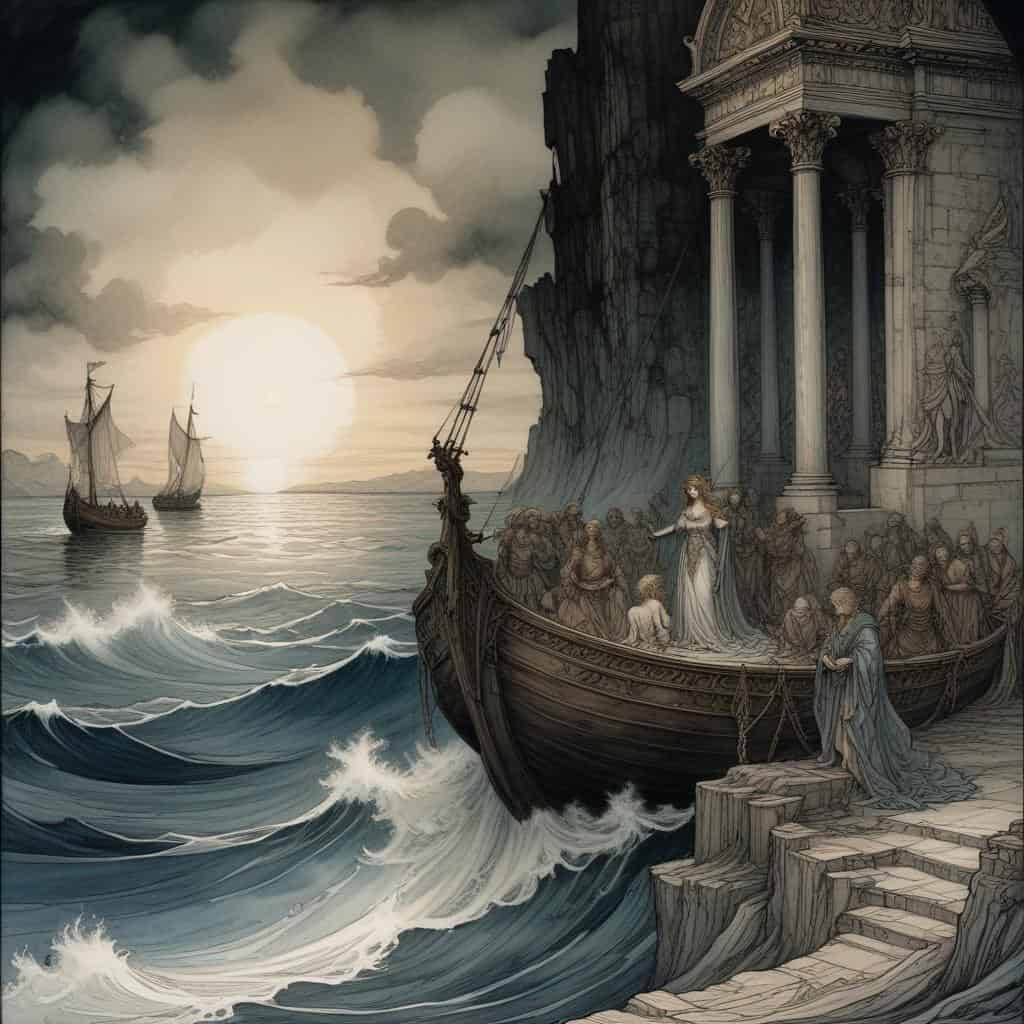
The Story of Dido
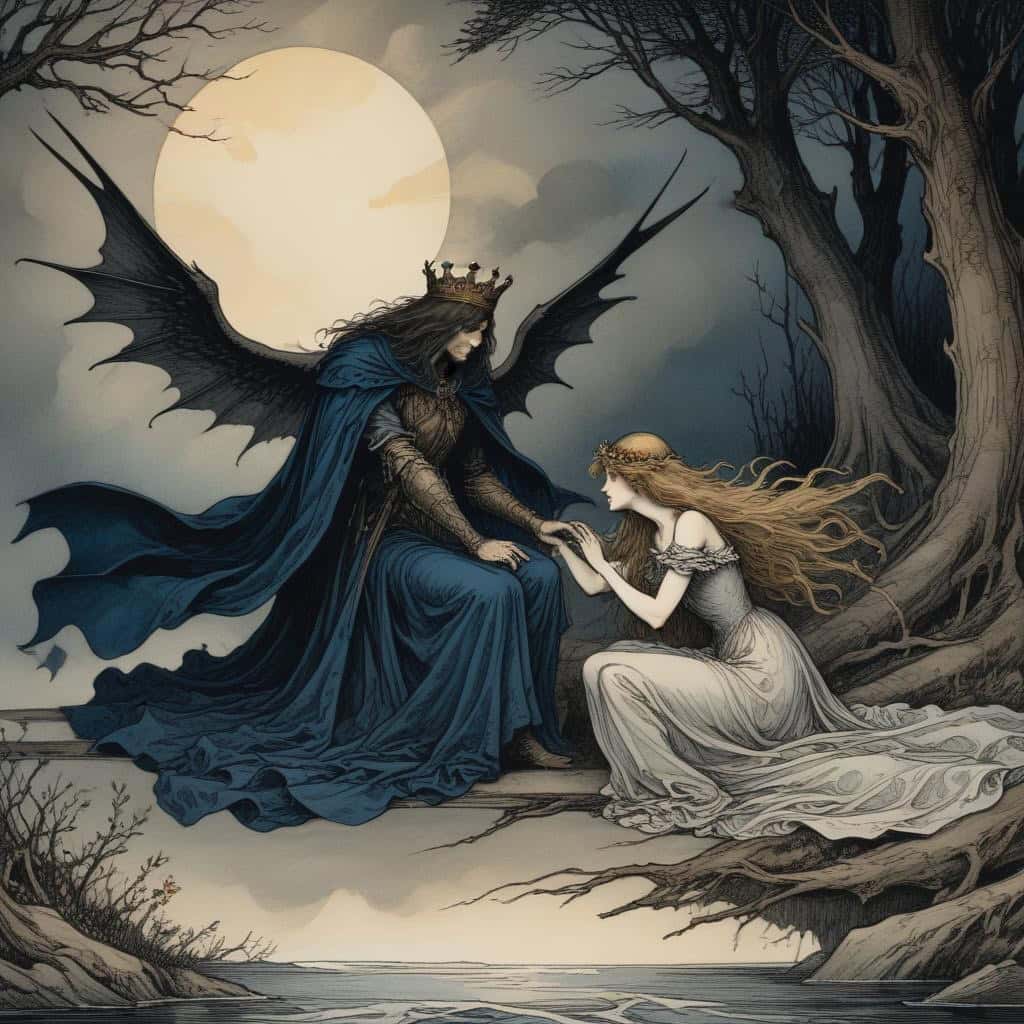
The Story of Hypsipyle
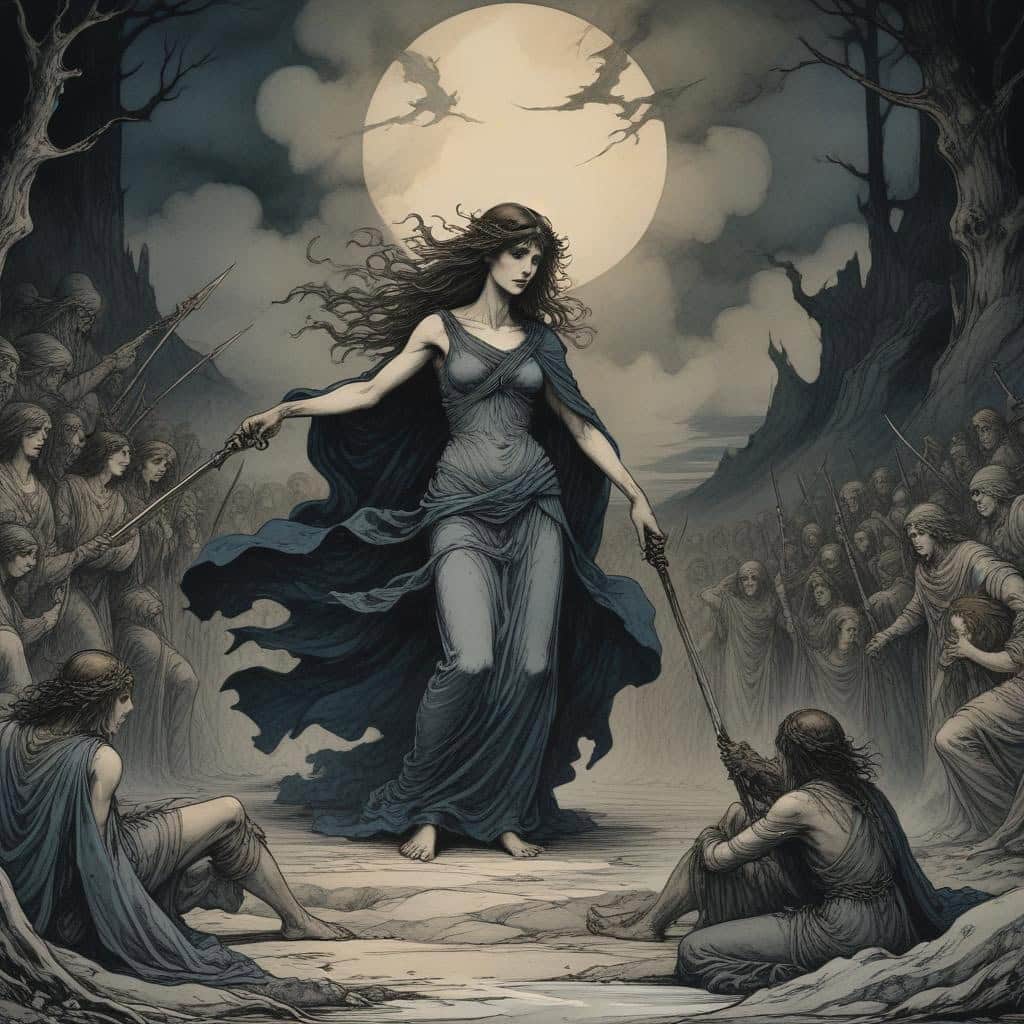
The Story of Medea
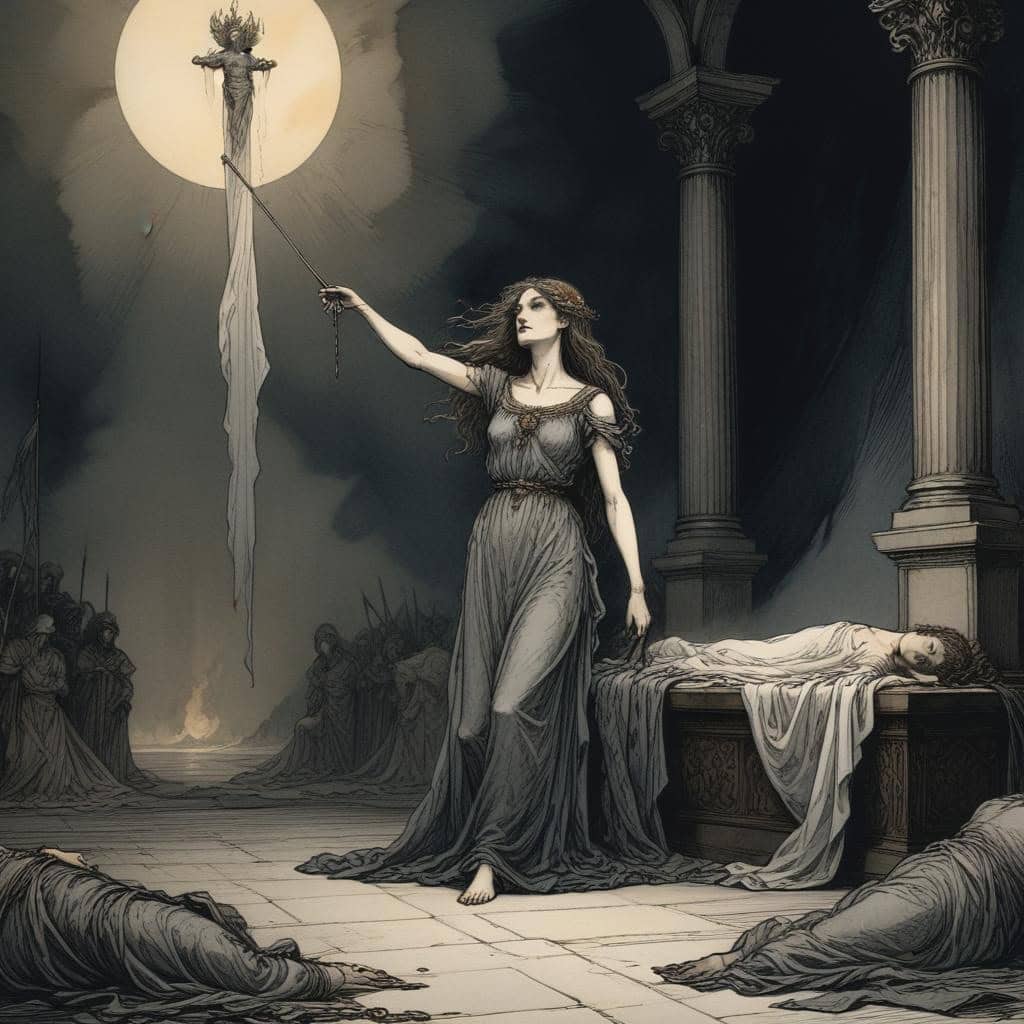
The Story of Lucretia
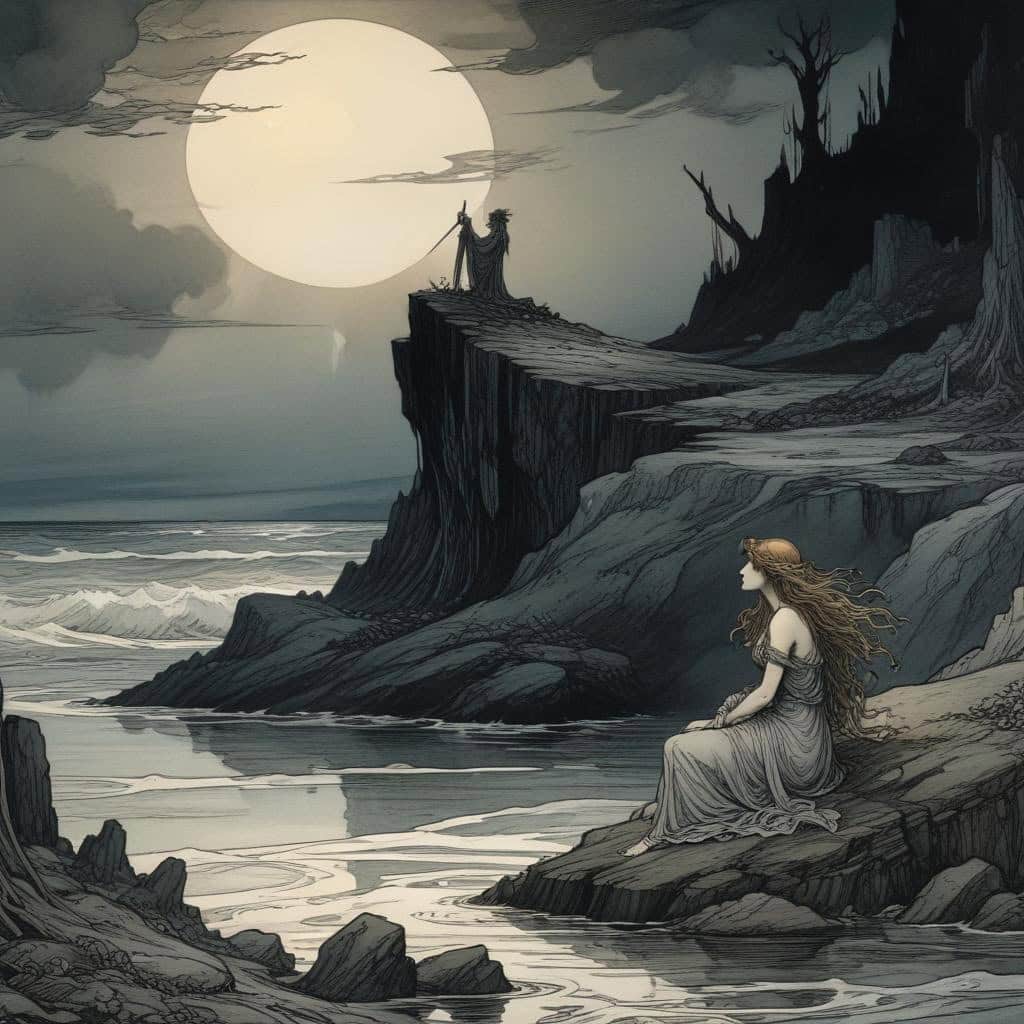
The Story of Ariadne
The Story of Philomela
The Conclusion of The Legend of Good Women
Lesson Details & Resources
In a Nutshell
- What: The Legend of Good Women by Geoffrey Chaucer
- When: Written in the 14th century
- Who: Main characters include Cleopatra, Thisbe, and Dido
- Theme: The core theme of the work is the portrayal of virtuous women in literature
List of Characters in The Legend of Good Women
-
Dido
Dido, the Queen of Carthage who fell in love with Aeneas
-
Hypsipyle
Hypsipyle, the Queen of Lemnos who saved Jason and the Argonauts
-
Medea
Medea, the sorceress who helped Jason but ultimately betrayed him
-
Penelope
Penelope, the faithful wife of Odysseus
-
Lucretia
Lucretia, who was raped and committed suicide to protect her honor
-
Ariadne
Ariadne, who helped Theseus escape from the Minotaur's labyrinth
-
Philomela
Philomela, who was raped and had her tongue cut out, but was transformed into a nightingale
-
Phyllis
Phyllis, who was abandoned by her lover Demophon and turned into an almond tree
-
Hypermnestra
Hypermnestra, who defied her father Danaus and spared her husband Lynceus
-
Cleopatra
Cleopatra, the famous Egyptian queen known for her relationships with Julius Caesar and Mark Antony
Timeline of The Legend of Good Women
Prologue: Chaucer introduces the theme of the story and his intention to praise women
Chaucer is visited by the God of Love and asked to write about women who have been faithful in love
Chaucer begins writing the stories of women who suffered in love
Chaucer tells the story of Cleopatra, who loved Antony and eventually committed suicide after his death
Chaucer tells the story of Thisbe, who dies for love after mistakenly believing her lover Pyramus is dead
Chaucer tells the story of Dido, who falls in love with Aeneas but is abandoned and commits suicide
Chaucer tells the story of Hypsipyle, who saves her father and the other men of her city, but is betrayed by her lover Jason
Chaucer tells the story of Medea, who helps Jason obtain the golden fleece but is abandoned by him for another woman
Chaucer tells the story of Lucretia, who is raped by the king's son and kills herself to preserve her honor
Chaucer tells the story of Ariadne, who helps Theseus defeat the Minotaur but is abandoned by him on an island
Chaucer tells the story of Philomela, who is raped by her brother-in-law and seeks revenge by revealing the truth through a tapestry
Chaucer tells the story of Phyllis, who falls in love with Demophon and tricks him into riding her like a horse
Chaucer concludes the poem by praising the women he has written about and expressing his desire for their forgiveness
Vocabulary List
- Legend
- The Legend of Good Women is a collection of stories about virtuous women.
- Geoffrey Chaucer
- Geoffrey Chaucer is the author of The Legend of Good Women.
- Virtuous
- The women in The Legend of Good Women are portrayed as virtuous and honorable.
- Medieval
- The Legend of Good Women is a medieval literary work.
- Courtly love
- Courtly love is a common theme in The Legend of Good Women.
- Patriarchy
- The Legend of Good Women reflects the patriarchal society of its time.
- Feminine agency
- The women in The Legend of Good Women demonstrate agency and autonomy.
- Chivalry
- Chivalry is an important concept in The Legend of Good Women.
- Narrative poem
- The Legend of Good Women is a narrative poem that tells the stories of various heroines.
- Mythology
- The Legend of Good Women draws on classical mythology for its stories.
- Irony
- Geoffrey Chaucer uses irony in The Legend of Good Women to critique societal norms.
Key Facts
This is the information used in the fact matching game
- - The Legend of Good Women was written by Geoffrey Chaucer in the 14th century.
- - It is a collection of stories about famous women from history and mythology.
- - The collection was intended to be longer, but Chaucer only completed nine legends before the project was abandoned.
- - The legends are written in the form of dream visions, with Chaucer as the narrator.
- - The stories focus on women who were wronged by men and suffered because of it.
- - Some of the legendary women featured include Cleopatra, Dido, and Medea.
- - Chaucer drew inspiration from classical literature and historical accounts for the stories.
- - The Legend of Good Women was written in Middle English, the language of the time.
- - Chaucer's work is considered important in the development of English literature.
- - The collection was initially well-received, but Chaucer faced criticism for his portrayal of women.
- - The Legend of Good Women was influenced by the tradition of courtly love.
- - Chaucer's portrayal of women in the collection is complex and varied.
- - The legends explore themes of love, fidelity, and the power dynamics between men and women.
- - Chaucer's own views on women and gender roles can be debated based on his writings.
- - The collection showcases Chaucer's skill in storytelling and his ability to create vivid characters.
- - The Legend of Good Women was not as popular as Chaucer's other works, such as The Canterbury Tales.
- - Chaucer's approach to female characters in the collection differs from the traditional portrayal of women in medieval literature.
- - The legends provide a glimpse into the social and cultural context of the 14th century.
- - Chaucer's use of dream visions in the collection adds a layer of complexity and symbolism to the stories.
- - The Legend of Good Women remains an important work in Chaucer's literary legacy.
Analysis & Significance
Impact on Literature
Chaucer’s ‘The Legend of Good Women’ is considered one of the earliest examples of English literature focusing on female characters. This work helped pave the way for future writers to explore women’s perspectives and experiences in a male-dominated literary landscape.
Enduring Themes
The themes of love, loyalty, and the role of women in society are central to ‘The Legend of Good Women’ and continue to resonate with modern audiences. Chaucer’s exploration of these timeless themes adds depth and complexity to his characters and their relationships.
Cultural Significance Today
‘The Legend of Good Women’ has left a lasting legacy in literature, inspiring adaptations and re-imaginings in various forms of media. Its influence can be seen in modern retellings of classic tales and in the ongoing conversation about gender, power, and agency in storytelling.
The Legend of Good Women Games


Take Your Learning Offline
Want a convenient, print-ready study guide for this lesson? Become a Memory Wizards Pro member to unlock the downloadable " Memory Scrolls" for this topic and our entire library!
- ✓ Complete Vocabulary Lists
- ✓ Key Facts & Timelines
- ✓ Beautifully Formatted for Print & Mobile