
How Do You Learn Best?
Learn by Reading
Immerse yourself in the 10-minute visual lesson for a comprehensive understanding of the topic.
Learn by Reviewing
Jump directly to the key facts, timeline, and vocabulary lists to build a solid foundation of details.
Learn by Doing
Challenge yourself! Jump straight into the interactive games to learn by trial, error, and discovery.
The House of Fame in 10 Minutes
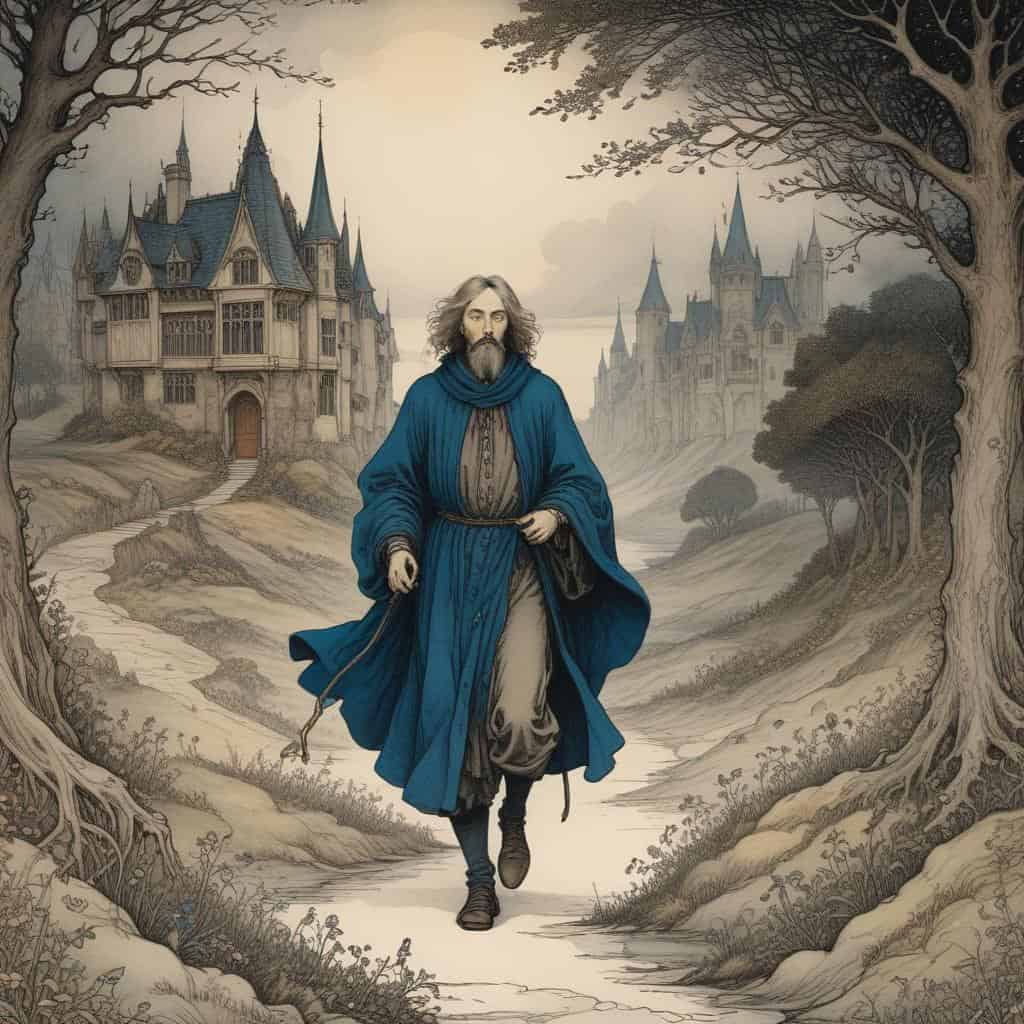
Introduction
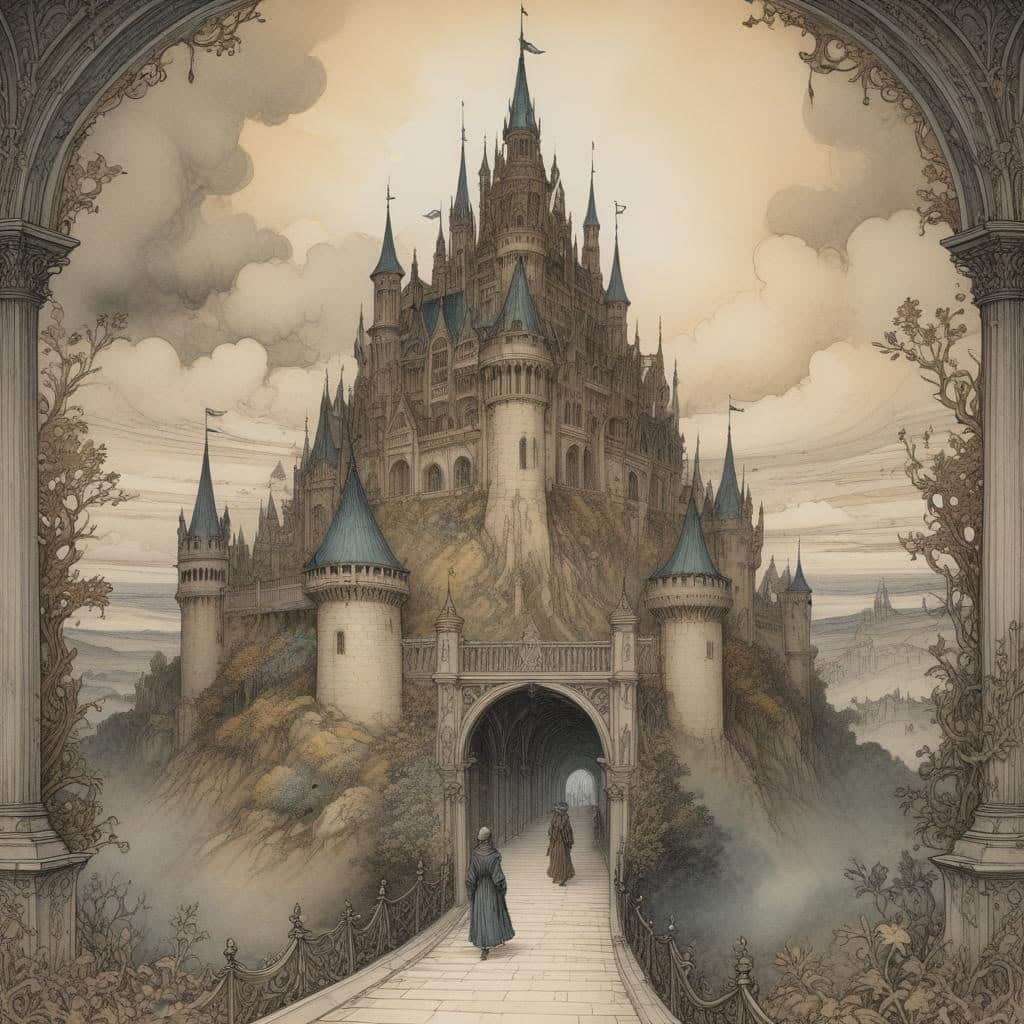
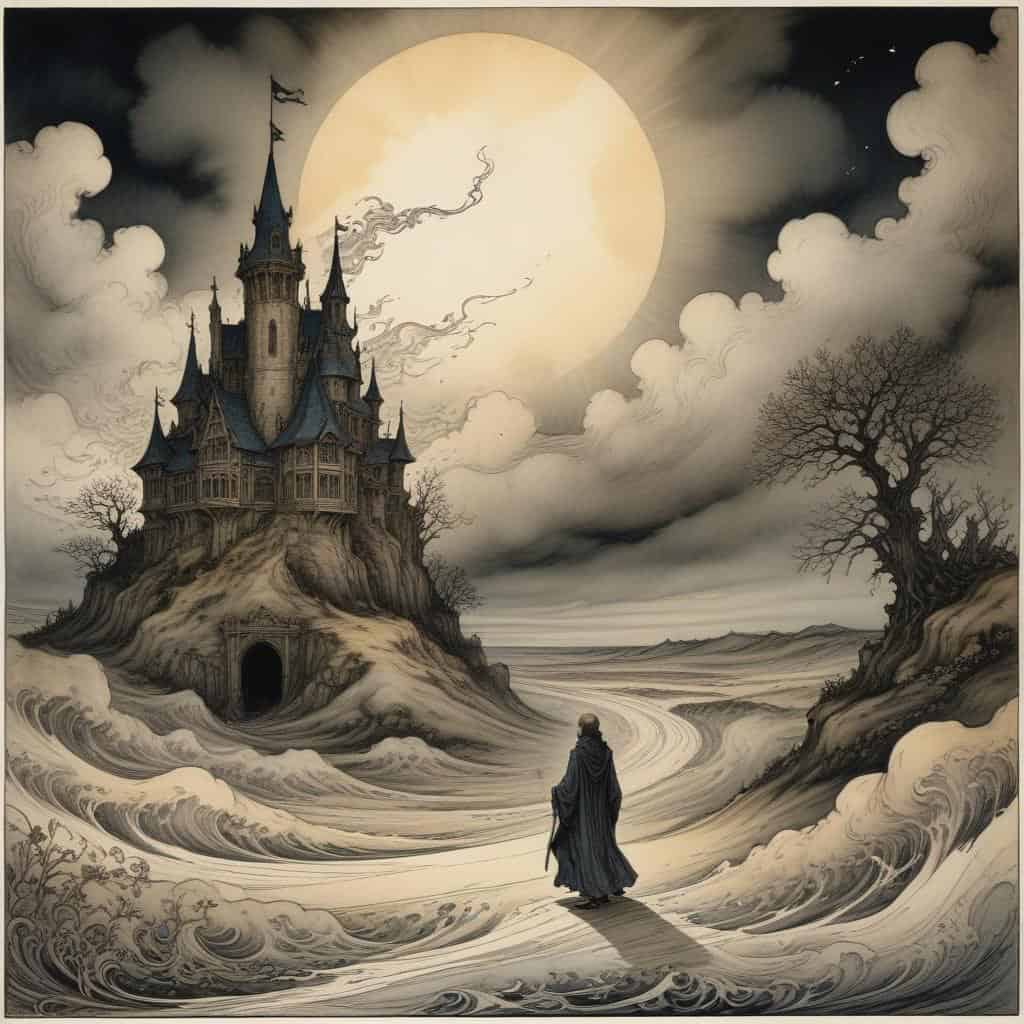

Geoffrey Chaucer

Chaucers Narrator

The Eagle

The God of Love

The Dreamers Guide
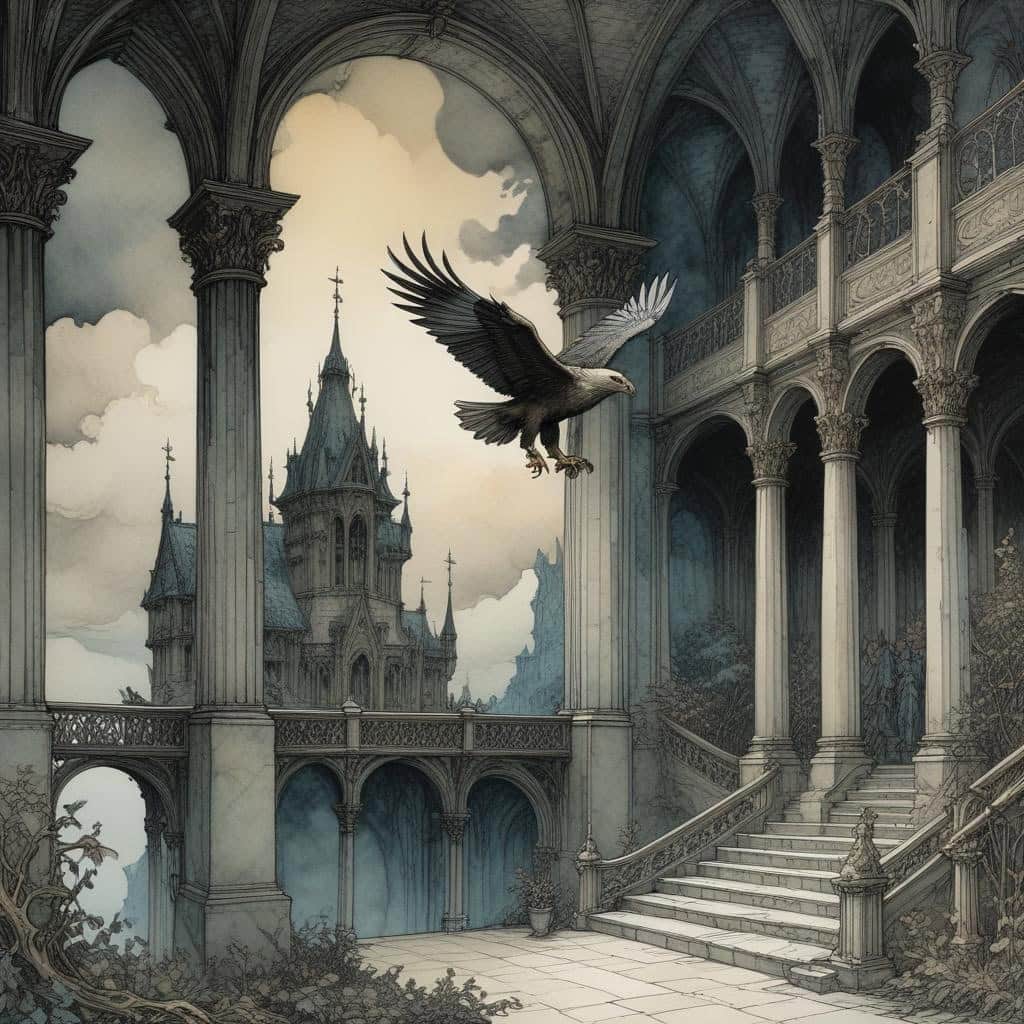
1. The Dream
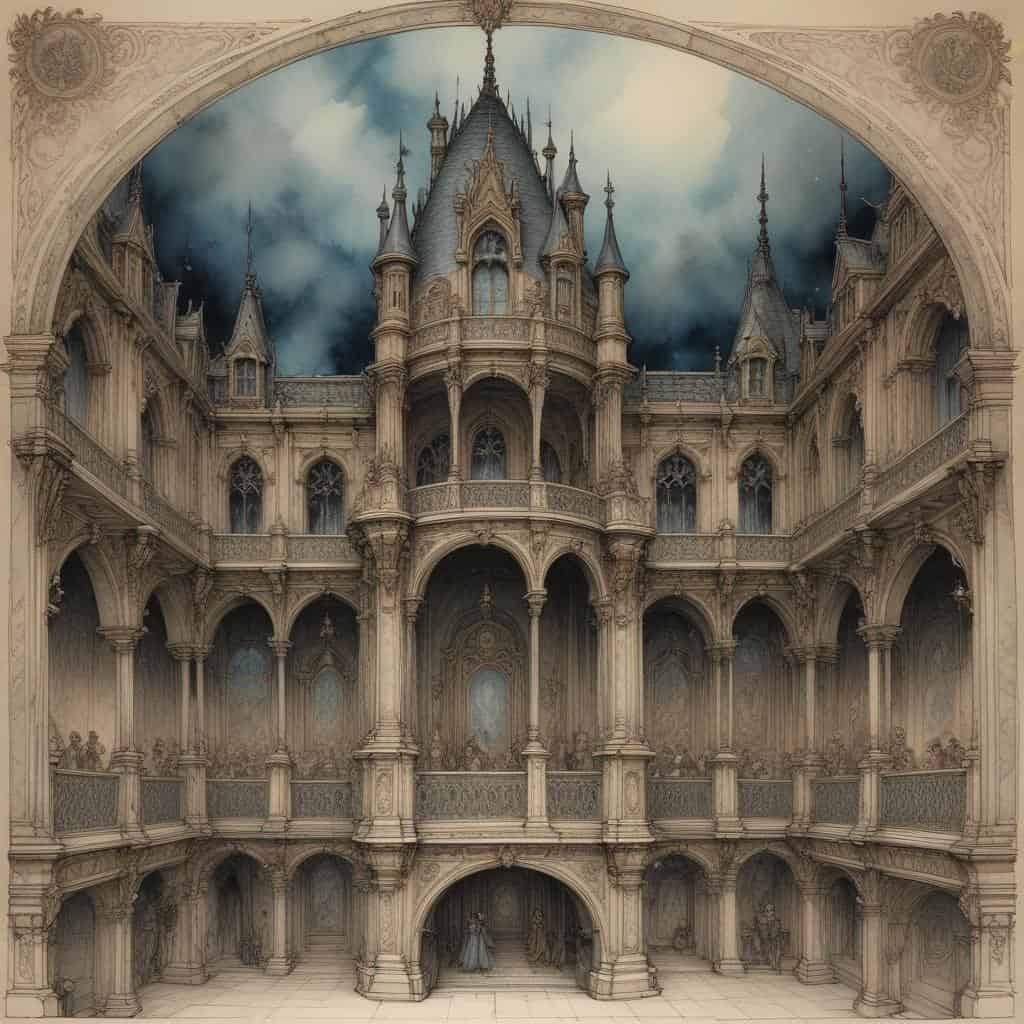
2. The Palace of Fame
3. The Voices of Fame
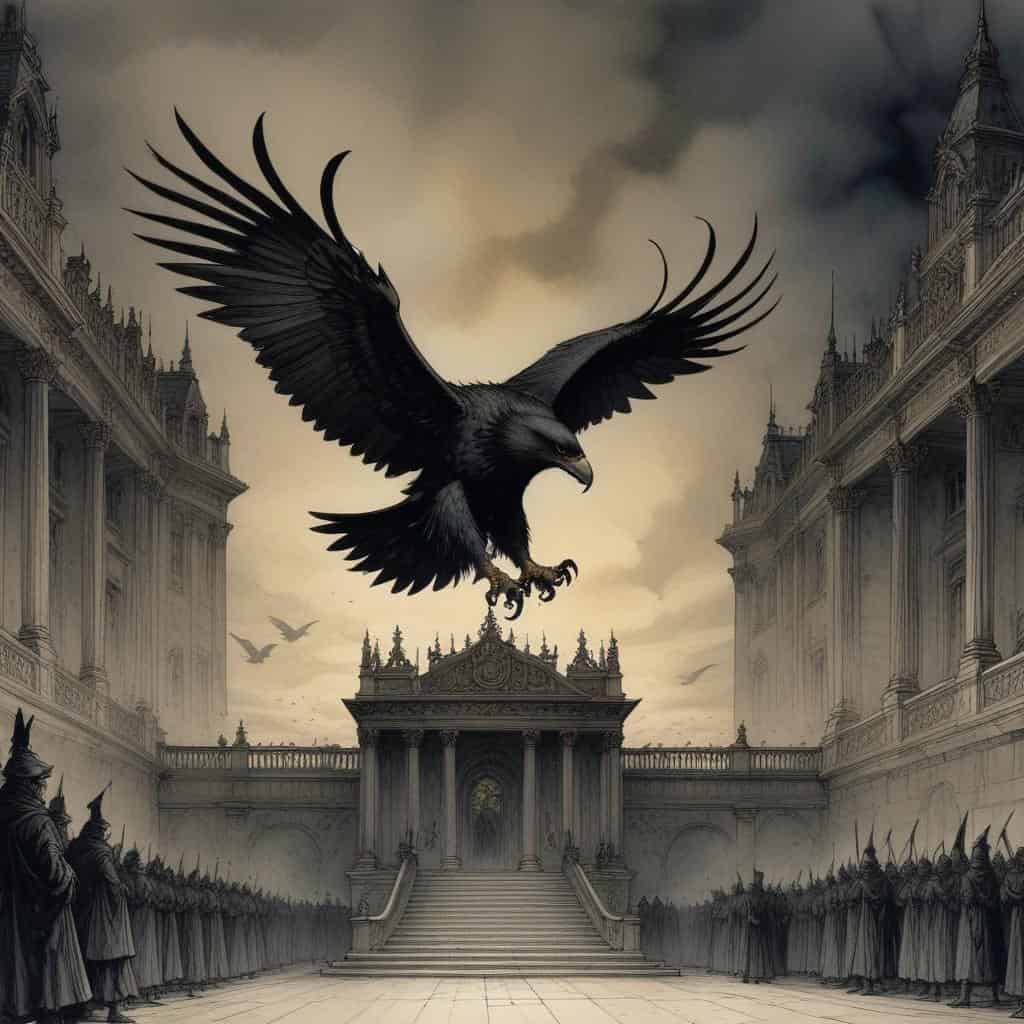
4. The Black Eagle
5. The Journey Home
6. The Moral of the Story
7. Themes of the Story
8. Literary Significance
9. Legacy of The House of Fame
10. Conclusion
Lesson Details & Resources
In a Nutshell
- What: 'The House of Fame' by Geoffrey Chaucer
- When: Written in the medieval period
- Who: Main character: Geoffrey Chaucer
- Theme: The nature of fame and its fleeting nature
List of Characters in The House of Fame
-
Geoffrey Chaucer
Geoffrey Chaucer is the author of The House of Fame.
-
Proserpine
Proserpine is the queen of the underworld.
-
Jupiter
Jupiter is the king of the gods.
-
Venus
Venus is the goddess of love and beauty.
-
Mercury
Mercury is the messenger of the gods.
-
Apollo
Apollo is the god of the sun and poetry.
-
Pallas
Pallas is the goddess of wisdom and warfare.
-
Diana
Diana is the goddess of the hunt and the moon.
-
Saturn
Saturn is the god of time and harvest.
-
Mars
Mars is the god of war.
-
Phoebus
Phoebus is another name for Apollo.
-
Cupid
Cupid is the god of love.
-
Fame
Fame is a personification of the concept of fame.
-
Hope
Hope is a personification of the concept of hope.
-
Riches
Riches is a personification of the concept of wealth.
-
Beauty
Beauty is a personification of the concept of beauty.
-
Honour
Honour is a personification of the concept of honour.
-
Largesse
Largesse is a personification of the concept of generosity.
-
Strengthe
Strengthe is a personification of the concept of strength.
-
Freedom
Freedom is a personification of the concept of freedom.
Timeline of The House of Fame
1. The narrator falls asleep and has a dream.
2. The narrator finds himself in a temple dedicated to Fame.
3. A large crowd gathers in the temple, seeking recognition and fame.
4. The goddess Fame descends from her throne and starts to distribute reputation and praise to individuals in the crowd.
5. The narrator observes different individuals receiving fame and recognition based on their merits.
6. The narrator witnesses the arrival of a knight named Geoffrey Chaucer, who seeks fame for his poetry.
7. The narrator engages in a conversation with Chaucer and expresses admiration for his work.
8. Chaucer shares stories and anecdotes about fame, its nature, and its impact on individuals.
9. The narrator and Chaucer continue their conversation, delving into philosophical discussions about fame and its true value.
10. The dream abruptly ends, and the narrator wakes up, reflecting on the lessons learned from the dream experience.
Vocabulary List
- Dream
- The dream that the narrator has at the beginning of The House of Fame sets the tone for the rest of the poem.
- Vision
- The House of Fame is a poem that explores the idea of vision and how it can shape our understanding of the world.
- Fame
- The House of Fame is a poem that delves into the concept of fame and how it can be both fleeting and elusive.
- Truth
- Throughout The House of Fame, the narrator grapples with the idea of truth and how it can be distorted by perception.
- Reputation
- The characters in The House of Fame are often concerned with maintaining their reputation and how others perceive them.
- Storytelling
- Geoffrey Chaucer explores the power of storytelling in The House of Fame and how it can shape our understanding of the world.
- Mythology
- The House of Fame incorporates elements of mythology to create a rich and fantastical narrative.
- Celebrity
- The House of Fame examines the nature of celebrity and how it can impact an individual's sense of self.
- Glory
- The characters in The House of Fame are often in pursuit of glory and recognition for their achievements.
- Perception
- The House of Fame challenges the reader to consider how perception influences our understanding of reality.
Key Facts
This is the information used in the fact matching game
- - The House of Fame is a Middle English poem written by Geoffrey Chaucer in the 14th century.
- - The poem is a dream vision, where the narrator dreams of visiting the House of Fame.
- - The House of Fame is a magnificent palace located on a mountain made of ice and surrounded by fire.
- - Inside the House of Fame, there are walls adorned with portraits and statues of famous historical figures.
- - The House of Fame is ruled by a giant eagle named Jupiter, who is the god of gods.
- - Jupiter sits on a throne made of precious stones and is attended by a multitude of birds who act as messengers.
- - The narrator encounters a woman named Fame, who has a trumpet that she uses to spread news and information.
- - Fame has the power to make people renowned and celebrated, but she can also spread false rumors and lies.
- - Fame takes the narrator on a tour of the House of Fame, showing him the various chambers and their inhabitants.
- - The chambers of the House of Fame are filled with people who have achieved fame through different means, such as war, love, and literature.
- - The narrator witnesses the chaos and disorder that Fame creates, as people desperately try to gain her favor and be recognized.
- - The House of Fame represents the fickleness and transience of fame and how it can be manipulated and distorted.
- - Chaucer explores the themes of truth, reputation, and the power of language through the narrative of the House of Fame.
- - The poem raises questions about the nature of fame and its impact on society and individuals.
- - Chaucer incorporates elements of classical mythology and medieval allegory in The House of Fame.
- - The poem is written in three books, each focusing on a different aspect of fame and its consequences.
- - The House of Fame is an unfinished work, with the third book ending abruptly without a resolution.
- - Chaucer's use of satire and irony is evident throughout the poem, offering social commentary on contemporary society.
- - The House of Fame showcases Chaucer's skill as a poet, with vivid descriptions, imaginative imagery, and complex symbolism.
- - Despite being incomplete, The House of Fame remains an important work in Chaucer's canon and a significant contribution to medieval literature.
Analysis & Significance
Impact on Literature
Geoffrey Chaucer’s ‘The House of Fame’ is a significant work in the development of English literature, showcasing his poetic skill and innovation. The dream-vision narrative structure and exploration of fame, identity, and truth have influenced later writers and poets, paving the way for the development of allegorical and dream poetry in the medieval and early modern periods.
Enduring Themes
The themes of desire for fame, the power of storytelling, and the fleeting nature of reputation continue to resonate with modern audiences. Chaucer’s exploration of these universal themes in ‘The House of Fame’ transcends time and remains relevant in today’s society, where the pursuit of fame and the impact of storytelling on our lives are still prevalent.
Cultural Significance Today
‘The House of Fame’ remains culturally significant today for its portrayal of the complexities of fame and reputation. Its influence can be seen in various adaptations in literature, art, and popular culture, showing how Chaucer’s work continues to inspire and captivate audiences across different mediums.
The House of Fame Games


Take Your Learning Offline
Want a convenient, print-ready study guide for this lesson? Become a Memory Wizards Pro member to unlock the downloadable " Memory Scrolls" for this topic and our entire library!
- ✓ Complete Vocabulary Lists
- ✓ Key Facts & Timelines
- ✓ Beautifully Formatted for Print & Mobile