
How Do You Learn Best?
Learn by Reading
Immerse yourself in the 10-minute visual lesson for a comprehensive understanding of the topic.
Learn by Reviewing
Jump directly to the key facts, timeline, and vocabulary lists to build a solid foundation of details.
Learn by Doing
Challenge yourself! Jump straight into the interactive games to learn by trial, error, and discovery.
The Complaint unto Pity in 10 Minutes
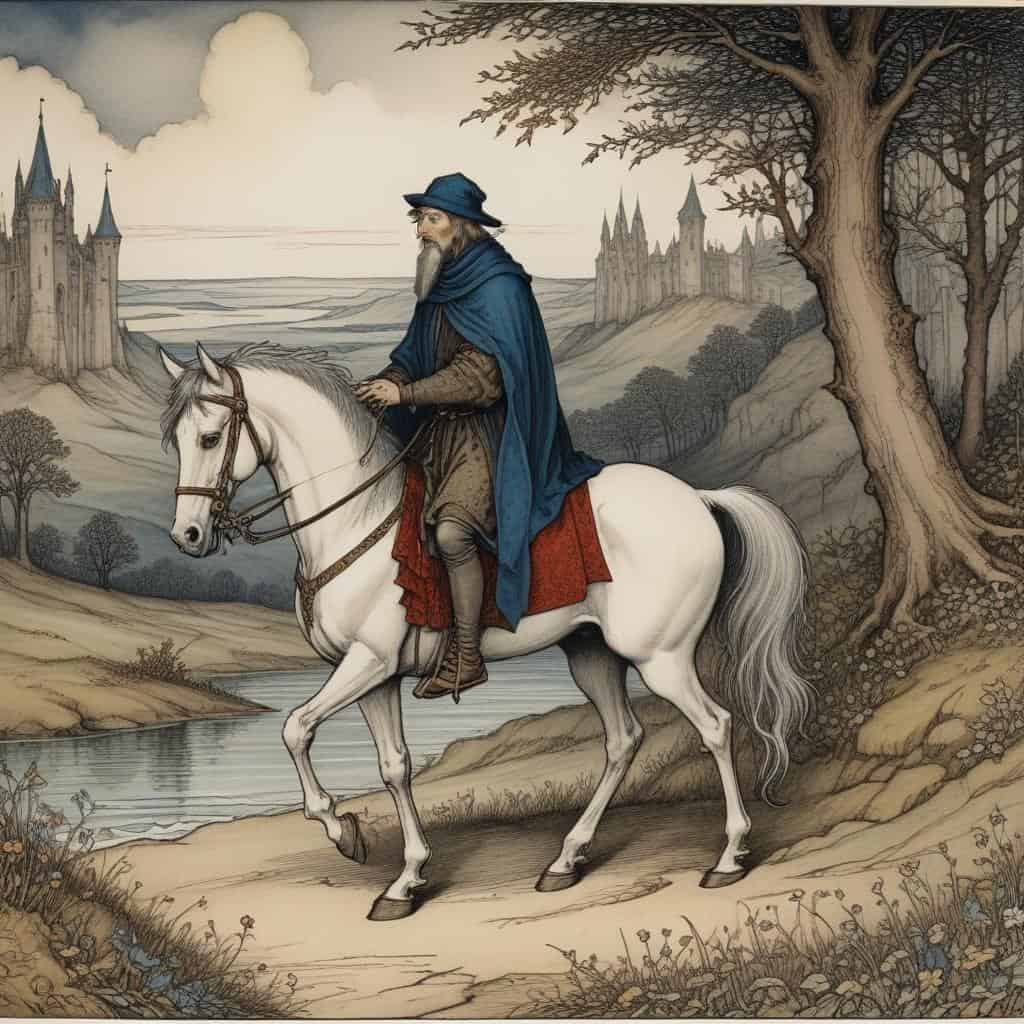
Introduction

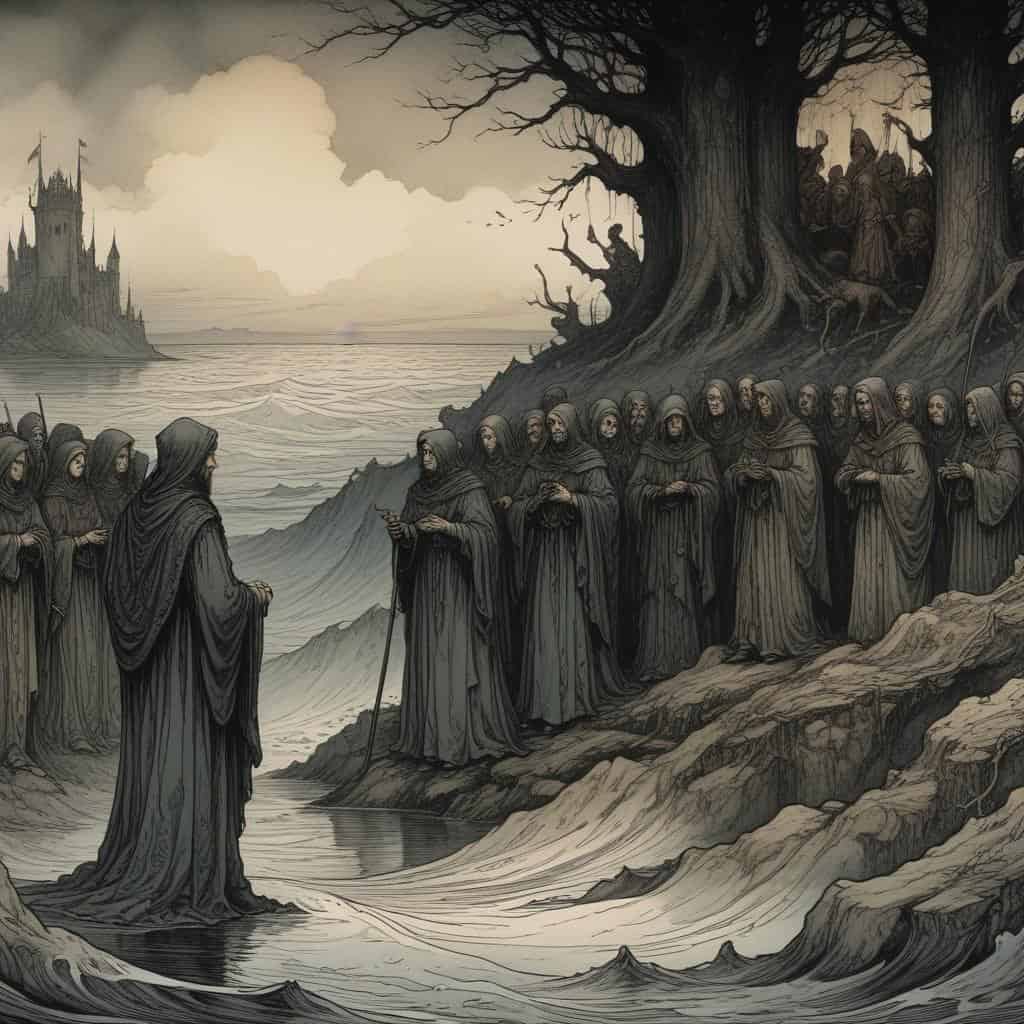

Fortune

The Speaker

Pity
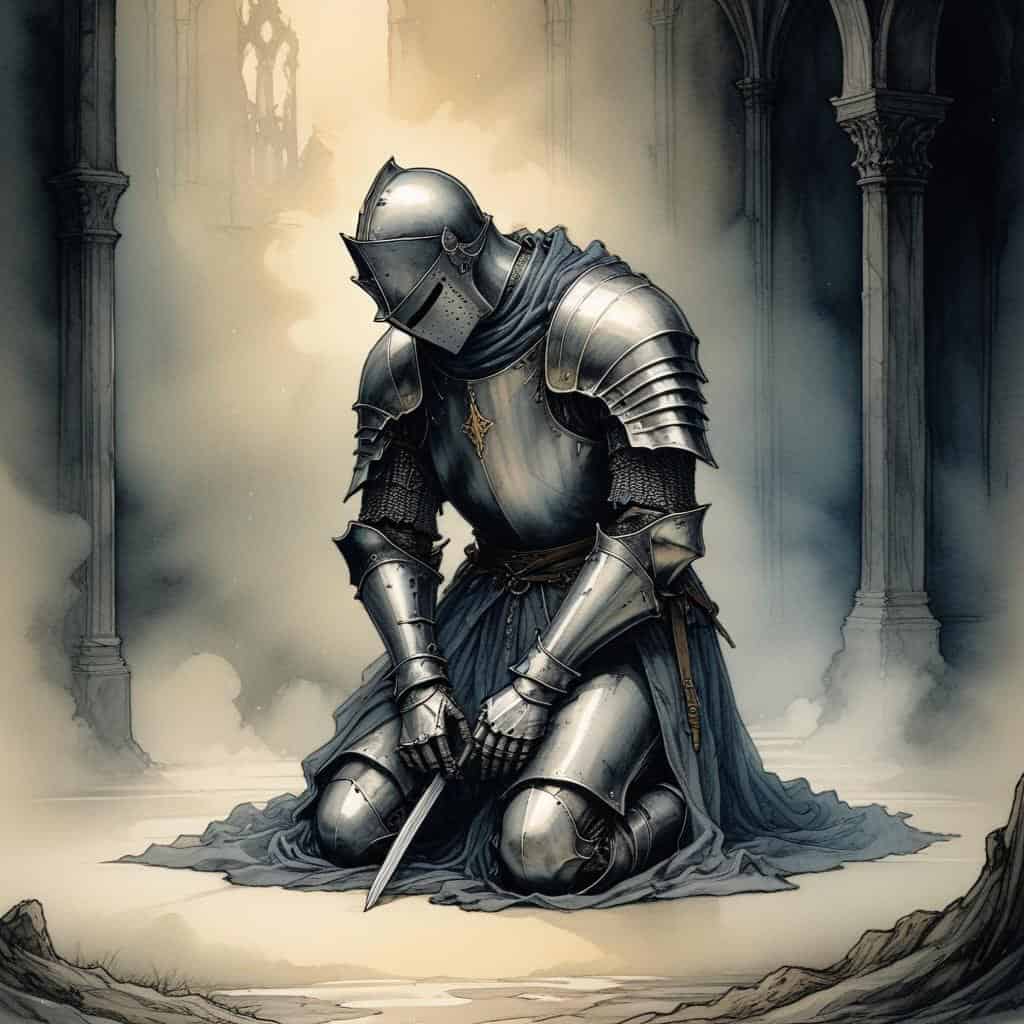
1. A Knight’s Lament
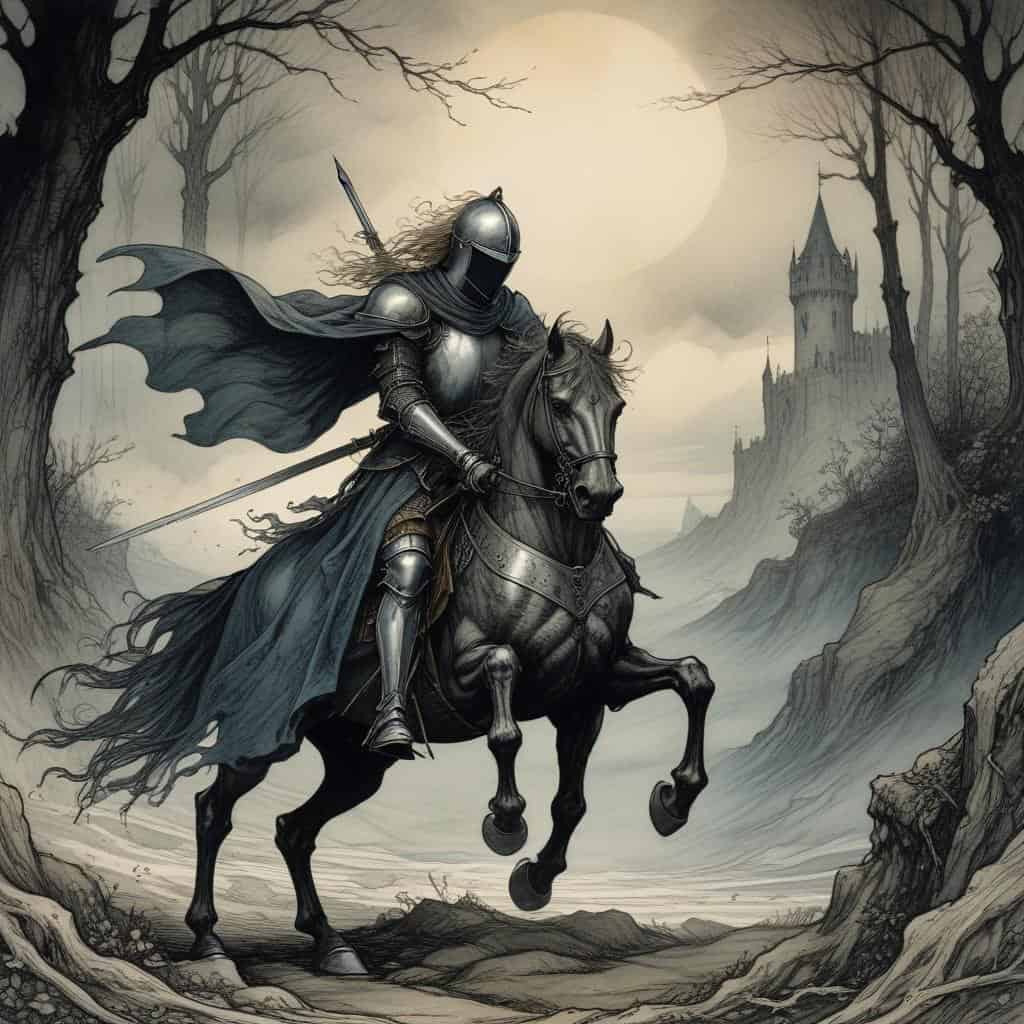
2. The Knight’s Encounter with Pity
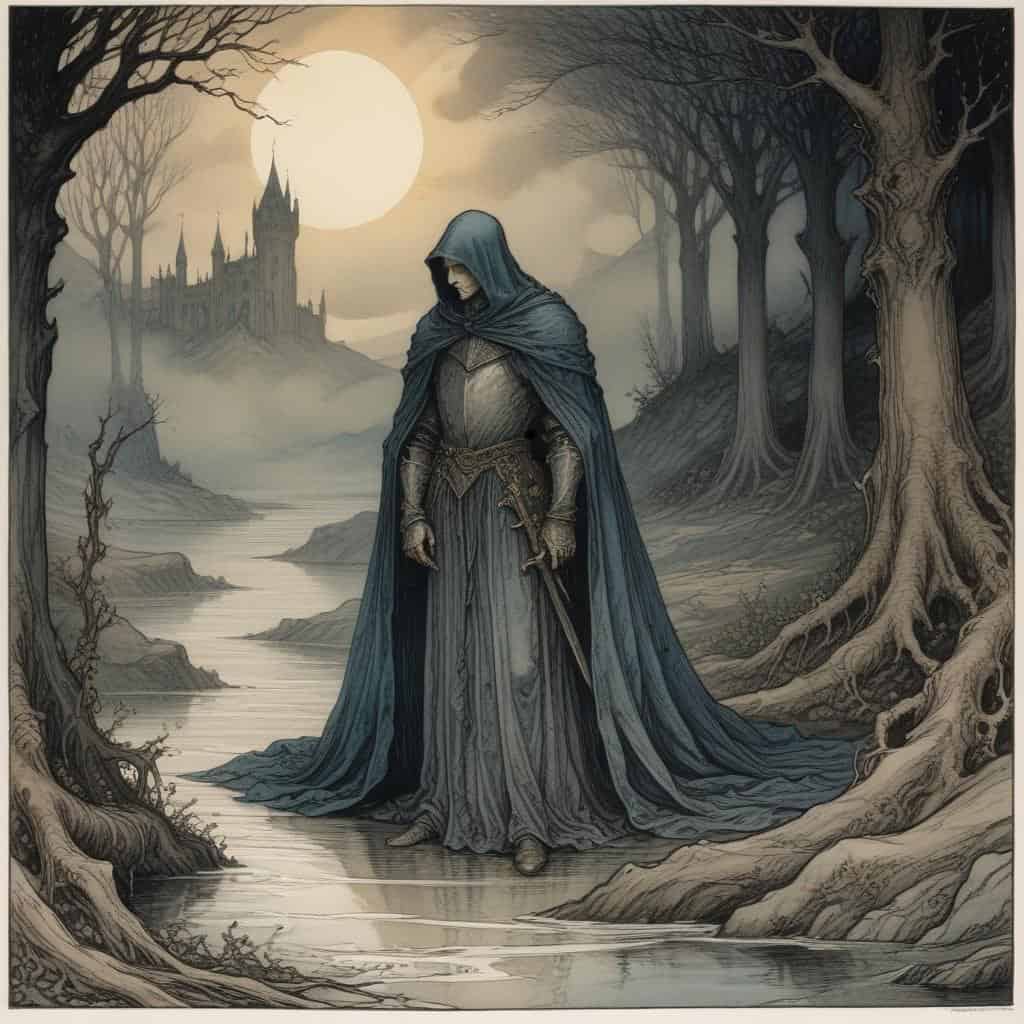
3. Pity’s Response
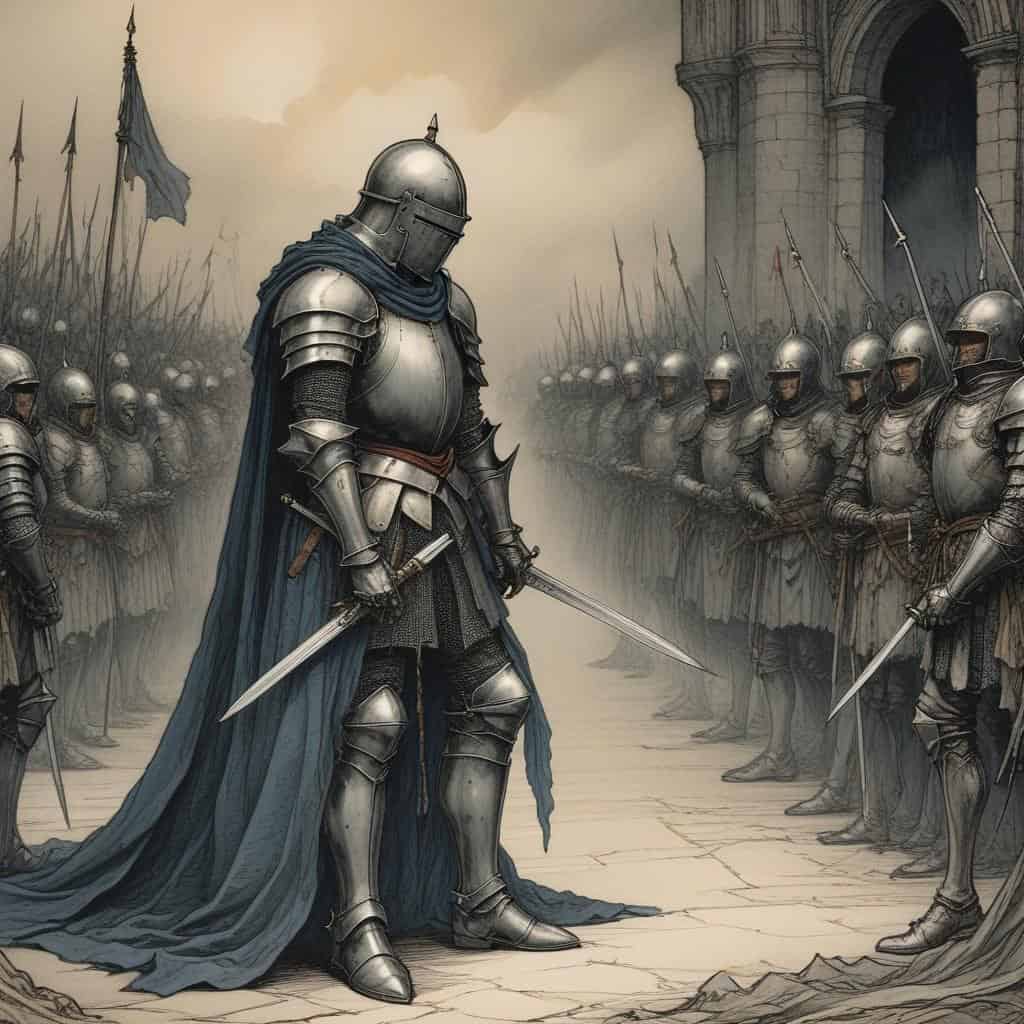
4. The Knight’s Plea for Mercy
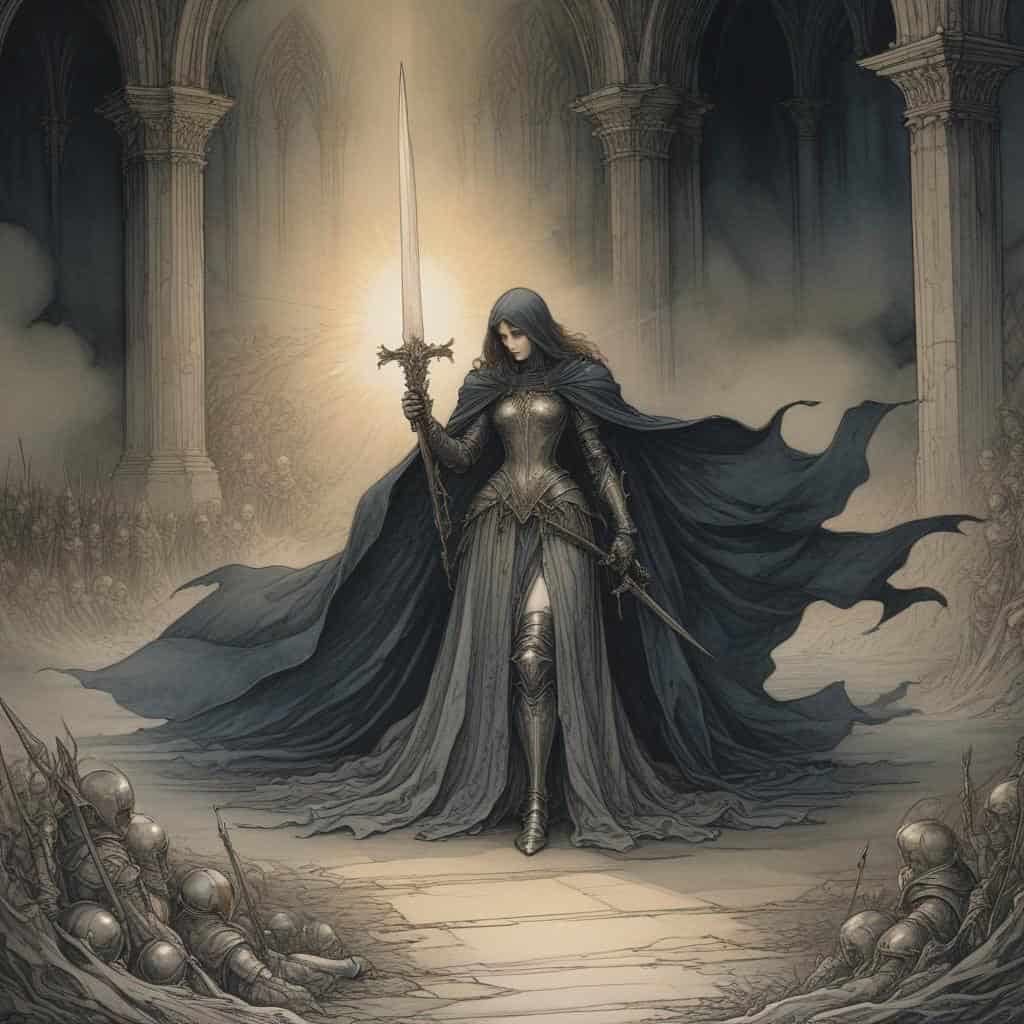
5. Pity’s Final Judgment

6. The Knight’s Acceptance

7. The Knight’s Transformation
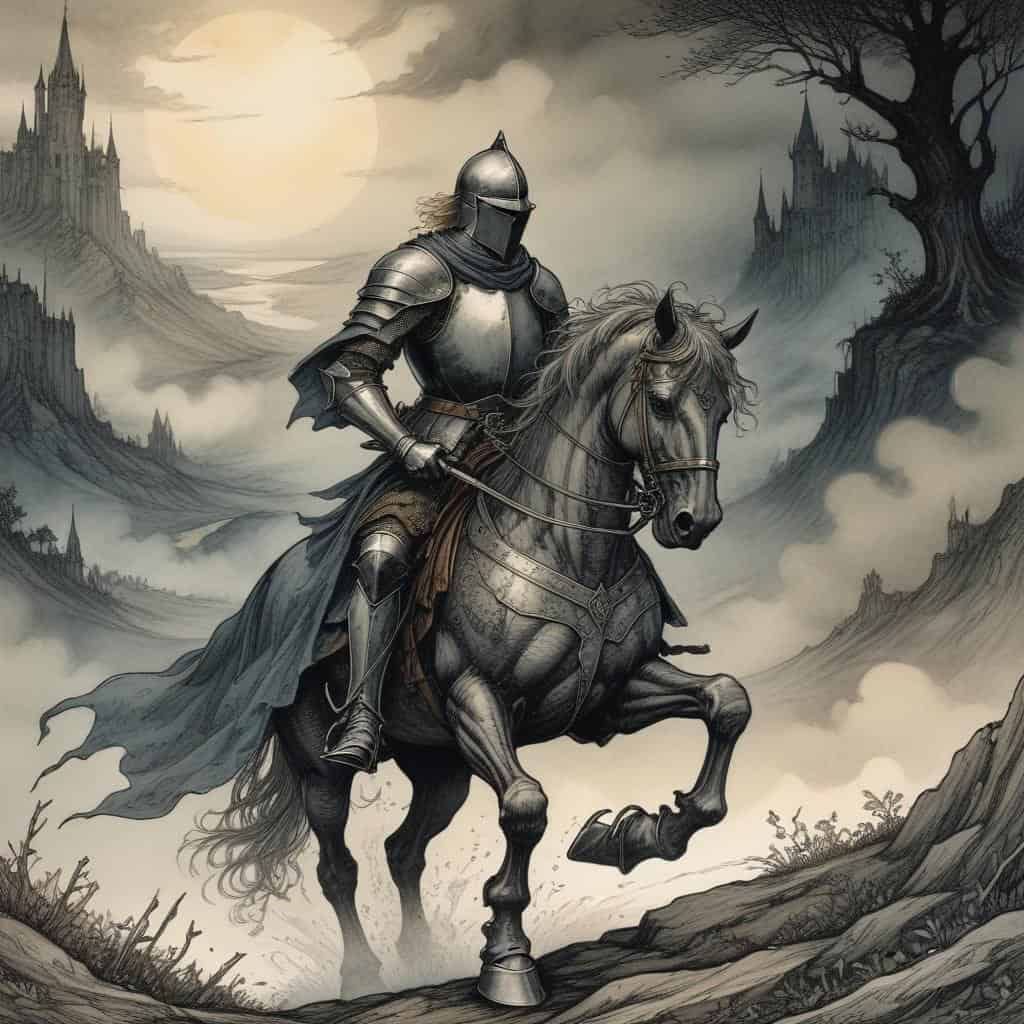
8. The Moral of the Story

9. Lessons Learned
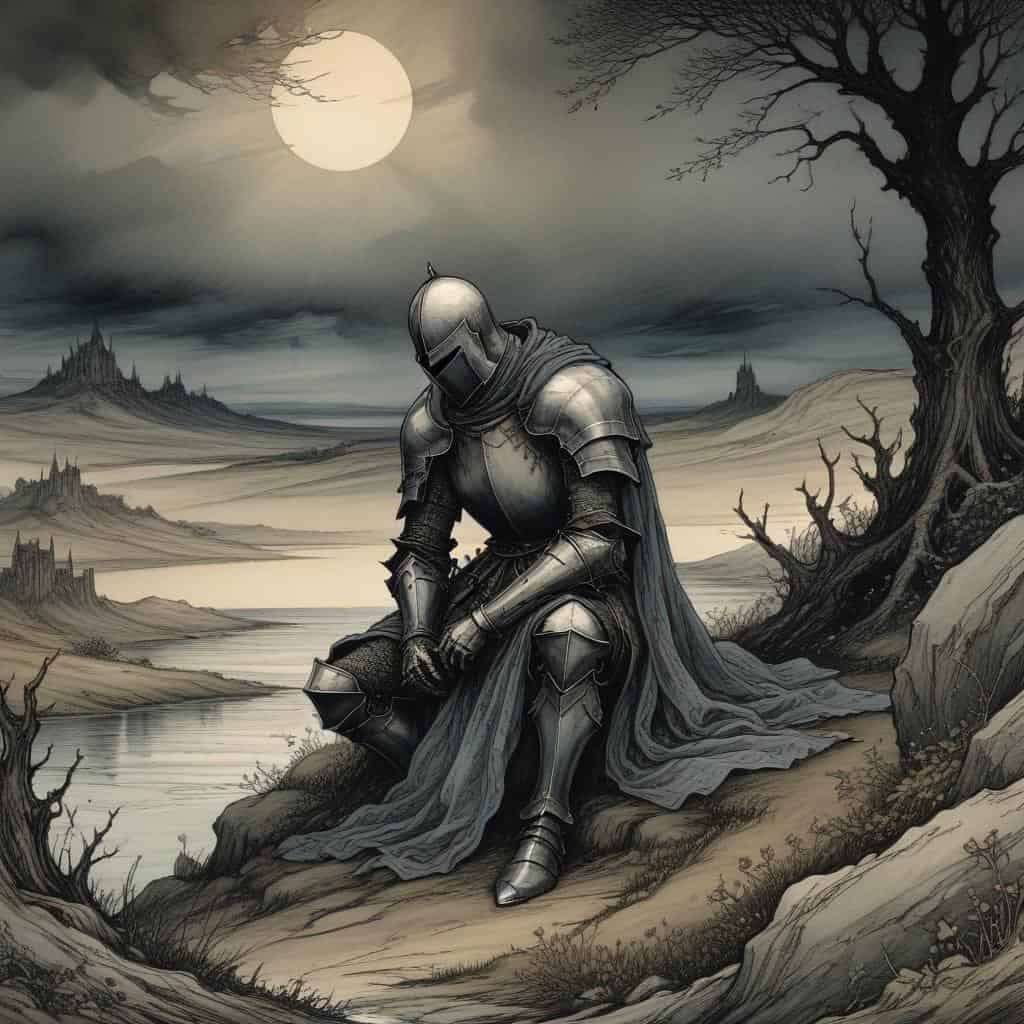
10. Conclusion
Lesson Details & Resources
In a Nutshell
- What: Poem by Chaucer
- When: Medieval period
- Who: The speaker
- Theme: Suffering and injustice
List of Characters in The Complaint unto Pity
-
The narrator
The narrator is the main character who is seeking pity from Pity.
-
Pity
Pity is a personification of the concept of pity, who the narrator appeals to for help.
-
Complaint
Complaint is the title character who is making a complaint to Pity about his misfortunes.
Timeline of The Complaint unto Pity
A man is seen walking alone in a desolate landscape.
The man encounters a beggar and asks for directions.
The beggar tells the man that he is in the Land of Unlikeness, a place where people are unable to feel pity.
The man expresses his desire to feel pity and asks the beggar for guidance.
The beggar advises the man to find the blind man and the cripple.
The man searches for the blind man and the cripple but is unable to find them.
He encounters a woman who claims to be the sister of the blind man and the cripple.
The woman leads the man to a cave where the blind man and the cripple are living.
The man enters the cave and finds the blind man and the cripple.
He asks them to teach him how to feel pity.
The blind man and the cripple refuse to teach the man, claiming that pity is a burden and brings suffering.
The man returns to the beggar and expresses his frustration at not being able to learn pity.
The beggar reveals that he is actually the blind man and the cripple, and they were testing the man's sincerity.
The blind man and the cripple agree to teach the man how to feel pity.
The man begins his journey to learn how to feel pity.
Vocabulary List
- Complaint
- The title of the poem, referring to the speaker's lament or plea for pity.
- Piteous
- Describing the speaker's circumstances or situation in a way that evokes sympathy.
- Woe
- Expressing the speaker's deep sorrow or distress.
- Lament
- The act of expressing grief or sorrow, often in a poetic form.
- Despair
- The feeling of hopelessness or resignation in the face of adversity.
- Mournful
- Describing the tone or mood of the poem, characterized by sadness or grief.
- Melancholy
- A feeling of deep sadness or gloom, often reflected in the speaker's words.
- Pathos
- The quality of evoking pity or sympathy in the reader or listener.
- Bemoan
- To express sorrow or regret over something, as the speaker does in the poem.
- Bitterness
- The speaker's sense of resentment or anger towards their situation.
- Lamentation
- A formal expression of grief or sorrow, often in a poetic or musical form.
- Sorrowful
- Describing the speaker's emotional state, marked by sadness or grief.
Key Facts
This is the information used in the fact matching game
- - The Complaint unto Pity is a poem written by Geoffrey Chaucer.
- - It is also known as "A Complaint unto Pity" or "A Complaint to His Lady."
- - Chaucer is considered one of the greatest English poets of the Middle Ages.
- - The poem was likely written in the late 14th century.
- - Chaucer is best known for his work "The Canterbury Tales."
- - "The Complaint unto Pity" is a love poem.
- - It explores themes of unrequited love and the pain it causes.
- - The speaker of the poem addresses his complaints to a lady.
- - The lady is portrayed as unresponsive and uninterested in the speaker's love.
- - The poem employs various poetic devices such as metaphors, similes, and personification.
- - Chaucer often used courtly love conventions in his poetry, which are evident in this poem.
- - The poem follows a lamentation structure, expressing the speaker's sorrow and longing.
- - It reflects the conventions of medieval love poetry, which often idealized the beloved.
- - The speaker compares his love to other famous mythological and historical figures who suffered for their love.
- - Chaucer's language in the poem is rich and lyrical, showcasing his mastery of poetry.
- - The Complaint unto Pity is written in Middle English, the language of the time.
- - Chaucer's poetry had a significant influence on later English literature.
- - The poem is an example of Chaucer's skill in creating emotional depth and vivid imagery.
- - It showcases the themes of desire, despair, and the power of love.
- - "The Complaint unto Pity" remains an important piece of medieval English poetry.
Analysis & Significance
Impact on Literature
‘The Complaint unto Pity’ by Anne Finch is a significant work that showcases the power of poetry to convey deep emotions and personal struggles. Its use of intricate language and vivid imagery set a new standard for lyrical poetry, inspiring future poets to explore complex themes through their writing.
Enduring Themes
The themes of love, loss, and longing explored in ‘The Complaint unto Pity’ are timeless and still resonate with modern audiences today. Finch’s exploration of human emotions and vulnerabilities continues to captivate readers, offering a poignant reflection on the complexities of the human experience.
Cultural Significance Today
‘The Complaint unto Pity’ remains a celebrated work in literary circles, with its legacy preserved through various adaptations and analyses. Its influence can be seen in contemporary poetry and serves as a reminder of the enduring power of personal expression through the written word.
The Complaint unto Pity Games


Take Your Learning Offline
Want a convenient, print-ready study guide for this lesson? Become a Memory Wizards Pro member to unlock the downloadable " Memory Scrolls" for this topic and our entire library!
- ✓ Complete Vocabulary Lists
- ✓ Key Facts & Timelines
- ✓ Beautifully Formatted for Print & Mobile