
How Do You Learn Best?
Learn by Reading
Immerse yourself in the 10-minute visual lesson for a comprehensive understanding of the topic.
Learn by Reviewing
Jump directly to the key facts, timeline, and vocabulary lists to build a solid foundation of details.
Learn by Doing
Challenge yourself! Jump straight into the interactive games to learn by trial, error, and discovery.
The Complaint of Venus in 10 Minutes

Introduction
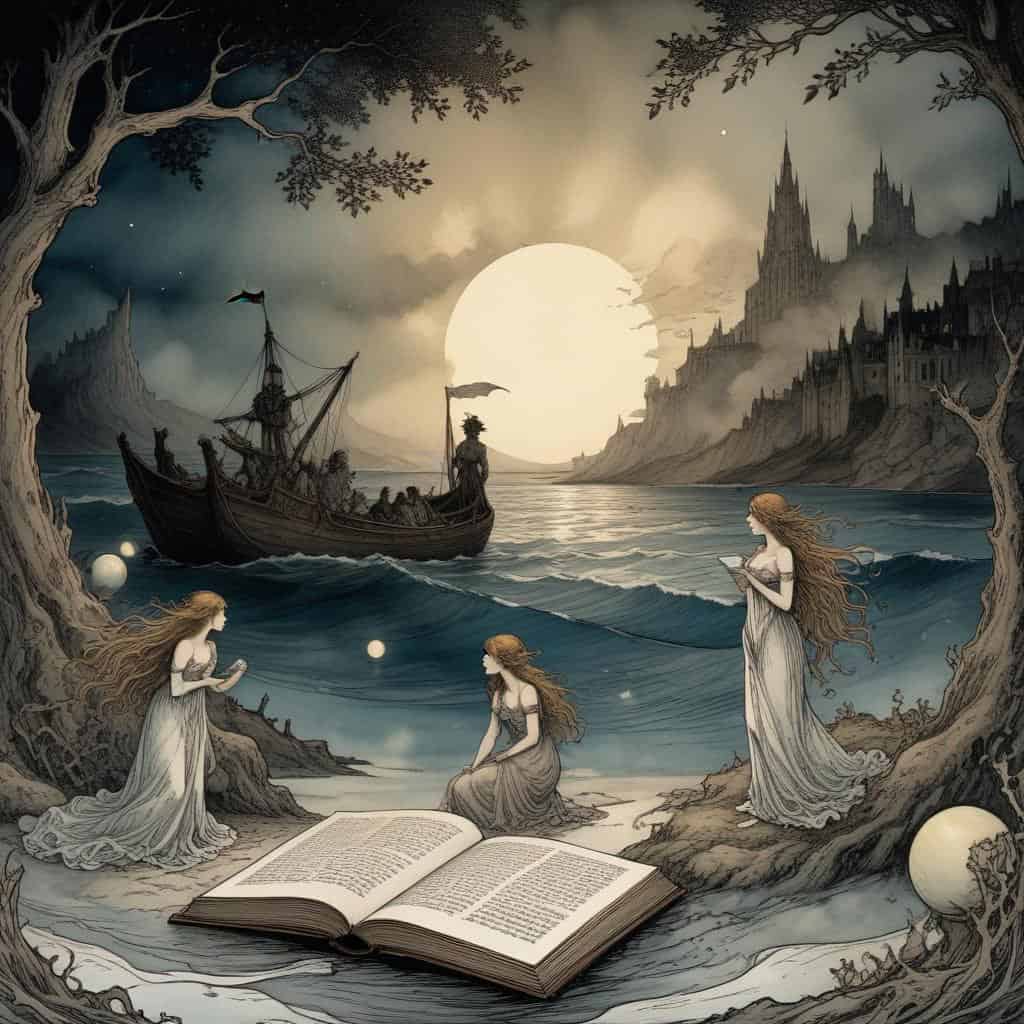
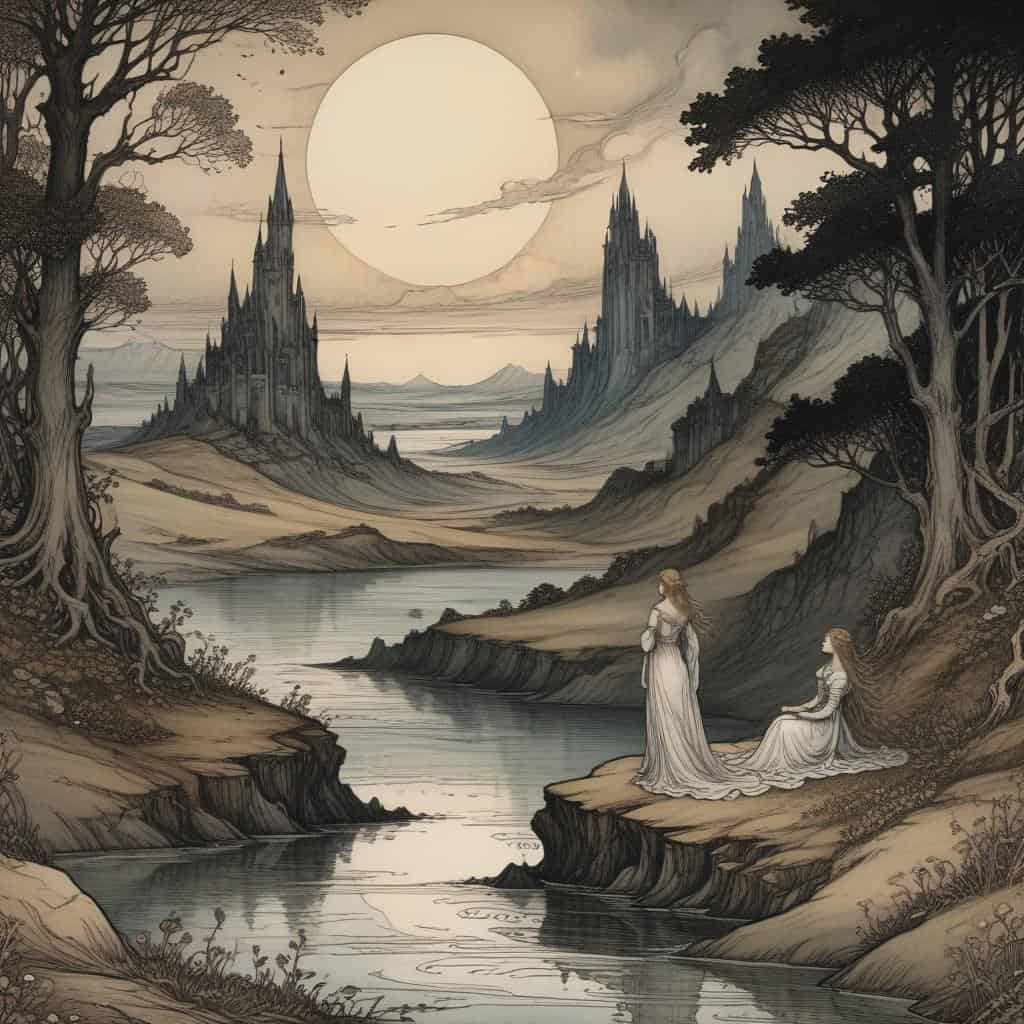

Venus

Cupid

Mars

Juno
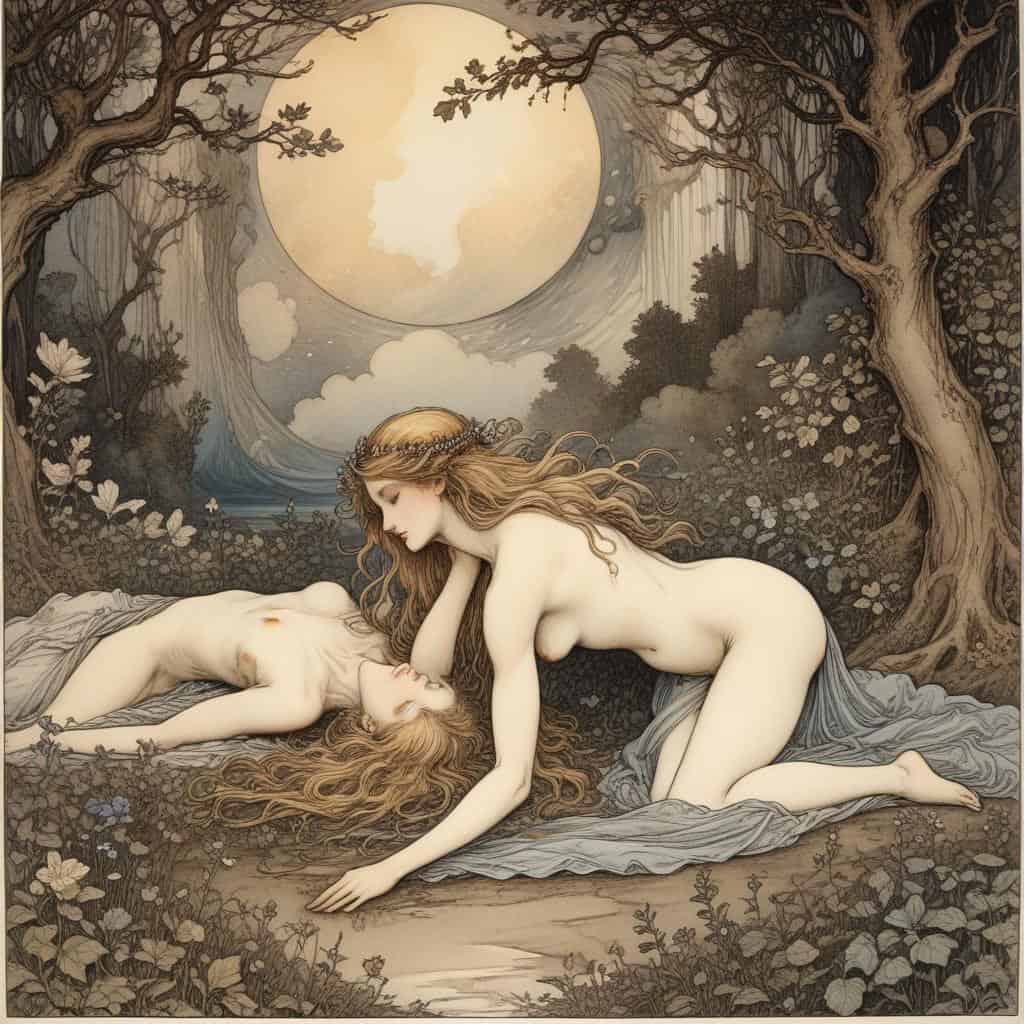
The Complaint of Venus
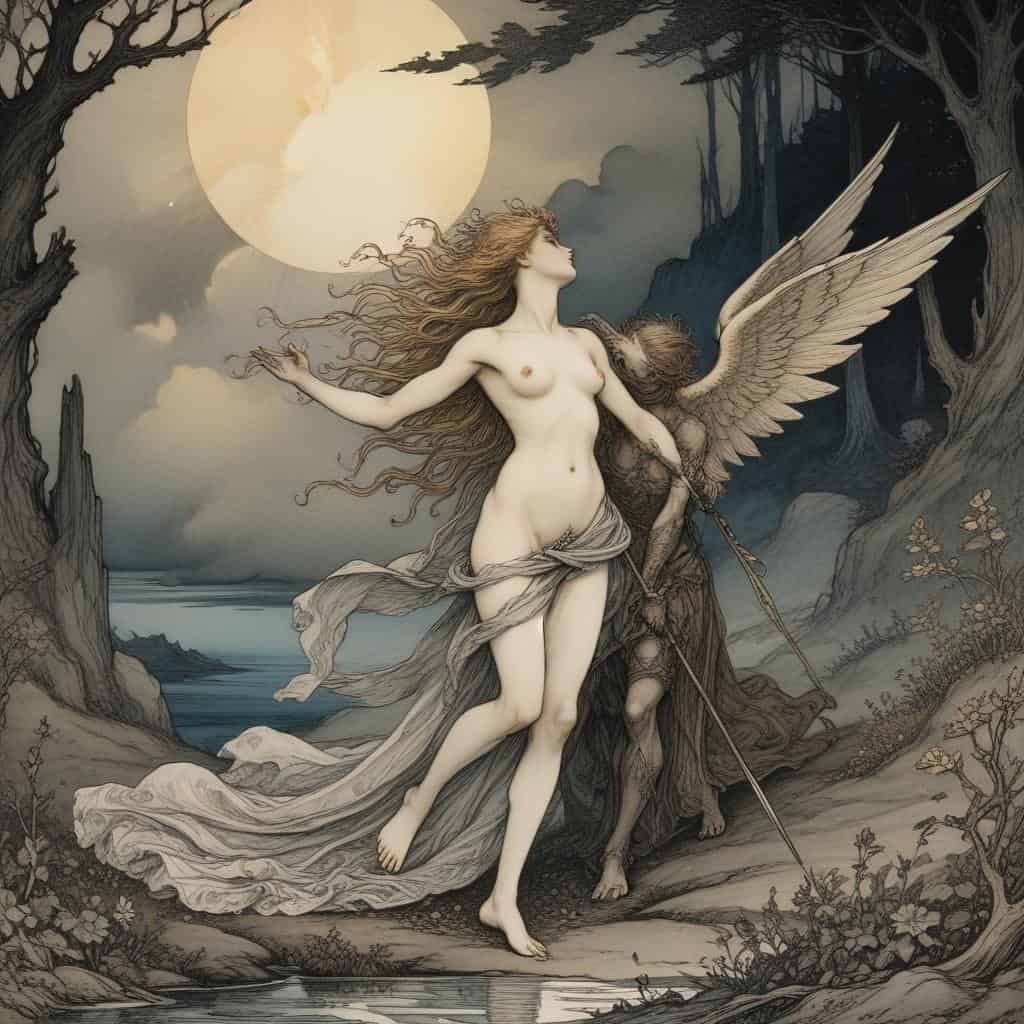
Venus Pleads with Adonis
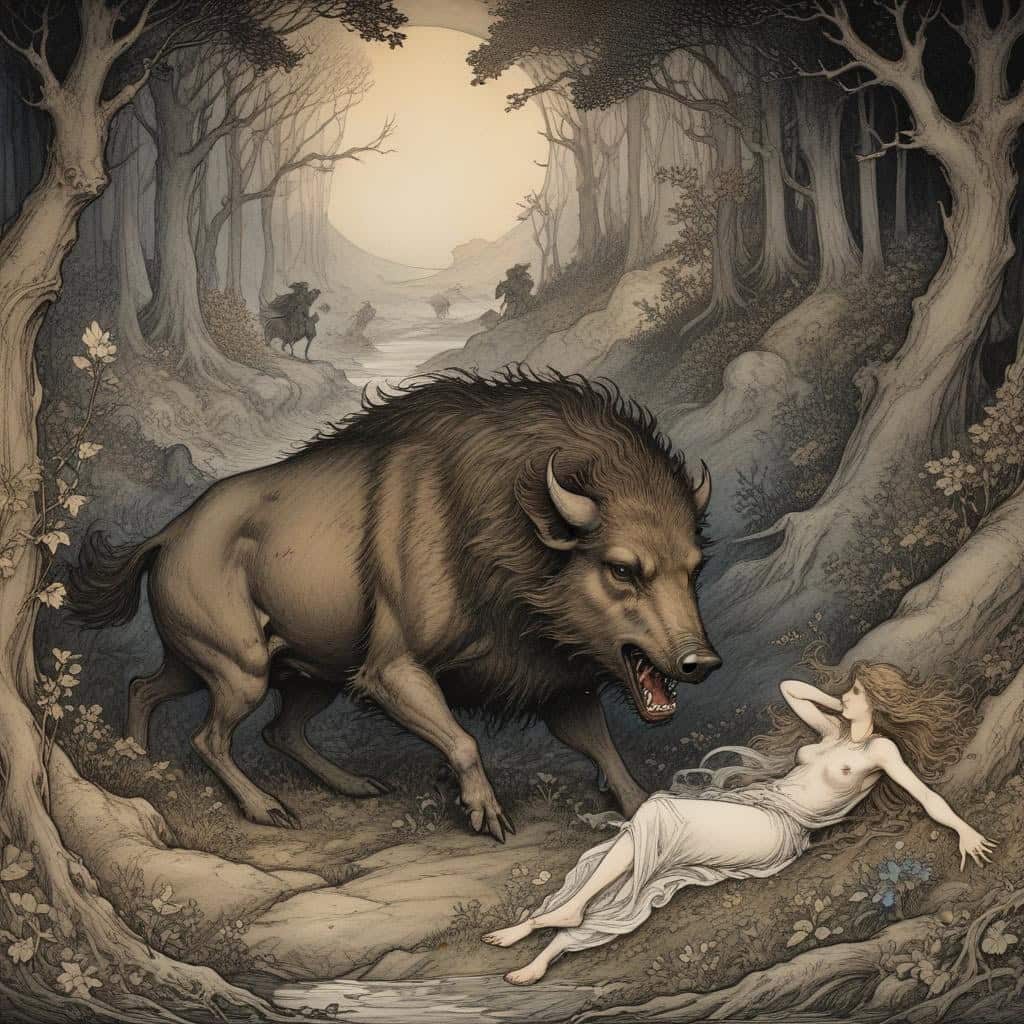
The Tragic Hunt
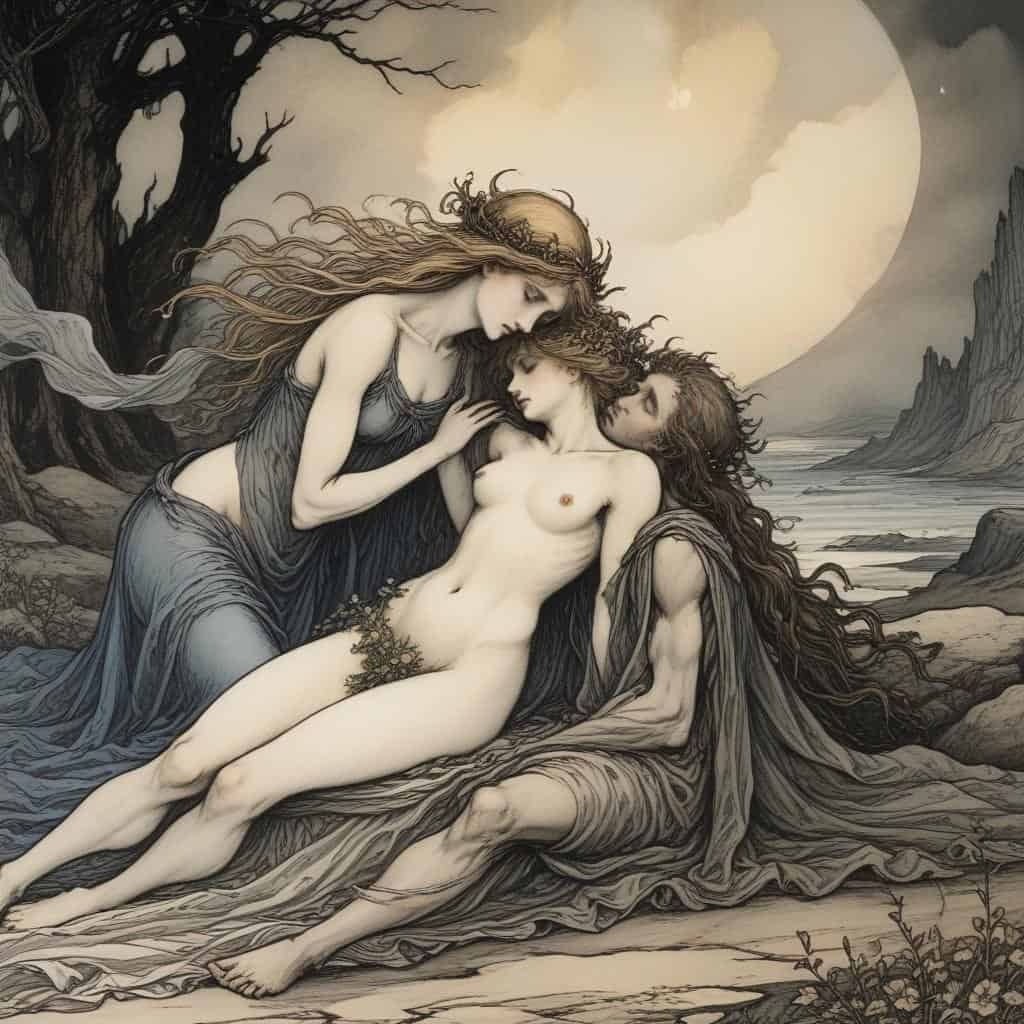
Venuss Grief
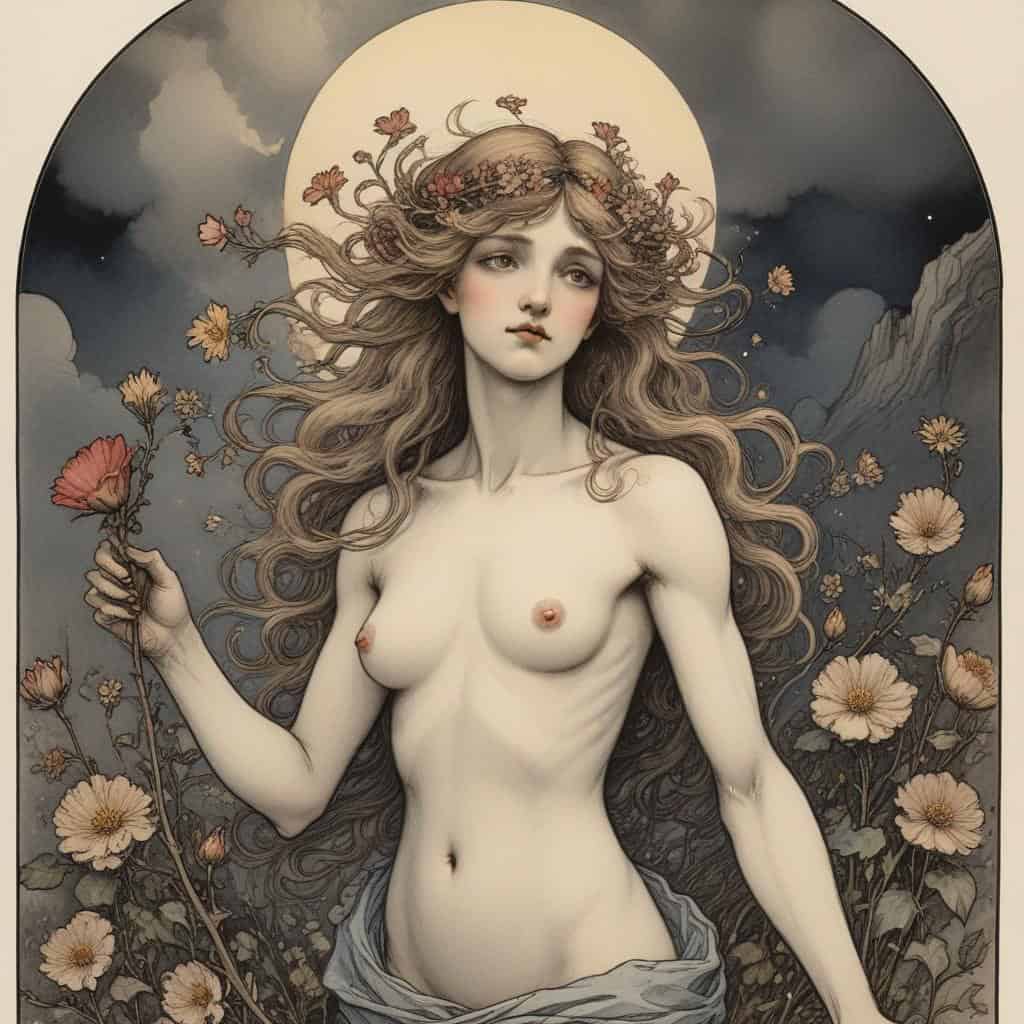
The Transformation of Adonis
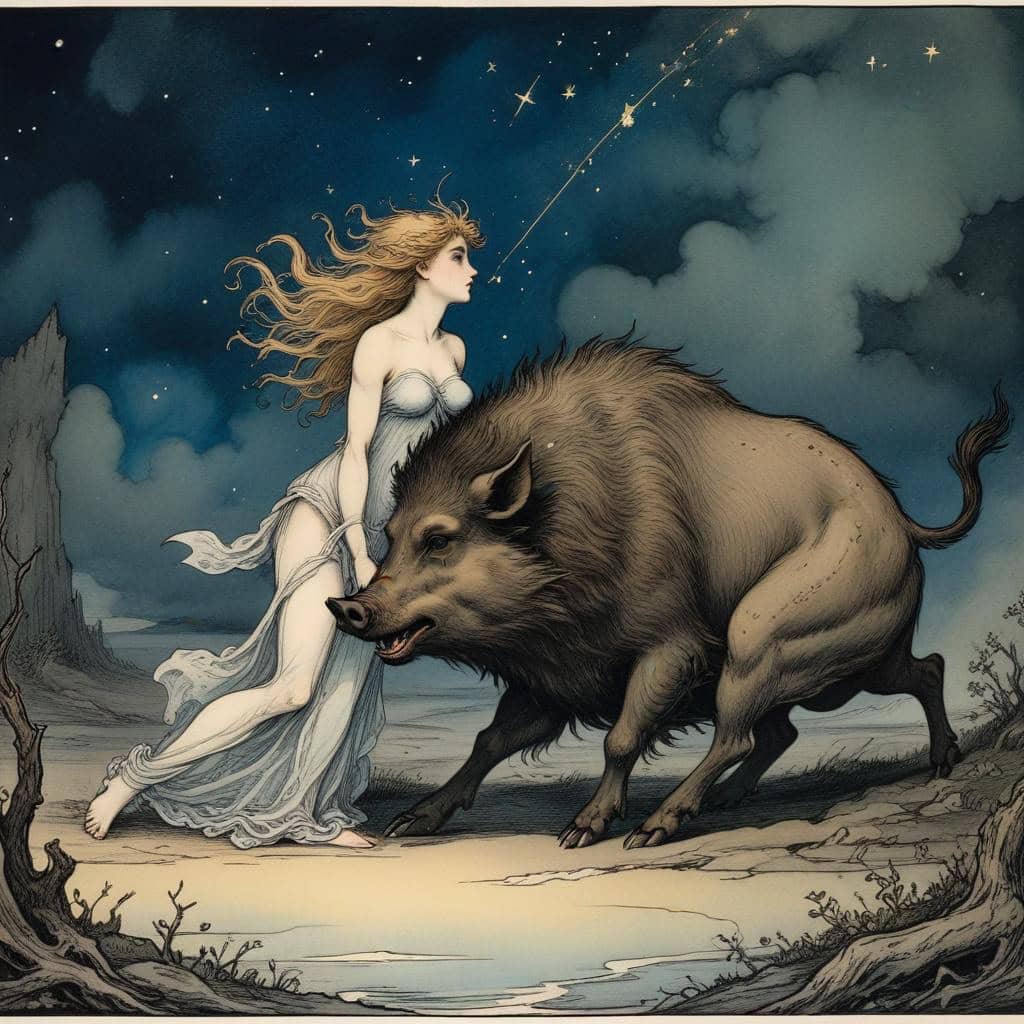
Venuss Curse
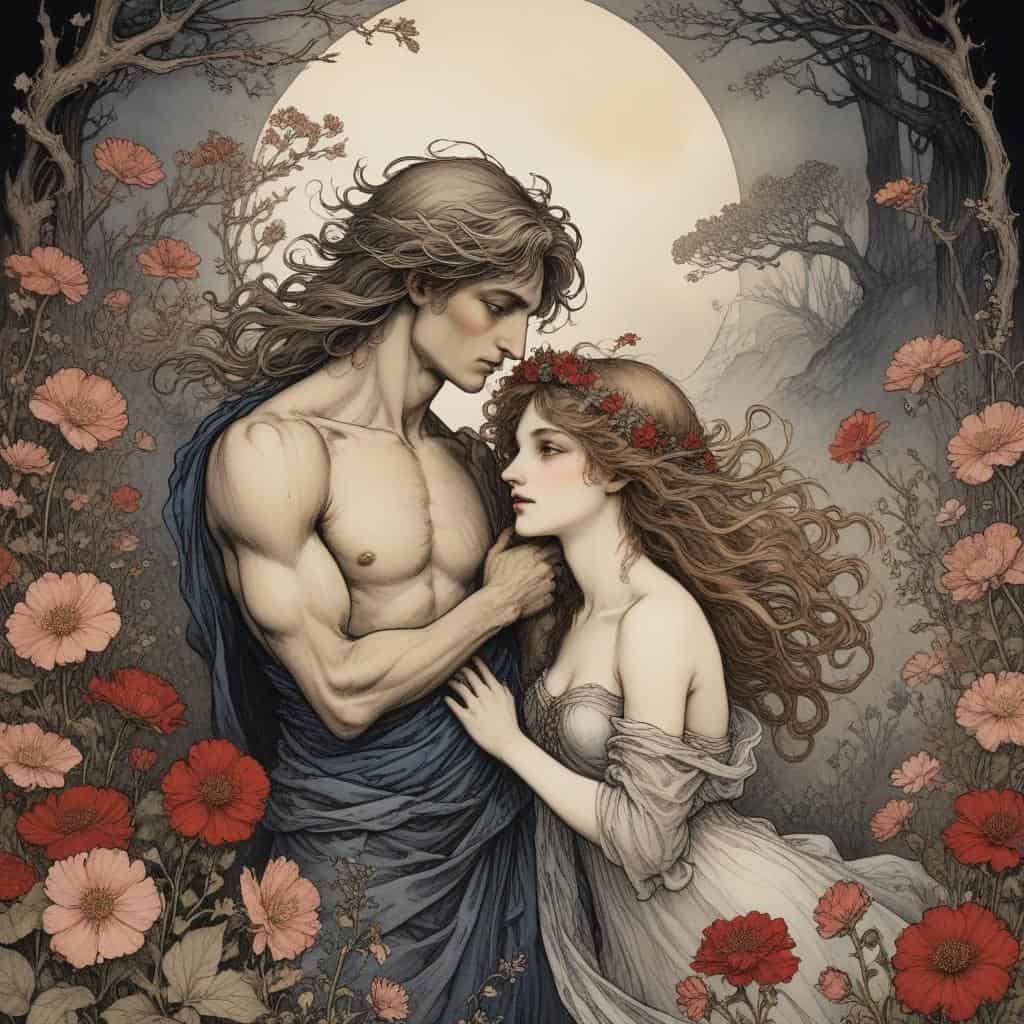
The Legacy of Adonis
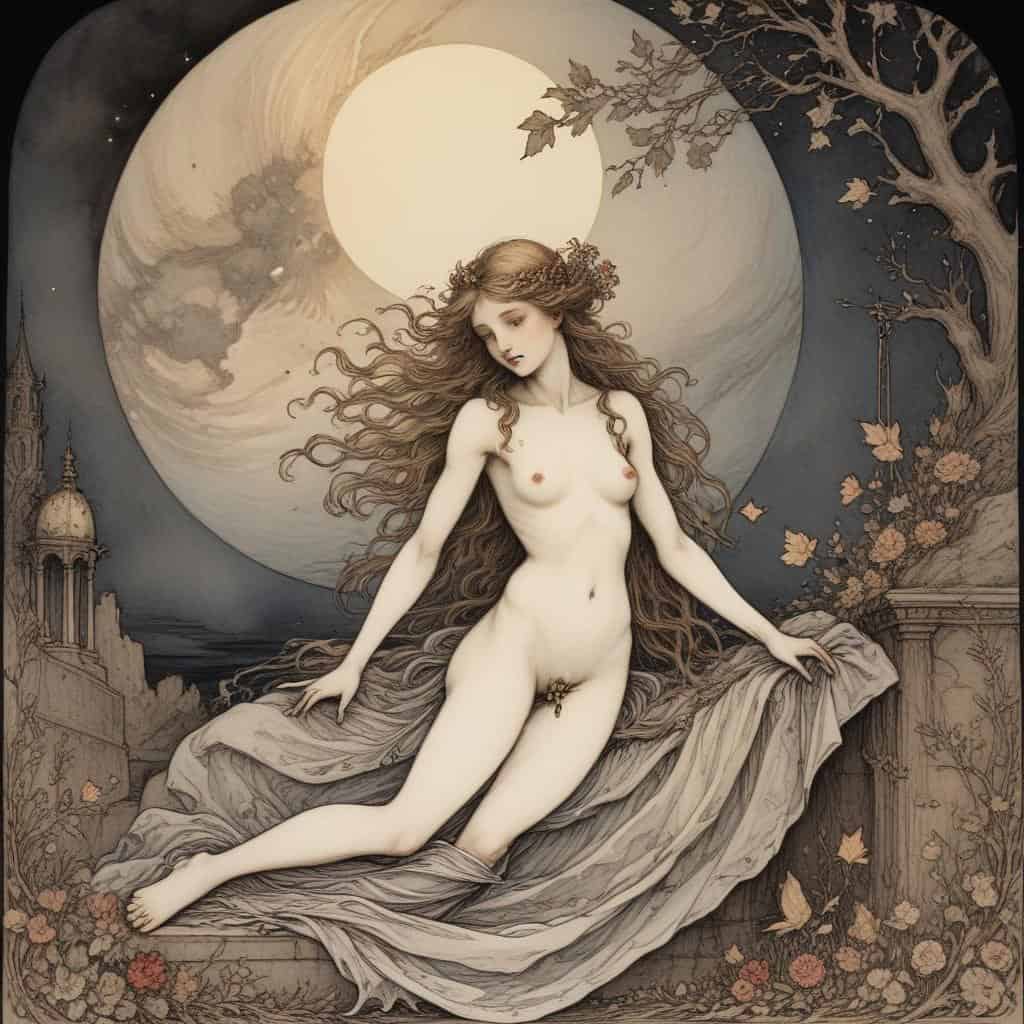
Venuss Eternal Love
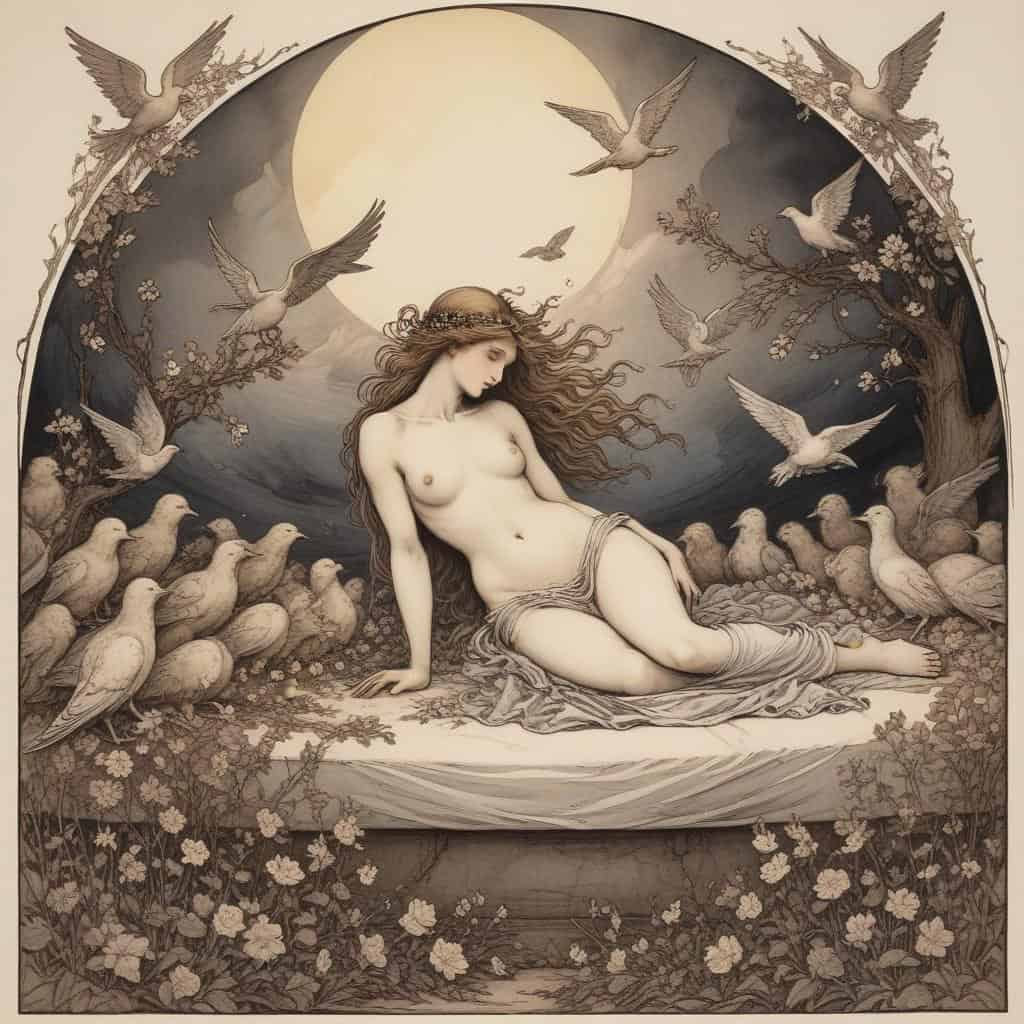
The Moral of the Story
Lesson Details & Resources
In a Nutshell
- What: Poem by Geoffrey Chaucer
- When: Medieval period
- Who: Venus
- Theme: Love, desire, and the power of women
List of Characters in The Complaint of Venus
-
Venus
Venus is the goddess of love and beauty, who seeks help from Jupiter in The Complaint of Venus.
-
Mars
Mars is the god of war and Venus's lover, who is caught cheating on her with another woman.
-
The narrator
The narrator is a poet who tells the story of Venus's complaint to Jupiter.
-
Cupid
Cupid is Venus's son and the god of desire, who helps his mother in her quest for justice.
-
Juno
Juno is the queen of the gods and Jupiter's wife, who tries to mediate between Venus and Mars.
-
Jupiter
Jupiter is the king of the gods, who ultimately decides the fate of Venus and Mars in the story.
Timeline of The Complaint of Venus
Venus complains about her love life to her son, Cupid.
Cupid mocks Venus and tells her to find a new lover.
Venus goes to her father, Jupiter, and complains about Cupid.
Jupiter sends Mercury to bring Cupid to him.
Cupid arrives before Jupiter and defends his actions.
Jupiter scolds Cupid and tells him to make amends with Venus.
Cupid agrees and promises to find a new lover for Venus.
Cupid shoots a golden arrow at the mortal, Adonis, making him irresistible.
Venus falls in love with Adonis and tries to seduce him.
Adonis rejects Venus's advances and goes hunting.
Venus warns Adonis about the dangers of hunting.
Adonis ignores Venus's warning and goes into the woods.
Adonis is killed by a boar.
Venus finds Adonis's lifeless body and mourns his death.
Vocabulary List
- Complaint
- The title of the poem, referring to Venus's lament about Cupid's cruelty.
- Venus
- The Roman goddess of love, beauty, and fertility, who is the speaker in the poem.
- Cupid
- The Roman god of desire, erotic love, and attraction, who is portrayed as cruel in the poem.
- Jovial
- Describing Cupid's behavior towards Venus, who is jovial and playful.
- Marred
- Describing Venus's beauty as marred by Cupid's arrows.
- Wail
- Venus wails and laments over Cupid's treatment of her.
- Piteous
- Describing the pitiful situation of Venus as she begs Cupid for mercy.
- Plaintive
- Venus's tone is plaintive as she addresses Cupid in her complaint.
- Languish
- Venus languishes in pain and sorrow as a result of Cupid's actions.
- Reproach
- Venus reproaches Cupid for his cruel behavior towards her.
Key Facts
This is the information used in the fact matching game
- - The Complaint of Venus is a poem written by Geoffrey Chaucer.
- - It is part of a larger work called The Legend of Good Women.
- - The poem was written in Middle English during the late 14th century.
- - The Complaint of Venus is a narrative poem that follows the story of Venus, the Roman goddess of love.
- - The poem begins with Venus lamenting the unfair treatment she has received from men.
- - Venus shares her grievances with her son Cupid, who is also the god of love.
- - She complains about the fickleness and unfaithfulness of men in love.
- - Venus recounts various mythological stories to highlight the heartbreak caused by men.
- - The poem explores themes of love, desire, betrayal, and the power dynamics between men and women.
- - Chaucer's portrayal of Venus in the poem is influenced by the courtly love tradition of the time.
- - The Complaint of Venus is characterized by its intricate rhyme scheme and poetic devices.
- - The poem is written in the form of a dream vision, where Venus recounts her complaints to Cupid.
- - Chaucer uses vivid imagery to describe the emotions and suffering experienced by Venus.
- - The Complaint of Venus is considered one of Chaucer's earlier works.
- - The poem showcases Chaucer's skill in storytelling and his understanding of human emotions.
- - Chaucer's depiction of Venus in the poem is both sympathetic and critical of her actions.
- - The Complaint of Venus has been widely studied and analyzed by scholars of Chaucer's works.
- - The poem reflects the societal views and attitudes towards love and women during the medieval period.
- - Chaucer's portrayal of Venus as a powerful and vulnerable figure challenges traditional gender roles.
- - The Complaint of Venus continues to be appreciated for its poetic beauty and exploration of love's complexities.
Analysis & Significance
Impact on Literature
‘The Complaint of Venus’ is a significant work in the literary canon as it showcases the power of storytelling through vivid imagery and emotional depth. Its exploration of love, desire, and betrayal has influenced countless writers and poets, shaping the way we understand and interpret these universal themes in literature.
Enduring Themes
The timeless themes of love, jealousy, and heartbreak depicted in ‘The Complaint of Venus’ continue to resonate with modern audiences. The complexities of human emotions and relationships explored in the poem are still relevant today, making it a classic piece of literature that continues to captivate readers across generations.
Cultural Significance Today
Despite being centuries old, ‘The Complaint of Venus’ remains culturally significant today, with various adaptations in music, art, and literature. Its influence can be seen in popular culture, from references in contemporary novels to reinterpretations in modern media. The enduring legacy of this work speaks to its continued relevance and impact on our cultural landscape.
The Complaint of Venus Games


Take Your Learning Offline
Want a convenient, print-ready study guide for this lesson? Become a Memory Wizards Pro member to unlock the downloadable " Memory Scrolls" for this topic and our entire library!
- ✓ Complete Vocabulary Lists
- ✓ Key Facts & Timelines
- ✓ Beautifully Formatted for Print & Mobile