
How Do You Learn Best?
Learn by Reading
Immerse yourself in the 10-minute visual lesson for a comprehensive understanding of the topic.
Learn by Reviewing
Jump directly to the key facts, timeline, and vocabulary lists to build a solid foundation of details.
Learn by Doing
Challenge yourself! Jump straight into the interactive games to learn by trial, error, and discovery.
The Complaint of Mars in 10 Minutes
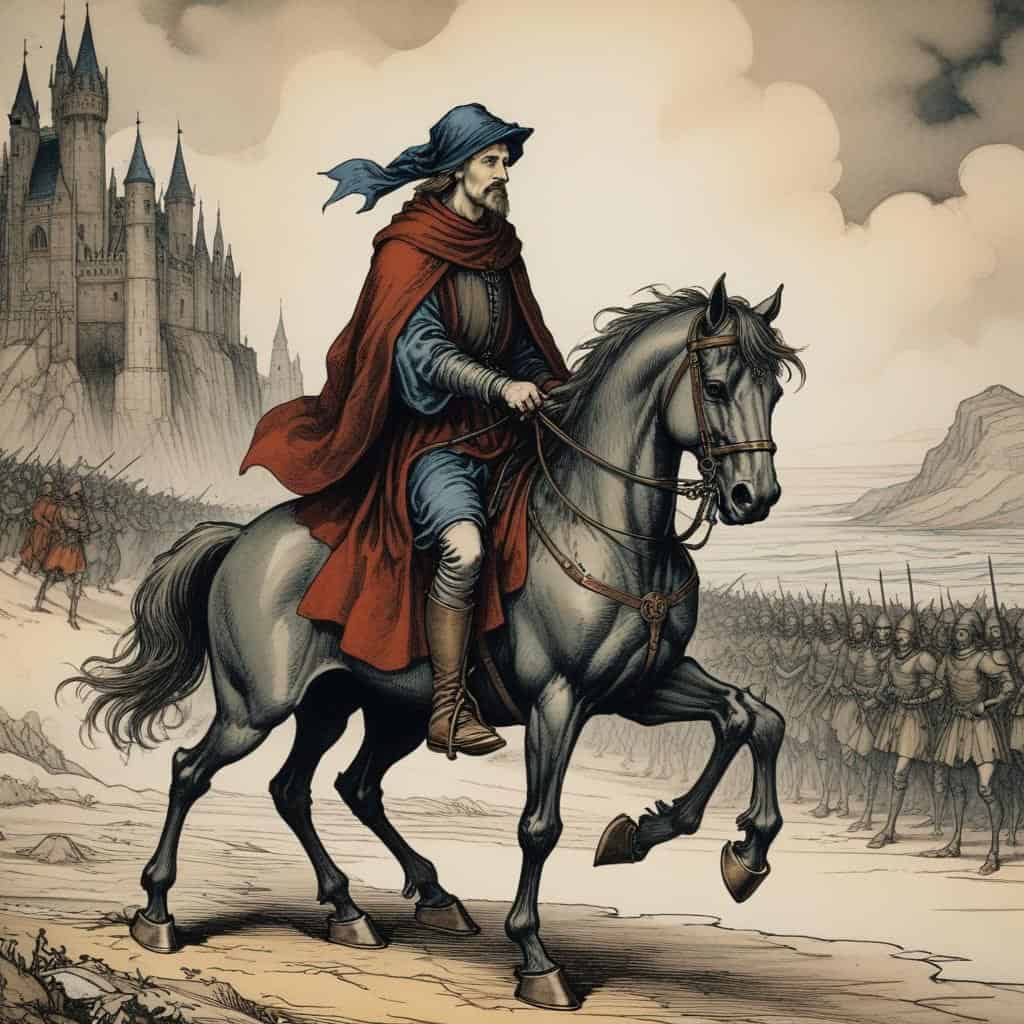
Introduction
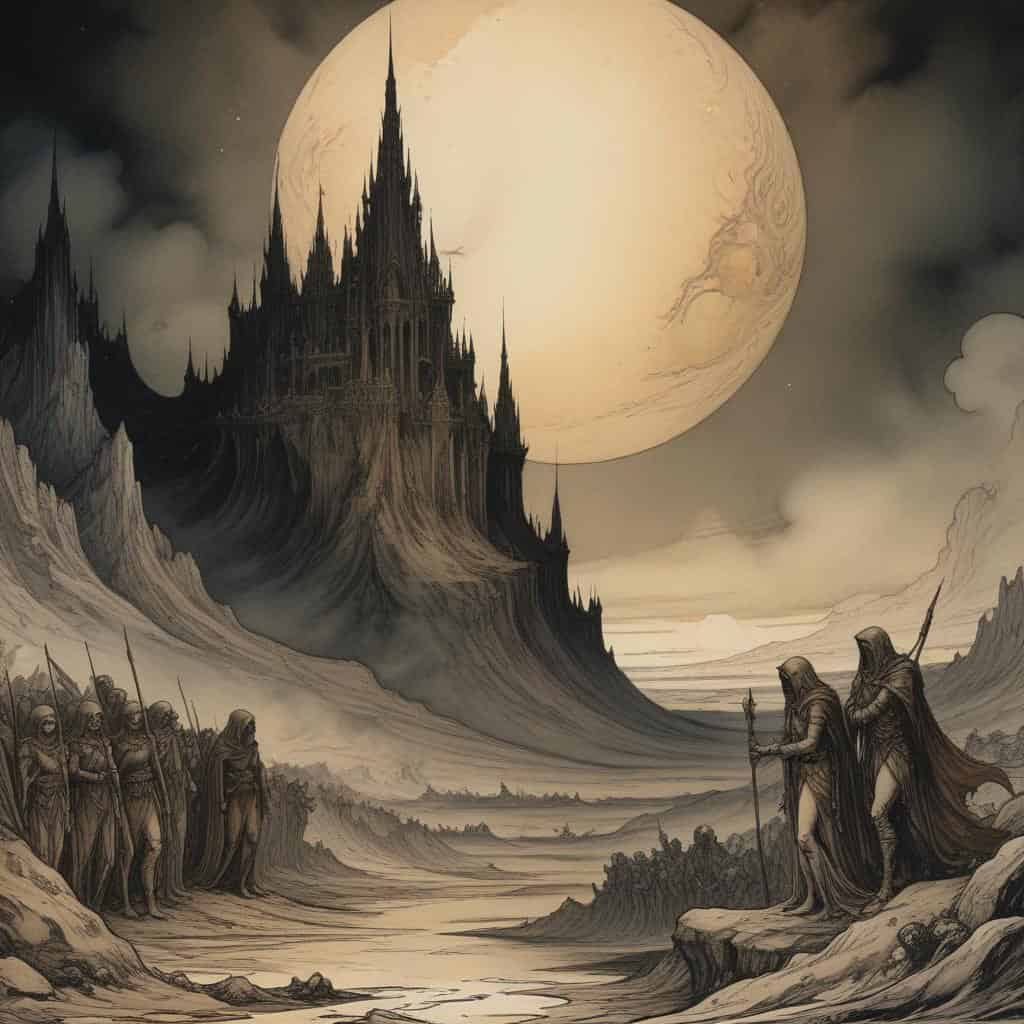
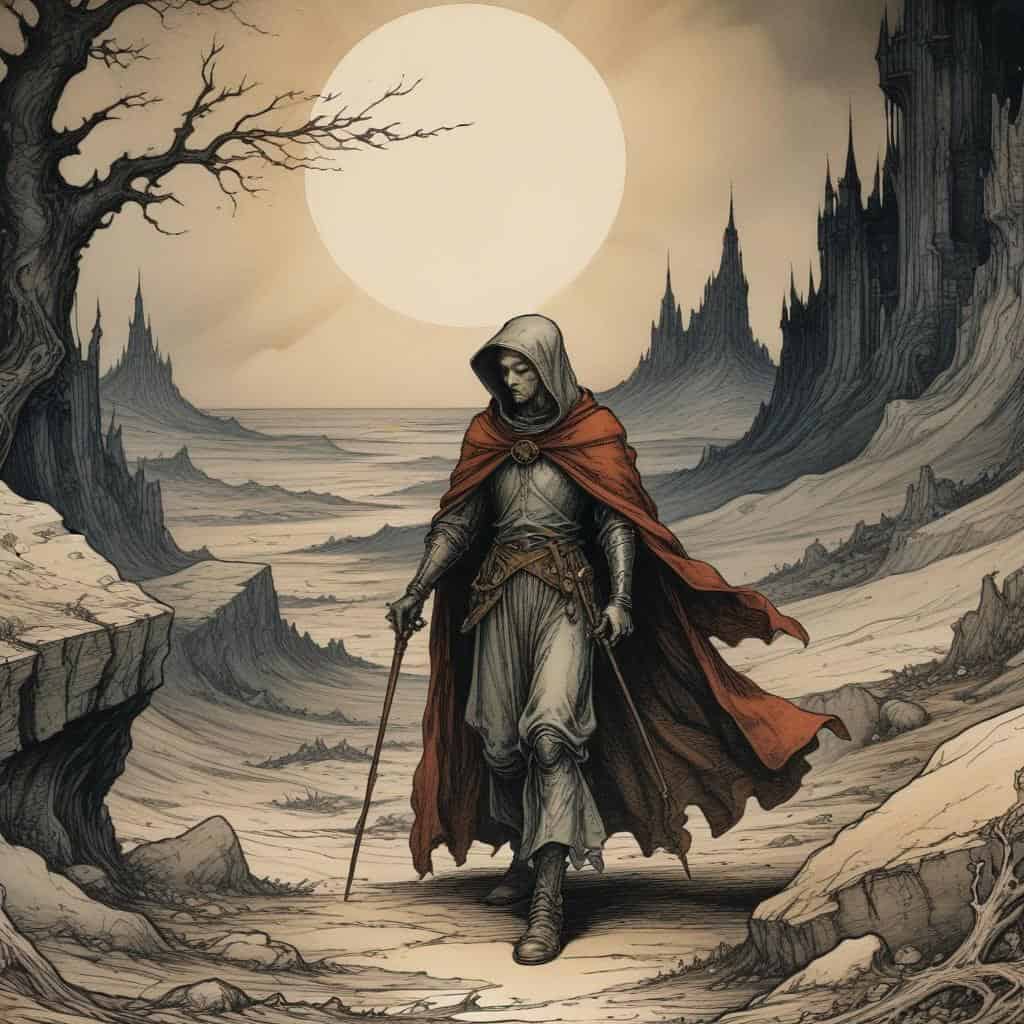

Mars

Venus

Jupiter
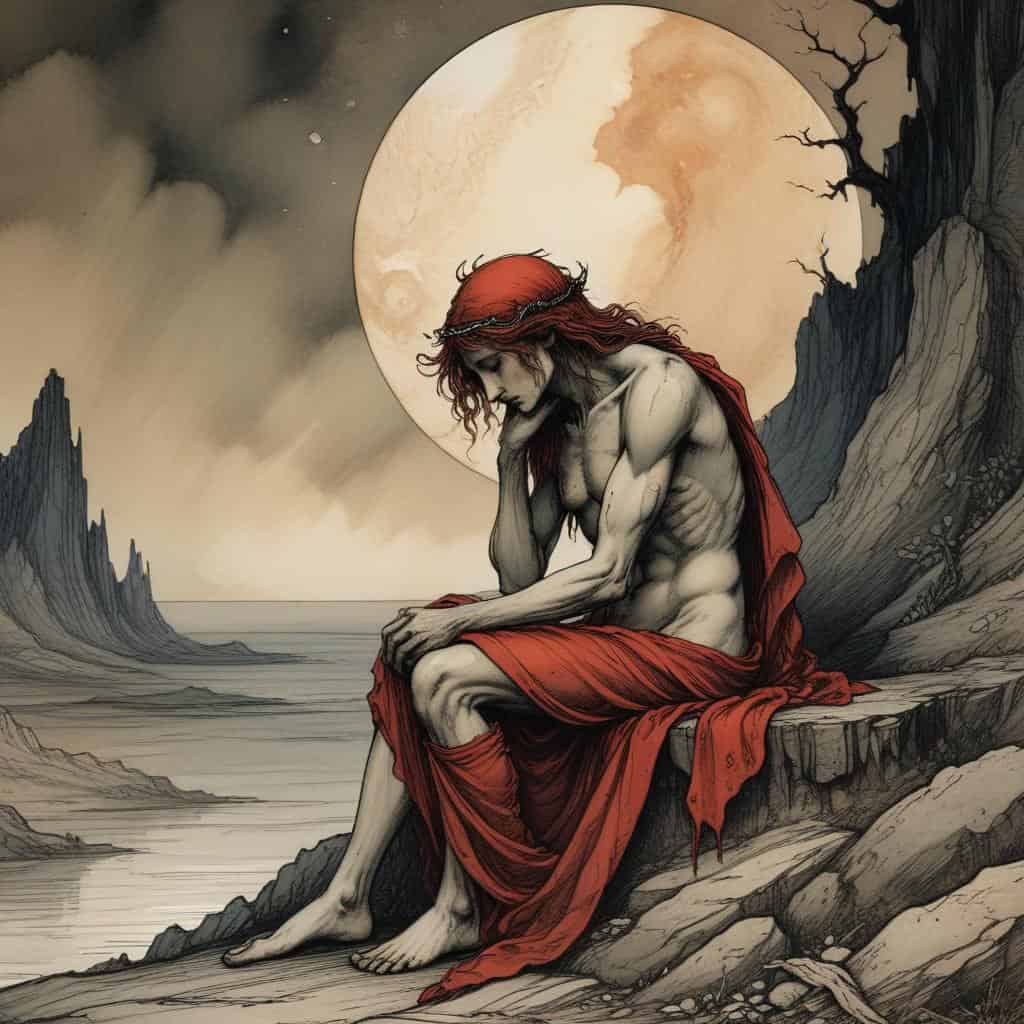
1. Mars, the God of War, Laments his Unrequited Love

2. Mars Seeks Solace in Nature
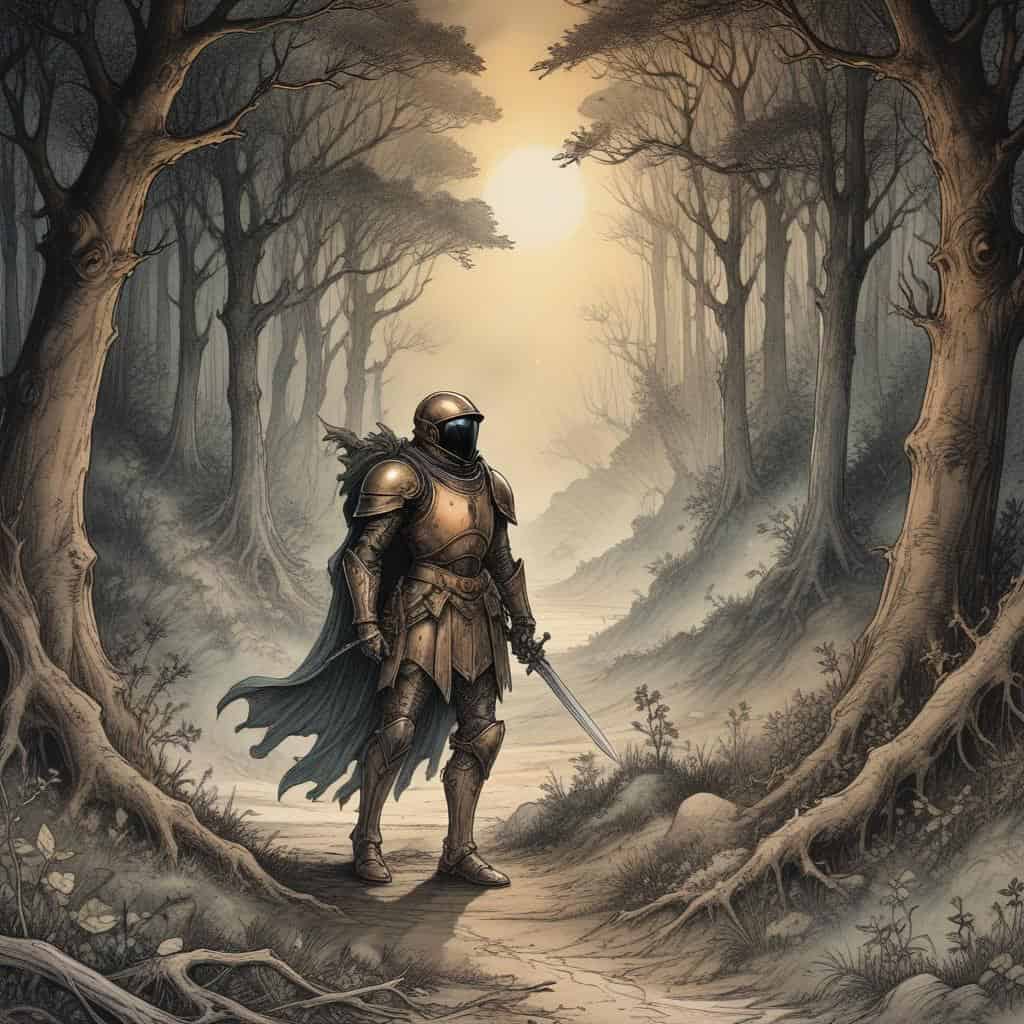
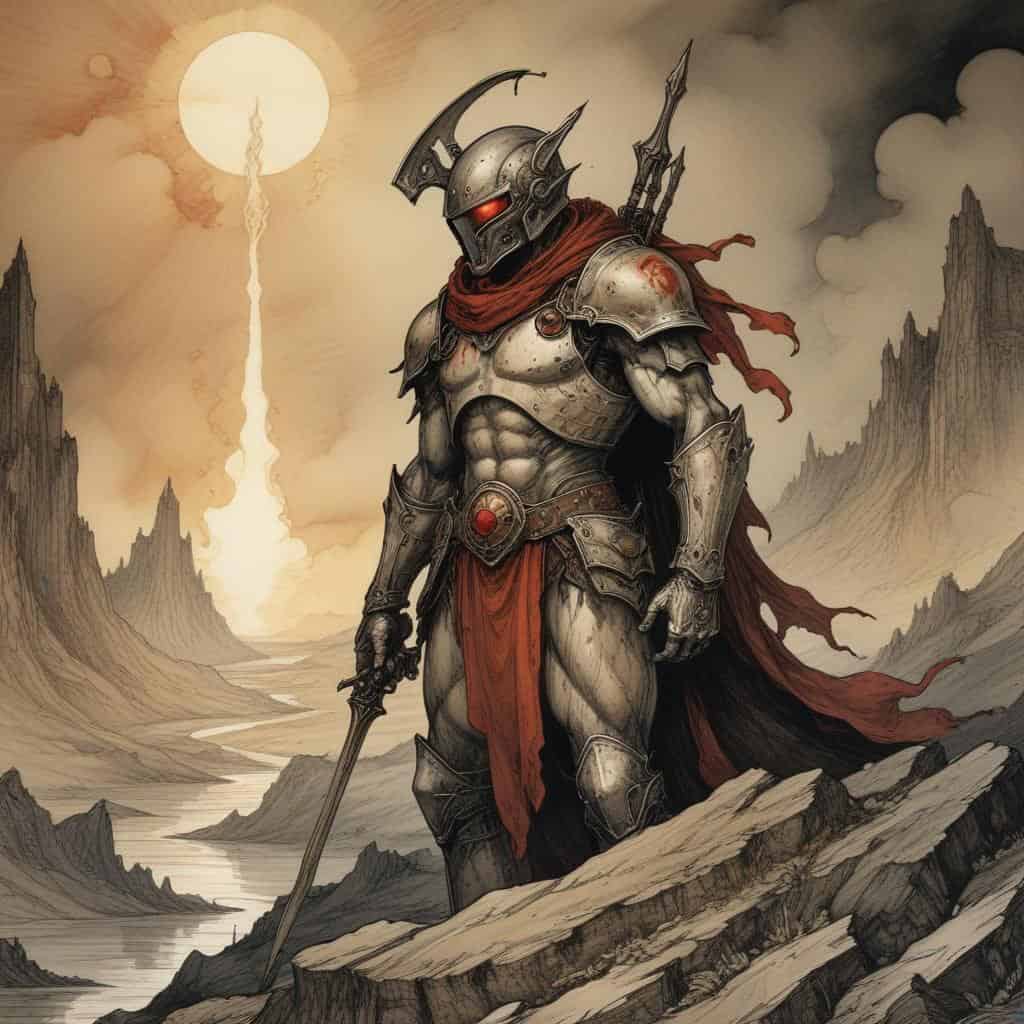
3. Mars Encounters a Mysterious Knight
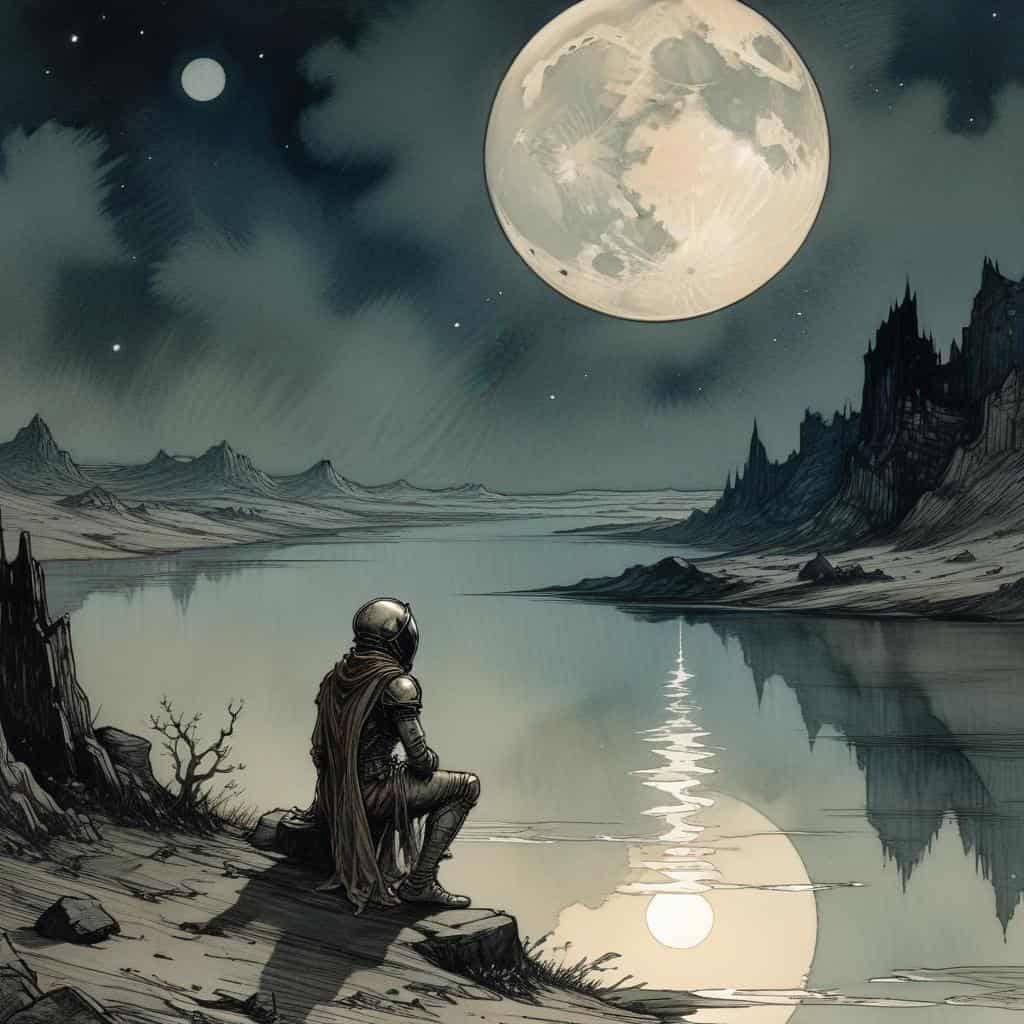
4. Mars Reflects on his Actions
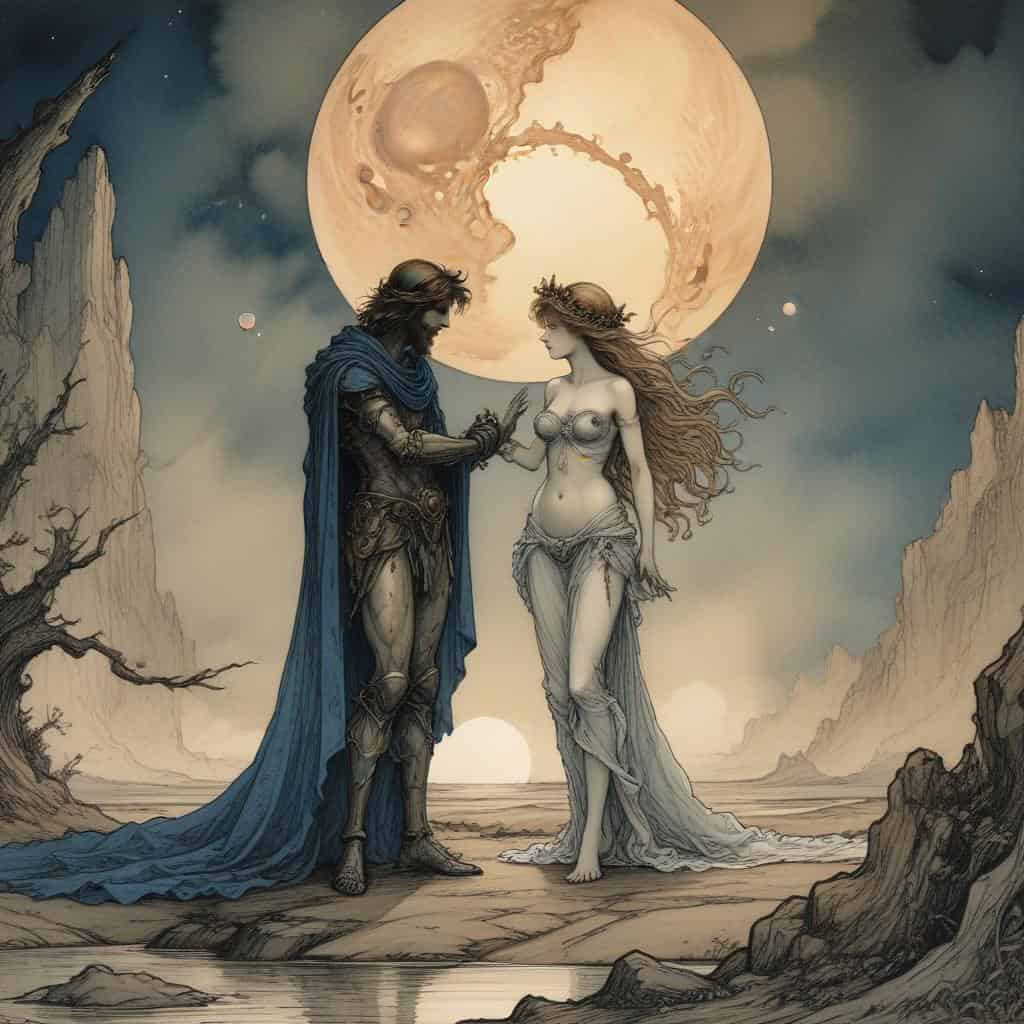
5. Mars Seeks Forgiveness from Venus
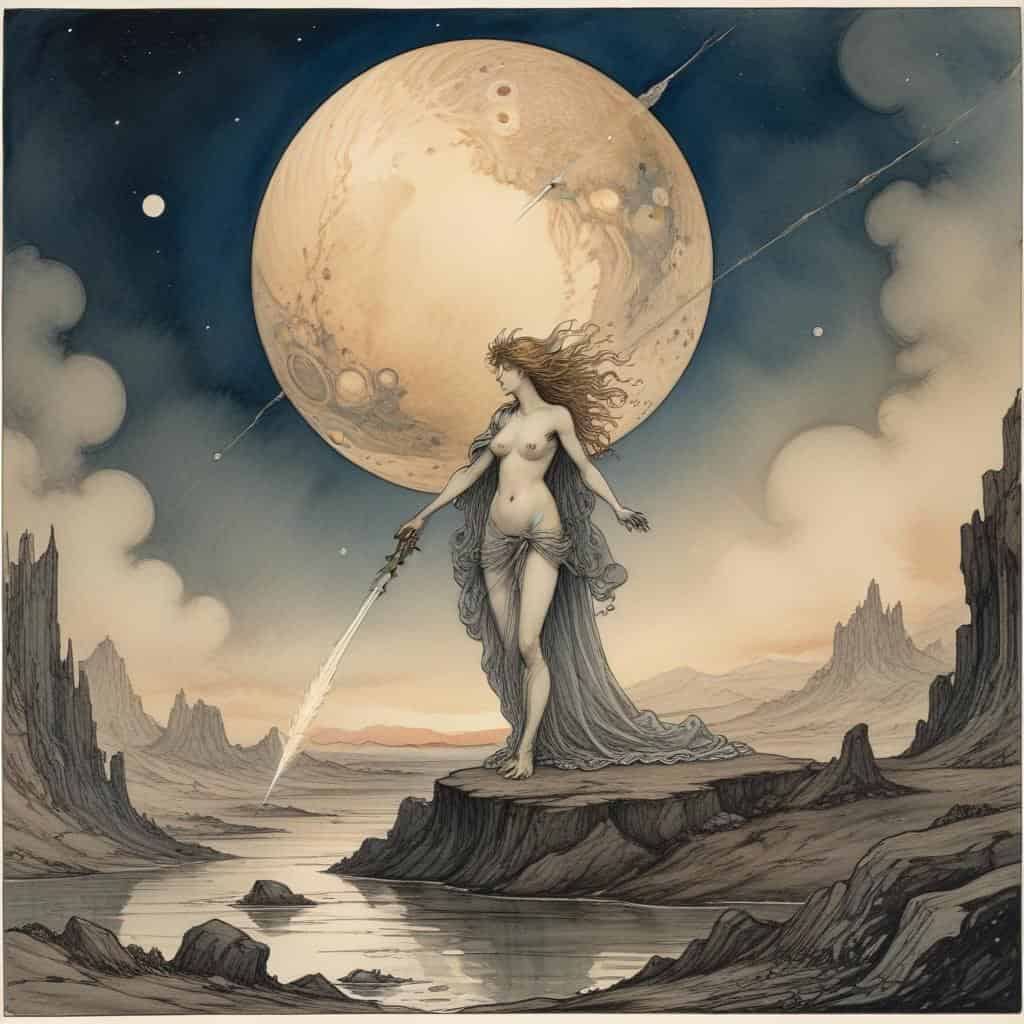
6. Venus Shows Compassion towards Mars
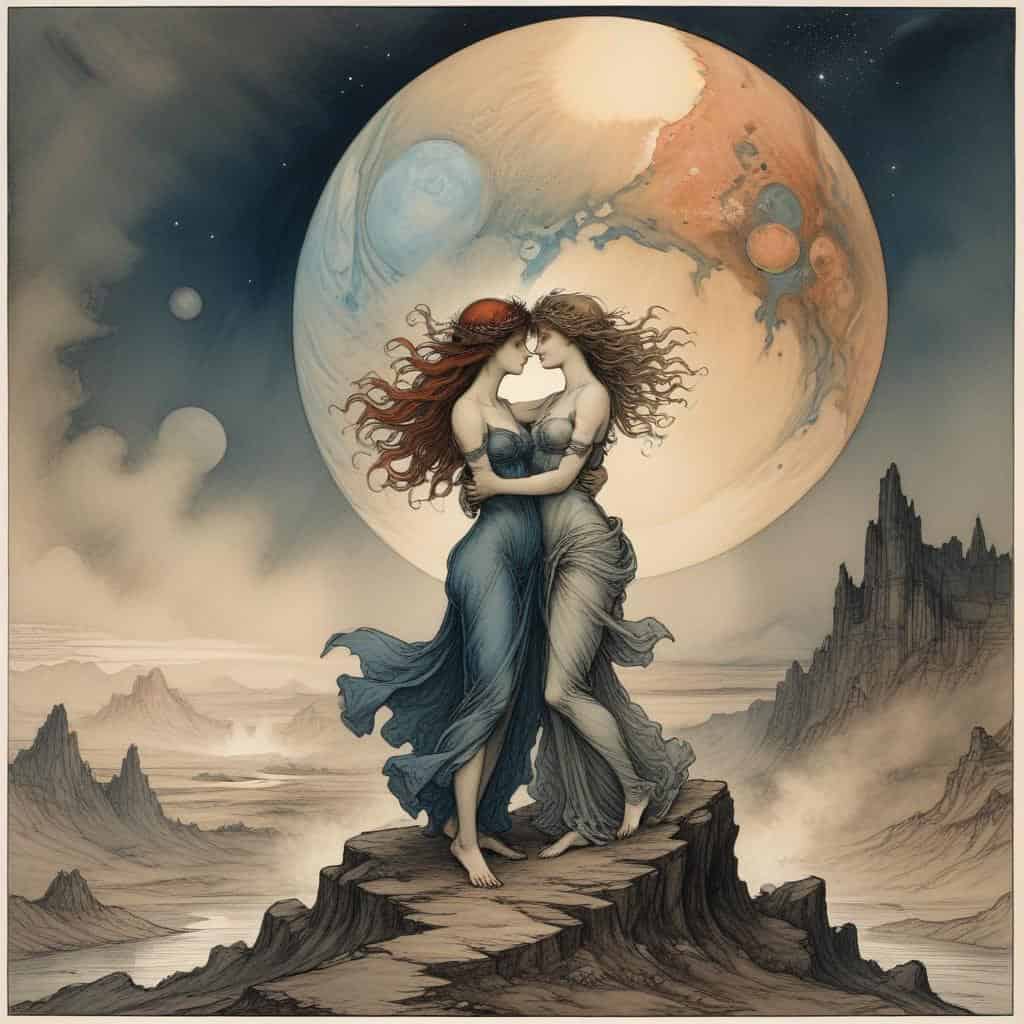
7. Mars Embraces a New Path
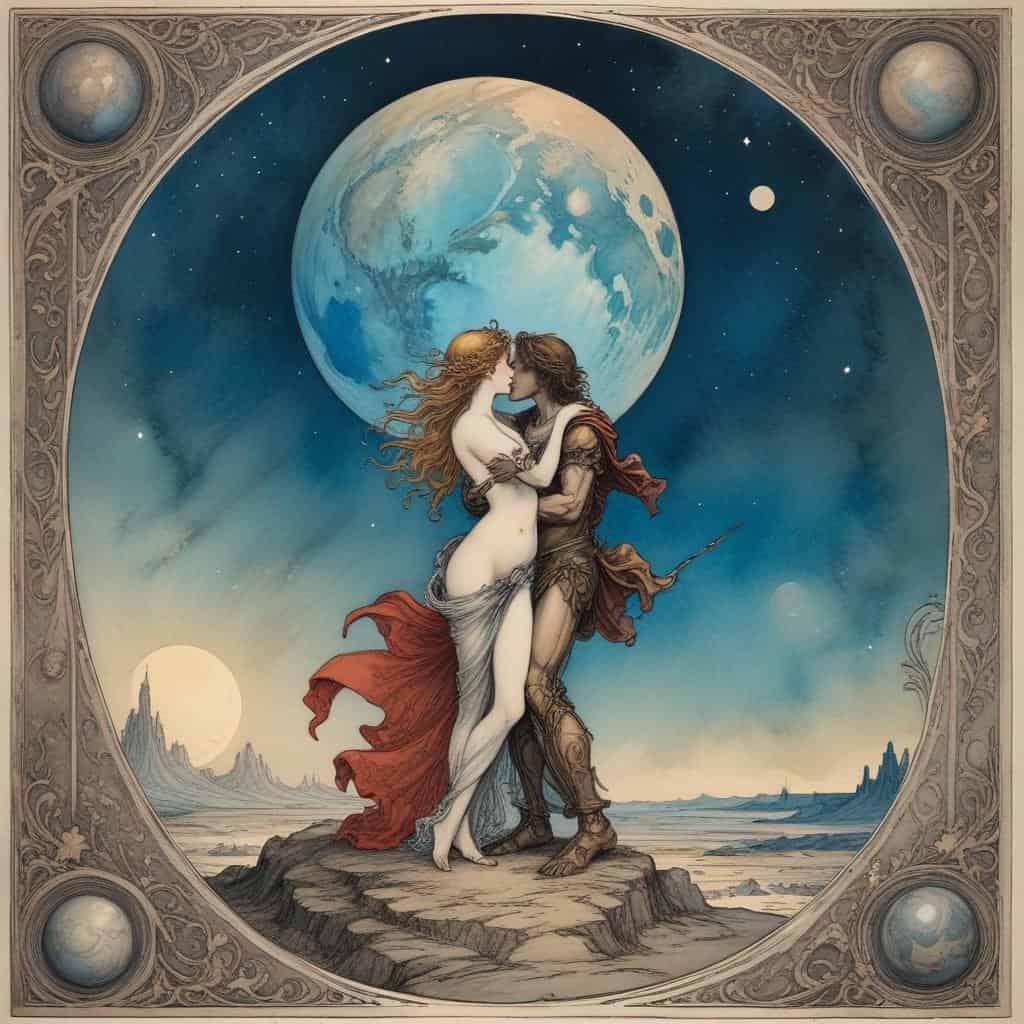
8. Mars and Venus Find Happiness Together
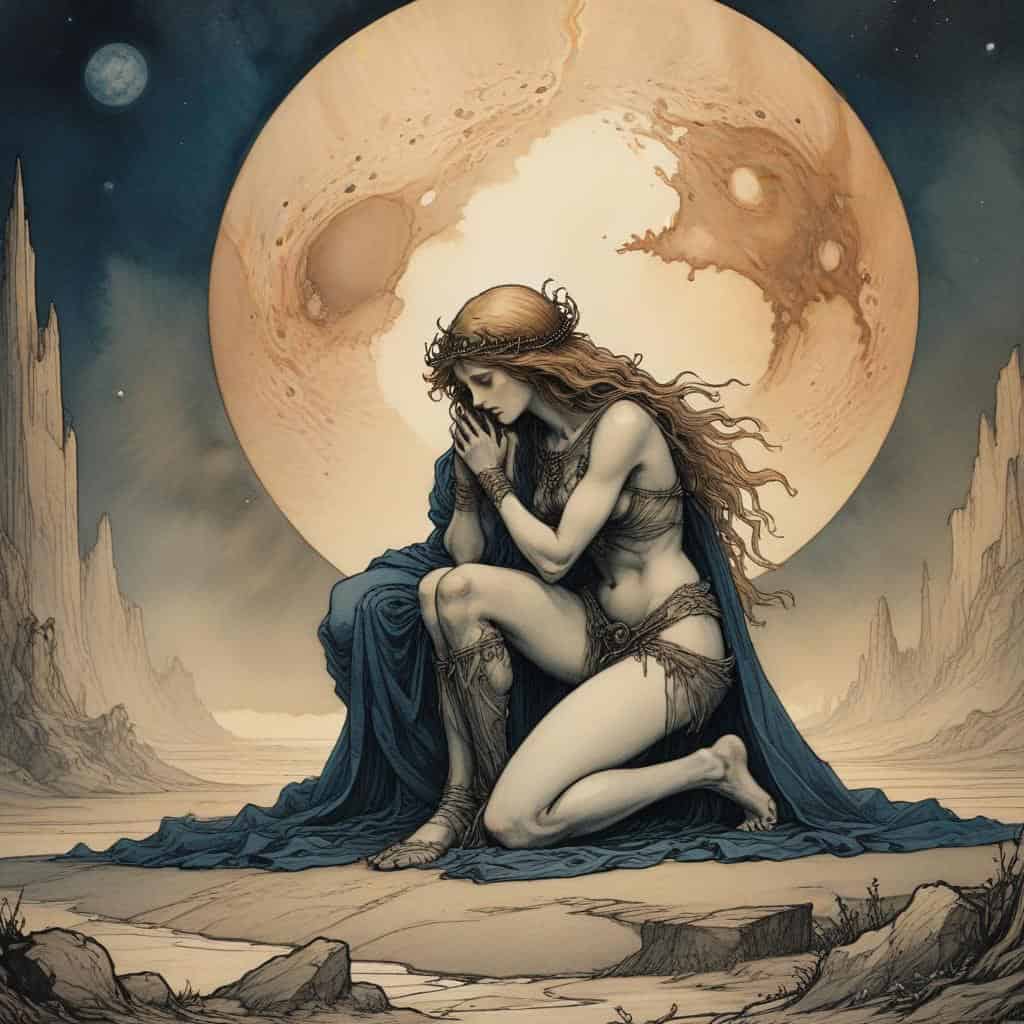
9. The Moral of the Story
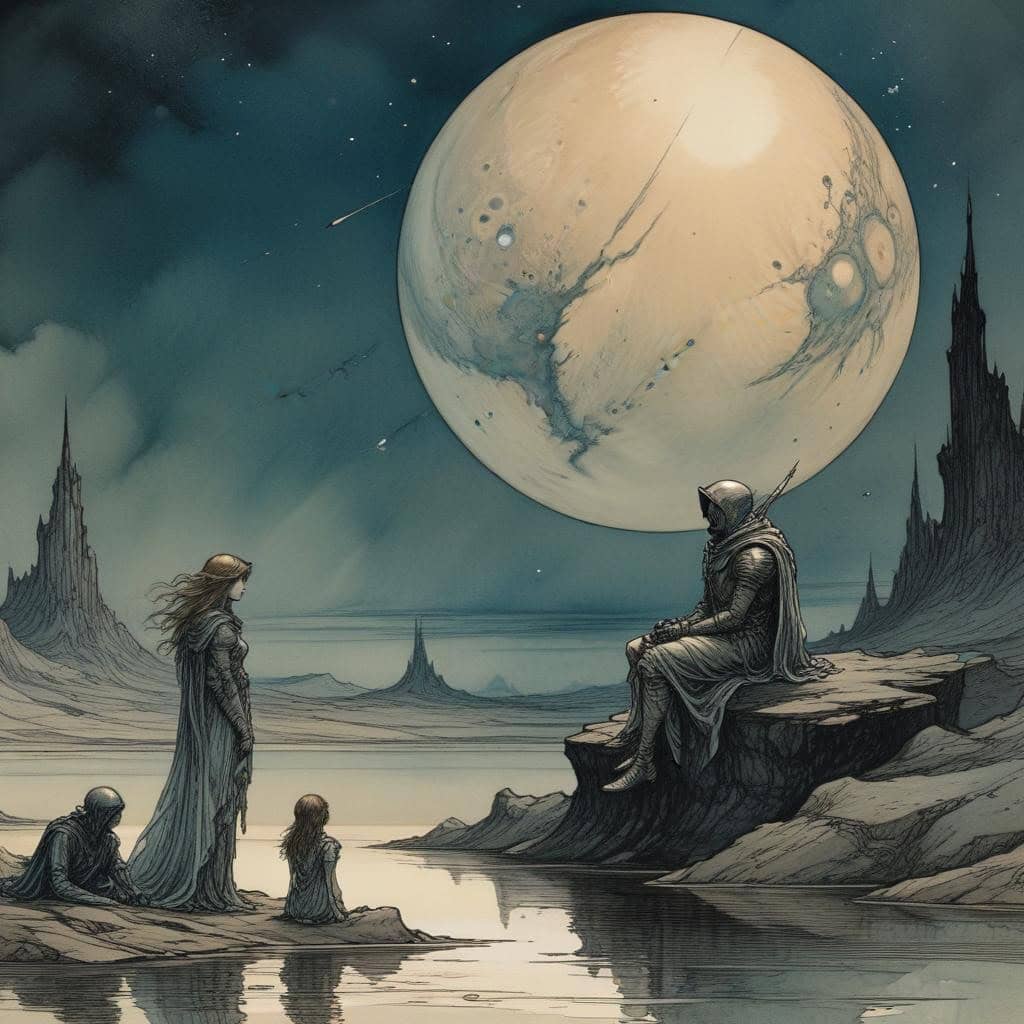
10. Conclusion
Lesson Details & Resources
In a Nutshell
- What: Poem by John Milton
- When: Written in the 17th century
- Who: Mars (the God of War)
- Theme: War, conflict, and the consequences of violence
List of Characters in The Complaint of Mars
-
Mars
Mars, the god of war, complains to Jupiter about the influence of Venus in his affairs
-
Venus
Venus, the goddess of love, is accused by Mars of causing him trouble
-
Saturn
Saturn, the god of time, is appealed to by Mars for justice
-
Jupiter
Jupiter, the king of the gods, listens to the complaints of Mars and Venus
-
Mercury
Mercury, the messenger of the gods, conveys the messages between Mars, Venus, and Jupiter
Timeline of The Complaint of Mars
Mars complains to Jupiter about how he is constantly being ridiculed by the other gods.
Jupiter suggests that Mars seek the help of Venus, the goddess of love, to find a solution to his problem.
Mars approaches Venus and asks for her assistance.
Venus advises Mars to disguise himself as a lover and approach Vulcan, the god of fire and craftsmanship, for his help.
Mars follows Venus' advice and approaches Vulcan, pretending to be a suitor.
Vulcan sees through Mars' disguise and asks him what he truly desires.
Mars confesses his true intentions and seeks Vulcan's help in creating armor that will make him invincible.
Vulcan agrees to help Mars and begins crafting the armor.
As Vulcan works, Mars becomes impatient and demands that the armor be completed soon.
Vulcan finishes the armor and presents it to Mars.
Mars tests the armor by engaging in battle with various opponents, finding himself undefeated.
Mars rejoices in his invincibility and thanks Vulcan for his help.
Mars returns to Jupiter to boast about his new armor and how it has silenced his critics.
Jupiter warns Mars not to let his newfound power go to his head and advises him to use it wisely.
Mars, feeling triumphant, leaves Jupiter's presence, ready to face the world with his new invincible armor.
Vocabulary List
- Mars
- The god of war in Roman mythology, who is the main character in the poem.
- Complaint
- The poem is titled 'The Complaint of Mars,' indicating that Mars is lamenting or expressing discontent about something.
- Jupiter
- The king of the gods in Roman mythology, who is mentioned in the poem as the one who advises Mars to seek Venus' help.
- Venus
- The goddess of love and beauty in Roman mythology, who Mars seeks help from in the poem.
- Strife
- Conflict or struggle, which is a central theme in the poem as Mars is unhappy with the state of affairs on Earth.
Key Facts
This is the information used in the fact matching game
- - The Complaint of Mars is a poem written by Geoffrey Chaucer.
- - It is part of Chaucer's larger work, The Legend of Good Women.
- - The poem is a complaint made by Mars, the Roman god of war.
- - Mars is lamenting his unrequited love for a mortal woman named Venus.
- - Venus is the goddess of love and beauty in Roman mythology.
- - Mars blames Venus for his suffering and accuses her of being cruel.
- - The poem explores themes of love, desire, and the destructive nature of war.
- - Mars describes his inner turmoil and the pain caused by his unfulfilled love.
- - Chaucer's poem is written in Middle English, the language of the time.
- - The Complaint of Mars follows the form of a traditional complaint poem.
- - It consists of nine-line stanzas, each with a specific rhyme scheme.
- - The poem showcases Chaucer's skill in using poetic devices such as alliteration and imagery.
- - Chaucer presents Mars as a complex character, torn between his role as a warrior and his longing for love.
- - Mars describes his encounters with other gods and goddesses, seeking advice and solace.
- - The poem also touches on the consequences of Mars' love for Venus, such as the chaos it brings to the world.
- - Mars expresses his frustration with the power dynamics between gods and mortals.
- - Chaucer's portrayal of Mars provides insight into the medieval perception of love and its influence on individuals.
- - The Complaint of Mars is considered one of Chaucer's lesser-known works.
- - It explores themes that resonate with Chaucer's overall body of work, including The Canterbury Tales.
- - The poem reflects the influence of classical mythology and literature on Chaucer's writing.
Analysis & Significance
Impact on Literature
‘The Complaint of Mars’ is a seminal work that has had a lasting impact on the genre of epic poetry. Its vivid imagery, complex characters, and exploration of themes such as war and love have influenced countless writers and poets throughout history, shaping the way we think about storytelling and the human experience.
Enduring Themes
The timeless themes of love, loss, and the destructive nature of war explored in ‘The Complaint of Mars’ continue to resonate with modern audiences. The emotional depth and moral complexity of the characters in the poem provide a rich tapestry for readers to reflect on their own lives and relationships, making it a work that transcends time and culture.
Cultural Significance Today
Even today, ‘The Complaint of Mars’ remains a cultural touchstone, with numerous adaptations and references in popular culture. Its influence can be seen in everything from modern literature to film and television, demonstrating its enduring legacy and continued relevance in the literary world. The themes and characters of the poem continue to inspire and provoke thought, making it a work that will always be remembered and celebrated.
The Complaint of Mars Games


Take Your Learning Offline
Want a convenient, print-ready study guide for this lesson? Become a Memory Wizards Pro member to unlock the downloadable " Memory Scrolls" for this topic and our entire library!
- ✓ Complete Vocabulary Lists
- ✓ Key Facts & Timelines
- ✓ Beautifully Formatted for Print & Mobile