
How Do You Learn Best?
Learn by Reading
Immerse yourself in the 10-minute visual lesson for a comprehensive understanding of the topic.
Learn by Reviewing
Jump directly to the key facts, timeline, and vocabulary lists to build a solid foundation of details.
Learn by Doing
Challenge yourself! Jump straight into the interactive games to learn by trial, error, and discovery.
The Complaint of Anelida in 10 Minutes

Introduction



Queen Anelida

Arcite

The God of Love

The King
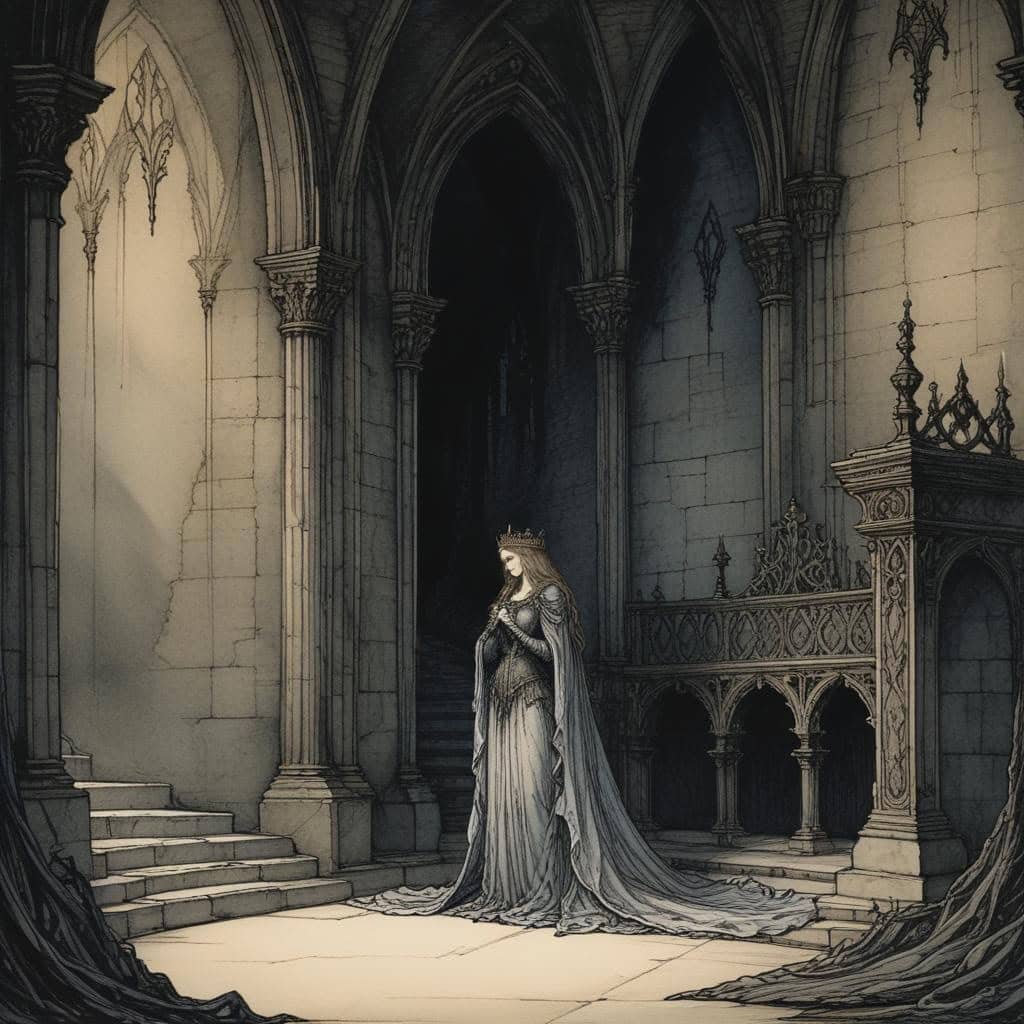
Anelidas Lament
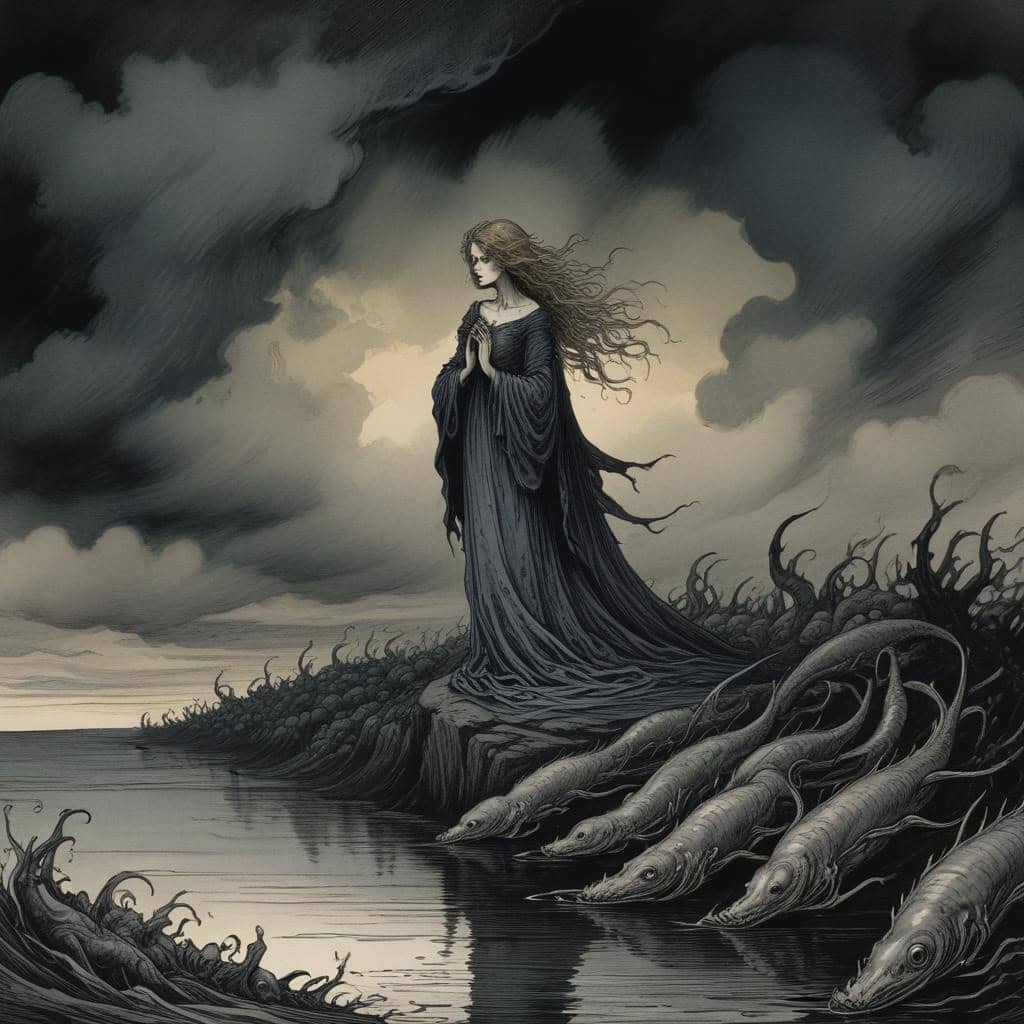
The Cruelty of Fate

Anelidas Plea
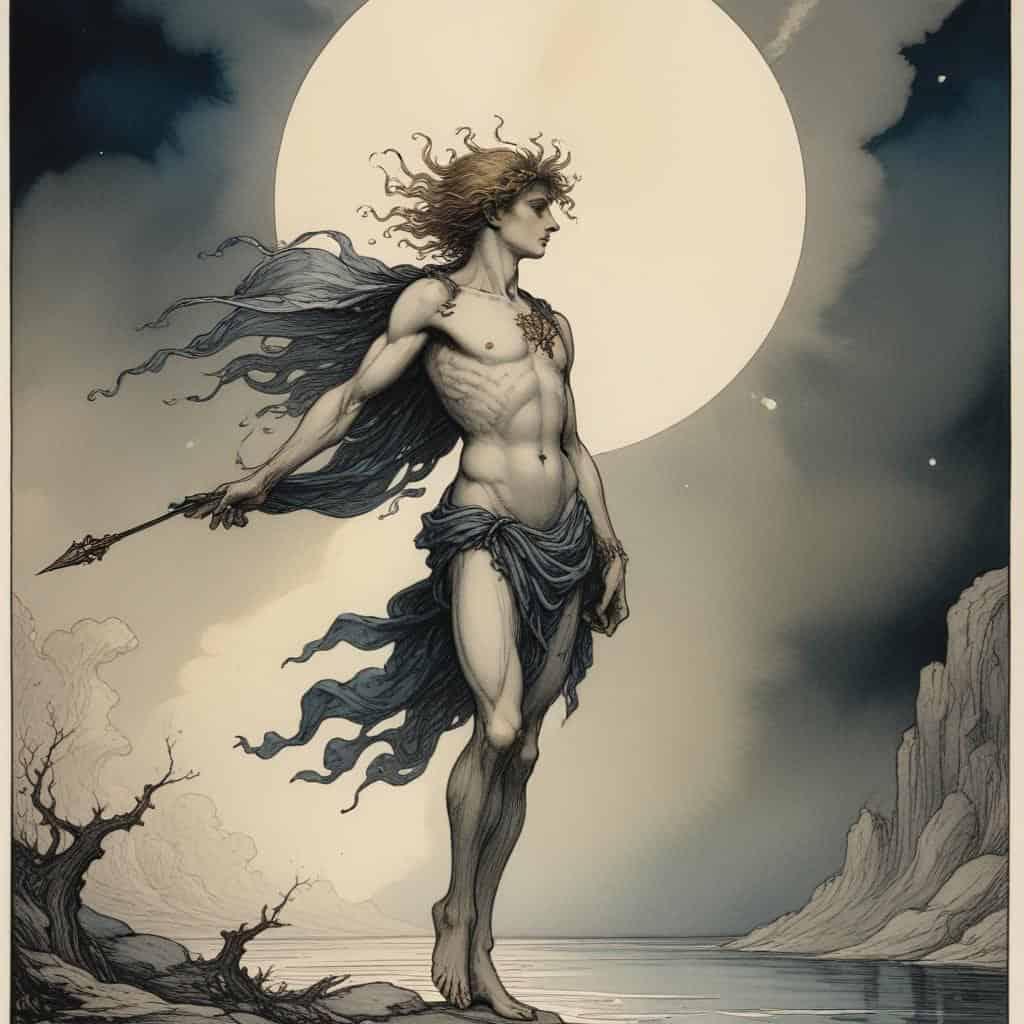
The Appearance of Mercury

Anelidas Poetic Verses

The Vision of Mars

Anelidas Resolution

The Transformation of Anelida

Anelidas Final Words

Lesson Details & Resources
In a Nutshell
- What: Poem by Geoffrey Chaucer
- When: Medieval period
- Who: Anelida
- Theme: Love, loss, and lament
List of Characters in The Complaint of Anelida
-
Anelida
Anelida is the main character in the story, a noble and beautiful lady who laments the loss of her lover.
-
The God of Love
The God of Love is a deity who plays a central role in the story, controlling the emotions and desires of the characters.
-
Venus
Venus is another deity associated with love and desire, often invoked in the context of romantic relationships.
-
Mercury
Mercury is a messenger god who appears in the story to convey important information to the characters.
-
Cupid
Cupid is a mischievous god of desire who uses his arrows to make people fall in love.
Timeline of The Complaint of Anelida
Anelida laments the loss of her lover Arcite
She describes how Arcite used to court her with love songs and gifts
She reveals that Arcite has abandoned her for another woman
Anelida expresses her deep sadness and despair
She wishes for death or at least a chance to confront Arcite and plead her case
Anelida recounts how Arcite used to promise her eternal love and devotion
She reflects on the fickleness and deceitfulness of men
Anelida hopes that her complaints will be heard by the gods and that they will bring justice
She ends the poem by declaring that all men are unfaithful and she will continue to complain about love's injustices.
Vocabulary List
- Complaint
- Anelida's lamentation over her lost love is the central theme of the poem.
- Lament
- Anelida laments the betrayal of her lover and the pain it has caused her.
- Betrayal
- Anelida feels deeply hurt by the betrayal of her lover, who has abandoned her for another woman.
- Sorrow
- Anelida's heart is filled with sorrow as she reflects on the loss of her love.
- Despair
- Anelida sinks into despair as she realizes that her lover will never return to her.
- Anguish
- Anelida's heart is filled with anguish as she grapples with the pain of her lost love.
- Solitude
- Anelida finds herself in solitude as she mourns the loss of her lover and the betrayal she has experienced.
- Deception
- Anelida feels deceived by her lover's false promises and empty words.
- Heartbreak
- Anelida's heart is broken by the betrayal of her lover and the pain it has caused her.
Key Facts
This is the information used in the fact matching game
- - Written by Geoffrey Chaucer in the 14th century.
- - Anelida is the narrator and main character of the poem.
- - The poem is written in the form of a complaint or lament.
- - Anelida laments the loss of her lover, Arcite.
- - Arcite is a knight who is not faithful to Anelida.
- - Anelida describes her physical appearance, portraying herself as beautiful.
- - The poem is part of a larger work called "The Legend of Good Women."
- - Anelida compares her suffering to that of other legendary women.
- - She mentions Cleopatra, Dido, and Thisbe as examples of tragic heroines.
- - Anelida accuses Arcite of being unfaithful and deceitful.
- - She regrets ever falling in love with him.
- - Anelida expresses her despair and longing for a better life.
- - The poem explores themes of love, betrayal, and the pain of unrequited love.
- - Anelida's complaint is addressed to the god of love, Cupid.
- - She begs Cupid to help her find a new lover who will be faithful.
- - Anelida believes that her beauty should guarantee her a faithful lover.
- - The poem ends with Anelida's plea to Cupid for mercy and love.
- - Chaucer's portrayal of Anelida reflects the cultural expectations and limitations placed on women in medieval society.
- - The Complaint of Anelida is an example of Chaucer's skill in crafting complex female characters.
- - The poem is written in Middle English, the language of the time.
Analysis & Significance
Impact on Literature
Chaucer’s “The Complaint of Anelida” is a significant work in the history of English literature as it showcases Chaucer’s skill in crafting intricate narratives and exploring complex emotions. The poem reflects the literary conventions of courtly love and showcases Chaucer’s ability to blend various literary styles and influences.
Enduring Themes
The themes of unrequited love, betrayal, and the struggles of a woman in a male-dominated society are still relevant today. The poem’s exploration of the complexities of romantic relationships and the pain of love lost continues to resonate with modern audiences, making it a timeless piece of literature.
Cultural Significance Today
“The Complaint of Anelida” remains culturally significant today for its exploration of gender dynamics and power struggles in relationships. The poem has inspired various adaptations and reinterpretations in literature, theater, and other art forms, solidifying its place in the canon of English literature and ensuring its enduring legacy.
The Complaint of Anelida Games


Take Your Learning Offline
Want a convenient, print-ready study guide for this lesson? Become a Memory Wizards Pro member to unlock the downloadable " Memory Scrolls" for this topic and our entire library!
- ✓ Complete Vocabulary Lists
- ✓ Key Facts & Timelines
- ✓ Beautifully Formatted for Print & Mobile