
How Do You Learn Best?
Learn by Reading
Immerse yourself in the 10-minute visual lesson for a comprehensive understanding of the topic.
Learn by Reviewing
Jump directly to the key facts, timeline, and vocabulary lists to build a solid foundation of details.
Learn by Doing
Challenge yourself! Jump straight into the interactive games to learn by trial, error, and discovery.
The Canterbury Tales in 10 Minutes
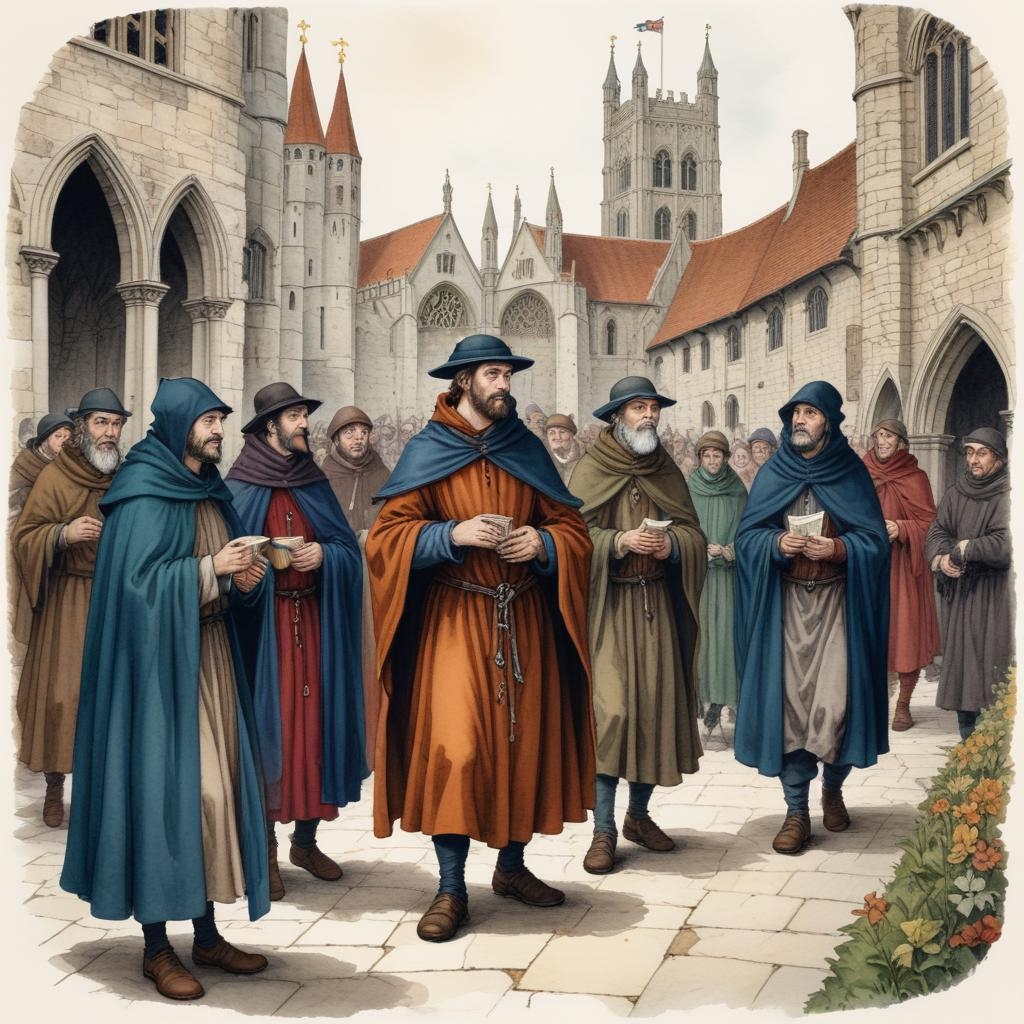
Introduction
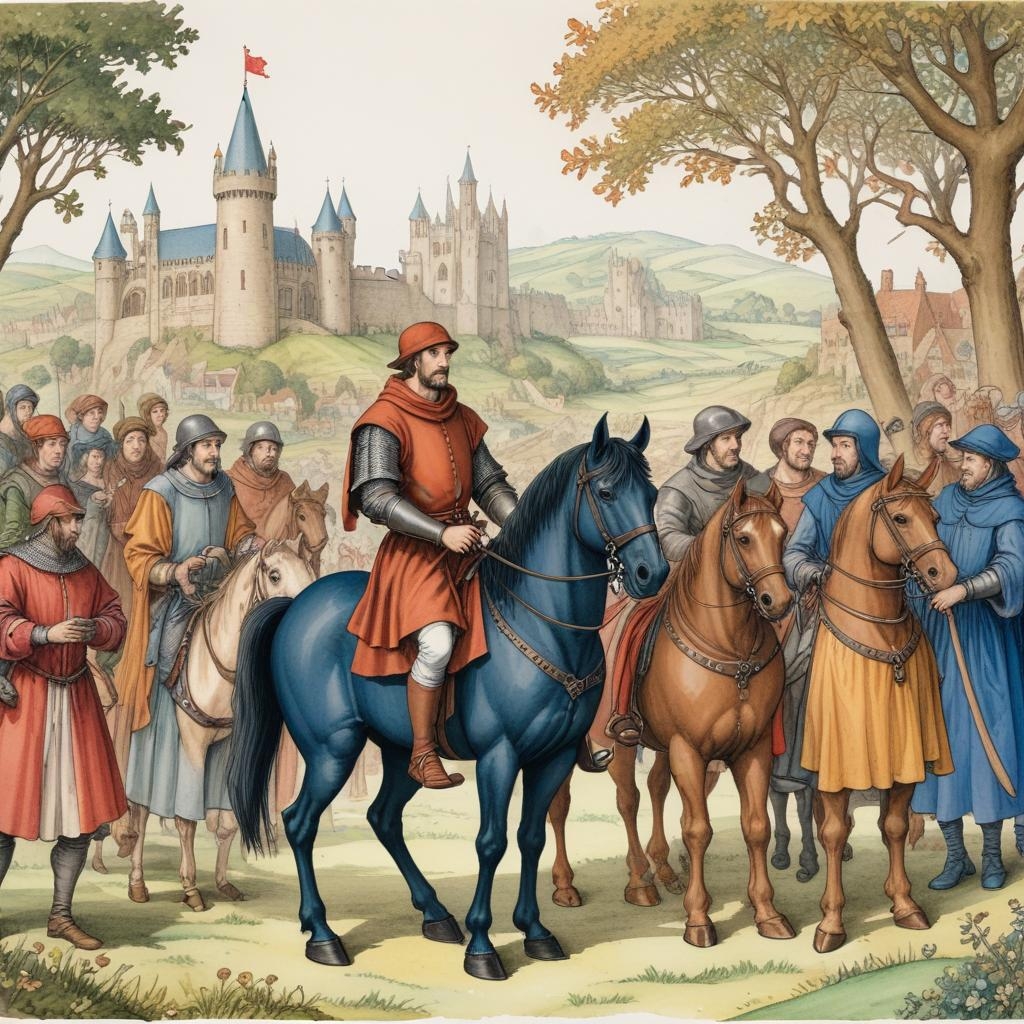
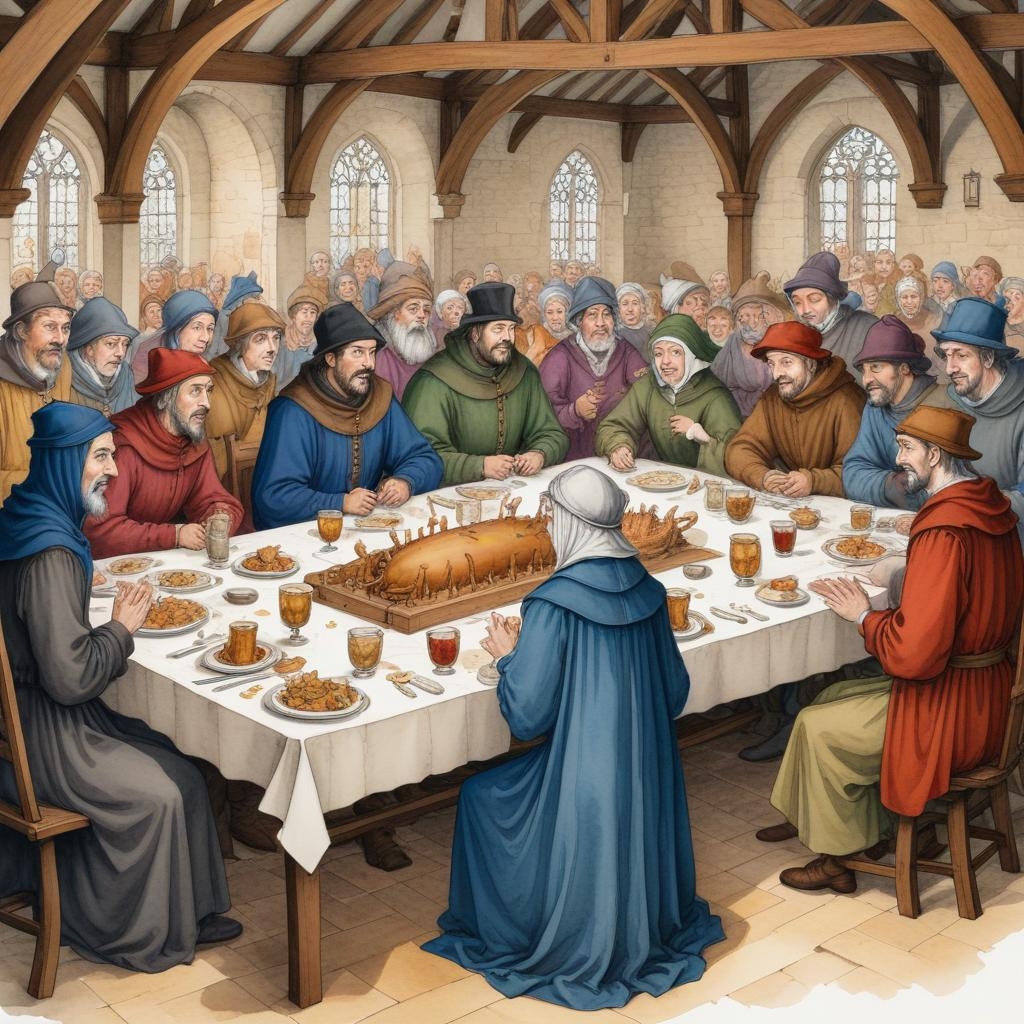

The Knight

The Wife of Bath

The Pardoner

The Miller

The Nun (Prioress)
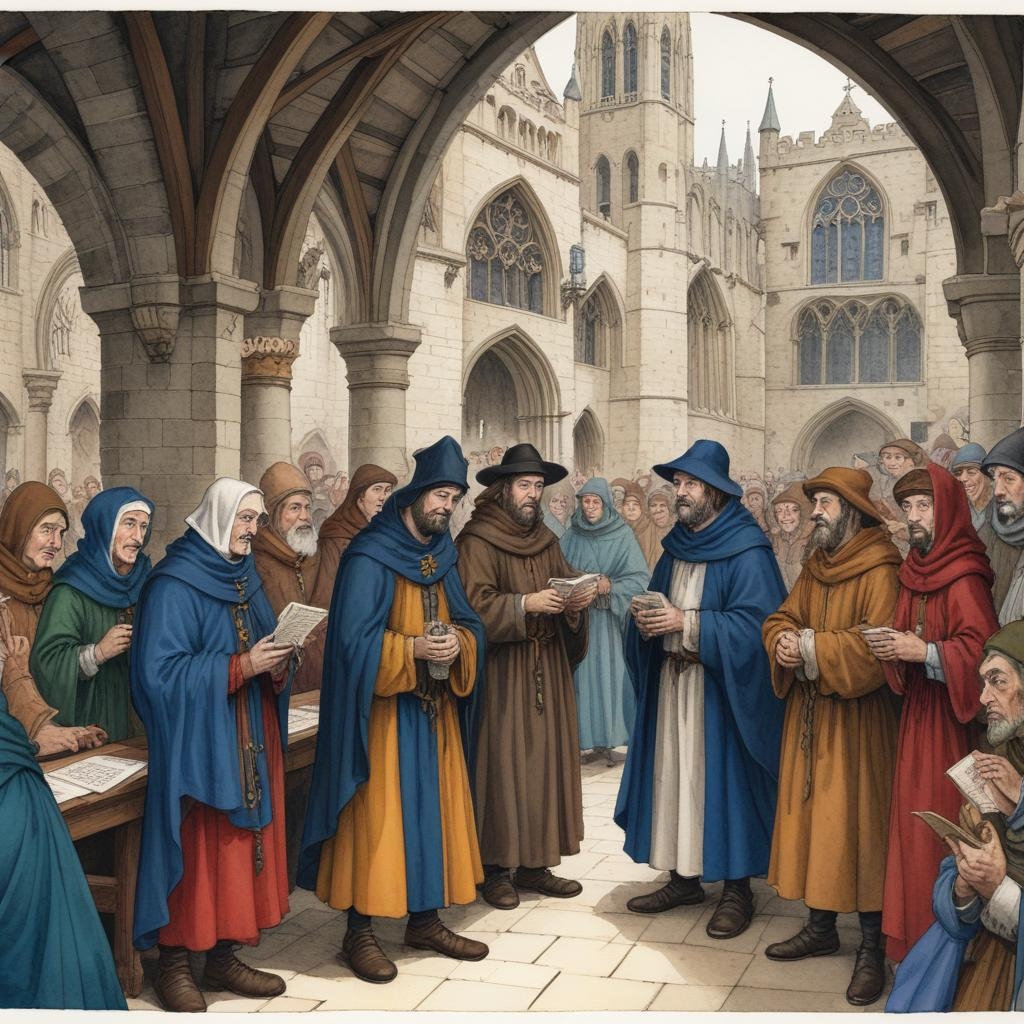
The Canterbury Tales: A Brief Overview
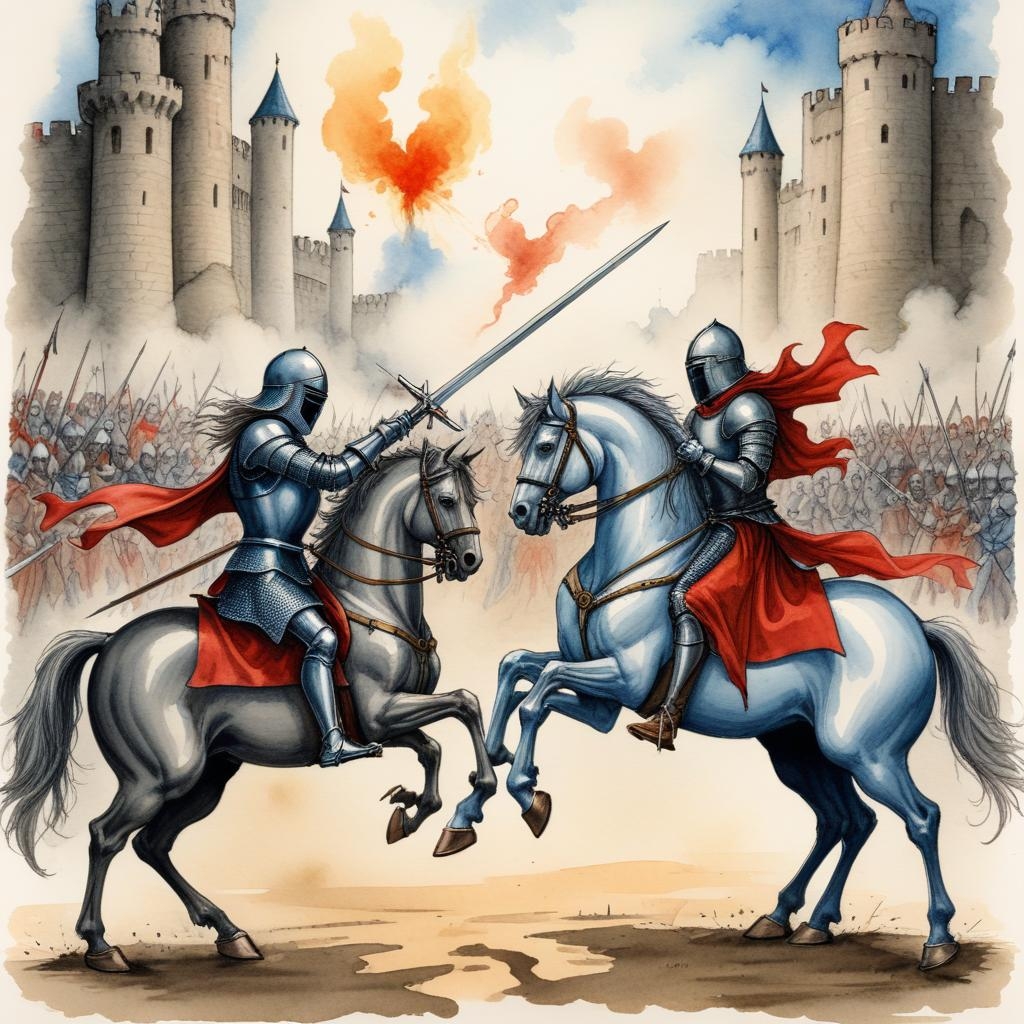
The Knights Tale
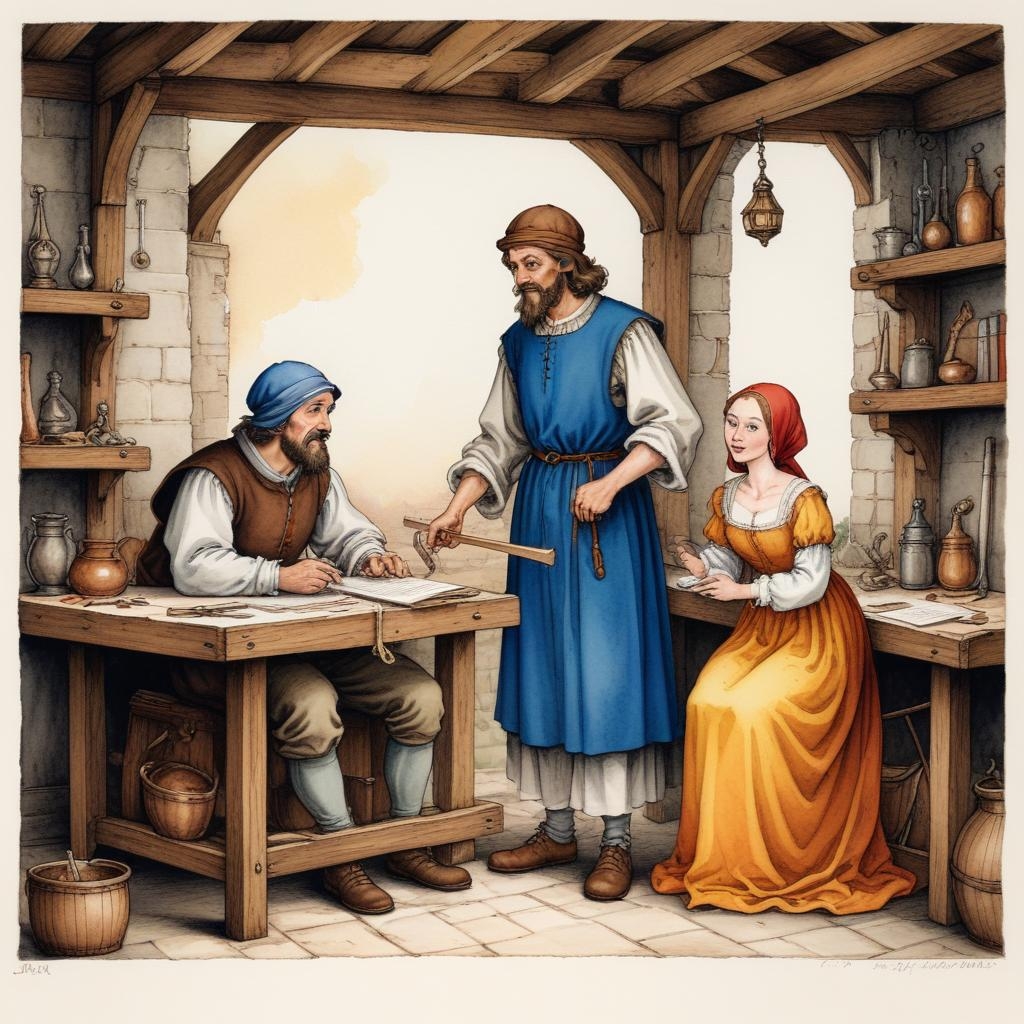
The Millers Tale
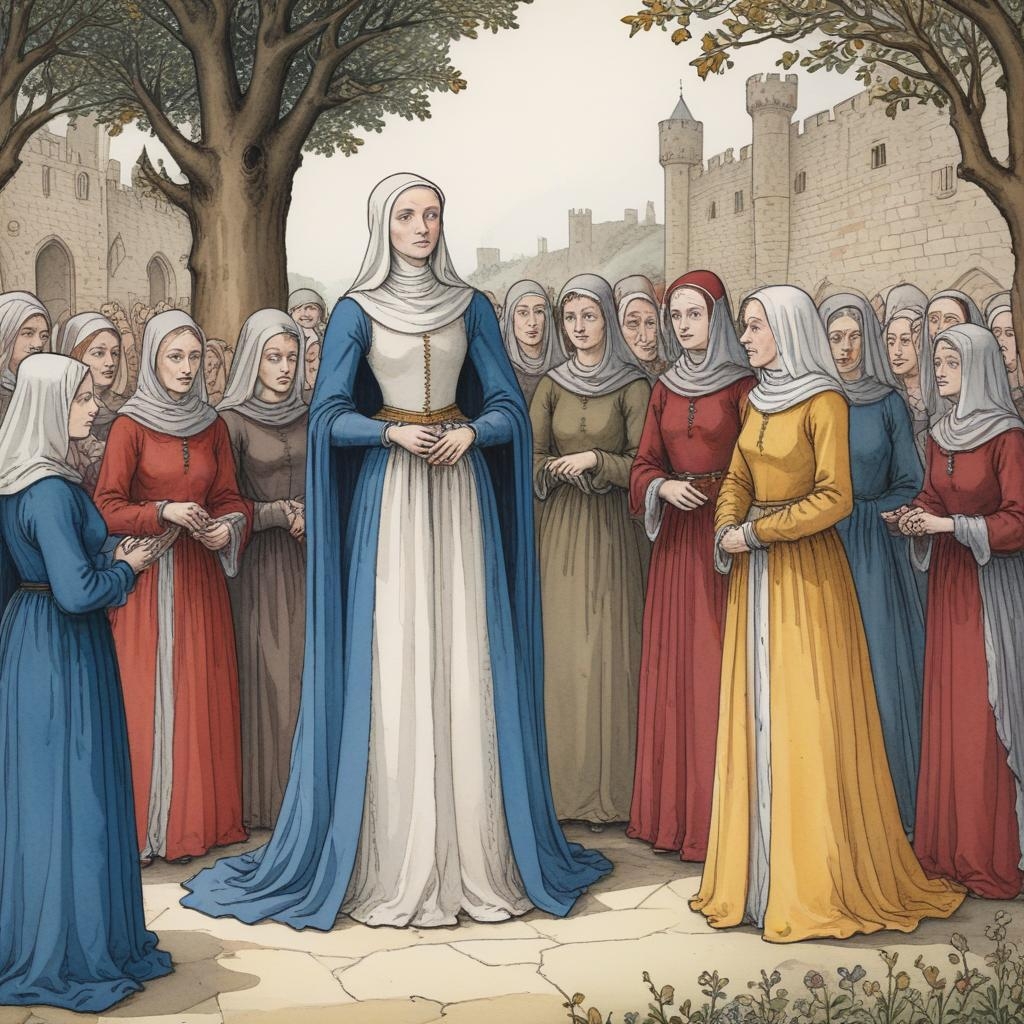
The Wife of Baths Tale
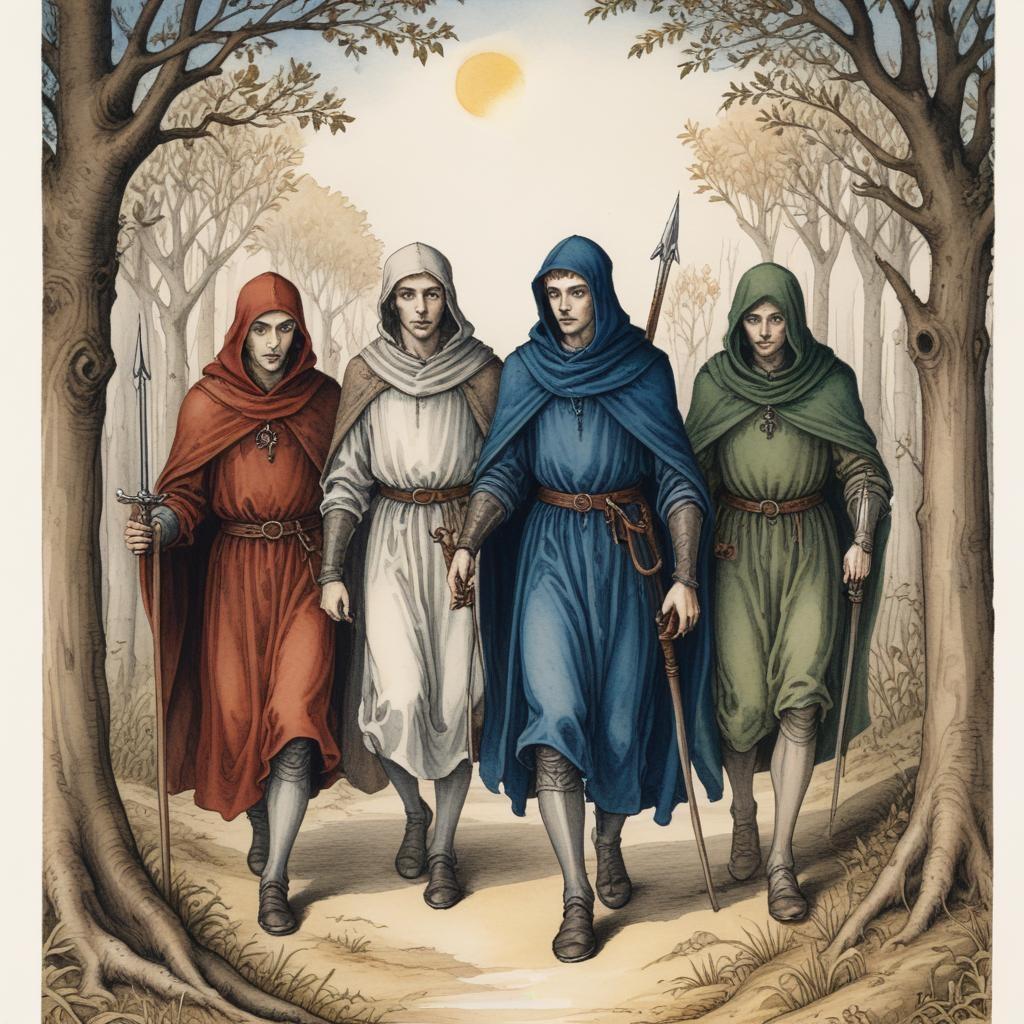
The Pardoners Tale
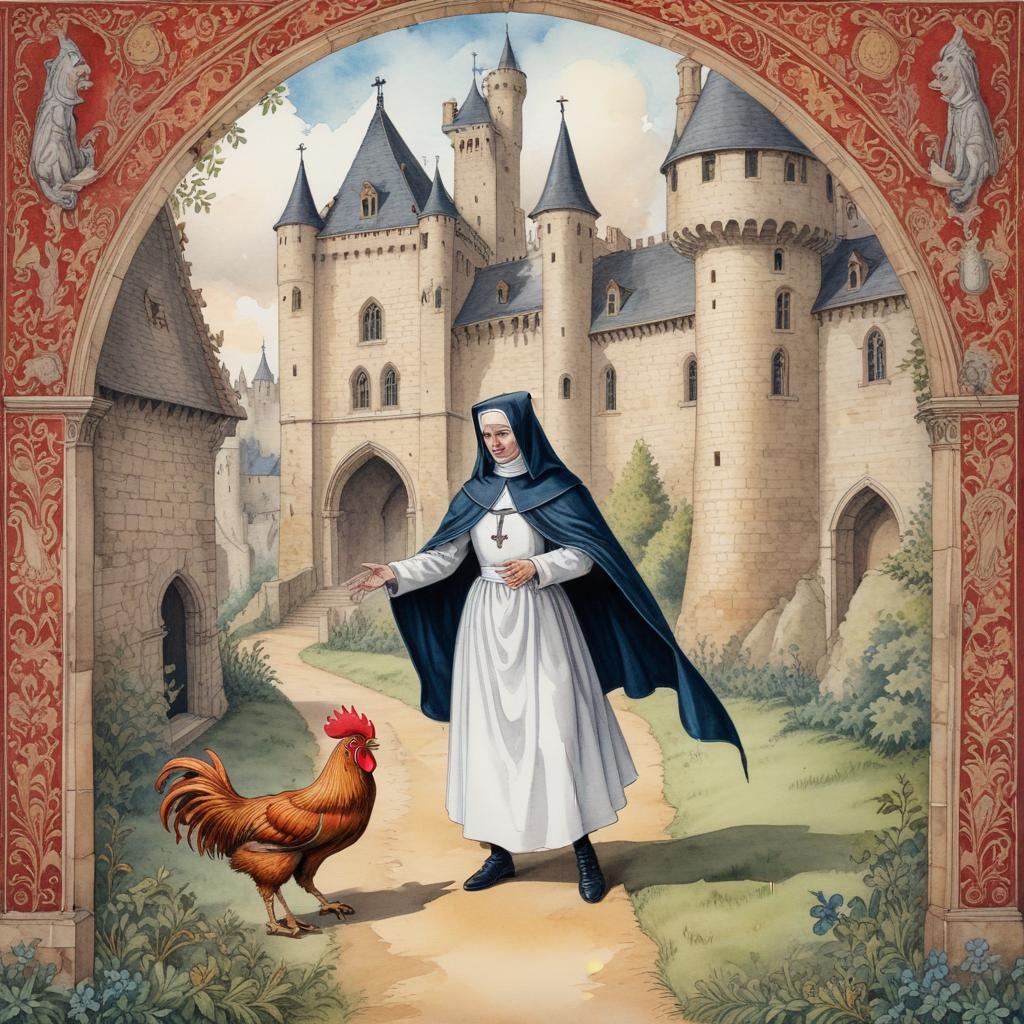
The Nuns Priests Tale
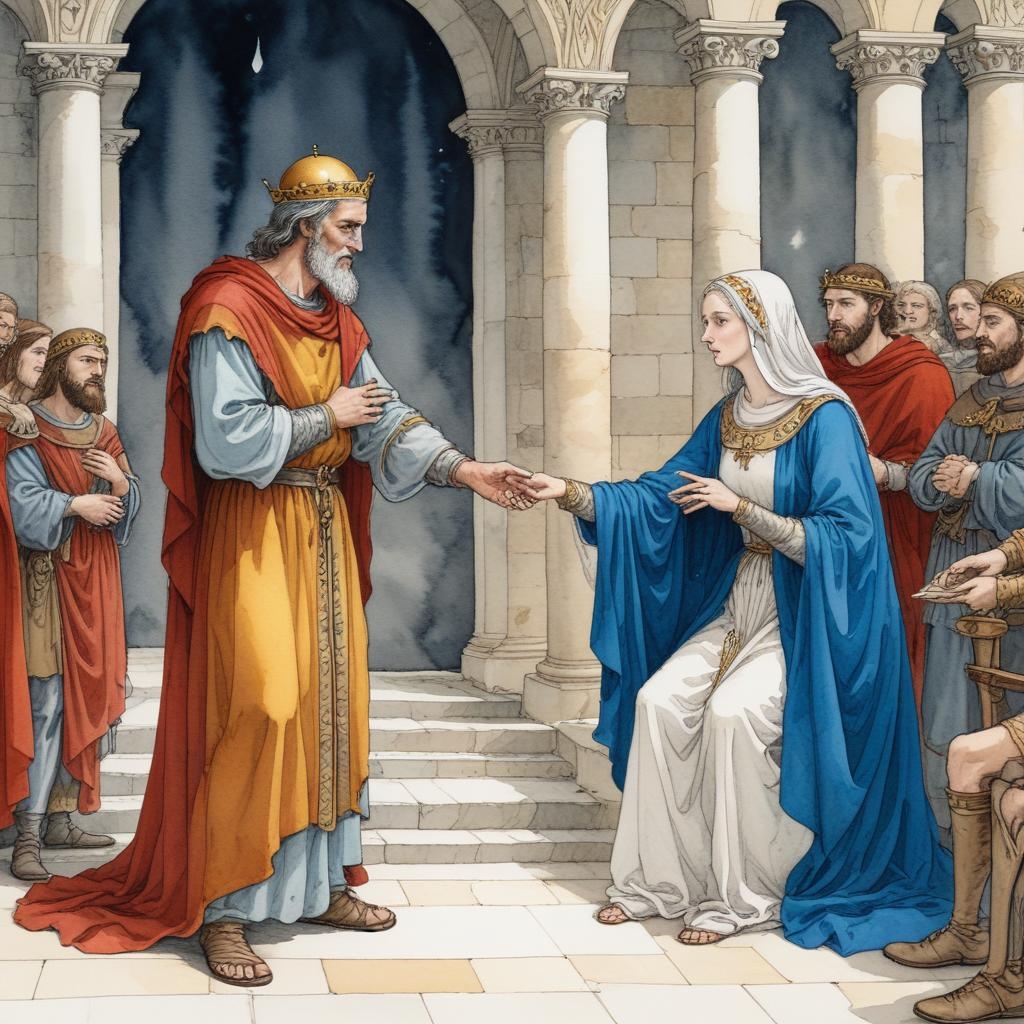
The Franklins Tale
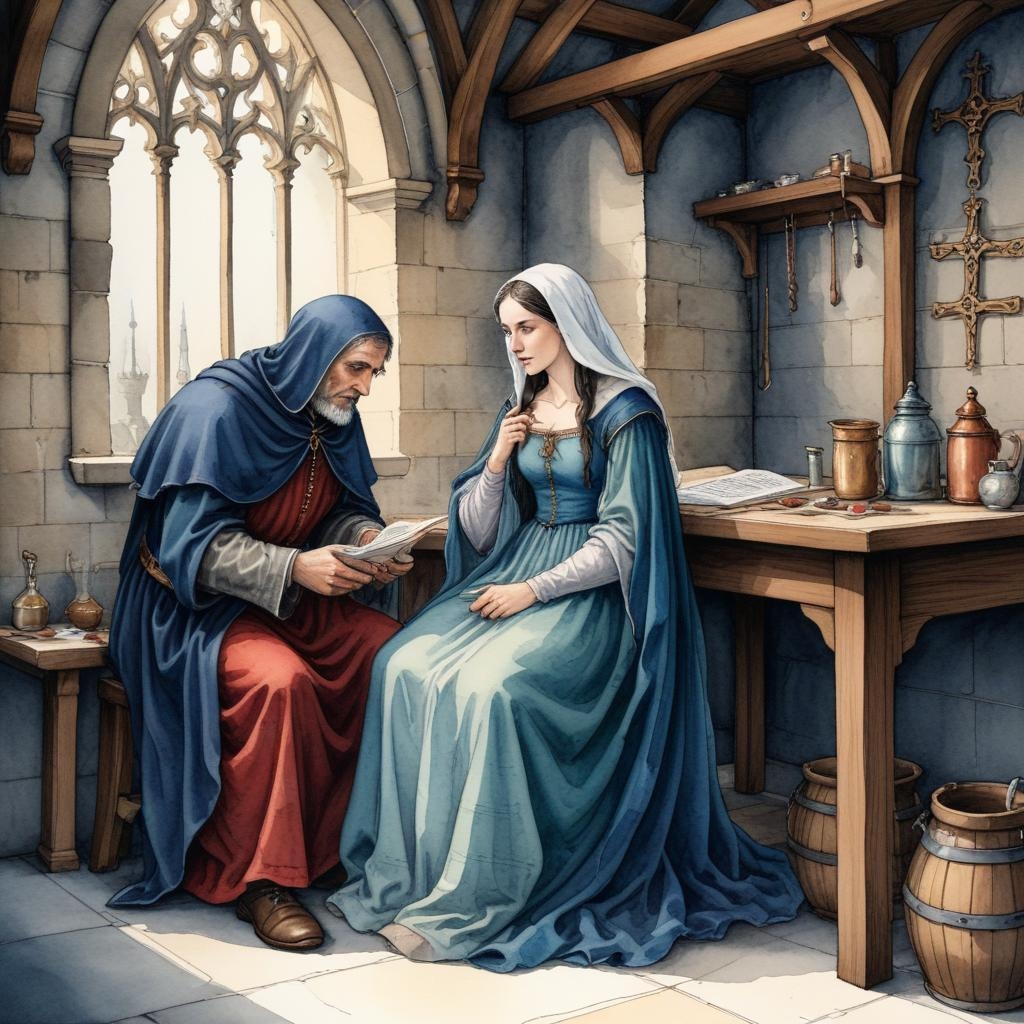
The Clerks Tale
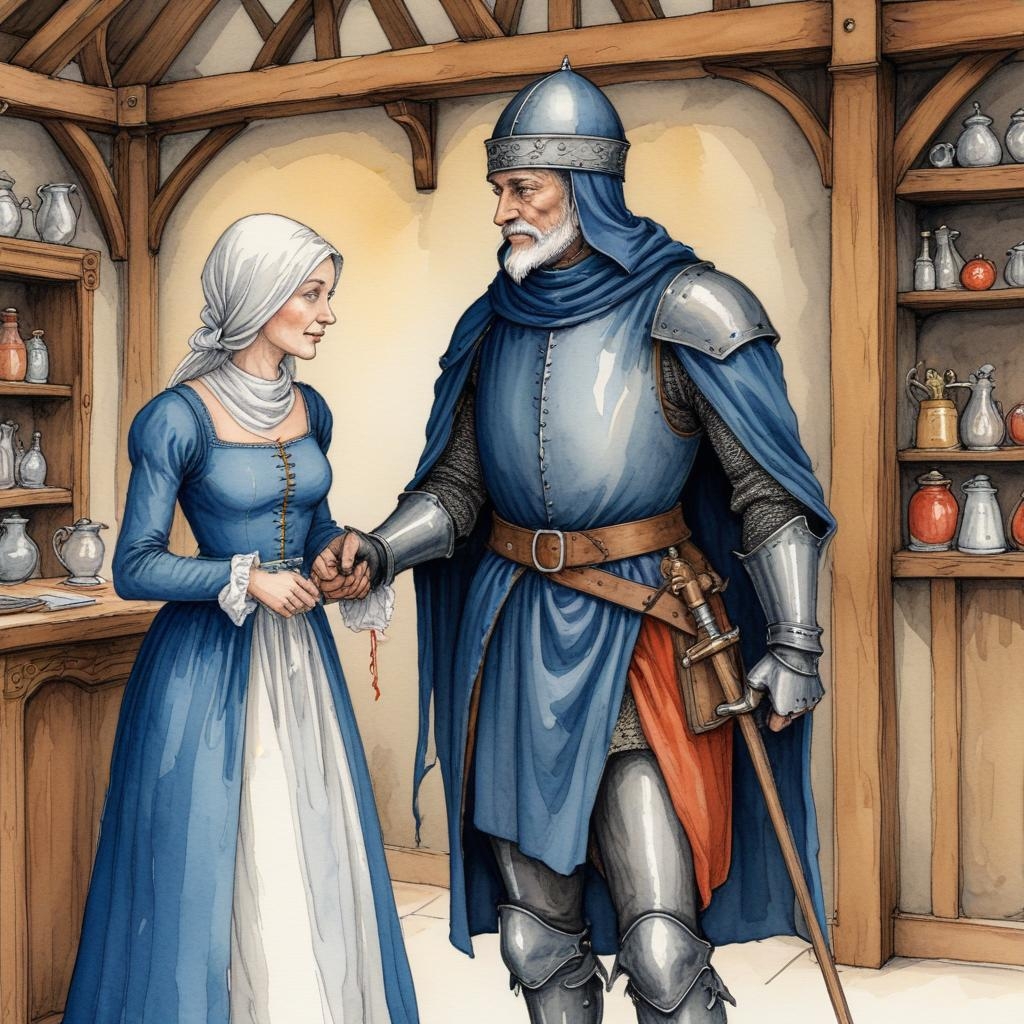
The Merchants Tale
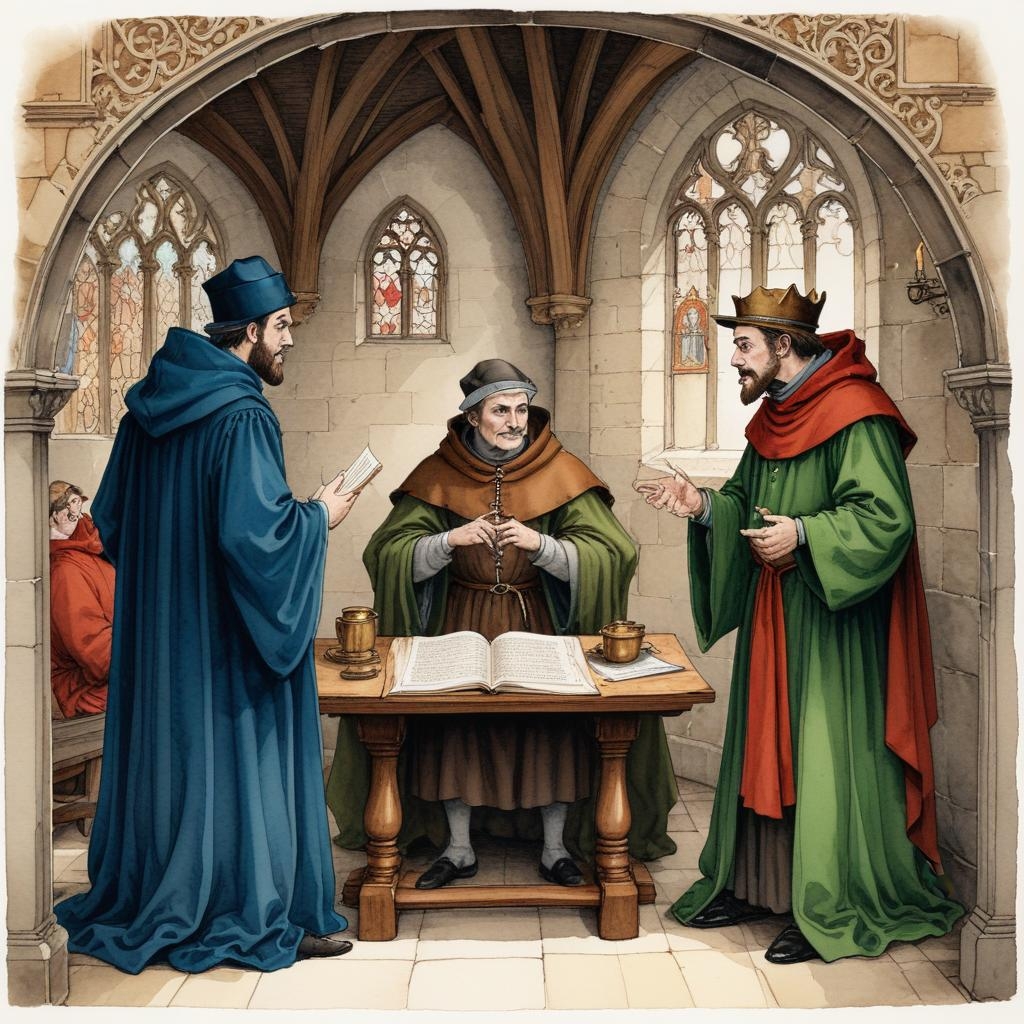
The Summoners Tale
Lesson Details & Resources
In a Nutshell
- What: 'The Canterbury Tales' by Geoffrey Chaucer
- When: Written in the 14th century
- Who: Main characters include the Wife of Bath, the Knight, and the Pardoner
- Theme: The core theme of 'The Canterbury Tales' is the exploration of human nature, social class, and morality through a collection of stories told by different pilgrims on their way to Canterbury.
List of Characters in The Canterbury Tales
-
The Knight
The Knight is a noble and honorable man who has fought in many battles.
-
The Miller
The Miller is a loud and boisterous man who tells vulgar jokes.
-
The Wife of Bath
The Wife of Bath is a confident and outspoken woman who has been married multiple times.
-
The Pardoner
The Pardoner is a deceitful man who sells fake relics to people.
-
The Nun's Priest
The Nun's Priest is a lively and entertaining storyteller who tells a fable about a rooster named Chanticleer.
-
The Friar
The Friar is a corrupt church official who takes advantage of people for his own gain.
-
The Summoner
The Summoner is a dishonest official who extorts money from people accused of crimes.
-
The Merchant
The Merchant is a wealthy and well-traveled man who is constantly in debt.
-
The Parson
The Parson is a humble and virtuous clergyman who practices what he preaches.
-
The Squire
The Squire is a young and handsome man who is skilled in battle and courtly love.
Timeline of The Canterbury Tales
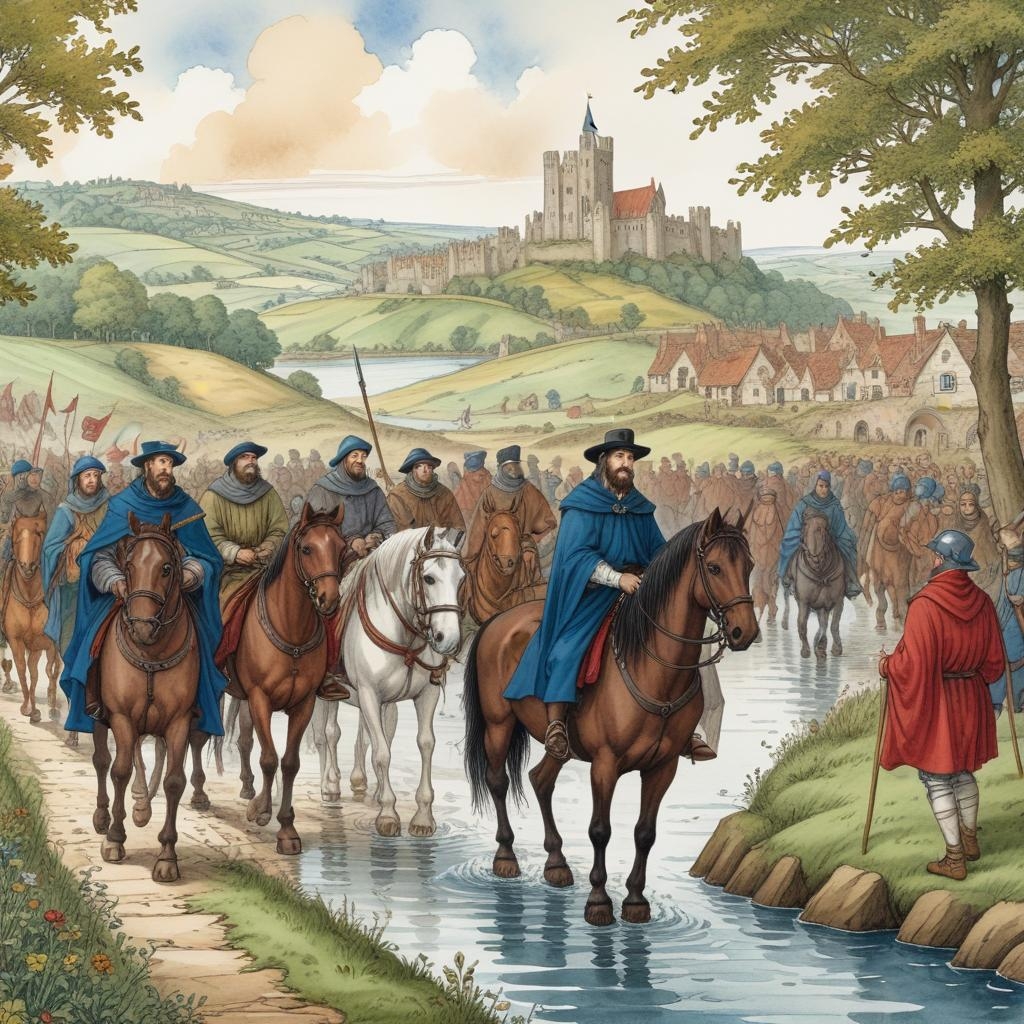
The narrator introduces the setting: a pilgrimage to Canterbury
The narrator describes the characters on the pilgrimage
The pilgrims gather at the Tabard Inn in Southwark
The Host proposes a storytelling game
The Host becomes the judge of the tales
The pilgrims draw lots to determine the storyteller's order
The Knight goes first and tells a story of courtly love
The Miller interrupts and tells a crude, comical tale
The Reeve follows with a story about a dishonest miller
The Cook's turn is skipped
The Man of Law tells a story of a virtuous woman
The Wife of Bath shares her tale about marriage and authority
The Friar interrupts and tells a story about a summoner
The Summoner responds with an offensive tale about a friar
The Clerk tells a moral story about patience and faith
The Merchant shares a tale about marriage and commerce
The Squire's tale is interrupted and remains unfinished
The Franklin tells a story about generosity and hospitality
The Physician tells a story of a young girl's sacrifice
The Pardoner shares a moral tale about greed
The Shipman tells a story about a dishonest merchant
The Prioress tells a tale of a young boy's martyrdom
Chaucer interrupts with a satirical tale about a rooster
The Monk interrupts and tells a tragic tale about fate
The Nun's Priest tells a humorous story about a rooster and a fox
The Second Nun tells a story about the power of prayer
The Canon's Yeoman interrupts and tells a tale of alchemy
The Manciple shares a story about a clever crow
The Parson concludes the storytelling with a sermon on penance
The Host declares the Parson's tale the best and praises its moral lesson
The pilgrims continue their journey to Canterbury.
Vocabulary List
- Pilgrimage
- The Canterbury Tales follows a group of pilgrims on a journey to the shrine of Thomas Becket in Canterbury.
- Pilgrim
- Each character in The Canterbury Tales is a pilgrim with their own unique story to tell.
- Parable
- Many of the tales in The Canterbury Tales are told in the form of parables, with moral lessons for the listeners.
- Satire
- Chaucer uses satire throughout The Canterbury Tales to poke fun at various aspects of medieval society.
- Feudalism
- The Canterbury Tales reflects the social structure of feudalism in medieval England.
- Chivalry
- The Knight in The Canterbury Tales embodies the ideals of chivalry and honor.
- Humor
- Chaucer's use of humor in The Canterbury Tales ranges from subtle wit to bawdy jokes.
- Morality
- Many of the tales in The Canterbury Tales explore themes of morality and ethics.
- Pardoners
- The Pardoner's Tale in The Canterbury Tales is a cautionary tale about the dangers of greed and corruption.
- Irony
- Chaucer employs irony throughout The Canterbury Tales to highlight the gap between appearance and reality.
Key Facts
This is the information used in the fact matching game
- -The Canterbury Tales is a collection of 24 stories written by Geoffrey Chaucer in the late 14th century.
- -It is written in Middle English, a form of the English language used during the medieval period.
- -The tales are framed within a pilgrimage to the shrine of Thomas Becket in Canterbury.
- -The pilgrims are a diverse group, representing various social classes and professions.
- -The narrator, Chaucer himself, is one of the pilgrims.
- -The stories cover a wide range of genres, including romance, comedy, and moral tales.
- -Chaucer intended to write 120 stories, but only completed 24 before his death.
- -The most famous tale is "The Wife of Bath's Tale," which explores themes of marriage and gender roles.
- -The tales are written in verse and are known for their vivid, descriptive language.
- -Chaucer's work is considered a masterpiece of English literature and is widely studied and analyzed.
- -The Canterbury Tales provides a social commentary on medieval society, including critiques of corruption and hypocrisy.
- -Chaucer was influenced by Italian literature, particularly the works of Boccaccio.
- -The book offers insights into the religious, political, and cultural climate of the time.
- -The tales reflect Chaucer's keen observation of human nature and his ability to create memorable characters.
- -The stories often include elements of humor and satire.
- -Chaucer's use of different dialects and accents within the tales adds depth to the characters' voices.
- -While some tales are complete, others are left unfinished, leaving readers to speculate on their intended endings.
- -The Canterbury Tales is considered a precursor to the modern novel due to its narrative structure and characterization.
- -Chaucer's work was groundbreaking for its time, as it elevated the English language to a literary status previously reserved for Latin and French.
- -The Canterbury Tales has had a lasting impact on literature and continues to be studied and appreciated today.
Analysis & Significance
Impact on Literature
Geoffrey Chaucer’s ‘The Canterbury Tales’ is a seminal work in English literature, credited with popularizing the use of vernacular Middle English in storytelling. Its innovative structure of interconnected stories told by a diverse group of pilgrims set the stage for future works such as ‘The Decameron’ by Giovanni Boccaccio and ‘The Arabian Nights’.
Enduring Themes
‘The Canterbury Tales’ explores timeless themes such as love, betrayal, greed, and social class, making it relevant to modern audiences. Chaucer’s characters and their moral dilemmas continue to resonate with readers today, showcasing the complexities of human nature and society.
Cultural Significance Today
The legacy of ‘The Canterbury Tales’ can be seen in various adaptations across different mediums, from modern retellings in literature and film to its influence on contemporary storytelling techniques. Its characters, such as the Wife of Bath and the Pardoner, have become iconic figures in Western literary tradition, cementing Chaucer’s work as a cultural touchstone.
The Canterbury Tales Games


Take Your Learning Offline
Want a convenient, print-ready study guide for this lesson? Become a Memory Wizards Pro member to unlock the downloadable " Memory Scrolls" for this topic and our entire library!
- ✓ Complete Vocabulary Lists
- ✓ Key Facts & Timelines
- ✓ Beautifully Formatted for Print & Mobile