
How Do You Learn Best?
Learn by Reading
Immerse yourself in the 10-minute visual lesson for a comprehensive understanding of the topic.
Learn by Reviewing
Jump directly to the key facts, timeline, and vocabulary lists to build a solid foundation of details.
Learn by Doing
Challenge yourself! Jump straight into the interactive games to learn by trial, error, and discovery.
White Nights by Fyodor Dostoevsky in 10 Minutes
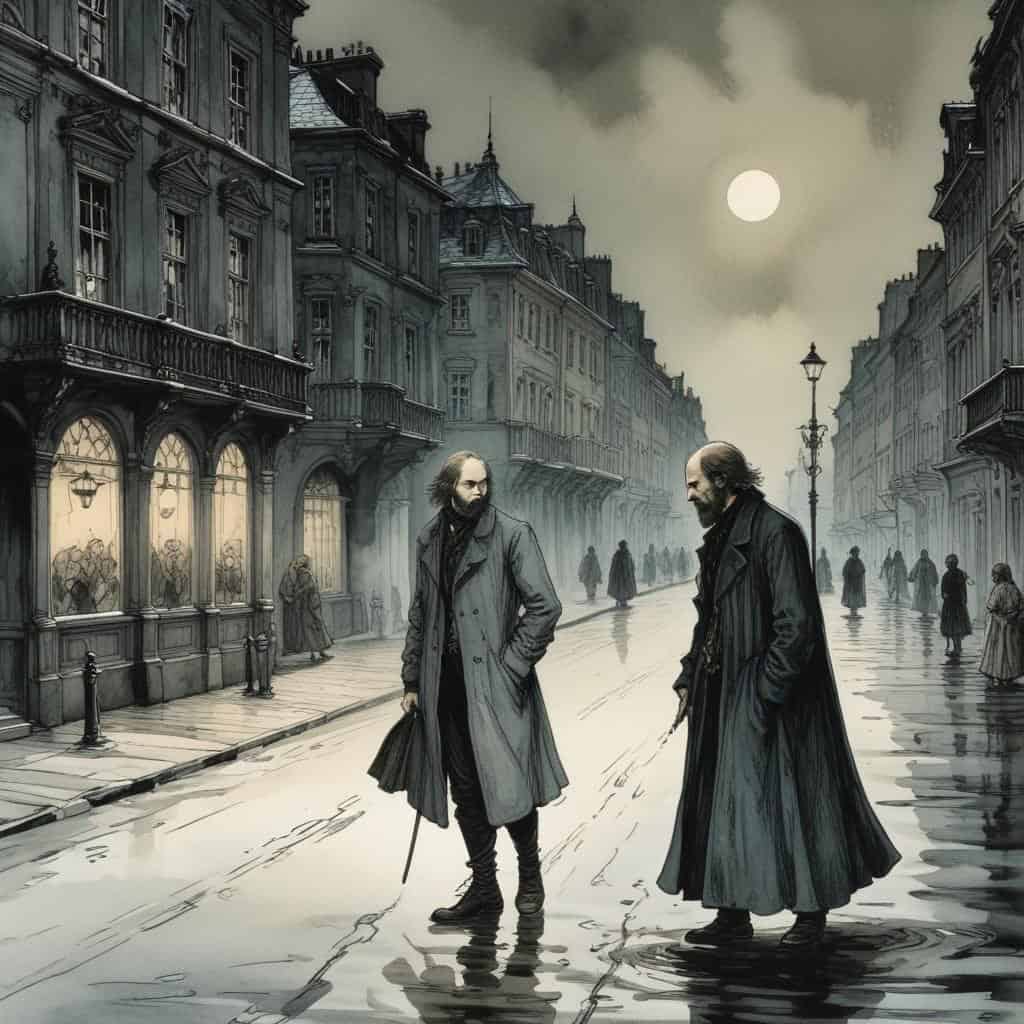
Introduction
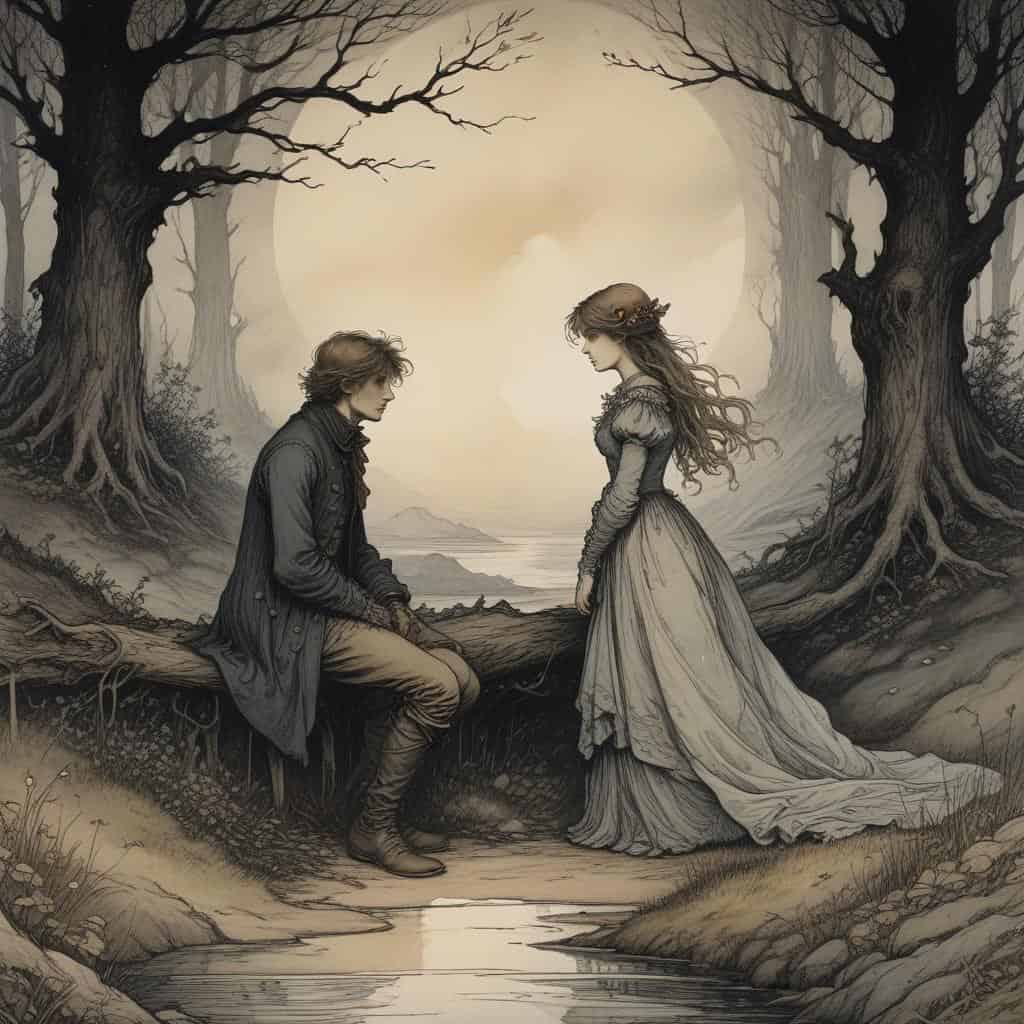


The Narrator
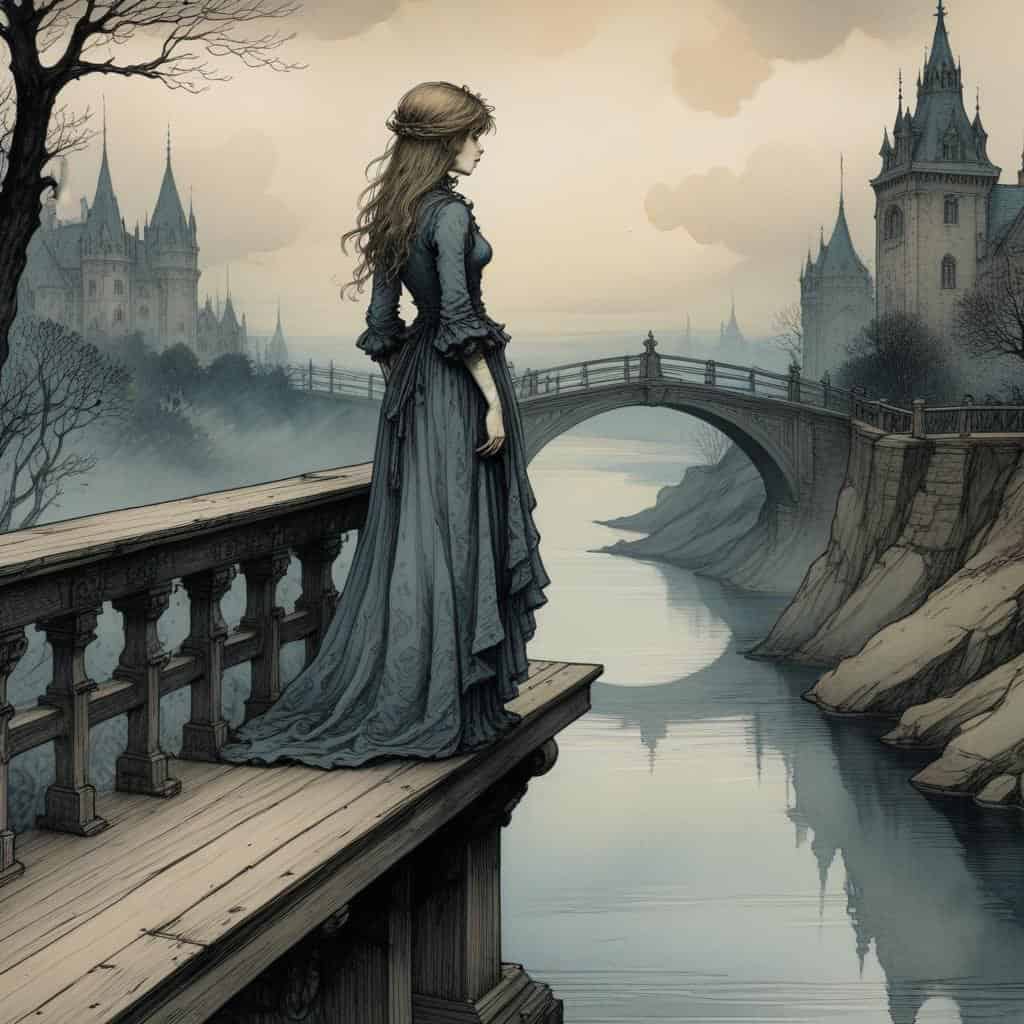
Nastenka

The Dreamer

The Mysterious Stranger

The Encounter
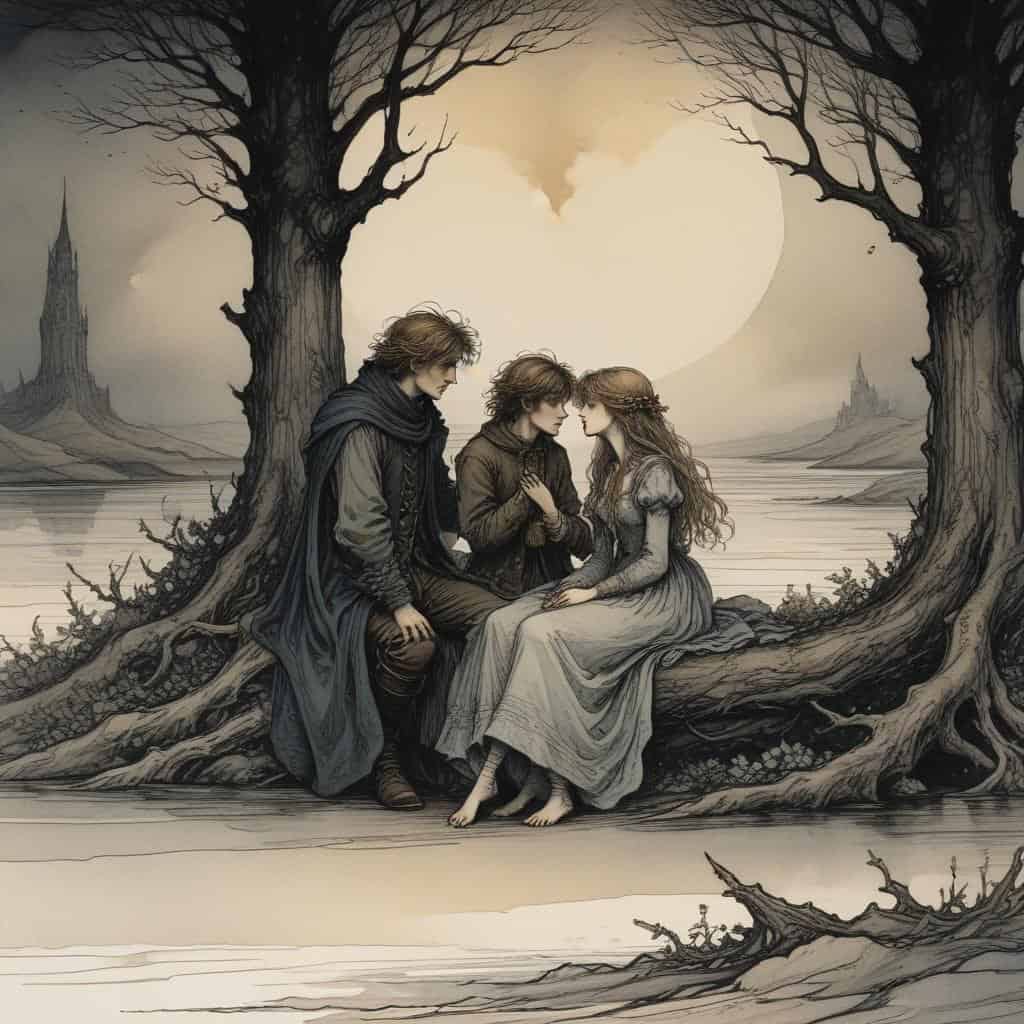
The Bond
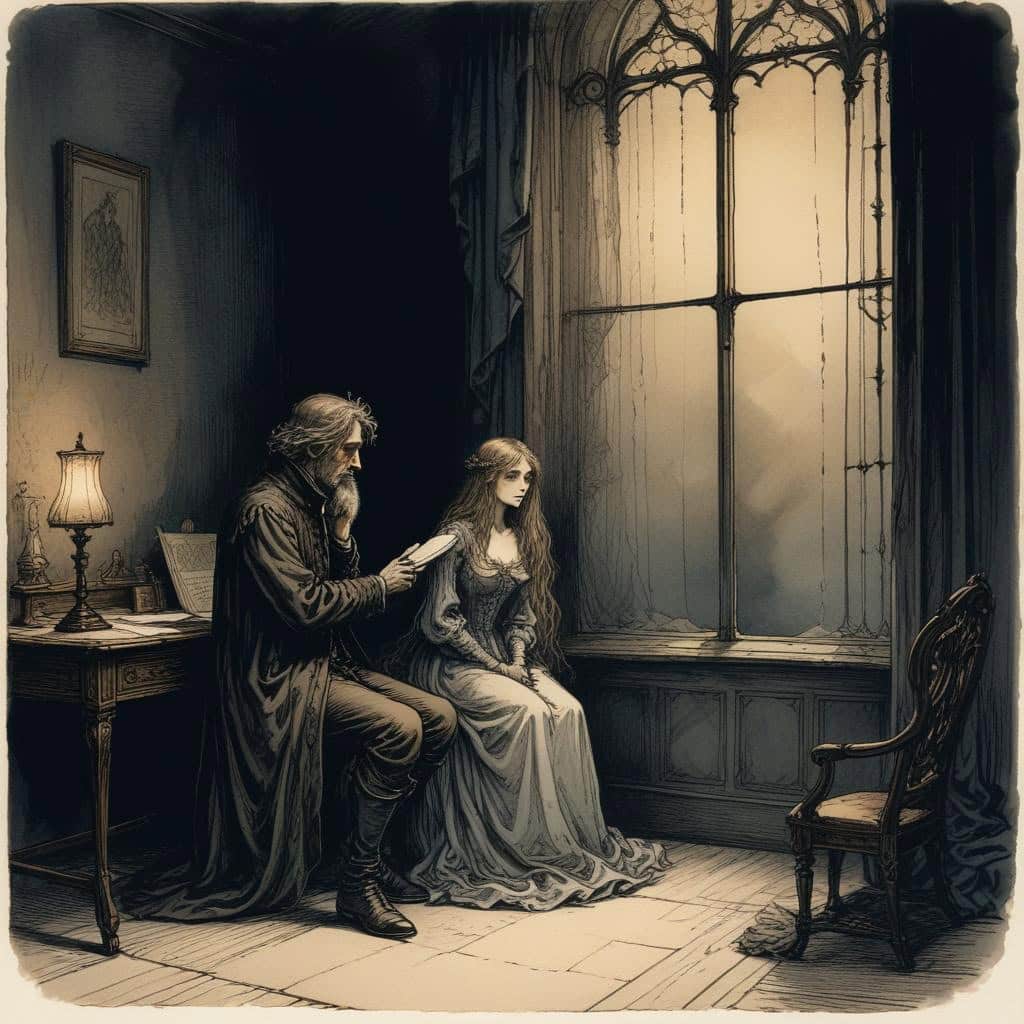
The Confession
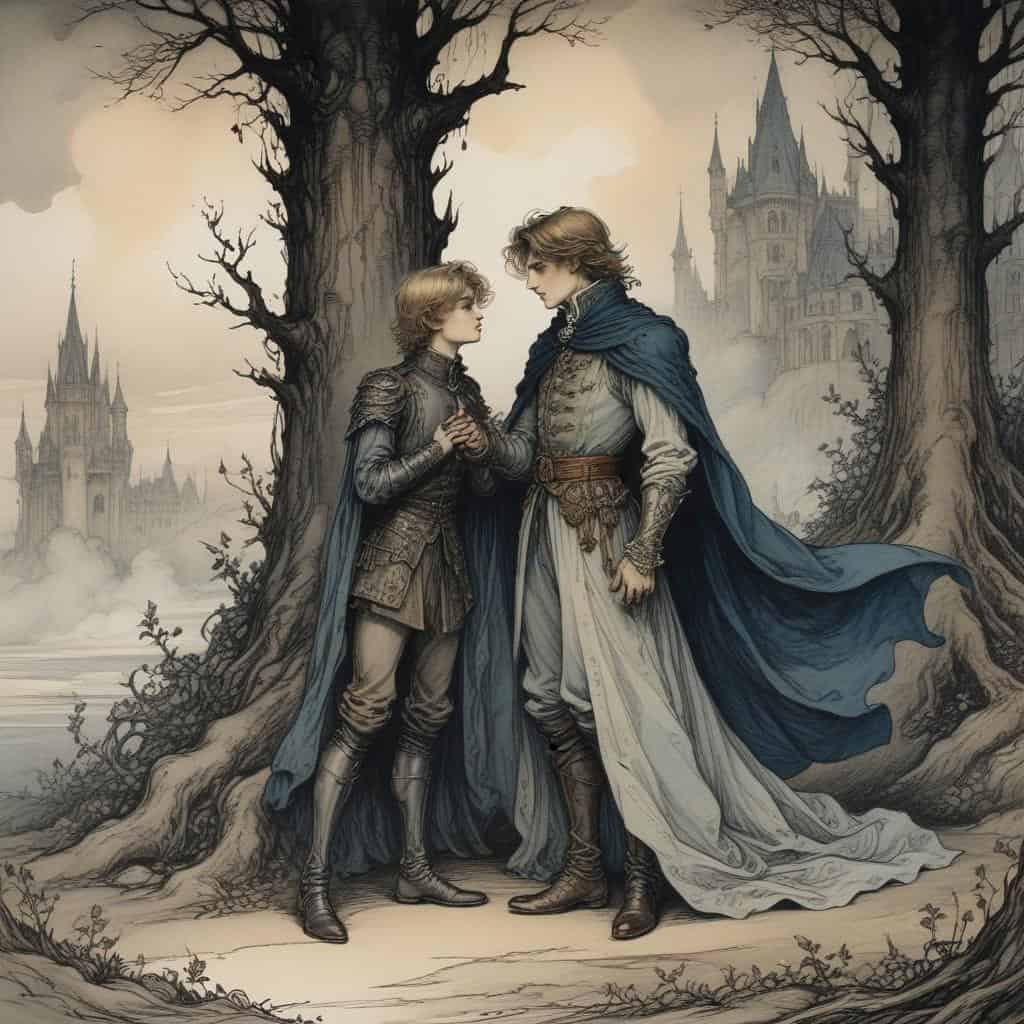
The Rival
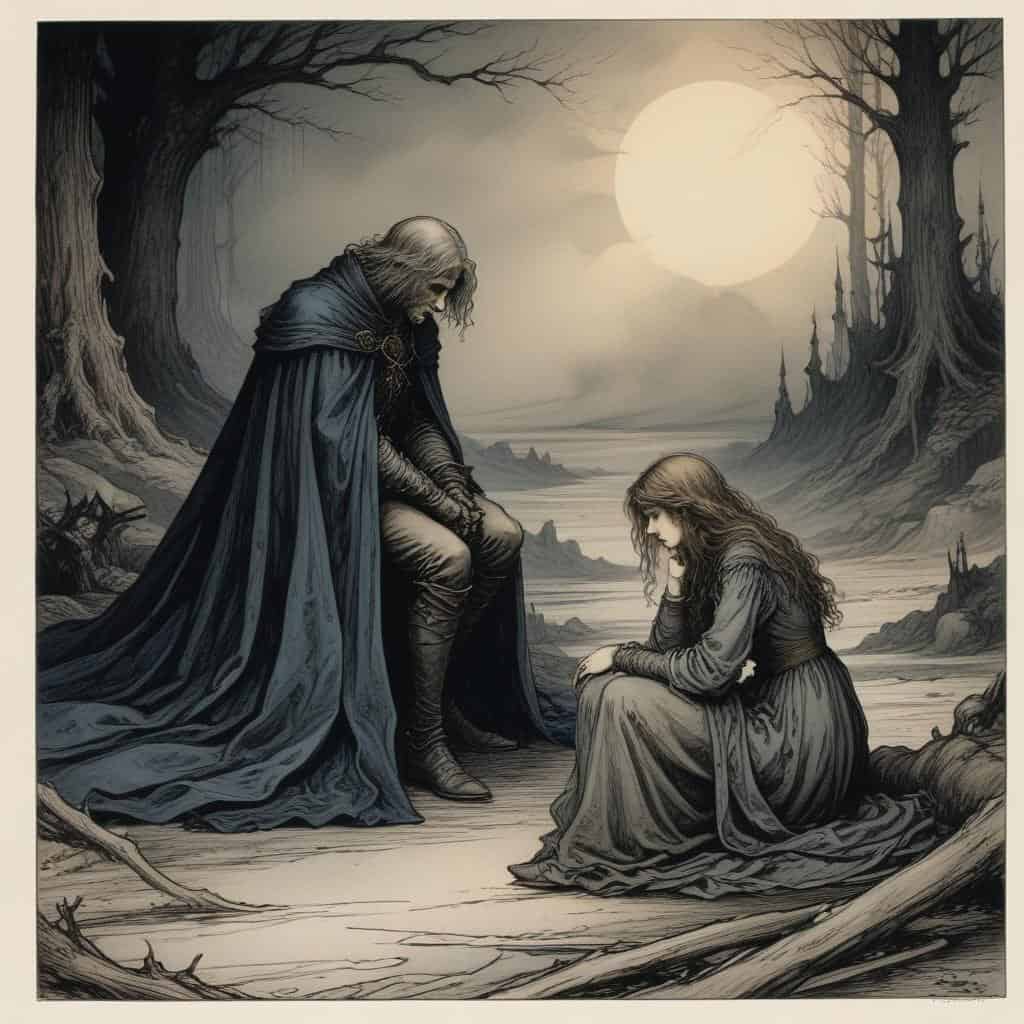
The Rejection
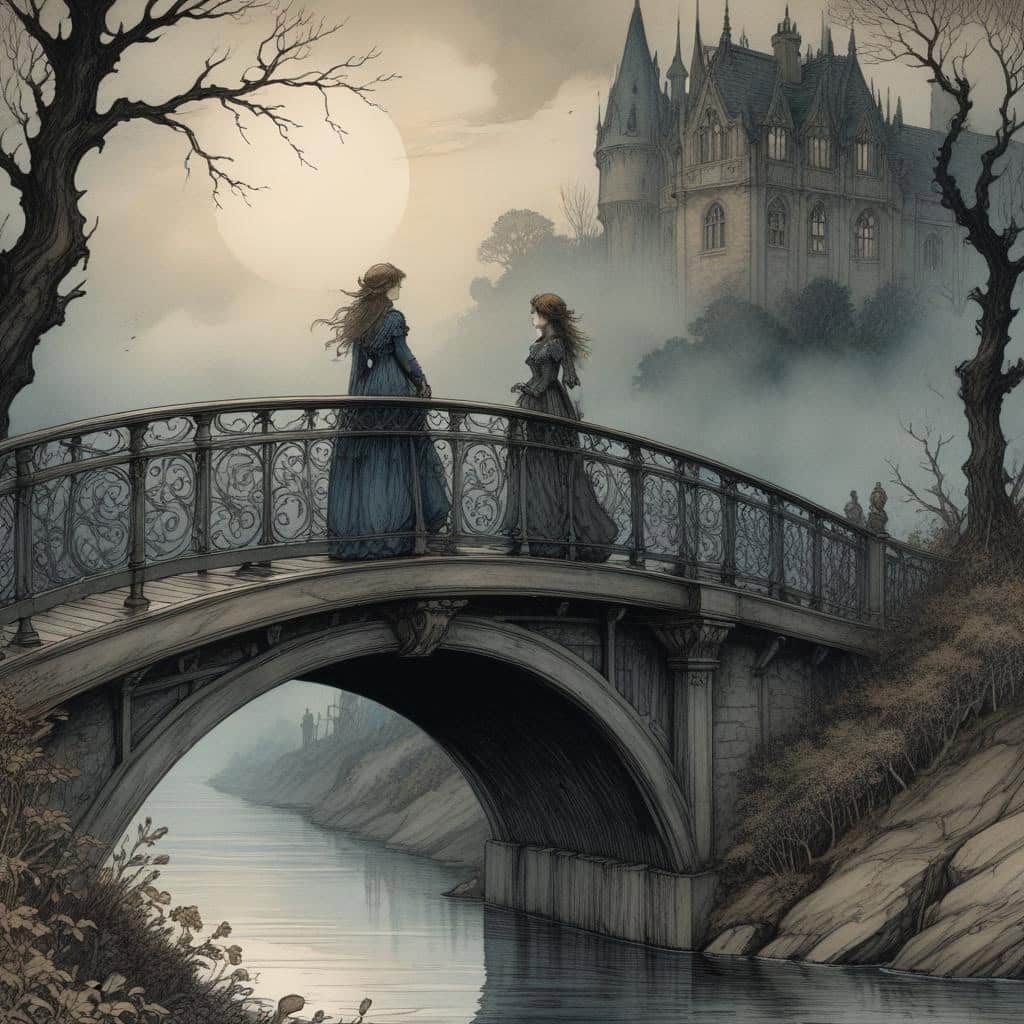
The Reunion
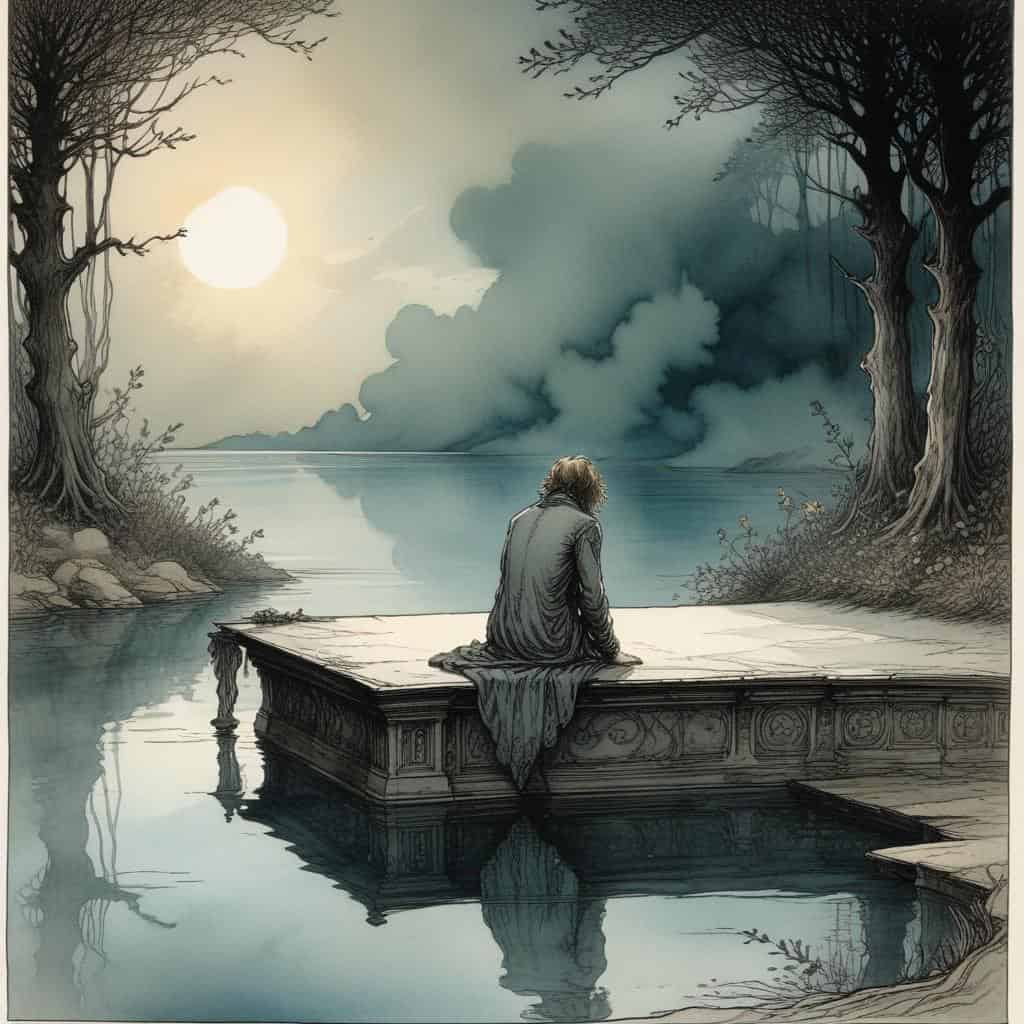
The Reflection

The Resolution
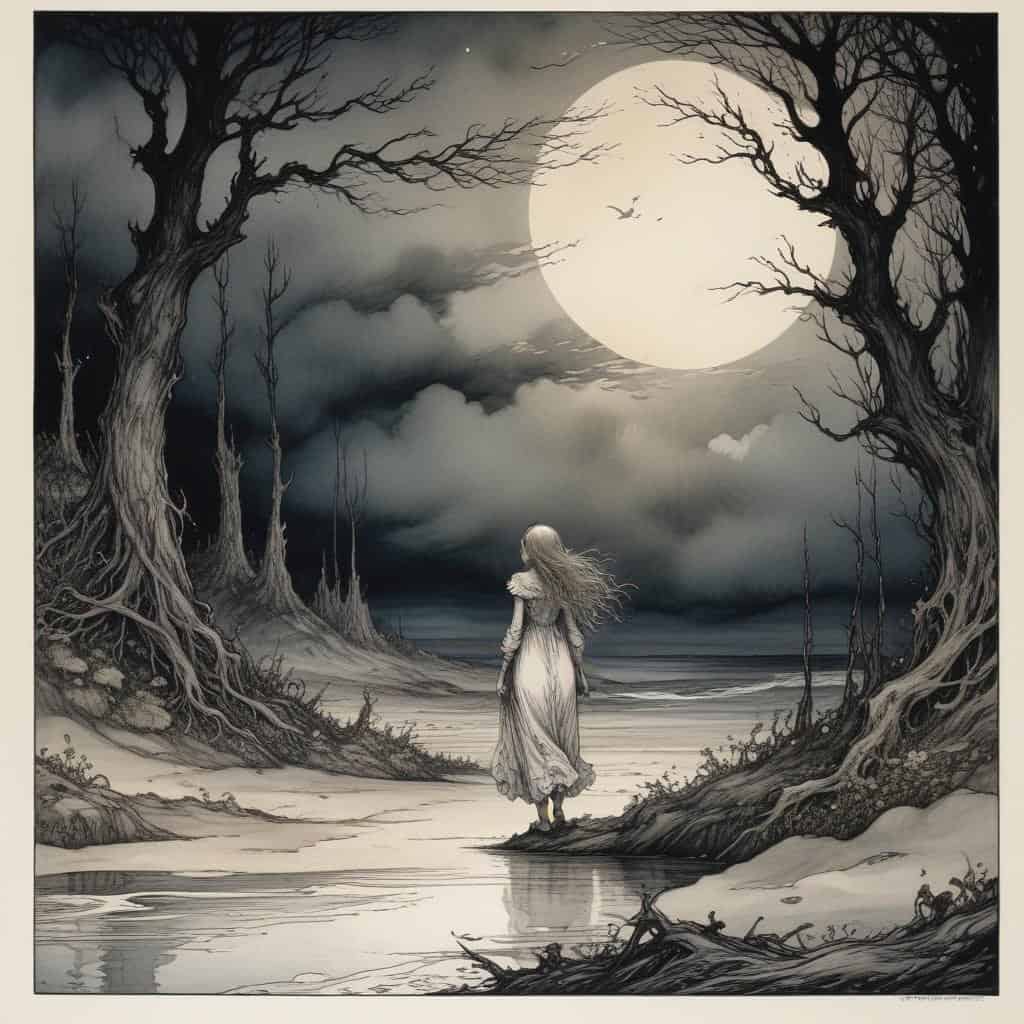
The Themes
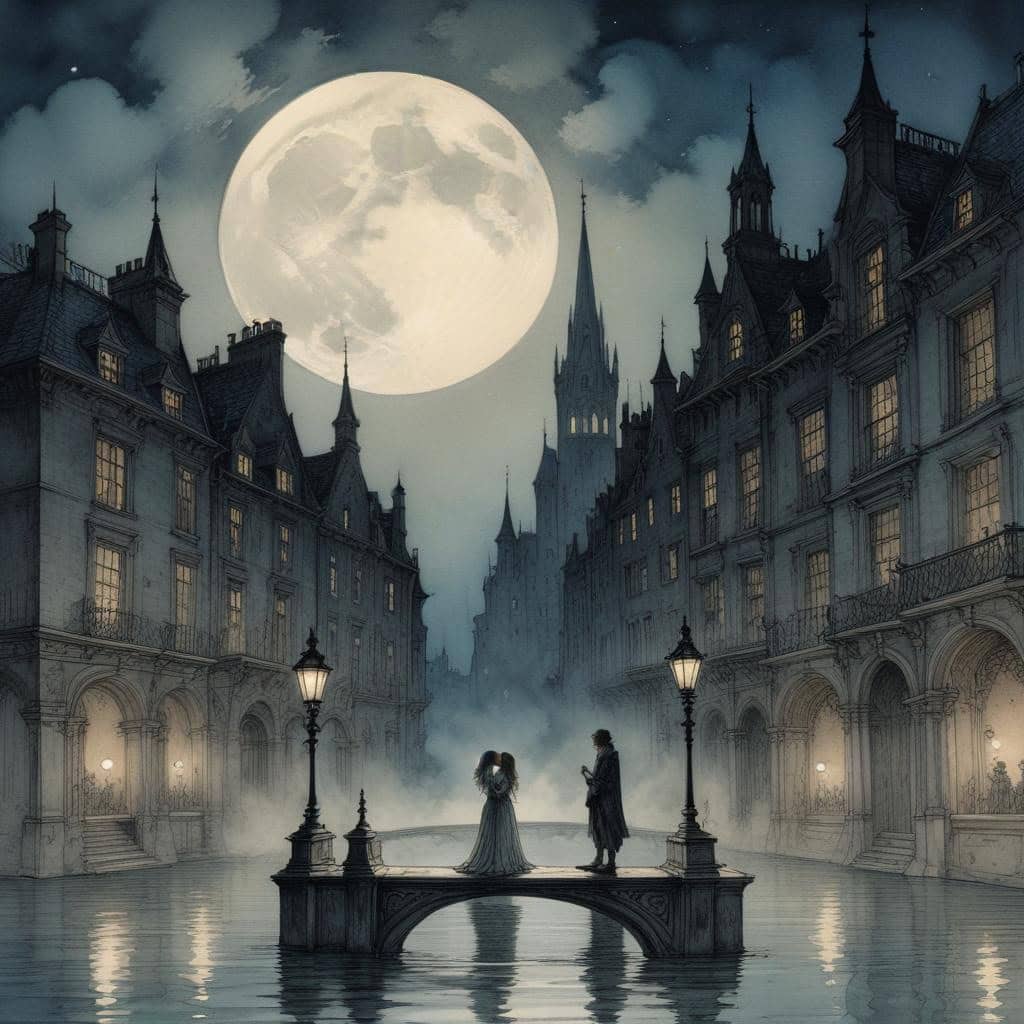
The Legacy
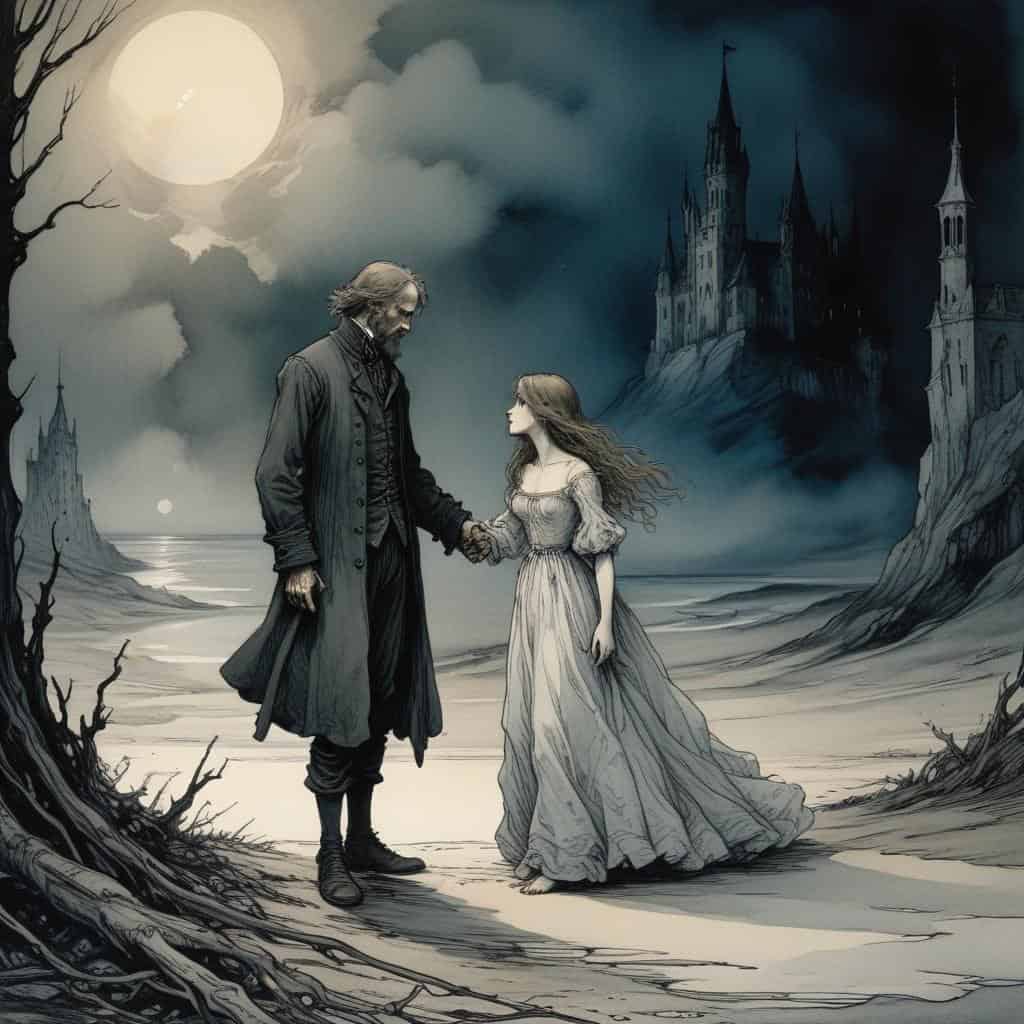
Lesson Details & Resources
In a Nutshell
- What: White Nights by Fyodor Dostoevsky
- When: Written in the 19th century
- Who: The main characters are the narrator and Nastenka
- Theme: Loneliness, love, and human connection
List of Characters in White Nights by Fyodor Dostoevsky
-
Nastenka
Nastenka is a young woman who is the object of the narrator's affection.
-
Myshkin
Myshkin is a kind-hearted and naive man who becomes entangled in the lives of the other characters.
-
Pavlusha
Pavlusha is a young boy who is taken in by the narrator and his friends.
-
Ganya
Ganya is a suitor of Nastenka who struggles with his feelings for her.
-
Rogozhin
Rogozhin is a wealthy and passionate man who competes with Ganya for Nastenka's affections.
Timeline of White Nights by Fyodor Dostoevsky
The story begins with the protagonist, a lonely dreamer named Nastenka, wandering the streets of St. Petersburg at night.
Nastenka meets a mysterious stranger named Myshkin, who tells her the story of his unrequited love for a woman named Maria.
Myshkin and Nastenka develop a deep emotional connection, but their relationship remains platonic.
Nastenka reveals her own feelings of loneliness and despair to Myshkin, who offers her comfort and companionship.
Myshkin and Nastenka spend long nights together, sharing their innermost thoughts and fears.
As their bond deepens, Nastenka begins to see Myshkin as a source of strength and stability in her tumultuous life.
However, their relationship is tested when Nastenka's former lover, the charismatic and manipulative Rogozhin, reappears in her life.
Nastenka is torn between her feelings for Myshkin and her lingering attraction to Rogozhin, leading to a dramatic confrontation.
In the end, Nastenka must choose between the two men and decide what kind of future she wants for herself.
The story concludes with Nastenka making a heartbreaking decision that will impact her life and the lives of those around her.
Vocabulary List
- Insomnia
- The protagonist suffers from insomnia during the White Nights.
- Solitude
- The theme of solitude is prevalent throughout the story.
- Yearning
- The protagonist experiences a deep yearning for love and companionship.
- Despair
- The protagonist struggles with feelings of despair and hopelessness.
- Nostalgia
- The story is imbued with a sense of nostalgia for the past.
- Longing
- The protagonist feels a profound longing for connection with others.
- Melancholy
- The mood of the story is often melancholic and reflective.
- Isolation
- The protagonist grapples with feelings of isolation and alienation.
- Introspection
- The protagonist engages in deep introspection about his own emotions and desires.
- Sorrow
- The story is tinged with a sense of sorrow and loss.
Key Facts
This is the information used in the fact matching game
- White Nights is a short story by Fyodor Dostoevsky, first published in 1848.
- The story is set in St. Petersburg, Russia.
- The protagonist of White Nights is a lonely dreamer named the Narrator.
- The Narrator falls in love with a young woman named Nastenka.
- Nastenka is involved with another man named Alyosha.
- The story explores themes of love, loneliness, and the search for meaning.
- White Nights is considered one of Dostoevsky's most lyrical works.
- The story was inspired by Dostoevsky's own experiences of unrequited love.
- White Nights is often seen as a precursor to Dostoevsky's longer novels.
- The title 'White Nights' refers to the long summer nights in St. Petersburg.
- The story is written in first-person narrative.
- White Nights was later adapted into an opera by composer Sergei Rachmaninoff.
- The story has been translated into multiple languages.
- Dostoevsky's writing style in White Nights is characterized by its emotional intensity.
- White Nights is often compared to Dostoevsky's other works such as 'Crime and Punishment' and 'The Brothers Karamazov'.
- The story is divided into four sections, each representing a different night.
- Critics have praised White Nights for its exploration of human emotions and psychology.
- The Narrator's feelings of isolation and longing are central to the story.
- White Nights is considered a classic of Russian literature.
- The story ends on a bittersweet note, with the Narrator's love remaining unrequited.
Analysis & Significance
Impact on Literature
‘White Nights’ by Fyodor Dostoevsky is a classic short story that has had a significant impact on literature, particularly in the realm of psychological fiction. The story’s exploration of themes such as loneliness, unrequited love, and the complexities of human relationships has influenced generations of writers and continues to be studied and admired for its psychological depth and emotional resonance.
Enduring Themes
The timeless themes of ‘White Nights’ still resonate with modern audiences today. The story’s portrayal of the human experience, the search for connection and meaning in a lonely world, and the complexities of love and desire are themes that continue to be relevant and relatable across cultures and time periods. Dostoevsky’s exploration of these universal themes has ensured the story’s enduring appeal.
Cultural Significance Today
‘White Nights’ remains culturally significant today for its lasting impact on literature and its influence on popular culture. The story has been adapted into various forms, including films, plays, and operas, further solidifying its place in the literary canon. Dostoevsky’s tale of love, longing, and human connection continues to captivate audiences around the world and remains a beloved classic in the literary world.
White Nights by Fyodor Dostoevsky Games


Take Your Learning Offline
Want a convenient, print-ready study guide for this lesson? Become a Memory Wizards Pro member to unlock the downloadable " Memory Scrolls" for this topic and our entire library!
- ✓ Complete Vocabulary Lists
- ✓ Key Facts & Timelines
- ✓ Beautifully Formatted for Print & Mobile