
How Do You Learn Best?
Learn by Reading
Immerse yourself in the 10-minute visual lesson for a comprehensive understanding of the topic.
Learn by Reviewing
Jump directly to the key facts, timeline, and vocabulary lists to build a solid foundation of details.
Learn by Doing
Challenge yourself! Jump straight into the interactive games to learn by trial, error, and discovery.
The Dream of a Ridiculous Man by Fyodor Dostoevsky in 10 Minutes
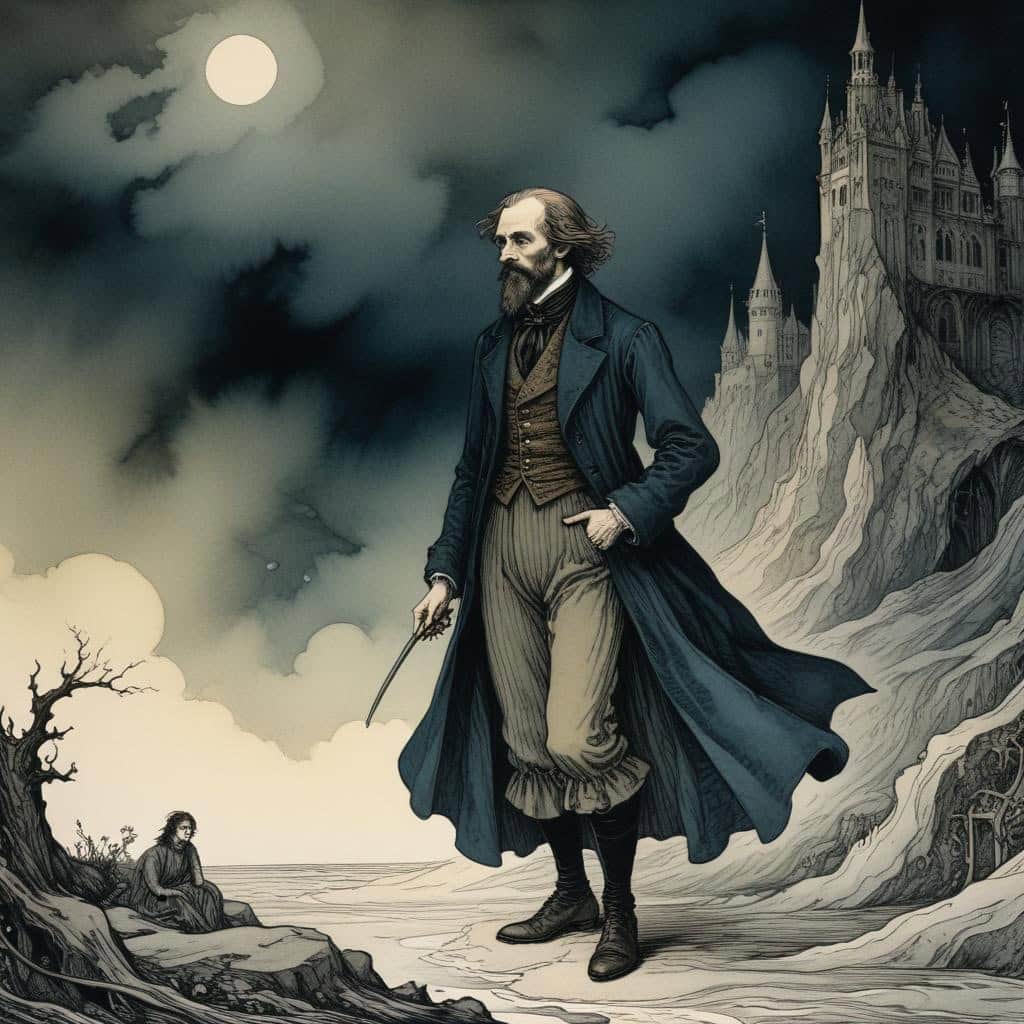
Introduction
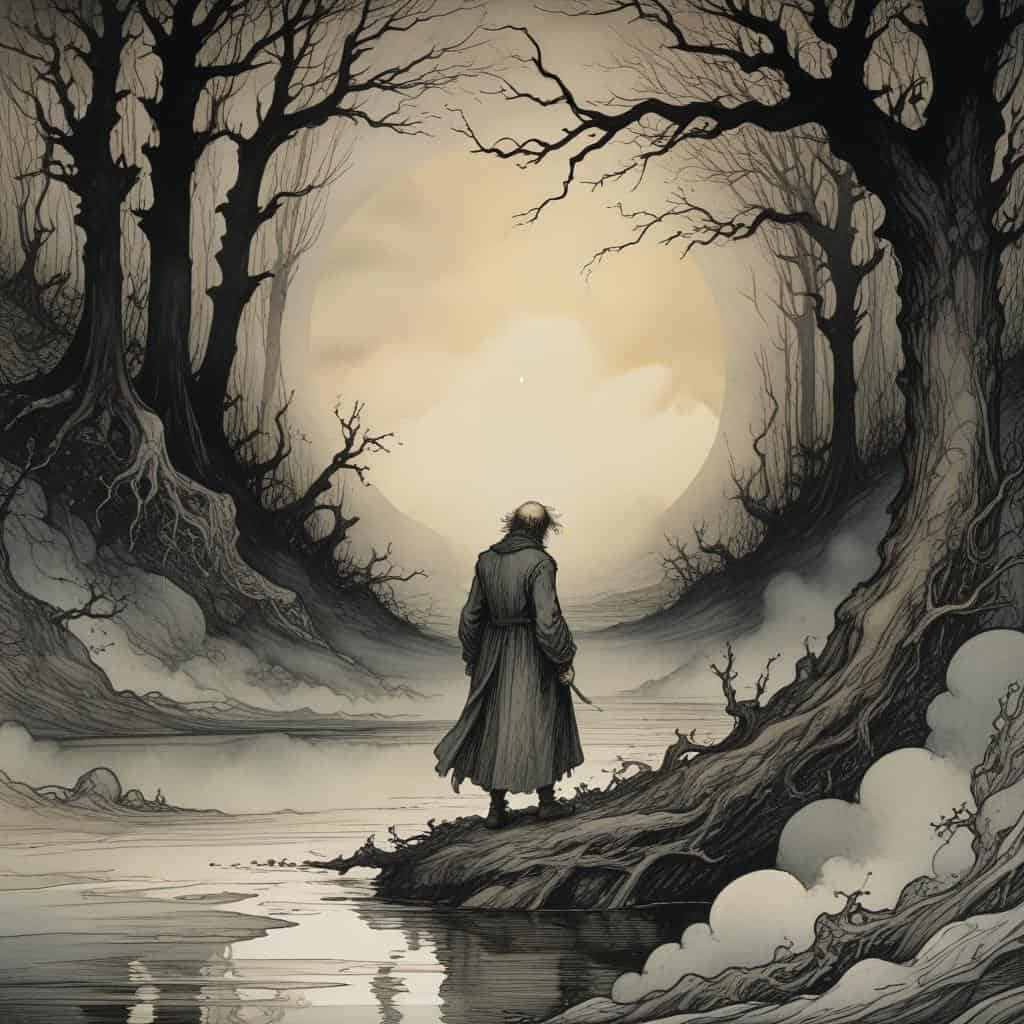
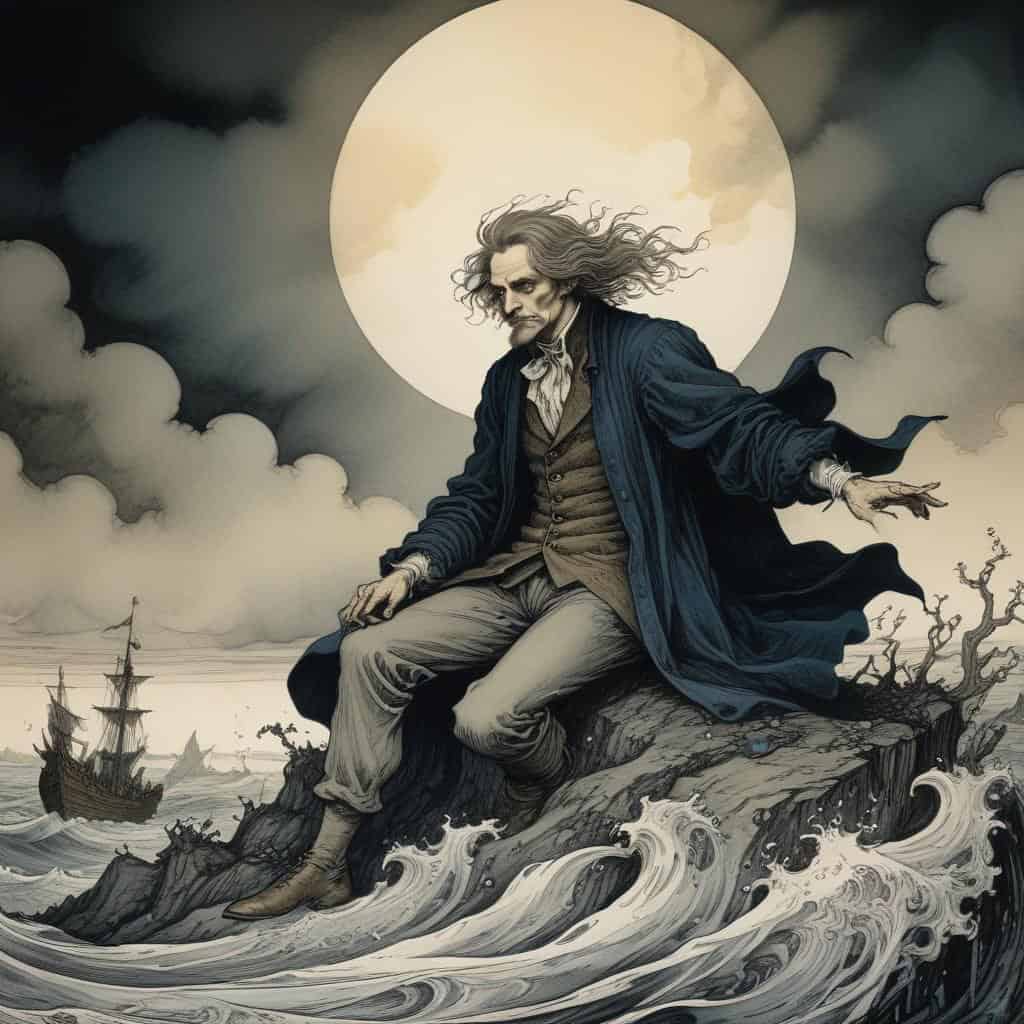

The Ridiculous Man
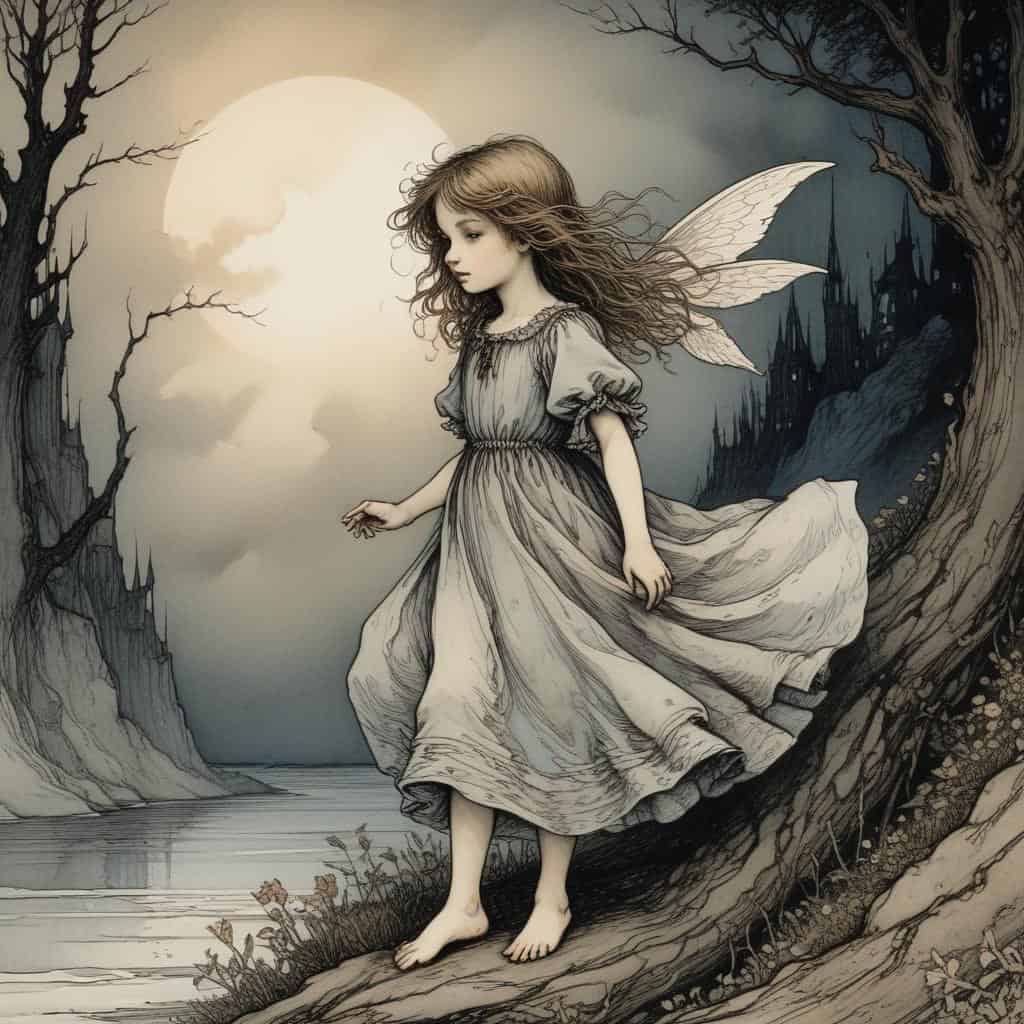
The Little Girl

The Crowd
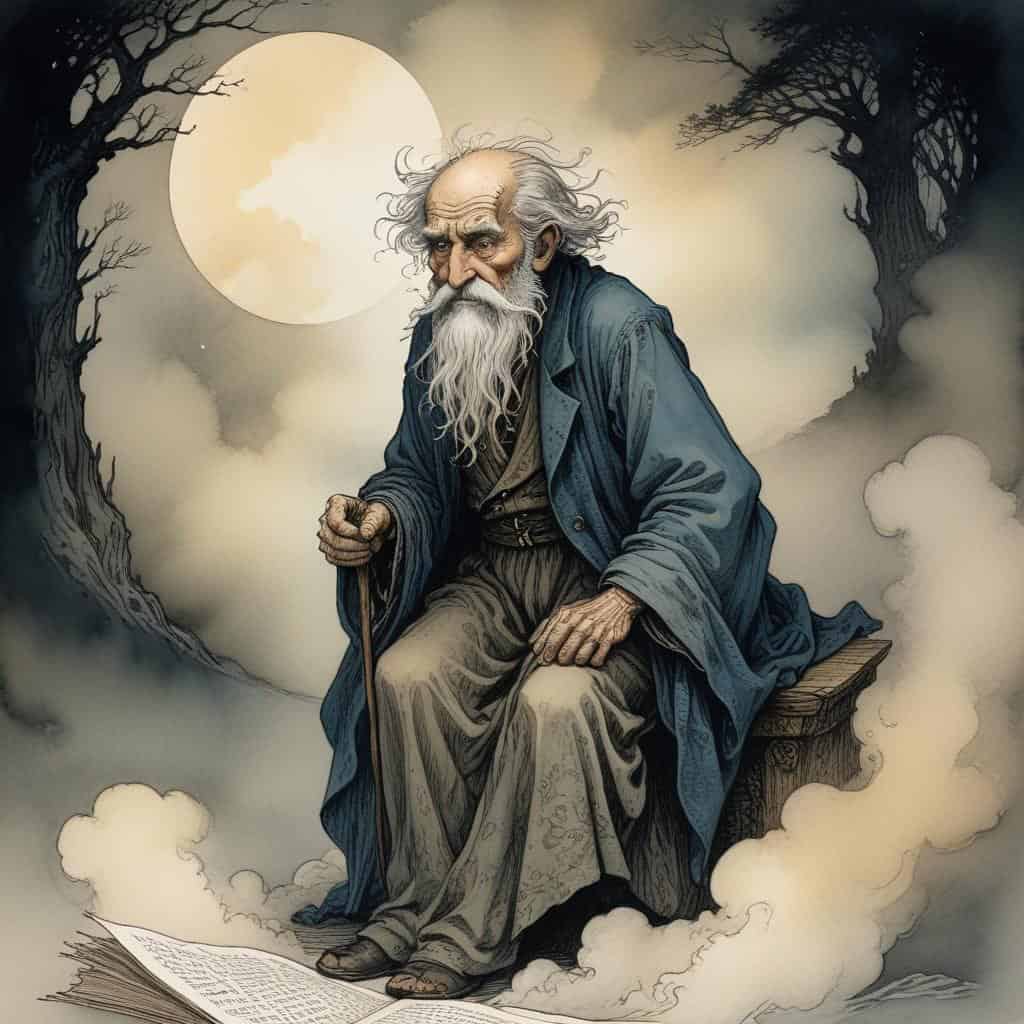
The Old Man

The Utopians
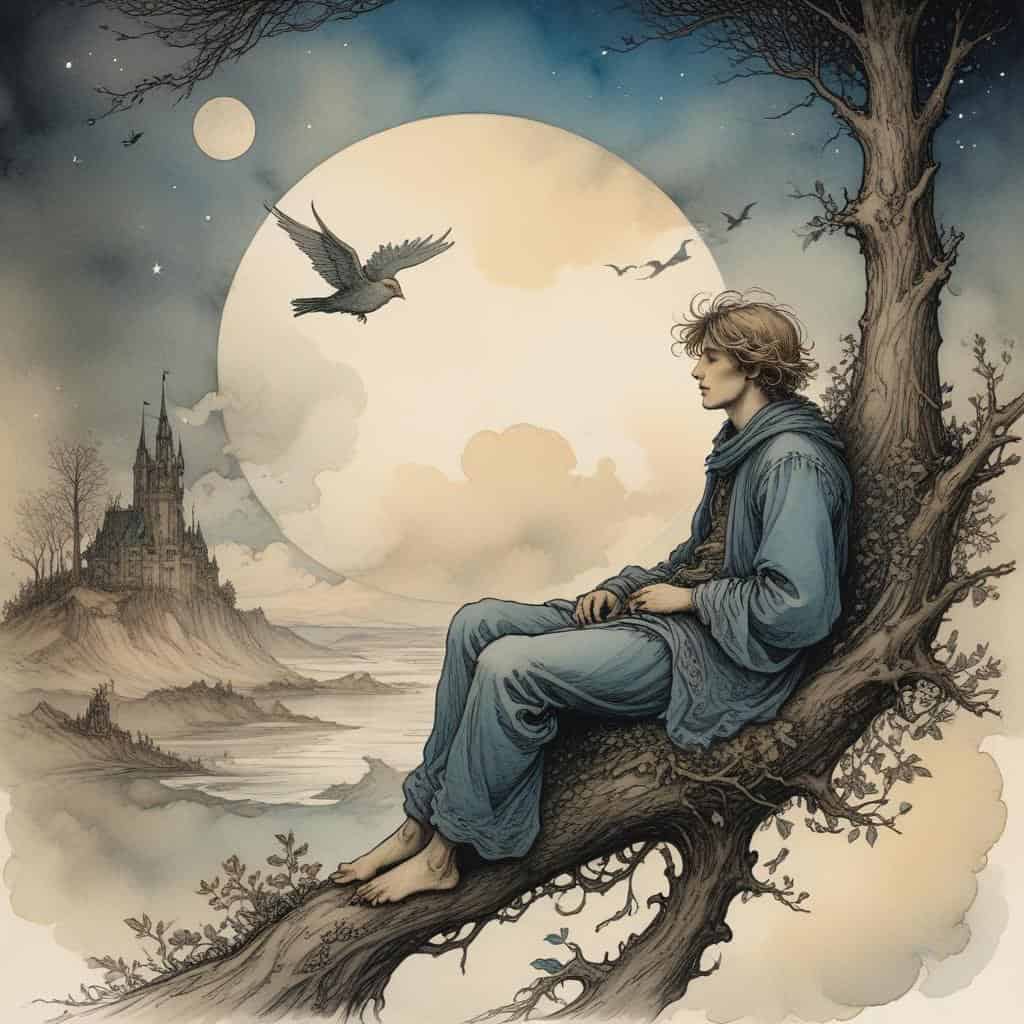
The Dream Begins
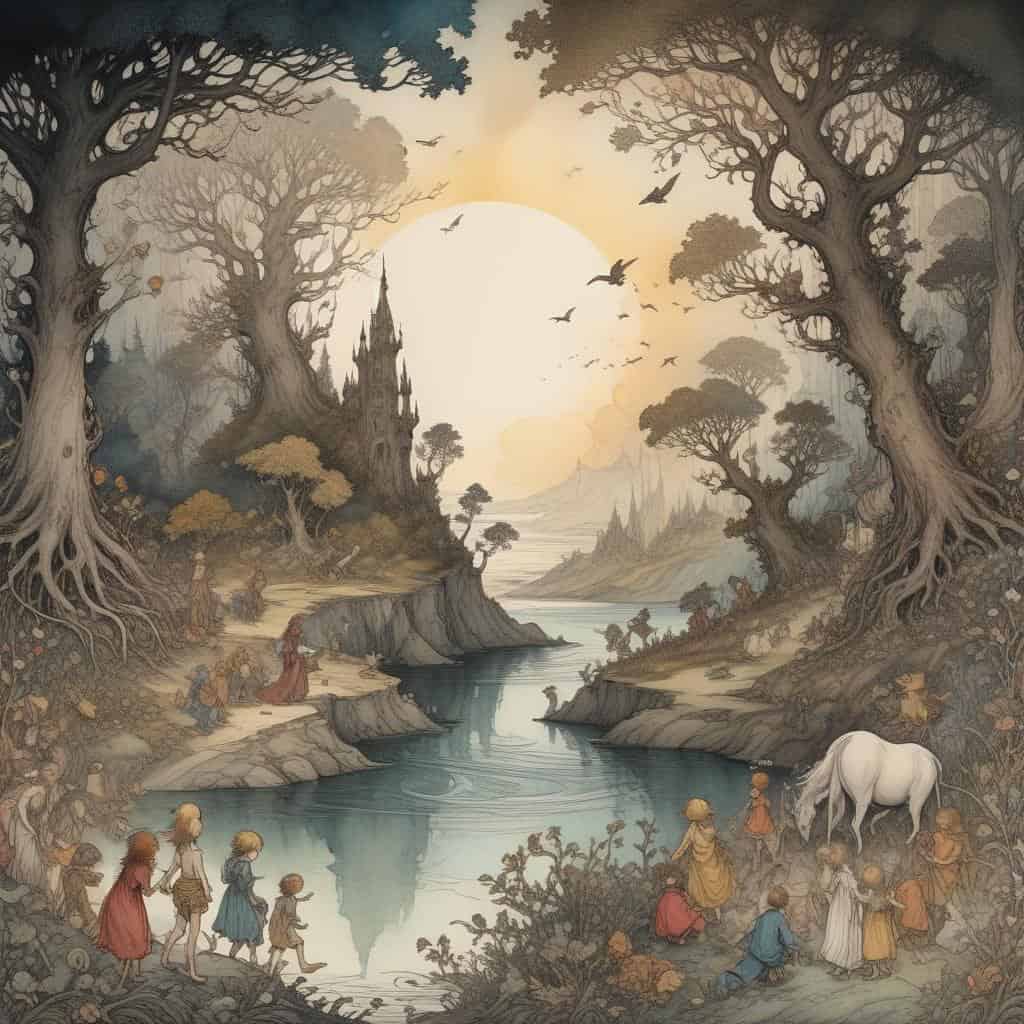
Discovering Paradise
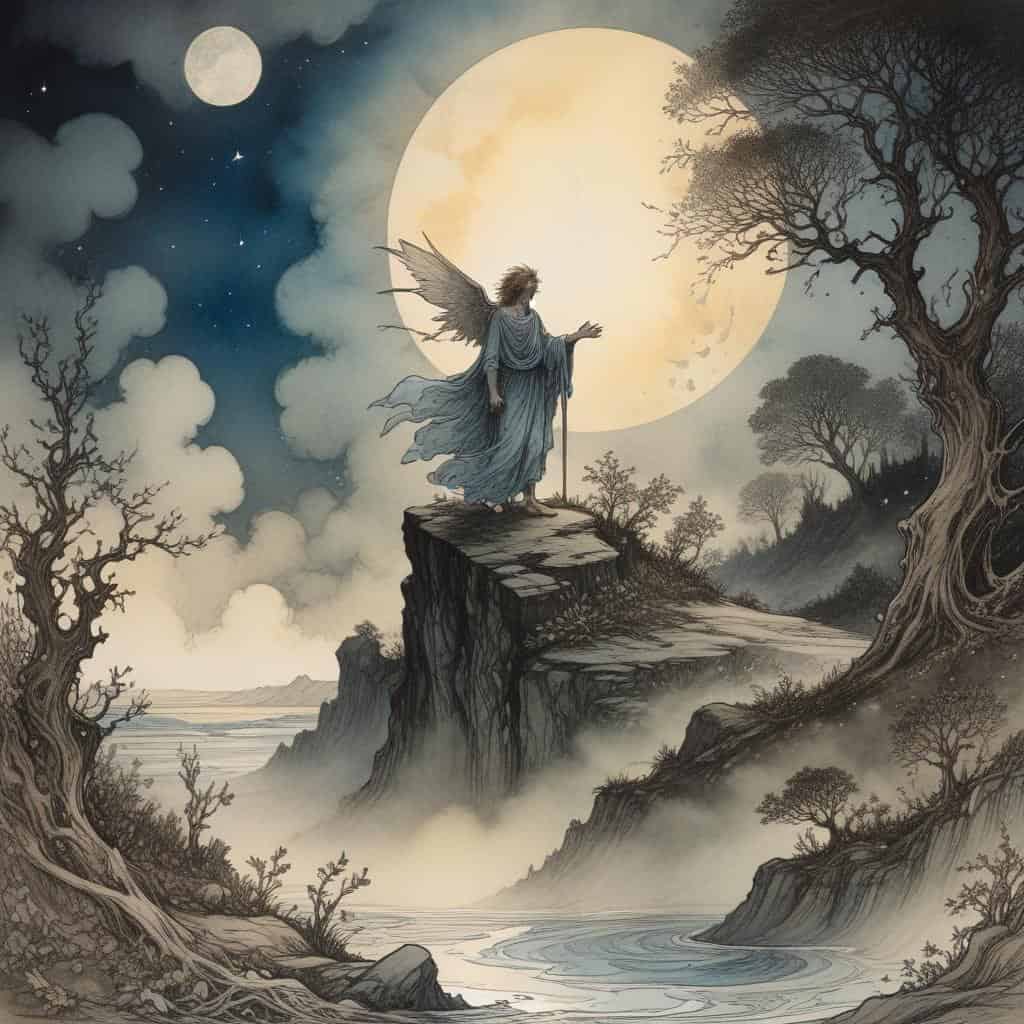
The Mans Transformation
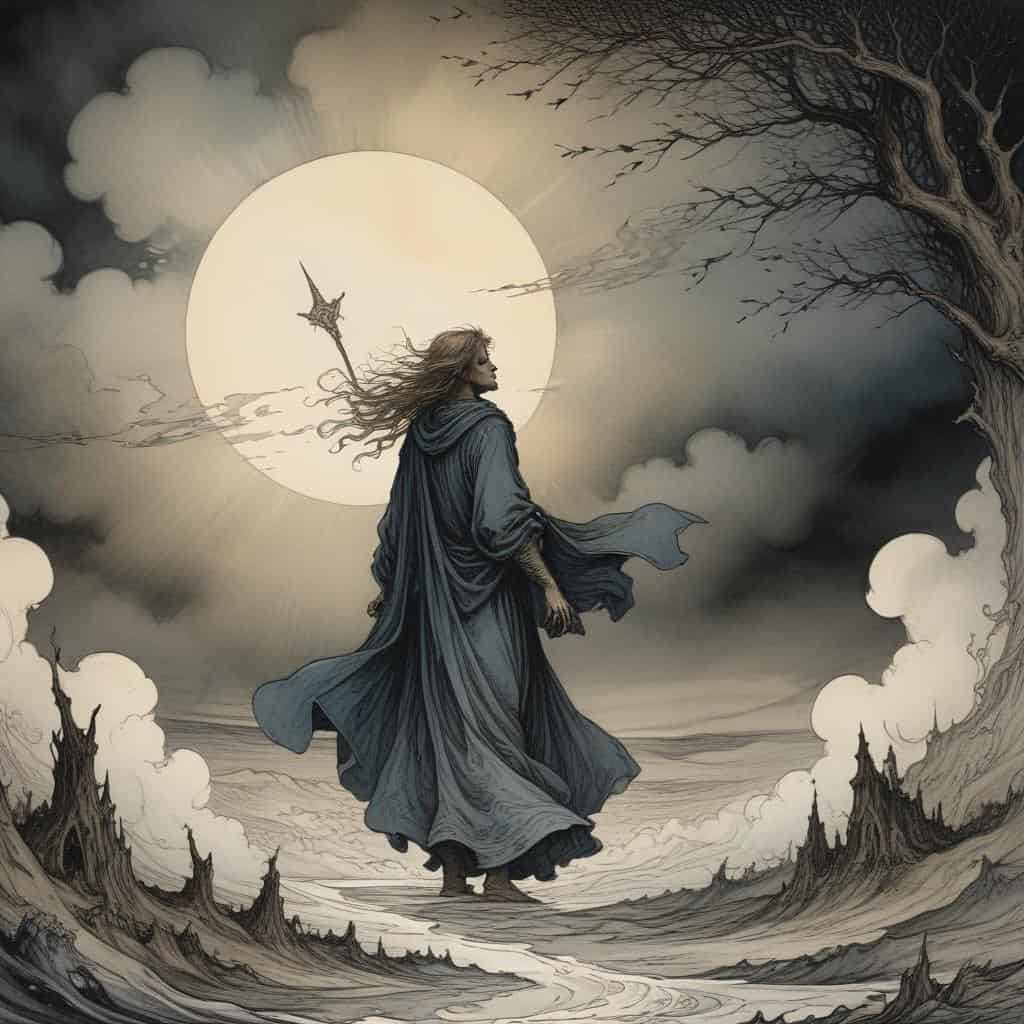
The Revelation
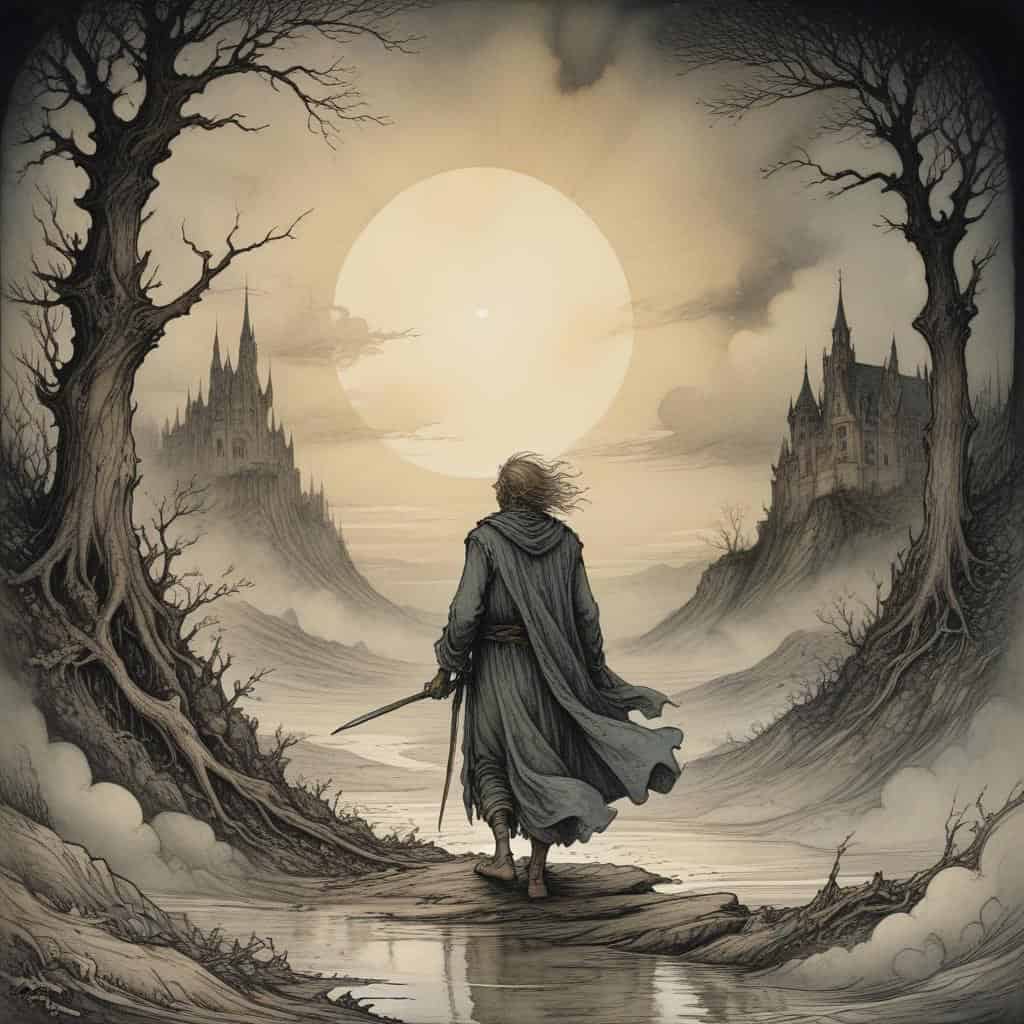
The Return to Reality
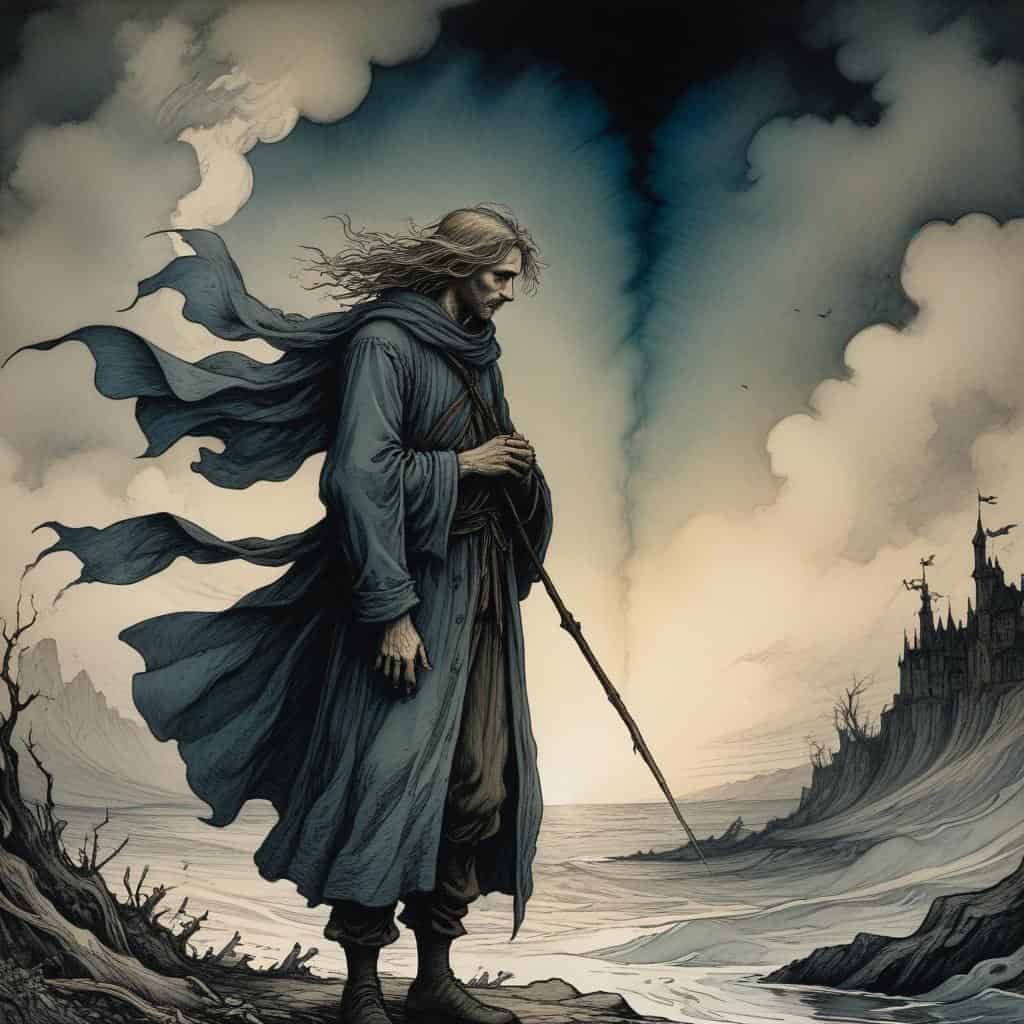
The Mans Mission
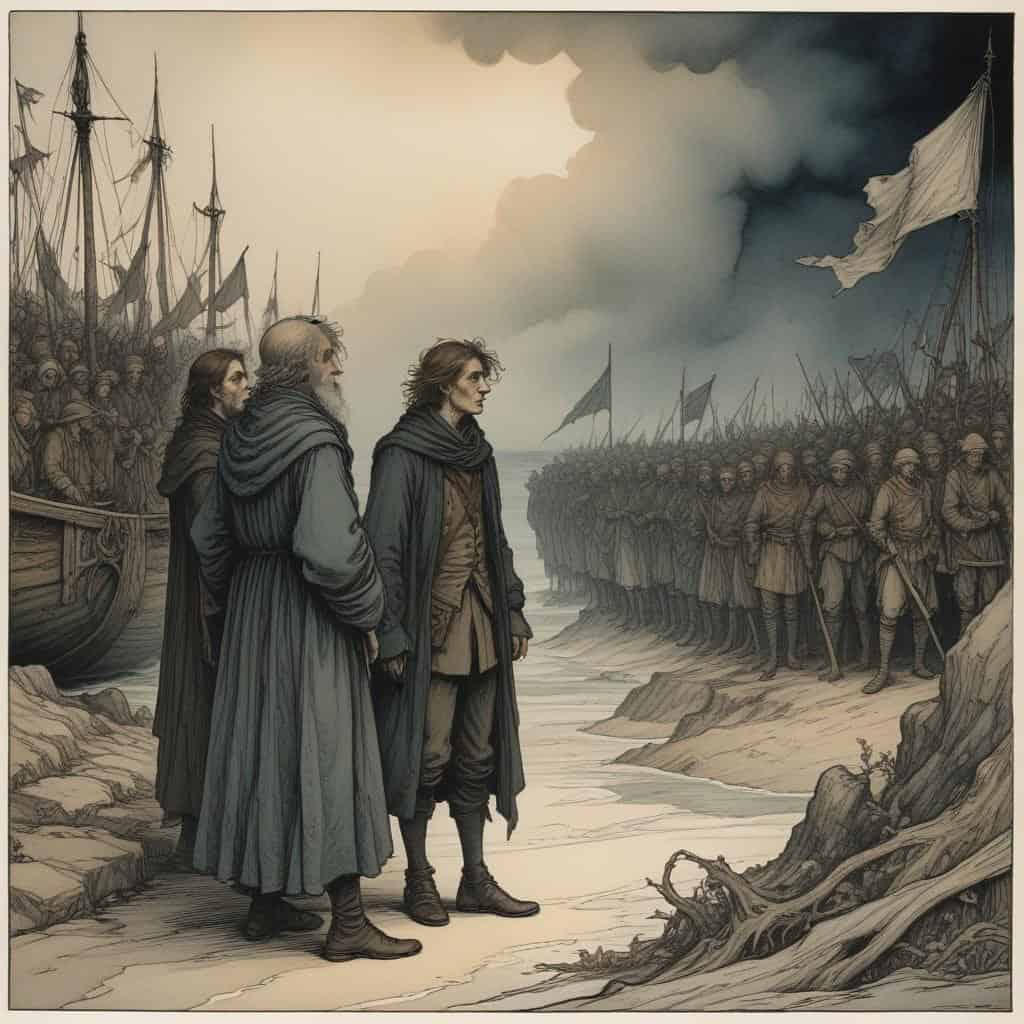
Encountering Skepticism
The Mans Inner Struggle
The Final Revelation
The Mans Redemption
Lesson Details & Resources
In a Nutshell
- What: The Dream of a Ridiculous Man by Fyodor Dostoevsky
- When: Written in the 19th century
- Who: The Ridiculous Man
- Theme: Redemption, morality, and the power of human connection
List of Characters in The Dream of a Ridiculous Man by Fyodor Dostoevsky
-
The Ridiculous Man
The Ridiculous Man is the protagonist of the story who experiences a profound dream that changes his outlook on life.
-
The Little Girl
The Little Girl is a character in the dream who represents innocence and purity.
-
The Angel
The Angel is a mysterious figure who guides the Ridiculous Man through his dream and helps him understand the true nature of humanity.
Timeline of The Dream of a Ridiculous Man by Fyodor Dostoevsky
The protagonist, a man tormented by his own thoughts and actions, decides to take his own life by shooting himself in the heart.
As he lies dying, the protagonist falls into a deep sleep and dreams of a beautiful, utopian world where all beings are connected and live in harmony.
In this dream world, the protagonist realizes the interconnectedness of all things and experiences a profound sense of peace and understanding.
Upon waking from his dream, the protagonist is filled with a newfound sense of purpose and a desire to spread the message of love and unity to others.
The protagonist returns to his own world with a renewed sense of hope and begins to share his vision with those around him, hoping to inspire others to see the world in a new light.
Despite facing skepticism and ridicule from others, the protagonist remains steadfast in his belief in the power of love and connection.
In the end, the protagonist finds solace and redemption in his dream, realizing that true happiness comes from within and from connecting with others.
The protagonist's journey serves as a powerful allegory for the transformative power of love and the importance of empathy and understanding in a world filled with chaos and suffering.
Vocabulary List
- Ridiculous
- The protagonist of the story feels like a ridiculous man in his dream.
- Dream
- The entire story is centered around the protagonist's dream and its impact on his life.
- Despair
- The protagonist experiences deep despair before his dream and seeks to find meaning in life.
- Redemption
- The protagonist's dream offers him a chance at redemption and a new perspective on life.
- Suffering
- The protagonist reflects on the suffering of humanity and his own personal suffering.
- Enlightenment
- The protagonist experiences a moment of enlightenment in his dream, leading to a transformative experience.
- Hope
- The protagonist finds hope for the future after his dream, believing in the possibility of a better world.
- Isolation
- The protagonist feels a sense of isolation from society and struggles to connect with others.
- Nihilism
- The protagonist grapples with nihilistic beliefs before his dream, questioning the meaning of life.
- Compassion
- The protagonist learns the importance of compassion and empathy towards others in his dream.
Key Facts
This is the information used in the fact matching game
- The Dream of a Ridiculous Man was written by Fyodor Dostoevsky in 1877.
- The story follows a man who experiences a profound dream that changes his outlook on life.
- Dostoevsky explores themes of redemption, morality, and the nature of humanity in the story.
- The protagonist of the story undergoes a spiritual transformation after his dream.
- The Dream of a Ridiculous Man is considered one of Dostoevsky's lesser-known works.
- Dostoevsky wrote the story while he was living in Switzerland.
- The story is told from the perspective of the protagonist, who recounts his dream in detail.
- The Dream of a Ridiculous Man is often seen as a work of Christian existentialism.
- The story explores the idea of the interconnectedness of all humanity.
- Dostoevsky's own struggles with faith and morality are reflected in the themes of the story.
- The Dream of a Ridiculous Man has been praised for its psychological depth and philosophical insights.
- The story has been adapted into various forms, including stage plays and radio dramas.
- Dostoevsky's use of symbolism and allegory in the story adds layers of meaning to the narrative.
- The Dream of a Ridiculous Man is considered a work of Russian literature that continues to be studied and analyzed today.
- The story has been translated into multiple languages and remains a popular choice for readers interested in Dostoevsky's work.
- Dostoevsky's exploration of the human condition in The Dream of a Ridiculous Man has resonated with readers for generations.
- The story raises questions about the nature of reality, consciousness, and the meaning of life.
- Dostoevsky's writing style in The Dream of a Ridiculous Man is characterized by its introspective and philosophical tone.
- The story has been compared to Dostoevsky's other works, such as Crime and Punishment and The Brothers Karamazov.
- The Dream of a Ridiculous Man remains a thought-provoking and timeless exploration of the human experience.
Analysis & Significance
Impact on Literature
‘The Dream of a Ridiculous Man’ by Fyodor Dostoevsky is a seminal work in the realm of Russian literature, known for its exploration of existential themes and psychological depth. Its innovative narrative structure and complex character development have influenced generations of writers, paving the way for the development of modernist and postmodernist storytelling techniques.
Enduring Themes
This novella delves into profound philosophical questions about the nature of humanity, morality, and the search for meaning in a world filled with suffering. The themes of redemption, compassion, and the transformative power of love continue to resonate with contemporary audiences, making ‘The Dream of a Ridiculous Man’ a timeless exploration of the human condition.
Cultural Significance Today
Dostoevsky’s work remains a touchstone for discussions on ethics, spirituality, and the pursuit of transcendence in a materialistic world. Its influence can be seen in various adaptations and reinterpretations in film, theater, and literature, attesting to the enduring relevance of its themes and the lasting impact of its narrative innovations.
The Dream of a Ridiculous Man by Fyodor Dostoevsky Games


Take Your Learning Offline
Want a convenient, print-ready study guide for this lesson? Become a Memory Wizards Pro member to unlock the downloadable " Memory Scrolls" for this topic and our entire library!
- ✓ Complete Vocabulary Lists
- ✓ Key Facts & Timelines
- ✓ Beautifully Formatted for Print & Mobile