
How Do You Learn Best?
Learn by Reading
Immerse yourself in the 10-minute visual lesson for a comprehensive understanding of the topic.
Learn by Reviewing
Jump directly to the key facts, timeline, and vocabulary lists to build a solid foundation of details.
Learn by Doing
Challenge yourself! Jump straight into the interactive games to learn by trial, error, and discovery.
The Double by Fyodor Dostoevsky in 10 Minutes
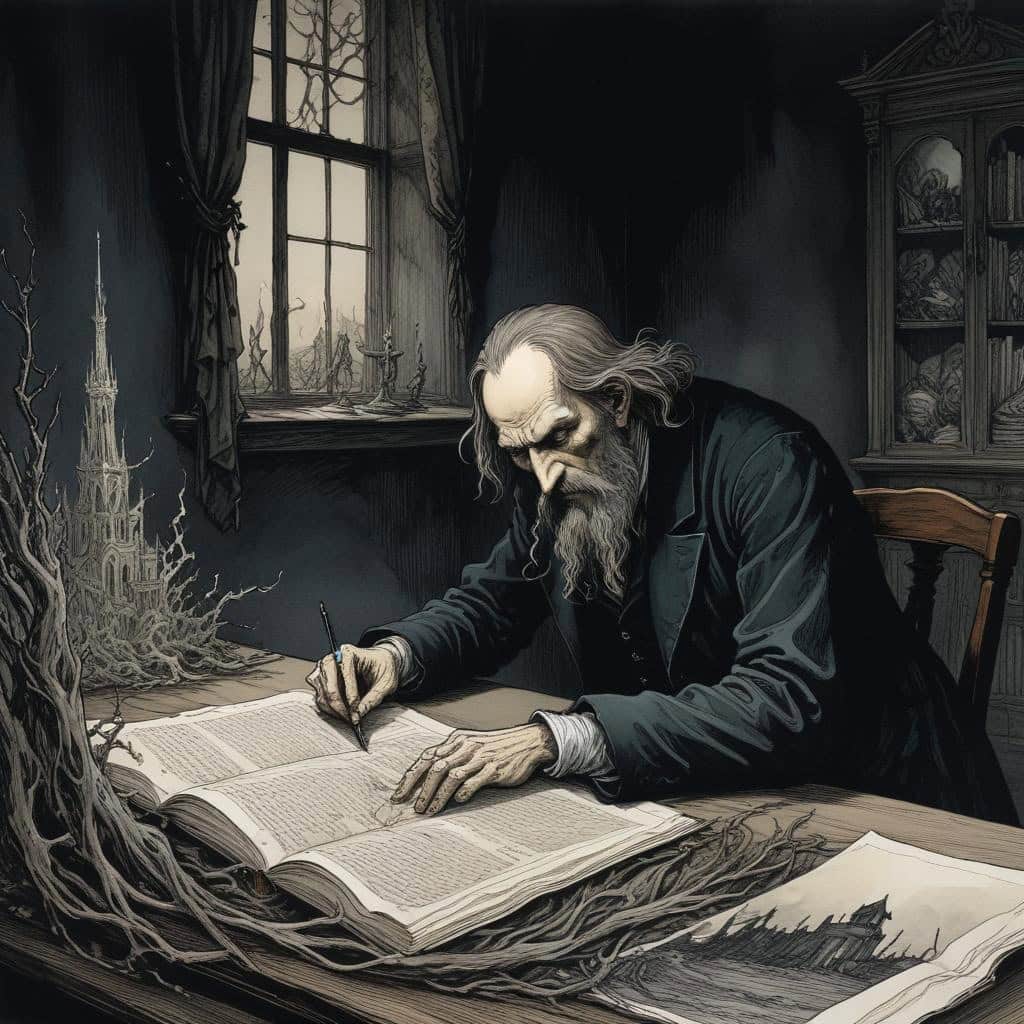
Introduction
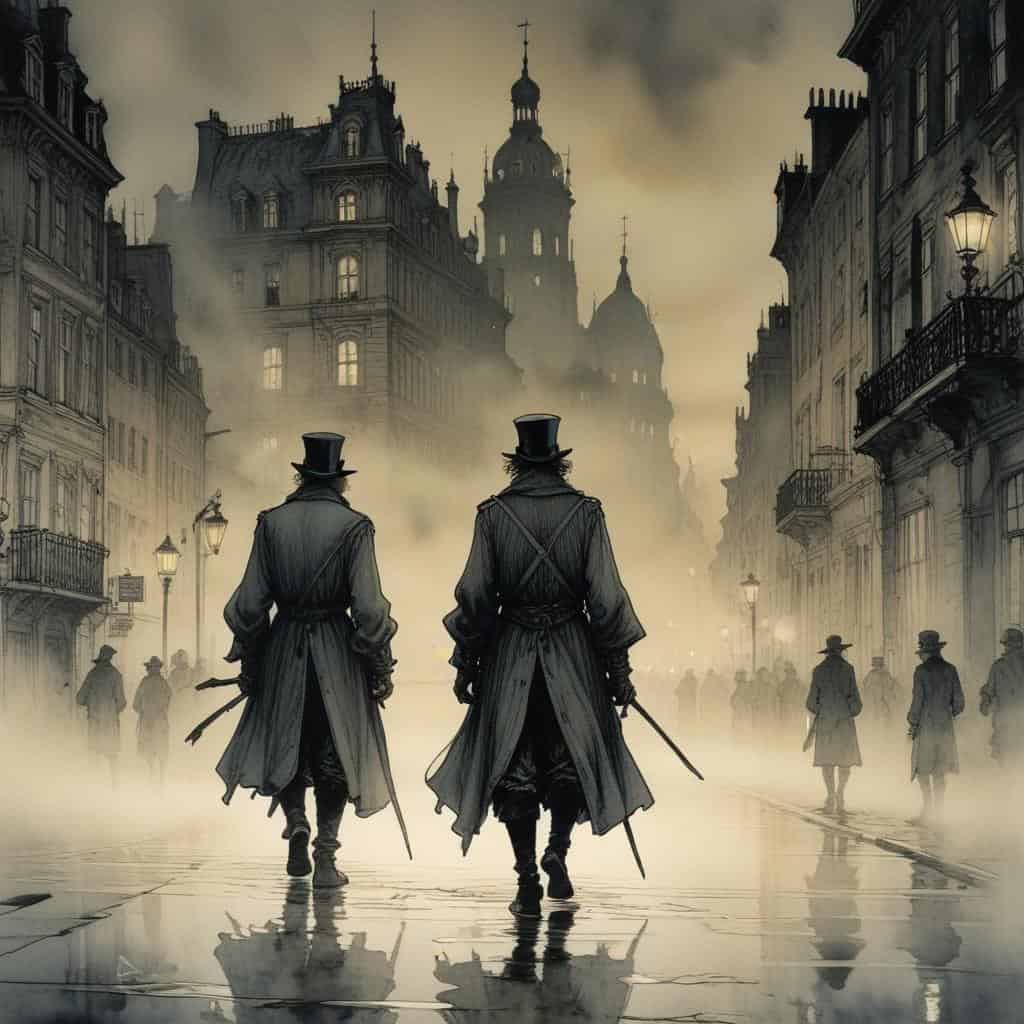
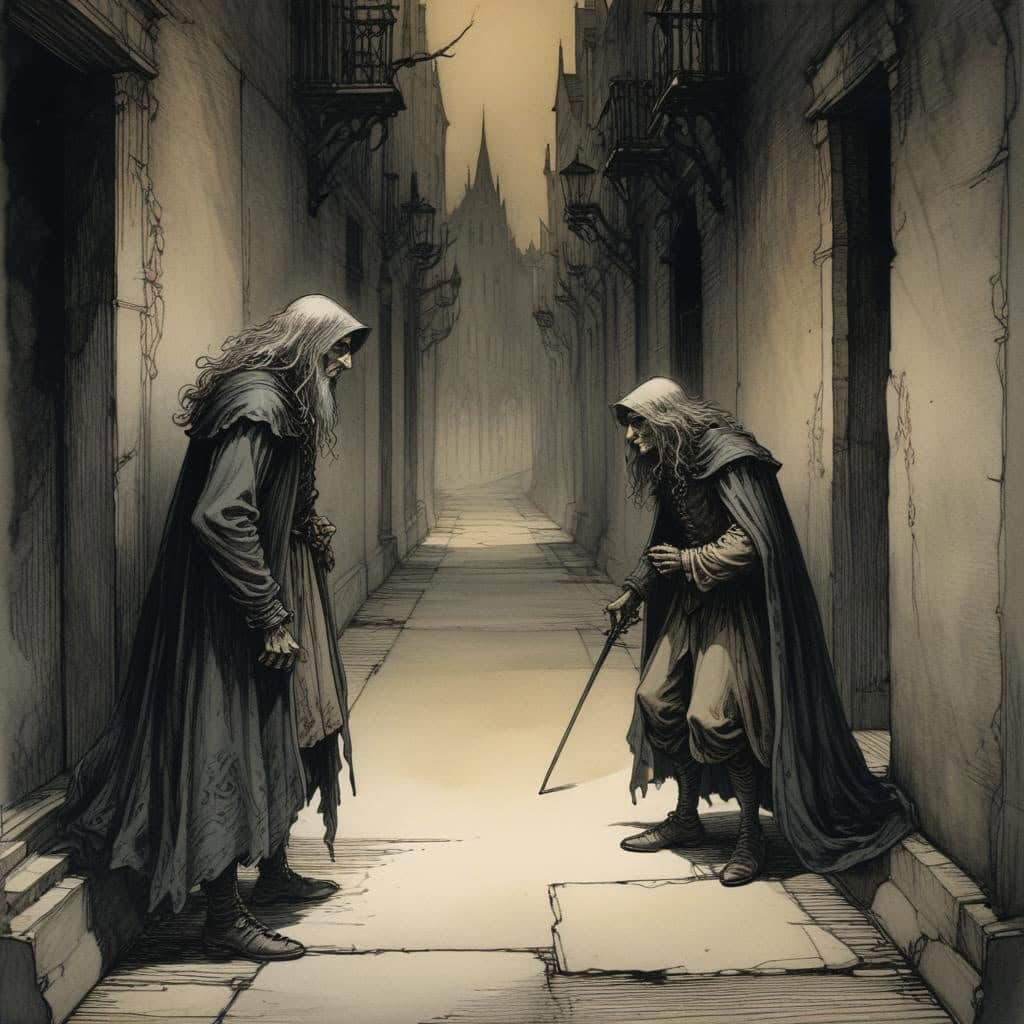

Mr. Golyadkin

The Double

Anna Fyodorovna
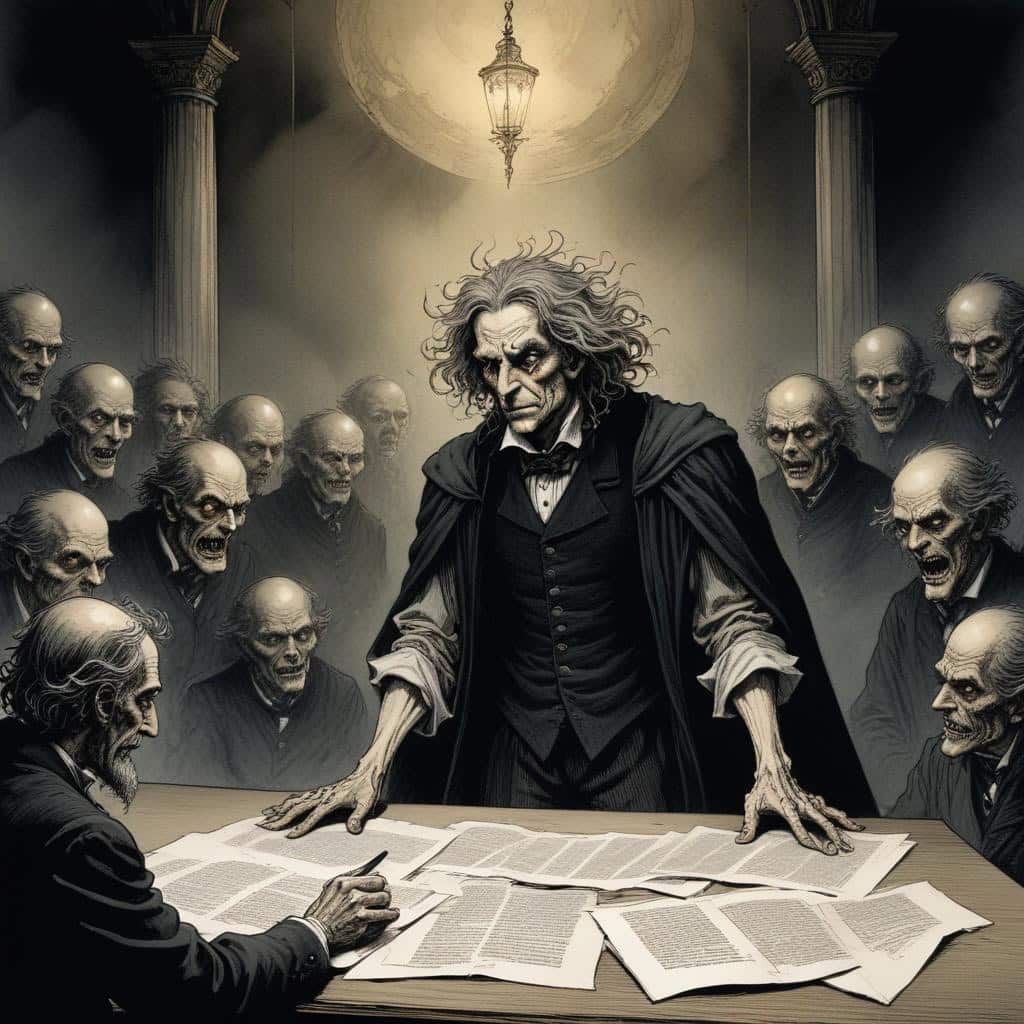
Introduction of the main character, Golyadkin
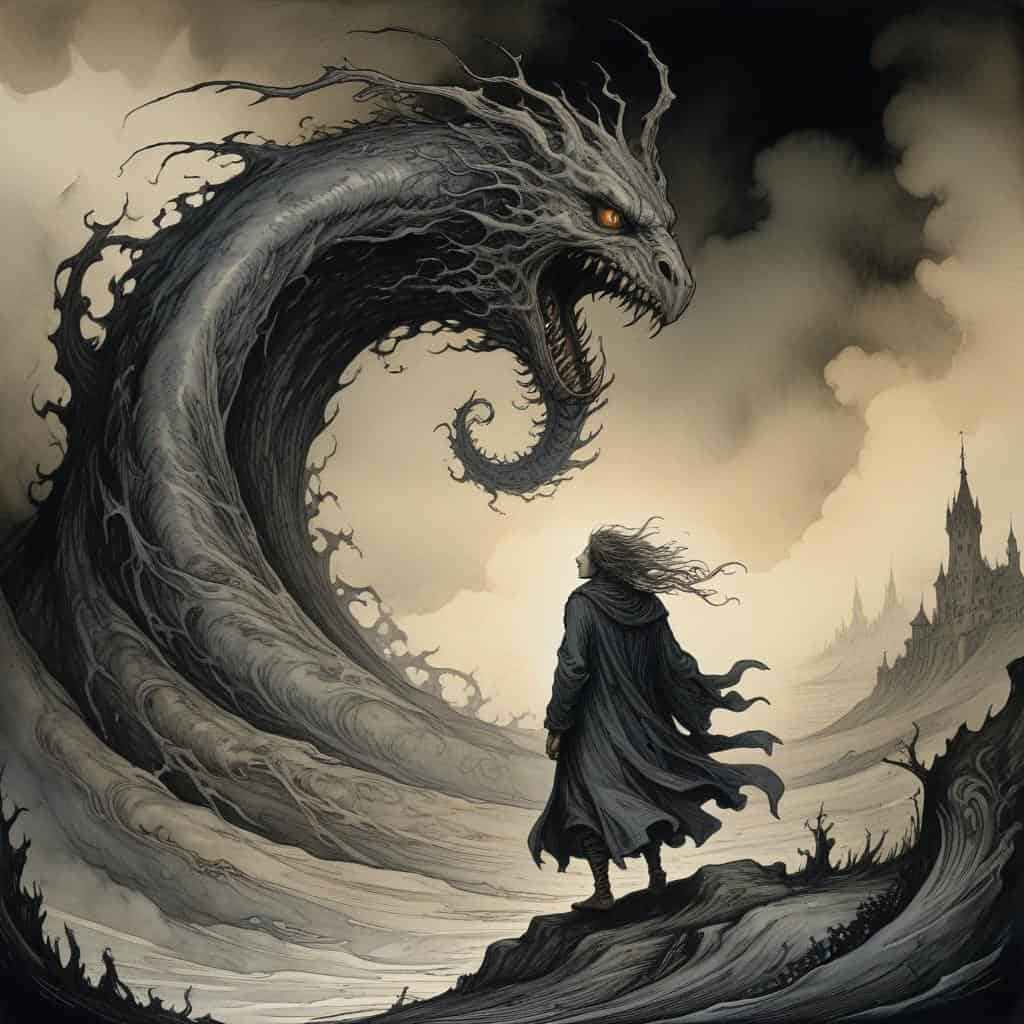
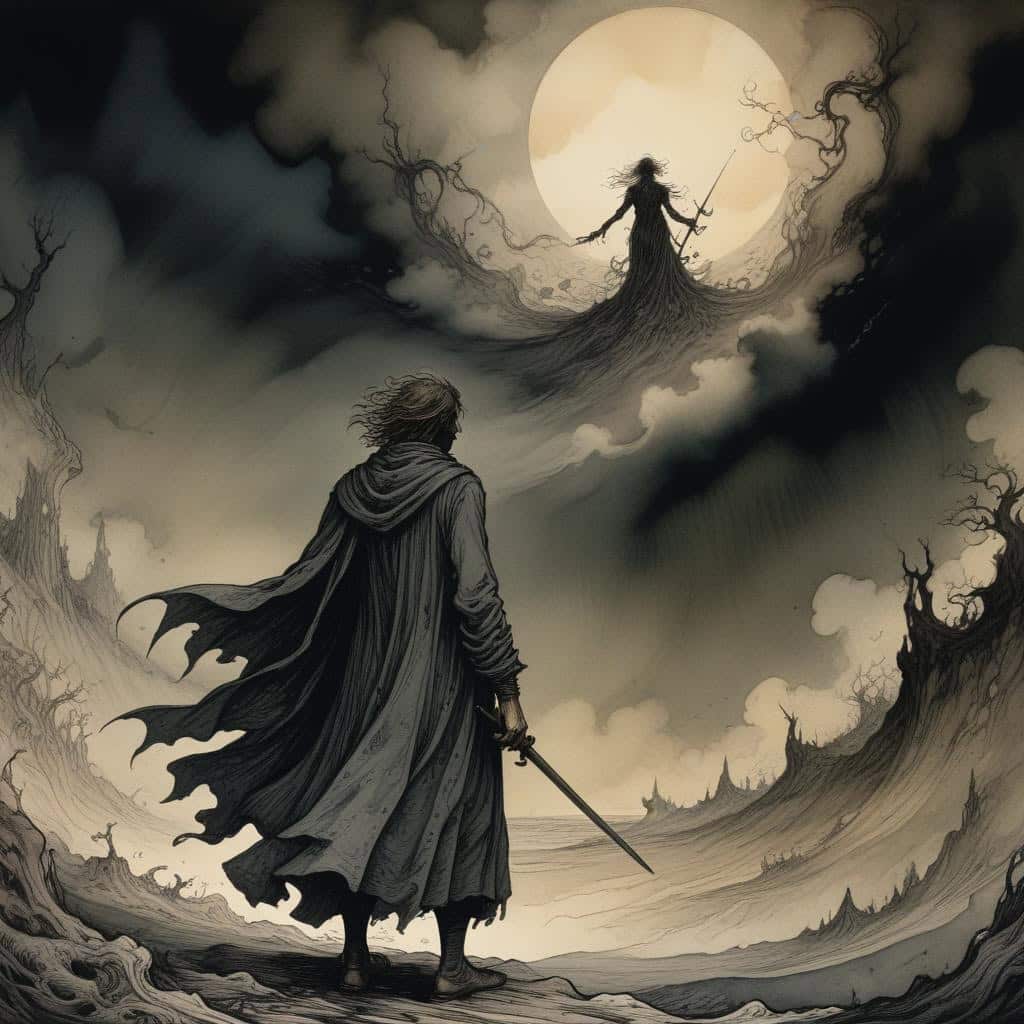
Encounter with his double
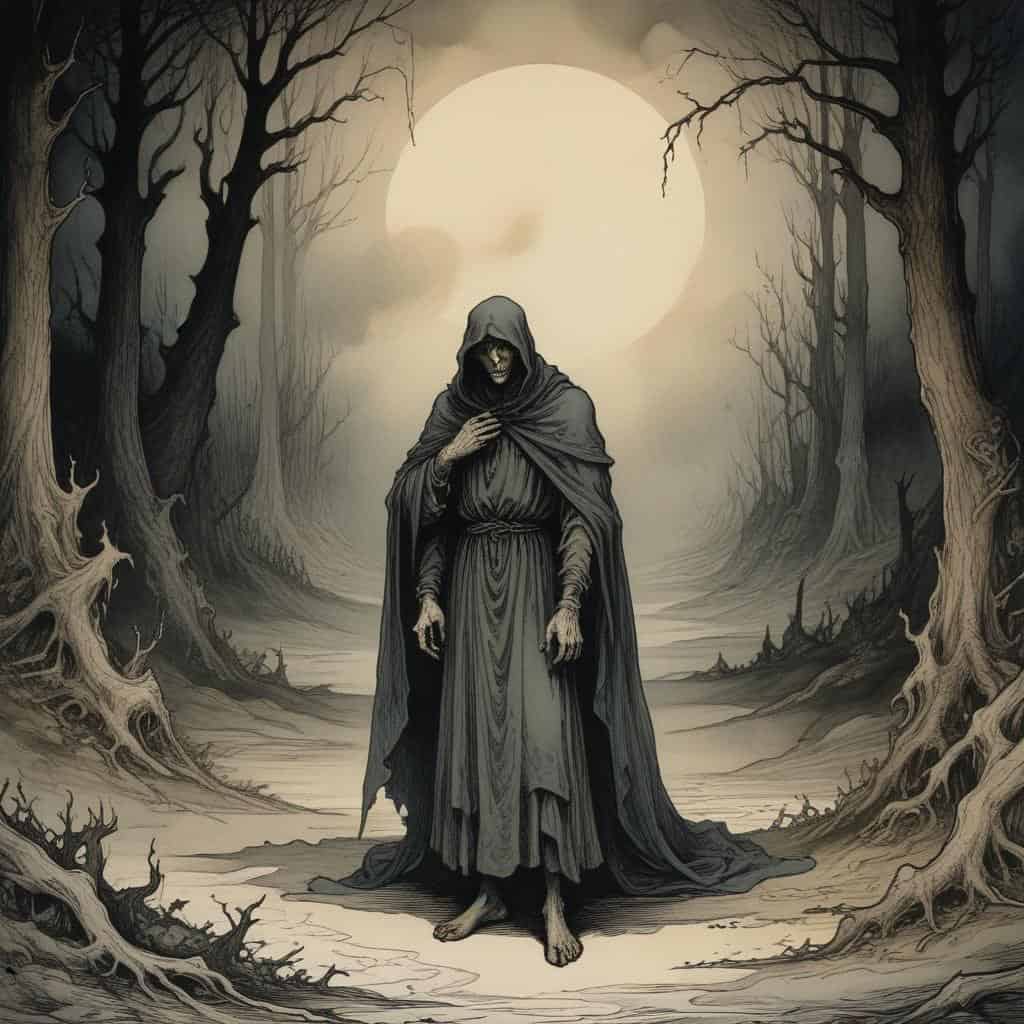
Increasing paranoia and anxiety
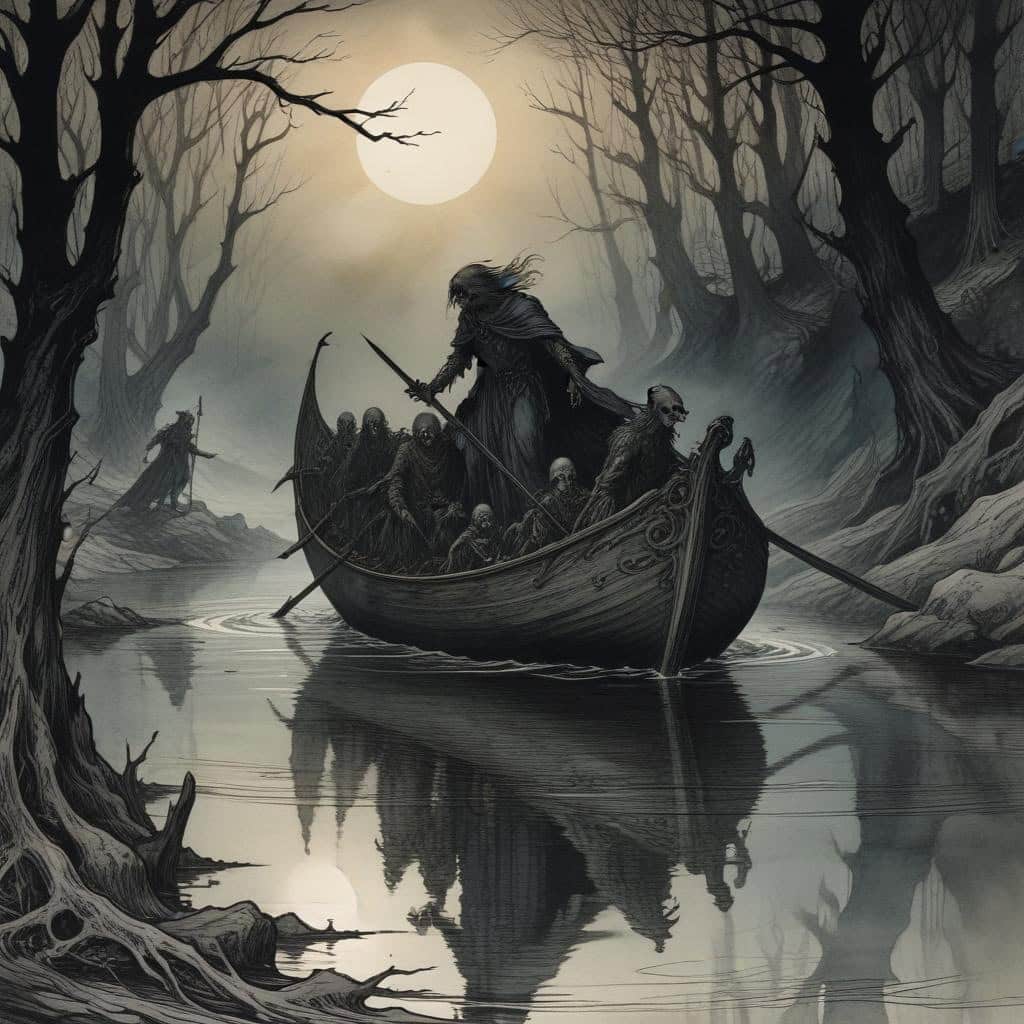
Attempts to confront his double
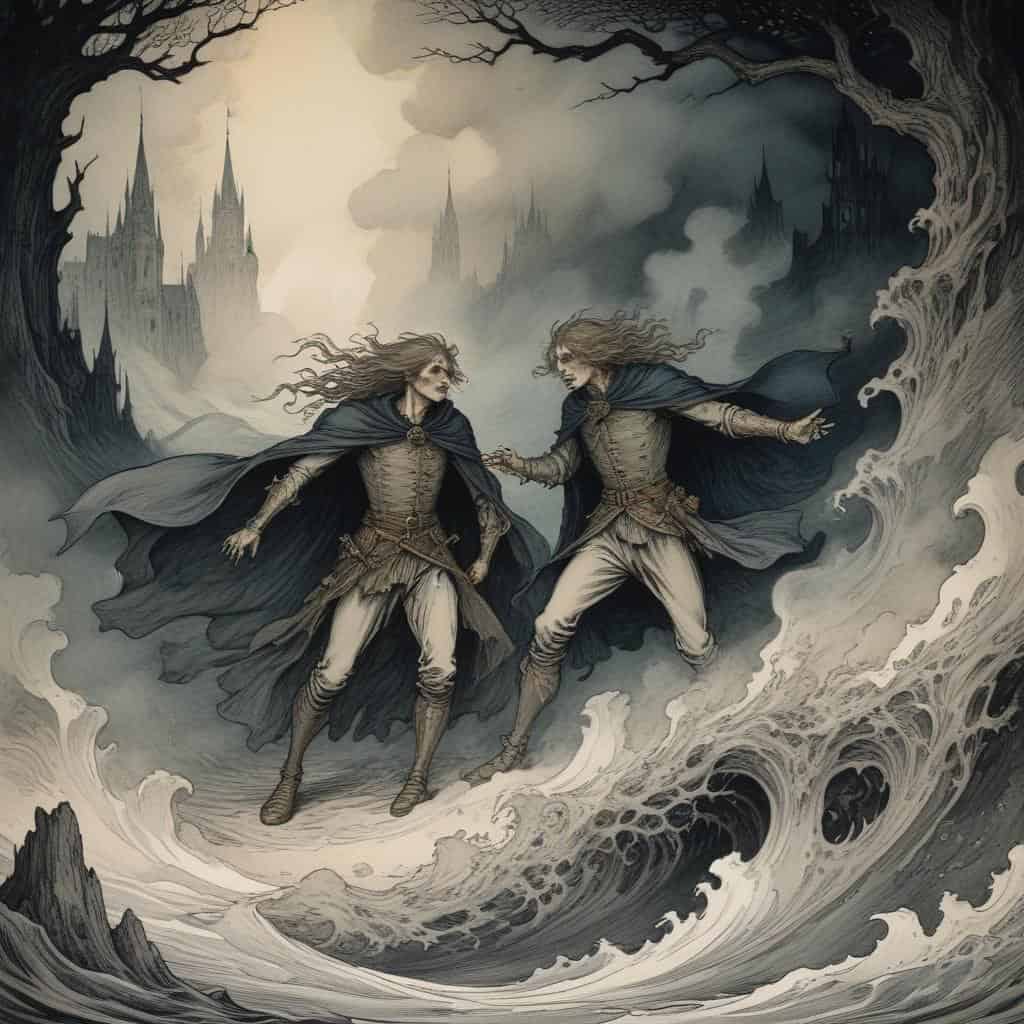
Loss of control
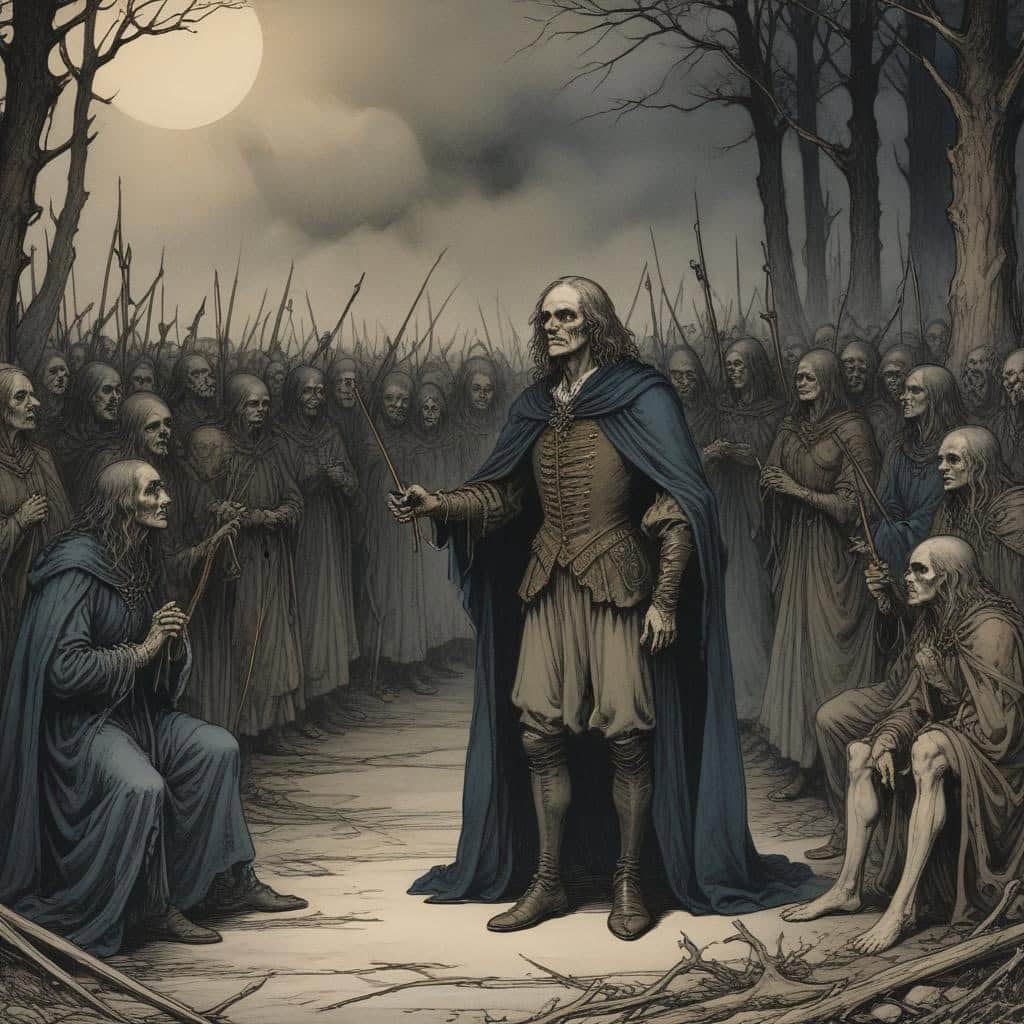
Public humiliation
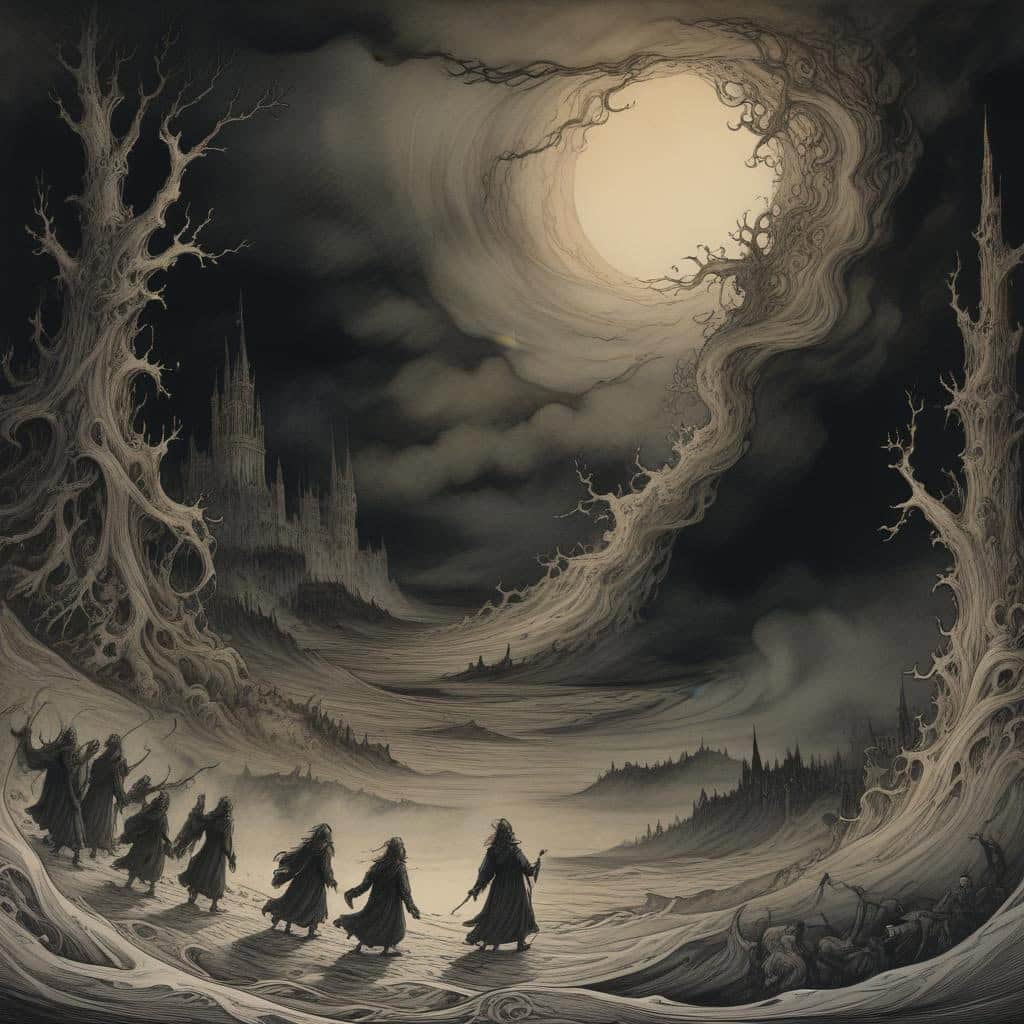
Descent into madness
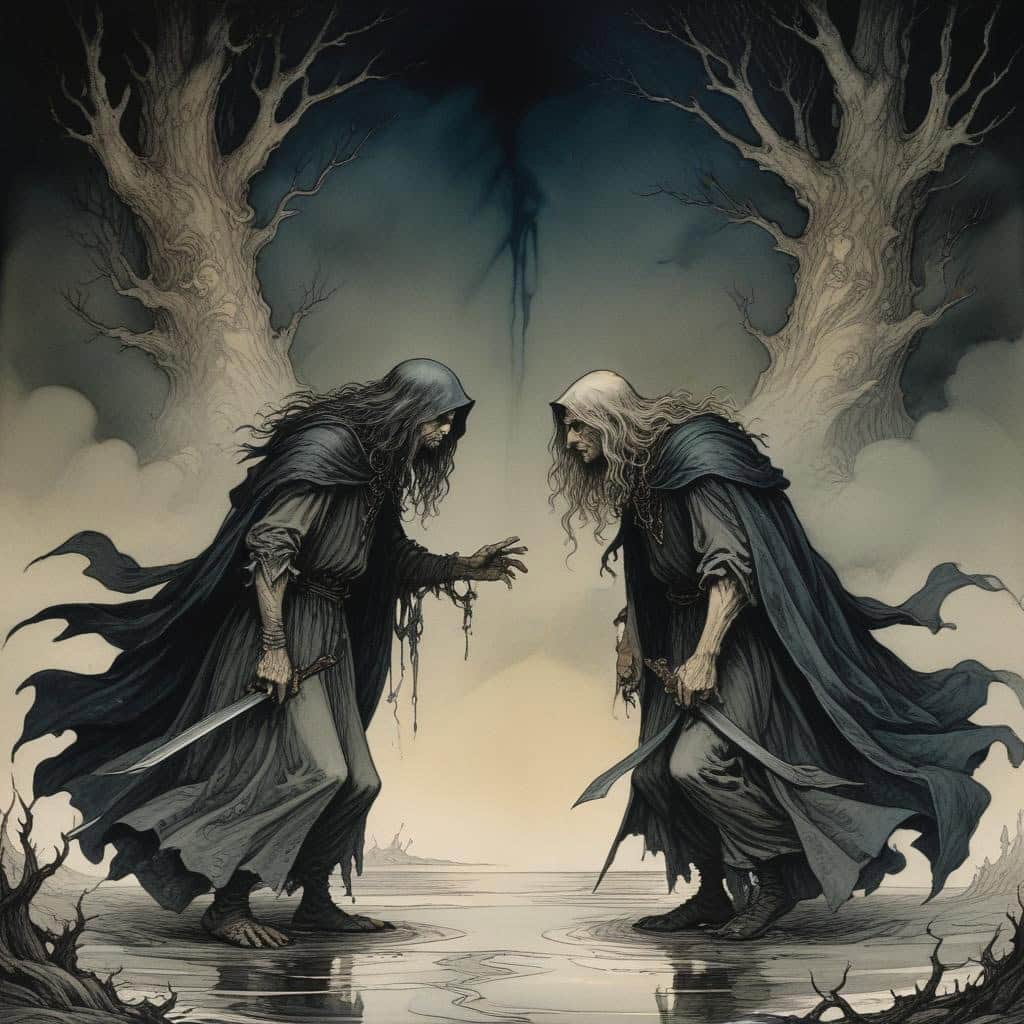
Final confrontation
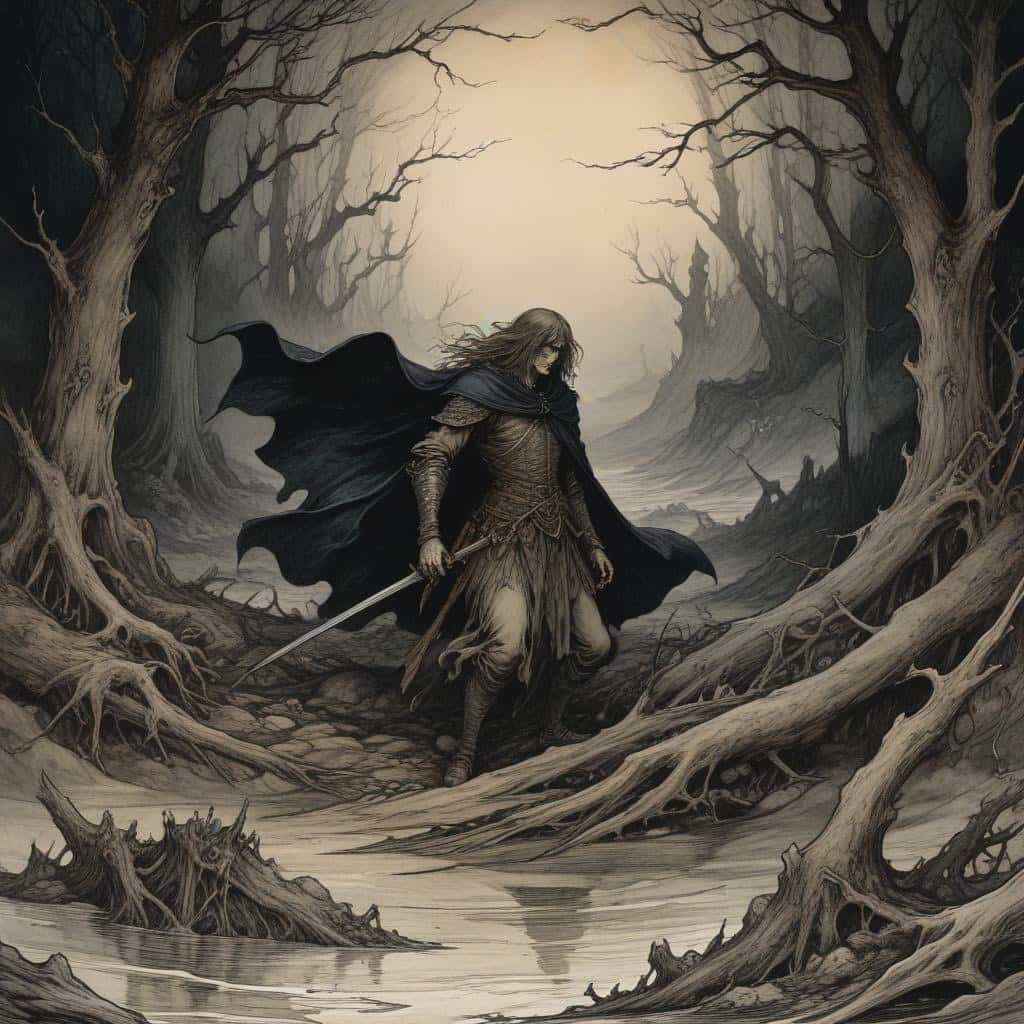
Resolution
Lesson Details & Resources
In a Nutshell
- What: The Double by Fyodor Dostoevsky
- When: Written in the 19th century
- Who: Main characters: Yakov Petrovich Golyadkin
- Theme: The duality of human nature and the struggle with one's own identity
List of Characters in The Double by Fyodor Dostoevsky
-
Golyadkin
Golyadkin is a government clerk who becomes increasingly paranoid and delusional when he encounters his doppelganger, the Double.
-
The Double
The Double is Golyadkin's exact physical and mental duplicate, who begins to take over his life and drive him to madness.
-
Krestyan Ivanovich
Krestyan Ivanovich is Golyadkin's friend and colleague who tries to help him but ultimately fails to save him from his own unraveling.
-
Anton Antonovich
Anton Antonovich is Golyadkin's superior at work who becomes increasingly frustrated with his erratic behavior.
-
Klara Olsufyevna
Klara Olsufyevna is a young woman who Golyadkin becomes infatuated with, but who ultimately rejects him due to his erratic behavior.
Timeline of The Double by Fyodor Dostoevsky
Golyadkin, a government clerk in St. Petersburg, begins to feel paranoid and anxious as he believes he is being followed and watched by a man who looks exactly like him.
Golyadkin starts to see his double everywhere he goes, causing him to become increasingly paranoid and confused.
Golyadkin's double begins to impersonate him, causing chaos in his personal and professional life.
Golyadkin's mental state deteriorates as he struggles to distinguish between himself and his double.
Golyadkin's double takes over his life completely, leading to Golyadkin's ultimate downfall and descent into madness.
Golyadkin is eventually institutionalized as his mental health deteriorates further, leaving him trapped in a world where reality and illusion blur together.
Vocabulary List
- Doppelganger
- The main character encounters his doppelganger, a man who looks exactly like him but with opposite personality traits.
- Identity
- The theme of identity is central to the novel as the protagonist struggles to understand who he truly is.
- Paranoia
- The protagonist's paranoia grows as he becomes convinced that his double is trying to take over his life.
- Mirror
- Mirrors are used symbolically throughout the novel to represent the protagonist's internal conflict.
- Madness
- The protagonist's descent into madness is a key element of the plot.
- Duality
- The duality of the protagonist's character is explored as he grapples with his double.
- Suspicion
- The protagonist's suspicion of those around him grows as he becomes more paranoid.
- Isolation
- The protagonist's feelings of isolation and alienation contribute to his mental unraveling.
- Obsession
- The protagonist's obsession with his double consumes him and drives the plot forward.
- Existential
- The novel delves into existential themes as the protagonist questions the meaning of his own existence.
Key Facts
This is the information used in the fact matching game
- The Double was first published in 1846.
- The novel follows the story of a government clerk named Golyadkin who encounters his doppelgänger.
- Dostoevsky drew inspiration for The Double from his own struggles with identity and mental health.
- The Double is considered one of the first works of existentialist literature.
- The novel explores themes of alienation, madness, and the duality of human nature.
- The doppelgänger in the novel serves as a physical manifestation of Golyadkin's inner turmoil and insecurities.
- Dostoevsky's use of psychological depth and symbolism in The Double foreshadowed his later works such as Crime and Punishment.
- The Double has been adapted into several films, including a 2013 version directed by Richard Ayoade.
- Critics have praised The Double for its exploration of identity and the human psyche.
- The novel's ambiguous ending leaves readers questioning the nature of reality and Golyadkin's fate.
- Dostoevsky's depiction of St. Petersburg in The Double reflects his own experiences living in the city.
- The Double has been compared to other works of literature featuring doppelgängers, such as Edgar Allan Poe's 'William Wilson.'
- The novel's exploration of social hierarchy and power dynamics reflects Dostoevsky's critique of Russian society.
- Golyadkin's descent into madness throughout the novel parallels Dostoevsky's own struggles with mental illness.
- The Double has been studied by literary scholars for its innovative narrative structure and use of unreliable narration.
- Dostoevsky's portrayal of Golyadkin's inner conflict has been interpreted as a commentary on the human condition.
- The novel's themes of paranoia and persecution reflect Dostoevsky's own experiences with censorship and political oppression.
- The Double has been translated into numerous languages and continues to be studied in literature courses worldwide.
- Dostoevsky's use of dark humor and satire in The Double adds depth to the novel's exploration of psychological themes.
- The Double is considered a precursor to the psychological thriller genre, influencing later works by authors such as Edgar Allan Poe and Franz Kafka.
Analysis & Significance
Impact on Literature
‘The Double’ by Fyodor Dostoevsky is a pioneering work of psychological fiction that delves into themes of identity, duality, and madness. Its exploration of the human psyche and the blurred lines between reality and imagination has had a lasting impact on literature, influencing subsequent writers such as Franz Kafka and Jorge Luis Borges.
Enduring Themes
The timeless themes of alienation, paranoia, and the struggle for self-identity in ‘The Double’ continue to resonate with modern audiences. Dostoevsky’s portrayal of the protagonist’s descent into madness and his battle with his doppelgänger highlights the universal human experience of grappling with inner demons and the existential dread of losing oneself.
Cultural Significance Today
‘The Double’ remains culturally significant today for its exploration of the fractured self and the complexities of the human mind. It has been adapted into various films and stage productions, showcasing its enduring relevance and ability to provoke thought and discussion on the nature of identity and sanity in a rapidly changing world.
The Double by Fyodor Dostoevsky Games


Take Your Learning Offline
Want a convenient, print-ready study guide for this lesson? Become a Memory Wizards Pro member to unlock the downloadable " Memory Scrolls" for this topic and our entire library!
- ✓ Complete Vocabulary Lists
- ✓ Key Facts & Timelines
- ✓ Beautifully Formatted for Print & Mobile