
How Do You Learn Best?
Learn by Reading
Immerse yourself in the 10-minute visual lesson for a comprehensive understanding of the topic.
Learn by Reviewing
Jump directly to the key facts, timeline, and vocabulary lists to build a solid foundation of details.
Learn by Doing
Challenge yourself! Jump straight into the interactive games to learn by trial, error, and discovery.
Demons by Fyodor Dostoevsky in 10 Minutes
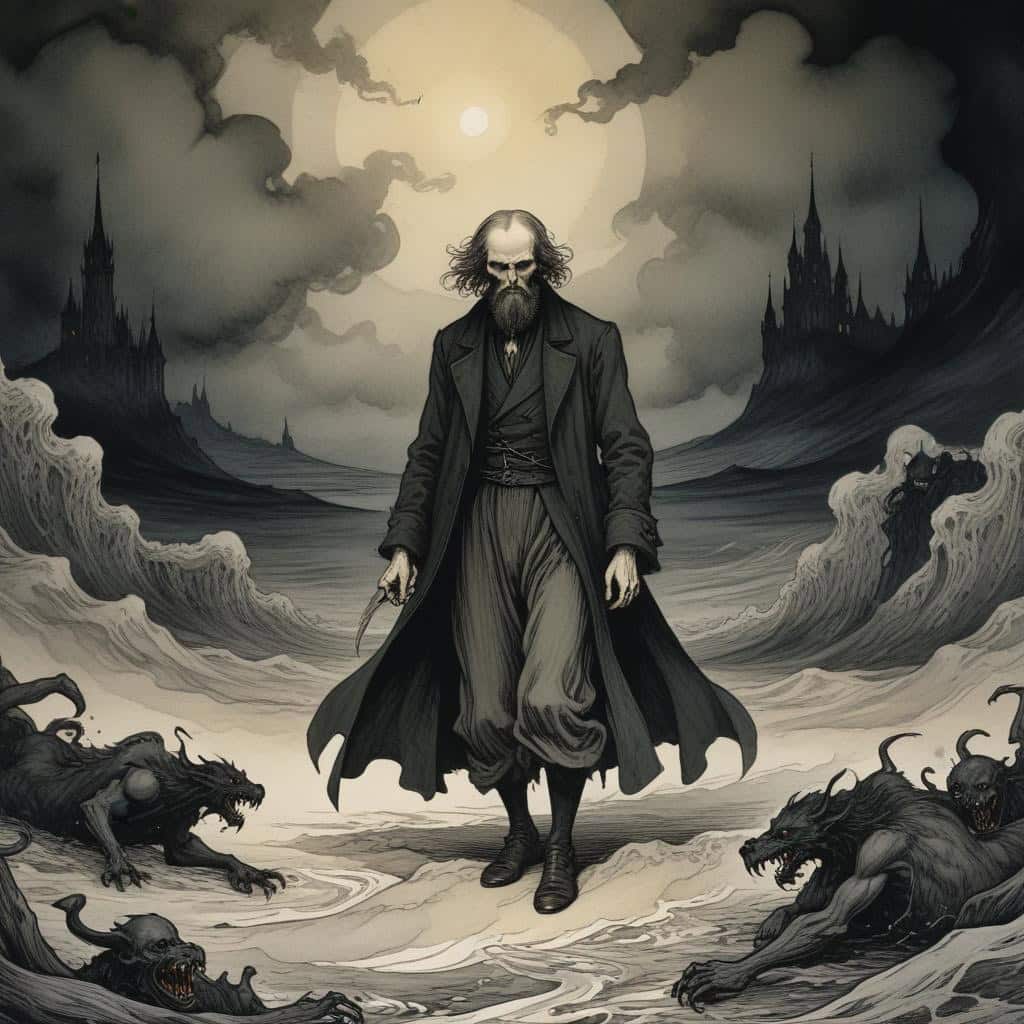
Introduction
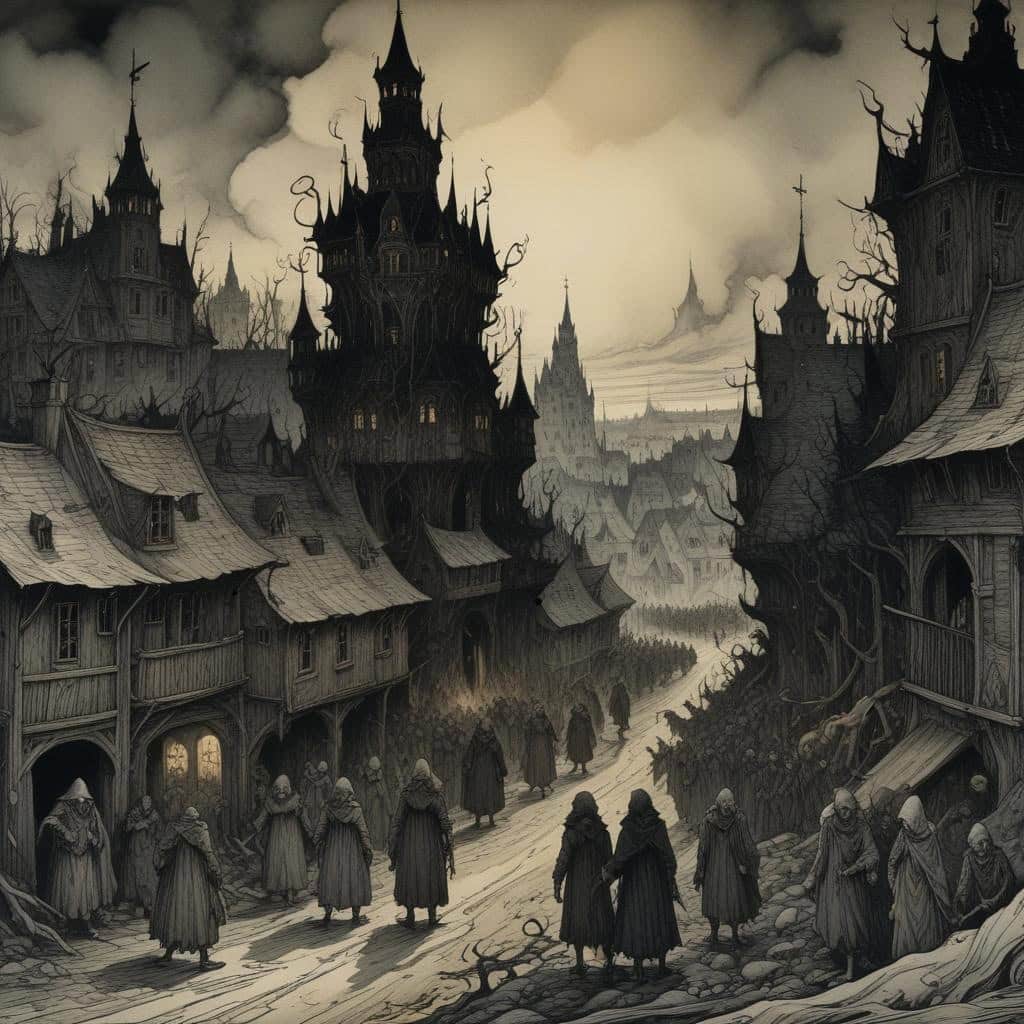
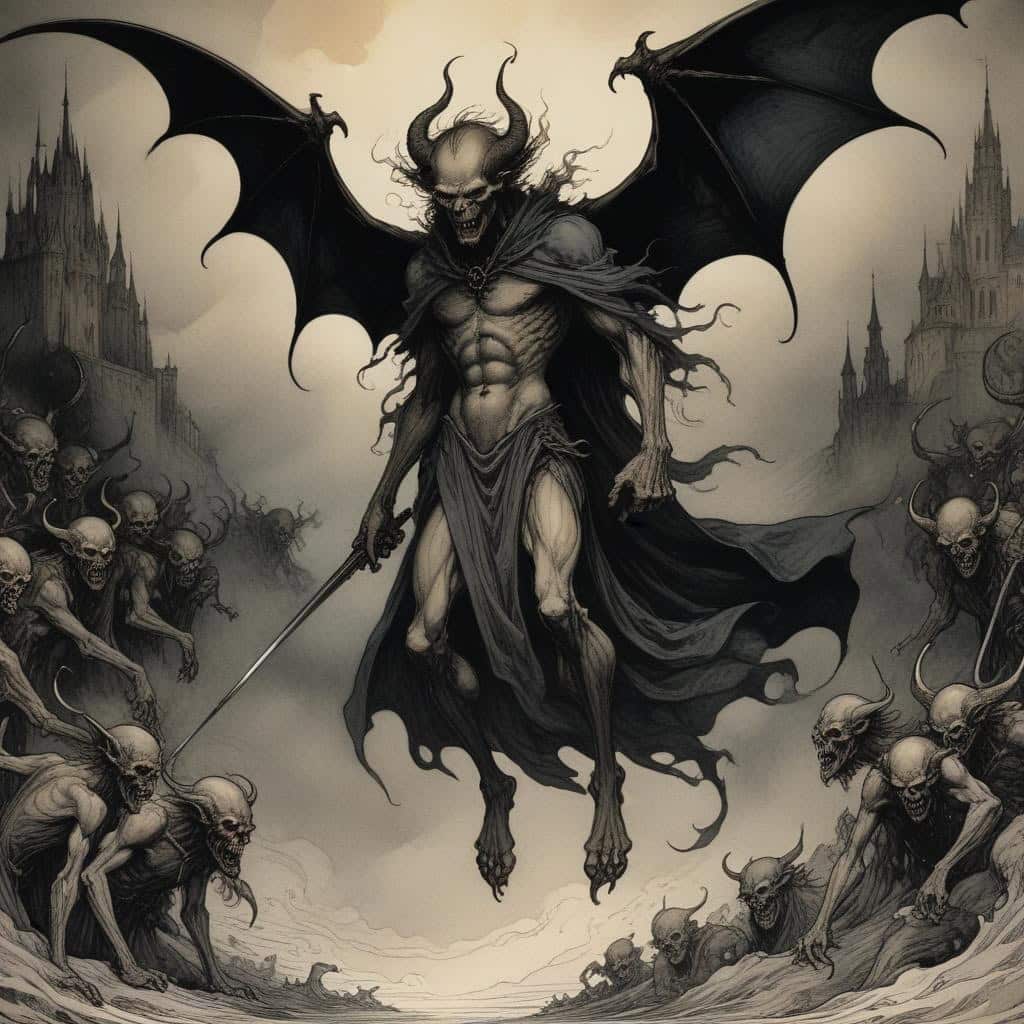

Pyotr Stepanovich Verkhovensky

Nikolai Stavrogin

Varvara Petrovna Stavrogina

Shigalyov

Liza Tushina
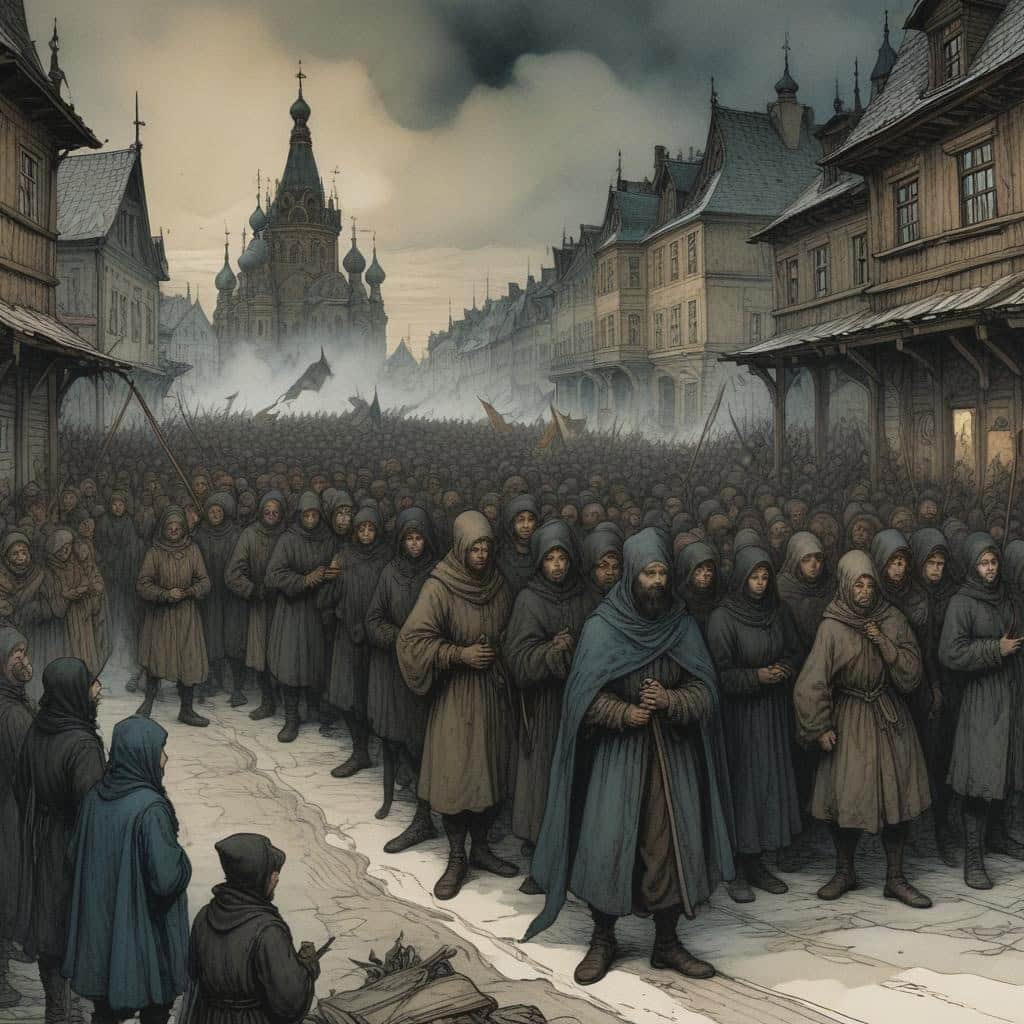
The Arrival of Pyotr Stepanovich
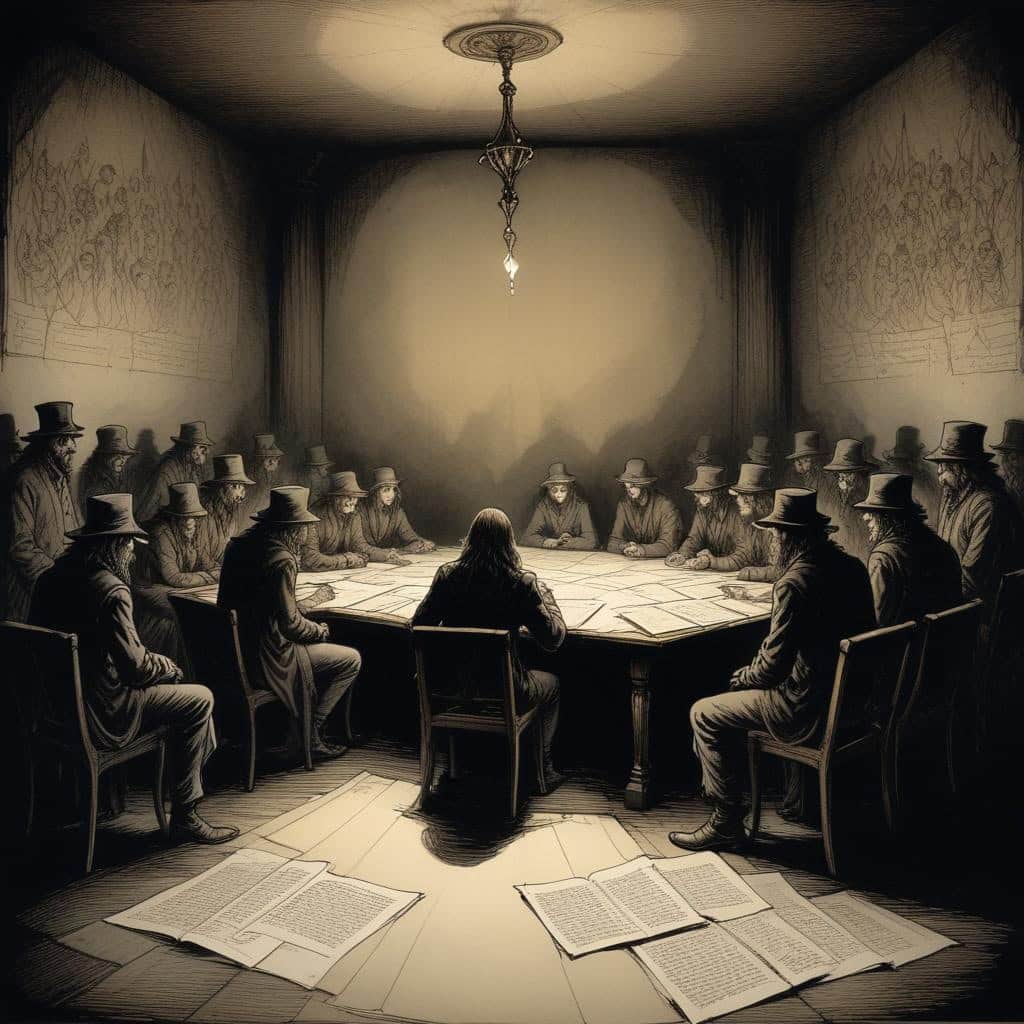
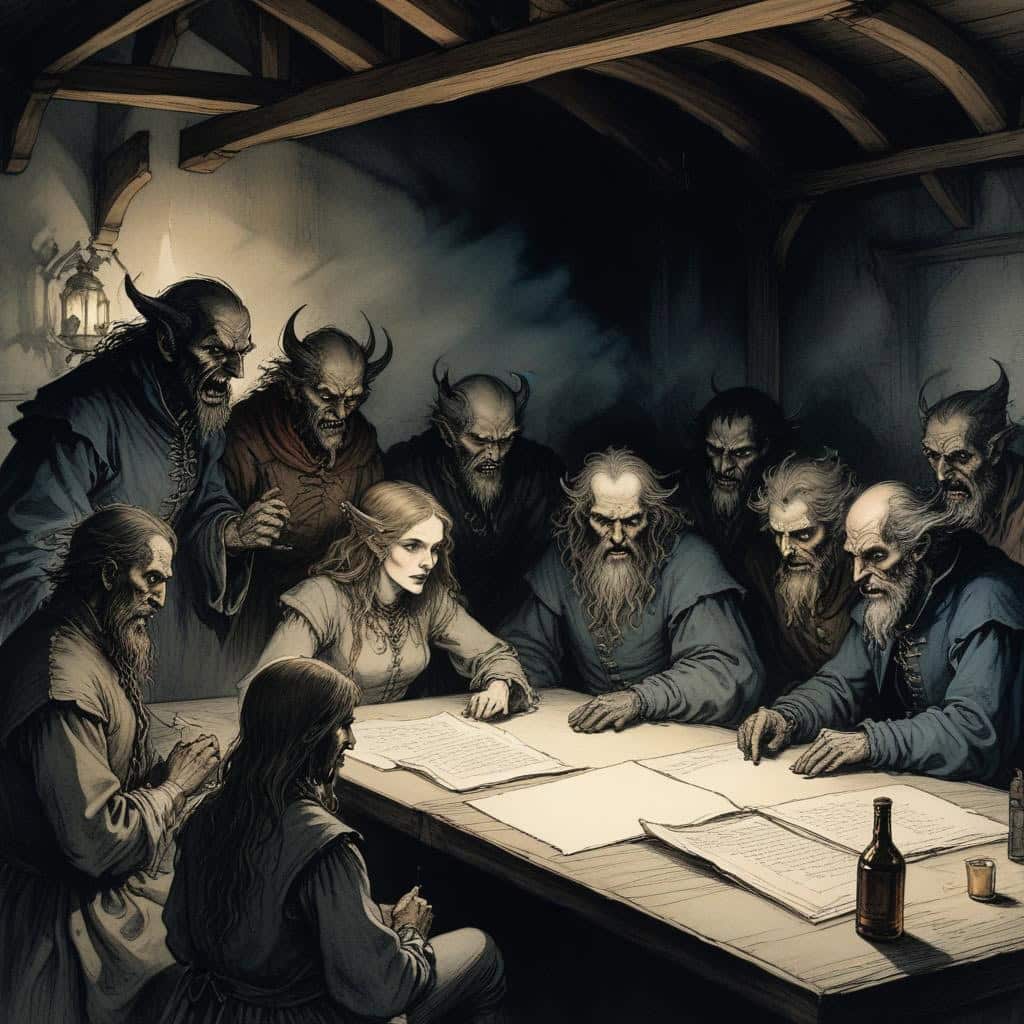
The Formation of the Secret Society
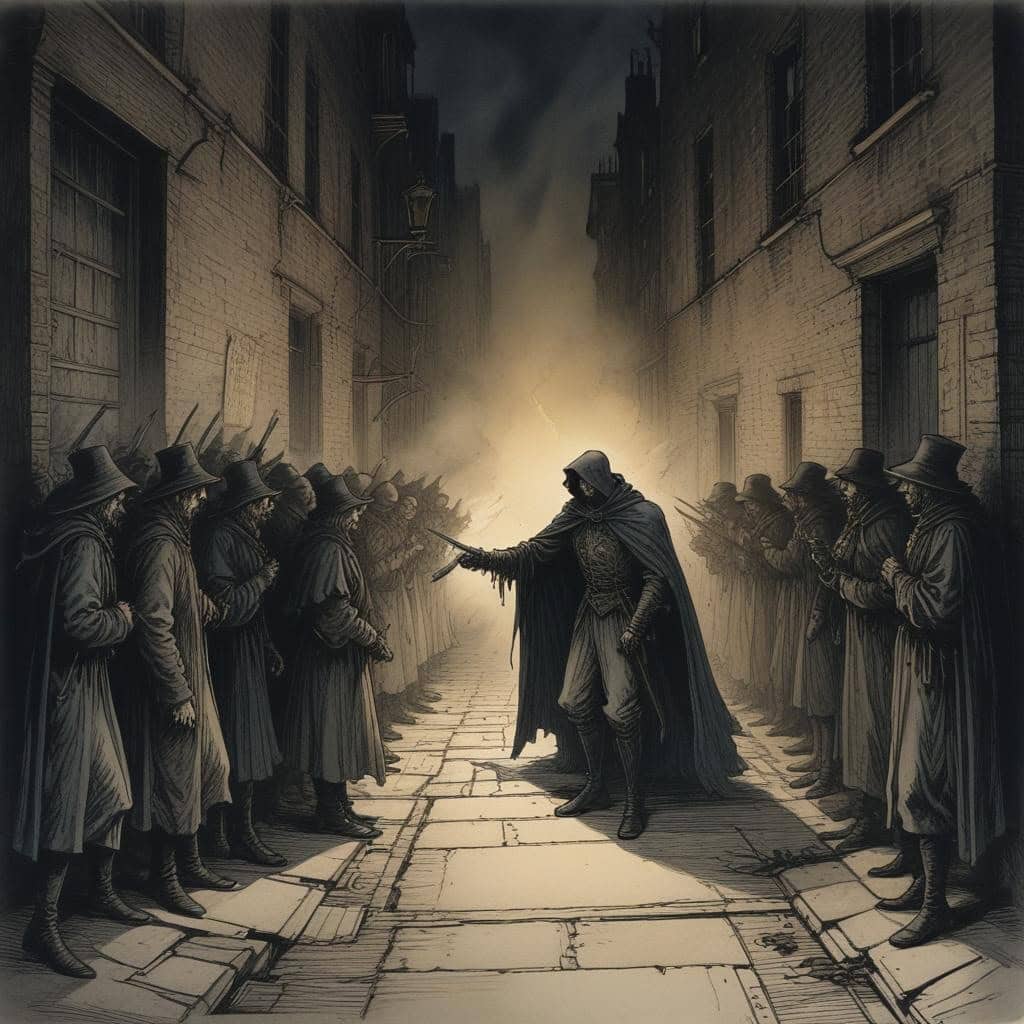
The Murder of Shatov
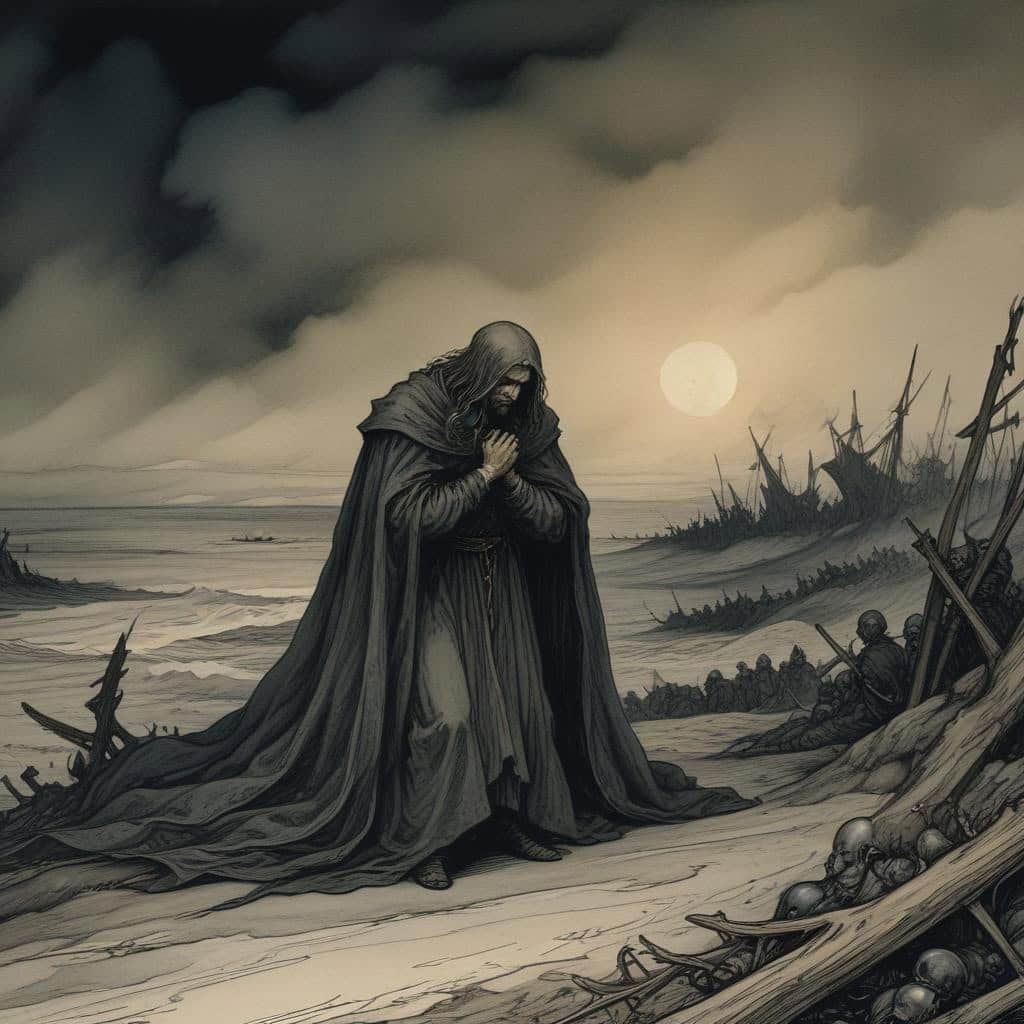
The Suicide of Kirillov
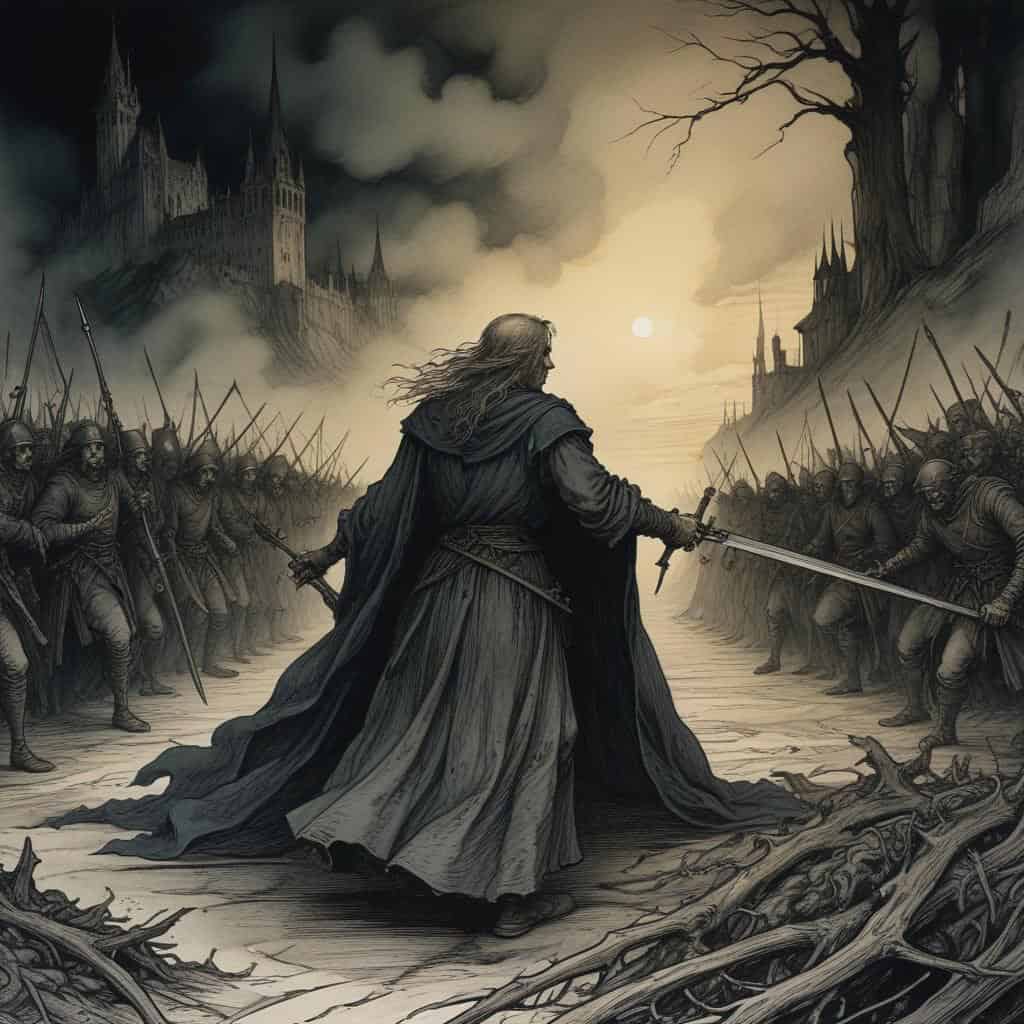
The Betrayal of Stavrogin
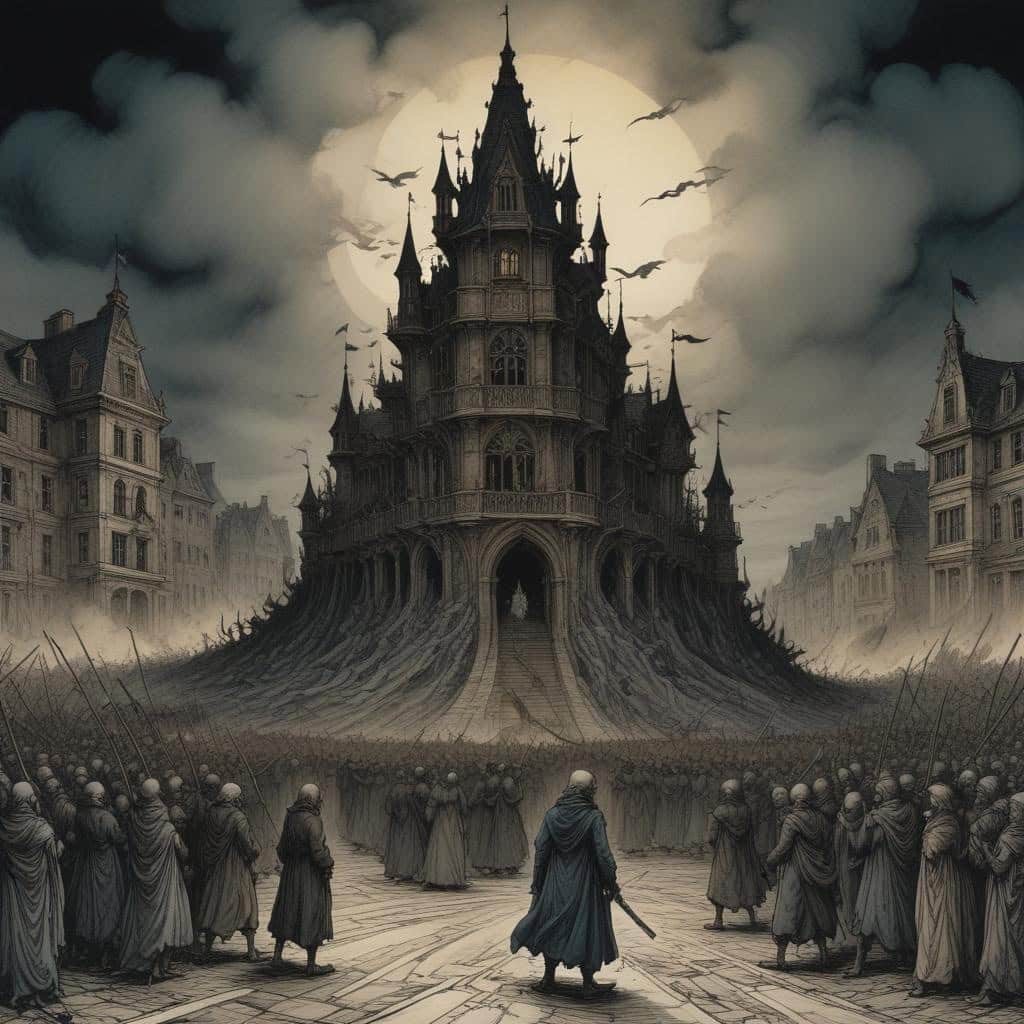
The Unraveling of the Society
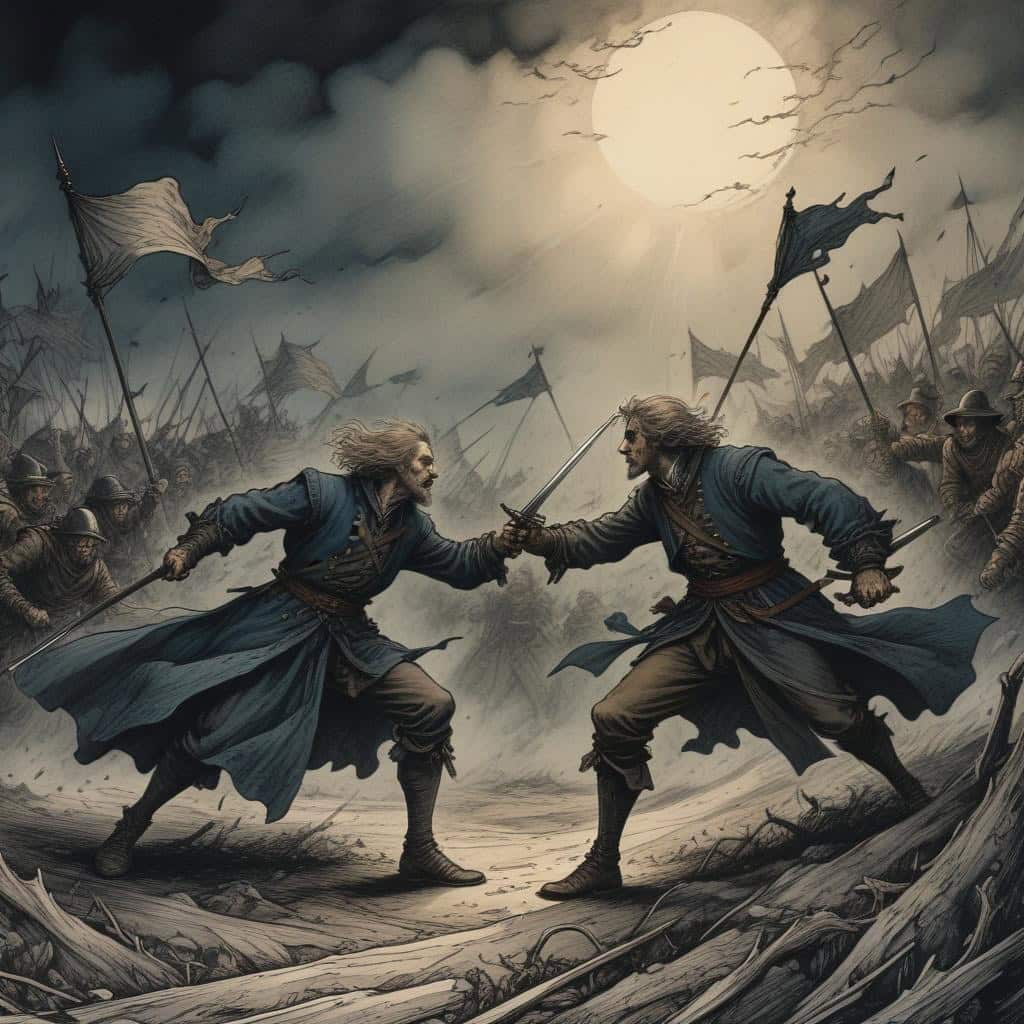
The Climactic Showdown
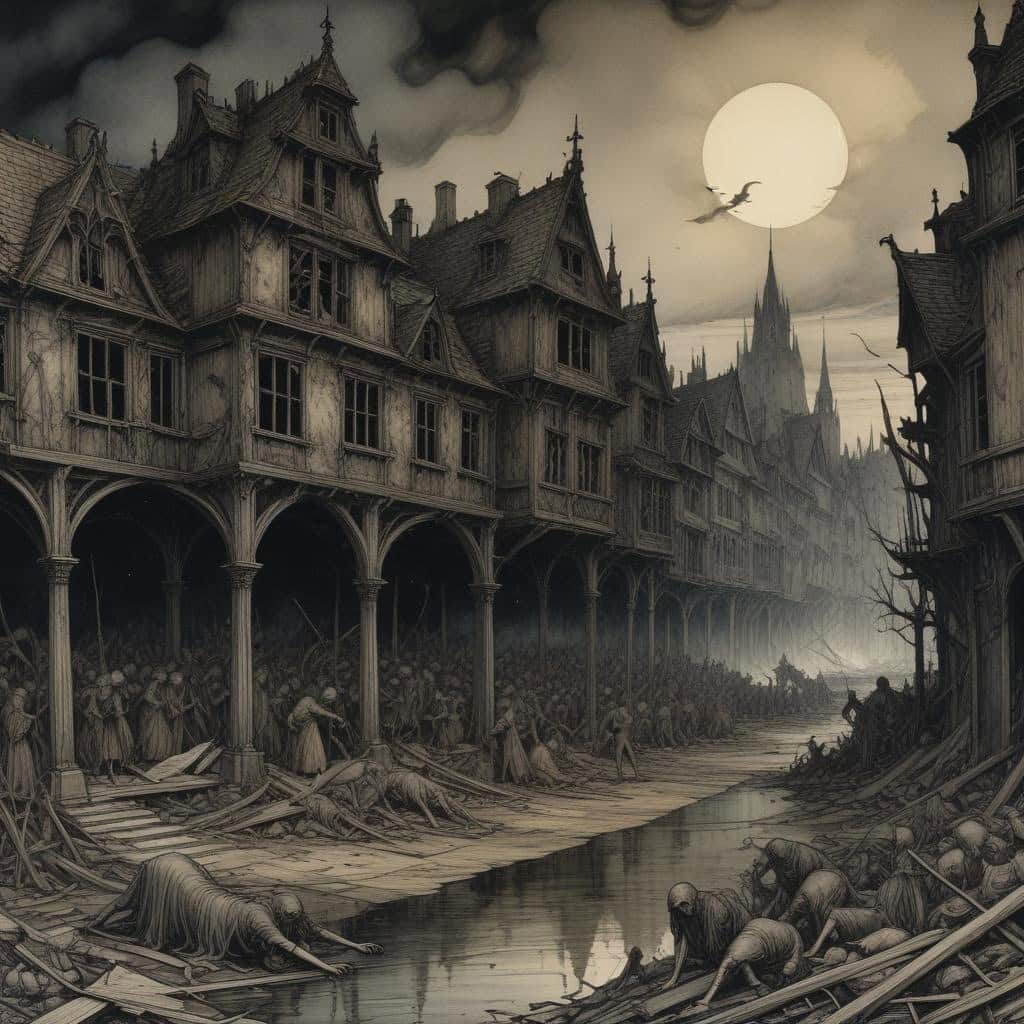
The Aftermath of Tragedy
Lesson Details & Resources
In a Nutshell
- What: 'Demons' by Fyodor Dostoevsky
- When: Written in the 19th century
- Who: Main characters: Stepan Trofimovich Verkhovensky, Pyotr Stepanovich Verkhovensky, Nikolai Vsevolodovich Stavrogin
- Theme: The destructive power of radical ideologies and the consequences of nihilism
List of Characters in Demons by Fyodor Dostoevsky
-
Raskolnikov
Raskolnikov is the main character of the story, a young and impoverished former student who commits a murder to prove his theory of the extraordinary man.
-
Svidrigailov
Svidrigailov is a wealthy and immoral man who becomes obsessed with Raskolnikov's sister, Dunya.
-
Sonya
Sonya is a young woman forced into prostitution to support her family, who becomes a source of comfort and redemption for Raskolnikov.
-
Porfiry Petrovich
Porfiry Petrovich is a clever and manipulative police detective who suspects Raskolnikov of the murder and plays mind games with him to try and get a confession.
-
Dmitri Prokofych Razumikhin
Dmitri Prokofych Razumikhin is Raskolnikov's loyal friend who supports him throughout his struggles and tries to help him find redemption.
Timeline of Demons by Fyodor Dostoevsky
The novel opens with the protagonist, Alexei Ivanovich, arriving in St. Petersburg to serve as a tutor for the wealthy Verkhovensky family.
Alexei befriends the Verkhovensky family and becomes embroiled in their complicated relationships and political intrigues.
The Verkhovenskys are involved in a radical political group that seeks to overthrow the government and instigate a revolution.
As Alexei becomes more involved with the Verkhovenskys, he is exposed to their dark and sinister intentions, including murder and betrayal.
The novel explores themes of nihilism, political extremism, and the destructive power of ideology.
The Verkhovenskys' plot ultimately fails, leading to the downfall and destruction of the characters involved.
The novel ends with Alexei reflecting on the consequences of his actions and the impact of the Verkhovenskys' radical ideology.
Vocabulary List
- Devil
- The devil is a prominent figure in the novel, representing evil and temptation.
- Possession
- Several characters in the novel experience spiritual possession by demons.
- Hell
- The concept of hell and eternal damnation is a recurring theme in the novel.
- Exorcism
- A priest is called upon to perform an exorcism on a character believed to be possessed by demons.
- Temptation
- Characters in the novel struggle with temptation and the lure of sin.
- Infernal
- The novel describes the infernal nature of evil and the demonic forces at work.
- Satanic
- The novel delves into the satanic influences on human behavior and choices.
- Demonic
- The protagonist grapples with his own demonic thoughts and desires throughout the novel.
- Abyss
- Characters confront the abyss of despair and darkness within themselves.
- Malevolent
- The malevolent presence of demons is felt throughout the novel.
Key Facts
This is the information used in the fact matching game
- The novel Demons by Fyodor Dostoevsky was first published in 1872.
- The novel is also known as The Possessed or The Devils in English translations.
- Demons is considered one of Dostoevsky's four major novels.
- The novel explores themes of political extremism, nihilism, and the nature of evil.
- The character Pyotr Verkhovensky is a central figure in the novel, leading a group of radicals.
- Demons is set in a provincial Russian town and portrays the chaos and moral decay of society.
- The character Stavrogin is another key figure in the novel, known for his dark and enigmatic nature.
- Dostoevsky drew inspiration for Demons from real-life events such as the murder of a student by radical revolutionaries.
- The novel explores the destructive effects of radical ideologies on individuals and society.
- Demons is considered a psychological novel, delving into the minds and motivations of its characters.
- The novel has been adapted into various films, TV series, and theatrical productions.
- Dostoevsky's own struggles with faith and morality are reflected in the themes of Demons.
- The character Shatov grapples with conflicting beliefs and loyalties throughout the novel.
- Demons is often seen as a critique of both political radicalism and religious fanaticism.
- The novel's dark and complex narrative has made it a subject of literary criticism and analysis.
- Dostoevsky's portrayal of evil in Demons reflects his belief in the potential for redemption and spiritual renewal.
- The character Kirillov is driven to commit suicide as an expression of his nihilistic beliefs.
- Demons is considered a pivotal work in Dostoevsky's exploration of the human psyche and morality.
- The novel ends on a note of uncertainty and moral ambiguity, leaving readers to ponder its deeper meanings.
- Dostoevsky's portrayal of demonic forces in the novel serves as a metaphor for the inner struggles and temptations faced by humanity.
Analysis & Significance
Impact on Literature
‘Demons’ by Fyodor Dostoevsky has had a profound impact on literature by exploring complex psychological and philosophical themes. The novel’s deep dive into the nature of evil, nihilism, and the consequences of radical ideologies has influenced countless writers and thinkers, paving the way for more nuanced and introspective storytelling.
Enduring Themes
The timeless themes of ‘Demons’ continue to resonate with modern audiences. The novel’s exploration of political extremism, moral decay, and the struggle between good and evil remains relevant in today’s society. Dostoevsky’s probing examination of human nature and the destructive power of unchecked ideologies continues to captivate readers around the world.
Cultural Significance Today
‘Demons’ remains culturally significant today for its depiction of societal unrest and the consequences of radicalism. The novel has been adapted into various forms, including stage plays, films, and TV series, further solidifying its legacy in popular culture. Dostoevsky’s masterpiece continues to spark discussions about the nature of evil and the complexities of human behavior in the modern world.
Demons by Fyodor Dostoevsky Games


Take Your Learning Offline
Want a convenient, print-ready study guide for this lesson? Become a Memory Wizards Pro member to unlock the downloadable " Memory Scrolls" for this topic and our entire library!
- ✓ Complete Vocabulary Lists
- ✓ Key Facts & Timelines
- ✓ Beautifully Formatted for Print & Mobile