
How Do You Learn Best?
Learn by Reading
Immerse yourself in the 10-minute visual lesson for a comprehensive understanding of the topic.
Learn by Reviewing
Jump directly to the key facts, timeline, and vocabulary lists to build a solid foundation of details.
Learn by Doing
Challenge yourself! Jump straight into the interactive games to learn by trial, error, and discovery.
Crime and Punishment by Fyodor Dostoevsky in 10 Minutes

Introduction
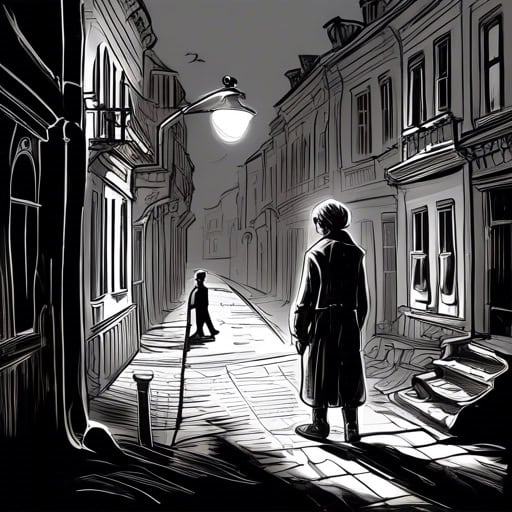


Raskolnikov

Sonya Marmeladov

Porfiry Petrovich

Dunya Raskolnikova
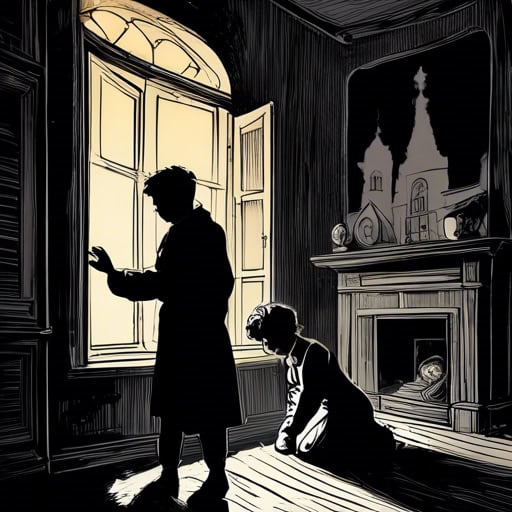
Raskolnikovs Crime
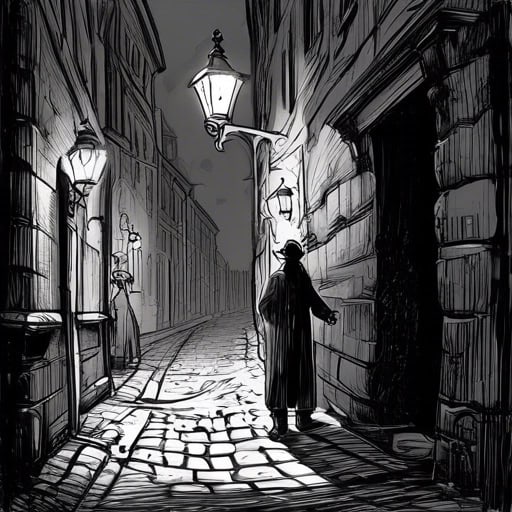
The Investigation
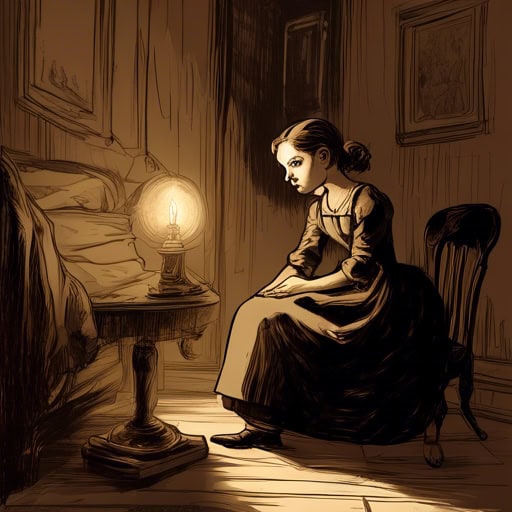
The Relationship with Sonia
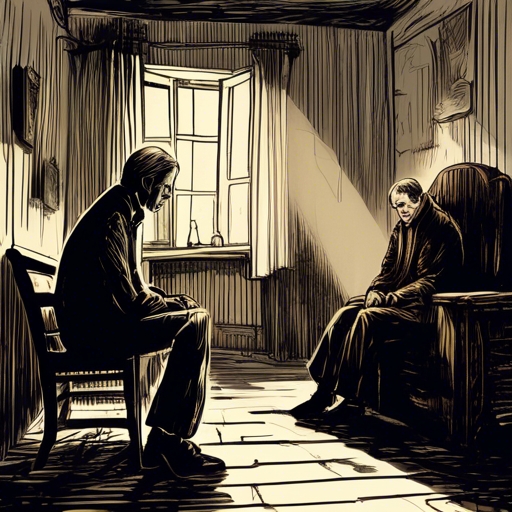
Raskolnikovs Confession
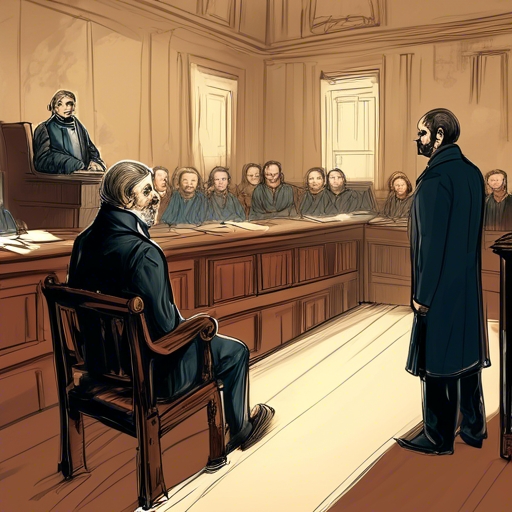
The Trial

Sonyas Sacrifice
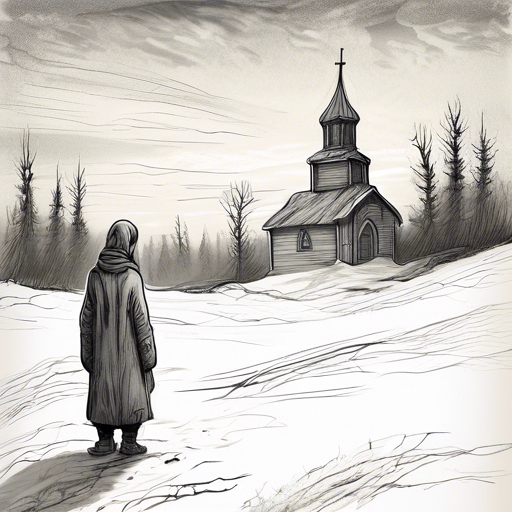
Raskolnikovs Transformation

The Epilogue
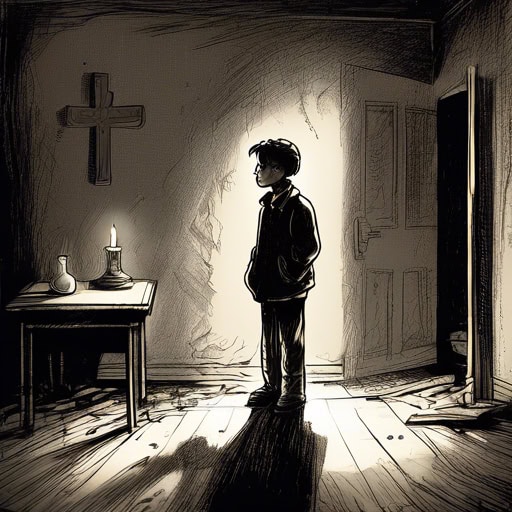
Themes of Redemption and Forgiveness
The Legacy of Crime and Punishment
Lesson Details & Resources
In a Nutshell
- What: Crime and Punishment by Fyodor Dostoevsky
- When: 19th century
- Who: Raskolnikov, Sonya, Porfiry Petrovich
- Theme: Guilt, redemption, morality
List of Characters in Crime and Punishment by Fyodor Dostoevsky
-
Raskolnikov
Raskolnikov is the main protagonist of the story, a former law student who commits a murder to prove his theory on extraordinary individuals.
-
Sonia Marmeladov
Sonia Marmeladov is a young prostitute who becomes a source of moral support and redemption for Raskolnikov.
-
Porfiry Petrovich
Porfiry Petrovich is the investigating magistrate who suspects Raskolnikov of the murder and tries to catch him through psychological tactics.
-
Dunya Raskolnikov
Dunya Raskolnikov is Raskolnikov's sister, who sacrifices her own happiness to support her brother and family.
-
Razumikhin
Razumikhin is Raskolnikov's loyal friend who stands by him during his struggles and helps him in his time of need.
Timeline of Crime and Punishment by Fyodor Dostoevsky
Raskolnikov, a destitute former student living in St. Petersburg, plans and carries out the murder of a pawnbroker
Raskolnikov struggles with guilt and paranoia after committing the murder
He is questioned by the police, but manages to avoid suspicion
Raskolnikov becomes involved with Sonya, a young prostitute who helps him come to terms with his crime
He eventually confesses to the murder and is sentenced to exile in Siberia
In Siberia, Raskolnikov undergoes a spiritual and moral transformation
He comes to terms with his guilt and finds redemption through suffering and self-reflection
Raskolnikov is eventually released from exile and begins a new life with Sonya by his side
Vocabulary List
- Crime
- Raskolnikov commits a crime by murdering the pawnbroker.
- Punishment
- Raskolnikov faces the consequences of his crime through psychological punishment.
- Guilt
- Raskolnikov struggles with feelings of guilt after committing the murder.
- Confession
- Raskolnikov eventually confesses to the crime, seeking redemption.
- Justice
- The novel explores themes of justice and morality in relation to Raskolnikov's actions.
- Suffering
- Raskolnikov experiences mental and emotional suffering as a result of his crime.
- Redemption
- Raskolnikov seeks redemption for his crime through acts of kindness and self-reflection.
- Retribution
- Raskolnikov faces retribution for his crime through his own internal struggles and external consequences.
- Innocence
- The novel raises questions about innocence and guilt in the context of Raskolnikov's crime.
- Penalty
- Raskolnikov faces a penalty for his crime, both in terms of legal consequences and personal turmoil.
Key Facts
This is the information used in the fact matching game
- Crime and Punishment was originally published in a Russian literary journal in 1866.
- The novel follows the story of Rodion Raskolnikov, a destitute former student who commits a premeditated murder.
- Dostoevsky wrote Crime and Punishment while dealing with financial troubles and the death of his first wife.
- The novel explores themes of morality, redemption, and the consequences of one's actions.
- Raskolnikov justifies his crime as a means to prove his superiority and test his theory of the 'extraordinary man'.
- The character of Porfiry Petrovich serves as a foil to Raskolnikov, representing the law and morality.
- Sonia Marmeladov, a young prostitute, plays a significant role in Raskolnikov's redemption.
- Dostoevsky's own experiences with poverty and crime influenced his portrayal of the characters and setting in the novel.
- The novel is considered one of Dostoevsky's greatest works and a classic of Russian literature.
- Crime and Punishment has been adapted into numerous films, TV shows, and stage productions.
- The novel's title reflects its exploration of both the commission of a crime and the psychological torment of the criminal.
- Dostoevsky's use of stream-of-consciousness narration and complex characterizations influenced later writers like Virginia Woolf and James Joyce.
- Crime and Punishment is often studied for its philosophical and psychological insights into guilt, suffering, and redemption.
- The novel is set in St. Petersburg, Russia, during the mid-19th century.
- Raskolnikov's internal turmoil and moral struggle are central to the novel's plot and themes.
- Crime and Punishment explores the idea of redemption through suffering and self-awareness.
- The novel's epilogue offers a glimpse into Raskolnikov's gradual transformation and moral awakening.
- Dostoevsky's use of religious symbolism and themes in Crime and Punishment reflects his own spiritual beliefs and struggles.
- Crime and Punishment is considered a seminal work in the genre of psychological fiction.
- The novel's exploration of crime, guilt, and punishment continues to resonate with readers and scholars today.
Analysis & Significance
Impact on Literature
‘Crime and Punishment’ by Fyodor Dostoevsky is a groundbreaking work that revolutionized the psychological novel genre. Its exploration of guilt, morality, and redemption set a new standard for character development and introspection in literature. The novel’s complex narrative structure and deep psychological insights have influenced countless authors and continue to inspire modern storytelling techniques.
Enduring Themes
The themes of alienation, existential crisis, and the search for meaning in ‘Crime and Punishment’ remain as relevant today as they were in Dostoevsky’s time. The novel delves into the depths of human nature, exposing the inner turmoil and moral dilemmas faced by individuals in a rapidly changing society. These timeless themes continue to resonate with modern audiences, inviting reflection on the complexities of human existence.
Cultural Significance Today
‘Crime and Punishment’ has left a lasting legacy in literature and popular culture, with numerous adaptations in film, television, and theater. The novel’s exploration of crime, punishment, and redemption has inspired countless reinterpretations and reimaginings, cementing its place as a classic of world literature. Dostoevsky’s masterpiece continues to captivate audiences and provoke thought on the nature of guilt, justice, and the human condition in today’s society.
Crime and Punishment by Fyodor Dostoevsky Games


Take Your Learning Offline
Want a convenient, print-ready study guide for this lesson? Become a Memory Wizards Pro member to unlock the downloadable " Memory Scrolls" for this topic and our entire library!
- ✓ Complete Vocabulary Lists
- ✓ Key Facts & Timelines
- ✓ Beautifully Formatted for Print & Mobile