
Philosophical Arguments For Free Will
Are our choices predetermined, or do we shape our destiny?
How Do You Learn Best?
Learn by Reading
Immerse yourself in the 10-minute visual lesson for a comprehensive understanding of the topic.
Learn by Reviewing
Jump directly to the key facts, timeline, and vocabulary lists to build a solid foundation of details.
Learn by Doing
Challenge yourself! Jump straight into the interactive games to learn by trial, error, and discovery.
Philosophical Arguments For Free Will in 10 Minutes

Introduction


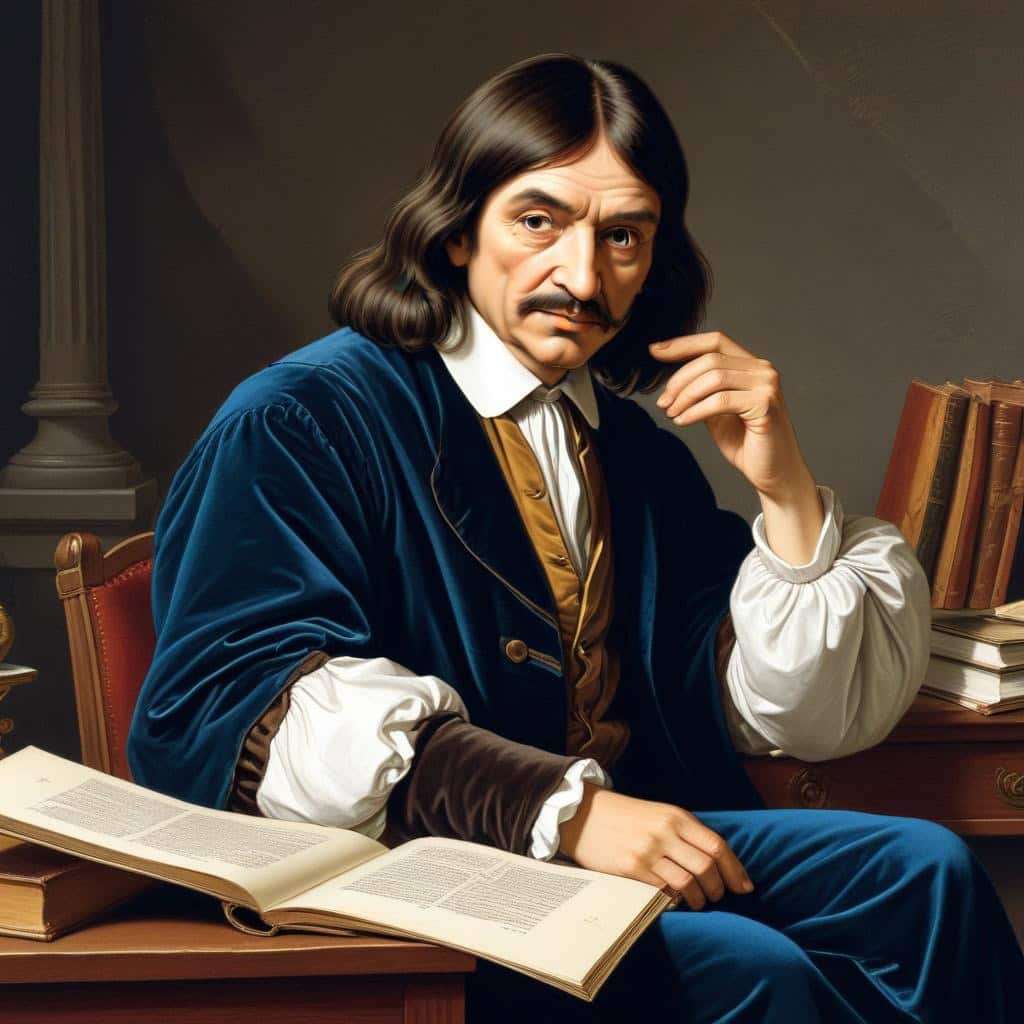
René Descartes

Thomas Hobbes
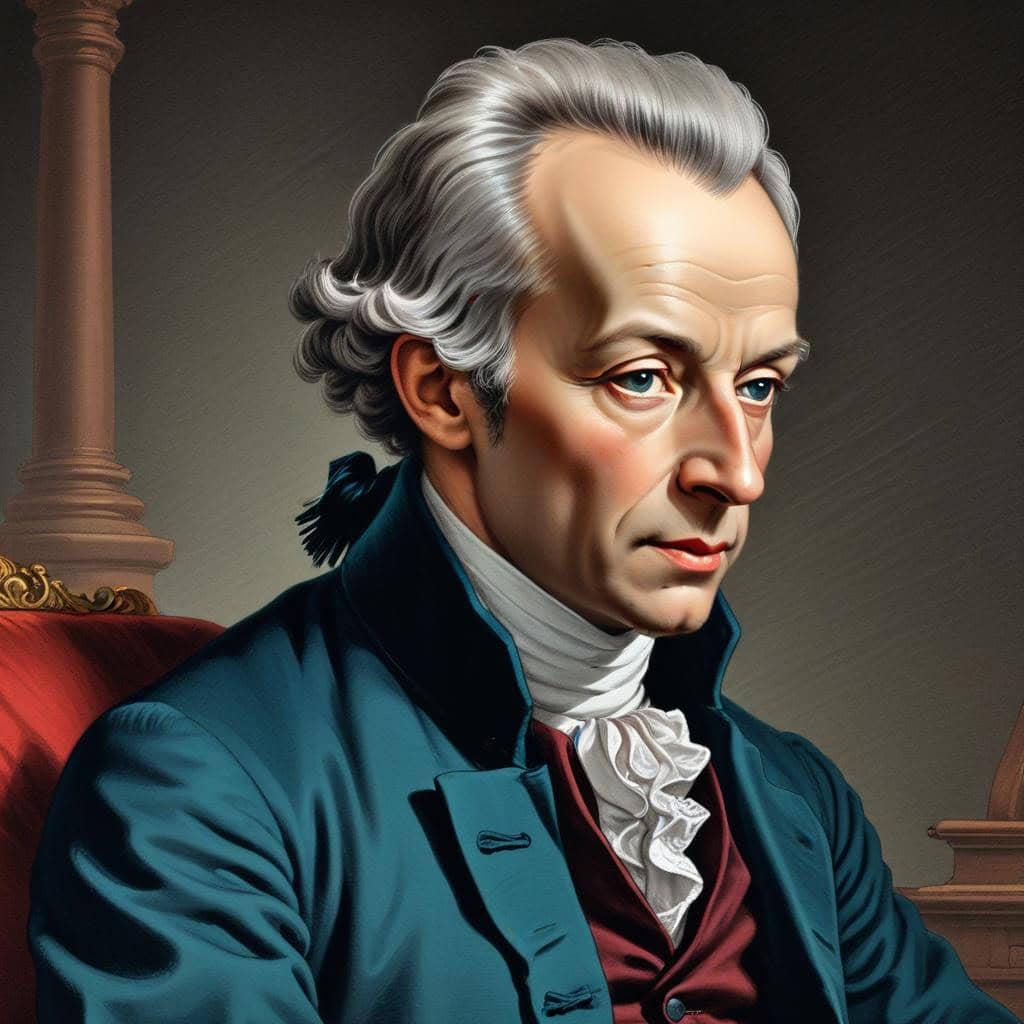
Immanuel Kant
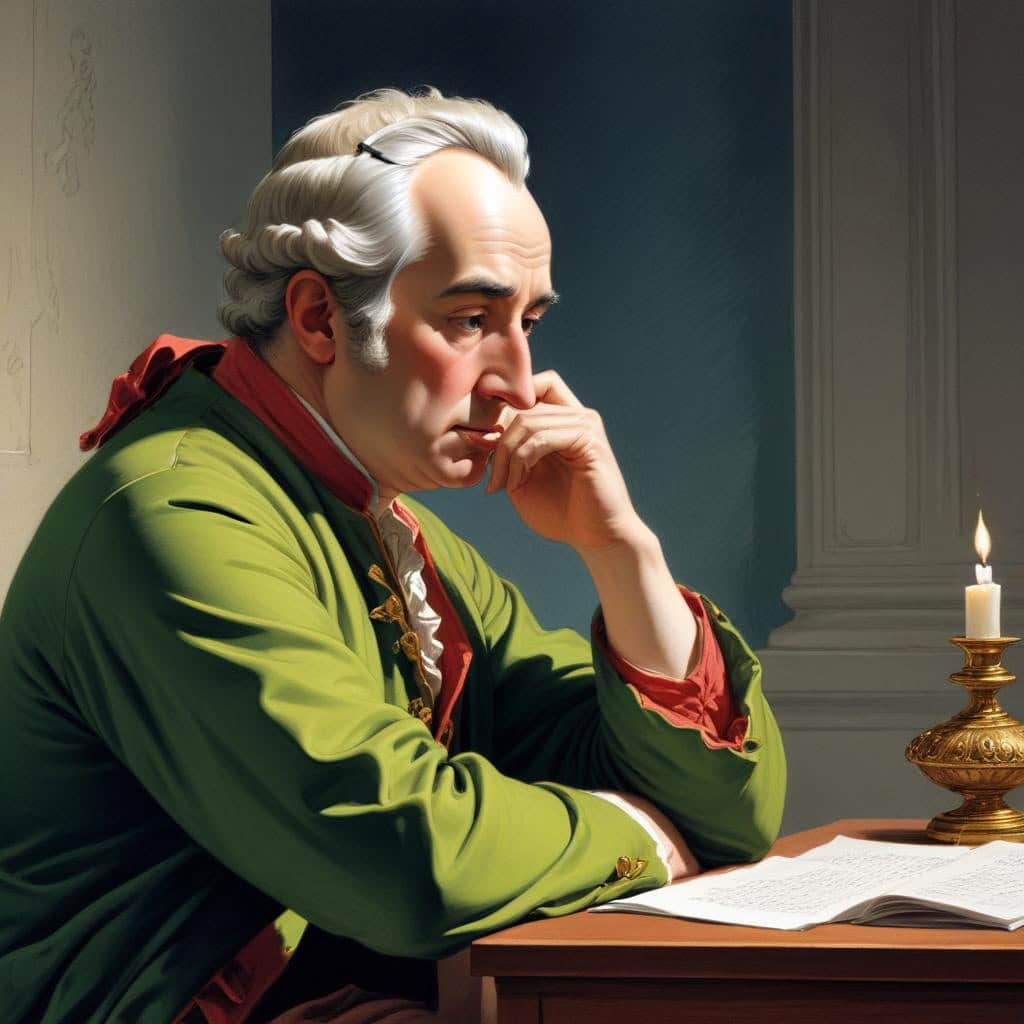
David Hume
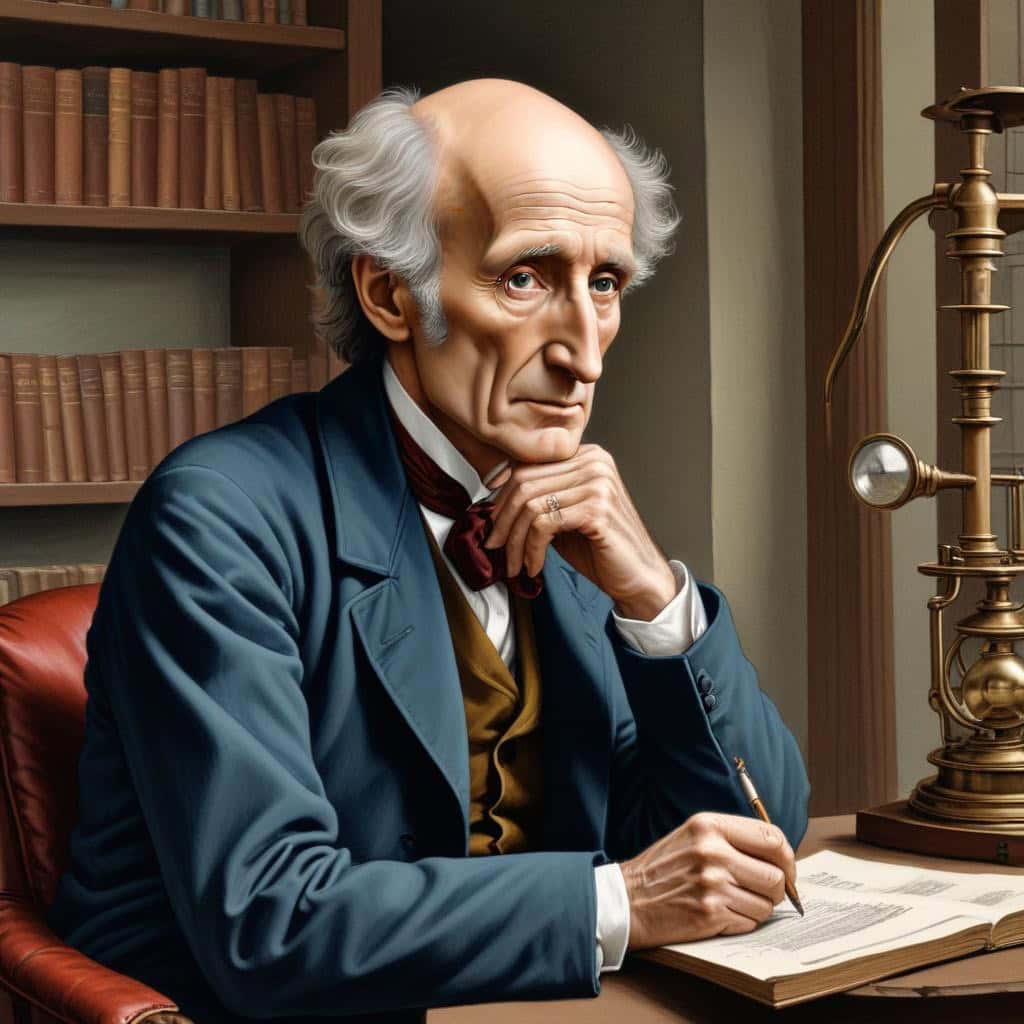
John Stuart Mill

1. Introduction to Free Will

2. Determinism vs Free Will

3. Libertarianism

4. The Problem of Moral Responsibility

5. The Experience of Free Will
6. The Illusion of Free Will

7. Compatibilism
8. The Role of Neuroscience

9. Cultural and Religious Perspectives
Lesson Details & Resources
In a Nutshell
- Concept: Philosophical Arguments for Free Will
- Key Philosophers: Aristotle, Thomas Aquinas, Rene Descartes, Immanuel Kant
- Central Question: Do humans have the ability to make choices freely, or are all actions determined by prior causes?
- Most Important Conclusion: Free will is a necessary condition for moral responsibility and the foundation of human agency.
Timeline of Philosophical Arguments For Free Will
Aristotle discusses the concept of free will in his works Nicomachean Ethics and Eudemian Ethics
St. Augustine of Hippo argues for free will in response to the problem of evil
Thomas Aquinas integrates Aristotelian philosophy with Christian theology to support free will
Rene Descartes posits that free will is a fundamental aspect of human consciousness
David Hume challenges the concept of free will in his work 'An Enquiry Concerning Human Understanding'
Immanuel Kant argues for the compatibility of free will and determinism in 'Critique of Practical Reason'
Arthur Schopenhauer criticizes the idea of free will in 'The World as Will and Representation'
Friedrich Nietzsche explores the concept of free will in his works on morality and consciousness
William James promotes the idea of indeterminism and free will in 'The Will to Believe'
Bertrand Russell argues against free will in 'On the Notion of Cause'
Jean-Paul Sartre advocates for existentialist views on free will in 'Being and Nothingness'
Daniel Dennett defends compatibilism in 'Elbow Room: The Varieties of Free Will Worth Wanting'
Robert Kane proposes a theory of libertarian free will in 'The Significance of Free Will'
Harry Frankfurt introduces the concept of higher-order desires in 'Freedom of the Will and the Concept of a Person'
Alfred Mele explores the relationship between free will and neuroscience in 'Free: Why Science Hasn't Disproved Free Will'
Peter van Inwagen argues for incompatibilism in 'An Essay on Free Will'
Susan Wolf examines moral responsibility and free will in 'Freedom Within Reason'
Timothy O'Connor defends agent-causal libertarianism in 'Persons and Causes: The Metaphysics of Free Will'
Derk Pereboom presents a hard determinist perspective in 'Living Without Free Will'
Eddy Nahmias explores experimental philosophy and free will in 'Introducing Philosophy: Free Will and Determinism'
Vocabulary List
- Free Will
- In the debate over free will, philosophers argue whether our actions are determined by factors such as genetics and environment, or if we have the ability to make choices independently.
- Determinism
- Determinism poses a challenge to the concept of free will, as it suggests that our choices are predetermined and not truly free.
- Compatibilism
- Compatibilists argue that even if our actions are determined by external factors, we can still be considered free if we act in accordance with our own desires and reasons.
- Incompatibilism
- Incompatibilists argue that if our actions are determined by external factors, then we cannot truly be considered free to make choices.
- Agency
- In discussions of free will, philosophers consider the nature of agency and whether our actions are truly the result of our own intentions and decisions.
Key Facts
Analysis & Significance
The Core Argument
Philosophical arguments for free will typically revolve around the idea that individuals have the ability to make choices that are not predetermined by external factors, such as genetics or environment. Proponents argue that this capacity for autonomous decision-making is essential for moral responsibility and personal agency.
Criticisms and Counterarguments
However, critics of free will argue that determinism, the belief that all events are causally determined by preceding events, undermines the concept of free will. They contend that if every action is ultimately determined by prior causes, then true freedom of choice is an illusion.
Modern Relevance
The debate over free will remains relevant in modern society, particularly in discussions surrounding criminal justice and moral accountability. Questions about whether individuals are truly responsible for their actions, or if external factors like upbringing and biology should be taken into account, continue to shape our understanding of human behavior and decision-making.
Philosophical Arguments For Free Will Games


Take Your Learning Offline
Want a convenient, print-ready study guide for this lesson? Become a Memory Wizards Pro member to unlock the downloadable " Memory Scrolls" for this topic and our entire library!
- ✓ Complete Vocabulary Lists
- ✓ Key Facts & Timelines
- ✓ Beautifully Formatted for Print & Mobile