
How Do You Learn Best?
Learn by Reading
Immerse yourself in the 10-minute visual lesson for a comprehensive understanding of the topic.
Learn by Reviewing
Jump directly to the key facts, timeline, and vocabulary lists to build a solid foundation of details.
Learn by Doing
Challenge yourself! Jump straight into the interactive games to learn by trial, error, and discovery.
Serbia in 10 Minutes
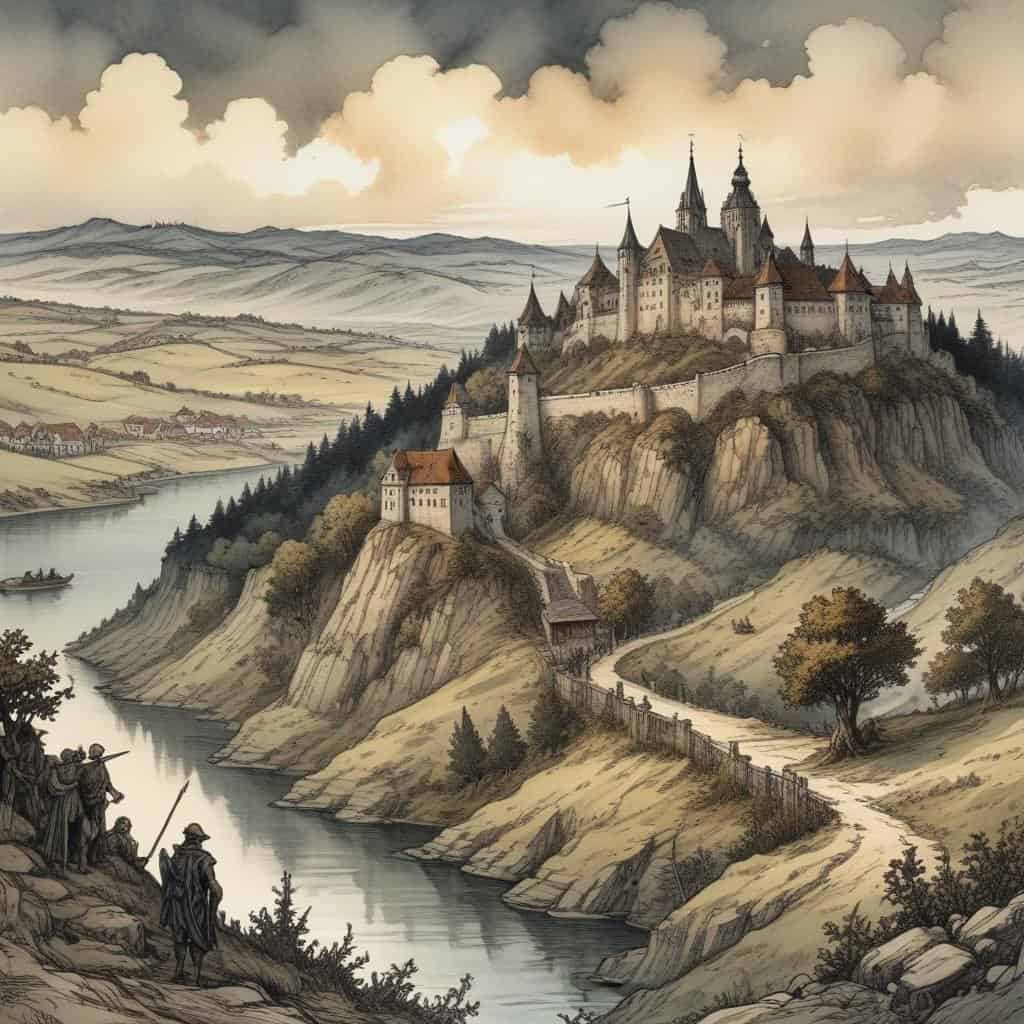
Introduction
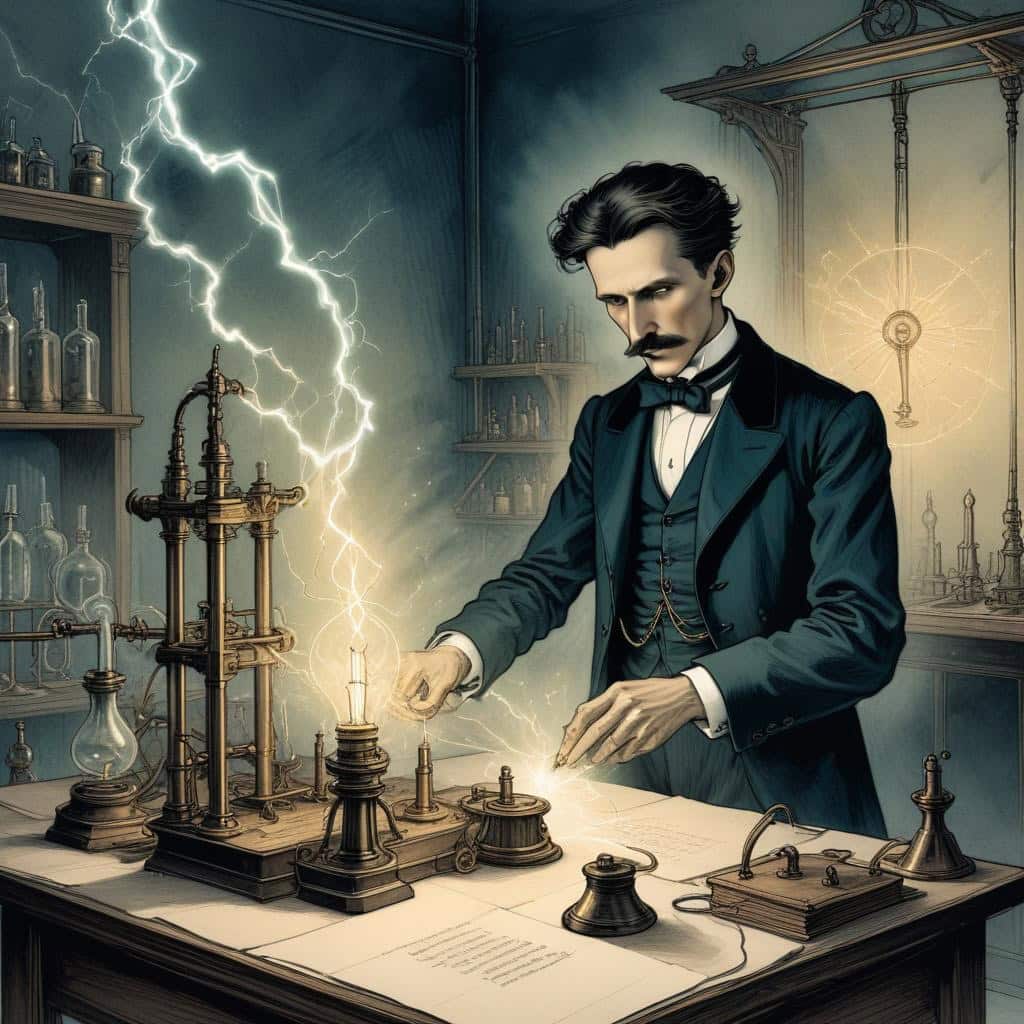
Nikola Tesla
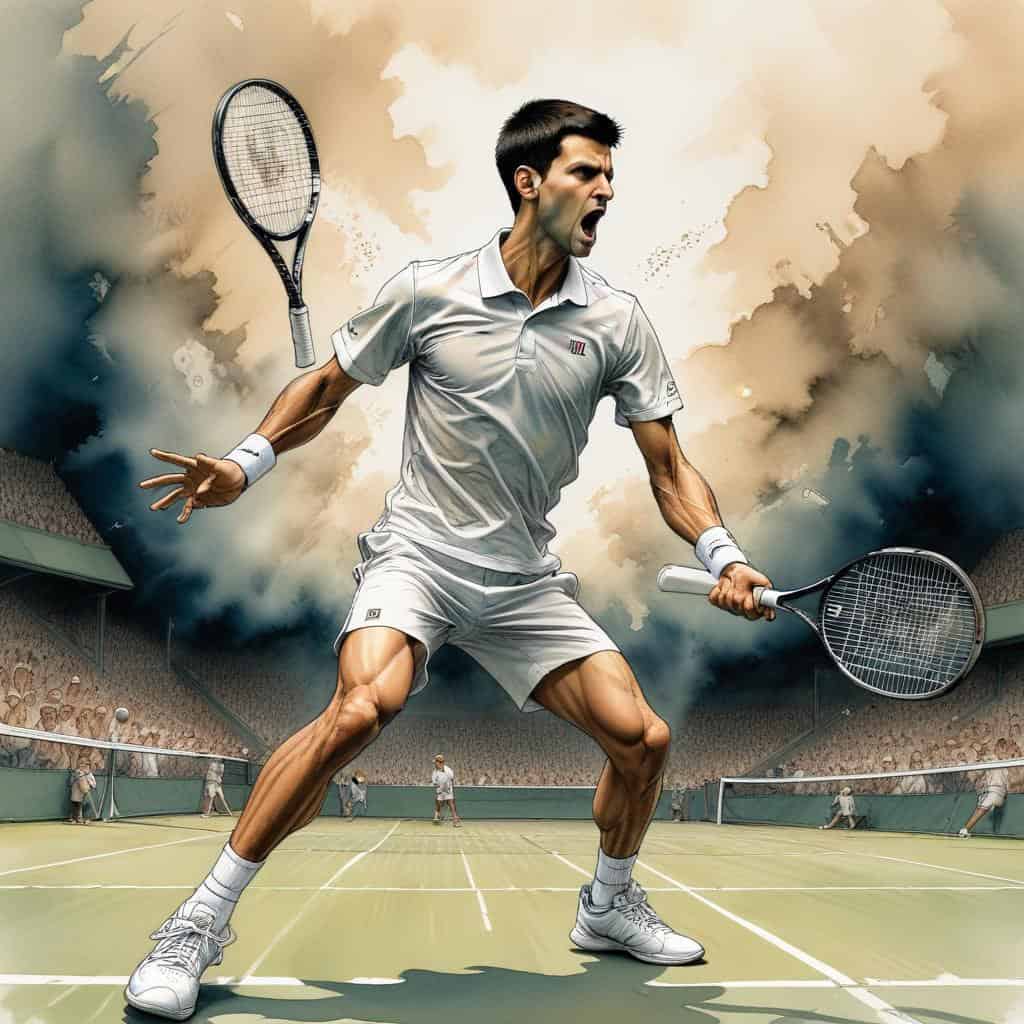
Novak Djokovic
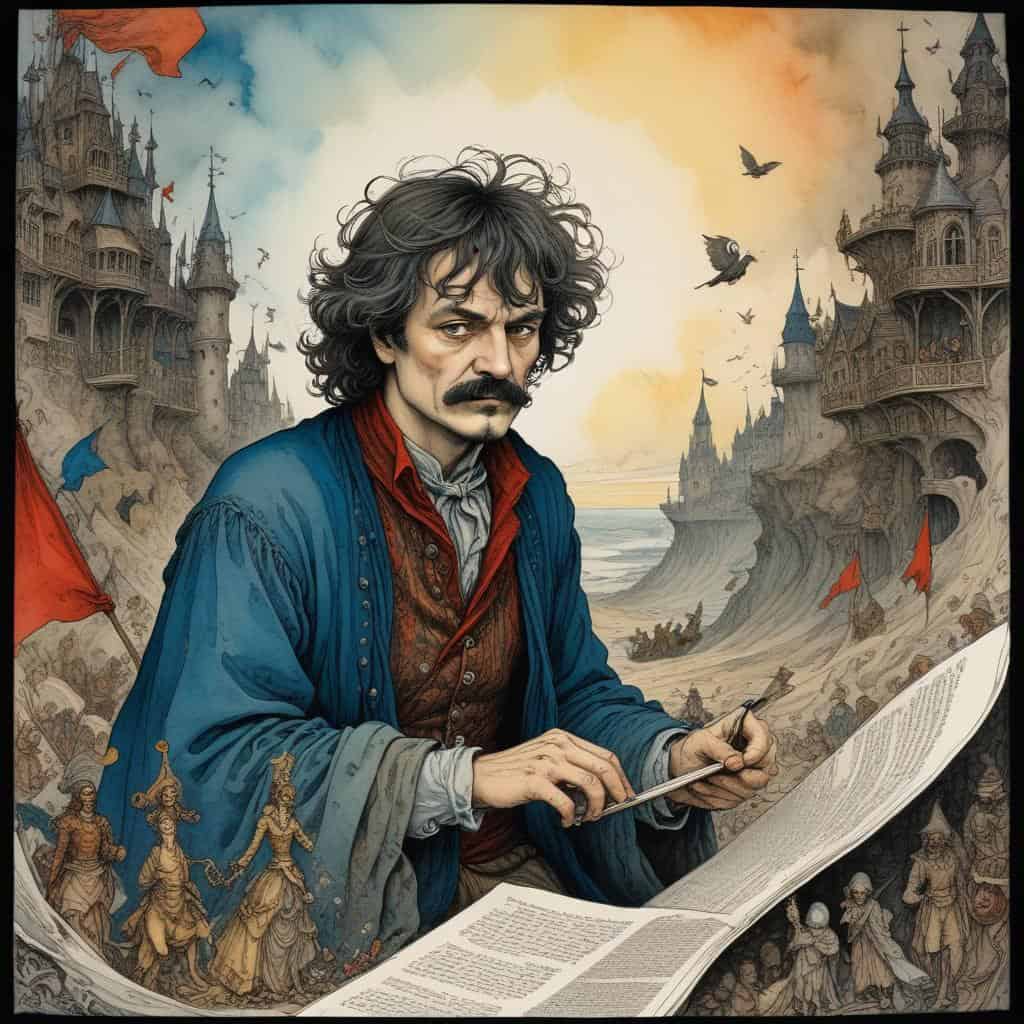
Emir Kusturica
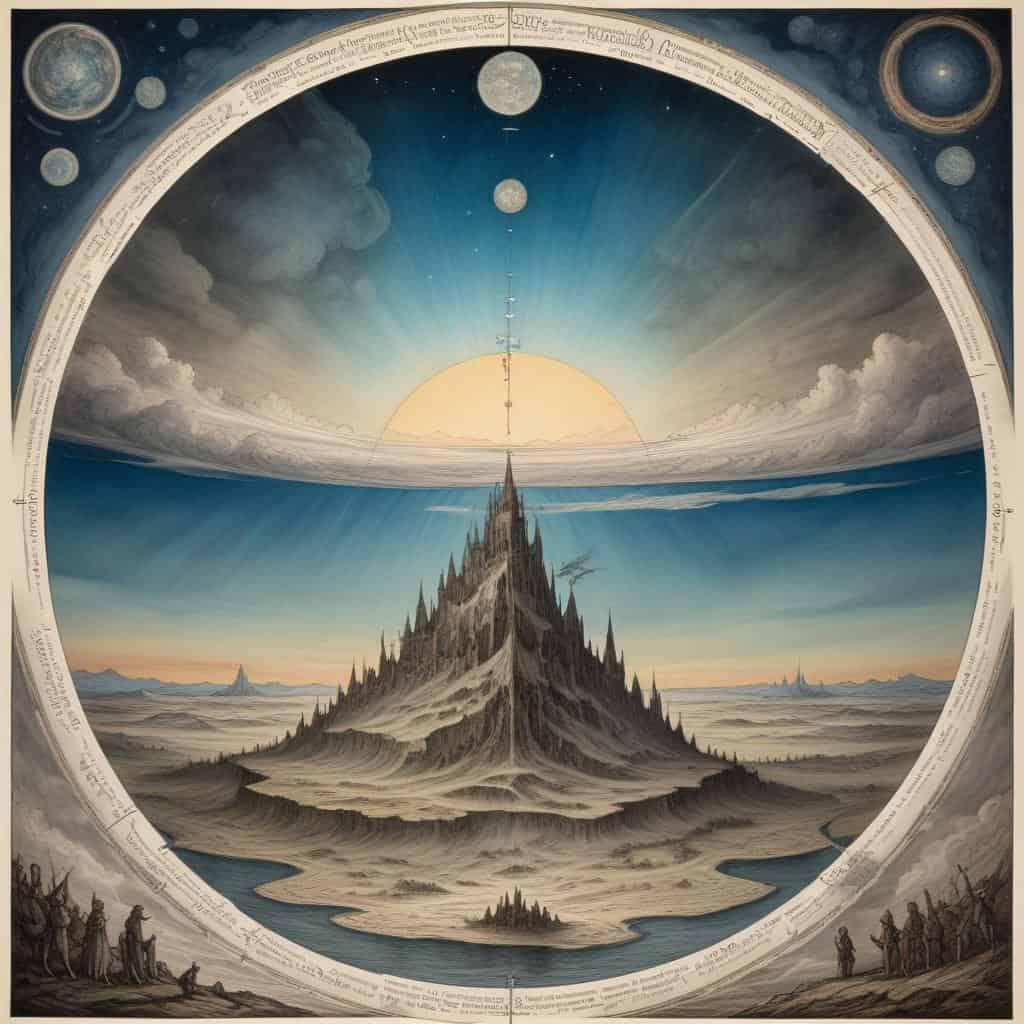
Milutin Milankovic
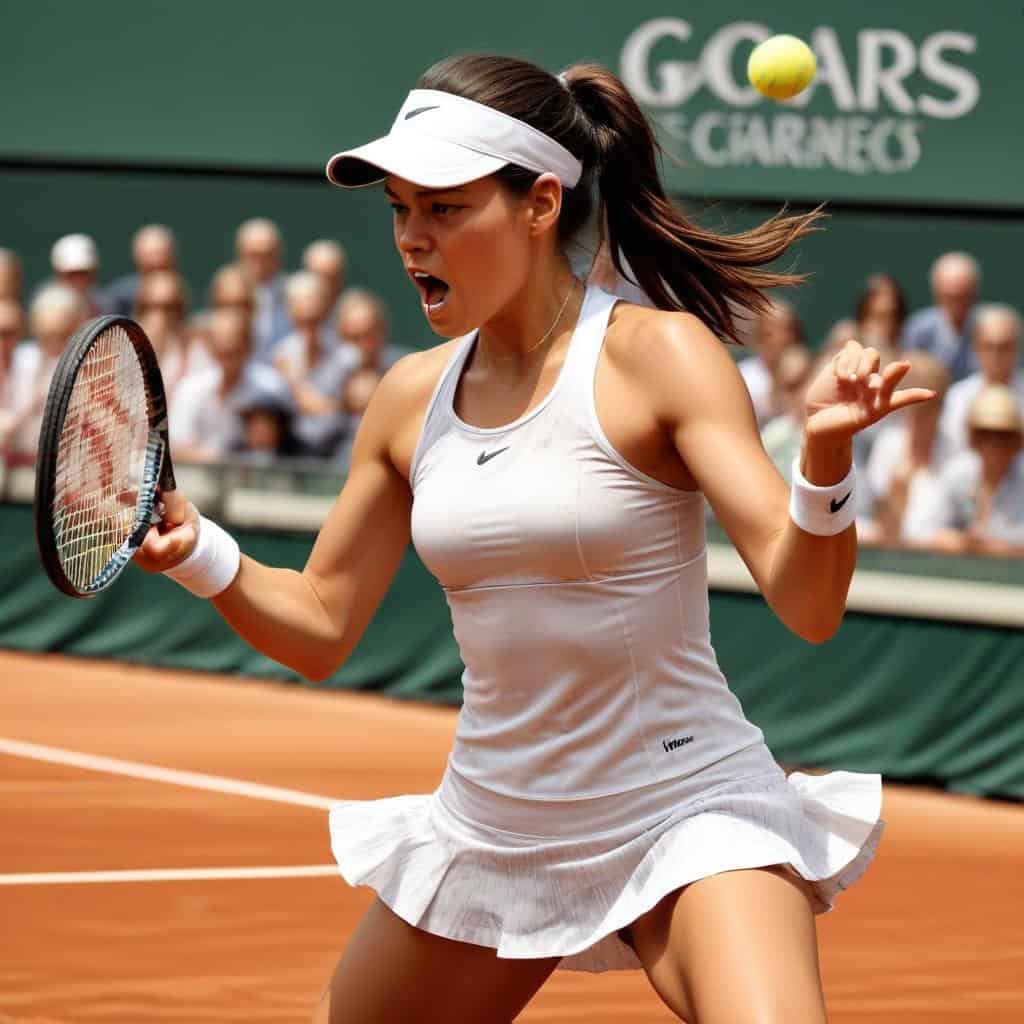
Ana Ivanovic
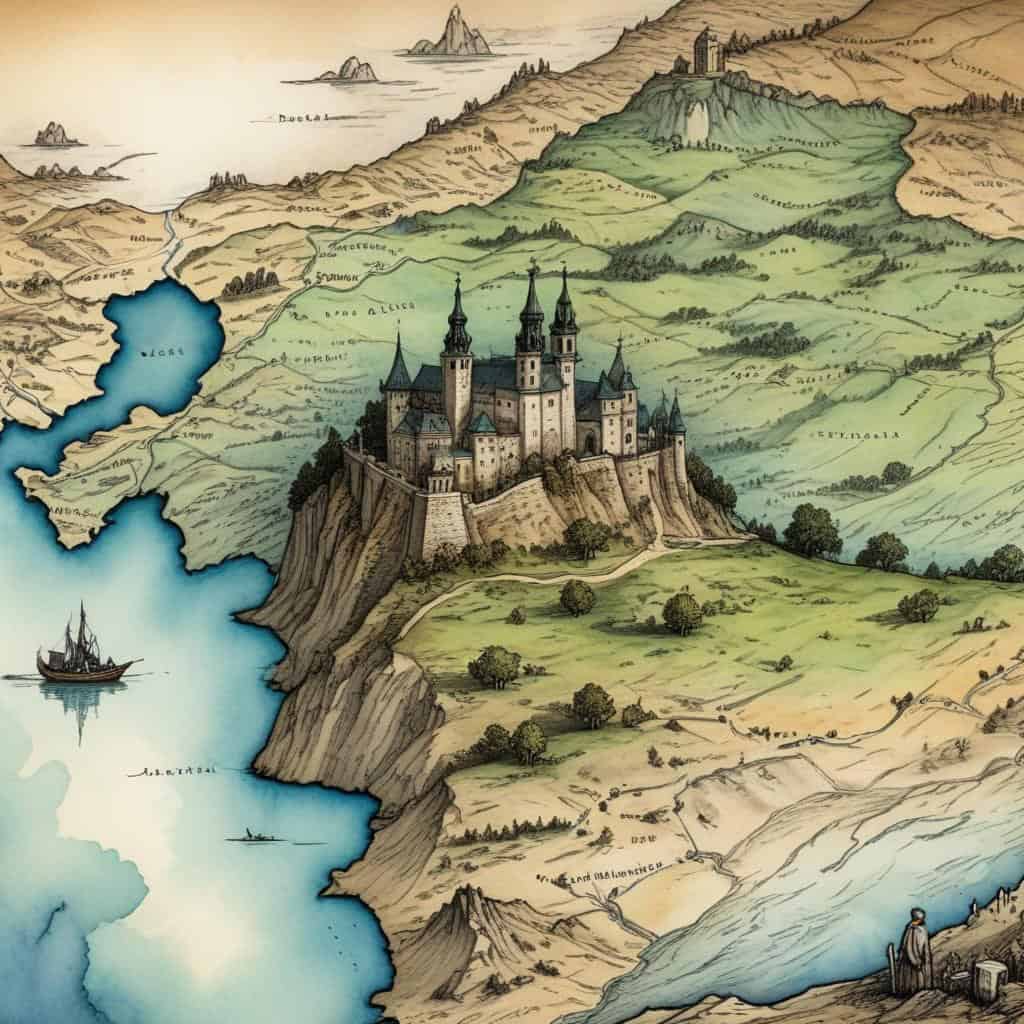
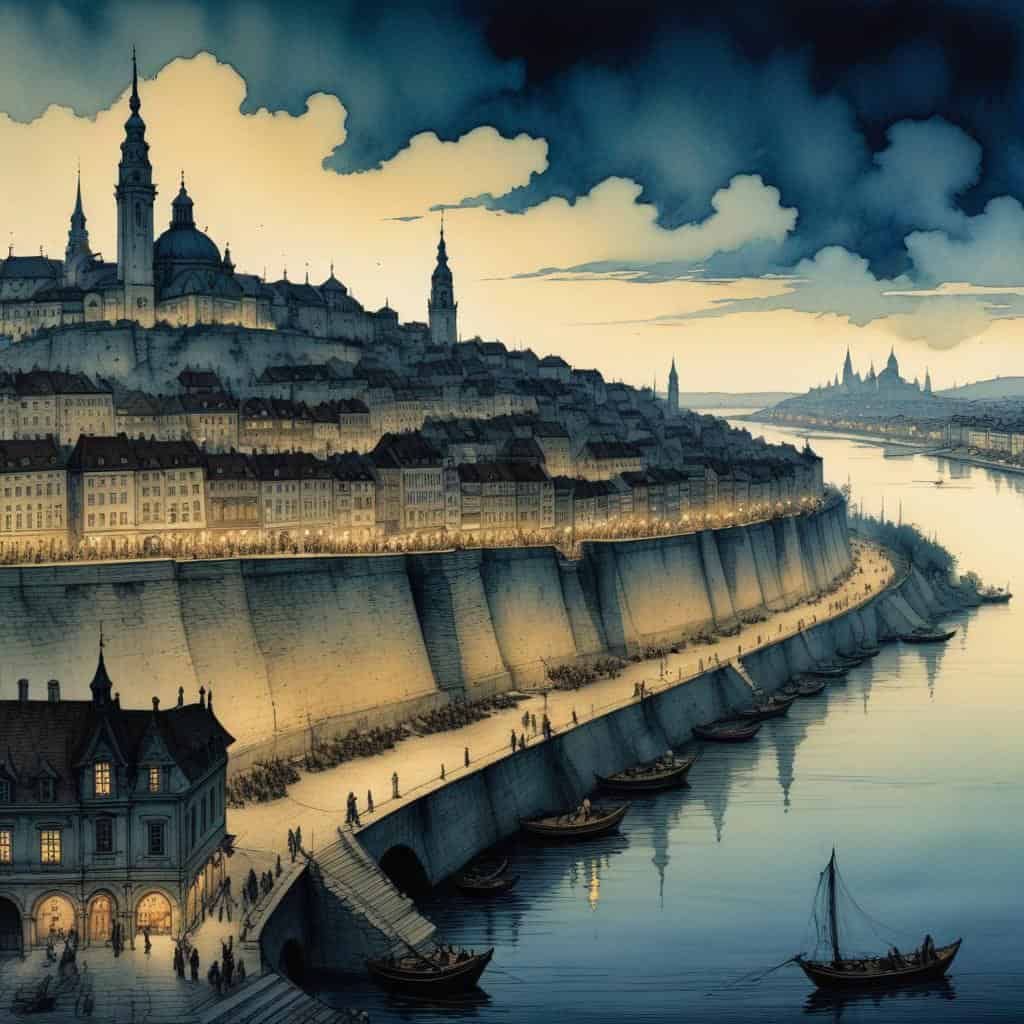
Serbias Location and Geography
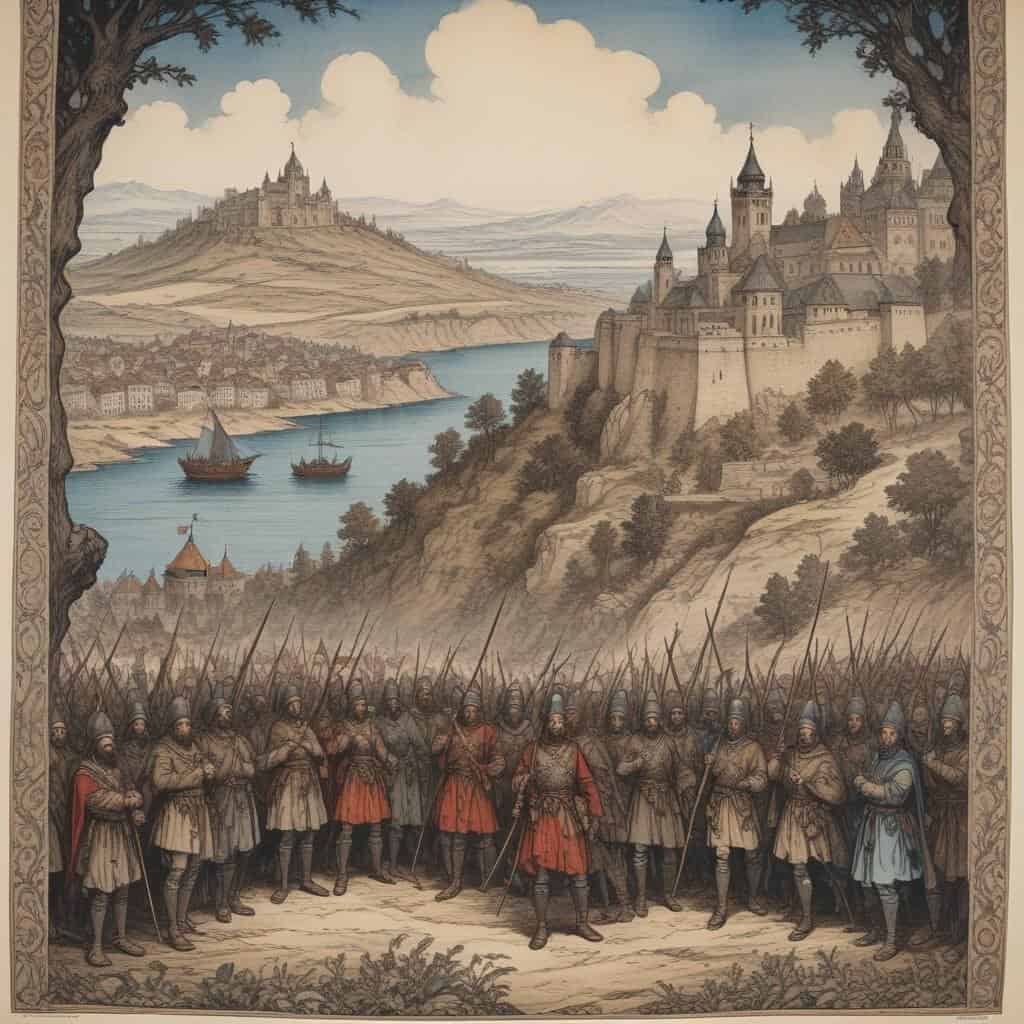
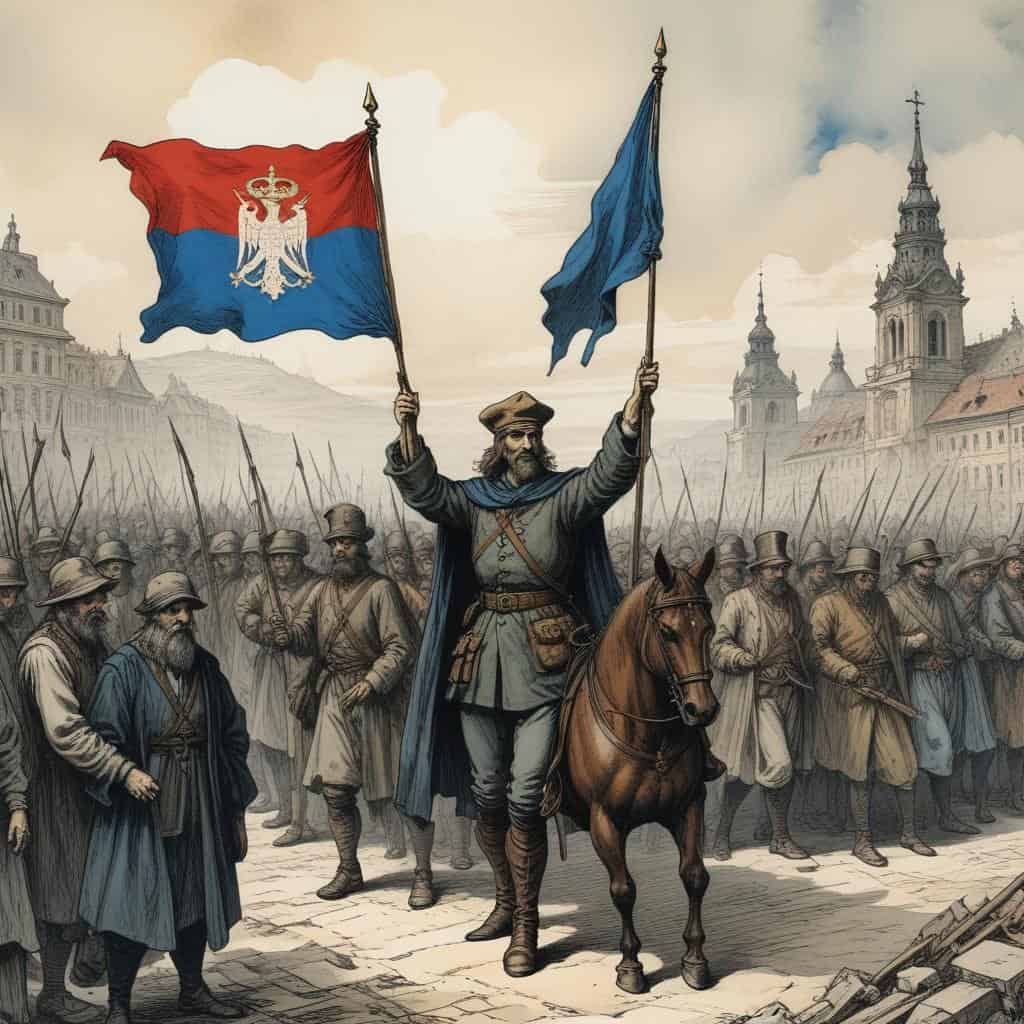
History of Serbia
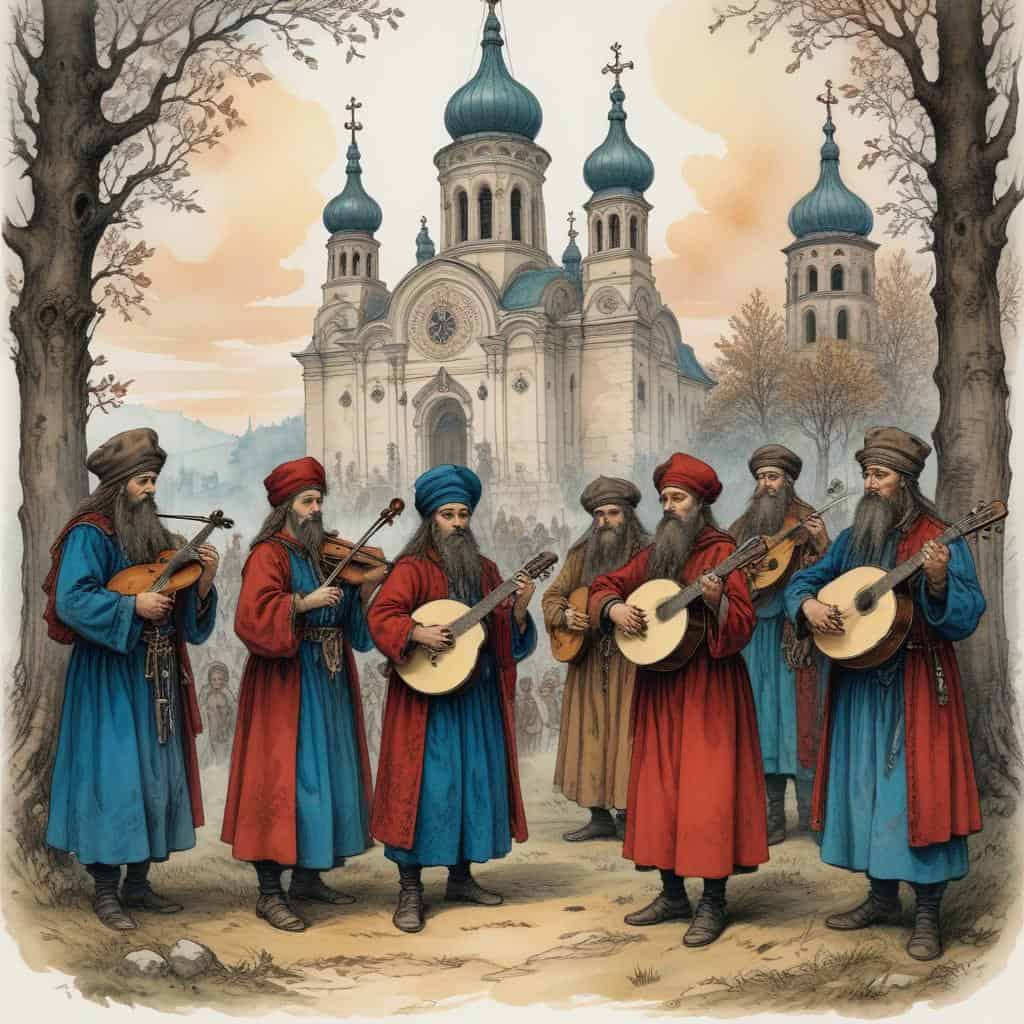
Culture and Traditions
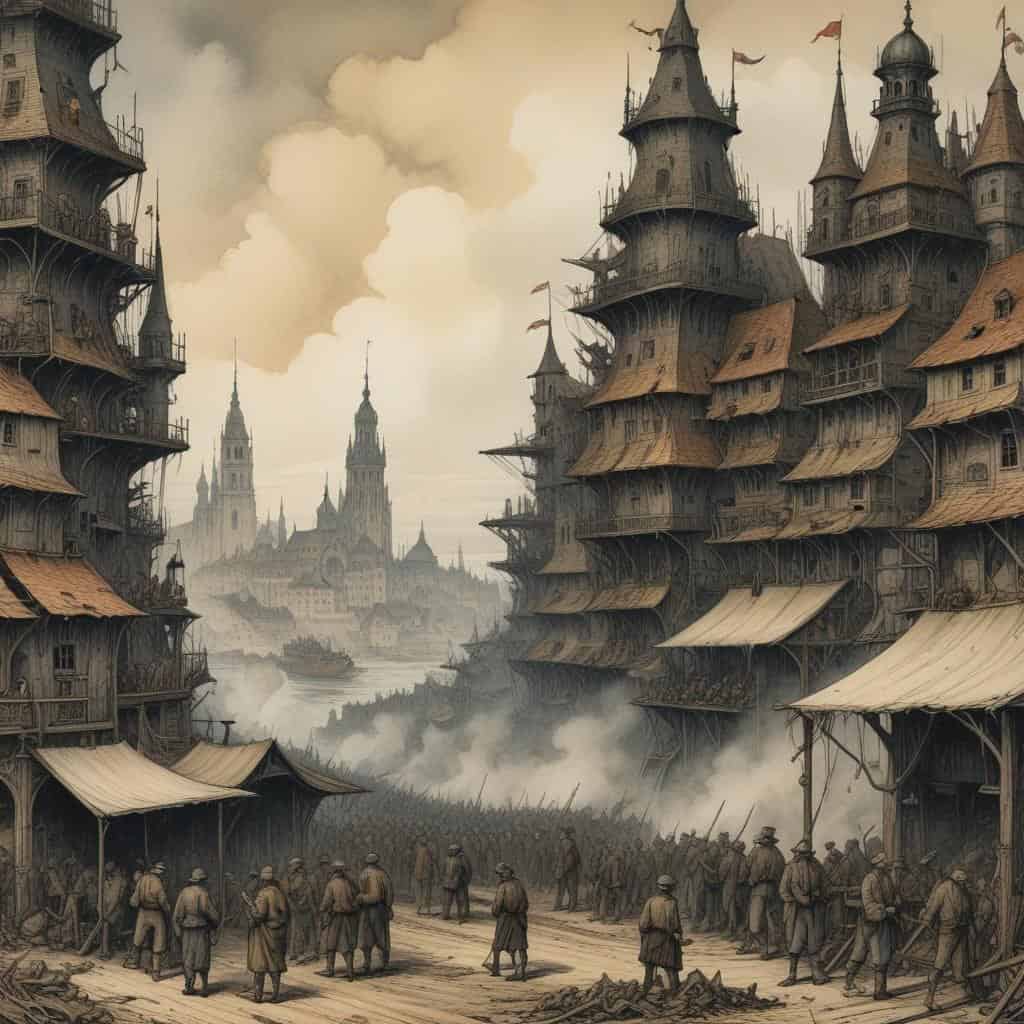
Economy and Industry
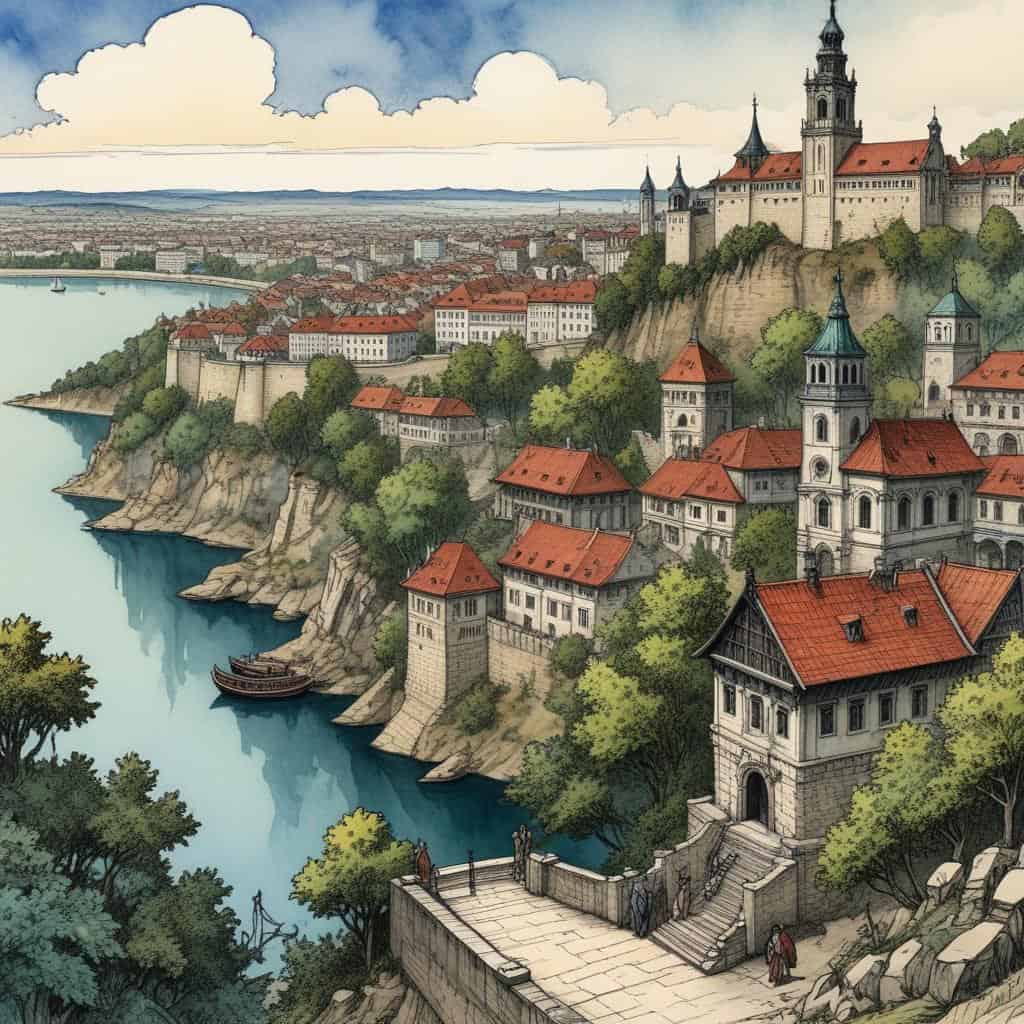
Tourism in Serbia
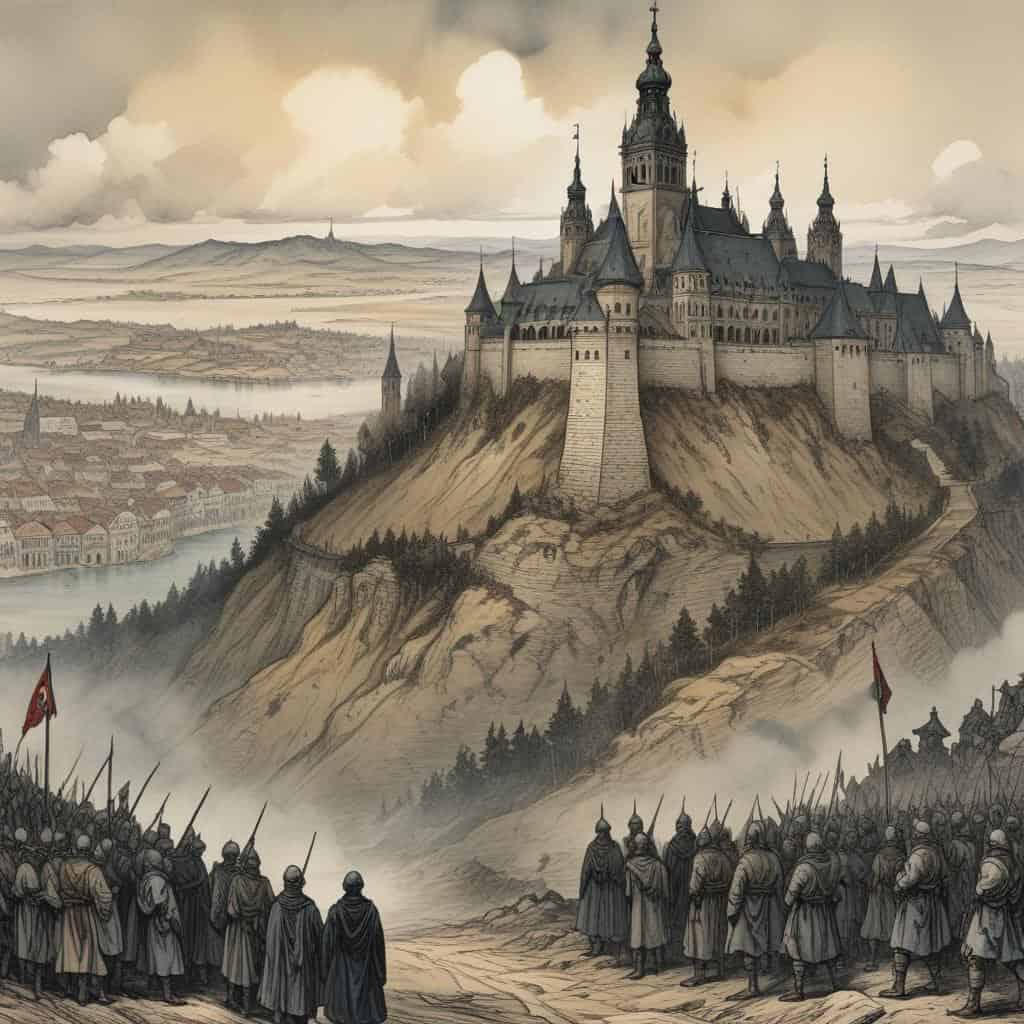
Political Landscape
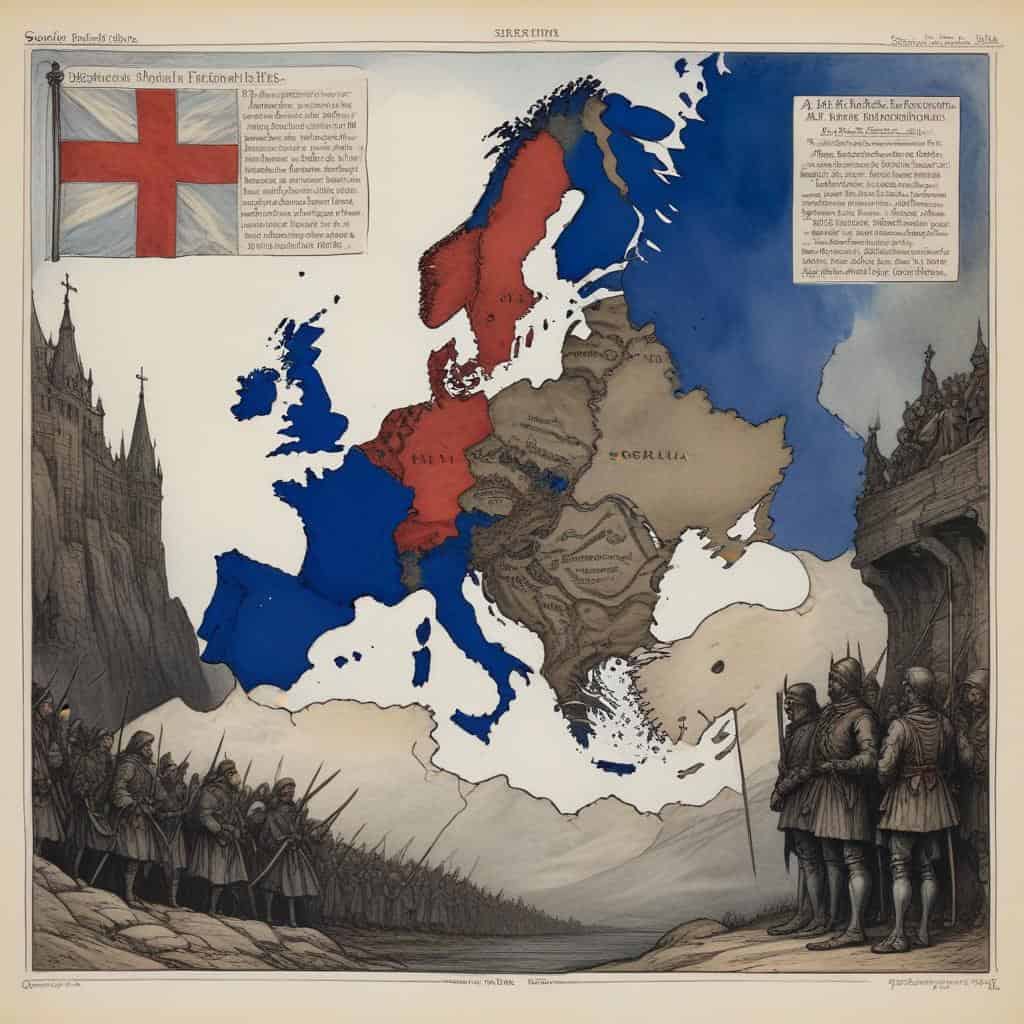
Relations with the European Union
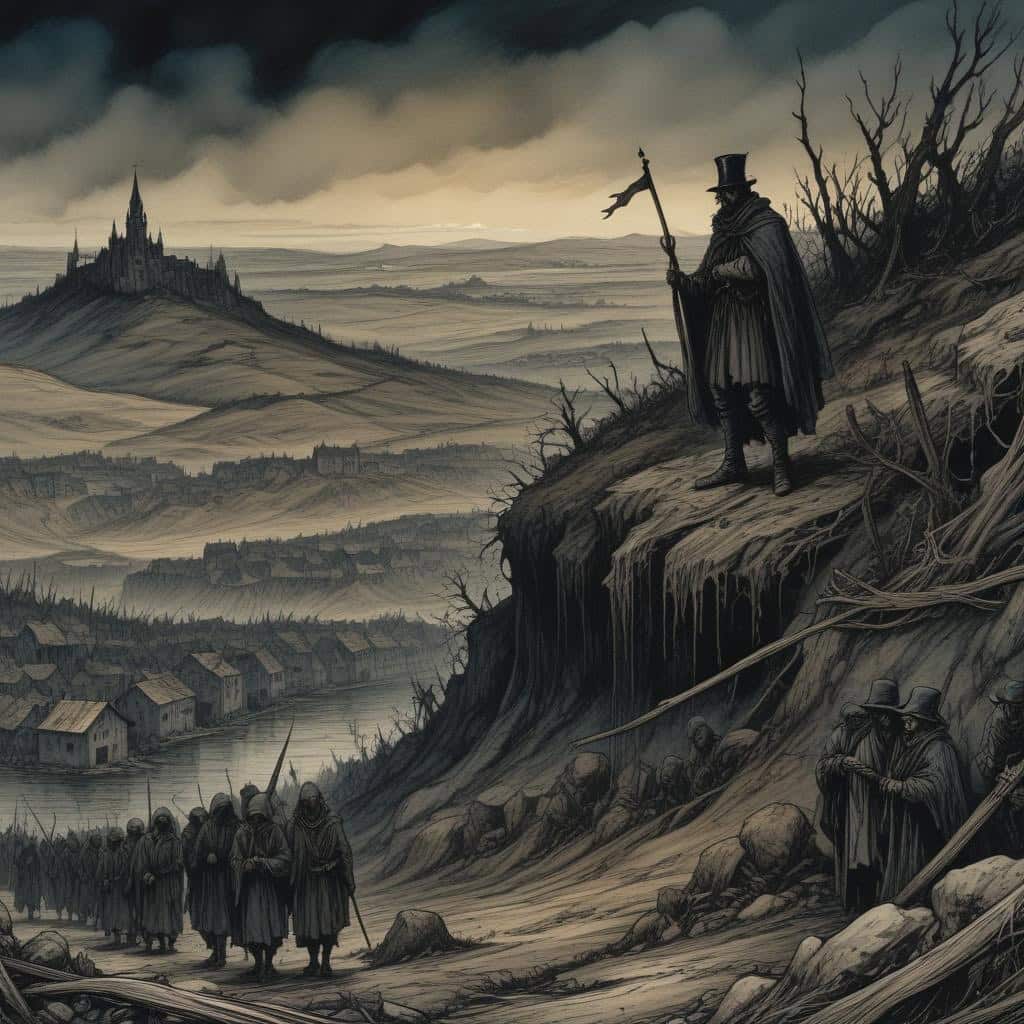
Challenges Facing Serbia
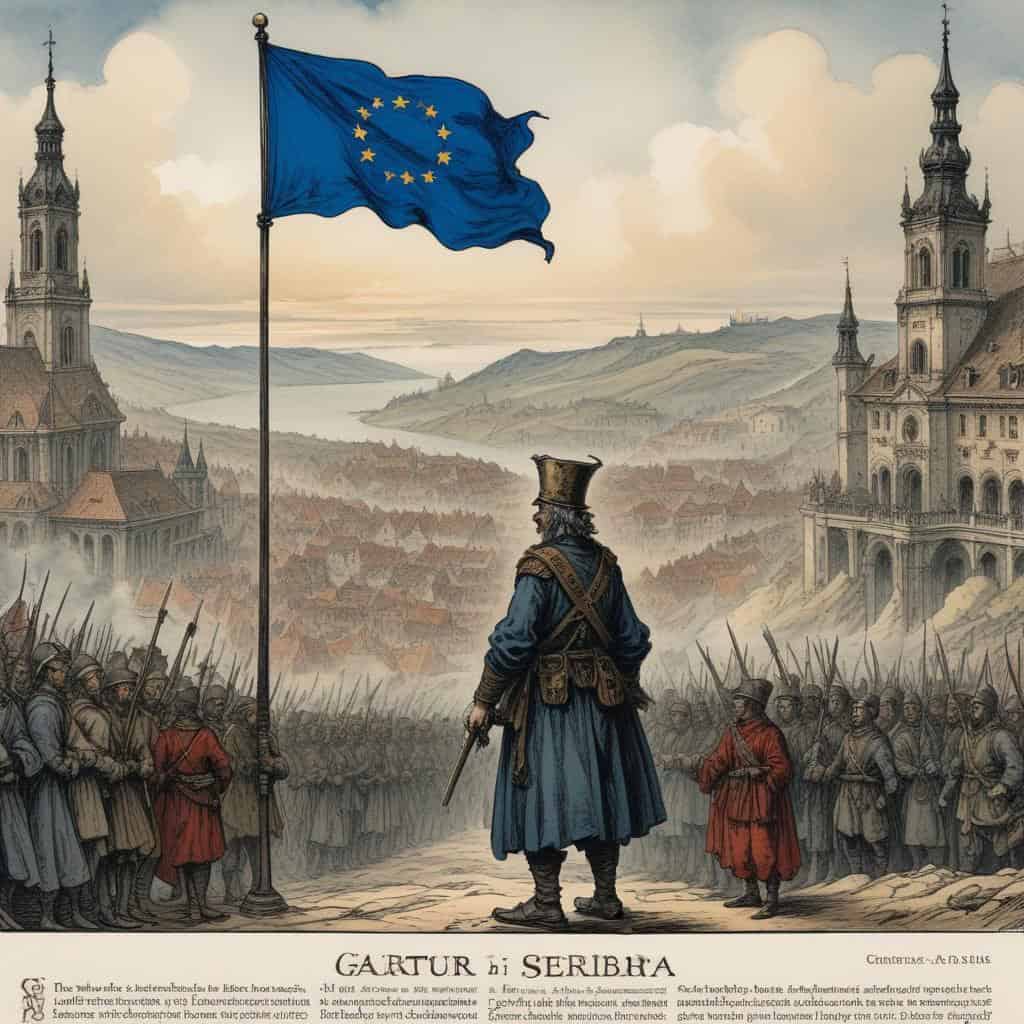
Future Outlook for Serbia
In a Nutshell
- Capital: Belgrade
- Population: Approx. 7 million (2021)
- Official Language: Serbian
- Currency: Serbian dinar (RSD)
Breaking Down the Country
Historical Landmarks
Discover ancient fortresses, monasteries, and Roman ruins that dot the Serbian landscape, telling tales of its rich and varied history.
Cultural Heritage
Explore the vibrant folk music, traditional dances, and diverse art scene that showcase Serbia's unique cultural identity and influences.
Natural Wonders
From the stunning Đavolja varoš rock formations to the picturesque Drina River, Serbia's natural beauty offers endless opportunities for outdoor adventures.
Timeline of Serbia
Foundation of the Serbian Principality
Foundation of the Serbian Kingdom
Battle of Kosovo
Serbian Despotate established
Fall of the Serbian Despotate to the Ottoman Empire
First Serbian Uprising against Ottoman rule
Second Serbian Uprising against Ottoman rule
Serbia gains autonomy from the Ottoman Empire
Serbian-Turkish Wars
Serbia becomes a kingdom
Assassination of Archduke Franz Ferdinand in Sarajevo
Kingdom of Serbs, Croats and Slovenes established
Formation of the Kingdom of Yugoslavia
German invasion of Yugoslavia during World War II
Establishment of the Socialist Federal Republic of Yugoslavia
Breakup of Yugoslavia and the start of the Yugoslav Wars
Serbia and Montenegro form a new union
Independence of Montenegro from Serbia
Declaration of Kosovo's independence from Serbia
Serbia becomes a candidate for EU membership
Vocabulary List
- Belgrade
- The capital and largest city of Serbia.
- Novi Sad
- The second largest city in Serbia, known for its cultural events and festivals.
- Sava River
- A major river in the Balkans that flows through Serbia.
- Nikola Tesla
- Famous Serbian-American inventor and electrical engineer.
- Rakija
- Traditional Serbian fruit brandy.
- Orthodox Christianity
- The predominant religion in Serbia.
- Kosovo
- A disputed territory in Serbia.
- Ajvar
- A popular Serbian condiment made from roasted red peppers and garlic.
- Dinar
- The currency of Serbia.
- Vojvodina
- An autonomous province in northern Serbia.
Key Facts
This is the information used in the fact matching game
- Serbia is a landlocked country located in Southeast Europe.
- The official language of Serbia is Serbian.
- Belgrade, the capital of Serbia, is one of the oldest cities in Europe.
- Serbia is a member of the United Nations, World Trade Organization, and other international organizations.
- The currency used in Serbia is the Serbian Dinar (RSD).
- Serbia has a diverse cultural heritage, influenced by Byzantine, Ottoman, and Austro-Hungarian empires.
- The Serbian Orthodox Church is the largest religious denomination in Serbia.
- The Drina River forms a natural border between Serbia and Bosnia and Herzegovina.
- Serbia has several national parks, including Tara National Park and Fruska Gora National Park.
- Novi Sad, the second-largest city in Serbia, is known for its annual EXIT music festival.
- Serbia has a rich culinary tradition, with dishes like cevapi, sarma, and ajvar being popular.
- The Serbian flag consists of three equal horizontal stripes - red, blue, and white.
- The Serbian film industry has produced acclaimed directors like Emir Kusturica and Srdan Golubovic.
- The Serbian education system is free and compulsory for children aged 7 to 15 years old.
- Serbia is known for its traditional folk music, which includes genres like turbo-folk and narodna muzika.
- The Serbian economy is primarily based on agriculture, manufacturing, and services.
- The Serbian national football team has qualified for several FIFA World Cup tournaments.
- Serbia has a rich history of traditional crafts like pottery, embroidery, and woodcarving.
- The Iron Gates is a famous gorge along the Danube River that forms part of the Serbia-Romania border.
- Serbia has a continental climate, with hot summers and cold winters.
Why It Matters
Geopolitical Significance
Serbia holds a strategic position in the Balkans, acting as a bridge between Central and Southeast Europe. Its relationships with neighboring countries like Bosnia and Herzegovina, Croatia, and Kosovo are crucial for regional stability and cooperation.
Historical Importance
Serbia has a rich history dating back to the medieval Serbian Empire and the Ottoman period. It played a significant role in the conflicts of the 20th century, including both World Wars and the breakup of Yugoslavia. The country’s cultural heritage and national identity are deeply intertwined with its past.
Modern-Day Role
Today, Serbia is a candidate for EU membership and a key player in the Western Balkans. Its economy is diversifying, with a focus on industry, agriculture, and tourism. Serbia’s diplomatic efforts and regional partnerships are shaping its position in Europe and beyond.
Serbia Games


Take Your Learning Offline
Want a convenient, print-ready study guide for this lesson? Become a Memory Wizards Pro member to unlock the downloadable " Memory Scrolls" for this topic and our entire library!
- ✓ Complete Vocabulary Lists
- ✓ Key Facts & Timelines
- ✓ Beautifully Formatted for Print & Mobile