
How Do You Learn Best?
Learn by Reading
Immerse yourself in the 10-minute visual lesson for a comprehensive understanding of the topic.
Learn by Reviewing
Jump directly to the key facts, timeline, and vocabulary lists to build a solid foundation of details.
Learn by Doing
Challenge yourself! Jump straight into the interactive games to learn by trial, error, and discovery.
Romania in 10 Minutes

Introduction
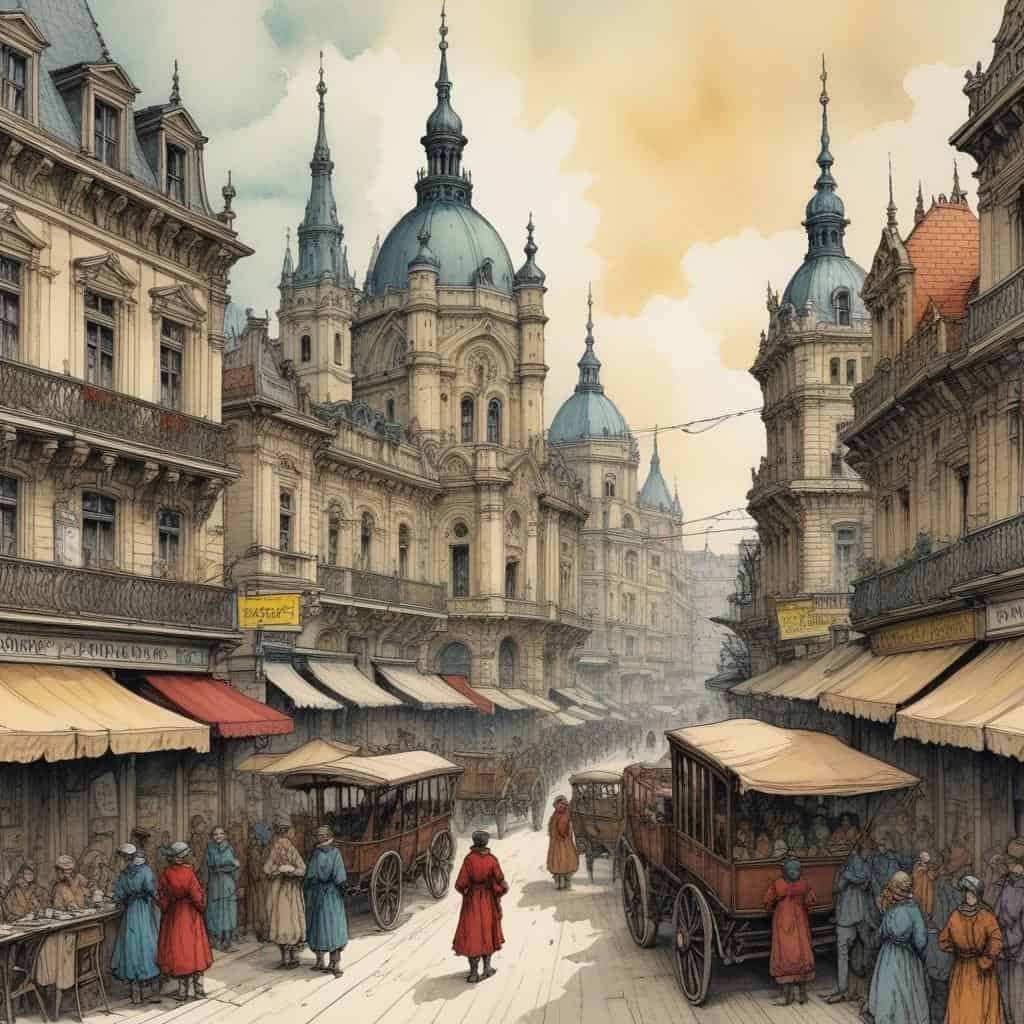
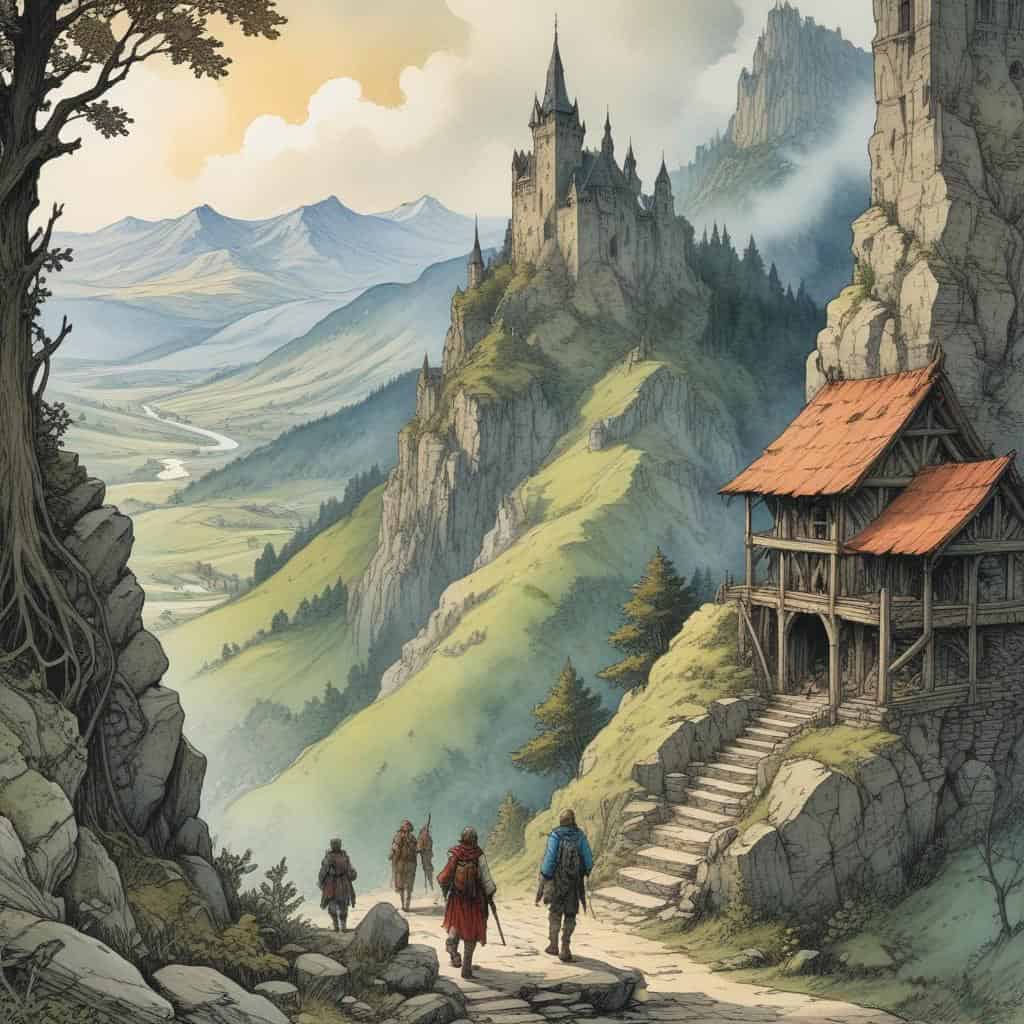
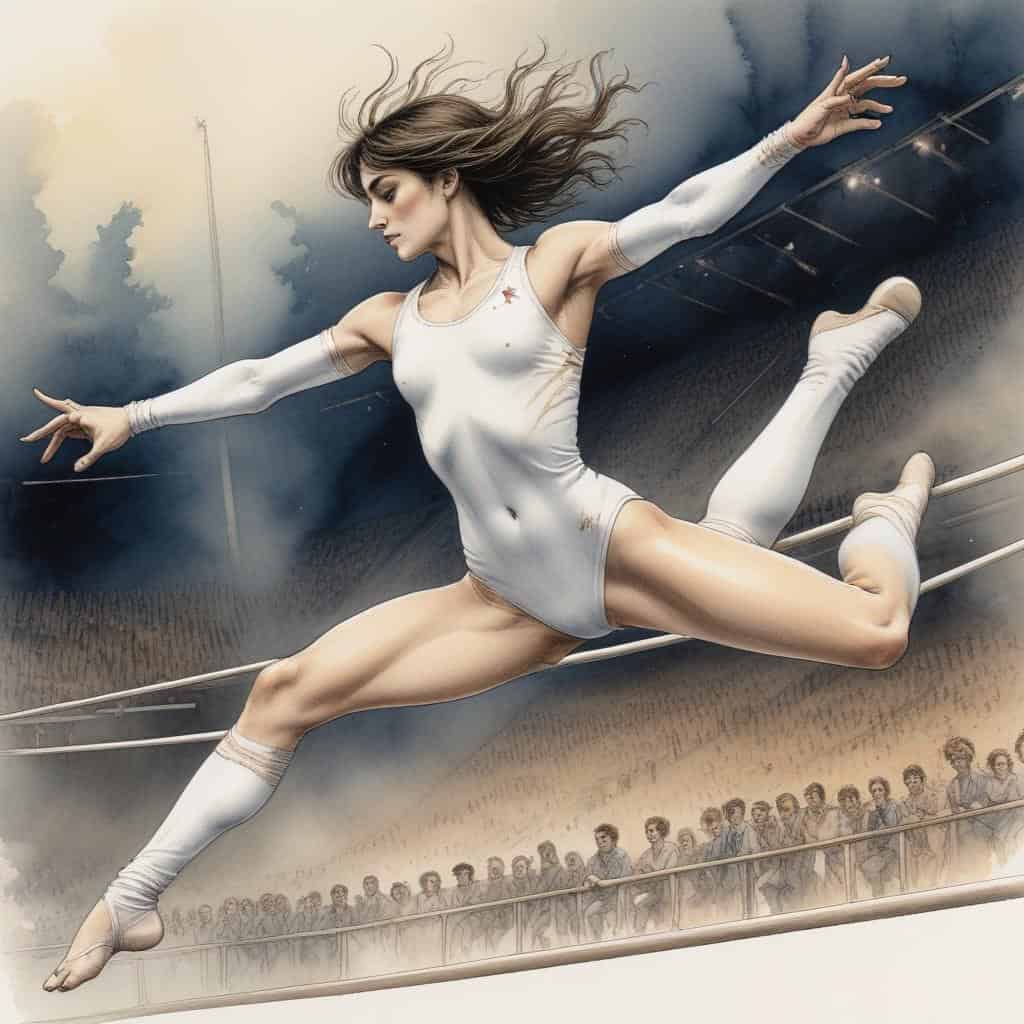
Nadia Comaneci
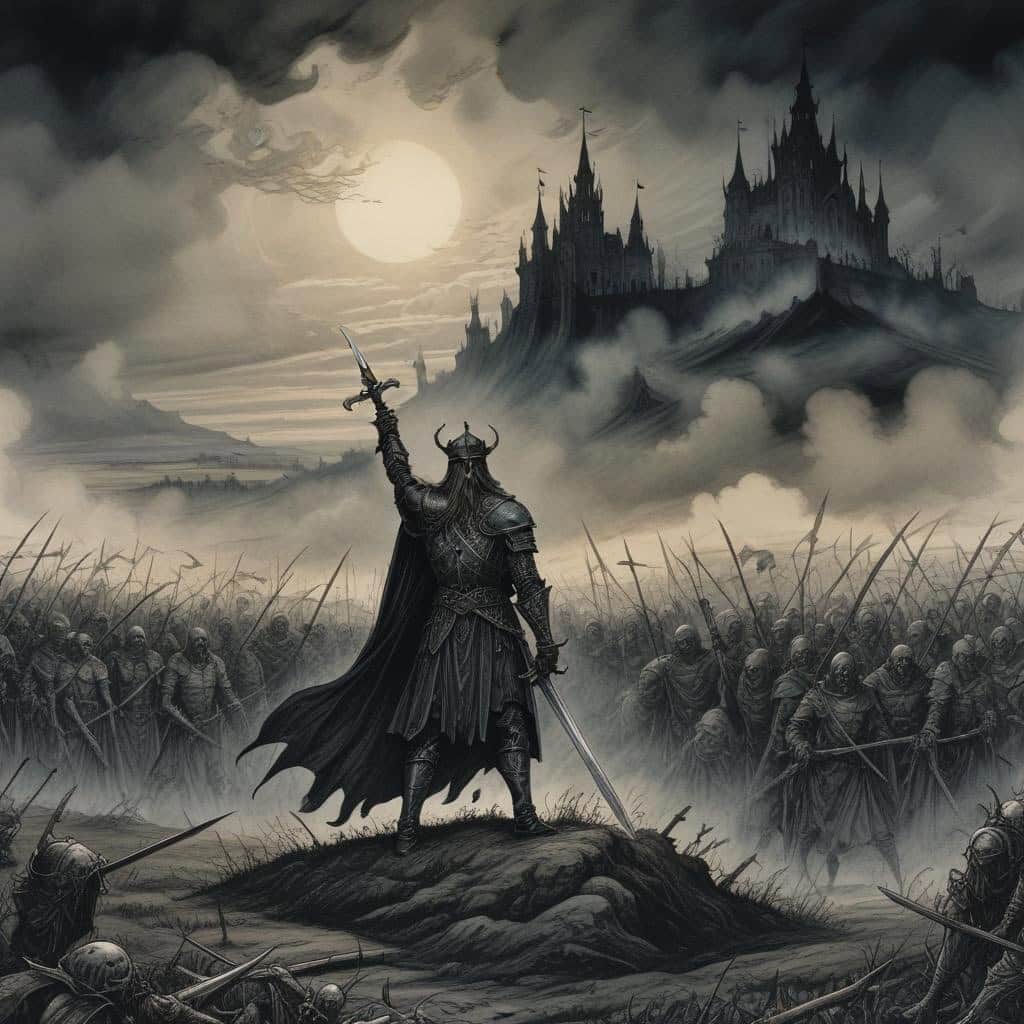
Vlad the Impaler
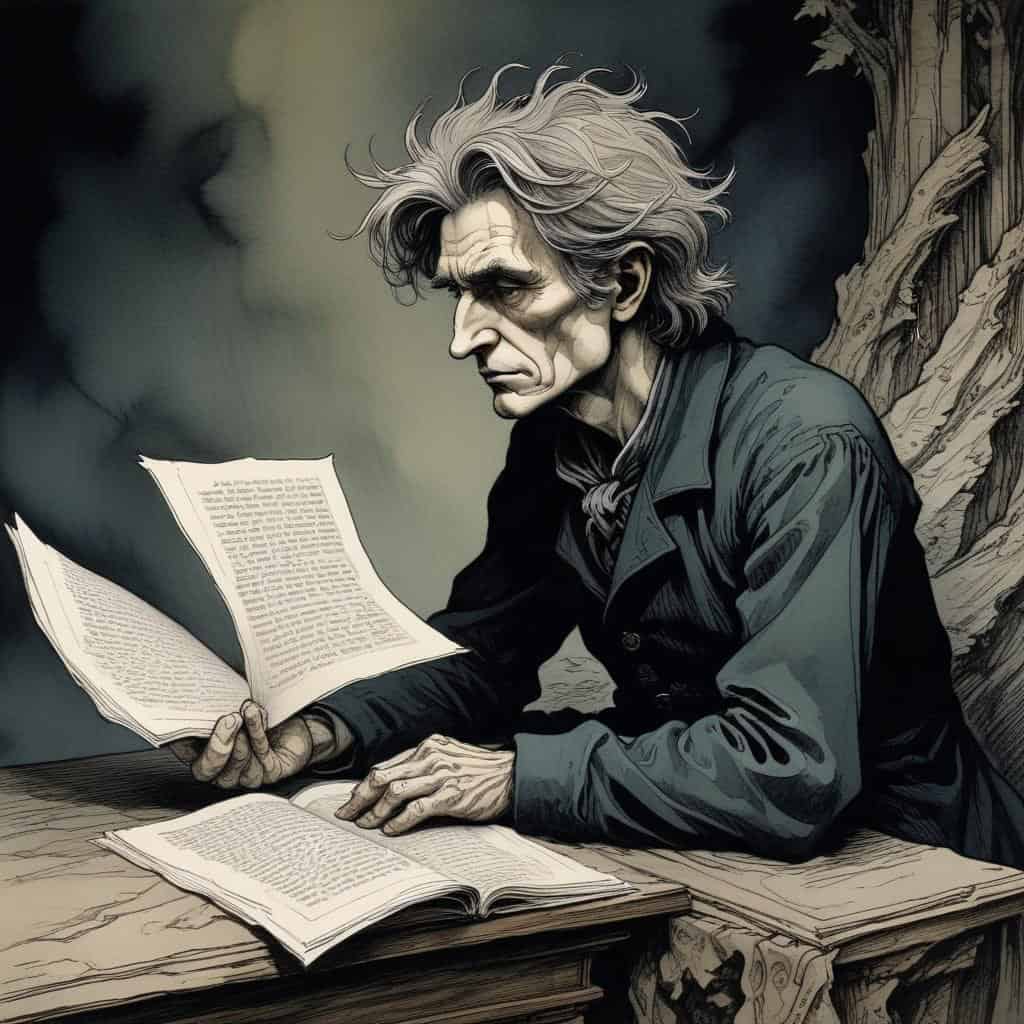
Emil Cioran
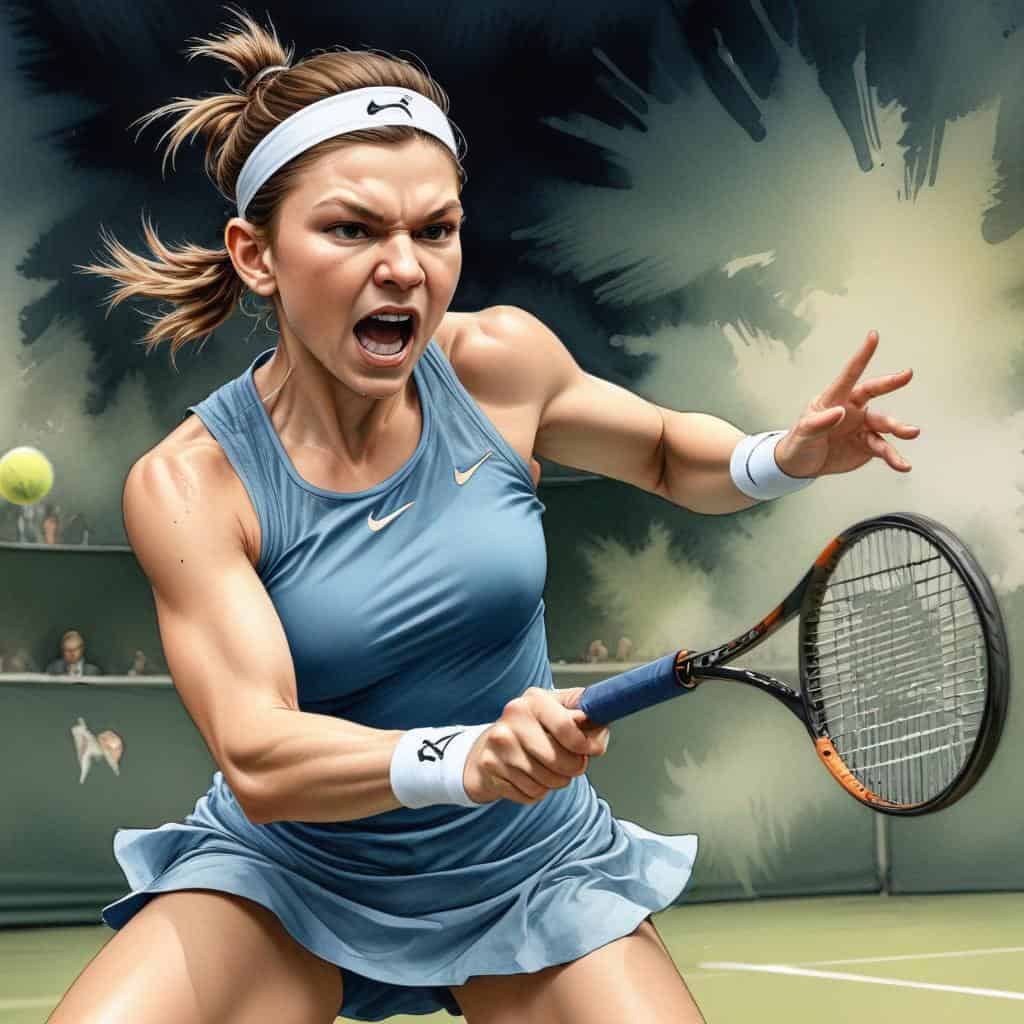
Simona Halep
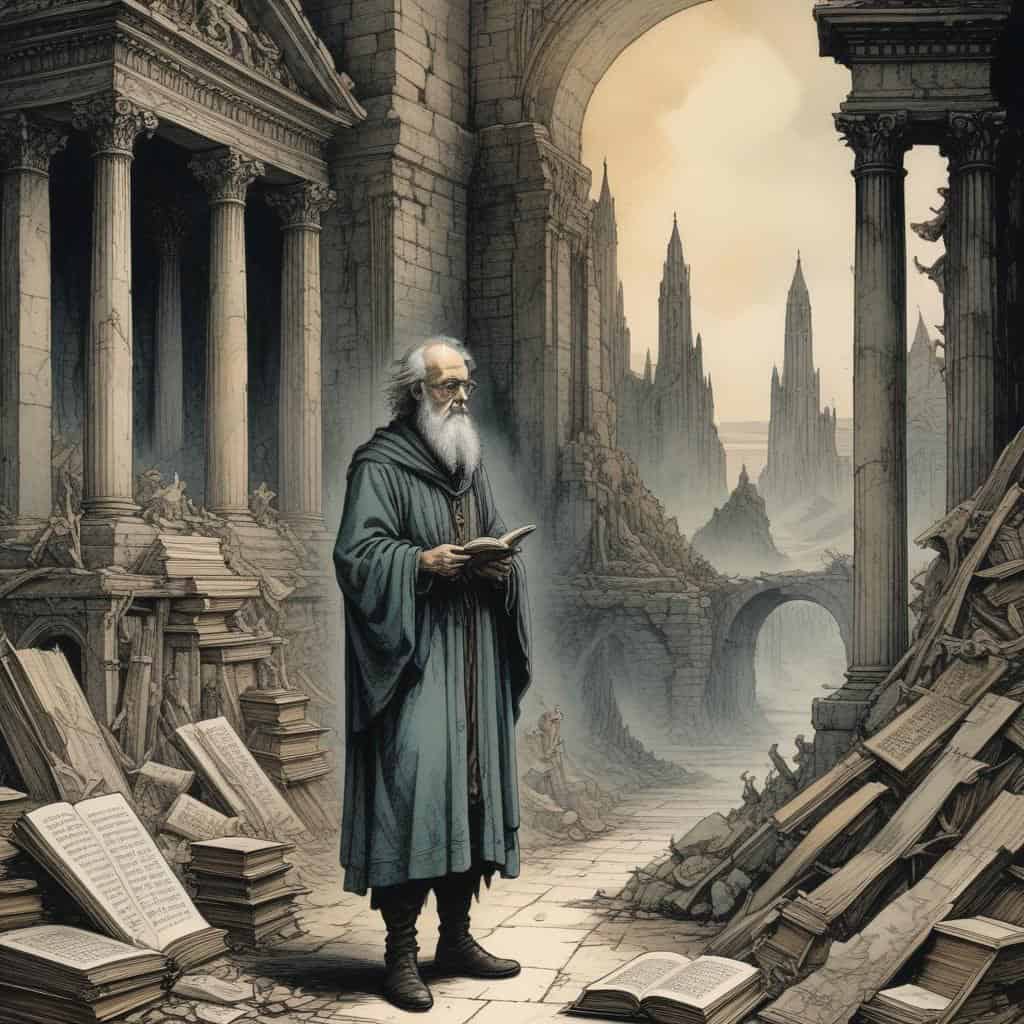
Mircea Eliade

Romania
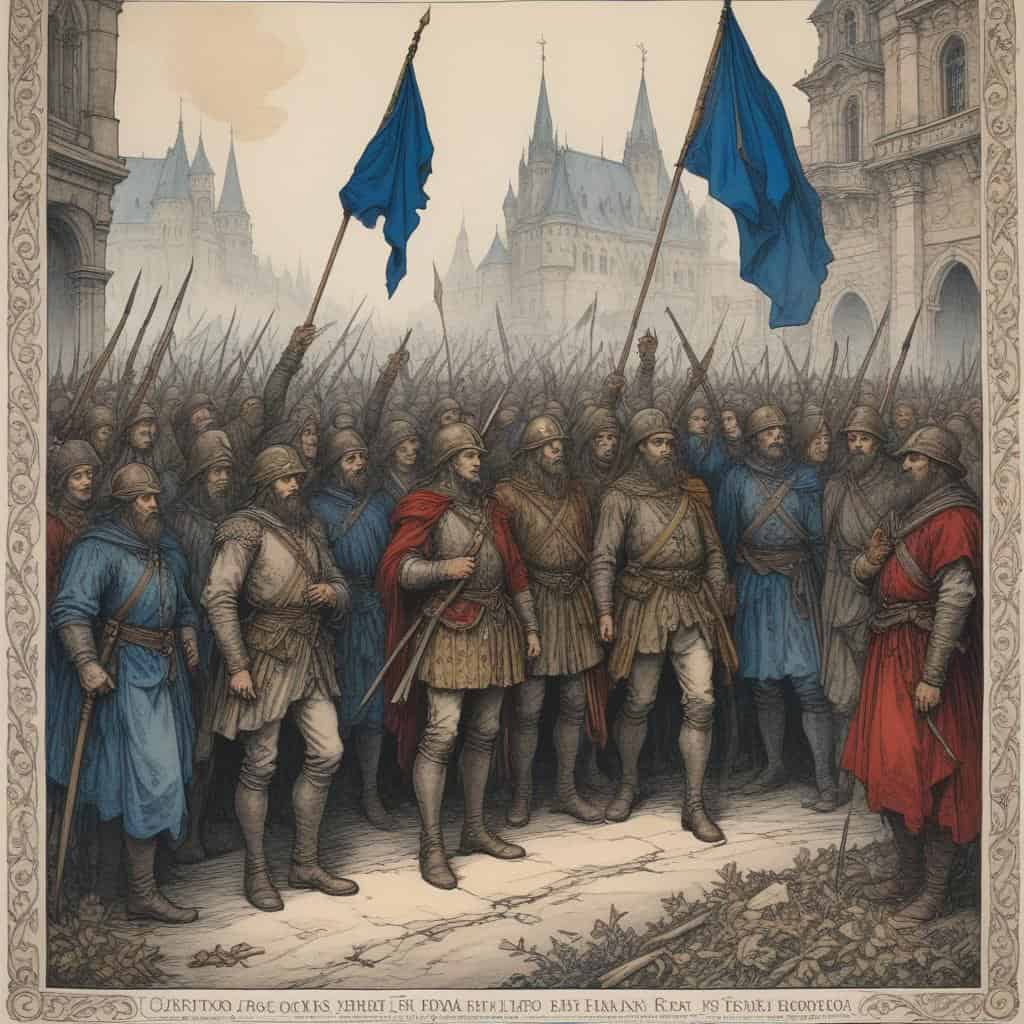
History
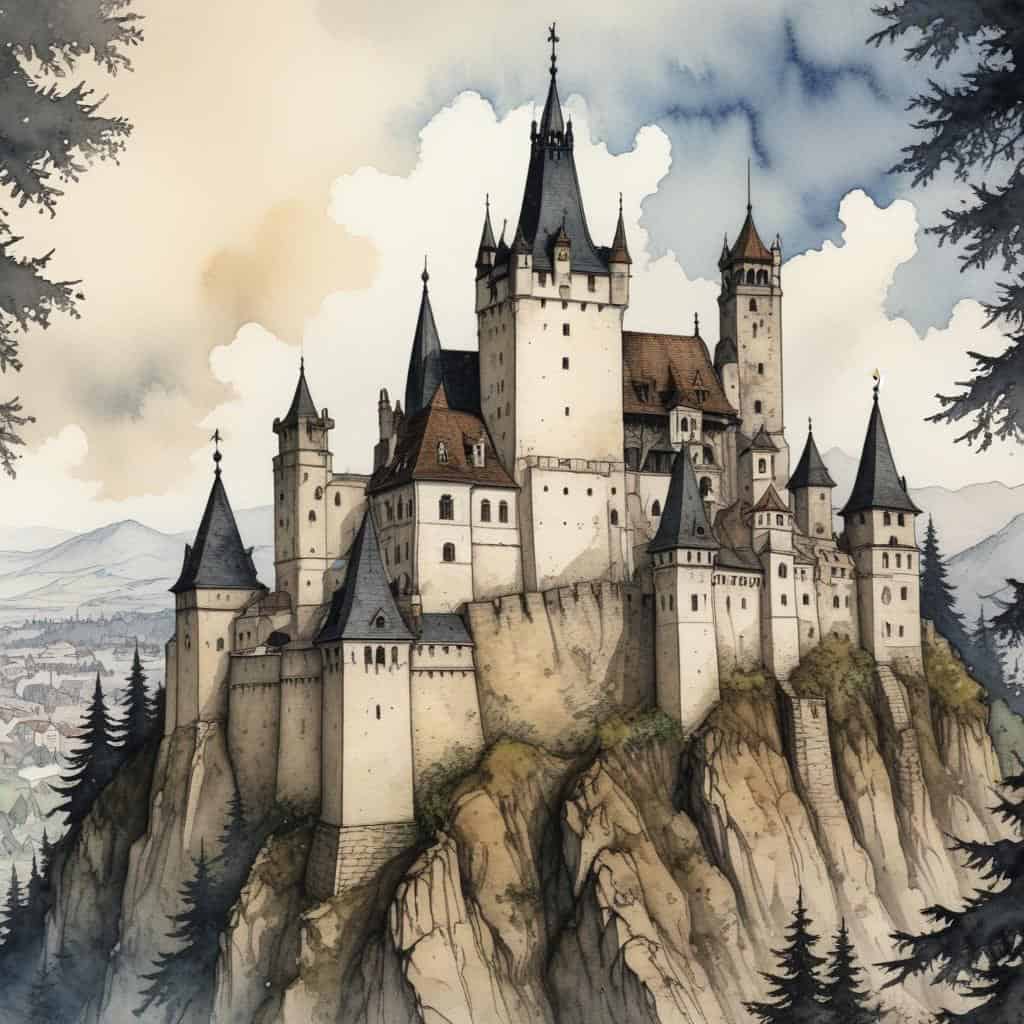
Landmarks
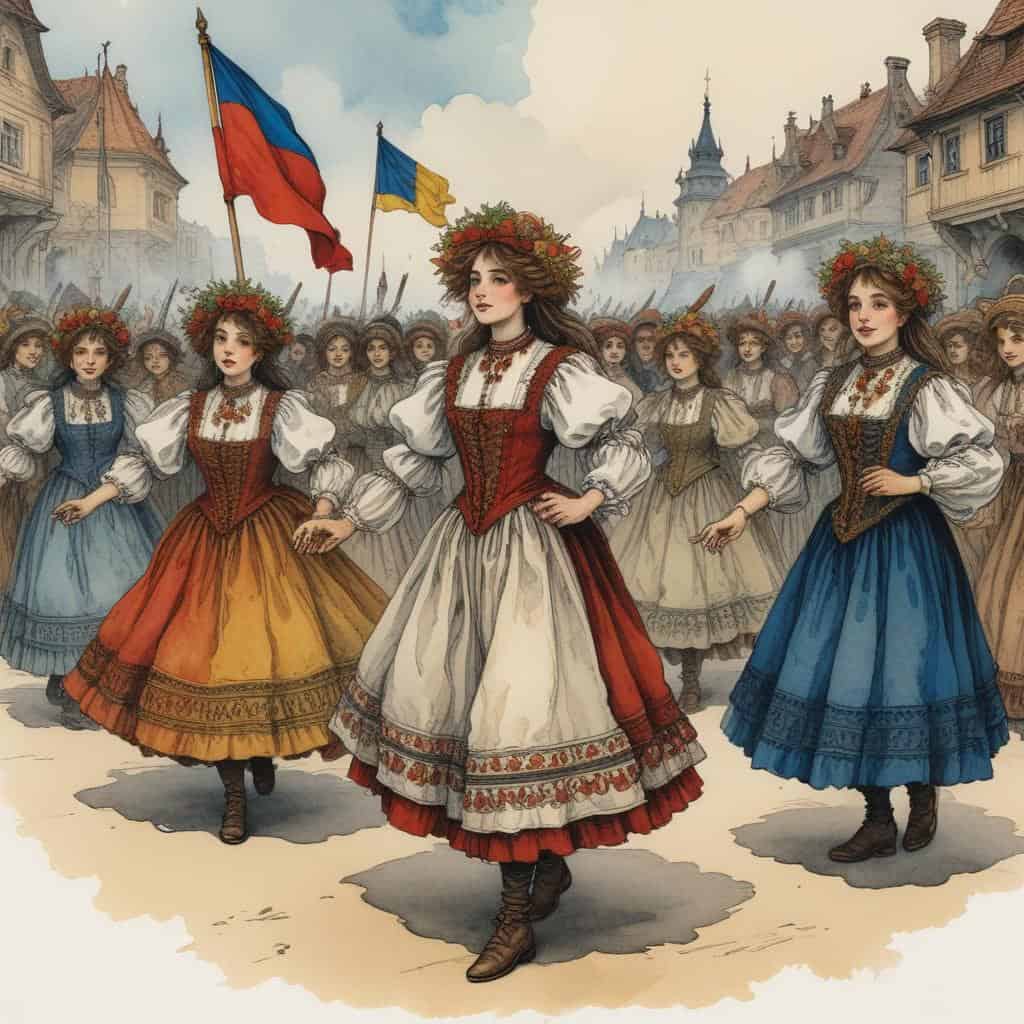
Culture
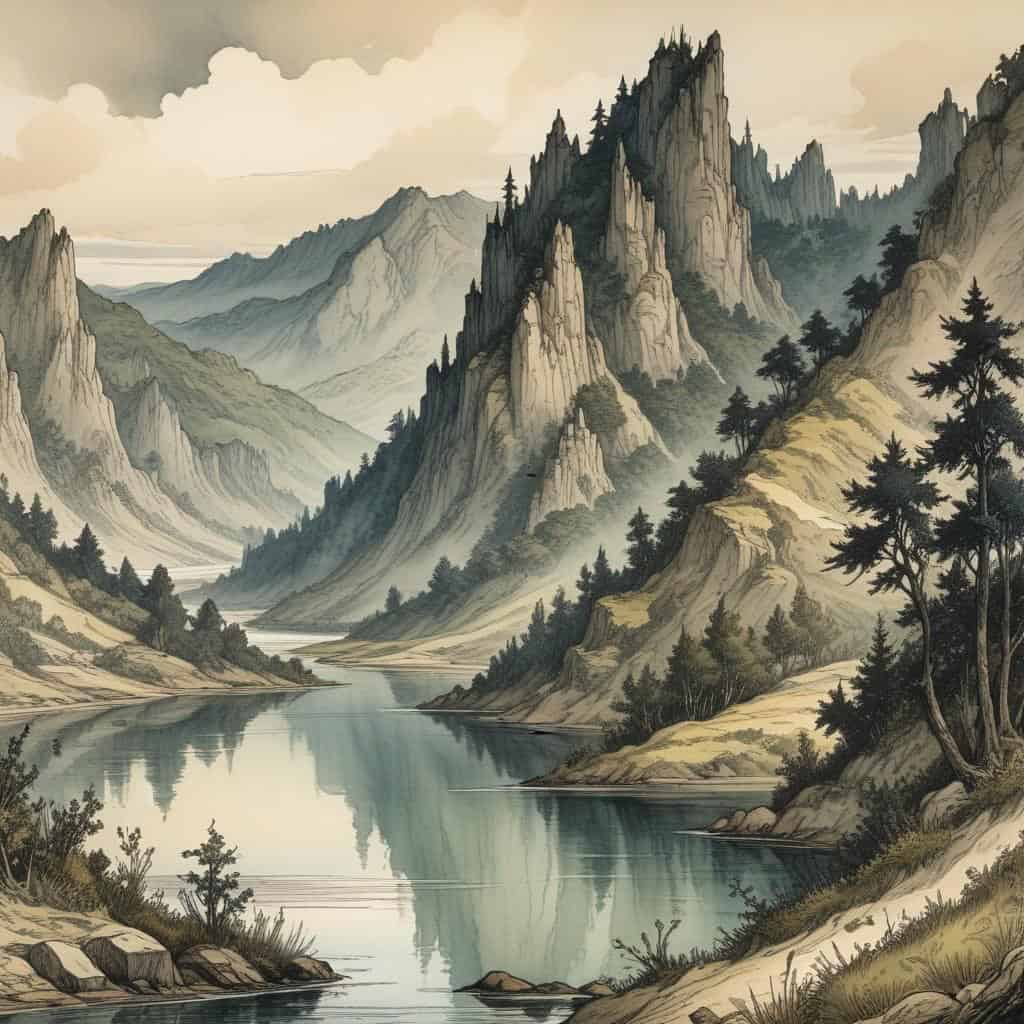
Nature
Economy
Education
Politics

Language
Traditions
In a Nutshell
- Capital: Bucharest
- Population: Approx. 19.3 million (2021)
- Official Language: Romanian
- Currency: Romanian leu (RON)
Breaking Down the Country
Historic Castles
Explore Romania's majestic castles, including Bran Castle, famously associated with the legend of Dracula.
Natural Wonders
Discover the beauty of Romania's diverse landscapes, from the Carpathian Mountains to the Danube Delta.
Folklore & Traditions
Immerse yourself in Romania's rich folklore and traditions, from vibrant festivals to traditional crafts.
Timeline of Romania
Dacian Kingdom established in present-day Romania
Roman conquest of Dacia
Founding of the city of Bucharest
Union of the Principalities of Moldavia and Wallachia
Romanian War of Independence from the Ottoman Empire
Kingdom of Romania declared
Romania enters World War I on the side of the Allies
Treaty of Trianon grants Transylvania to Romania
Kingdom of Romania becomes a socialist republic
Romania joins the Warsaw Pact
Romanian Revolution overthrows Communist regime
Romania joins NATO
Romania becomes a member of the European Union
Protests against corruption and government austerity measures
Election of Klaus Iohannis as President of Romania
COVID-19 pandemic reaches Romania
Romanian parliamentary elections
Romania assumes rotating presidency of the Council of the European Union
Romania celebrates 100 years since the Great Union
Romanian National Day celebrated on December 1st
Vocabulary List
- Transylvania
- Transylvania is a historical region in central Romania known for its medieval castles and folklore surrounding vampires.
- Bucharest
- Bucharest is the capital and largest city of Romania, known for its Belle Époque buildings and Communist-era architecture.
- Dracula
- Dracula is a fictional vampire character created by Bram Stoker, inspired by the historical figure Vlad the Impaler, who ruled over part of present-day Romania.
- Carpathian Mountains
- The Carpathian Mountains are a mountain range that stretches across several countries in Eastern Europe, including Romania, known for their scenic beauty and hiking trails.
- Ceausescu
- Nicolae Ceausescu was a Romanian Communist dictator who ruled the country with an iron fist from 1965 until his overthrow and execution in 1989.
- Peles Castle
- Peles Castle is a neo-Renaissance castle in the Carpathian Mountains of Romania, built as a summer residence for King Carol I in the late 19th century.
Key Facts
This is the information used in the fact matching game
- Romania is the 12th largest country in Europe by land area.
- The official language of Romania is Romanian.
- The capital city of Romania is Bucharest.
- Romania is one of the few countries in the world where bears still roam freely in the wild.
- The Romanian flag consists of three colors: red, yellow, and blue.
- Romania is home to the largest population of brown bears in Europe.
- The Carpathian Mountains in Romania are one of the largest unfragmented forest areas in Europe.
- Romania is known for its rich folklore and traditional music, including the popular dance style known as hora.
- The Danube River, the second longest river in Europe, flows through Romania.
- Romania is famous for its painted monasteries, many of which are UNESCO World Heritage sites.
- The Palace of the Parliament in Bucharest is the second largest administrative building in the world, after the Pentagon in the United States.
- Romania is one of the largest producers of oil and natural gas in Central and Eastern Europe.
- The Romanian currency is the leu, which means 'lion' in English.
- Romania has a diverse wildlife population, including lynx, wolves, and golden eagles.
- The Merry Cemetery in the village of S?pân?a is known for its colorful tombstones depicting scenes from the lives of the deceased.
- Romania has a continental climate, with hot summers and cold winters.
- The bear is a national symbol of Romania and appears on the country's coat of arms.
- The Romanian dish sarmale, made of cabbage leaves stuffed with meat and rice, is a traditional holiday meal.
- Romania has a long history of winemaking, with vineyards dating back over 6,000 years.
- The Transf?g?r??an Highway, one of the most scenic roads in the world, crosses the Carpathian Mountains in Romania.
Why It Matters
Geopolitical Significance
Located at the crossroads of Central and Southeastern Europe, Romania’s strategic position along the Black Sea and near the Carpathian Mountains has made it a key player in regional politics. Its borders with Ukraine, Hungary, Bulgaria, and Moldova have influenced its role in European affairs.
Historical Importance
Romania has a rich history dating back to the Roman Empire, with influences from the Byzantine, Ottoman, and Austro-Hungarian empires. The country’s struggle for independence and unification in the 19th century, as well as its role in World War I and II, have shaped its national identity.
Modern-Day Role
Today, Romania is a member of the European Union and NATO, playing a key role in Eastern European security and cooperation. Its diverse economy, strong agricultural sector, and growing IT industry contribute to its position as a regional leader in the Balkans.
Romania Games


Take Your Learning Offline
Want a convenient, print-ready study guide for this lesson? Become a Memory Wizards Pro member to unlock the downloadable " Memory Scrolls" for this topic and our entire library!
- ✓ Complete Vocabulary Lists
- ✓ Key Facts & Timelines
- ✓ Beautifully Formatted for Print & Mobile