
How Do You Learn Best?
Learn by Reading
Immerse yourself in the 10-minute visual lesson for a comprehensive understanding of the topic.
Learn by Reviewing
Jump directly to the key facts, timeline, and vocabulary lists to build a solid foundation of details.
Learn by Doing
Challenge yourself! Jump straight into the interactive games to learn by trial, error, and discovery.
Netherlands in 10 Minutes

Introduction
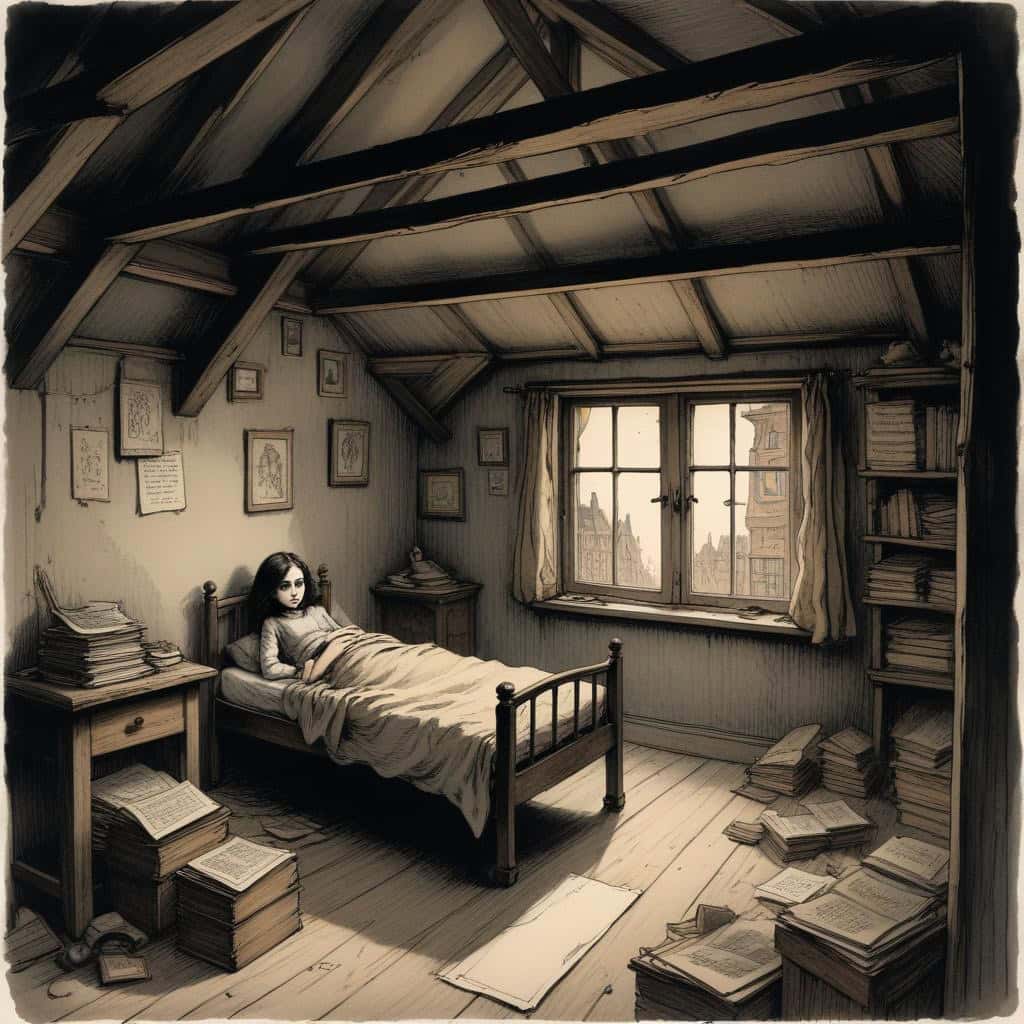
1. Anne Frank
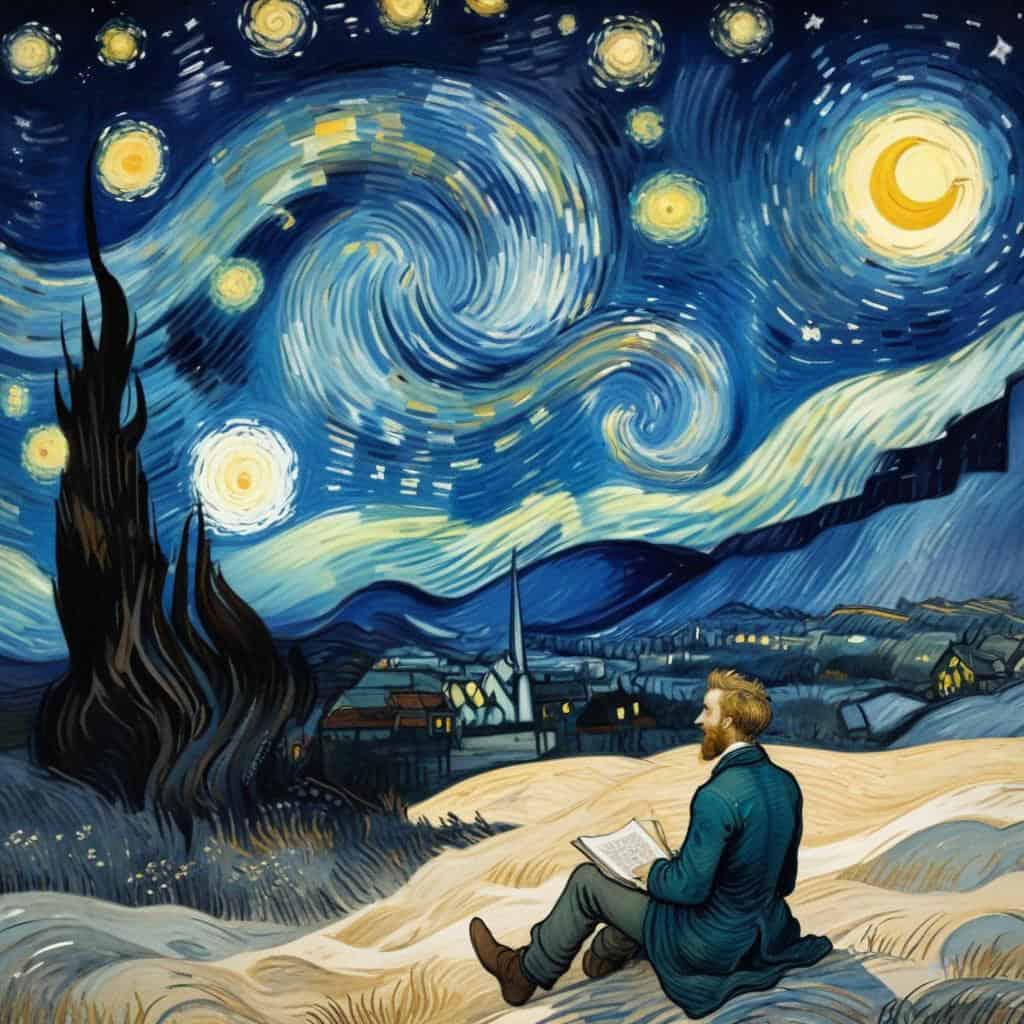
2. Vincent van Gogh
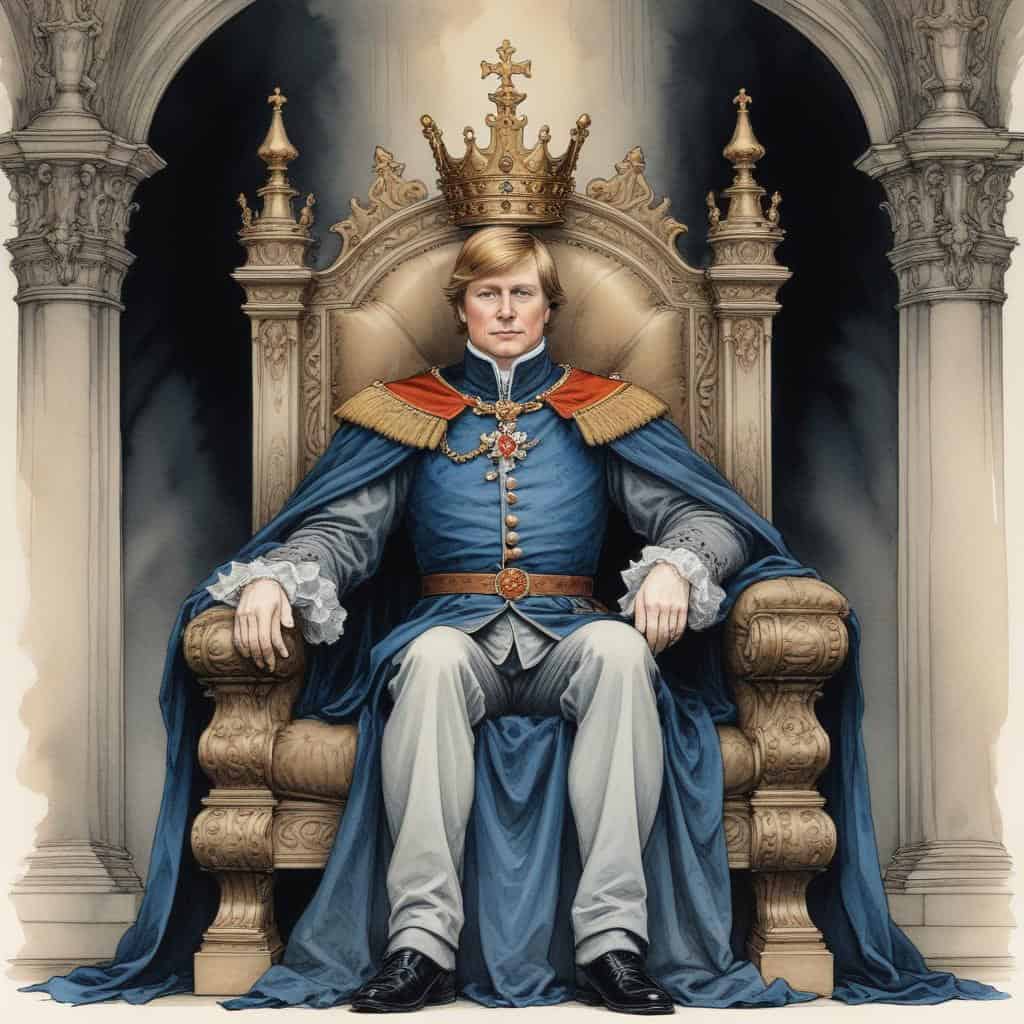
3. King Willem-Alexander
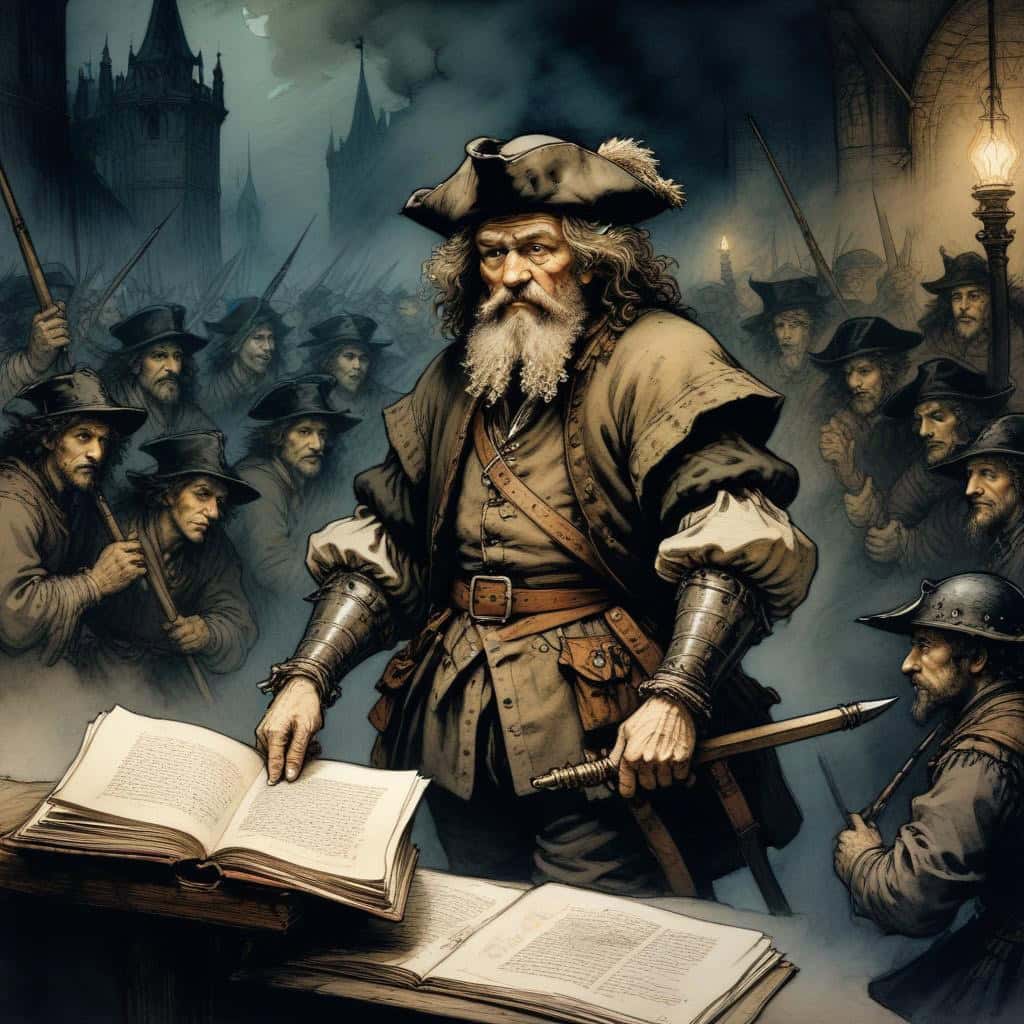
4. Rembrandt van Rijn
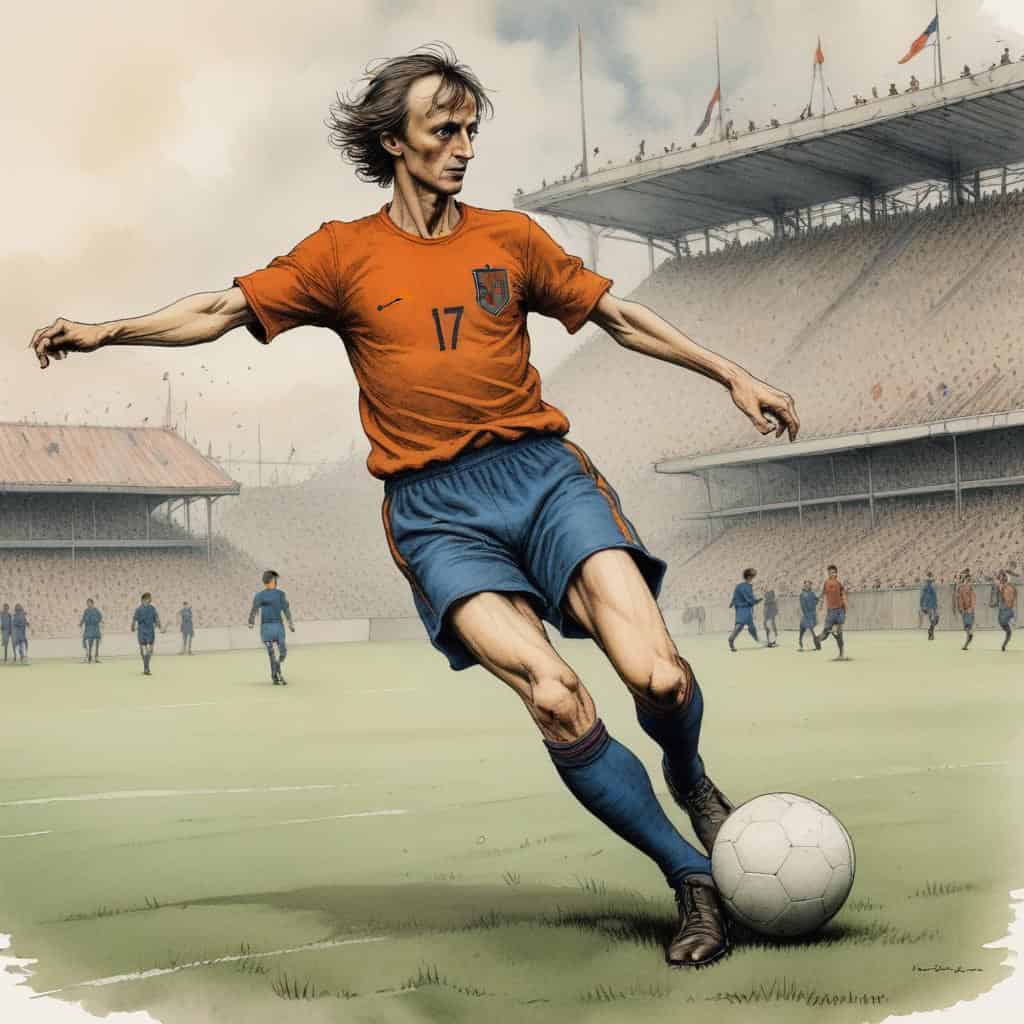
5. Johan Cruyff

1. Amsterdam: The Capital City
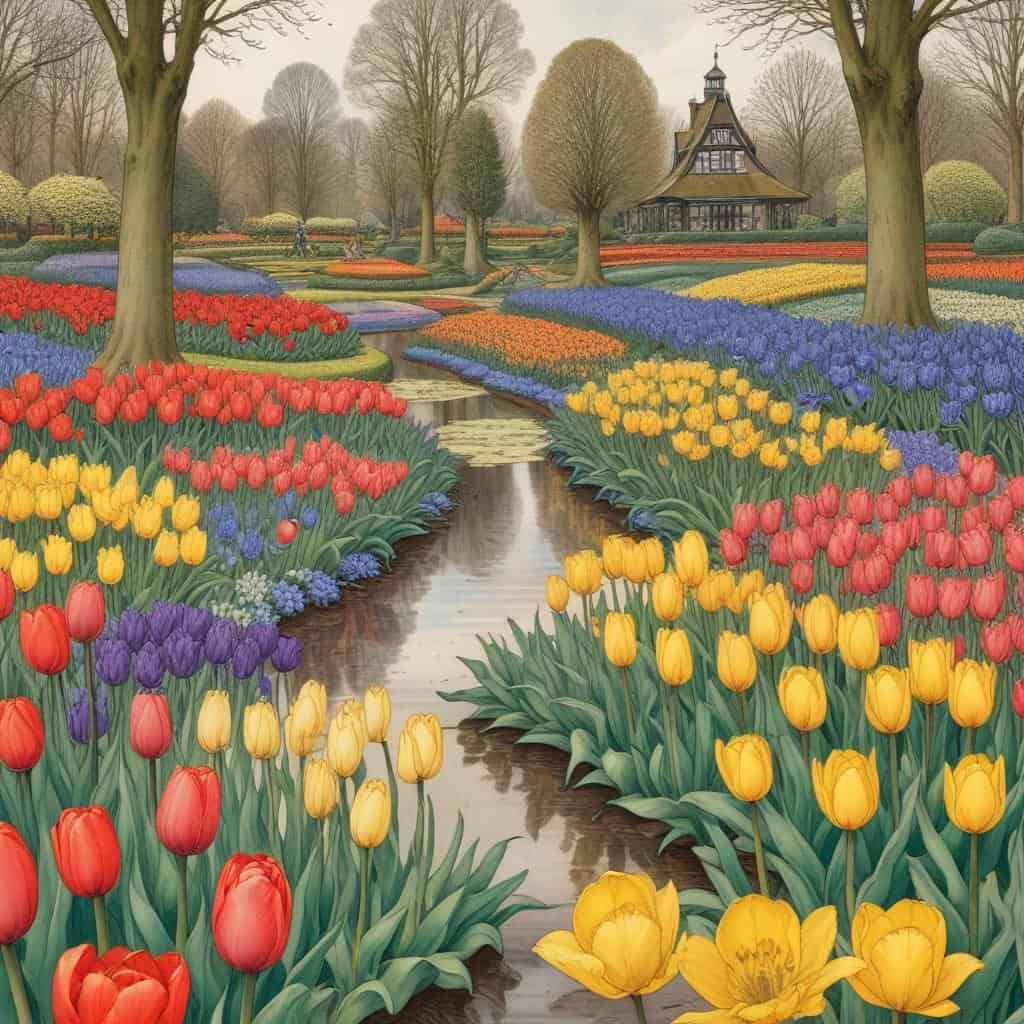
2. Keukenhof Gardens: The Tulip Paradise
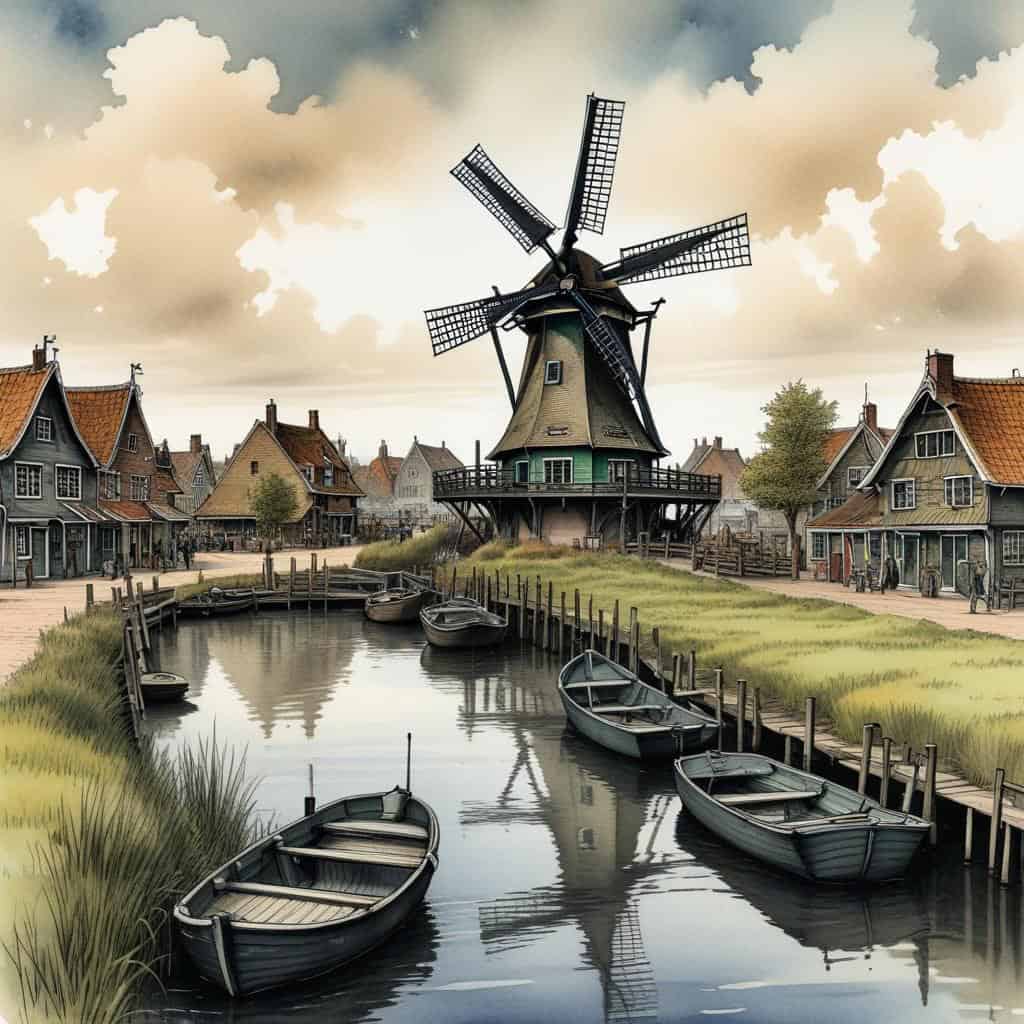
3. Zaanse Schans: The Windmill Village
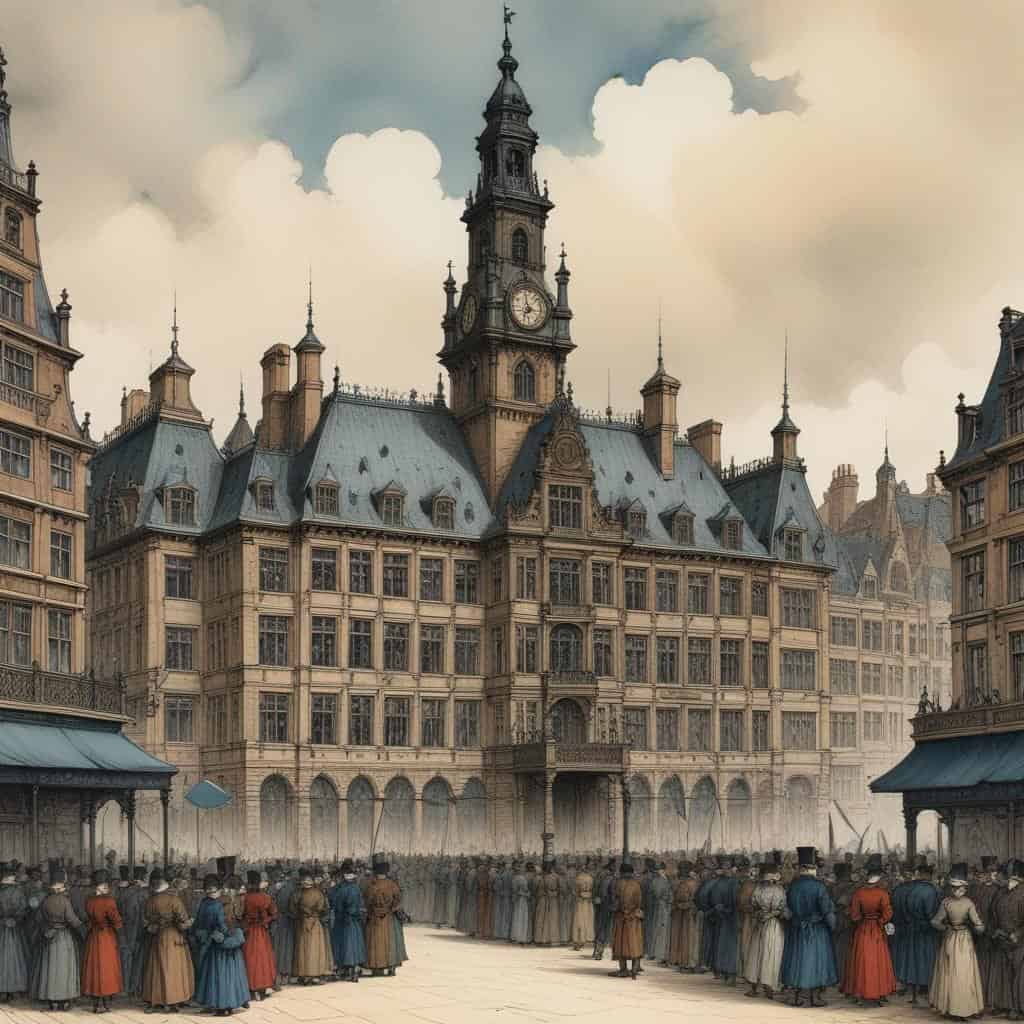
4. The Hague: The Seat of Government
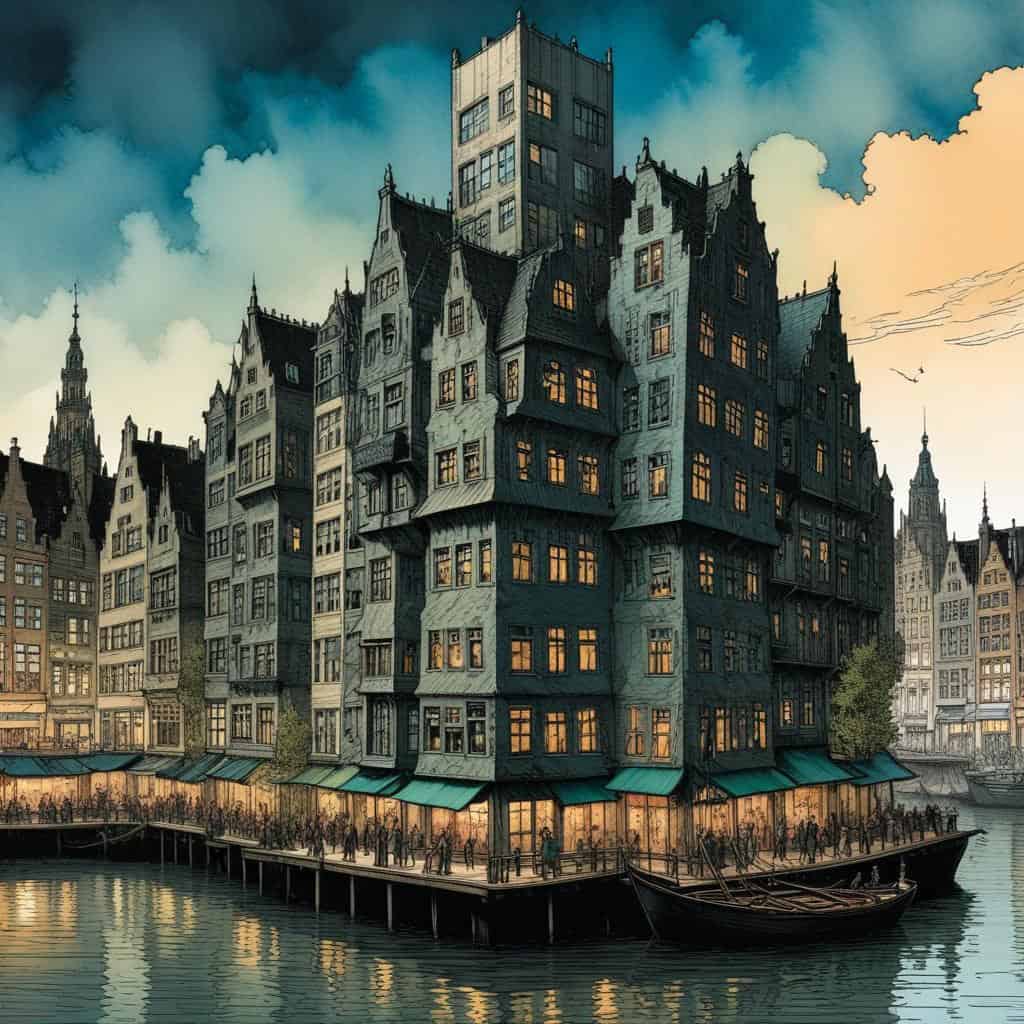
5. Rotterdam: The Modern City
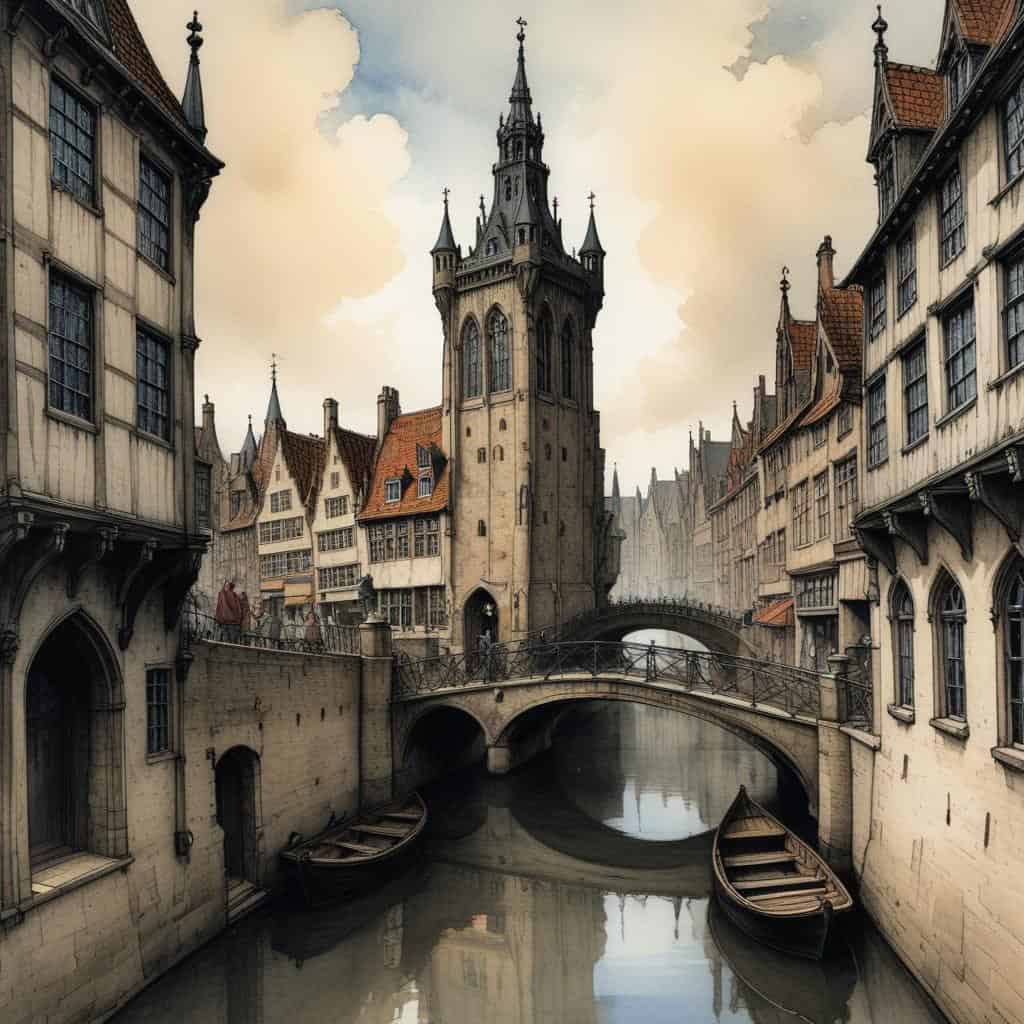
6. Utrecht: The Medieval Gem
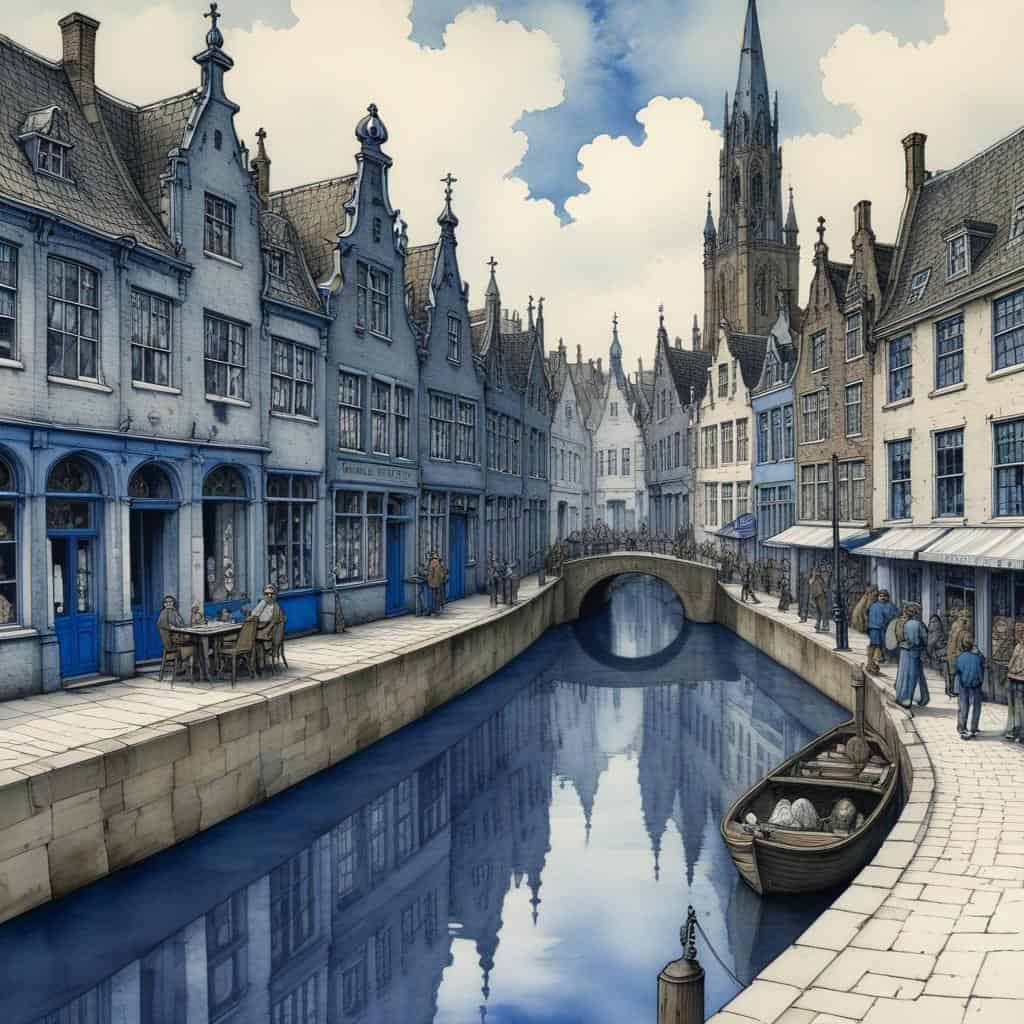
7. Delft: The Royal City
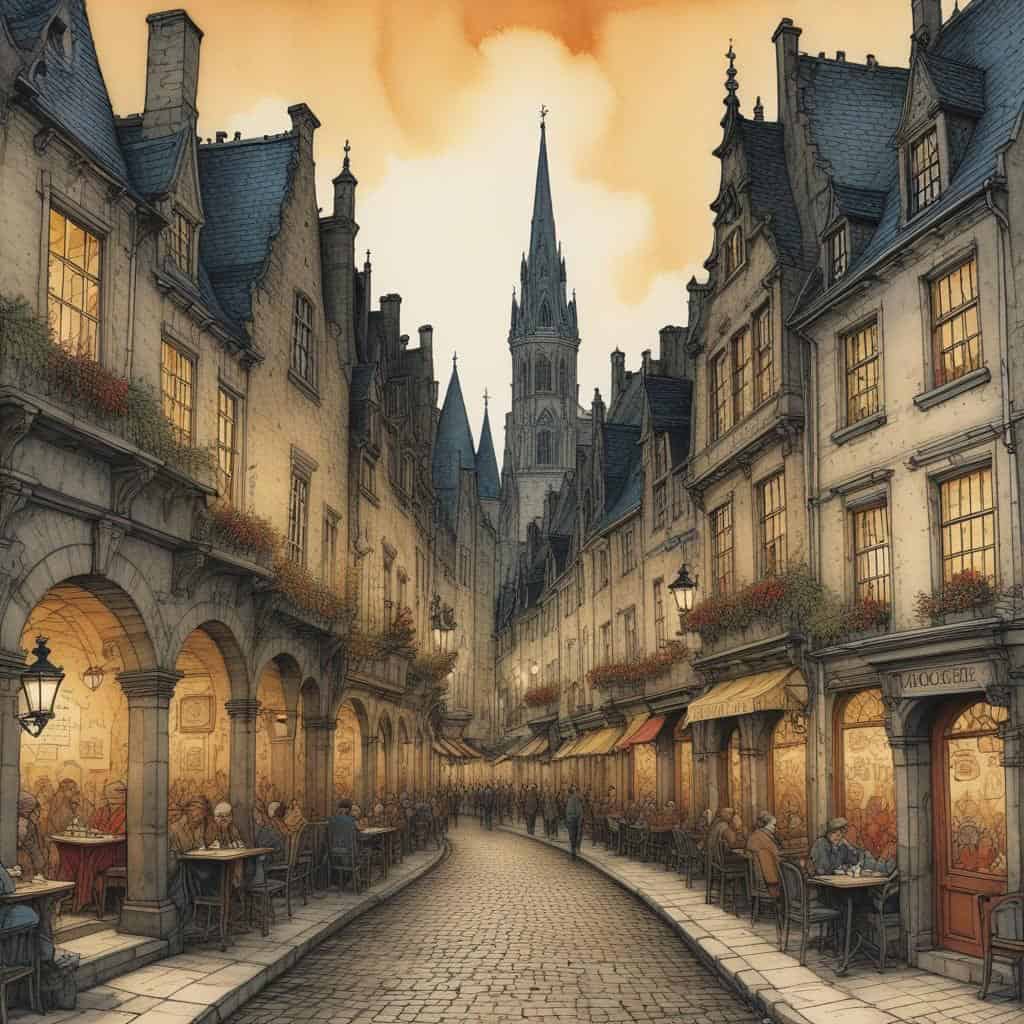
8. Maastricht: The Cosmopolitan City
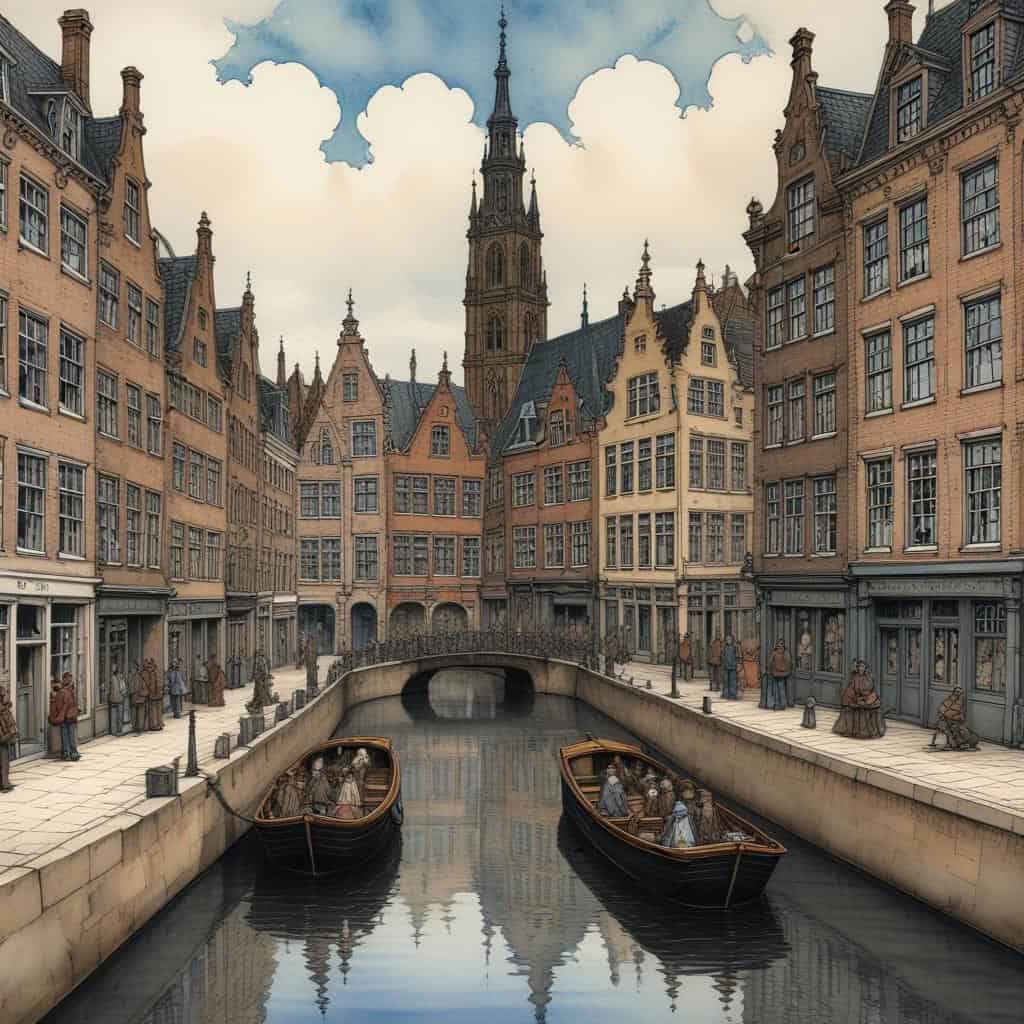
9. Leiden: The University City
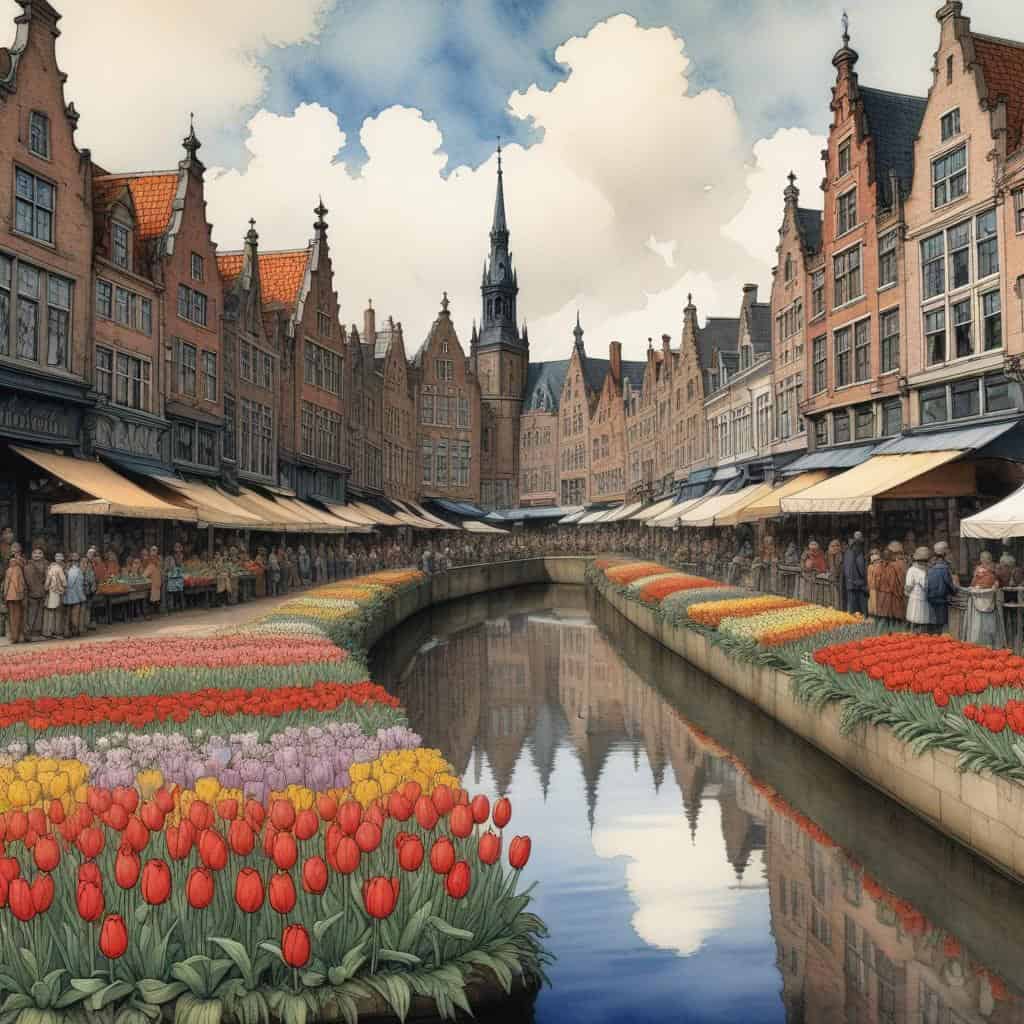
10. Haarlem: The Floral City
In a Nutshell
- Capital: Amsterdam
- Population: Approx. 17.5 million (2021)
- Official Language: Dutch
- Currency: Euro (EUR)
Breaking Down the Country
Tulip Fields
Experience the iconic tulip fields that bloom in vibrant colors across the countryside, particularly in Keukenhof Gardens.
Canal Network
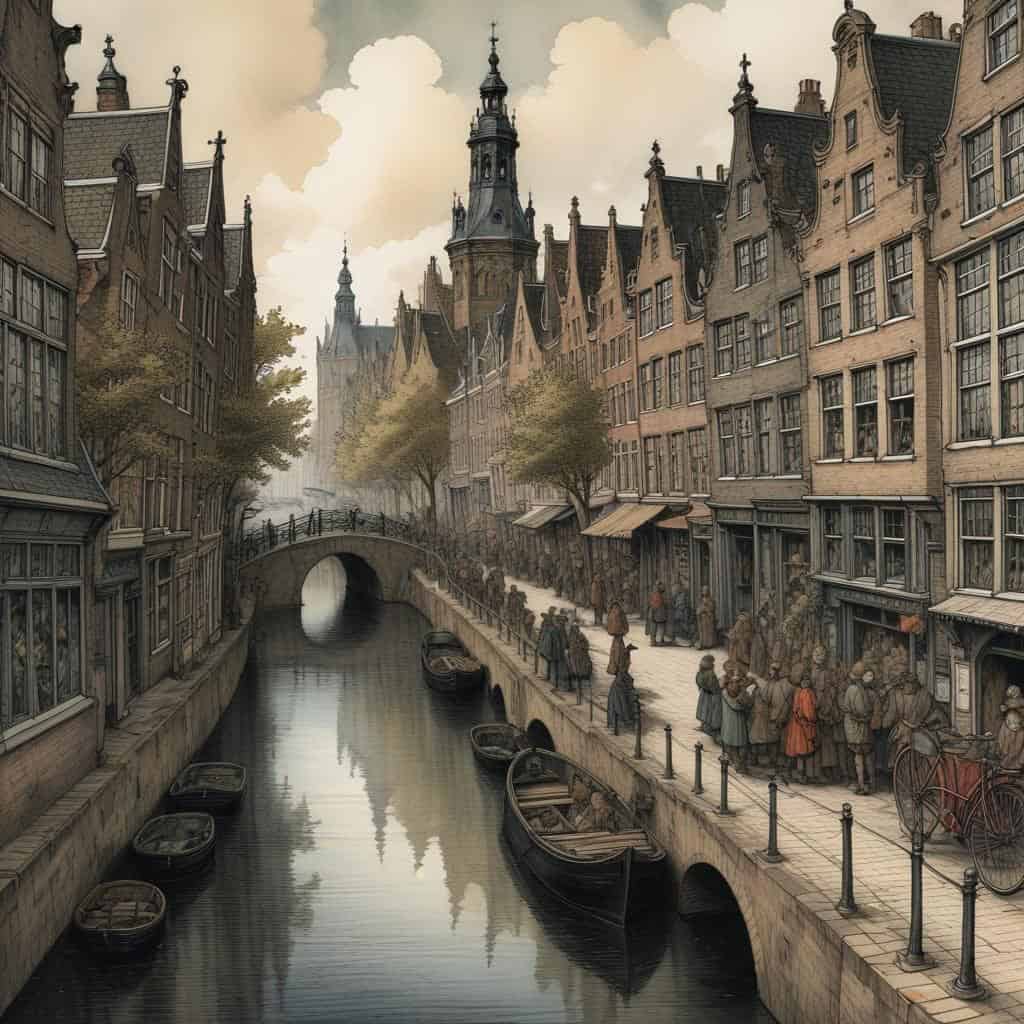
Discover the intricate network of canals that wind through Amsterdam and other Dutch cities, offering picturesque views and unique transportation.
Windmills Legacy
Explore the historic windmills scattered throughout the Netherlands, showcasing traditional Dutch engineering and sustainable practices.
Timeline of Netherlands
Foundation of the Kingdom of the Netherlands
Treaty of London recognizes the independence of Belgium
Netherlands declares neutrality in World War I
German occupation of the Netherlands during World War II
Liberation of the Netherlands by Canadian forces
Signing of the Benelux Customs Union
Netherlands becomes a founding member of the United Nations
Signing of the Treaty of Rome, founding the European Economic Community
Netherlands becomes a founding member of the European Union
Legalization of same-sex marriage in the Netherlands
Assassination of politician Pim Fortuyn
Netherlands legalizes euthanasia
Marriage equality for same-sex couples legalized
Netherlands introduces the euro as its official currency
Netherlands wins the UEFA European Football Championship
Dutch East India Company founded
Dutch Golden Age begins
The Netherlands becomes one of the six founding members of the European Coal and Steel Community
Legalization of marijuana in the Netherlands
Dutch government collapses over budget dispute
Vocabulary List
- Amsterdam
- The capital city of the Netherlands known for its picturesque canals and historic architecture.
- Tulips
- The Netherlands is famous for its tulip fields, especially during the annual Tulip Festival.
- Windmills
- Traditional Dutch windmills can be found throughout the countryside of the Netherlands.
- Dutch
- The official language spoken in the Netherlands is Dutch.
- Cheese
- The Netherlands is known for its variety of delicious cheeses, such as Gouda and Edam.
- Bicycles
- Bicycles are a popular mode of transportation in the Netherlands, with dedicated bike lanes in many cities.
- Canals
- The Netherlands is famous for its intricate network of canals, particularly in cities like Amsterdam and Utrecht.
- Holland
- While often used interchangeably with the Netherlands, Holland actually refers to two provinces within the country.
Key Facts
This is the information used in the fact matching game
- The Netherlands is known for having the highest population density in Europe.
- The Dutch are considered to be some of the tallest people in the world, with an average height of 6 feet for men and 5 feet 7 inches for women.
- The Netherlands is one of the top exporters of cheese in the world, with Gouda and Edam being some of the most popular varieties.
- The Dutch are known for their love of cycling, with over 35,000 km of dedicated cycling paths across the country.
- The Netherlands is home to the largest flower garden in the world, Keukenhof, which showcases over 7 million flowers each year.
- The Dutch are known for their mastery of water management, with over a third of the country lying below sea level.
- The Netherlands is one of the top producers of tulips in the world, with over 9 billion bulbs exported annually.
- The Netherlands is a constitutional monarchy with a parliamentary system of government.
- Dutch cuisine is known for its use of fresh, seasonal ingredients, with dishes like stamppot, haring, and bitterballen being popular.
- The Netherlands has one of the highest literacy rates in the world, with over 99% of the population being able to read and write.
- The Dutch are known for their progressive attitudes towards LGBTQ rights, with the Netherlands being the first country in the world to legalize same-sex marriage.
- The Netherlands is home to the oldest stock exchange in the world, the Amsterdam Stock Exchange, which was founded in 1602.
- The Dutch national anthem, the Wilhelmus, is one of the oldest national anthems in the world, dating back to the 16th century.
- The Netherlands is famous for its windmills, with over 1,000 still standing across the country.
- The Dutch are known for their liberal drug policies, with the sale and use of cannabis being legal in licensed coffee shops.
- The Netherlands is home to the largest collection of works by Vincent van Gogh, housed in the Van Gogh Museum in Amsterdam.
- The Dutch are avid football fans, with the national team having won the UEFA European Championship in 1988.
- The Netherlands is known for its progressive environmental policies, with a goal of becoming carbon neutral by 2050.
- The Dutch are known for their love of herring, with raw herring being a popular street food snack.
- The Netherlands is home to the largest port in Europe, the Port of Rotterdam, which is one of the busiest in the world.
Why It Matters
Geopolitical Significance
The Netherlands, with its strategic location in Western Europe, serves as a key gateway for international trade and transportation. Its extensive network of ports and waterways connects it to major European markets, making it a crucial player in global logistics and commerce.
Historical Importance
The Netherlands has a rich history of maritime power, colonial expansion, and cultural innovation. Its Golden Age in the 17th century saw the rise of Dutch influence in art, science, and commerce, leaving a lasting impact on European history and shaping its national identity.
Modern-Day Role
Today, the Netherlands is known for its progressive social policies, advanced technology sector, and commitment to sustainability. It is a founding member of the European Union and plays a vital role in shaping European politics, economics, and environmental initiatives.
Netherlands Games


Take Your Learning Offline
Want a convenient, print-ready study guide for this lesson? Become a Memory Wizards Pro member to unlock the downloadable " Memory Scrolls" for this topic and our entire library!
- ✓ Complete Vocabulary Lists
- ✓ Key Facts & Timelines
- ✓ Beautifully Formatted for Print & Mobile