
How Do You Learn Best?
Learn by Reading
Immerse yourself in the 10-minute visual lesson for a comprehensive understanding of the topic.
Learn by Reviewing
Jump directly to the key facts, timeline, and vocabulary lists to build a solid foundation of details.
Learn by Doing
Challenge yourself! Jump straight into the interactive games to learn by trial, error, and discovery.
Kosovo in 10 Minutes

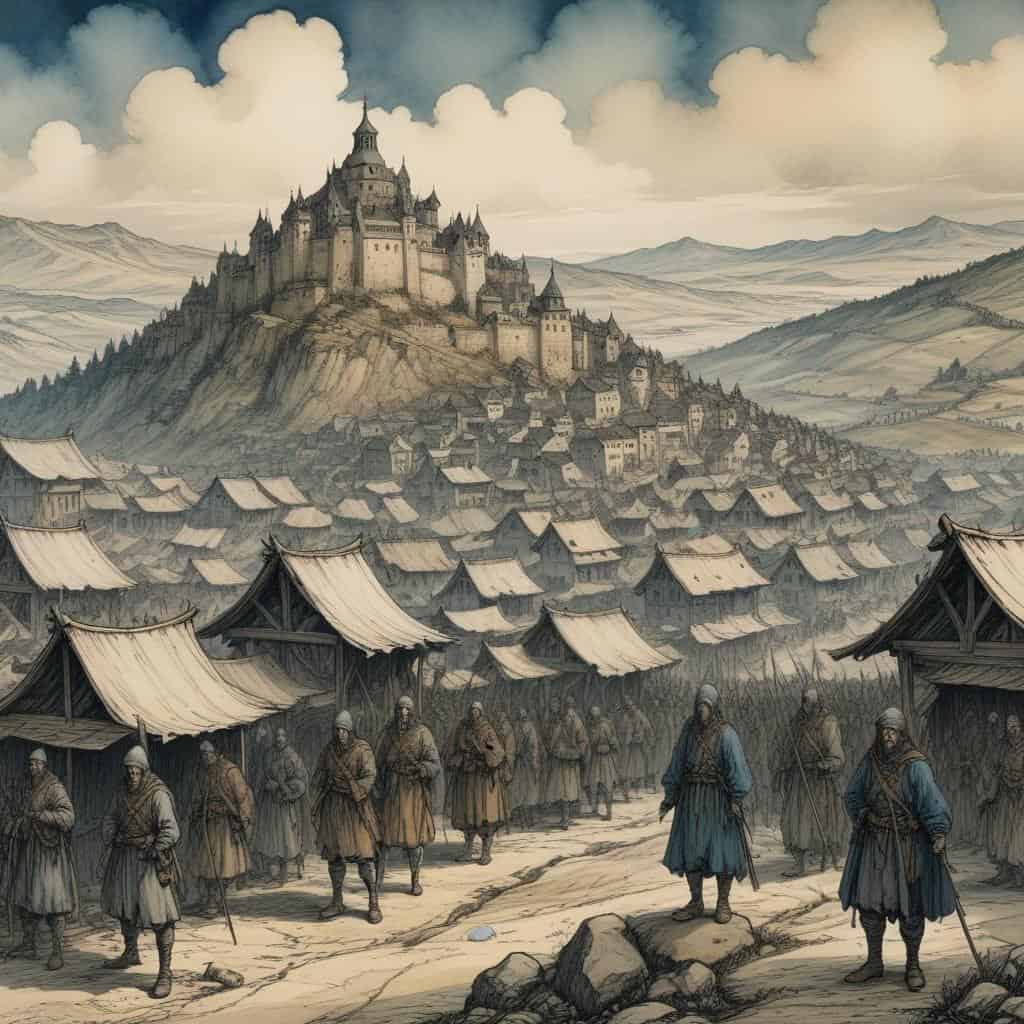
Introduction

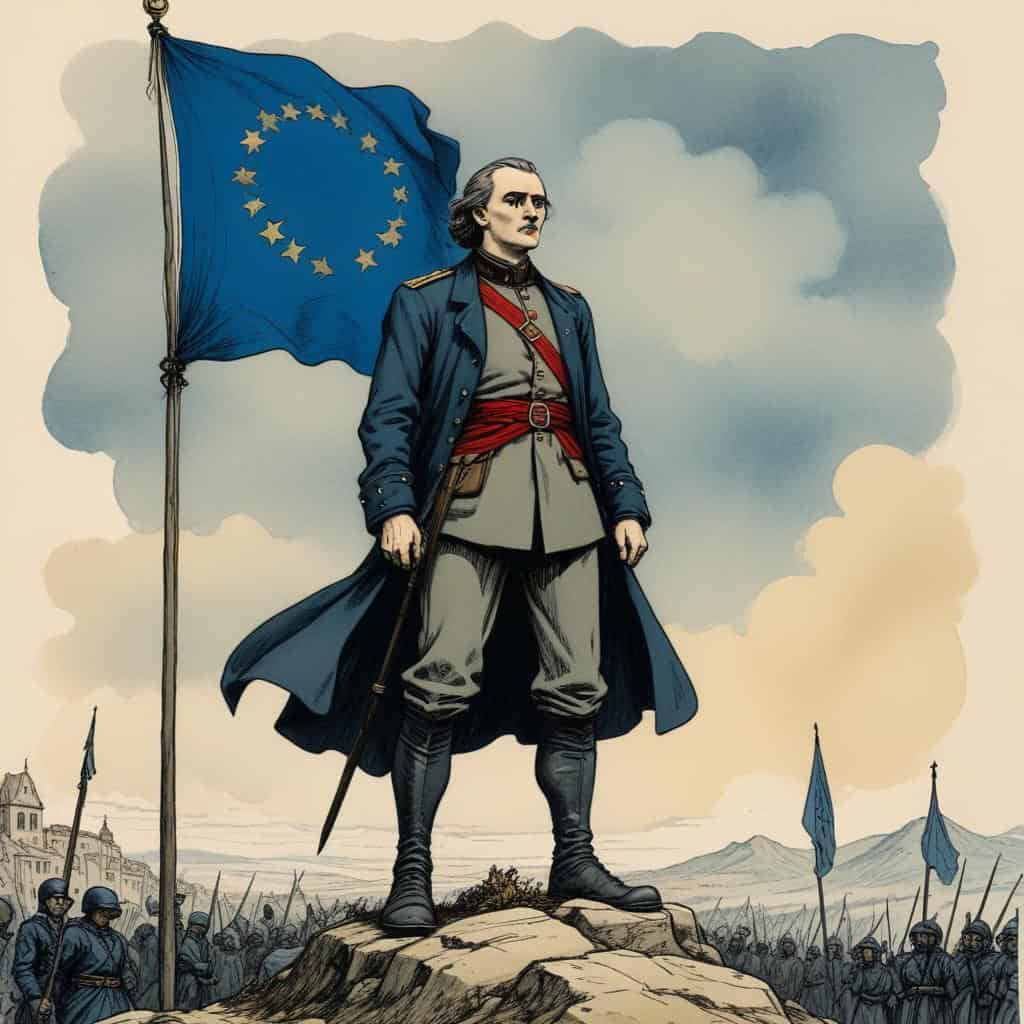
Fadil Hoxha
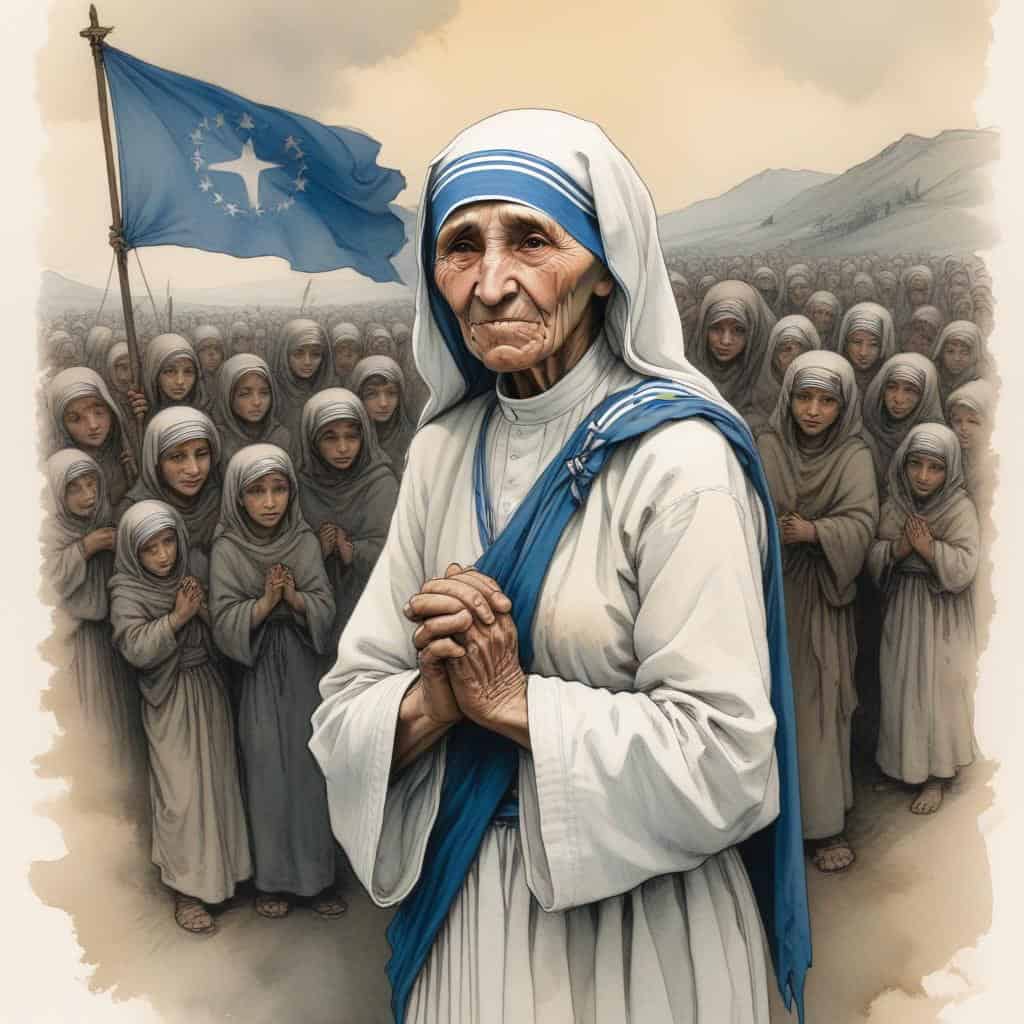
Mother Teresa
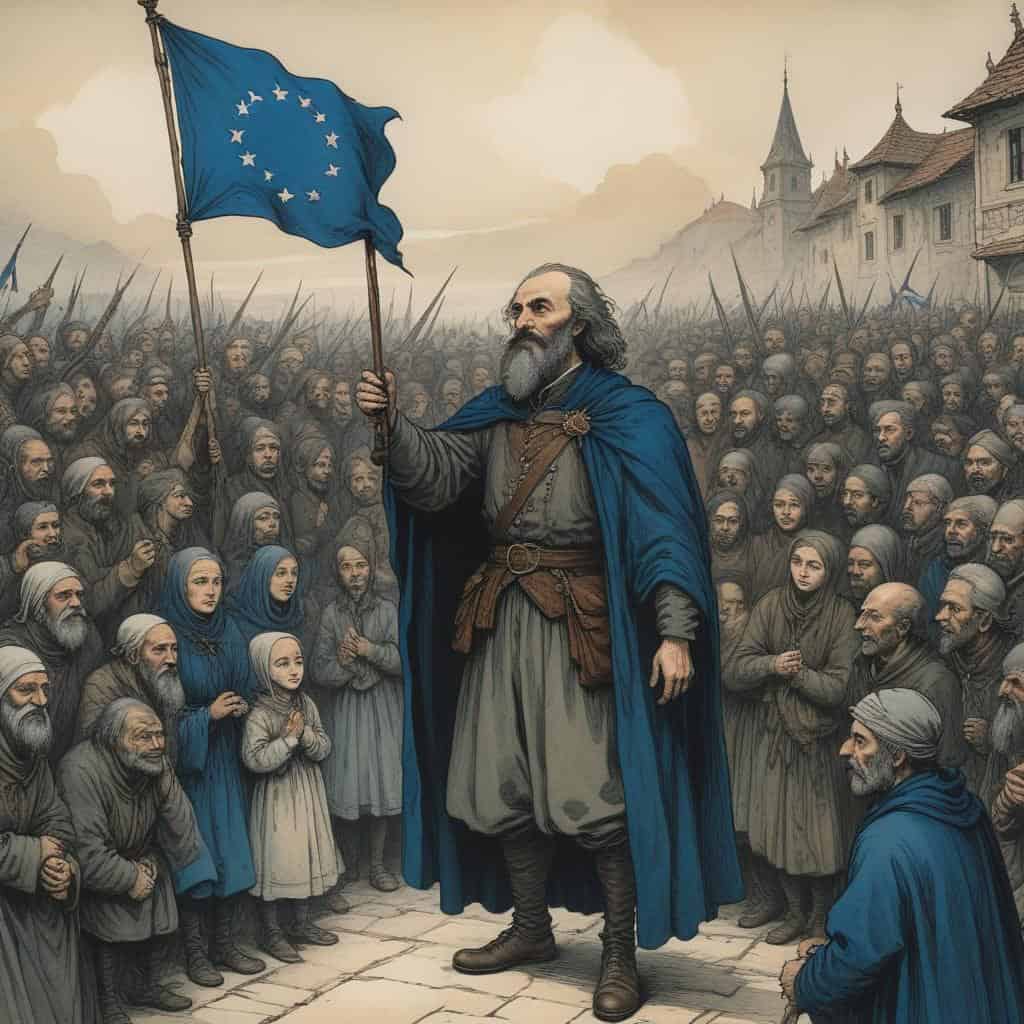
Rugova Family
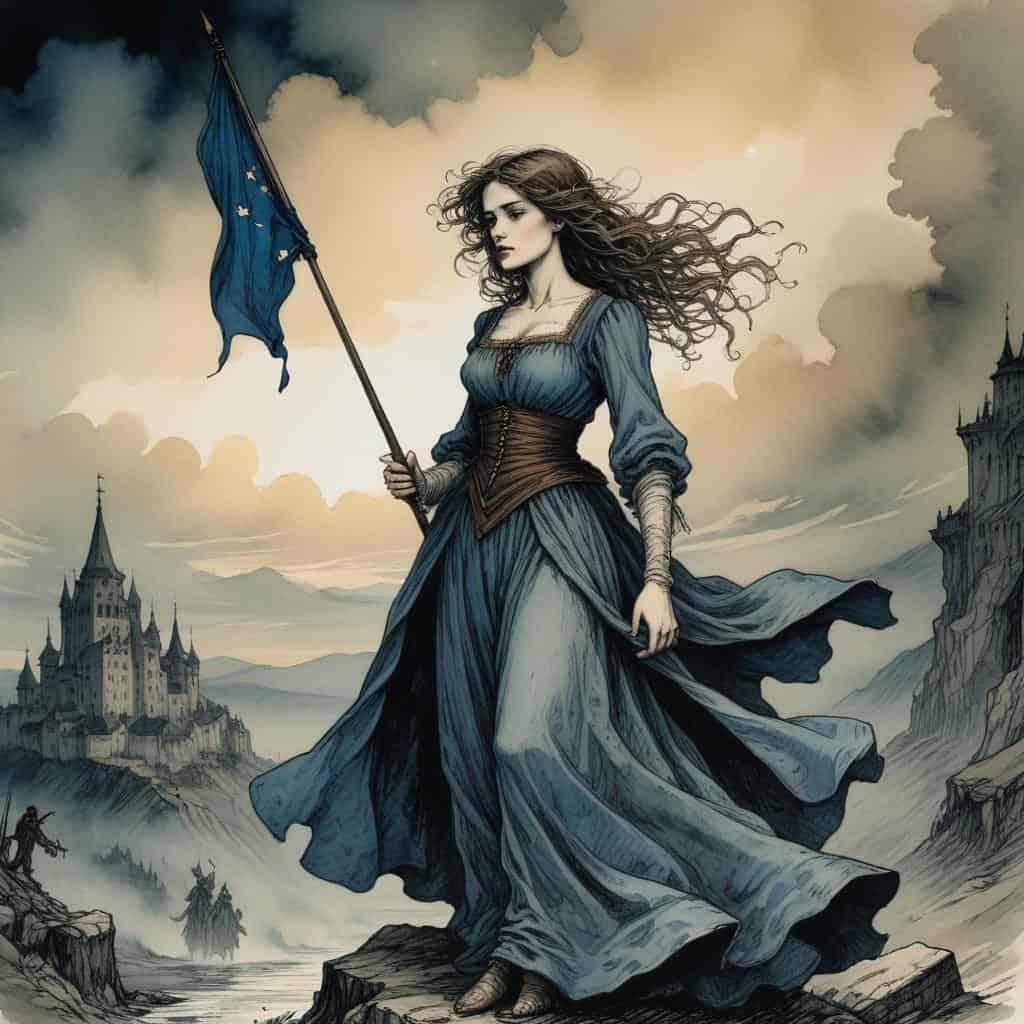
Miliza Korcari
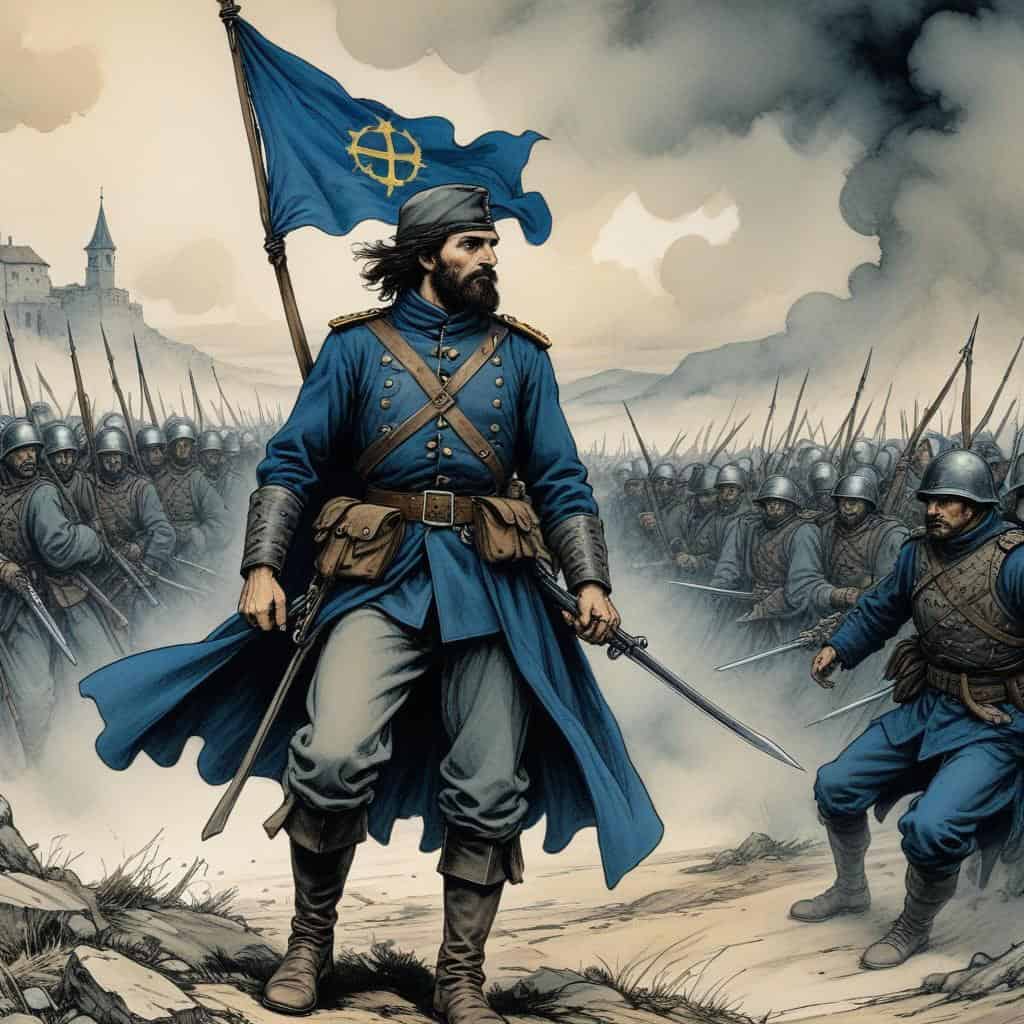
Adem Jashari

Kosovos Independence
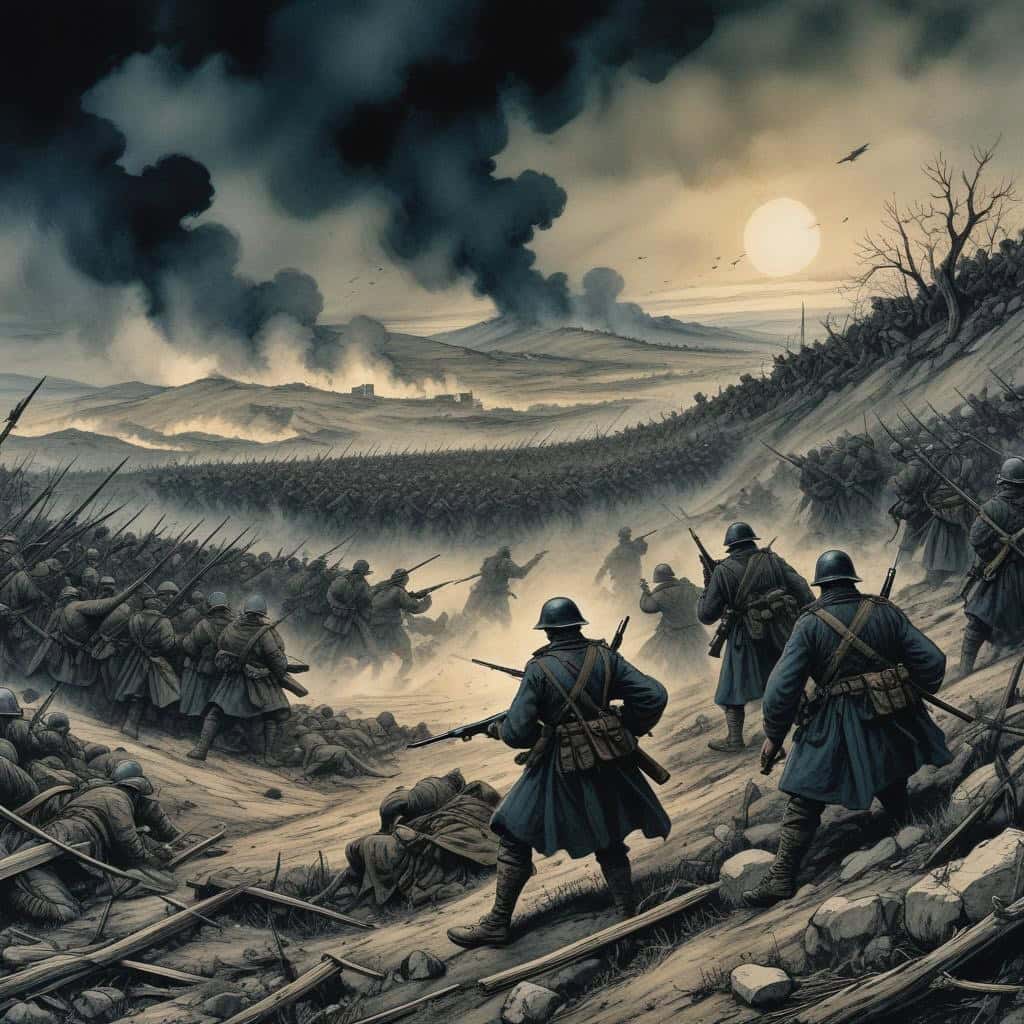
War in Kosovo

UN Administration
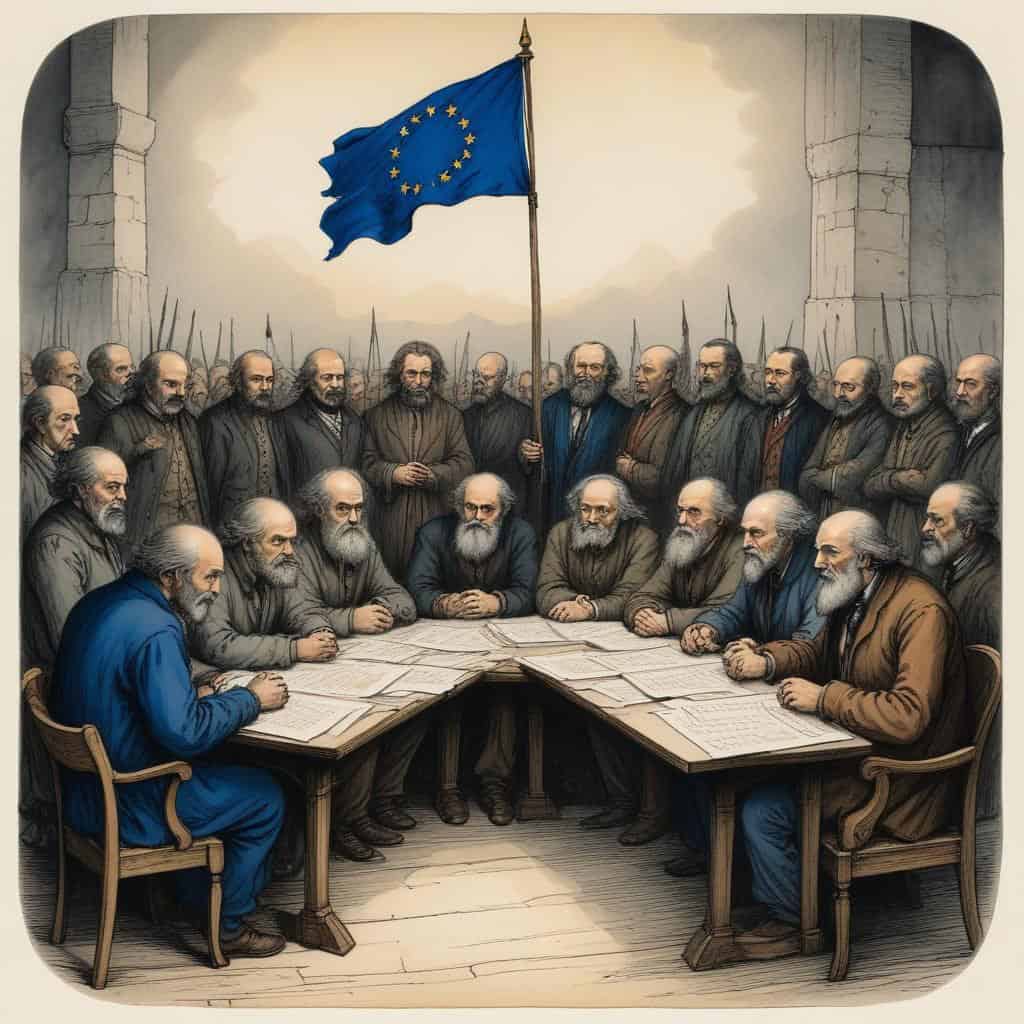
European Union Integration
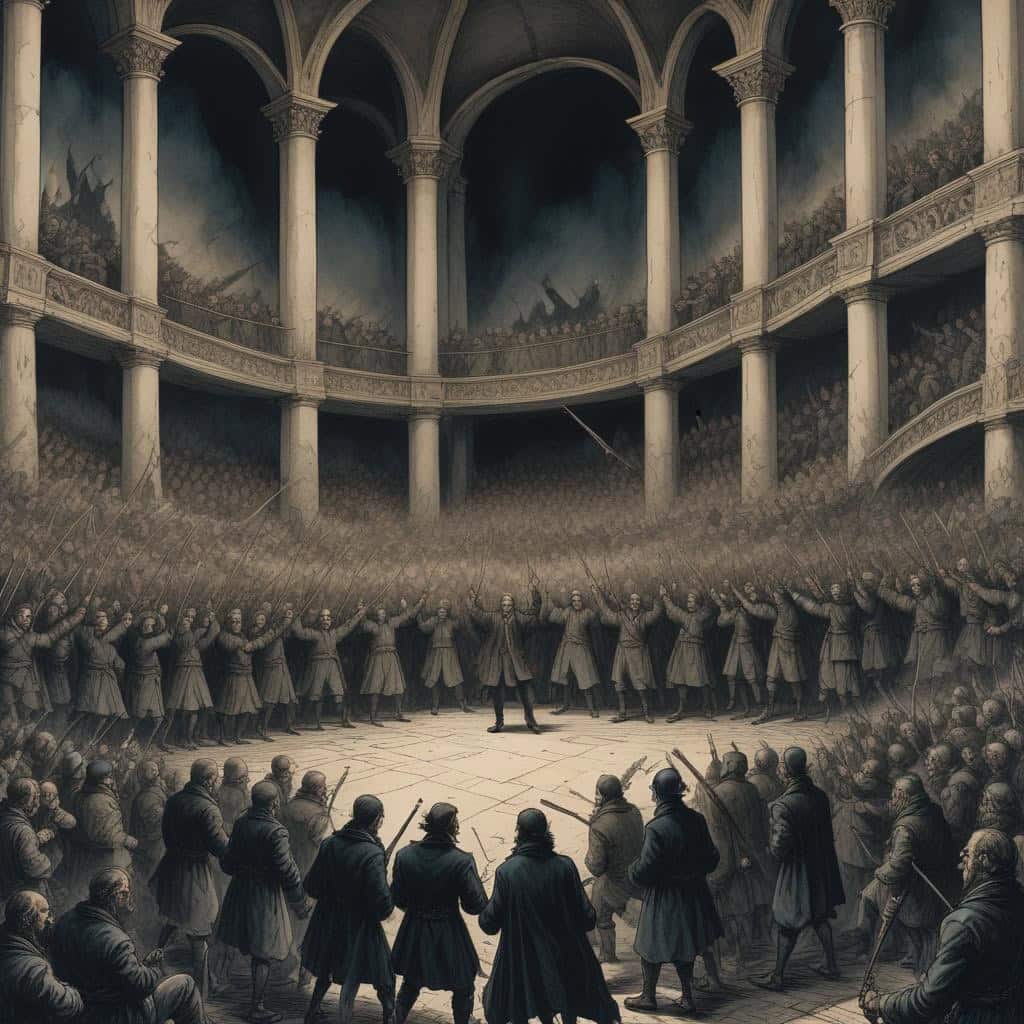
Political Struggles

Economic Development
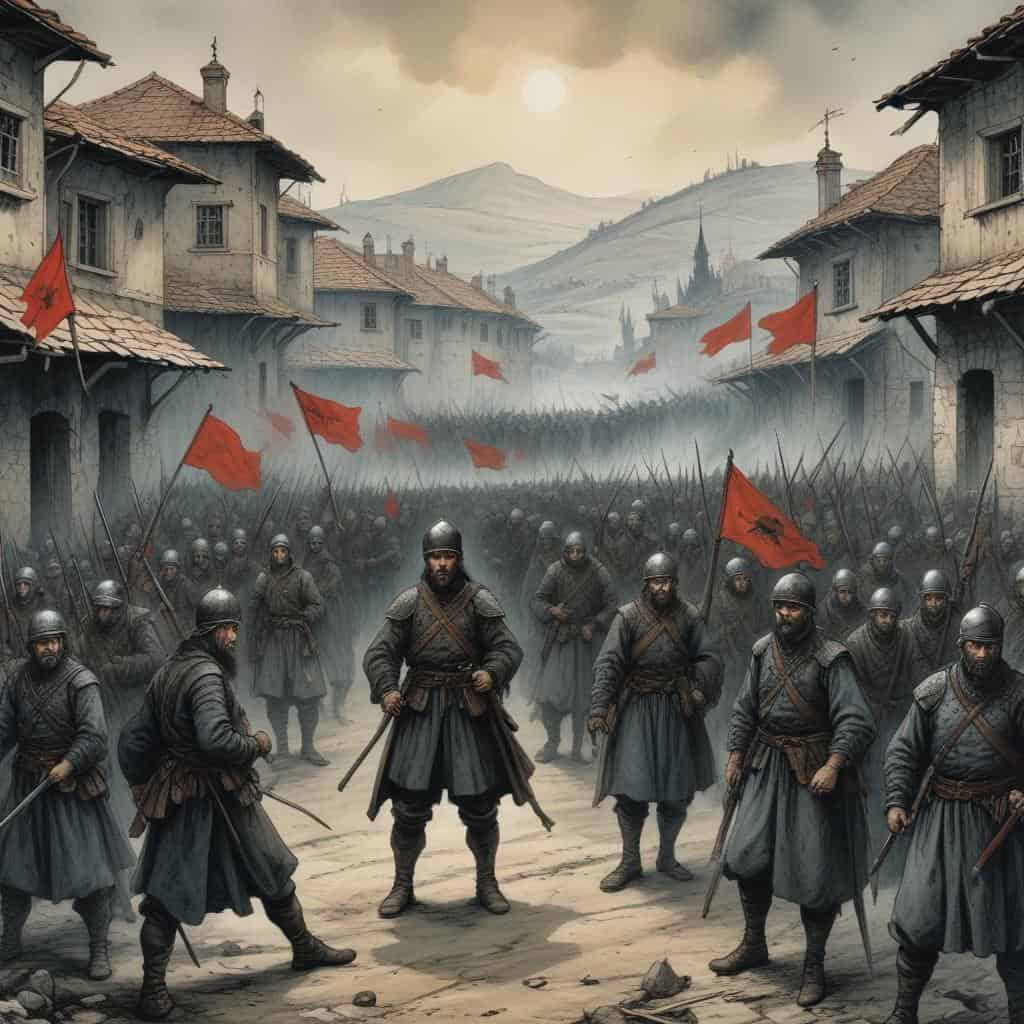
Ethnic Relations

Recognition by Countries

Security Concerns
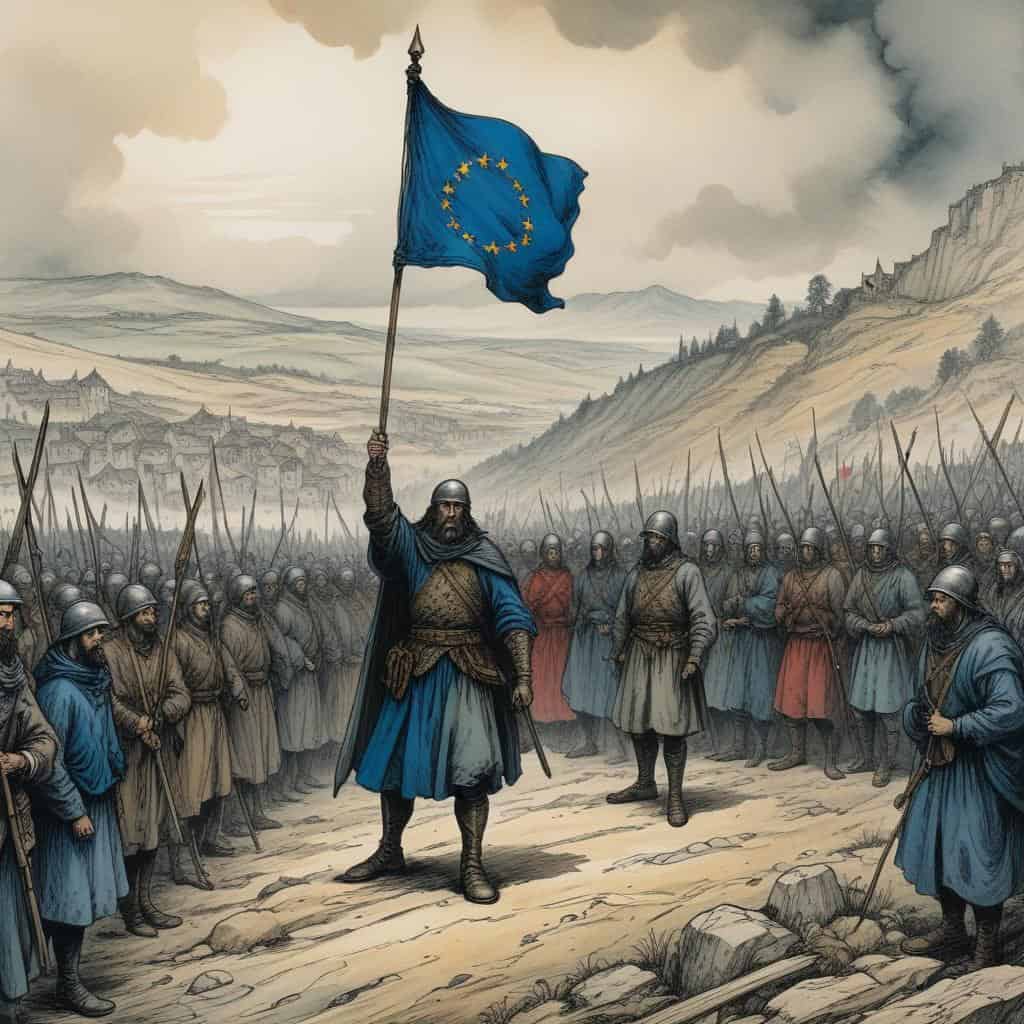
Future Challenges
In a Nutshell
- Capital: Pristina
- Population: Approx. 1.8 million (2023)
- Official Language: Albanian, Serbian
- Currency: Euro (EUR)
Breaking Down the Country
Historic Landmarks
Discover ancient ruins, Ottoman architecture, and UNESCO World Heritage sites scattered throughout Kosovo.
Cultural Diversity
Experience a unique blend of Albanian, Serbian, and Turkish influences in Kosovo's art, music, and cuisine.
Natural Beauty
From the majestic Rugova Canyon to the serene Mirusha Waterfalls, Kosovo's landscapes offer stunning views for nature lovers.
Timeline of Kosovo
Battle of Kosovo Polje
Kosovo declared independence from Serbia
Kosovo Liberation Army (KLA) founded
NATO bombing of Yugoslavia
UN Security Council Resolution 1244
Kosovo Protection Corps (KPC) established
Kosovo Assembly adopts new constitution
International Court of Justice rules Kosovo's declaration of independence legal
Kosovo becomes a member of the International Monetary Fund (IMF)
Kosovo joins the World Bank
Kosovo applies for membership in the European Union
Kosovo becomes a member of the International Olympic Committee (IOC)
Kosovo becomes a member of UEFA
Kosovo and Serbia agree to normalize relations
Kosovo joins the Adriatic Charter
Kosovo gains recognition from over 100 countries
Kosovo and Montenegro sign border demarcation agreement
Kosovo secures visa-free travel to the Schengen Zone
Kosovo holds its first parliamentary elections
Kosovo and Serbia reach Brussels Agreement
Vocabulary List
- Kosovo
- Kosovo is a landlocked country in the Balkans region of Europe.
- Prishtina
- Prishtina is the capital and largest city of Kosovo.
- Albanian
- The majority of the population in Kosovo is ethnically Albanian.
- Serbian
- There is a significant Serbian minority population in Kosovo.
- Independence
- Kosovo declared its independence from Serbia in 2008.
- UNMIK
- The United Nations Mission in Kosovo (UNMIK) was established in 1999 to administer the region.
- KFOR
- The Kosovo Force (KFOR) is a NATO-led international peacekeeping force in Kosovo.
Key Facts
This is the information used in the fact matching game
- Kosovo declared independence from Serbia in 2008.
- Kosovo is a landlocked country in the Balkan region of Europe.
- The majority of the population in Kosovo is ethnic Albanian.
- Kosovo is recognized as an independent state by over 100 countries.
- Kosovo has a total area of 10,887 square kilometers.
- The capital city of Kosovo is Pristina.
- Kosovo has a young population, with over half of its residents under the age of 25.
- The official language of Kosovo is Albanian.
- Kosovo is a parliamentary republic with a multi-party system.
- Kosovo is a potential candidate for European Union membership.
- Kosovo has a developing economy, with agriculture, mining, and energy sectors playing a significant role.
- The currency used in Kosovo is the Euro.
- Kosovo has a diverse cultural heritage, influenced by both Albanian and Serbian traditions.
- Kosovo has several UNESCO World Heritage Sites, including the Decani Monastery and the Patriarchate of Pec.
- Kosovo has a continental climate, with hot summers and cold winters.
- Kosovo is known for its traditional cuisine, which includes dishes like burek, sarma, and flija.
- Kosovo has a high level of unemployment, particularly among young people.
- Kosovo has a rich musical tradition, with genres like folk, pop, and rock being popular.
- Kosovo has a diverse landscape, with mountains, rivers, and lakes offering opportunities for outdoor activities.
- Kosovo has a history of conflict, including the Kosovo War in the late 1990s.
Why It Matters
Geopolitical Significance
Located in the heart of the Balkans, Kosovo’s status as an independent state is a contentious issue with global implications. Its strategic position between Serbia, Albania, and Macedonia has led to ongoing tensions and negotiations, making it a focal point for regional stability.
Historical Importance
Kosovo holds immense historical significance as the site of medieval Serbian kingdoms, Ottoman rule, and more recently, the Yugoslav wars of the 1990s. It remains a symbol of ethnic and religious divisions, shaping national identities and international relations.
Modern-Day Role
Today, Kosovo faces challenges of state-building, economic development, and ethnic reconciliation. As a young democracy striving for recognition on the world stage, its progress towards EU and NATO membership will have lasting implications for the region’s stability and future.
Kosovo Games


Take Your Learning Offline
Want a convenient, print-ready study guide for this lesson? Become a Memory Wizards Pro member to unlock the downloadable " Memory Scrolls" for this topic and our entire library!
- ✓ Complete Vocabulary Lists
- ✓ Key Facts & Timelines
- ✓ Beautifully Formatted for Print & Mobile