
How Do You Learn Best?
Learn by Reading
Immerse yourself in the 10-minute visual lesson for a comprehensive understanding of the topic.
Learn by Reviewing
Jump directly to the key facts, timeline, and vocabulary lists to build a solid foundation of details.
Learn by Doing
Challenge yourself! Jump straight into the interactive games to learn by trial, error, and discovery.
Kazakhstan in 10 Minutes
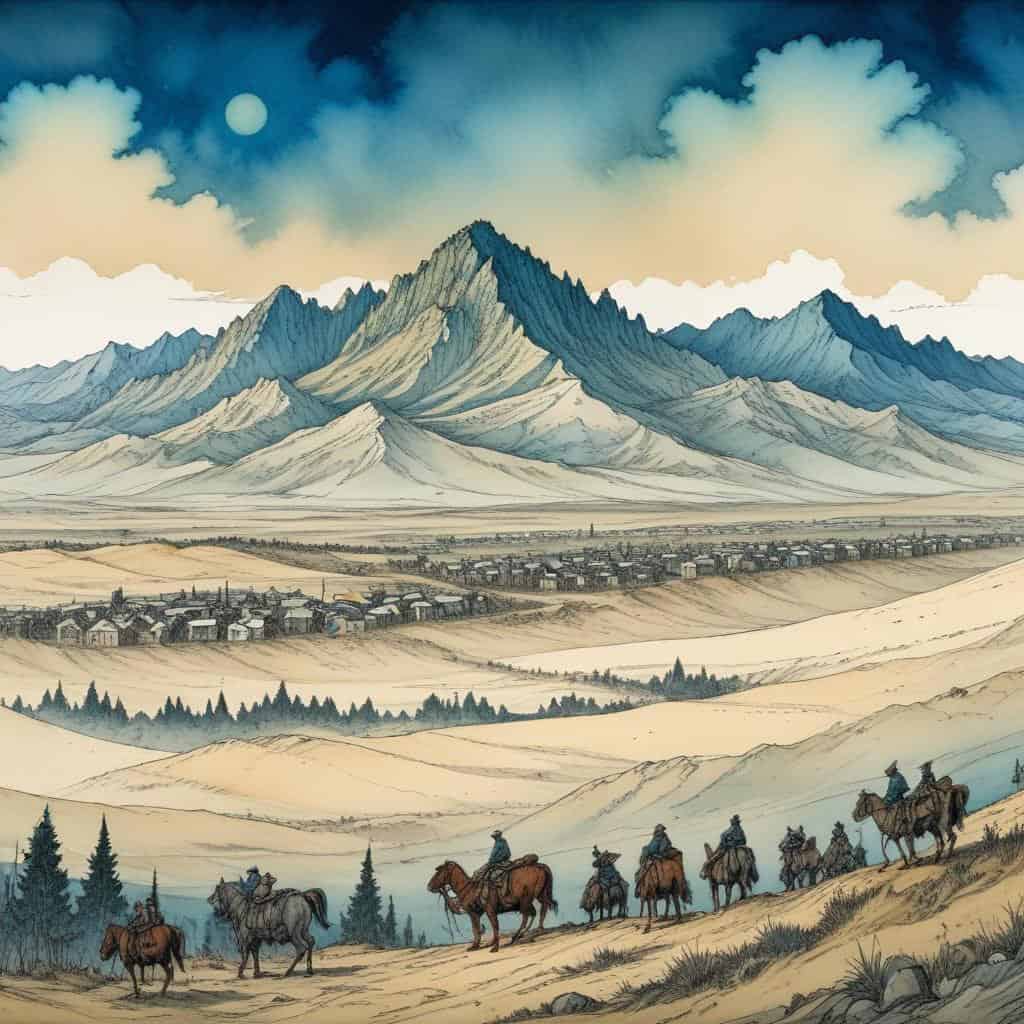
Introduction
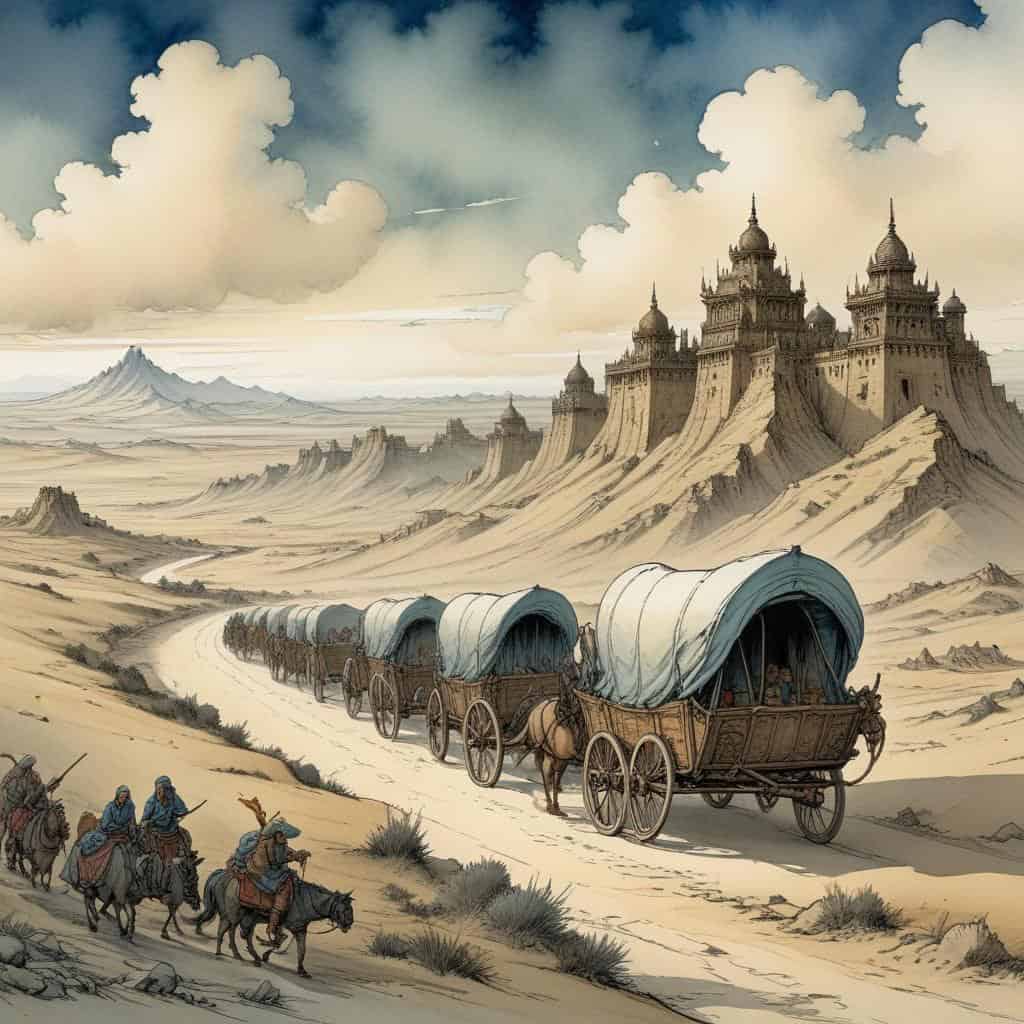

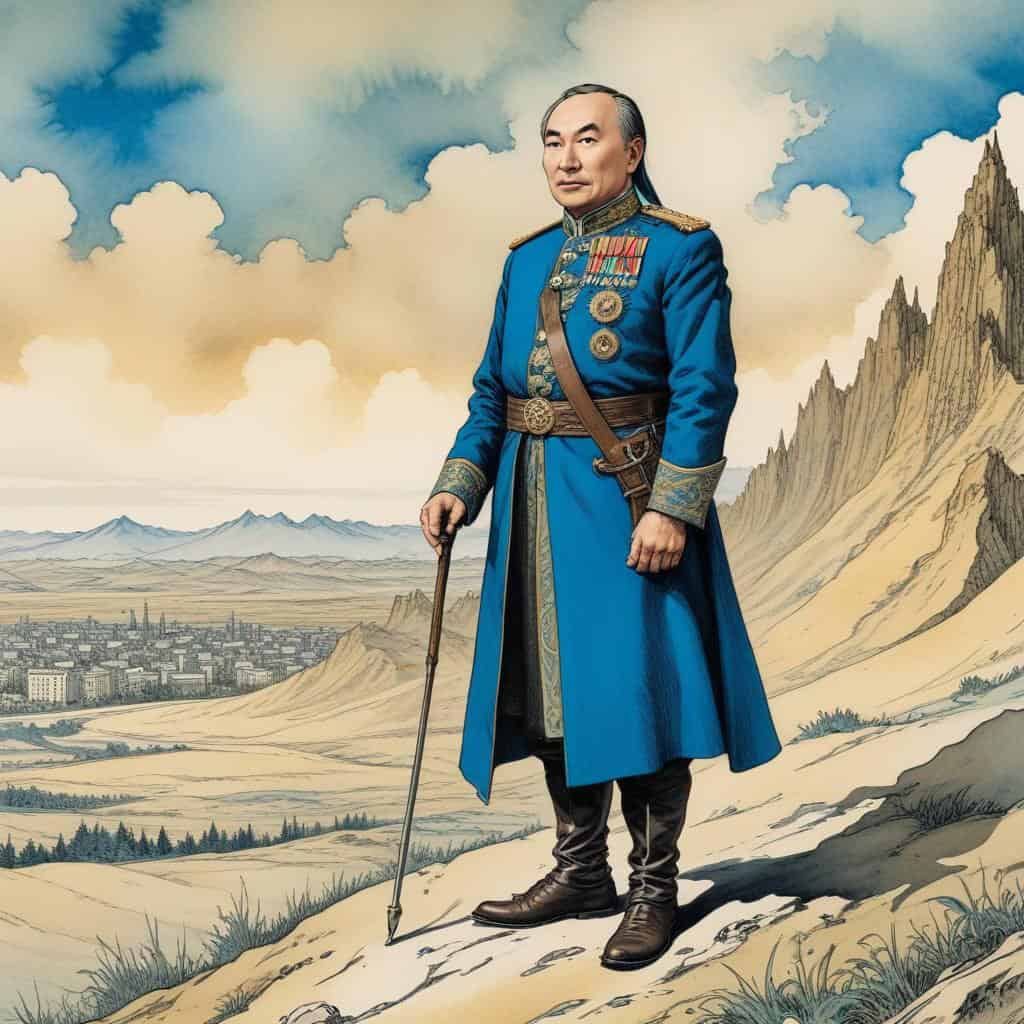
1. Nursultan Nazarbayev
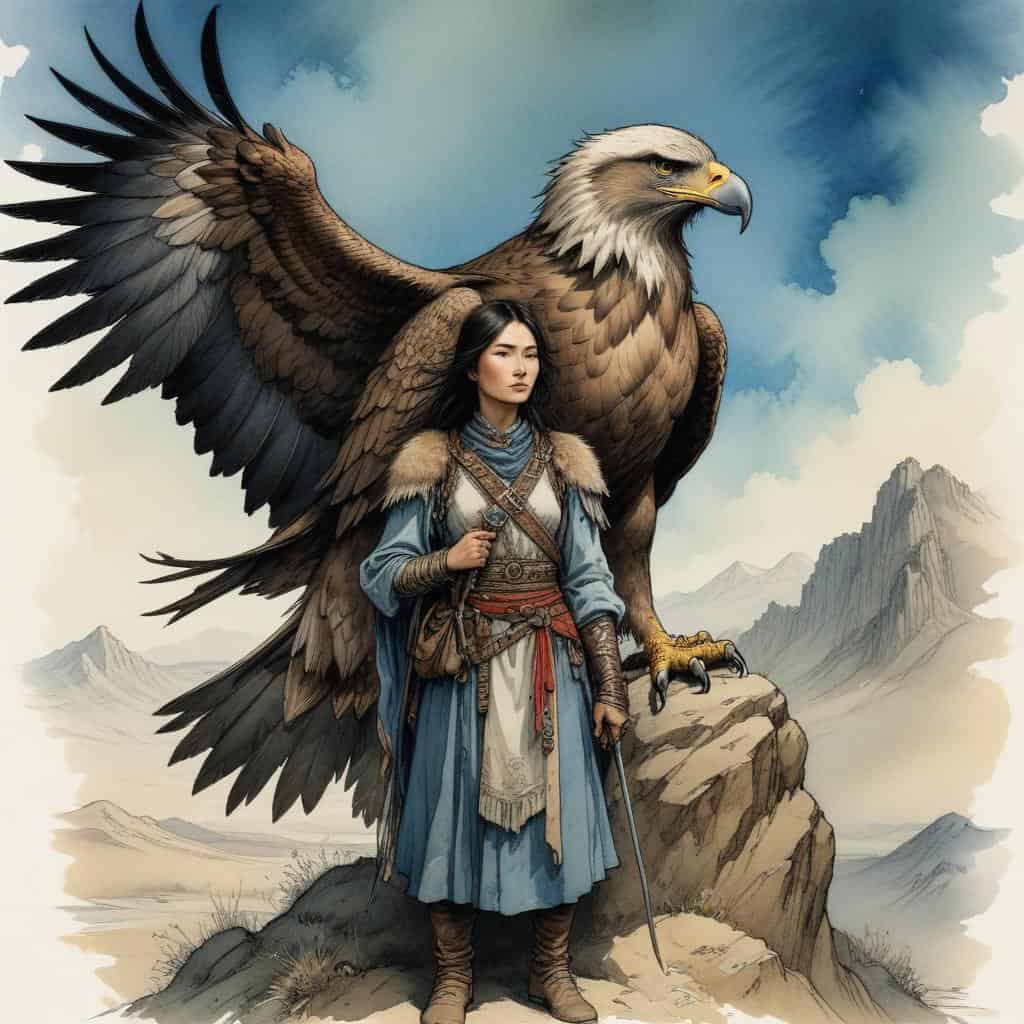
2. Aisholpan Nurgaiv
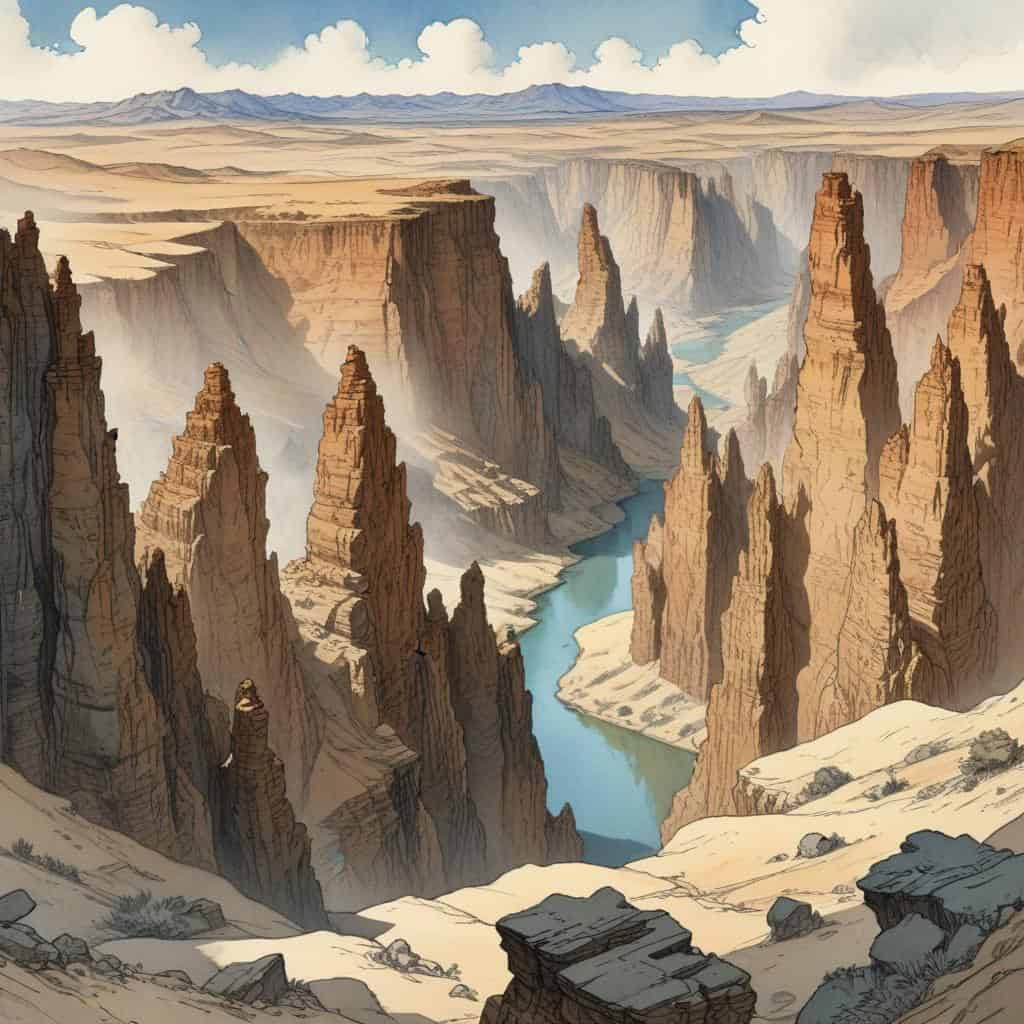
3. Charyn Canyon
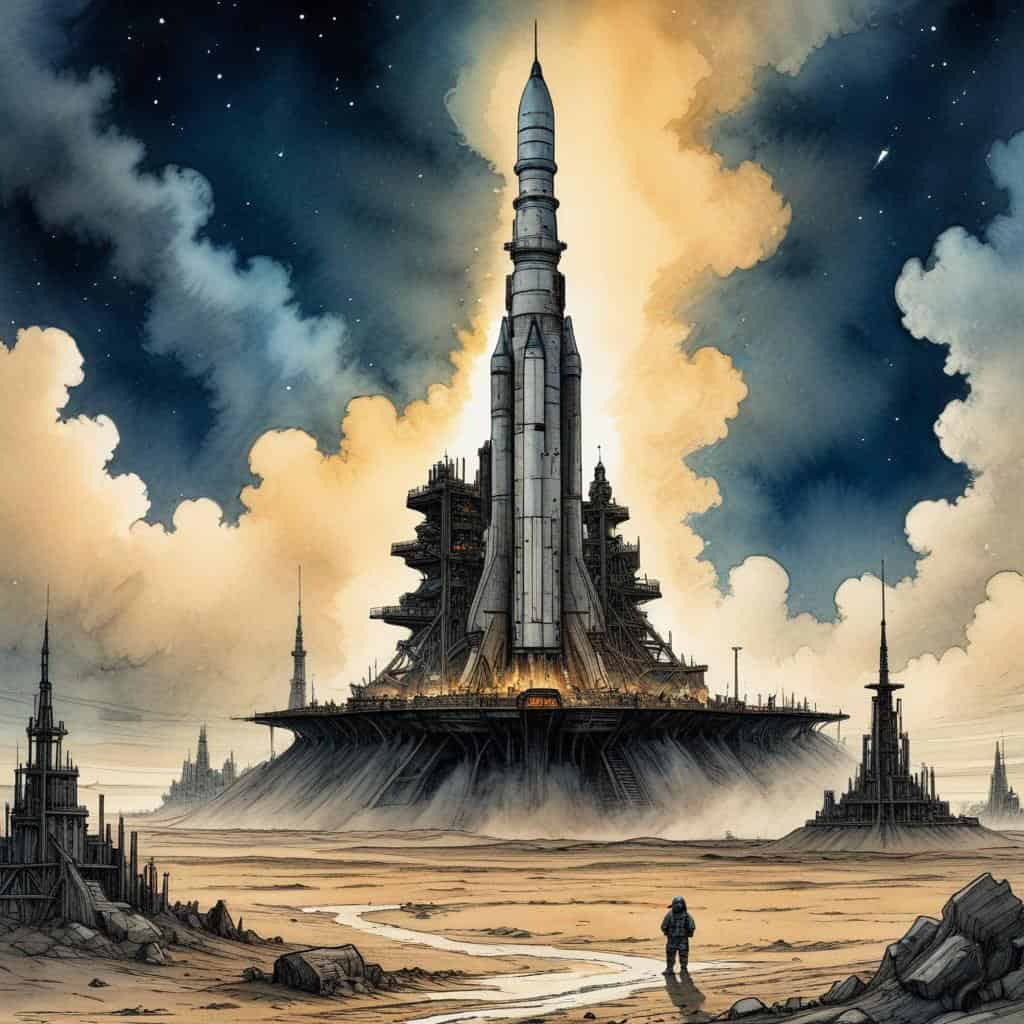
4. Baikonur Cosmodrome
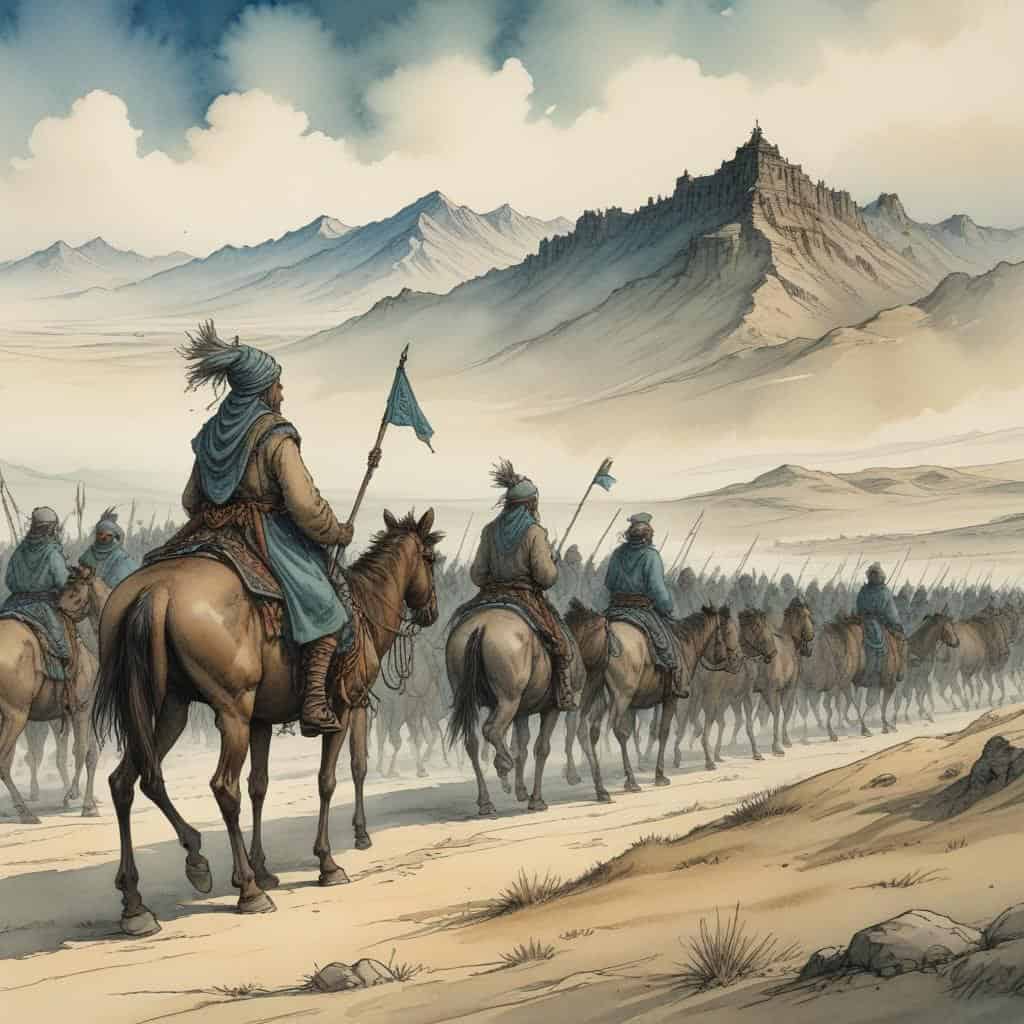
5. Nomadic Tribes
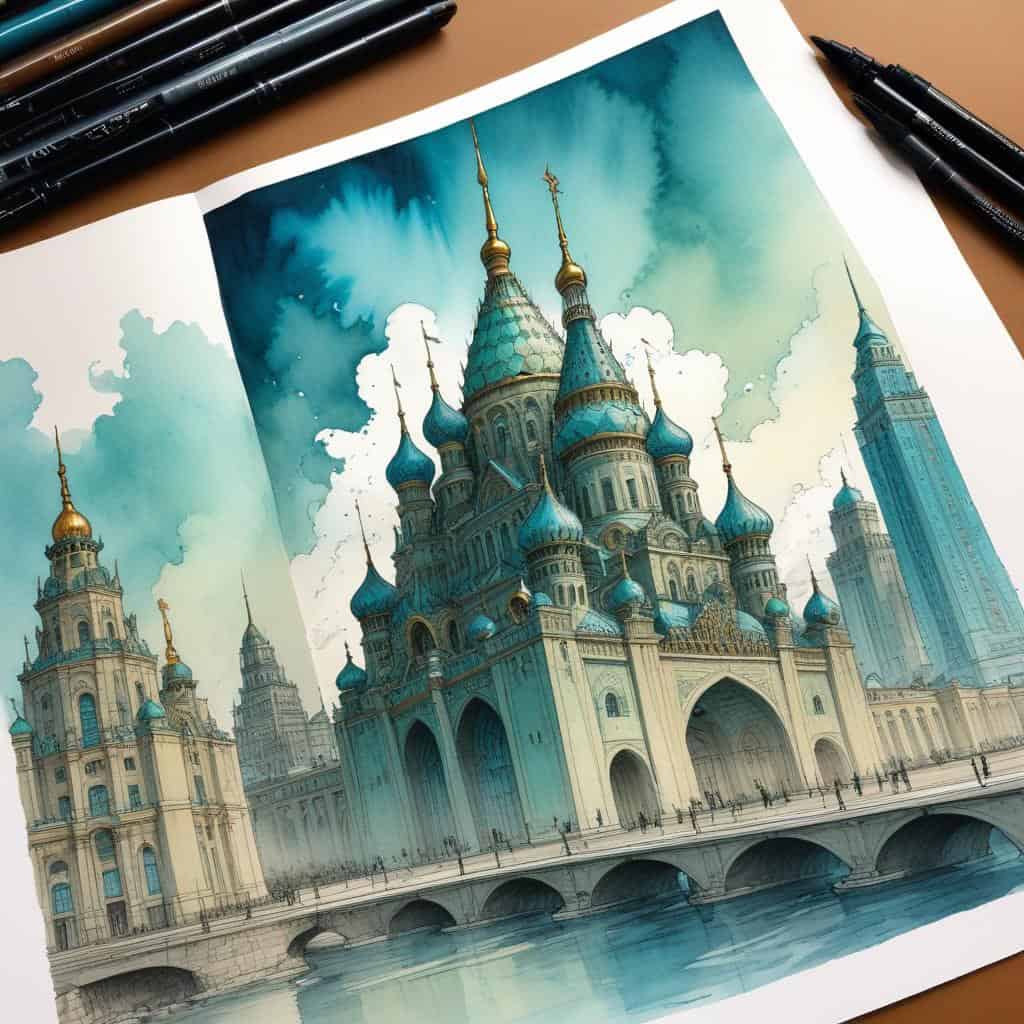
1. Astana: The Capital City
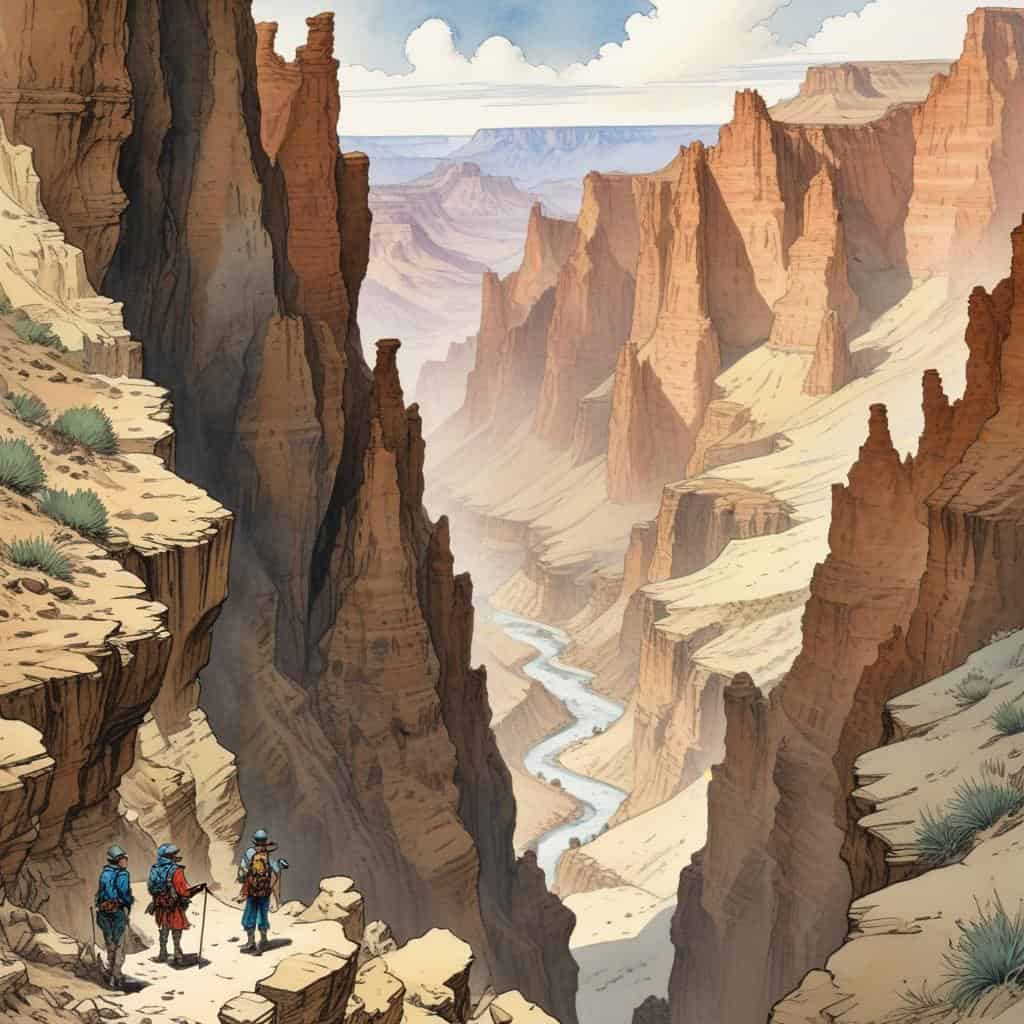
2. Charyn Canyon: The Grand Canyon of Central Asia
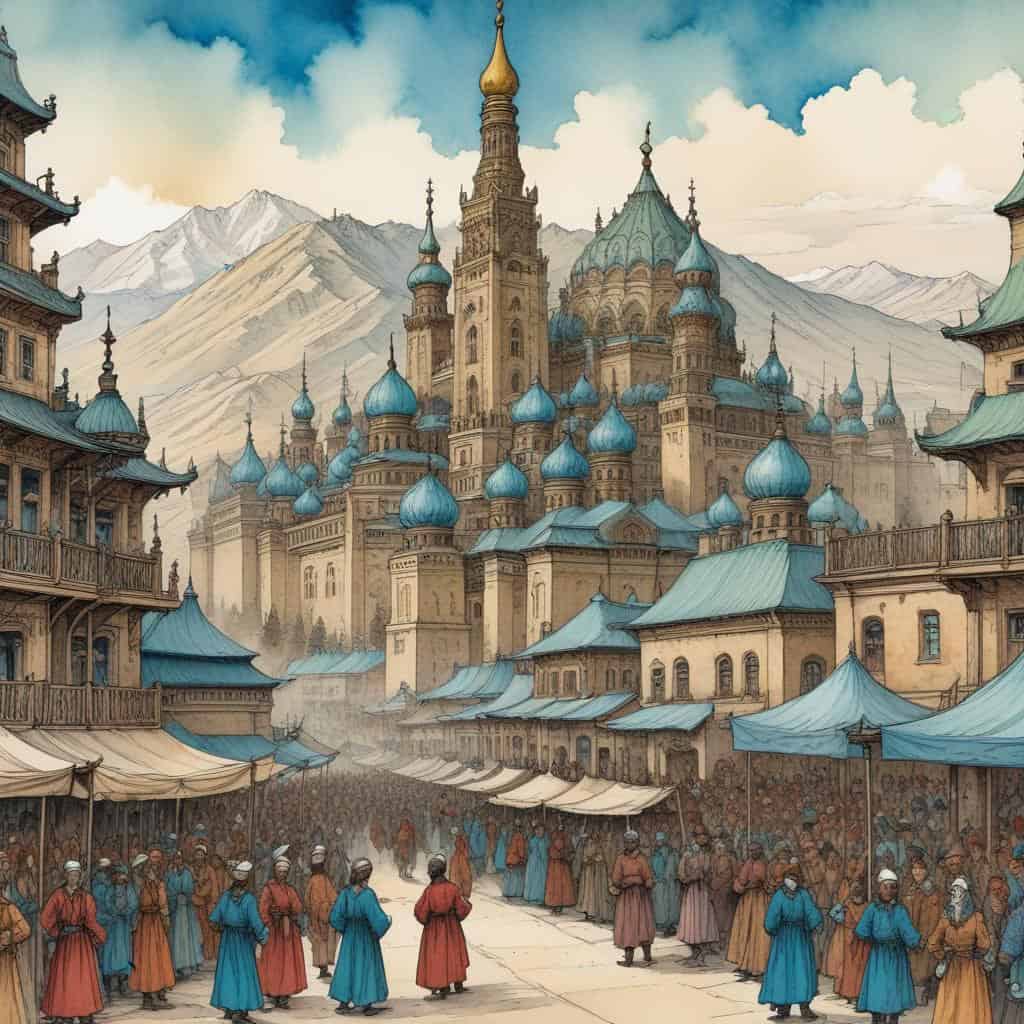
3. Almaty: The Cultural Hub
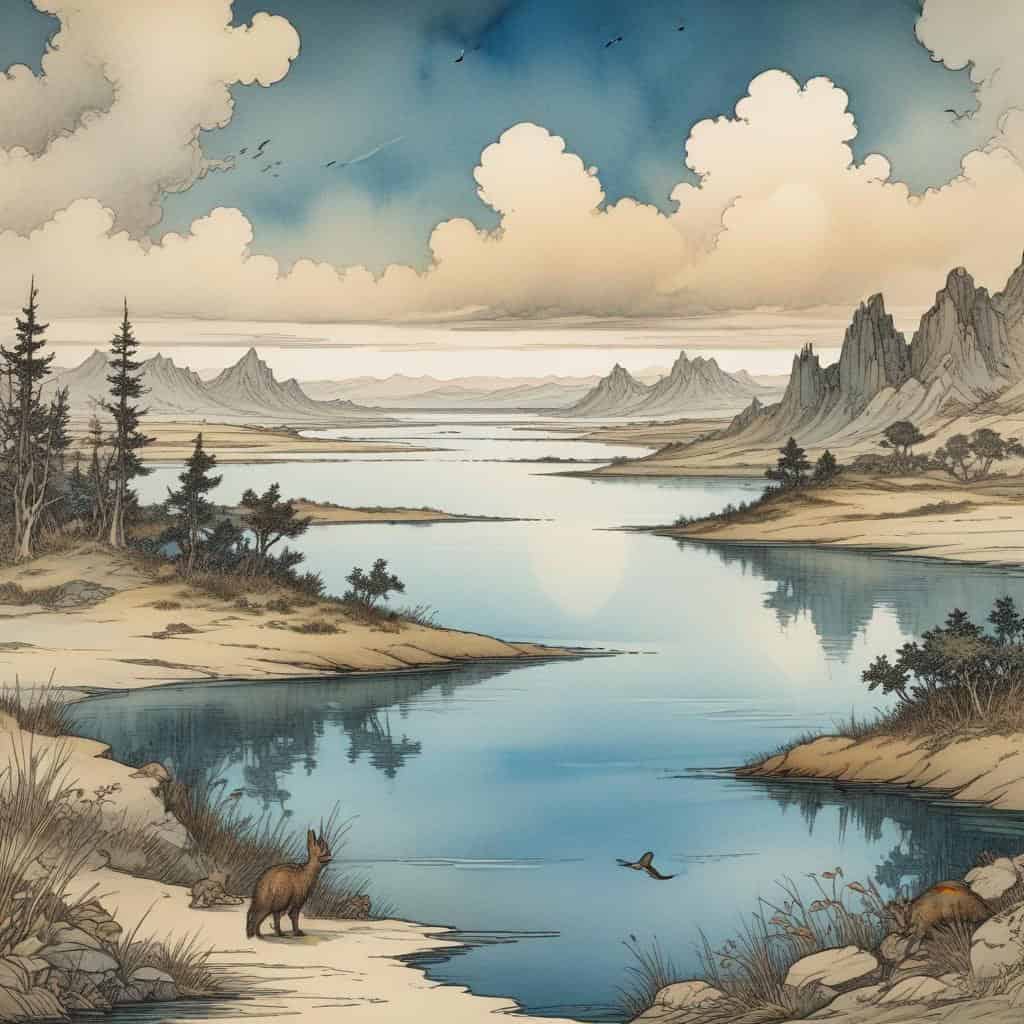
4. Lake Balkhash: A Natural Wonder
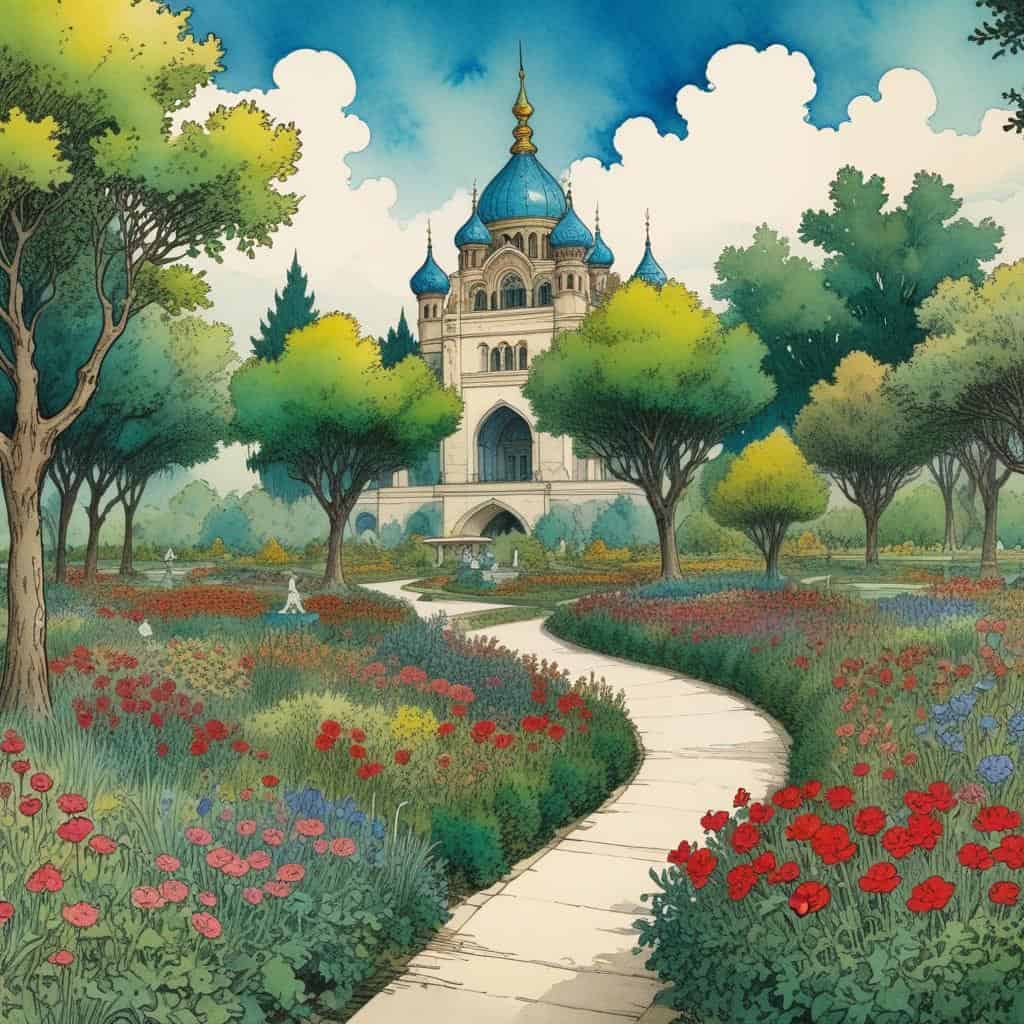
5. Shymkent: The City of Gardens
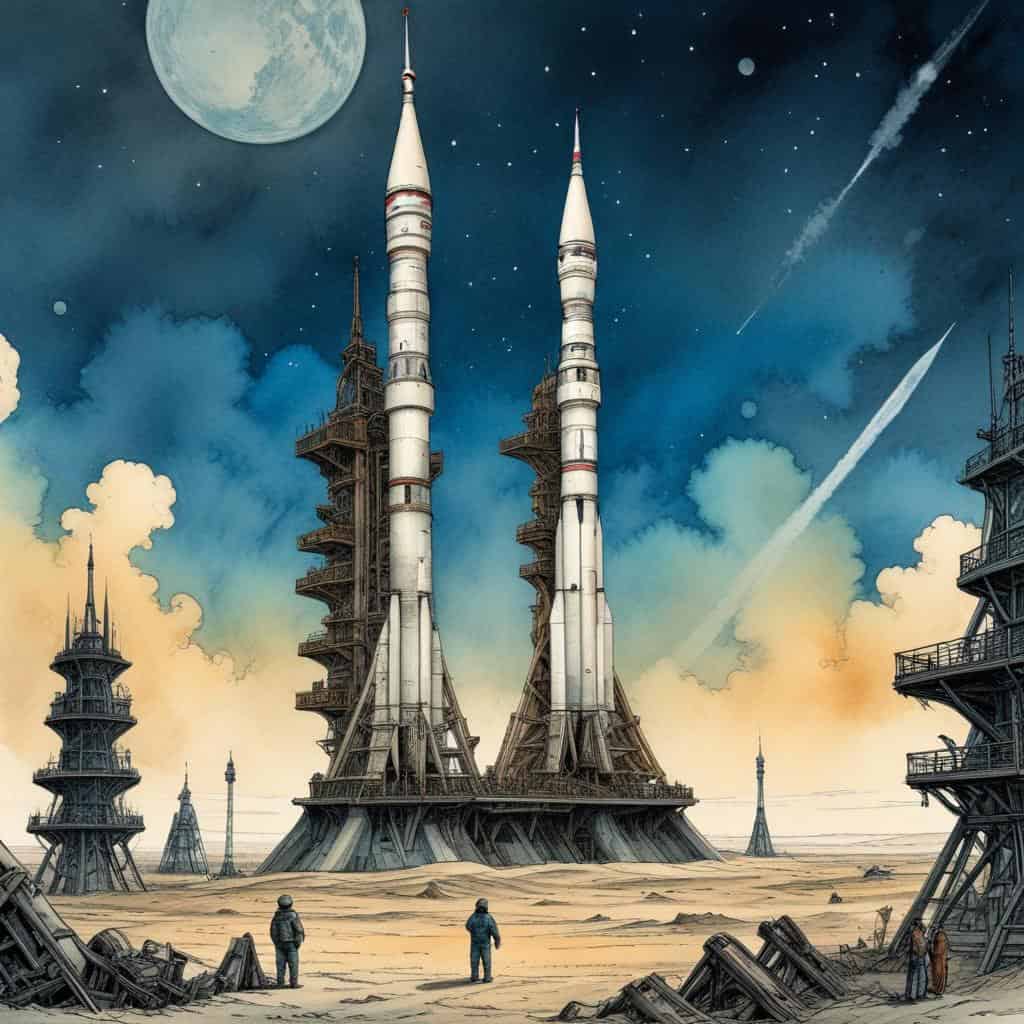
6. Baikonur Cosmodrome: A Space Enthusiasts Dream
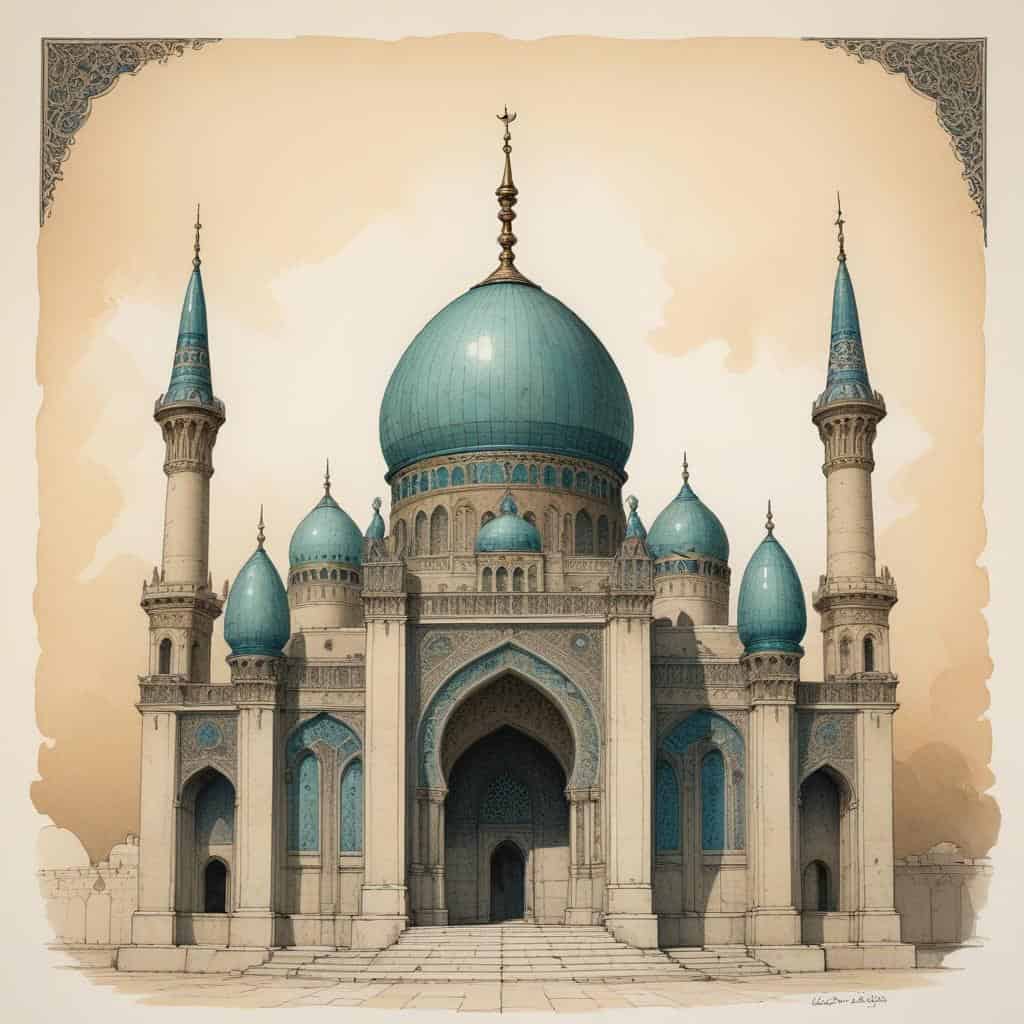
7. Mausoleum of Khoja Ahmed Yasawi: A UNESCO World Heritage Site

8. Aksu-Zhabagly Nature Reserve: A Wildlife Sanctuary

9. Kolsai Lakes: A Hidden Gem

10. Silk Road Heritage Sites: Tracing Ancient Trade Routes
In a Nutshell
- Capital: Nur-Sultan
- Population: Approx. 18.8 million (2021)
- Official Language: Kazakh
- Currency: Kazakhstani tenge (KZT)
Breaking Down the Country
Geographic Diversity
From the Caspian Sea to the Altai Mountains, Kazakhstan's landscape offers vast steppes, deserts, and snow-capped peaks for nature enthusiasts.
Cultural Heritage
Explore the rich history of the Kazakh people, their nomadic traditions, yurts, and folklore that have shaped their unique identity over centuries.
Modern Progress
Discover how Kazakhstan's economy has evolved, embracing technology, urban development, and international partnerships to drive innovation and growth.
Timeline of Kazakhstan
Kazakhstan becomes part of the Russian Empire
Kazakhstan gains independence from the Soviet Union
Kazakhstan adopts a new constitution
Kazakhstan becomes a member of the Shanghai Cooperation Organization
President Nursultan Nazarbayev resigns after nearly 30 years in power
Kazakhstan hosts the Shanghai Cooperation Organization summit
Kazakhstan becomes the first country in Central Asia to host the World Expo
Kazakhstan launches the Astana International Financial Centre
Kazakhstan becomes a non-permanent member of the United Nations Security Council
Kazakhstan holds early presidential elections
Kazakhstan becomes a founding member of the Eurasian Economic Union
Kazakhstan launches the Bright Path economic reform program
Kazakhstan celebrates the 550th anniversary of the Kazakh Khanate
Kazakhstan hosts the 7th Congress of Leaders of World and Traditional Religions
Kazakhstan becomes a member of the World Trade Organization
Kazakhstan signs the Paris Agreement on climate change
Kazakhstan launches the Nurly Zhol infrastructure development program
Kazakhstan hosts the first Congress of Leaders of World and Traditional Religions
Kazakhstan becomes a member of the Organization for Security and Co-operation in Europe
Kazakhstan renames its capital city from Astana to Nur-Sultan
Vocabulary List
- Steppe
- Kazakhstan is known for its vast steppes, which cover a large portion of the country.
- Nomadic
- Historically, many Kazakh people were nomadic herders, moving their livestock across the country.
- Baursak
- Baursak is a traditional Kazakh bread that is often served during special occasions and celebrations.
- Yurt
- Yurts are traditional portable dwellings used by nomadic tribes in Kazakhstan.
- Beshbarmak
- Beshbarmak is a traditional Kazakh dish made with boiled meat and noodles, often served at festive occasions.
- Astana
- Astana, now known as Nur-Sultan, is the capital city of Kazakhstan.
- Kokpar
- Kokpar is a traditional Kazakh sport similar to polo, where players on horseback try to score by putting a goat carcass in a goal.
- Kazakh
- Kazakh is the official language of Kazakhstan, spoken by the majority of the population.
- Tenge
- The Tenge is the official currency of Kazakhstan.
- Shymkent
- Shymkent is the third-largest city in Kazakhstan, known for its historical sites and bustling markets.
Key Facts
This is the information used in the fact matching game
- Kazakhstan is the ninth largest country in the world by land area.
- Kazakhstan is located in Central Asia and Eastern Europe.
- The official language of Kazakhstan is Kazakh.
- The capital city of Kazakhstan is Nur-Sultan (formerly known as Astana).
- Kazakhstan gained independence from the Soviet Union in 1991.
- Kazakhstan is known for its vast steppes, deserts, and mountains.
- The Kazakhstani currency is the tenge.
- Kazakhstan is a major producer of oil and natural gas.
- The national dish of Kazakhstan is Beshbarmak, a meat and noodle dish.
- Kazakhstan is home to the Baikonur Cosmodrome, the world's first and largest space launch facility.
- Kazakhstan has a diverse population with over 130 ethnic groups.
- Kazakhstan is a member of the Eurasian Economic Union.
- The Charyn Canyon in Kazakhstan is often referred to as the Grand Canyon's little brother.
- Kazakhstan is known for its traditional yurts, portable circular tents.
- The Kazakh people have a long history of horsemanship and horse breeding.
- Kazakhstan has a rich cultural heritage with influences from Turkic, Persian, and Russian traditions.
- The Altai Mountains in Kazakhstan are a UNESCO World Heritage site.
- Kazakhstan is the largest landlocked country in the world.
- The Kazakh flag features a golden sun with eagle wings on a sky blue background.
- Kazakhstan has a presidential form of government with a strong executive branch.
Why It Matters
Geopolitical Significance
Kazakhstan’s vast territory straddles both Europe and Asia, making it a key player in discussions on Eurasian integration. Its position as a major energy producer gives it leverage in global markets, and its relations with neighboring Russia, China, and Central Asian nations are crucial for regional stability.
Historical Importance
With a history dating back to ancient times, Kazakhstan has been a crossroads for nomadic tribes, Silk Road traders, and Russian colonial expansion. It has preserved its nomadic heritage while adapting to Soviet rule and gaining independence in 1991. The legacy of figures like Genghis Khan and Tamerlane still influences Kazakh culture.
Modern-Day Role
As a leading economy in Central Asia, Kazakhstan plays a key role in the region’s development. Its diverse population and efforts to promote multiculturalism make it a model for peaceful coexistence. The country’s initiatives in renewable energy and infrastructure projects contribute to its growing influence on the global stage.
Kazakhstan Games


Take Your Learning Offline
Want a convenient, print-ready study guide for this lesson? Become a Memory Wizards Pro member to unlock the downloadable " Memory Scrolls" for this topic and our entire library!
- ✓ Complete Vocabulary Lists
- ✓ Key Facts & Timelines
- ✓ Beautifully Formatted for Print & Mobile