
How Do You Learn Best?
Learn by Reading
Immerse yourself in the 10-minute visual lesson for a comprehensive understanding of the topic.
Learn by Reviewing
Jump directly to the key facts, timeline, and vocabulary lists to build a solid foundation of details.
Learn by Doing
Challenge yourself! Jump straight into the interactive games to learn by trial, error, and discovery.
Ireland in 10 Minutes

Introduction
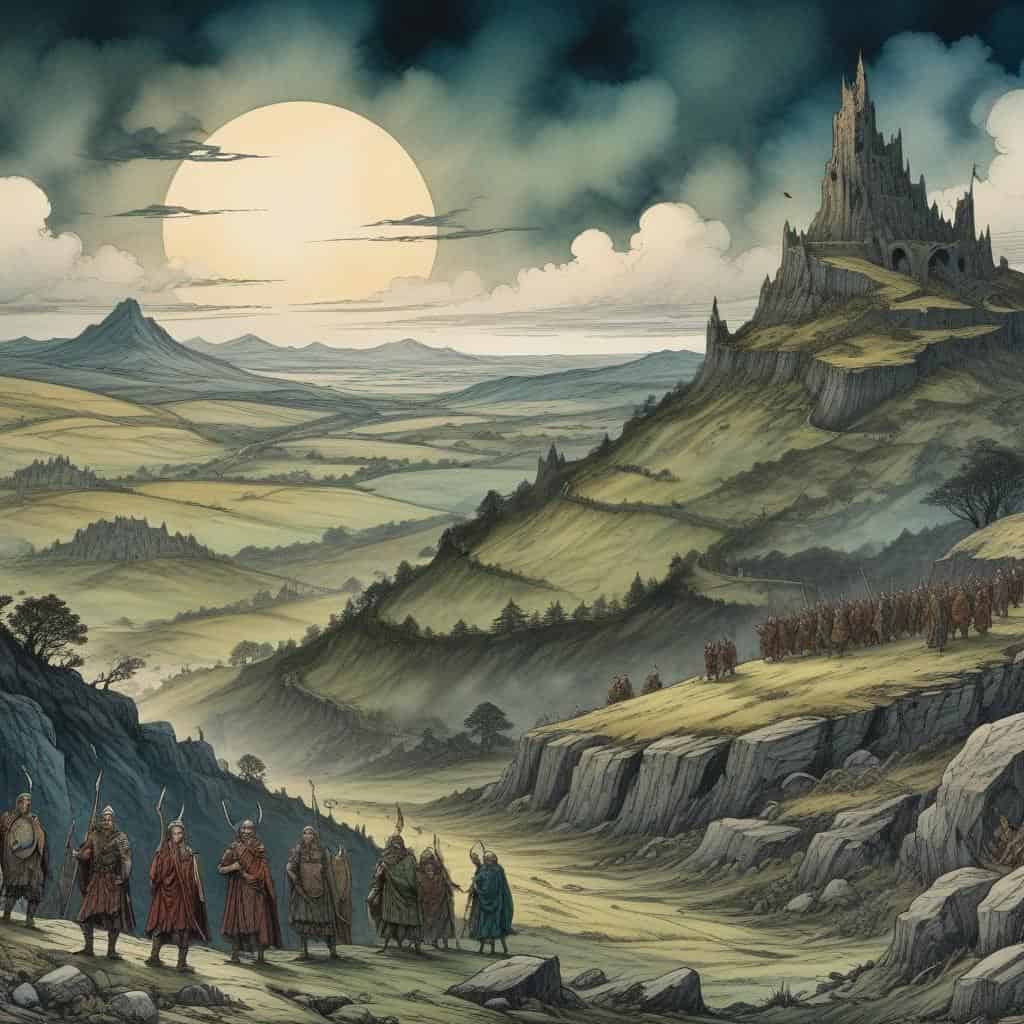

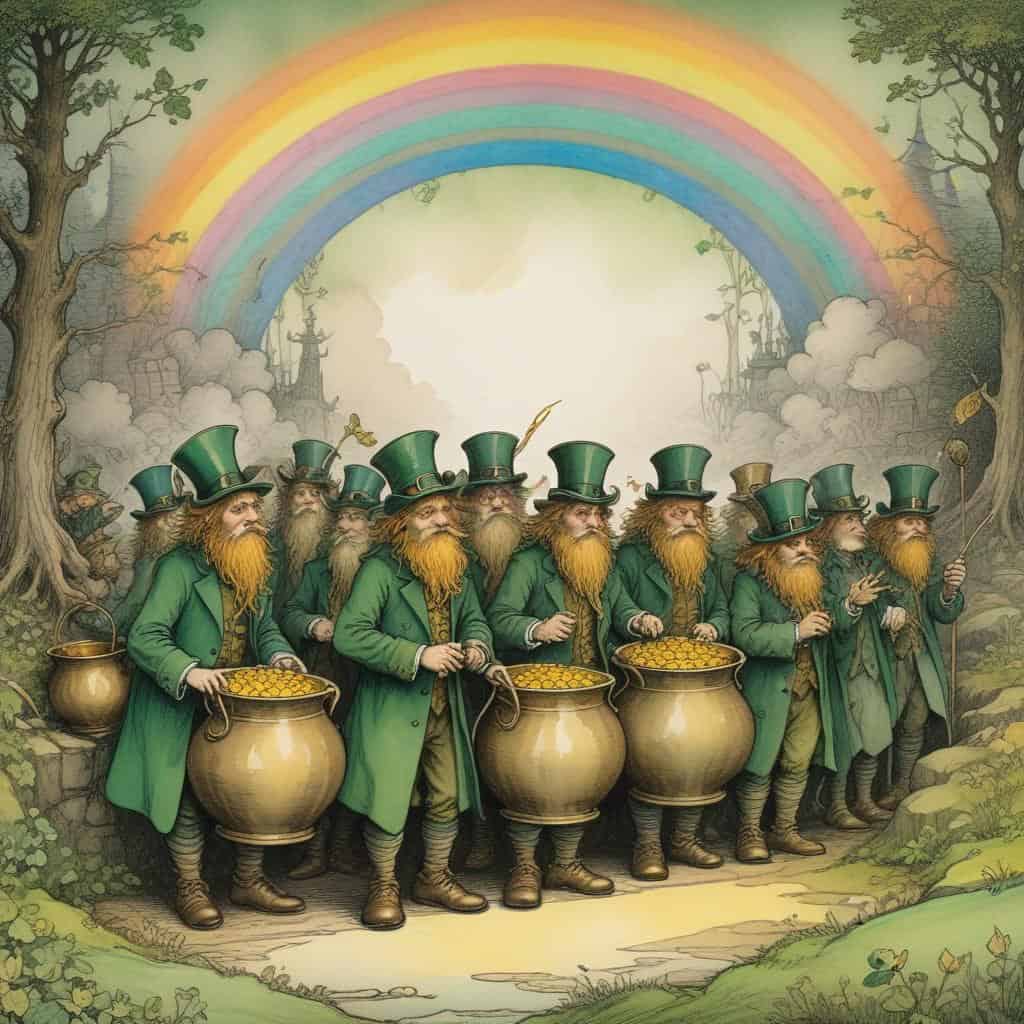
1. Leprechauns
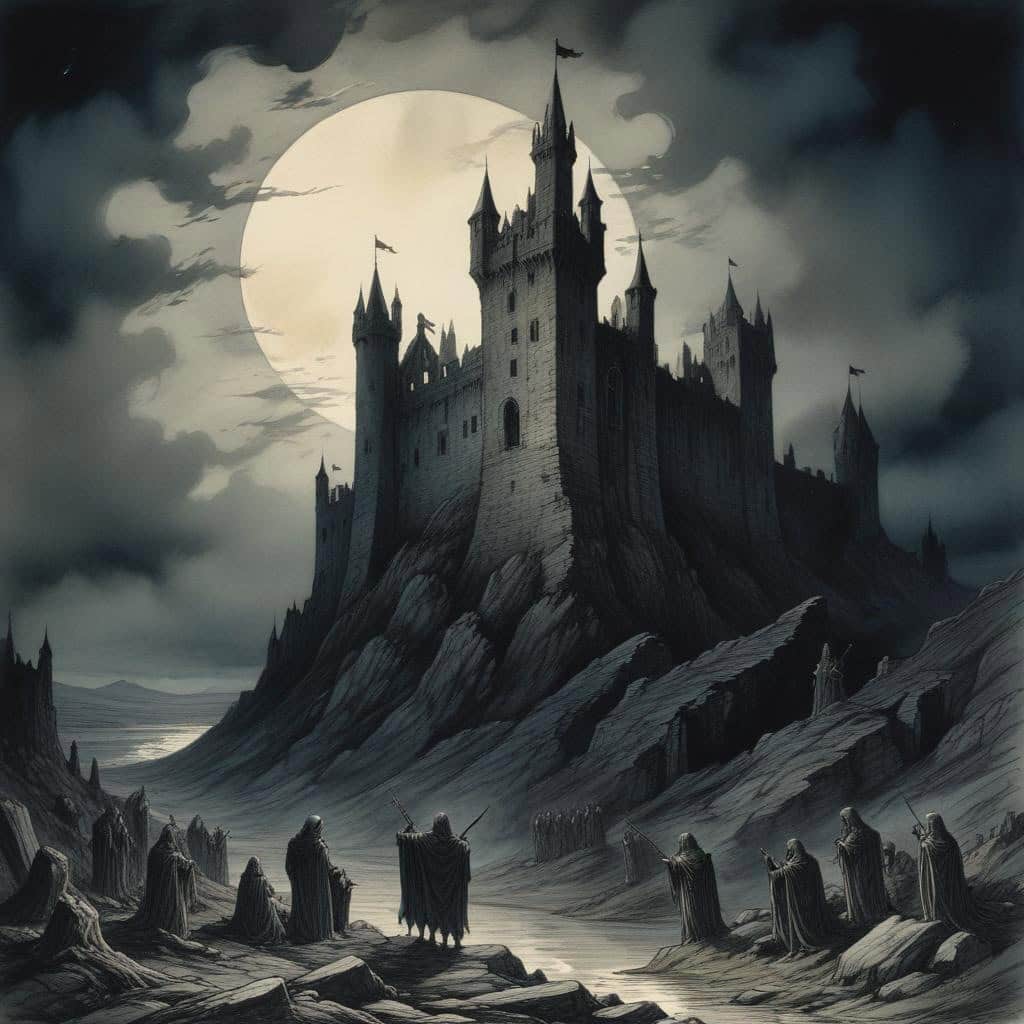
2. Banshees
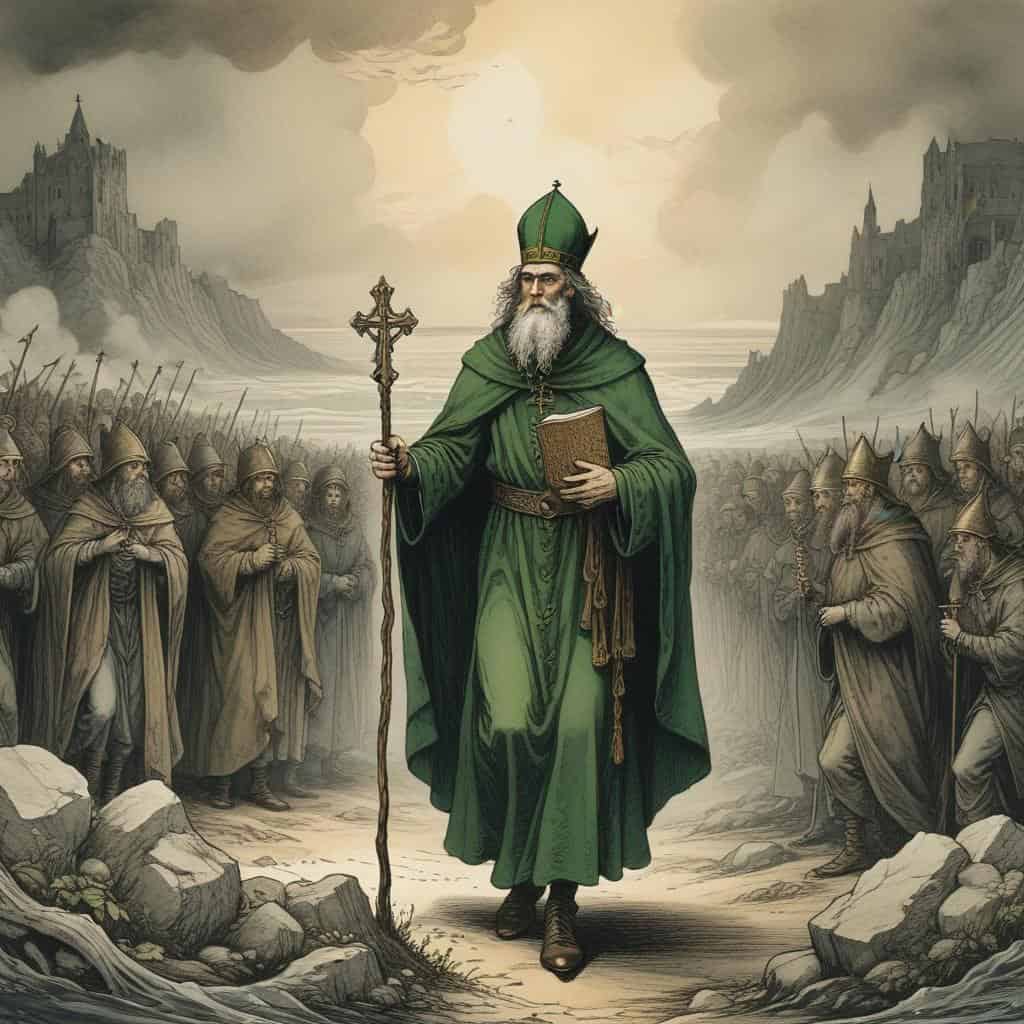
3. Saint Patrick

4. Cu Chulainn
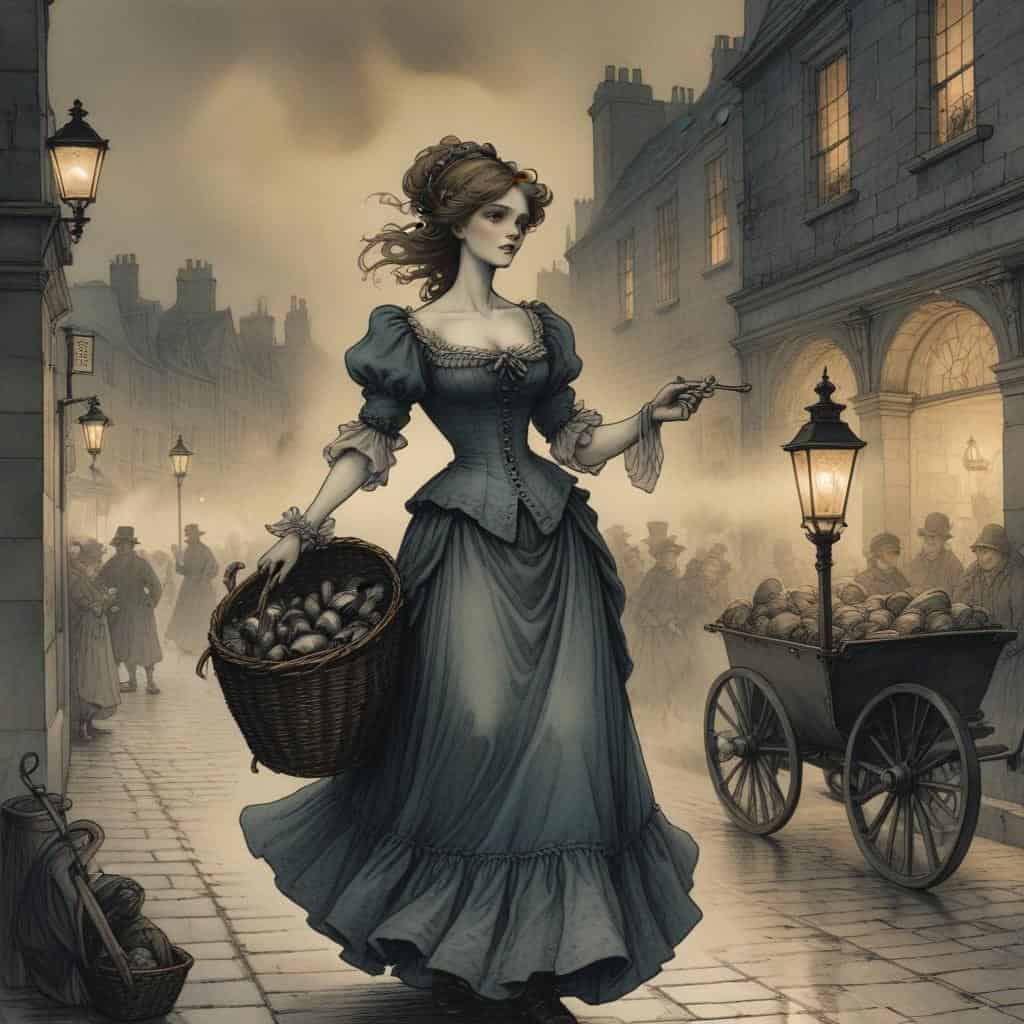
5. Molly Malone
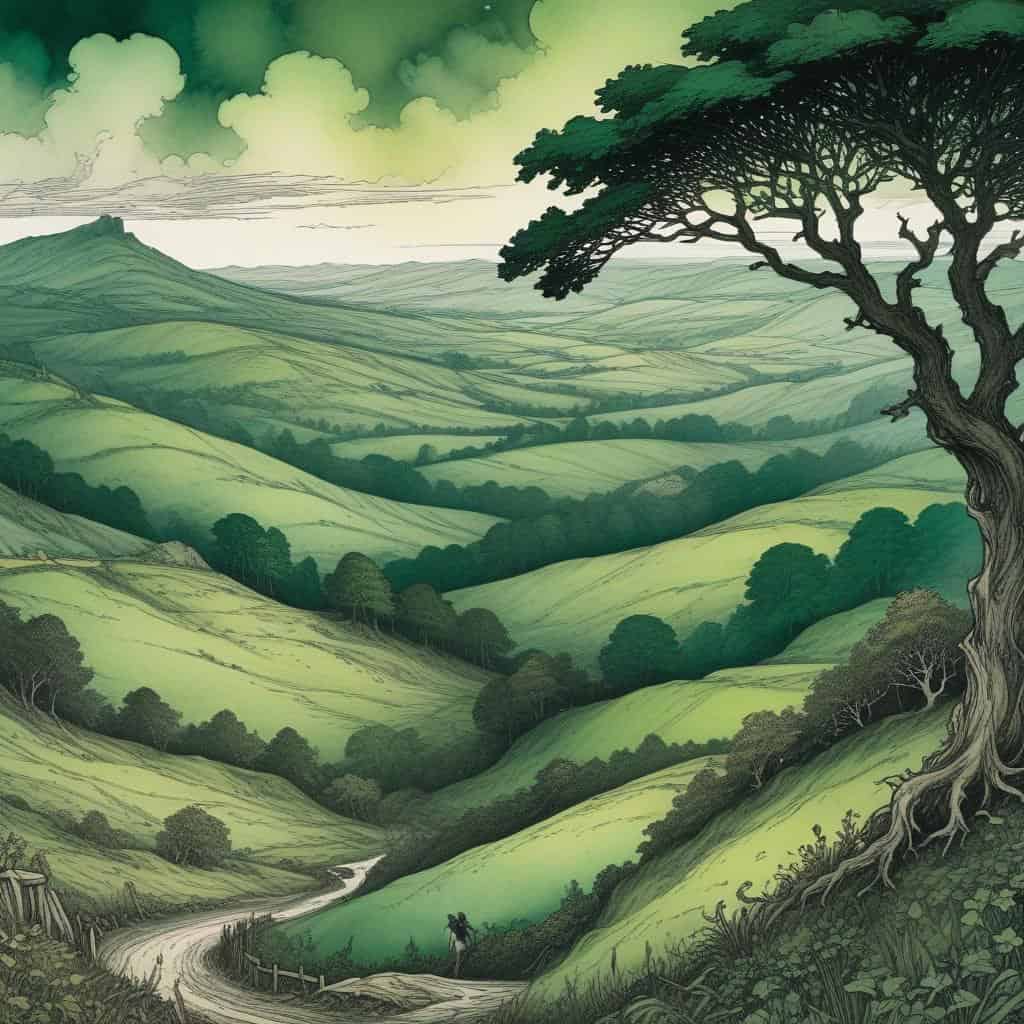
1. The Land of Lush Greenery

2. Rich History and Culture
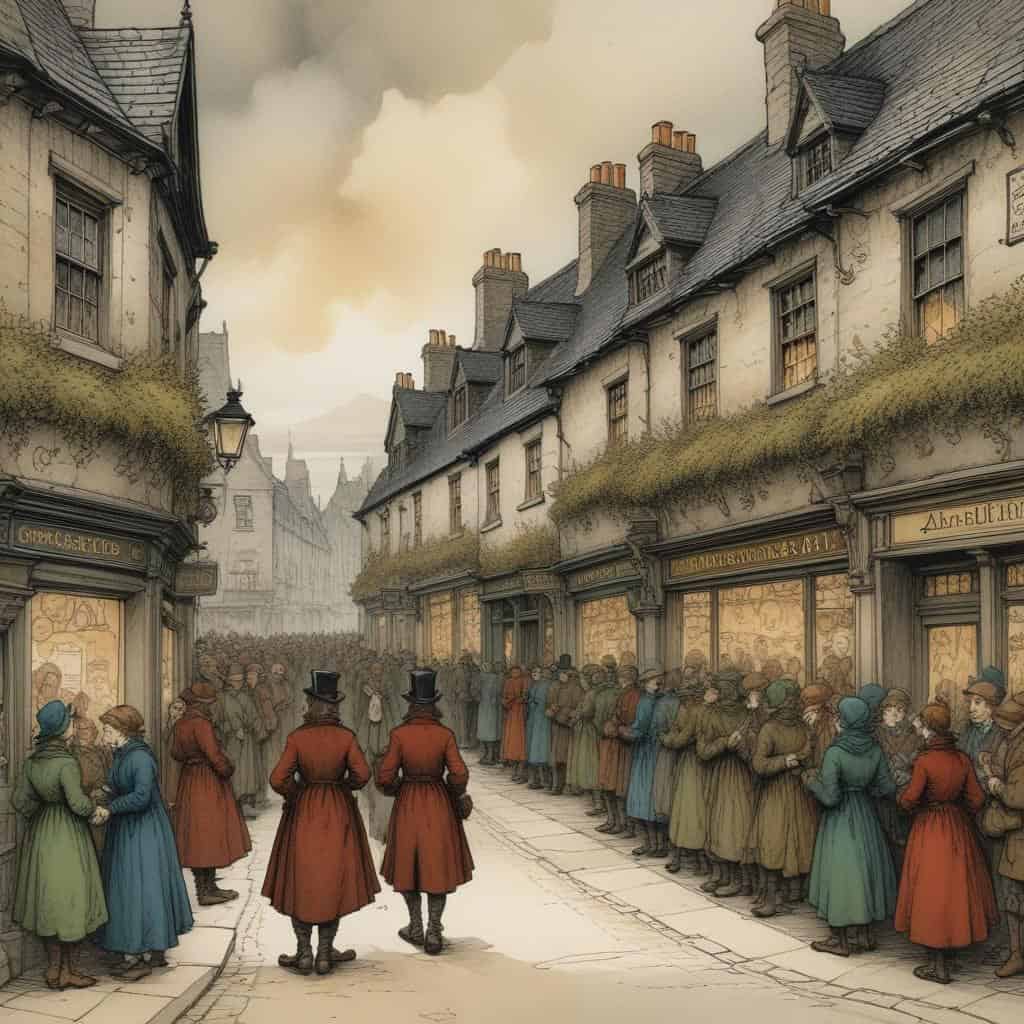
3. Warm and Welcoming People

4. Vibrant Music and Dance
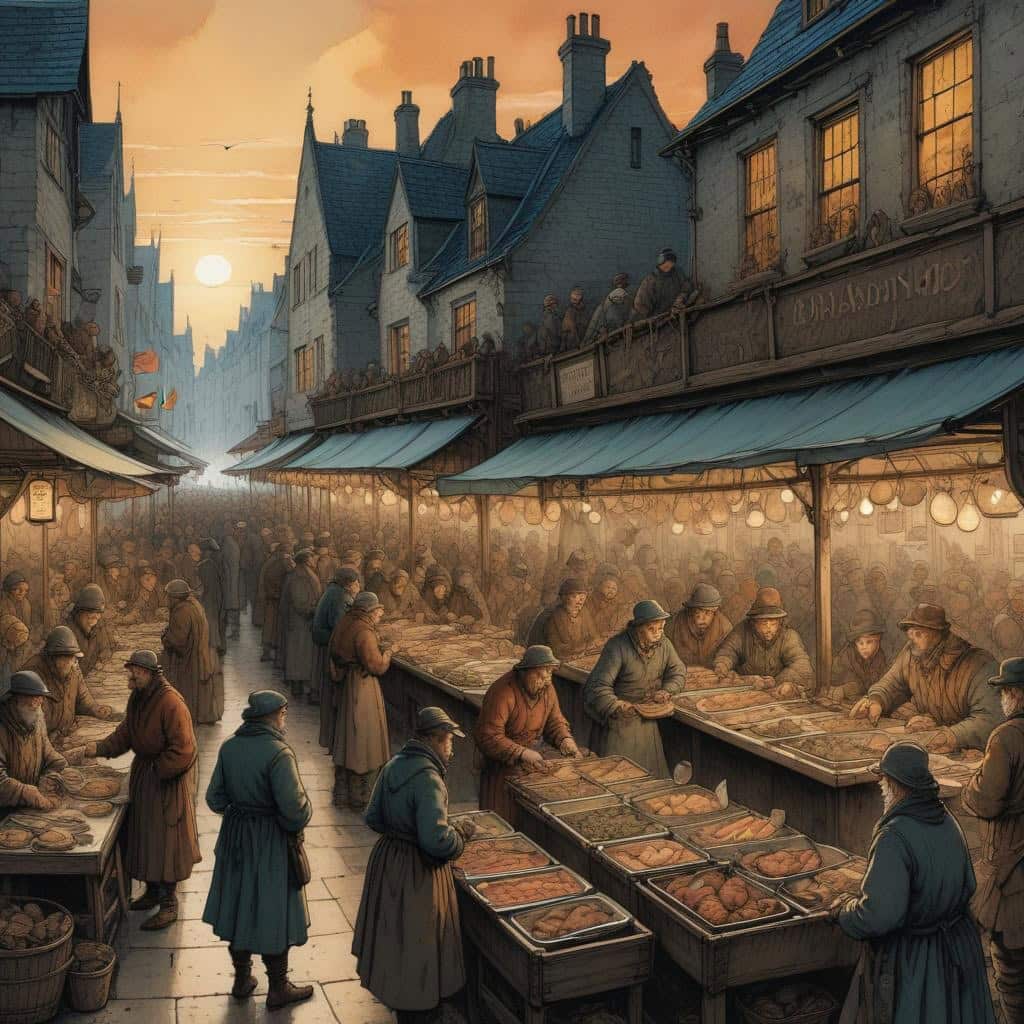
5. Culinary Delights
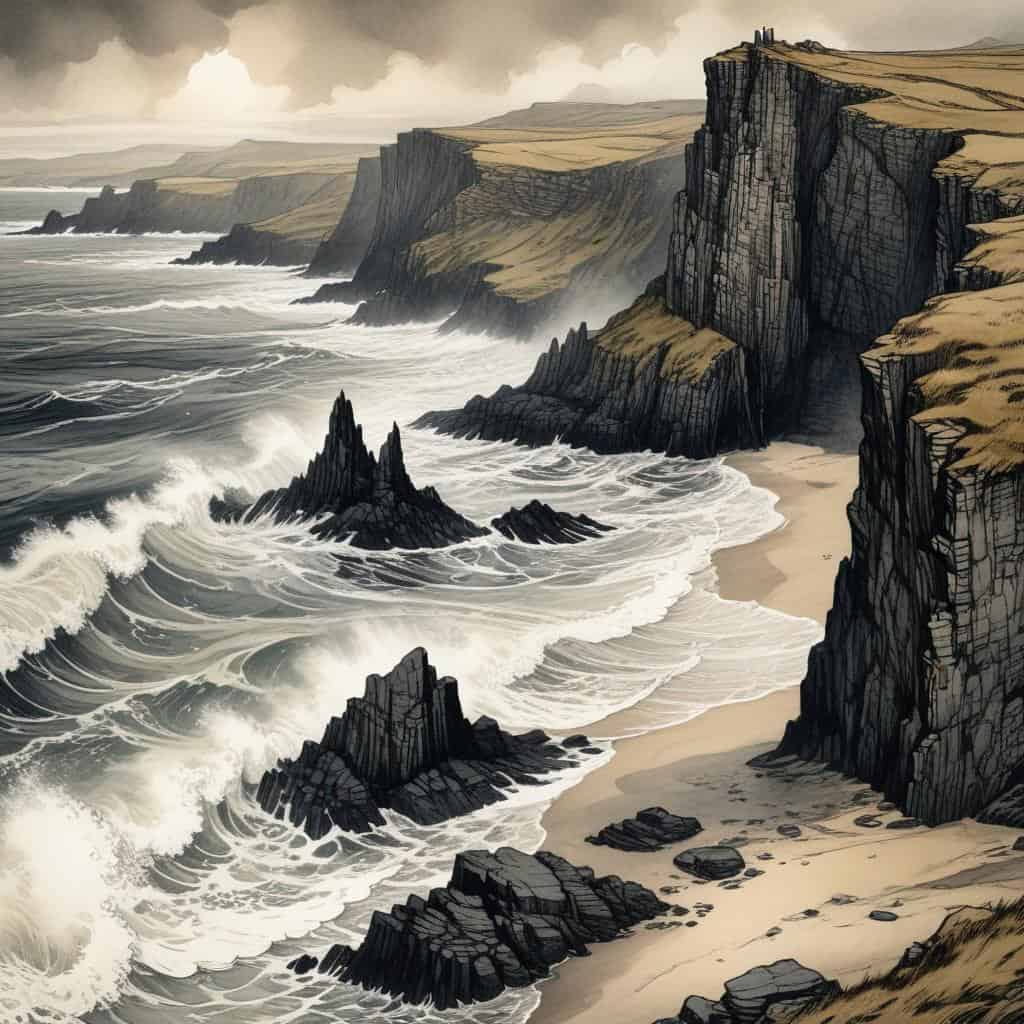
6. The Wild Atlantic Way

7. Ancient Castles and Ruins
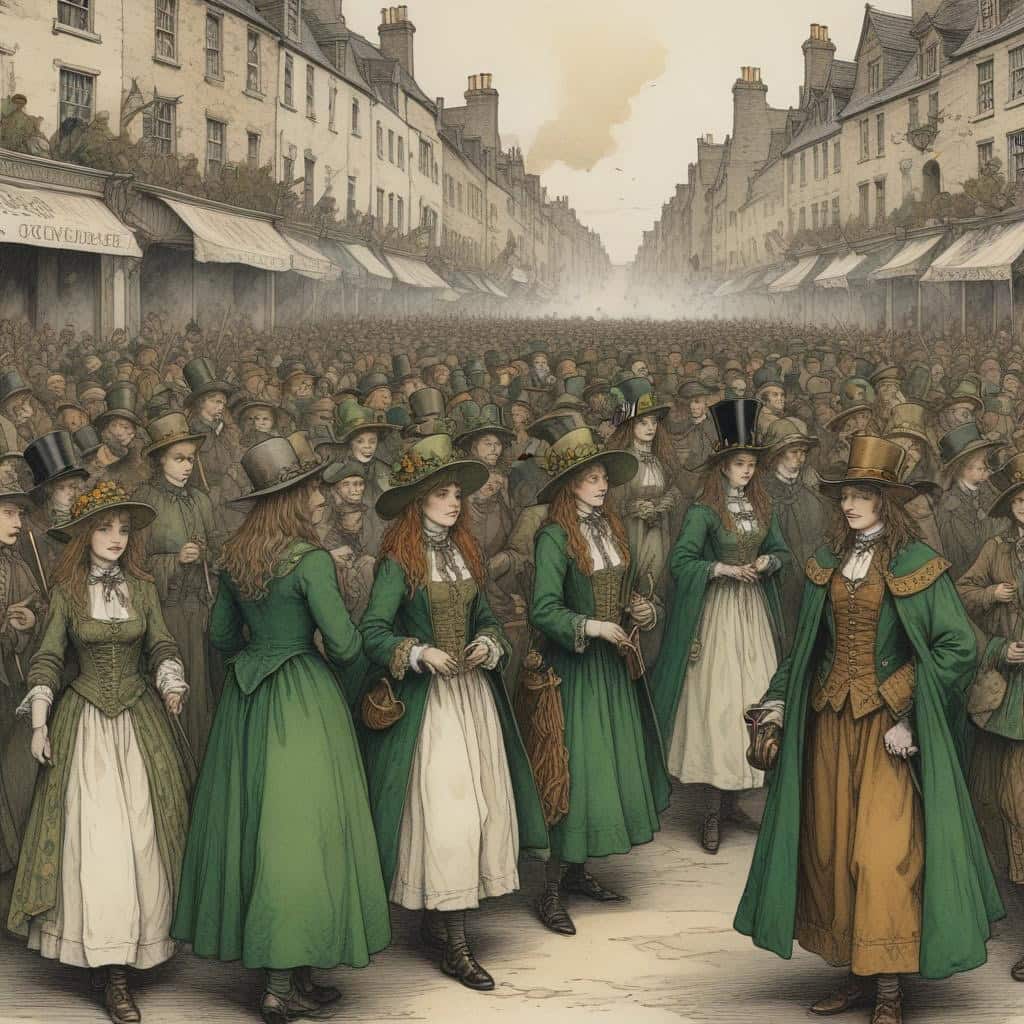
8. Festivals and Celebrations
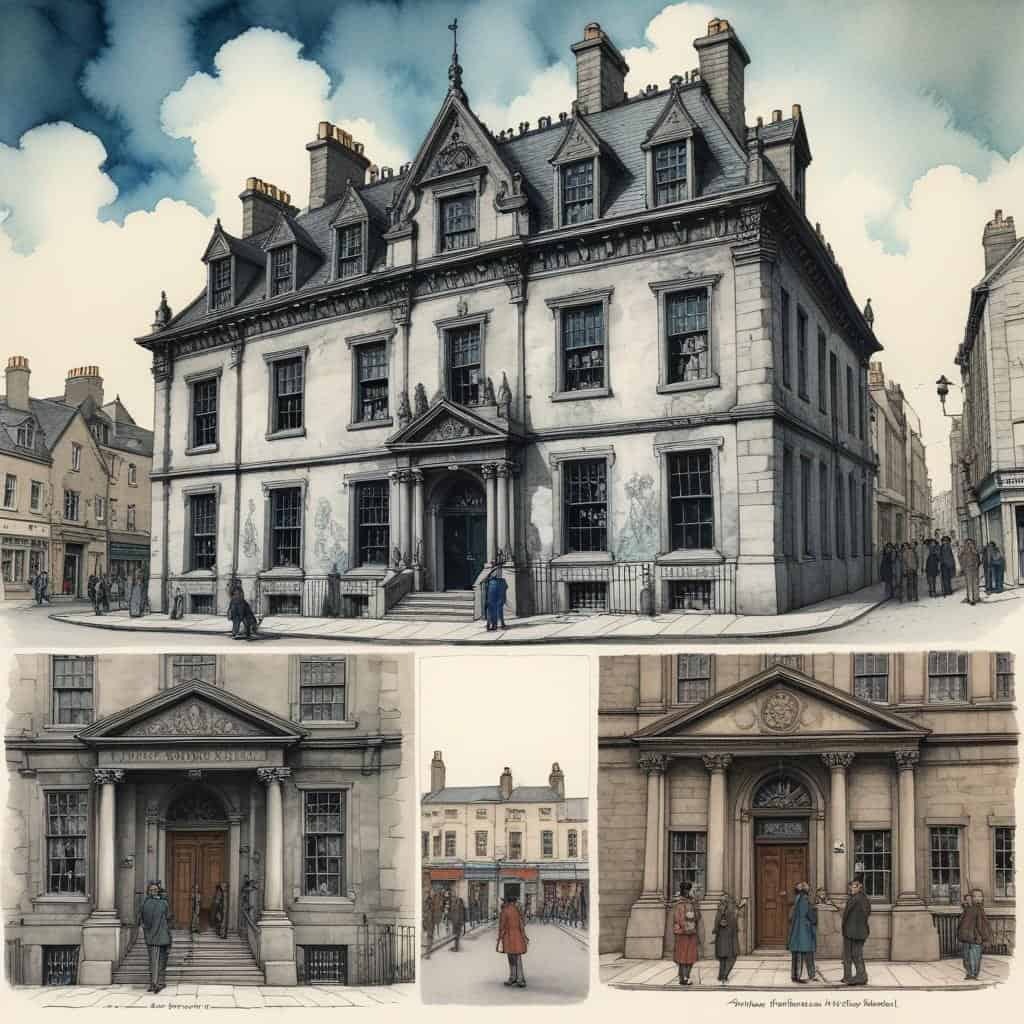
9. Literary Legacy

10. Magical Legends and Folklore
In a Nutshell
- Capital: Dublin
- Population: Approx. 4.9 million (2021)
- Official Language: Irish
- Currency: Euro (EUR)
Breaking Down the Country
Stunning Landscapes
From the iconic Cliffs of Moher to the serene beauty of the Ring of Kerry, Ireland's landscapes are a photographer's dream.
Celtic Heritage
Explore the rich Celtic heritage of Ireland through its ancient sites, myths, legends, and traditional music and dance.
Gastronomic Delights
Indulge in the culinary delights of Ireland, from hearty Irish stew and seafood chowder to the perfect pint of Guinness.
Timeline of Ireland
Vikings begin raiding Ireland
Brian Boru becomes High King of Ireland
Norman invasion of Ireland
First Irish Parliament established
Great Famine in Ireland
Easter Rising against British rule
Irish War of Independence
Formation of the Irish Free State
Irish Civil War
Ireland officially becomes a Republic
Bloody Sunday in Northern Ireland
Good Friday Agreement signed
Ireland adopts the Euro currency
Irish financial crisis
Marriage equality referendum in Ireland
Ireland legalizes abortion
Brexit referendum in the UK
COVID-19 pandemic reaches Ireland
Ireland becomes first country to legalize same-sex marriage by popular vote
Irish government announces plans to phase out peat burning for electricity
Vocabulary List
- Craic
- The locals in Ireland always know where to find the best craic (fun) in town.
- Gaelic
- Irish Gaelic is one of the official languages of Ireland.
- Claddagh
- The Claddagh ring is a traditional Irish ring representing love, loyalty, and friendship.
- Shamrock
- The shamrock is a symbol of Ireland and is often associated with St. Patrick's Day.
- Guinness
- Guinness is a famous Irish stout beer that originated in Dublin.
- Leprechaun
- Leprechauns are mythical creatures in Irish folklore known for their mischievous behavior and pots of gold.
- Irish Whiskey
- Irish whiskey is a type of whiskey that is distilled and produced in Ireland.
- Ceilidh
- A ceilidh is a traditional Irish or Scottish social gathering involving music and dancing.
- Aran Sweater
- Aran sweaters are traditional Irish sweaters that originated from the Aran Islands.
- Irish Coffee
- Irish coffee is a cocktail made with coffee, Irish whiskey, sugar, and cream, often topped with a sprinkle of nutmeg.
Key Facts
This is the information used in the fact matching game
- Ireland is known as the Emerald Isle because of its lush green landscapes.
- The harp is the national symbol of Ireland.
- St. Patrick, the patron saint of Ireland, is celebrated on March 17th with parades and festivals.
- Ireland is the third largest island in Europe.
- The official language of Ireland is Irish, also known as Gaelic.
- Dublin is the capital city of Ireland.
- The Cliffs of Moher are one of Ireland's most famous natural attractions.
- The Titanic was built in Belfast, Northern Ireland.
- The shamrock is a symbol of Ireland and is said to have been used by St. Patrick to explain the concept of the Holy Trinity.
- The Giant's Causeway is a UNESCO World Heritage Site located in Northern Ireland.
- Ireland has its own unique sports, including Gaelic football and hurling.
- The Book of Kells, an illuminated manuscript Gospel book, is housed in Trinity College Dublin.
- The Irish flag features three colors: green, white, and orange, symbolizing peace between Catholics and Protestants.
- The Blarney Stone, located at Blarney Castle, is said to give the gift of eloquence to those who kiss it.
- Irish whiskey is one of Ireland's most famous exports.
- The Great Famine, also known as the Potato Famine, resulted in the deaths of approximately one million people in Ireland.
- The Claddagh ring is a traditional Irish ring that represents love, loyalty, and friendship.
- Ireland has produced many famous writers, including James Joyce, Oscar Wilde, and W.B. Yeats.
- The Giant's Causeway is made up of about 40,000 interlocking basalt columns, the result of an ancient volcanic eruption.
- Ireland is home to numerous ancient castles and ruins, such as the Rock of Cashel and Dunluce Castle.
Why It Matters
Geopolitical Significance
Ireland’s geopolitical significance lies in its location as an island nation in the North Atlantic. Its proximity to the United Kingdom has historically influenced its relationships with other European powers, particularly during periods of conflict and colonization. Ireland’s position as a member of the European Union also shapes its role in regional politics and trade.
Historical Importance
Ireland’s history is marked by centuries of struggle for independence from British rule, leading to the formation of the Republic of Ireland in 1922. The country’s rich cultural heritage, including its language, music, and literature, has played a significant role in shaping its national identity and global reputation.
Modern-Day Role
Today, Ireland is a vibrant, modern democracy with a strong economy driven by industries such as technology, pharmaceuticals, and agriculture. As a member of the European Union and a neutral country, Ireland continues to play a key role in international diplomacy, peacekeeping, and human rights advocacy.
Ireland Games


Take Your Learning Offline
Want a convenient, print-ready study guide for this lesson? Become a Memory Wizards Pro member to unlock the downloadable " Memory Scrolls" for this topic and our entire library!
- ✓ Complete Vocabulary Lists
- ✓ Key Facts & Timelines
- ✓ Beautifully Formatted for Print & Mobile