
How Do You Learn Best?
Learn by Reading
Immerse yourself in the 10-minute visual lesson for a comprehensive understanding of the topic.
Learn by Reviewing
Jump directly to the key facts, timeline, and vocabulary lists to build a solid foundation of details.
Learn by Doing
Challenge yourself! Jump straight into the interactive games to learn by trial, error, and discovery.
Iceland in 10 Minutes
Introduction
Leif Erikson
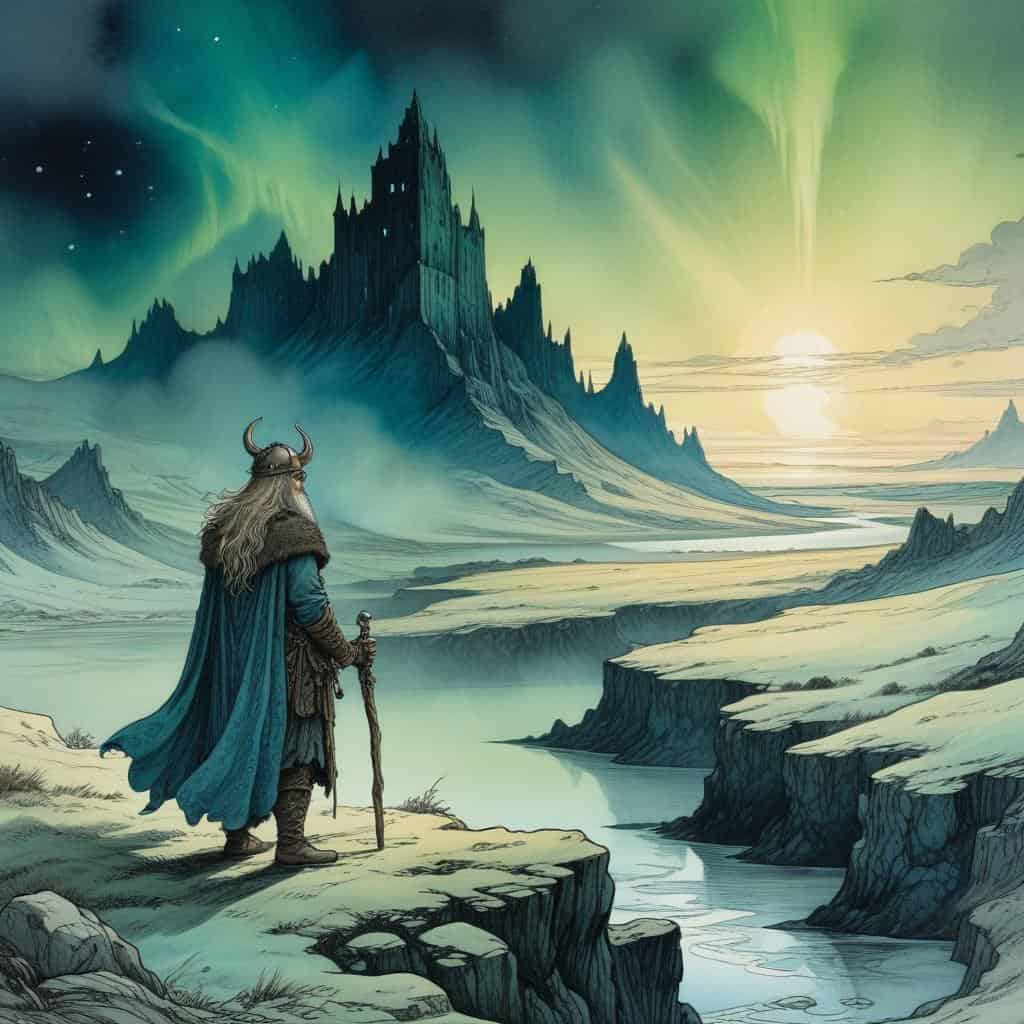
Snorri Sturluson
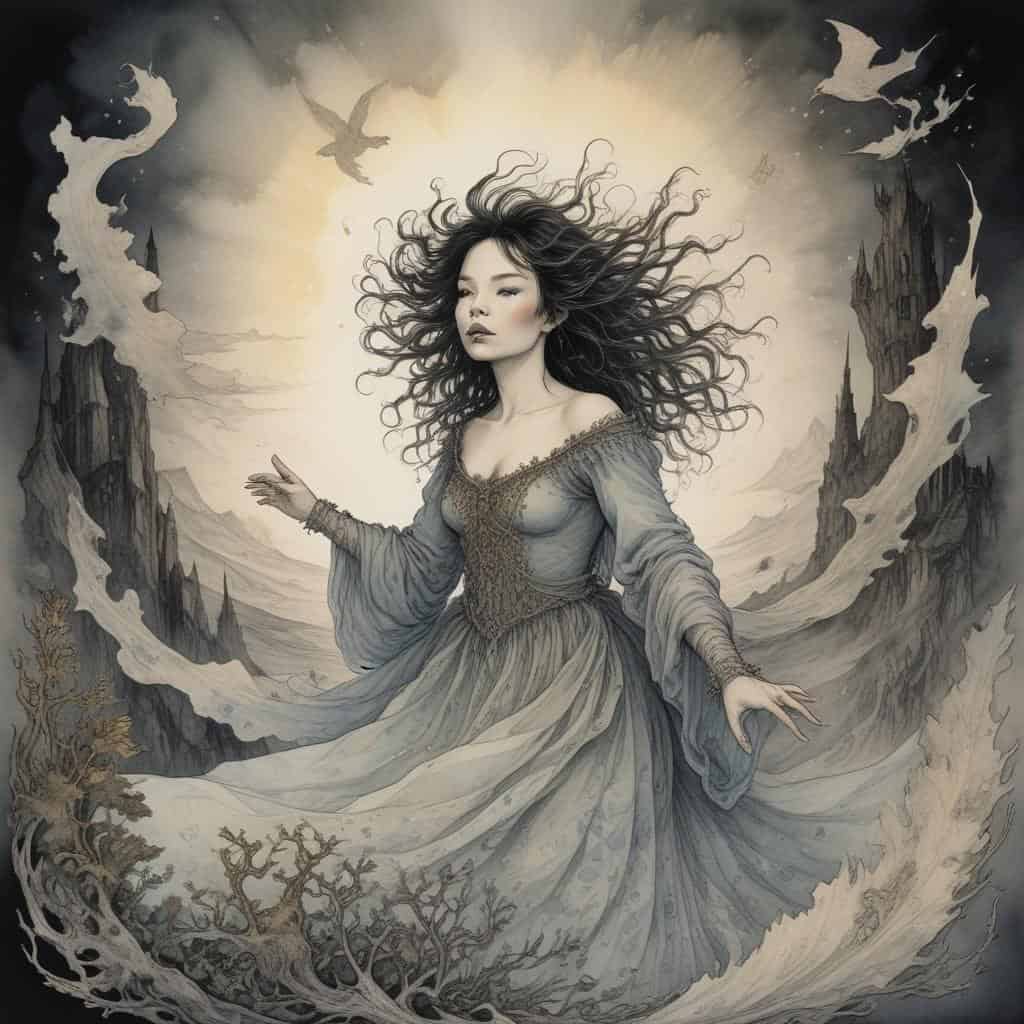
Björk

Jón Gnarr
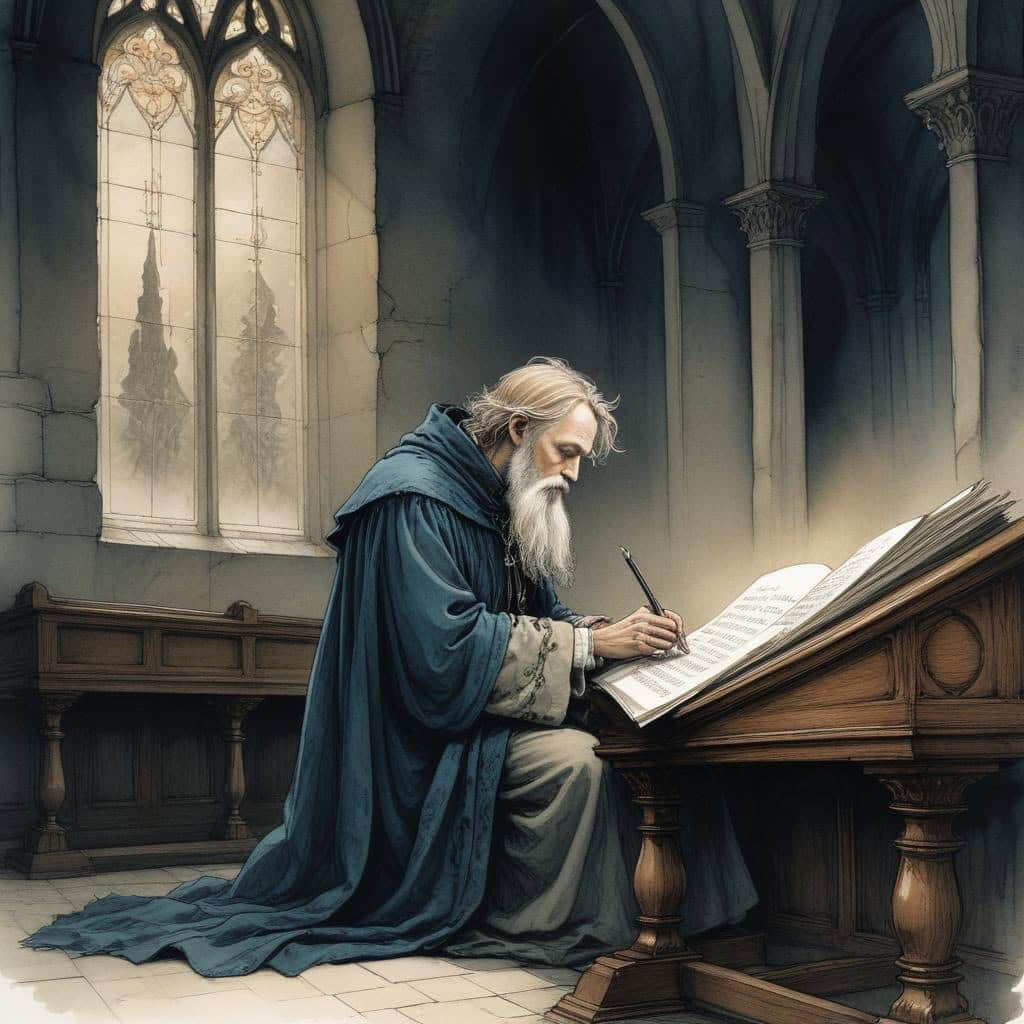
Hallgrímur Pétursson
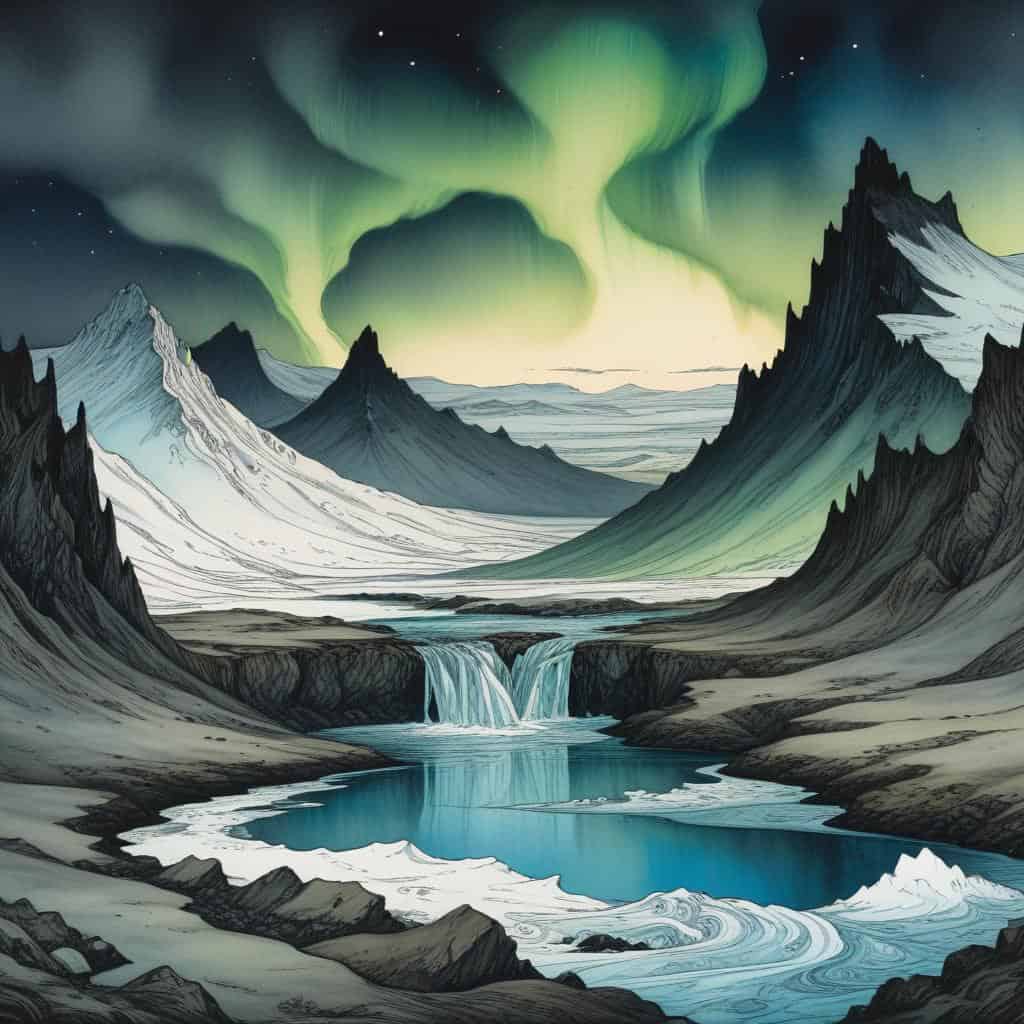
Icelandic Nature
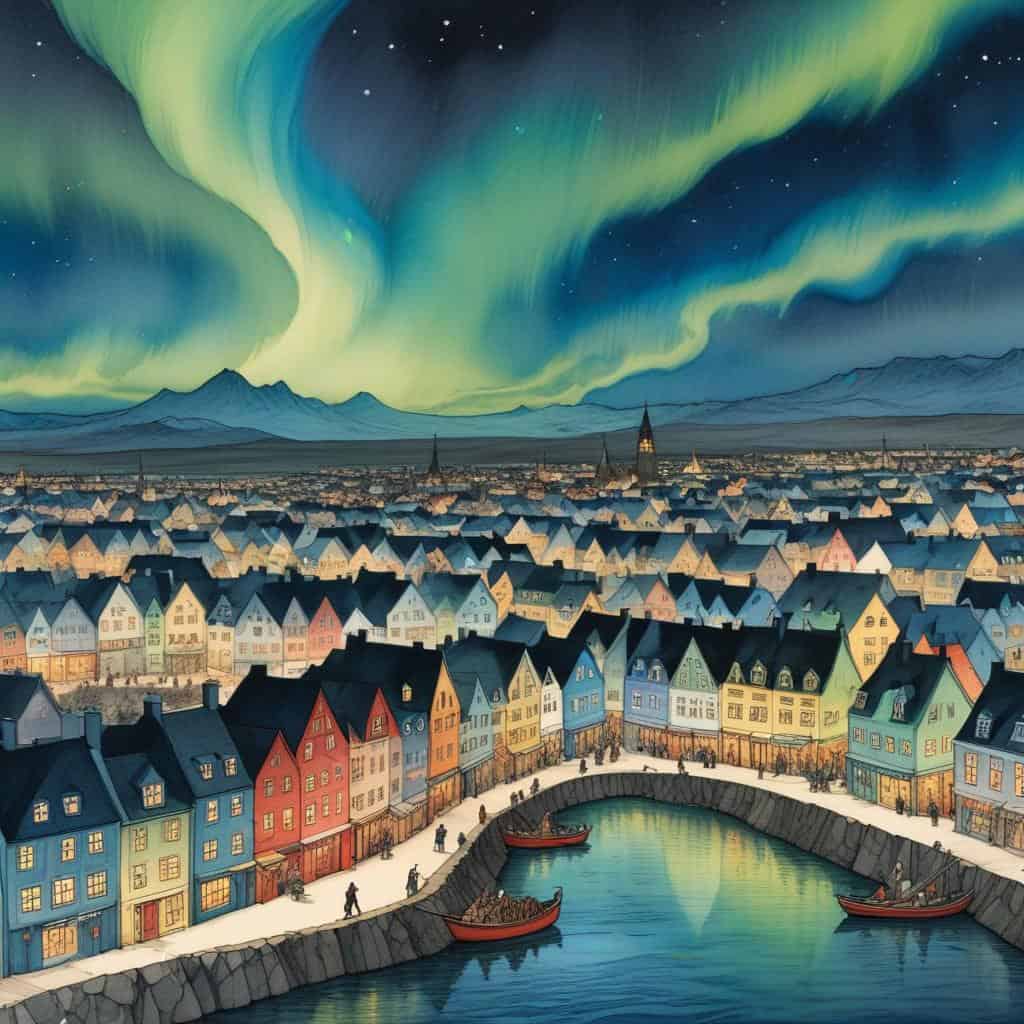
Reykjavik
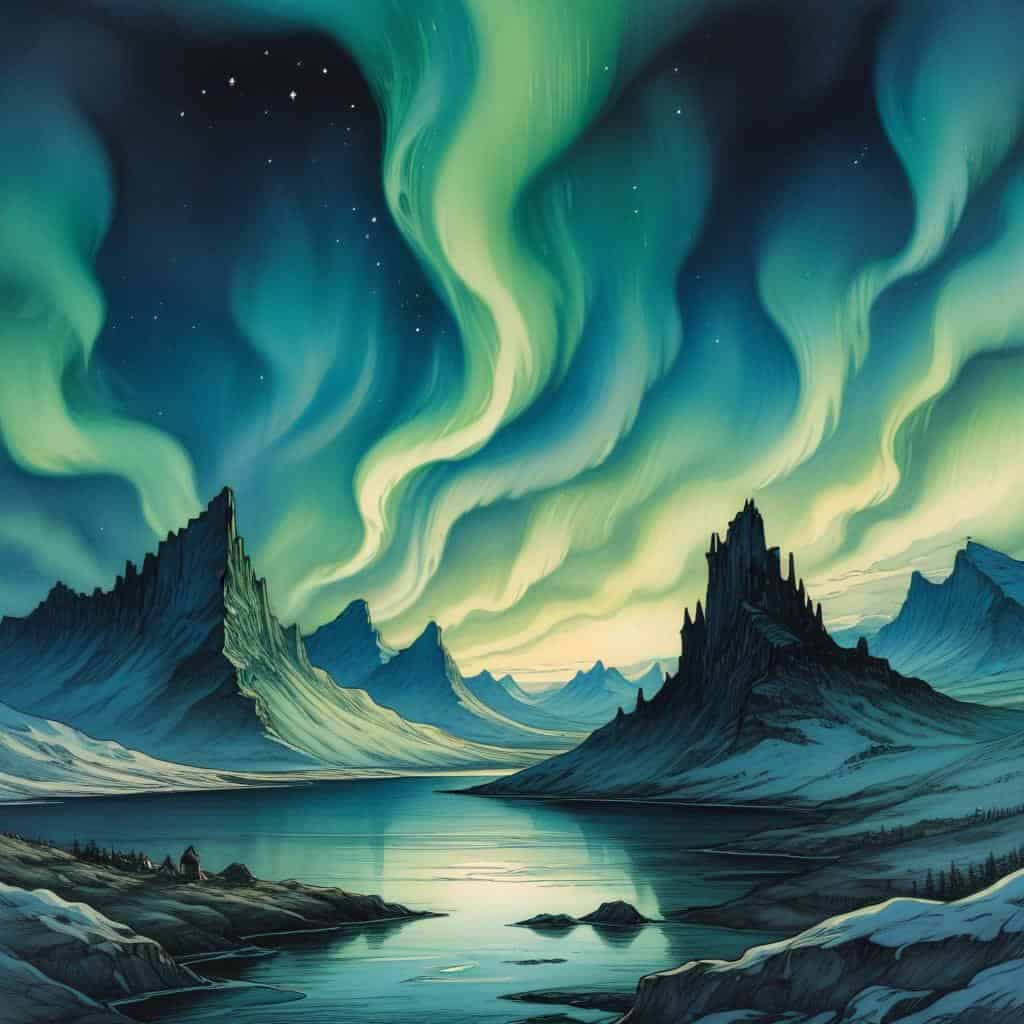
Northern Lights
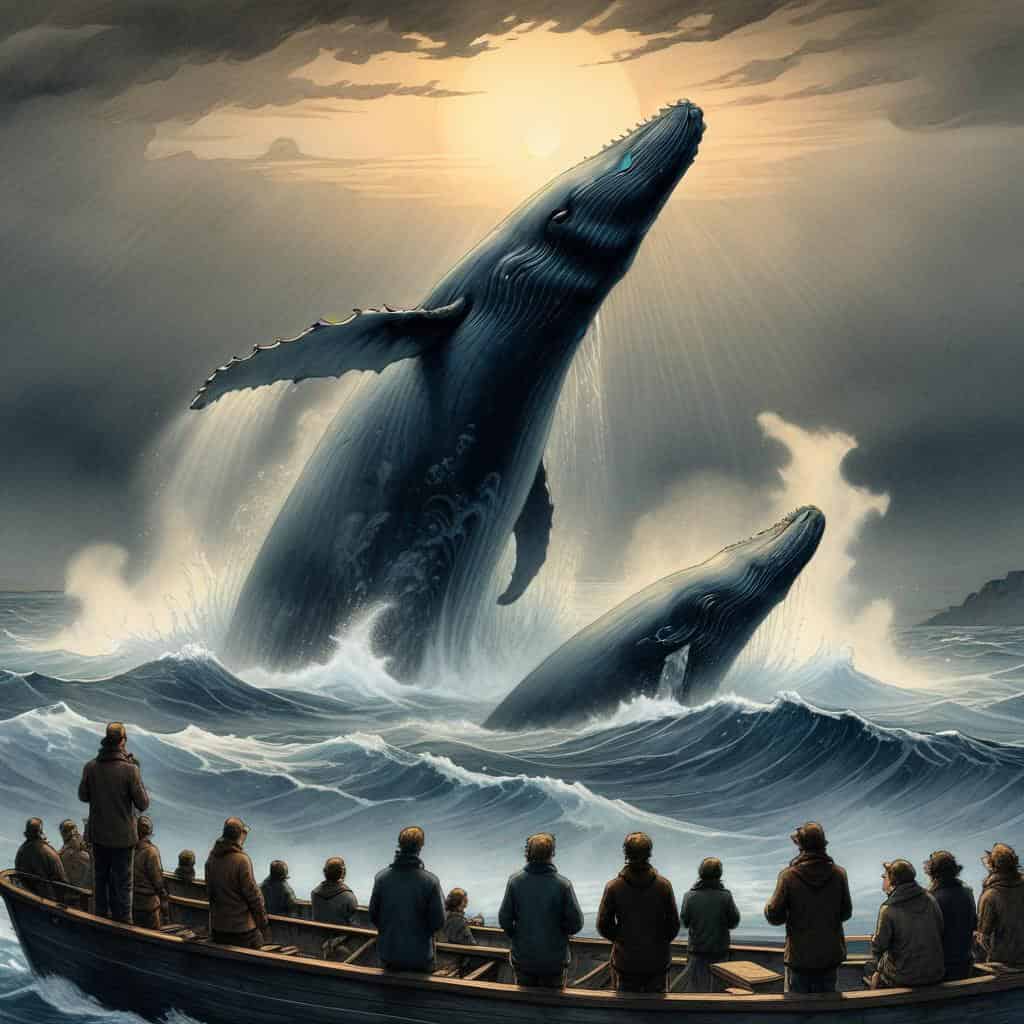
Whale Watching
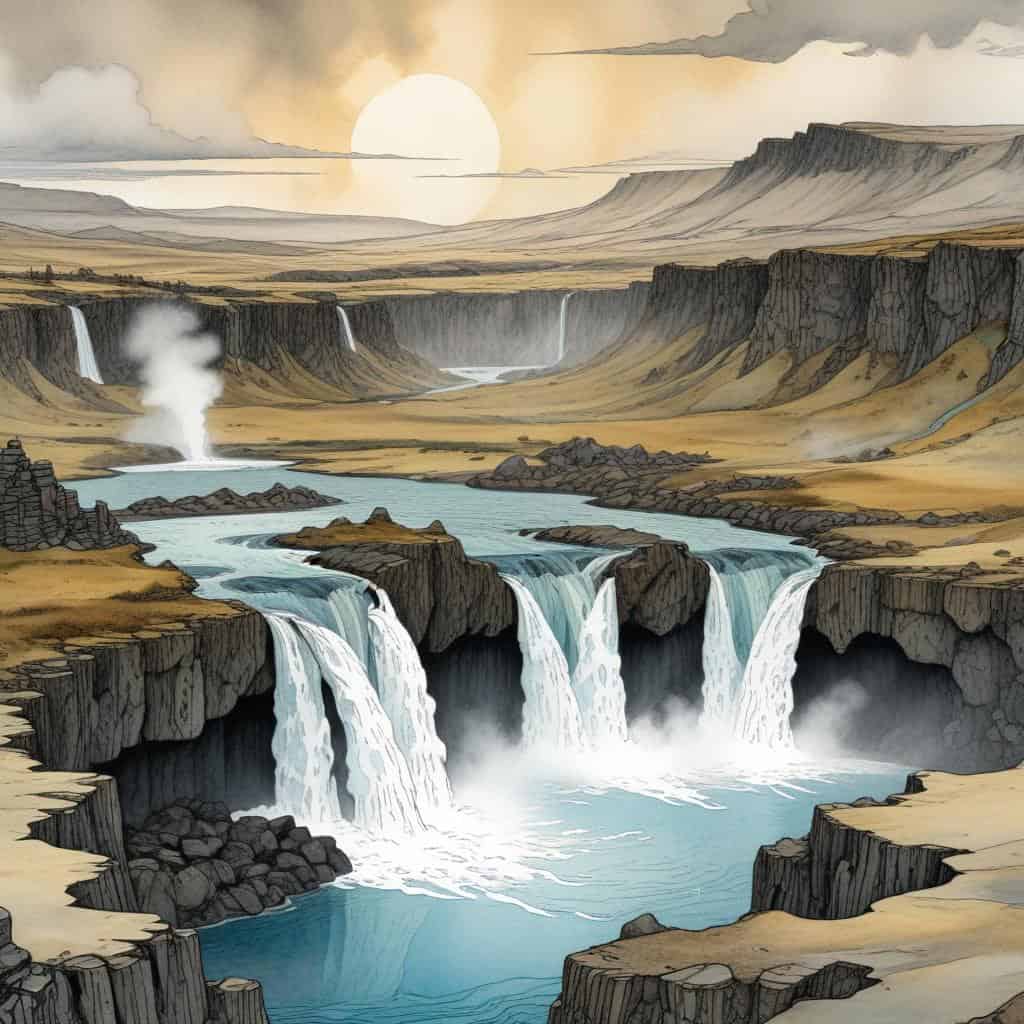
Golden Circle
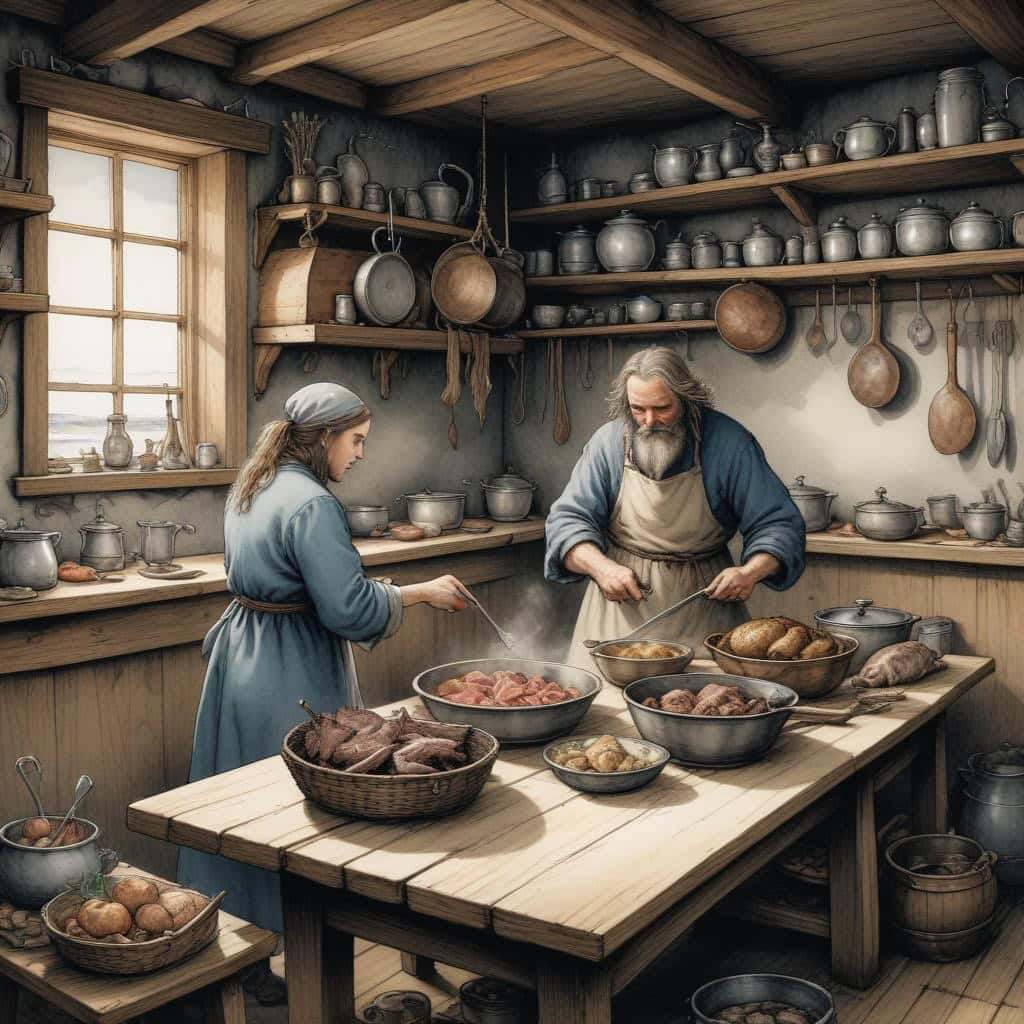
Icelandic Cuisine
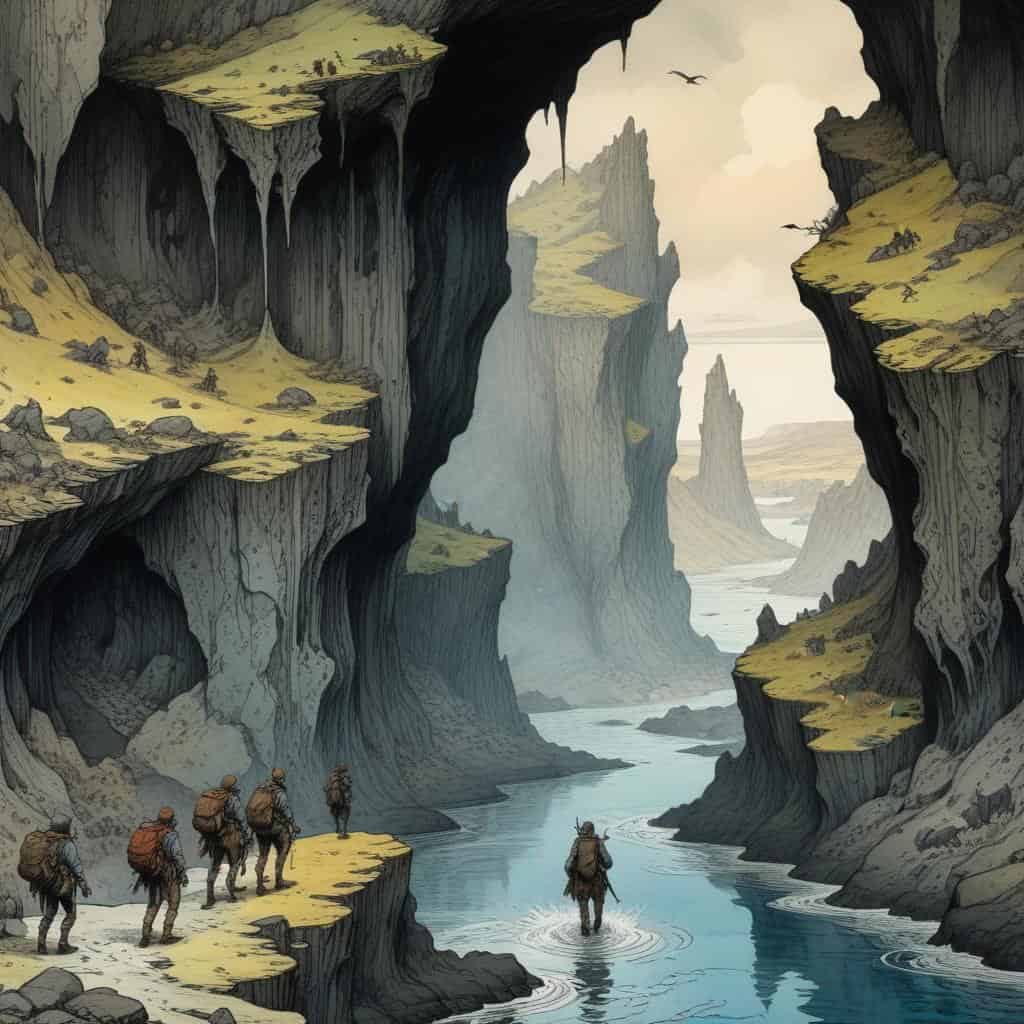
Outdoor Activities
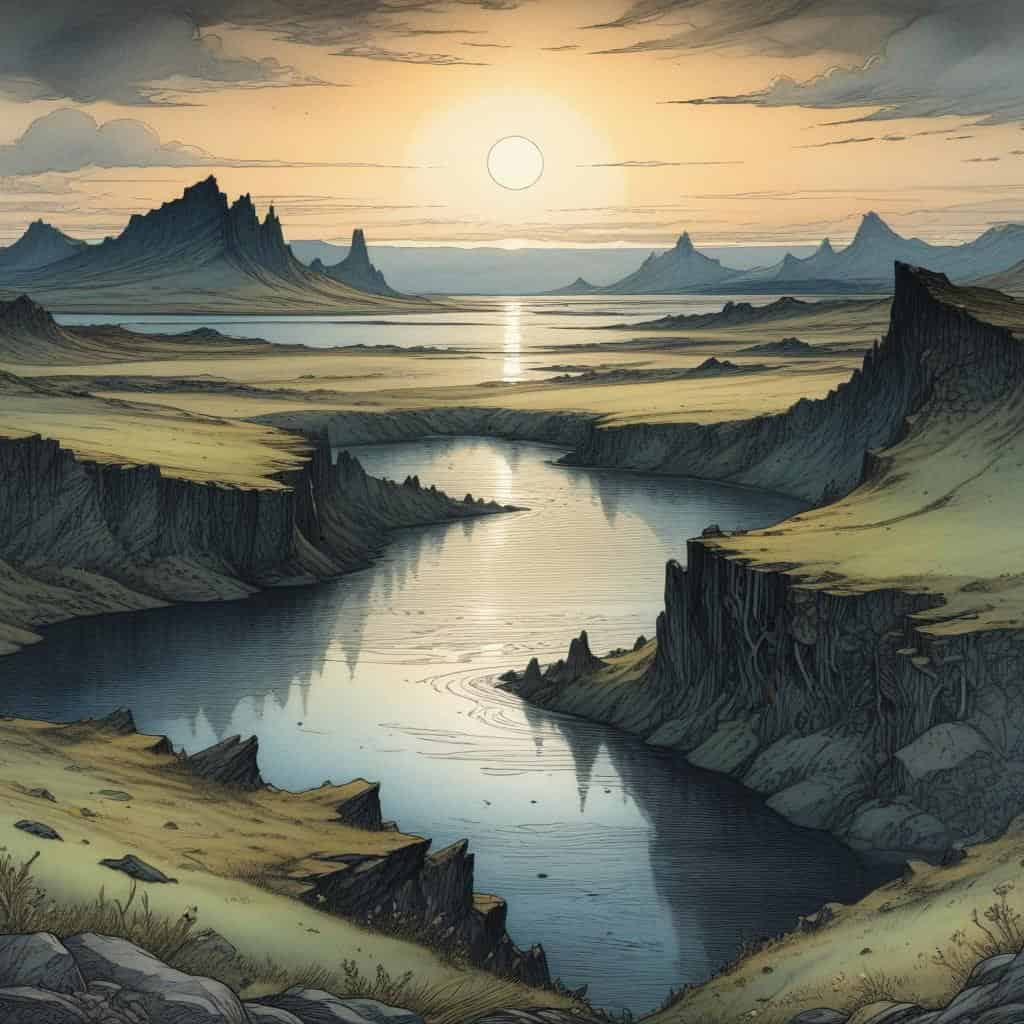
Summer Solstice
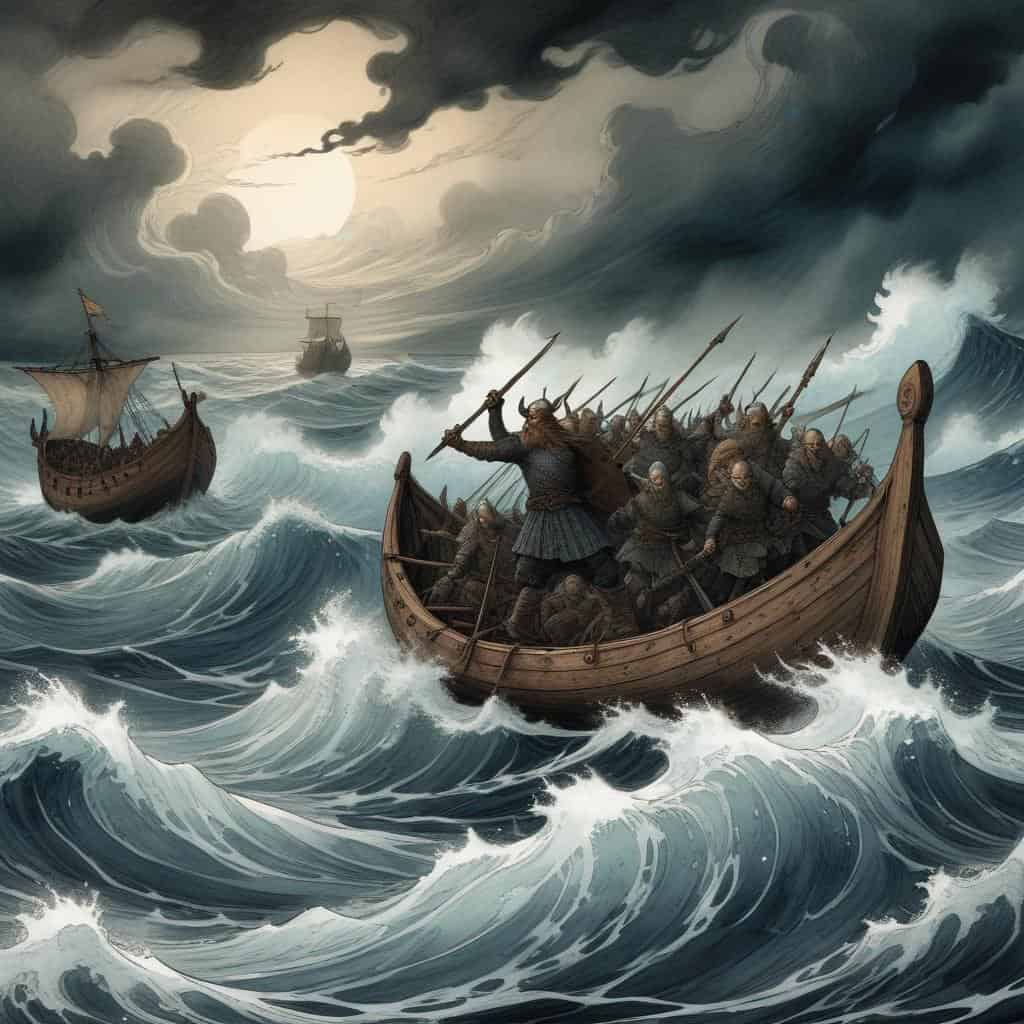
Icelandic Sagas
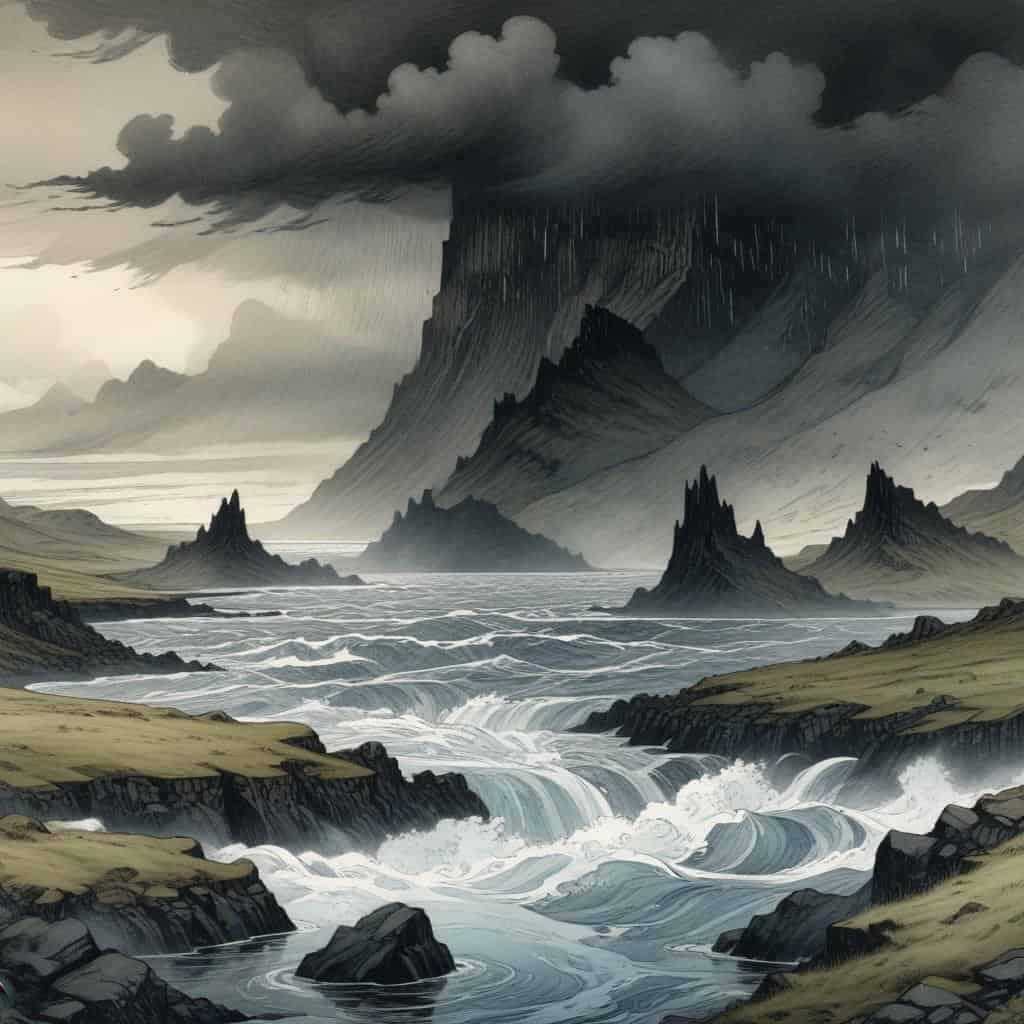
Climate
In a Nutshell
- Capital: Reykjavik
- Population: Approx. 364,260 (2021)
- Official Language: Icelandic
- Currency: Icelandic Krona (ISK)
Breaking Down the Country
Unique Landscapes
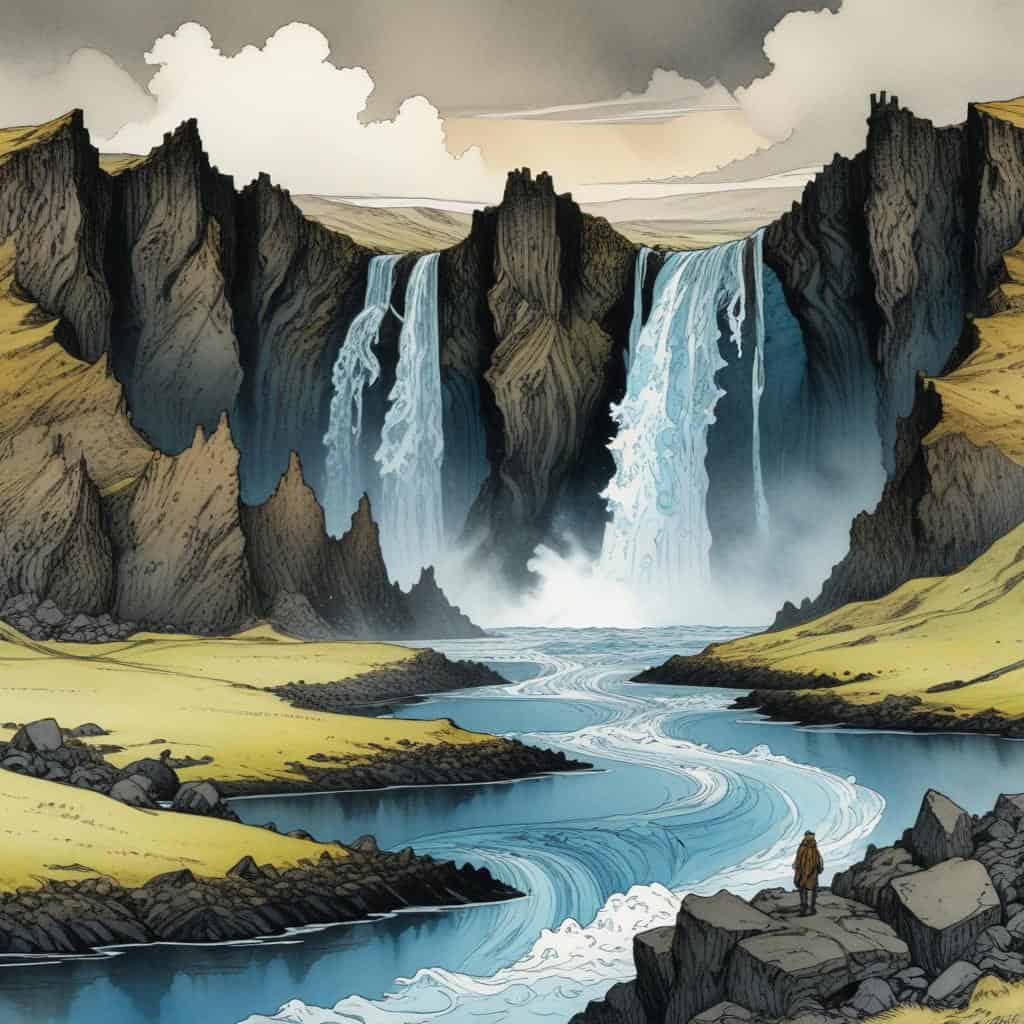
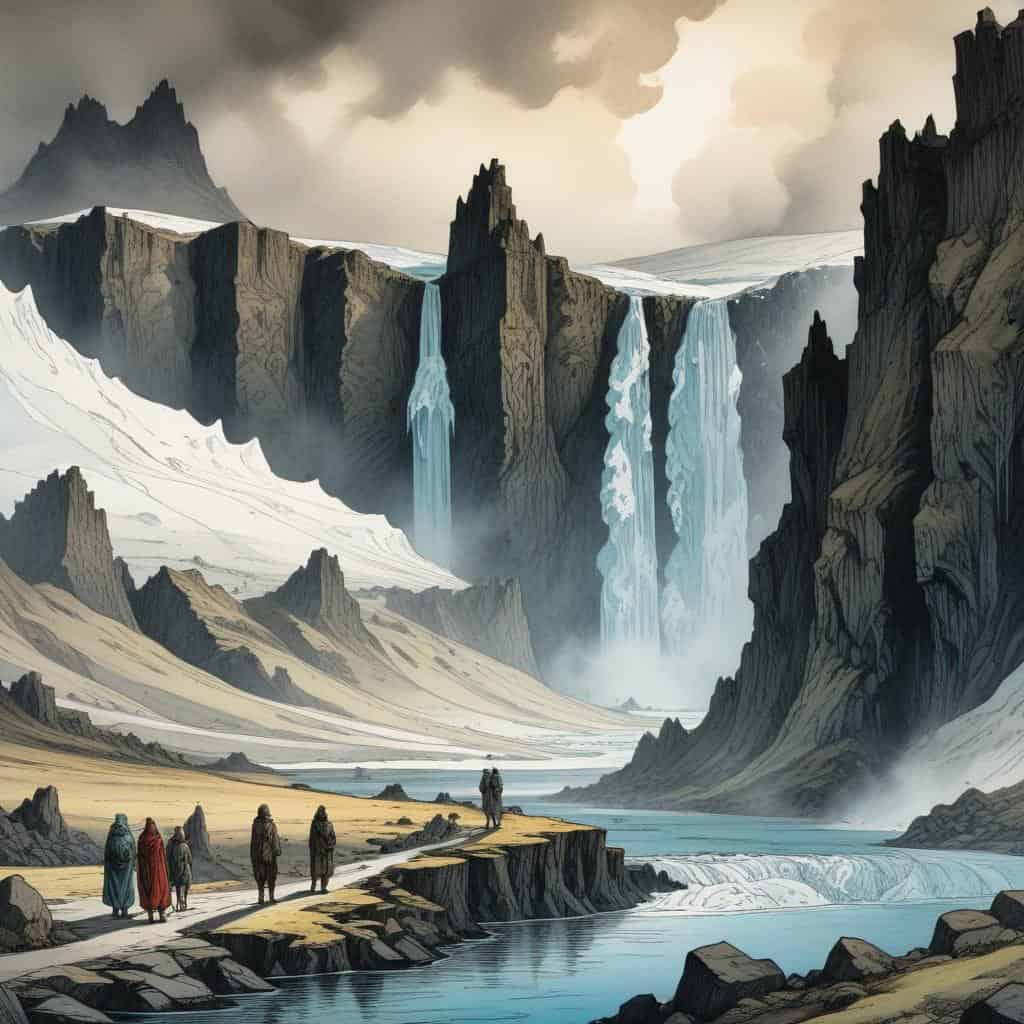
Iceland boasts dramatic volcanoes, geysers, and glaciers, making it a land of fire and ice unlike anywhere else.
Viking Heritage
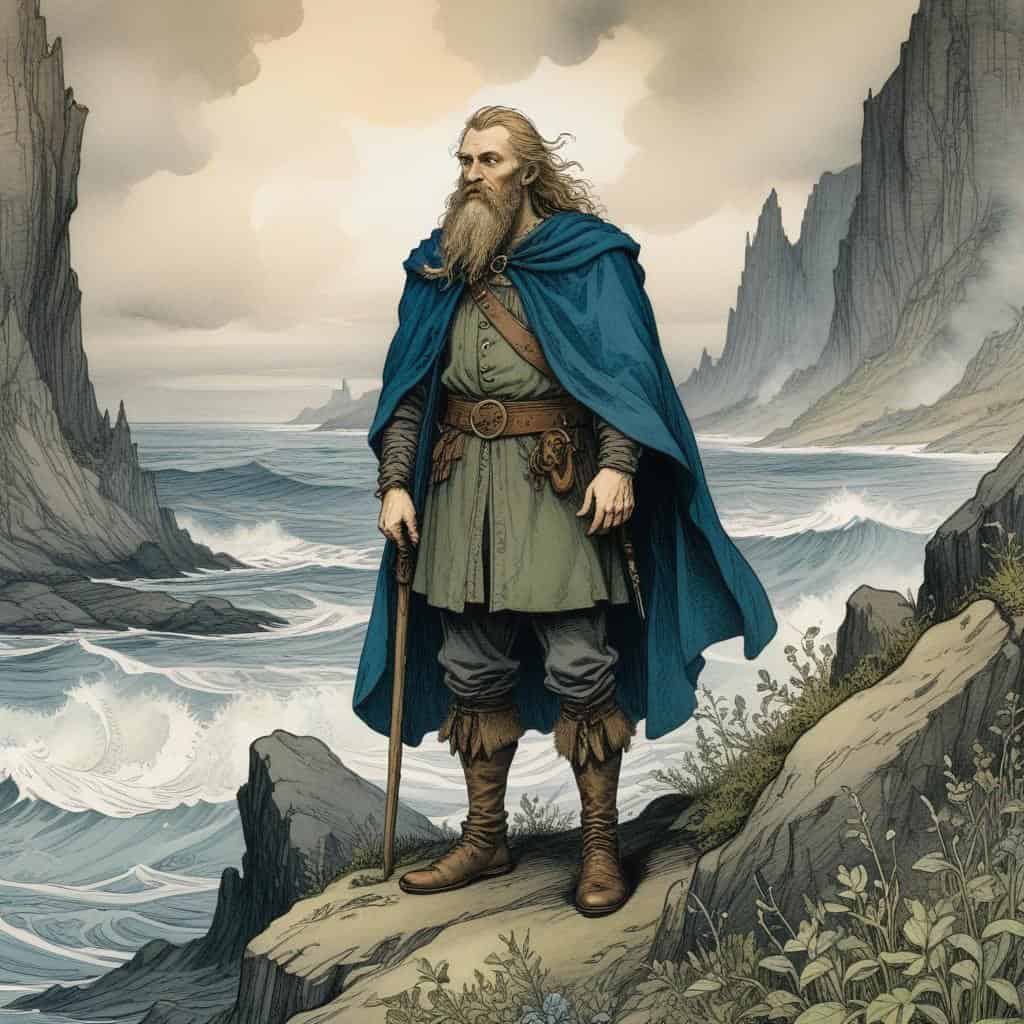
Discover the rich history of Iceland's Viking settlers, their sagas, and the enduring influence of Norse mythology.
Northern Lights
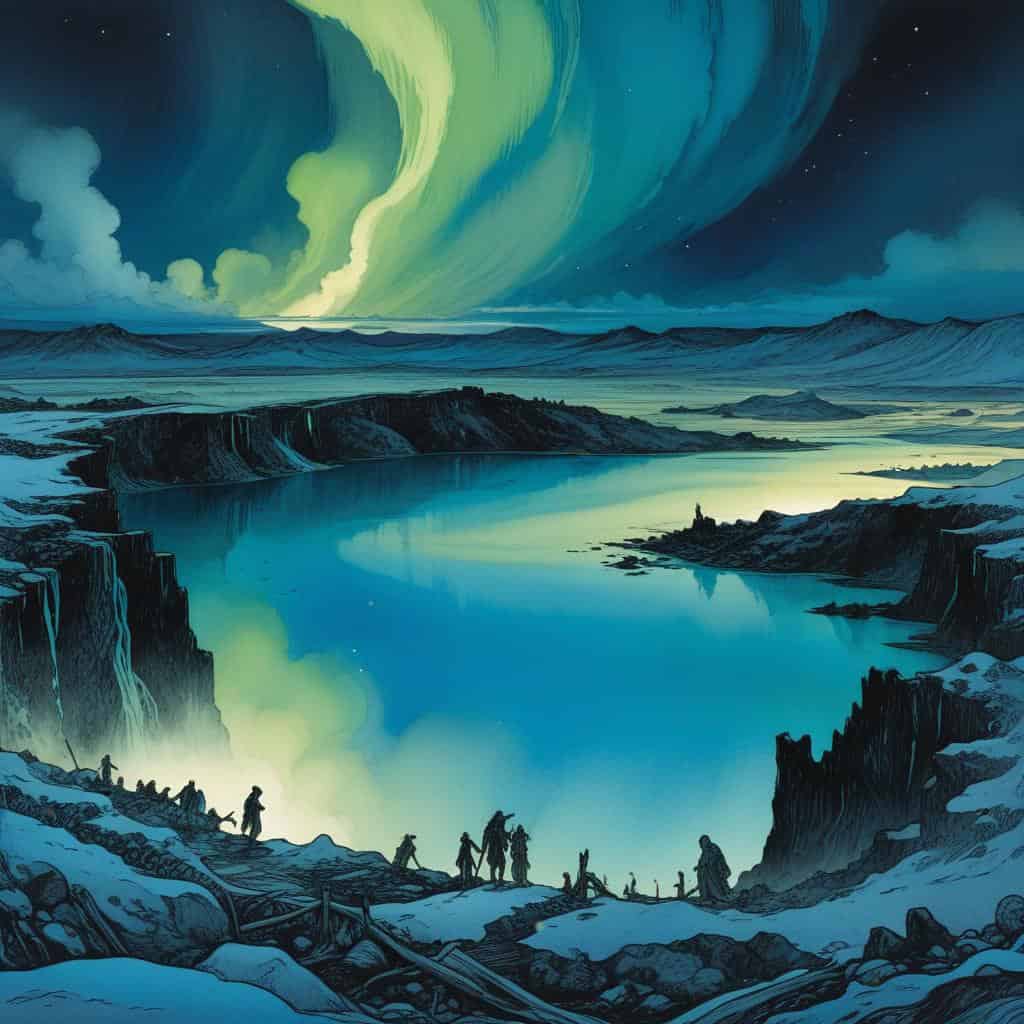
Witness the mesmerizing natural light show of the Aurora Borealis in the dark winter skies of Iceland.
Timeline of Iceland
Settlement of Iceland by Norse settlers
Adoption of Christianity as the official religion of Iceland
Establishment of the Althing, one of the world's oldest parliamentary institutions
Iceland becomes part of the Kingdom of Norway
Black Death pandemic reaches Iceland, causing significant population decline
Danish trade monopoly established in Iceland
Outbreak of volcanic eruption at Laki, leading to famine and widespread death
Iceland gains limited autonomy from Denmark
Icelandic independence movement gains momentum
Iceland declares independence from Denmark and becomes a republic
Cod Wars with Britain over fishing rights in Icelandic waters
Iceland joins the European Economic Area (EEA)
Icelandic financial crisis and collapse of the banking system
Eruption of Eyjafjallajökull volcano, disrupting air travel in Europe
Icelandic women go on strike to protest gender inequality
Icelandic national football team qualifies for UEFA European Championship for the first time
Iceland becomes the first country to legally enforce equal pay for men and women
COVID-19 pandemic reaches Iceland, leading to lockdowns and travel restrictions
Icelandic government announces plans to achieve carbon neutrality by 2040
Icelandic volcano Fagradalsfjall erupts, attracting tourists and media attention
Vocabulary List
- Geothermal
- Iceland harnesses geothermal energy for heating and electricity.
- Glacier
- Iceland is home to Vatnajökull, Europe's largest glacier.
- Volcano
- Iceland has several active volcanoes, including Eyjafjallajökull.
- Aurora
- The Northern Lights, or aurora borealis, can be seen in Iceland.
- Fjord
- Iceland's coastline is dotted with picturesque fjords.
- Pingo
- Pingos are ice-cored hills found in Iceland.
- Reykjavik
- Reykjavik is the capital and largest city of Iceland.
- Skyr
- Skyr is a traditional Icelandic dairy product similar to yogurt.
- Puffin
- Puffins are seabirds commonly found in Iceland.
- Rift
- The Mid-Atlantic Ridge runs through Iceland, creating a rift between tectonic plates.
Key Facts
This is the information used in the fact matching game
- Iceland is the most sparsely populated country in Europe, with only about 3 people per square kilometer.
- Iceland is the most peaceful country in the world, according to the Global Peace Index.
- Iceland is home to the world's oldest parliament, the Althing, which was established in 930 AD.
- Iceland is known as the land of fire and ice due to its many volcanoes and glaciers.
- Iceland is home to the largest puffin population in the world.
- Iceland has the highest number of book and magazine publications per capita in the world.
- Iceland is the only country in the world that uses 100% renewable energy for its electricity and heating.
- Icelandic is one of the oldest languages in the world and has changed very little since the Viking Age.
- Iceland has one of the highest life expectancies in the world, with an average of 83 years for women and 79 years for men.
- Iceland is home to the world's largest hot spring, the Great Geysir.
- Iceland is one of the best places in the world to see the Northern Lights, thanks to its location near the Arctic Circle.
- Iceland was one of the last places on Earth to be settled by humans, with the first Norse settlers arriving in the 9th century.
- Iceland has more artists, musicians, and writers per capita than any other country in the world.
- Icelandic horses are a unique breed that has been isolated on the island for over 1,000 years.
- Iceland is one of the most gender-equal countries in the world, with a gender pay gap that is among the smallest globally.
- Iceland has a strong tradition of storytelling and folklore, with many myths and legends still a part of everyday life.
- Iceland has over 10,000 waterfalls, including the famous Gullfoss and Seljalandsfoss.
- Iceland is one of the most geologically active countries in the world, with frequent earthquakes and volcanic eruptions.
- Icelandic cuisine is known for its use of fresh, local ingredients such as lamb, fish, and dairy products.
- Iceland is the only NATO member without a standing army, relying instead on its coast guard for defense.
Why It Matters
Geopolitical Significance
Located in the North Atlantic Ocean, Iceland holds a strategic position between Europe and North America. Its proximity to the Arctic and its abundant natural resources, including geothermal energy and fish stocks, have made it a key player in regional politics and environmental discussions.
Historical Importance
Iceland’s history is marked by Viking settlements, medieval sagas, and independence struggles. It was the first republic in the world to have a parliament and has a unique cultural heritage that continues to influence its identity and global perception.
Modern-Day Role
Today, Iceland is known for its commitment to renewable energy, gender equality, and sustainable development. It is a member of several international organizations, such as NATO and the Nordic Council, and its economy is driven by tourism, technology, and innovation.
Iceland Games


Take Your Learning Offline
Want a convenient, print-ready study guide for this lesson? Become a Memory Wizards Pro member to unlock the downloadable " Memory Scrolls" for this topic and our entire library!
- ✓ Complete Vocabulary Lists
- ✓ Key Facts & Timelines
- ✓ Beautifully Formatted for Print & Mobile