
How Do You Learn Best?
Learn by Reading
Immerse yourself in the 10-minute visual lesson for a comprehensive understanding of the topic.
Learn by Reviewing
Jump directly to the key facts, timeline, and vocabulary lists to build a solid foundation of details.
Learn by Doing
Challenge yourself! Jump straight into the interactive games to learn by trial, error, and discovery.
Germany in 10 Minutes

Introduction
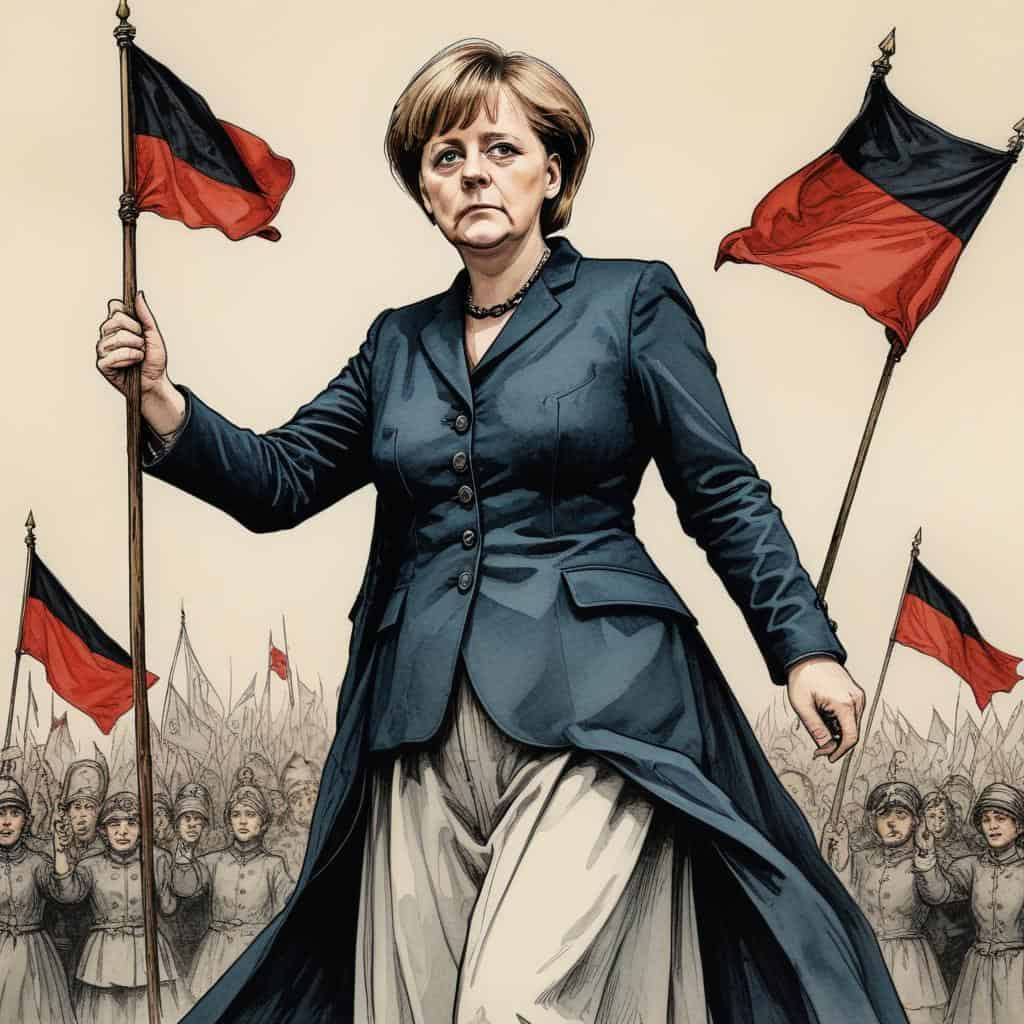
Angela Merkel
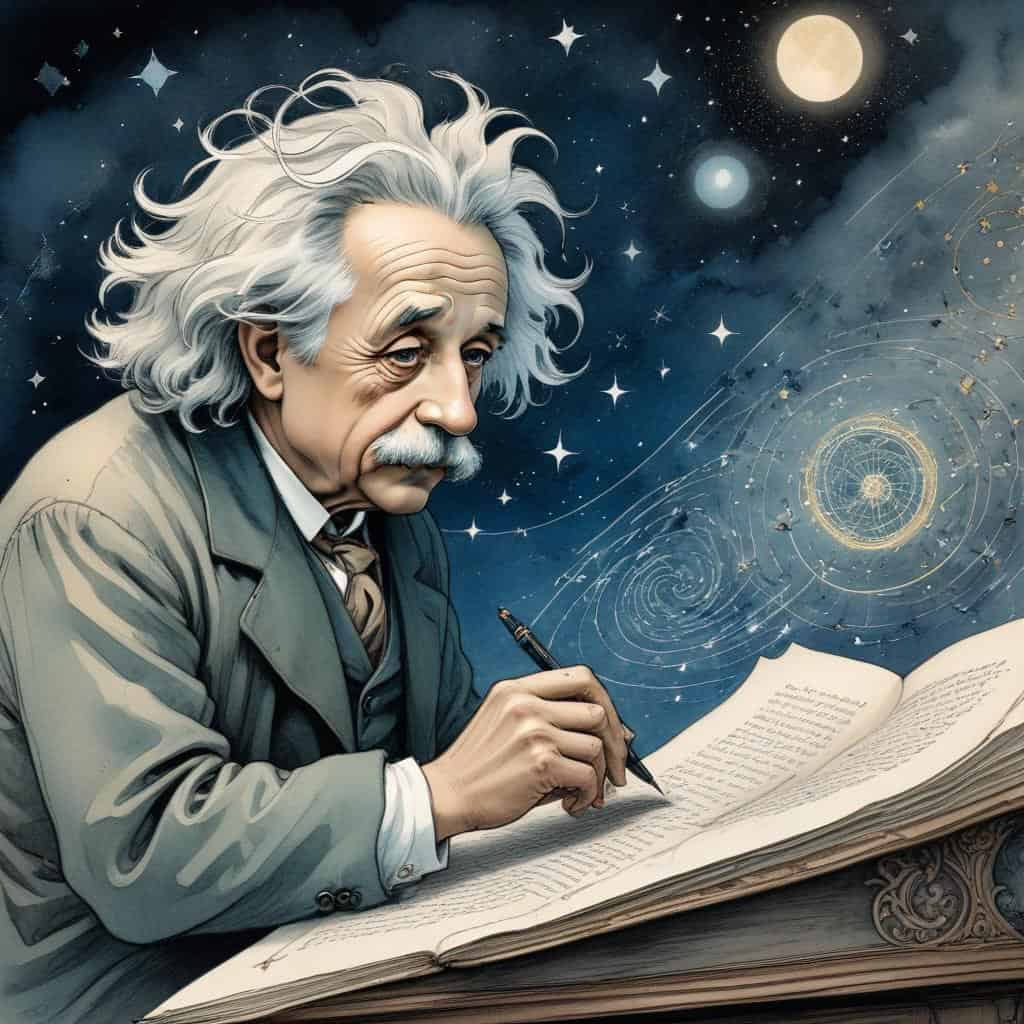
Albert Einstein
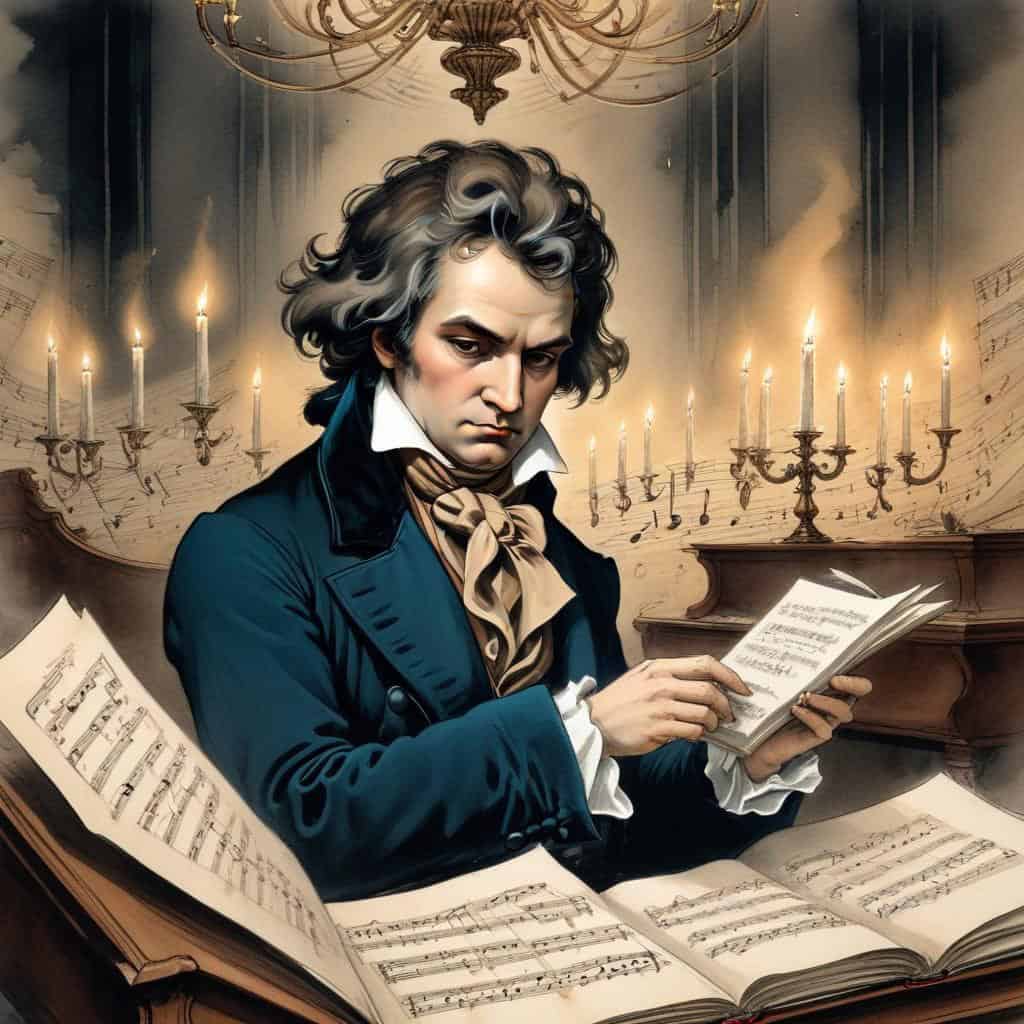
Ludwig van Beethoven
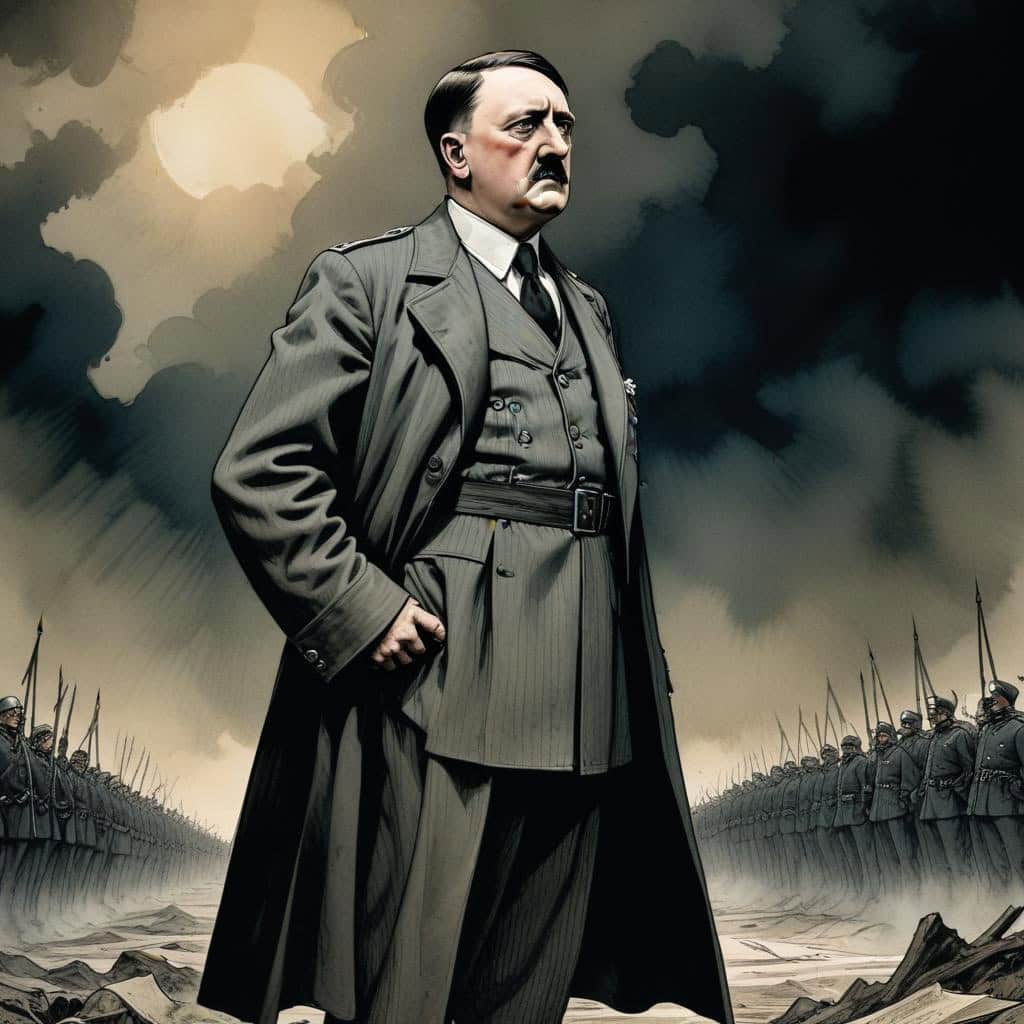
Adolf Hitler

Wolfgang Amadeus Mozart
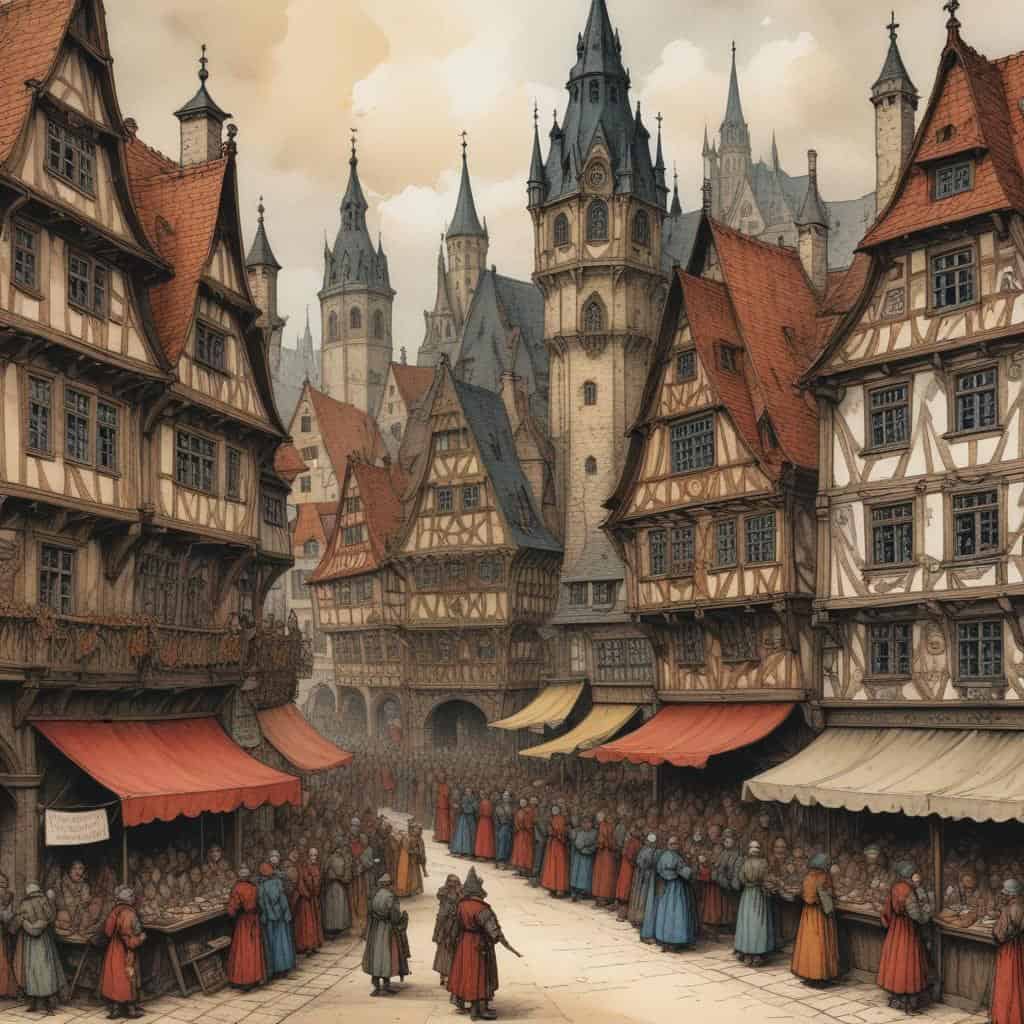
Germany in a Nutshell: A Summary
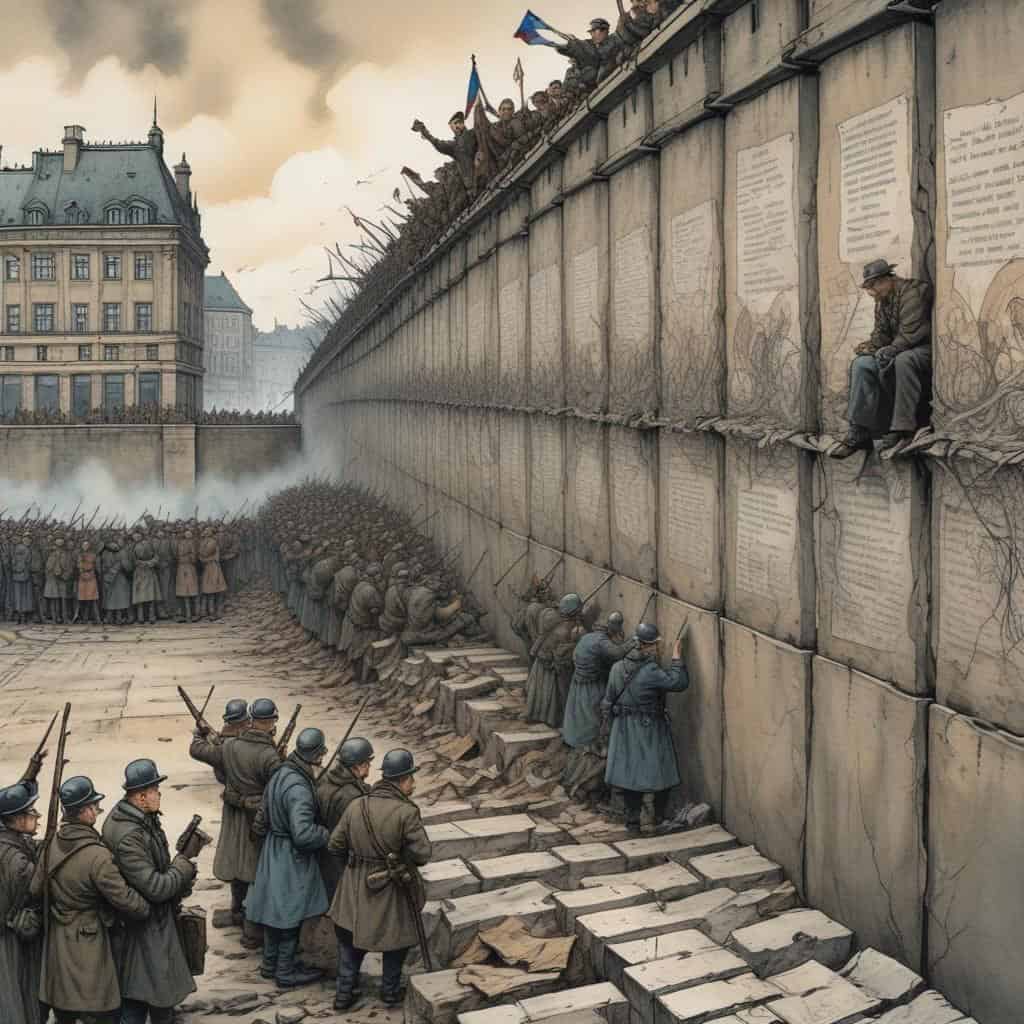
History

Culture
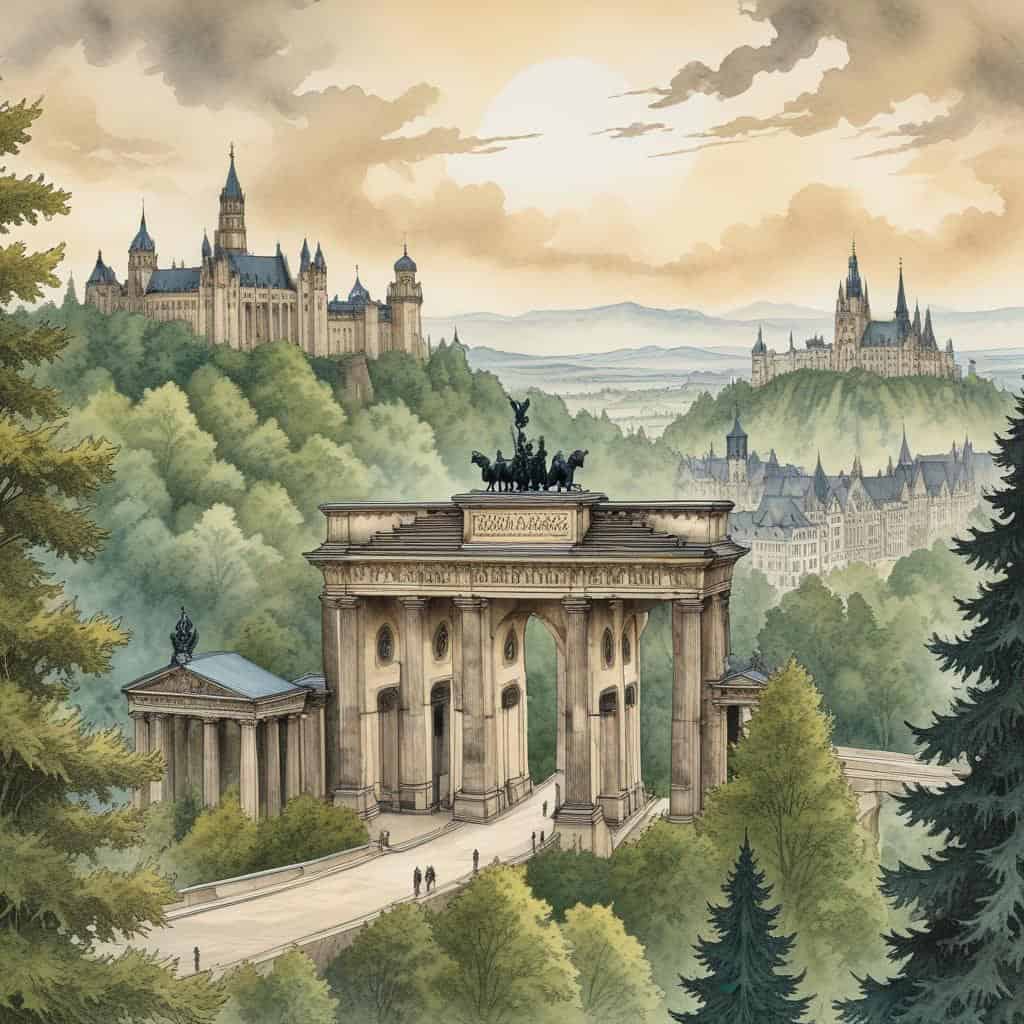
Landmarks
Education
Economy
Politics
Technology

Sports

Environment
In a Nutshell
- Capital: Berlin
- Population: Approx. 83 million (2021)
- Official Language: German
- Currency: Euro (EUR)
Breaking Down the Country
Historic Landmarks
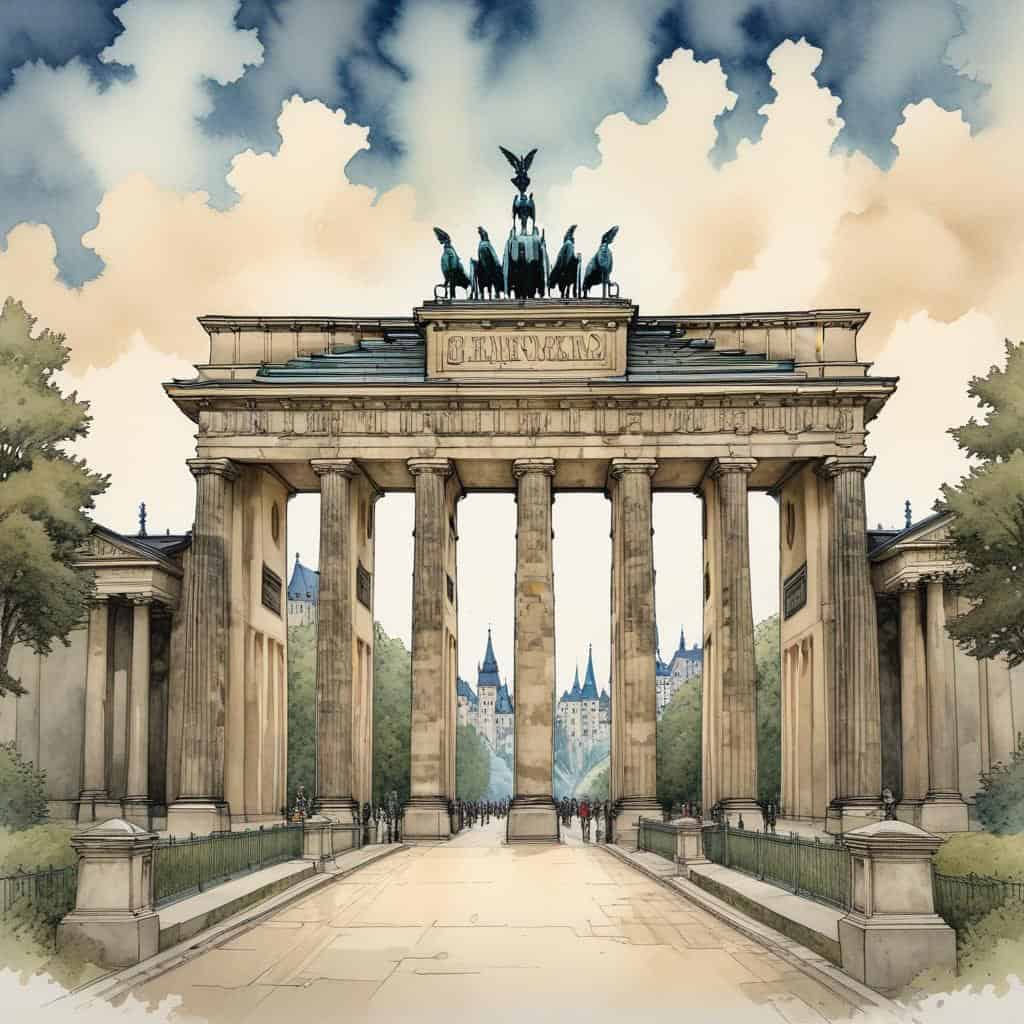
Explore iconic sites like the Brandenburg Gate, Neuschwanstein Castle, and the Berlin Wall for a glimpse into Germany's rich history.
Cultural Diversity
From Oktoberfest in Bavaria to the Berlin art scene, Germany's diverse culture offers a mix of traditions, arts, and cuisines to discover.
Innovative Technology
Experience Germany's cutting-edge engineering and innovation in industries like automotive, robotics, and renewable energy.
Timeline of Germany
Formation of the German Empire under Otto von Bismarck
World War I begins with Germany's invasion of Belgium
Treaty of Versailles signed, ending World War I
Adolf Hitler becomes Chancellor of Germany
Reichstag Fire
Enabling Act passed, giving Hitler dictatorial powers
Night of the Long Knives
Anschluss with Austria
Munich Agreement signed, allowing Germany to annex the Sudetenland
Invasion of Poland, beginning World War II
Germany surrenders, ending World War II in Europe
Berlin Wall construction begins
Fall of the Berlin Wall
Reunification of East and West Germany
Germany hosts the FIFA World Cup
Angela Merkel becomes the first female Chancellor of Germany
Germany wins the FIFA World Cup in Brazil
Germanwings Flight 9525 crashes in the French Alps
2015 European migrant crisis in Germany
COVID-19 pandemic hits Germany
Vocabulary List
- Deutschland
- The German name for Germany.
- Berlin
- The capital city of Germany.
- Biergarten
- A traditional German outdoor beer garden.
- Oktoberfest
- A famous beer festival held annually in Munich, Germany.
- Bratwurst
- A type of German sausage often served with sauerkraut.
- Autobahn
- The German highway system known for its lack of speed limits on some stretches.
- Schloss
- A German word meaning 'castle'.
- Dirndl
- A traditional Bavarian dress worn by women in Germany.
- Fussball
- The German word for soccer, a popular sport in Germany.
- Currywurst
- A popular German fast food dish consisting of steamed, then fried pork sausage cut into slices and seasoned with curry ketchup, regularly consisting of curry powder, ketchup or tomato paste, Worcester sauce, and paprika or other spices.
Key Facts
This is the information used in the fact matching game
- Germany is the most populous country in the European Union with over 83 million people.
- Germany is known for its beer culture and has over 1,300 breweries in the country.
- The Autobahn in Germany has stretches of highway with no speed limit.
- Germany is the largest economy in Europe and the fourth largest in the world.
- The Berlin Wall, which divided East and West Germany, fell in 1989, leading to the reunification of the country.
- Germany is one of the top exporters of cars in the world, with brands like Volkswagen, BMW, and Mercedes-Benz.
- Oktoberfest, the world's largest beer festival, takes place annually in Munich, Germany.
- Germany is home to the Black Forest, a mountainous region known for its dense forests, cuckoo clocks, and Black Forest cake.
- German is the most widely spoken language in the European Union.
- Germany is famous for its Christmas markets, which sell traditional crafts, food, and decorations during the holiday season.
- The German flag consists of three horizontal stripes in black, red, and gold.
- Germany has the largest economy in the European Union and is known for its strong manufacturing sector.
- Germany is famous for its sausages, with over 1,500 different types of wurst.
- The Neuschwanstein Castle in Bavaria, Germany, inspired the design of the Sleeping Beauty Castle at Disneyland.
- Germany is known for its efficiency and punctuality, with trains and public transportation running on time.
- The Brandenburg Gate in Berlin is one of the most famous landmarks in Germany and a symbol of the country's reunification.
- Germany has a rich cultural heritage, with famous composers like Beethoven, Bach, and Wagner hailing from the country.
- Germany is a leading country in renewable energy, with over 30% of its electricity coming from renewable sources.
- The Rhine River in Germany is one of the longest and most important rivers in Europe, flowing through several countries.
- Germany is known for its rich history and castles, with over 20,000 castles and palaces scattered throughout the country.
Why It Matters
Geopolitical Significance
Germany’s central location in Europe has made it a key player in shaping regional politics and trade. As the largest economy in the European Union, Germany’s influence extends beyond its borders, impacting decisions on issues like immigration, security, and economic policy.
Historical Importance
Germany’s history is marked by periods of division and unity, from the Holy Roman Empire to the reunification after the Cold War. Its role in World War II and the subsequent rebuilding process have shaped global history and continue to influence international relations.
Modern-Day Role
Today, Germany is a global leader in technology, innovation, and environmental sustainability. As a key member of the EU, Germany plays a crucial role in shaping policies on climate change, trade agreements, and humanitarian efforts around the world.
Germany Games


Take Your Learning Offline
Want a convenient, print-ready study guide for this lesson? Become a Memory Wizards Pro member to unlock the downloadable " Memory Scrolls" for this topic and our entire library!
- ✓ Complete Vocabulary Lists
- ✓ Key Facts & Timelines
- ✓ Beautifully Formatted for Print & Mobile