
How Do You Learn Best?
Learn by Reading
Immerse yourself in the 10-minute visual lesson for a comprehensive understanding of the topic.
Learn by Reviewing
Jump directly to the key facts, timeline, and vocabulary lists to build a solid foundation of details.
Learn by Doing
Challenge yourself! Jump straight into the interactive games to learn by trial, error, and discovery.
France in 10 Minutes
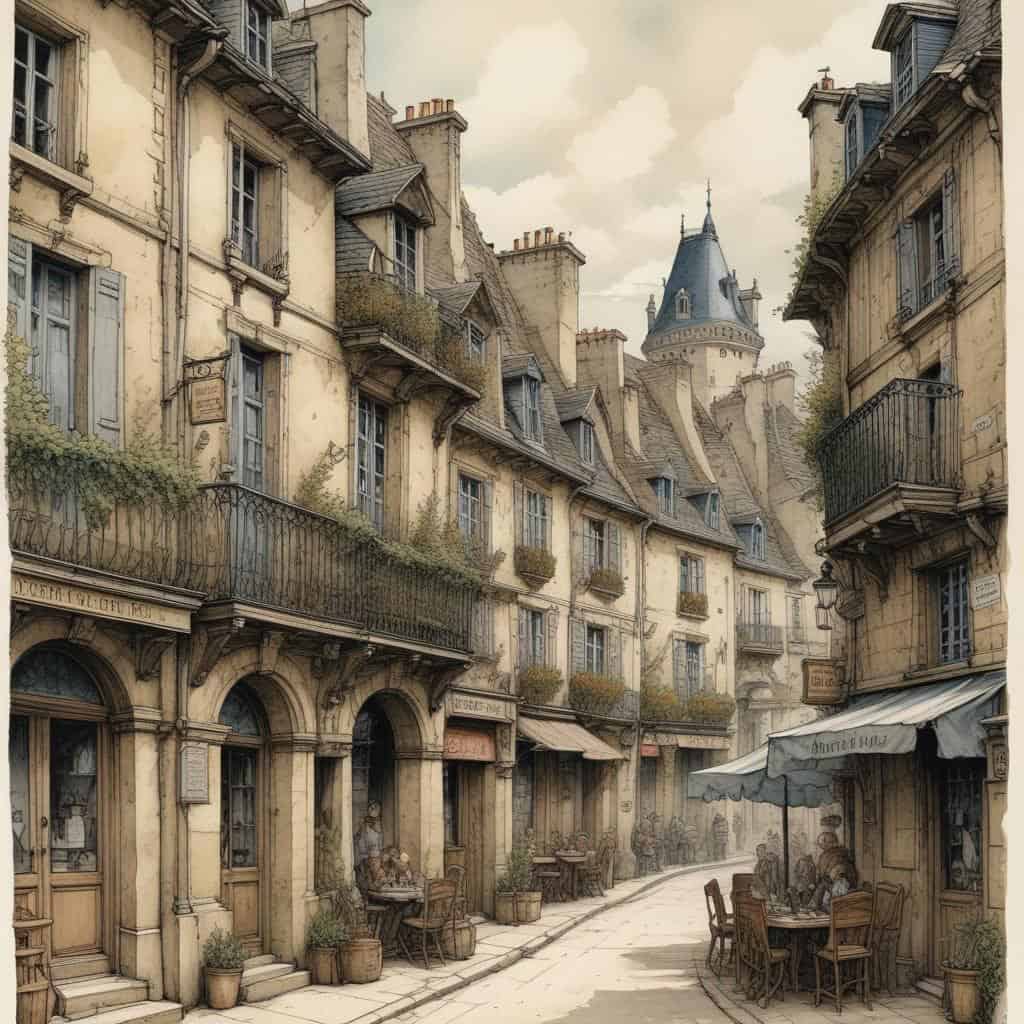
Introduction
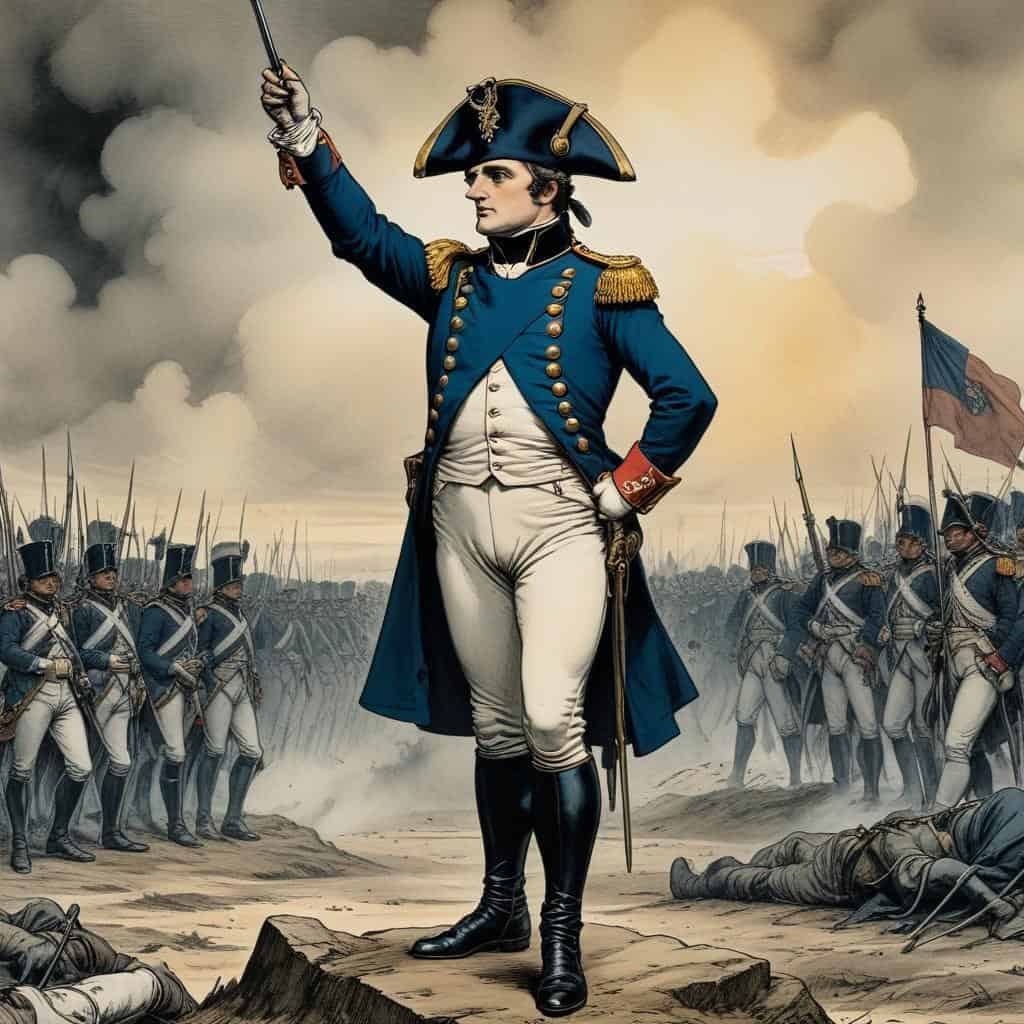
1. Napoleon Bonaparte
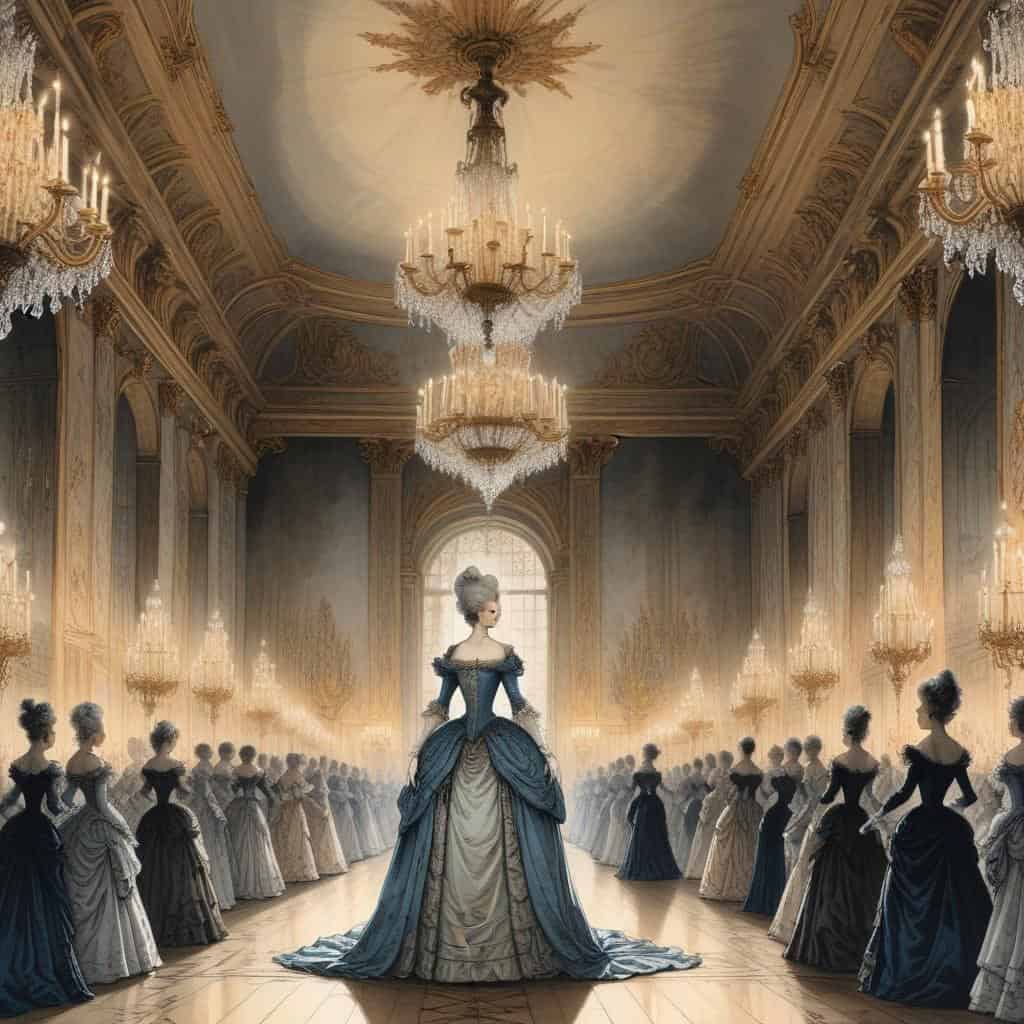
2. Marie Antoinette
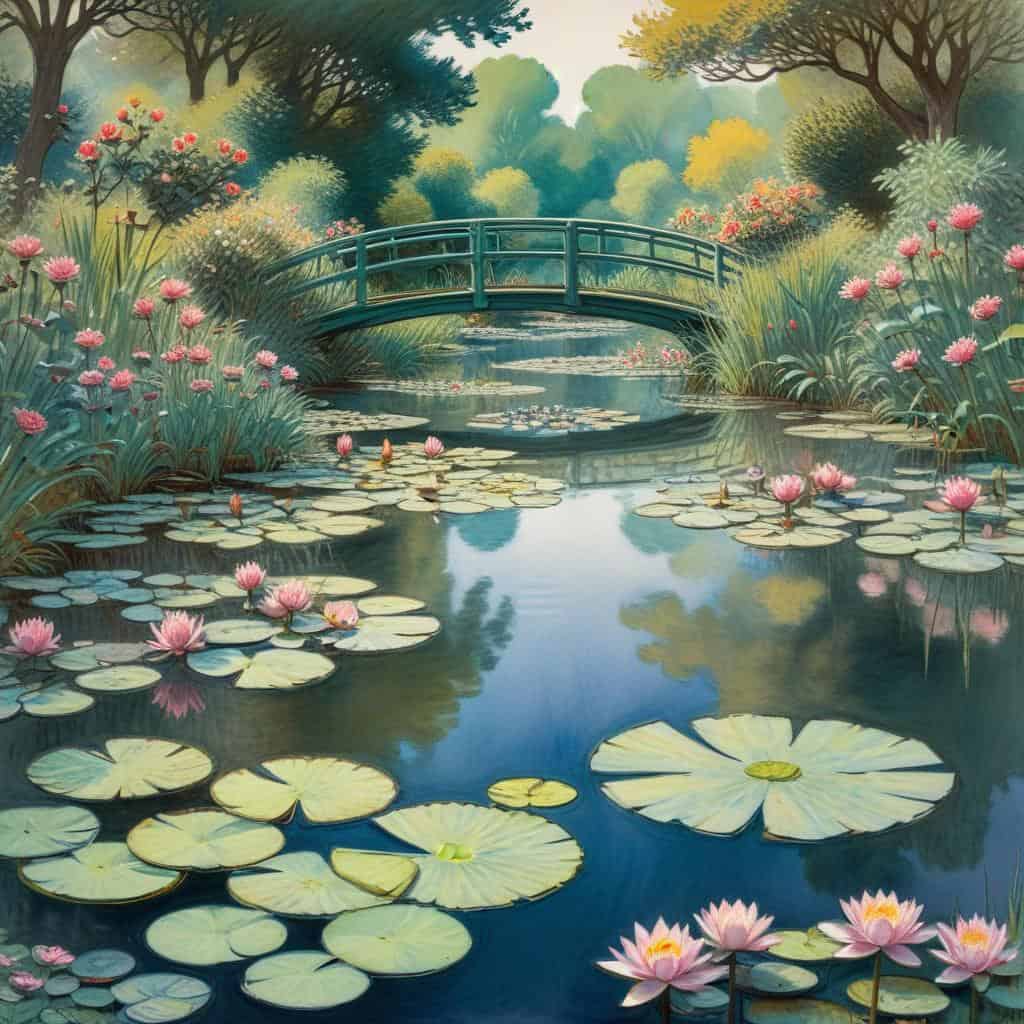
3. Claude Monet

4. Coco Chanel

5. Victor Hugo

Exploring French Culture
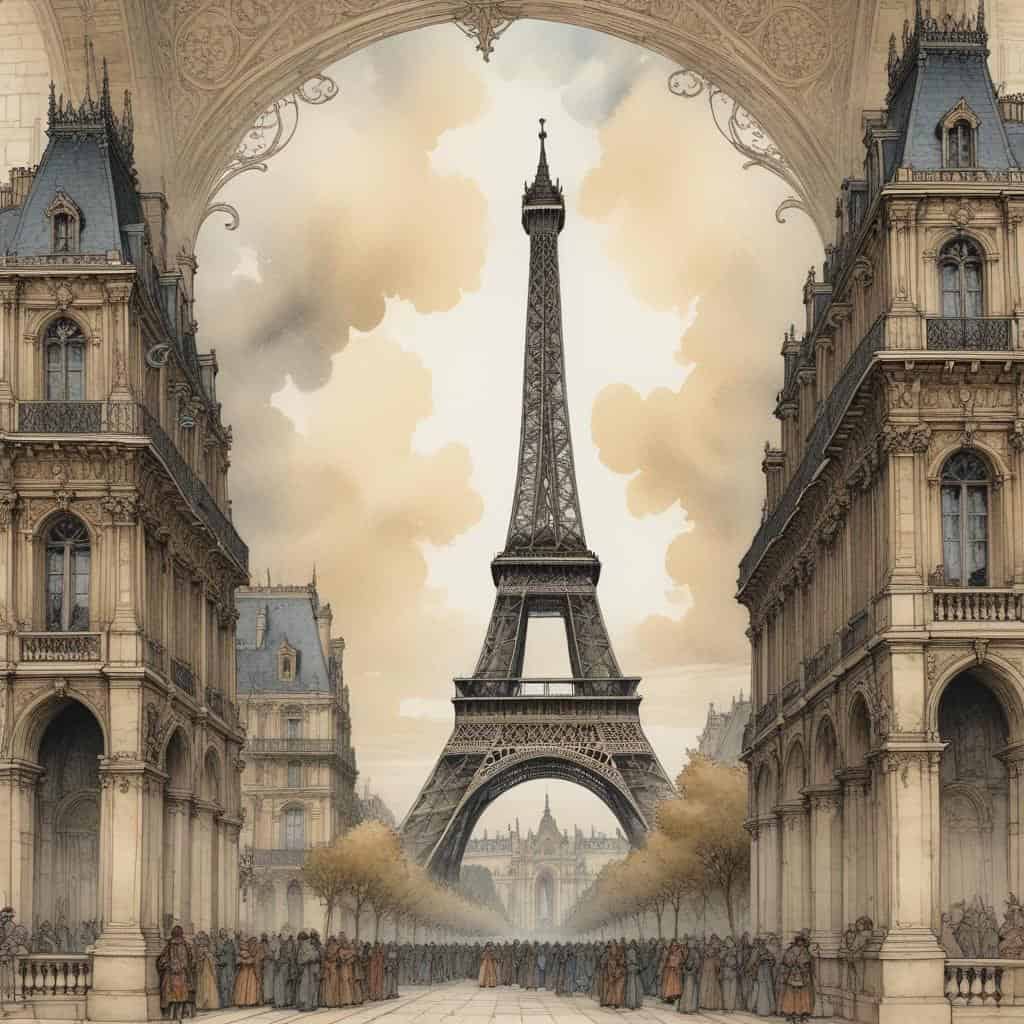
Historical Landmarks

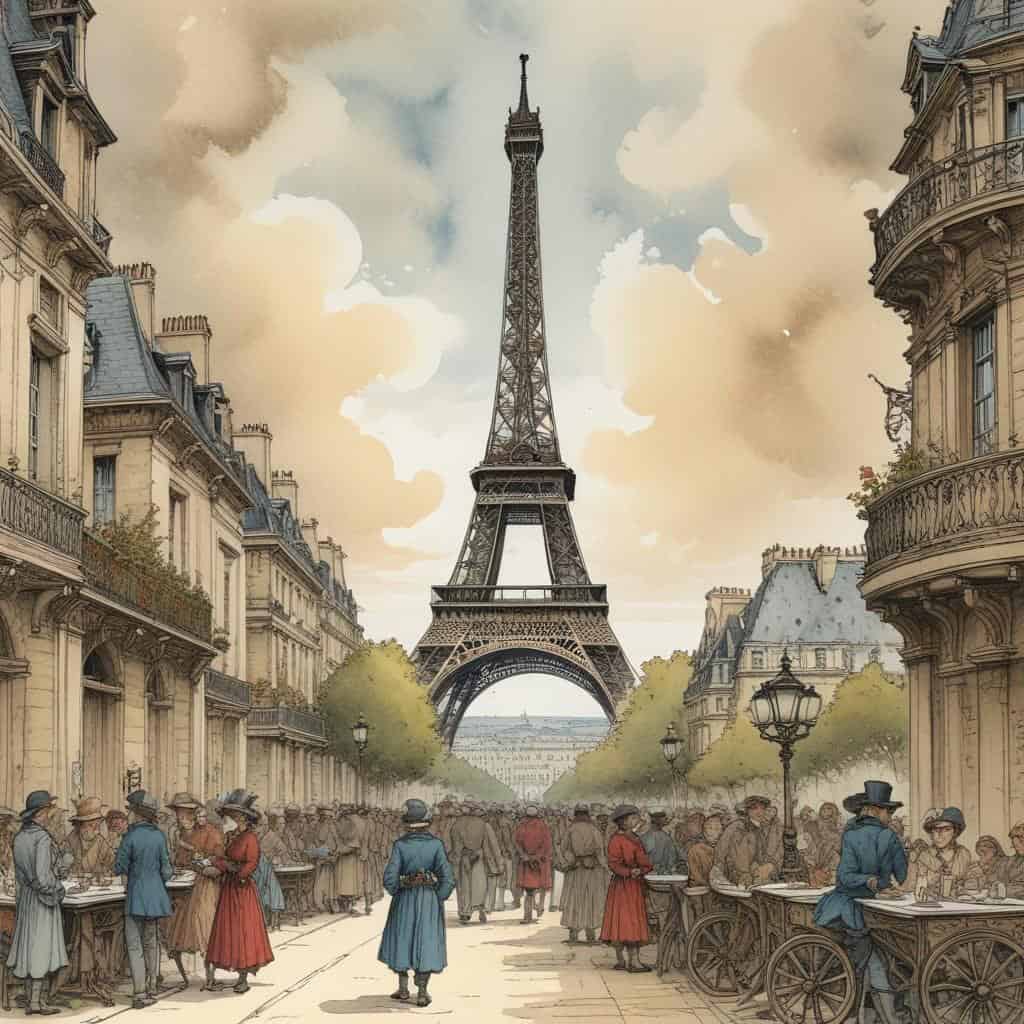
Paris: The City of Lights
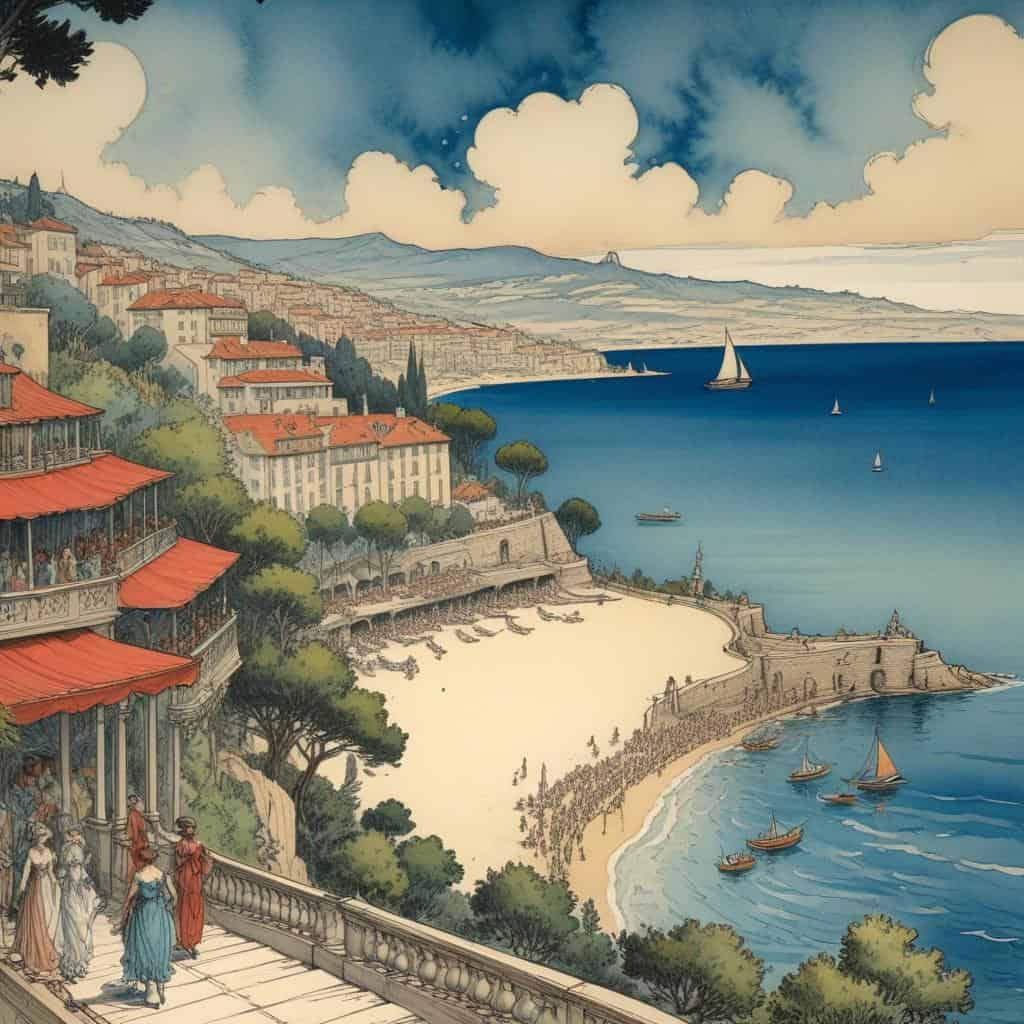
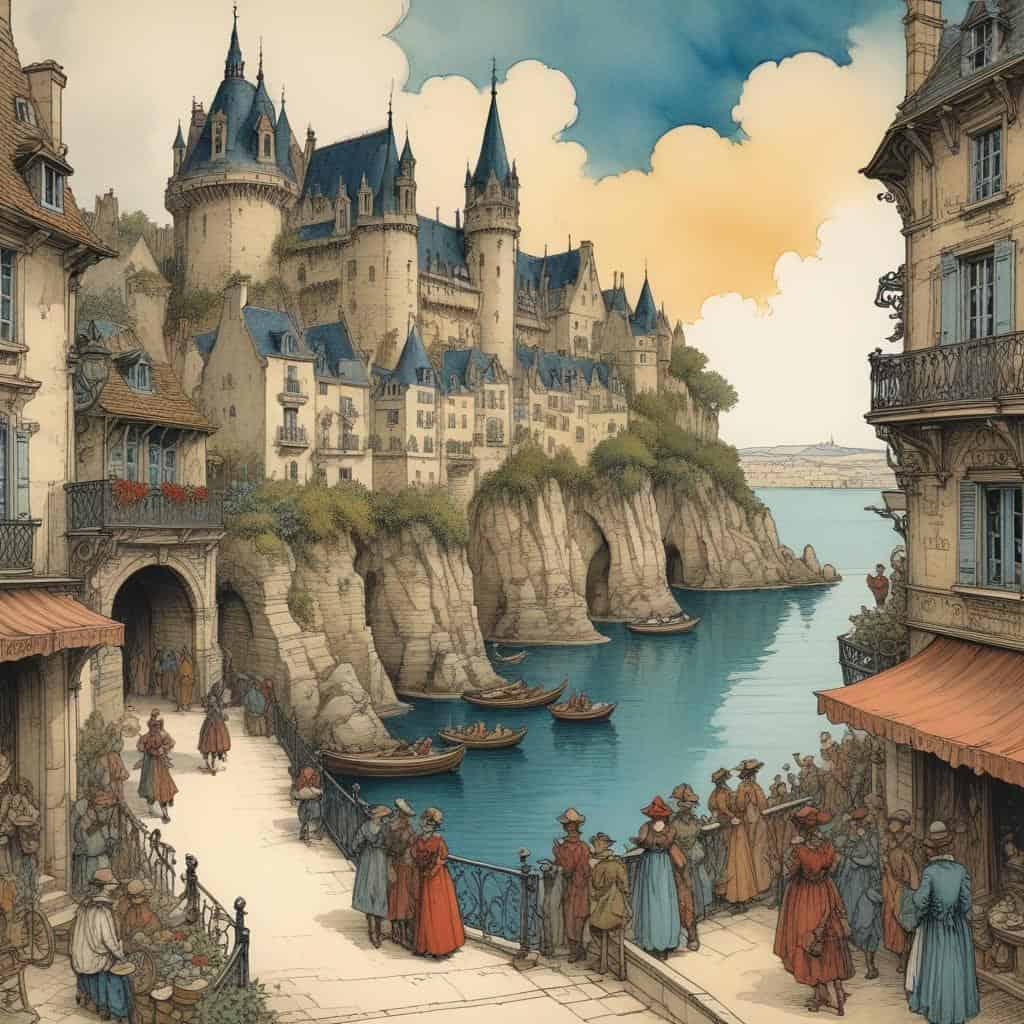
The French Riviera
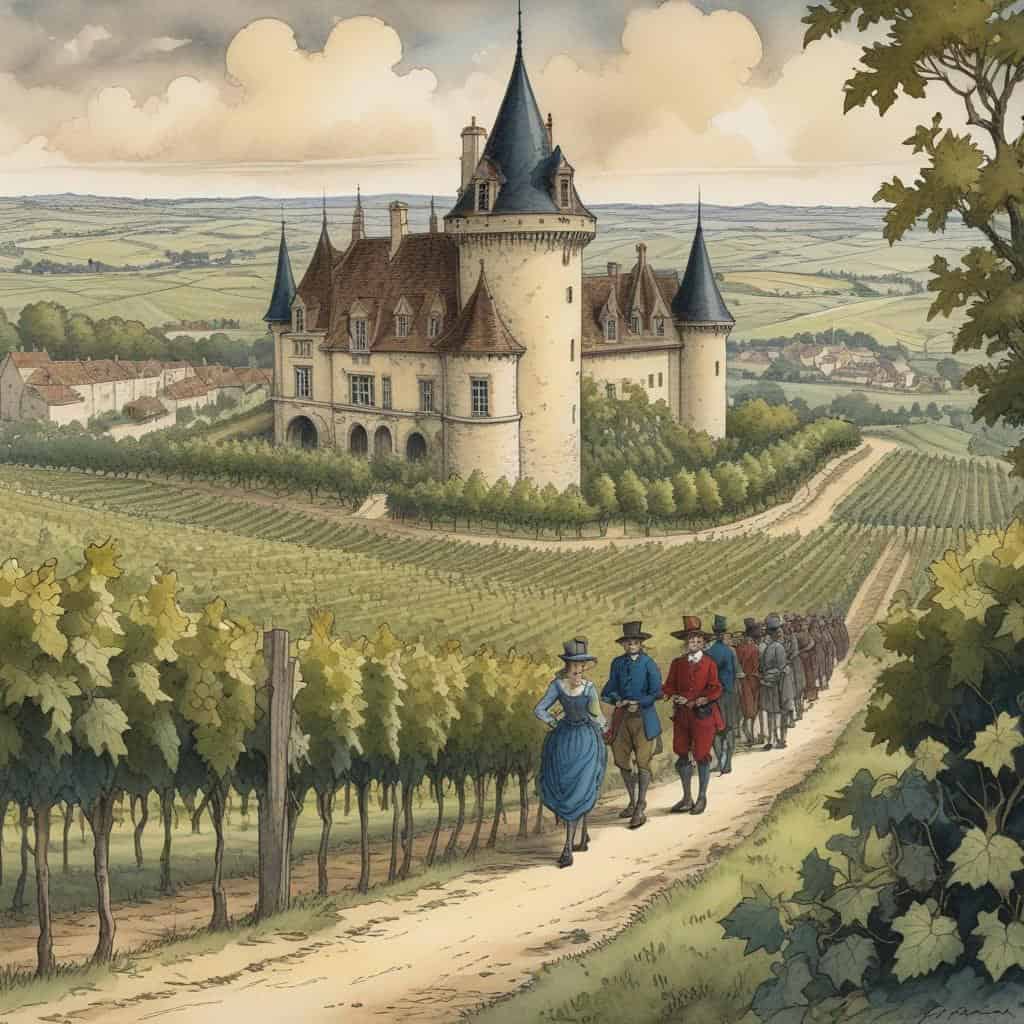
Wine and Champagne

The French Revolution
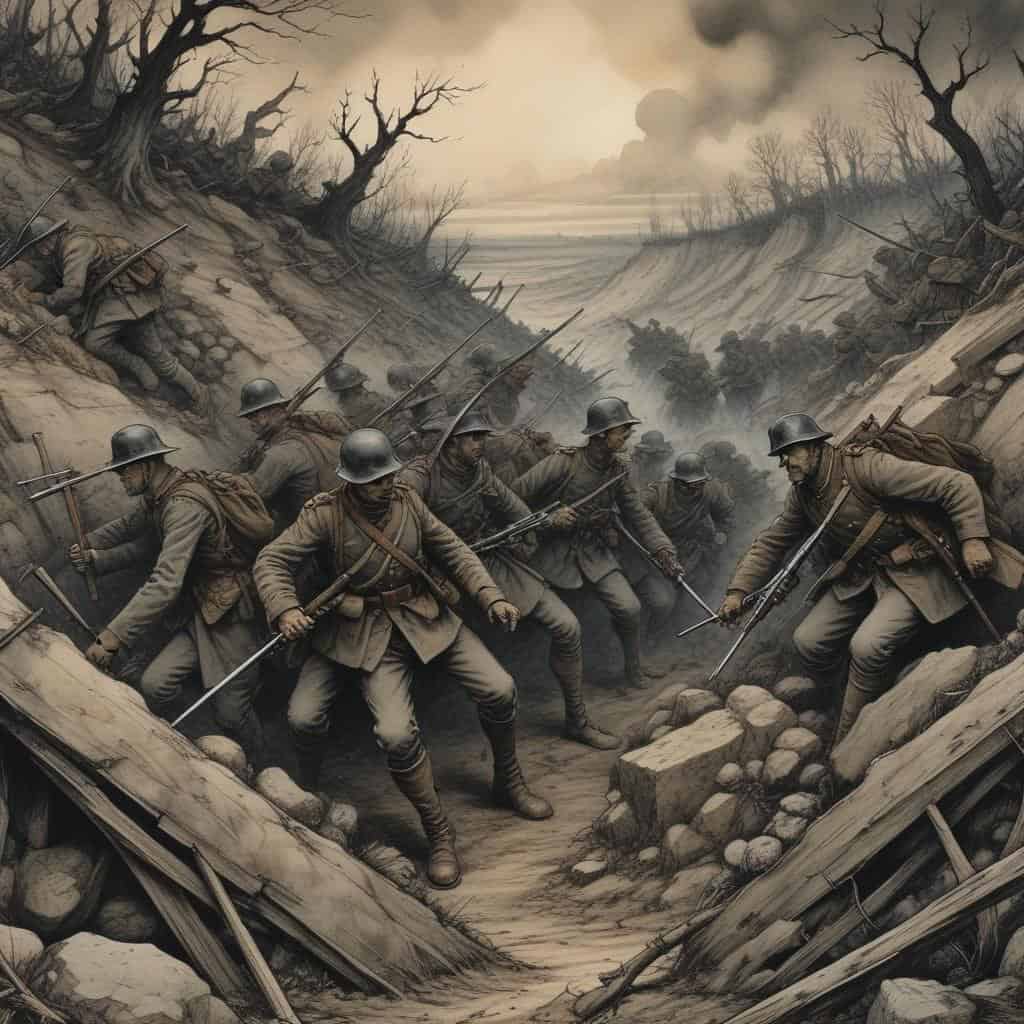
World War History

French Language and Literature
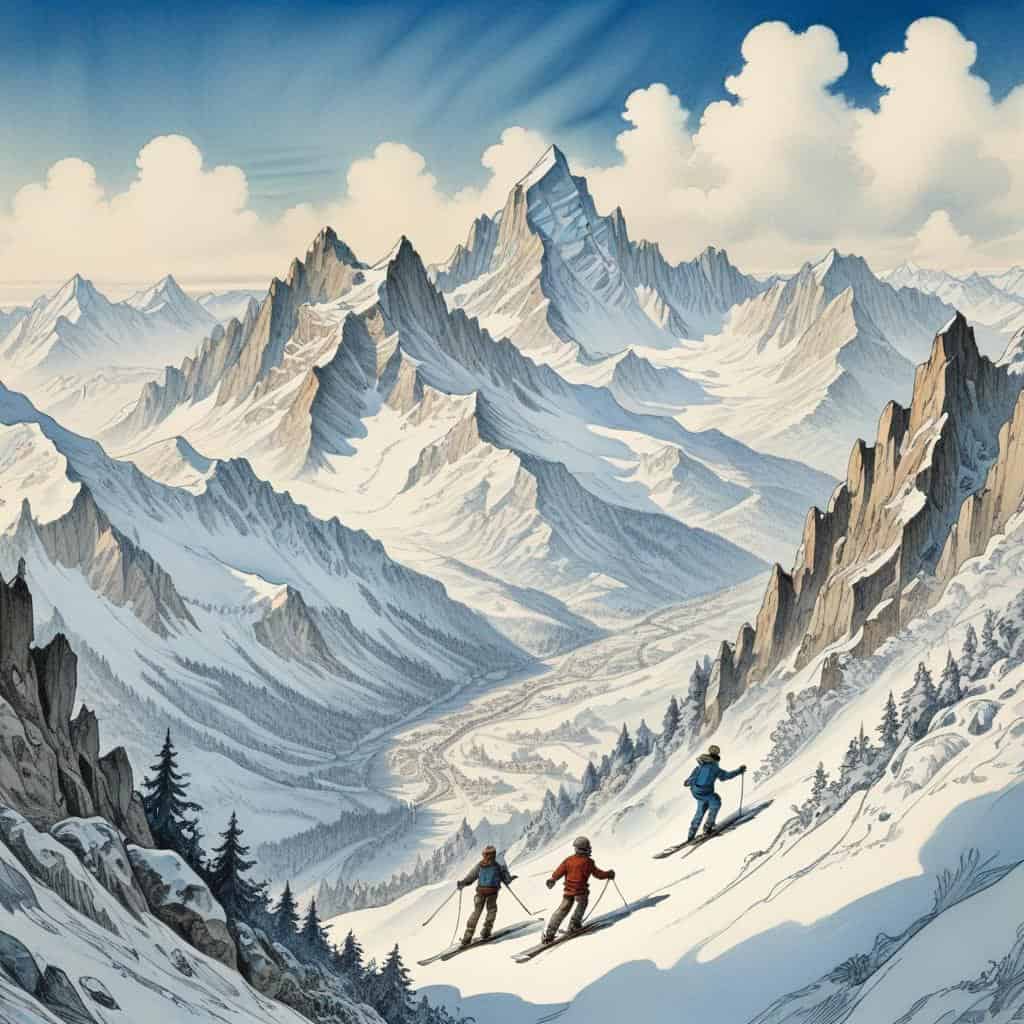
The French Alps

Fashion and Design
In a Nutshell
- Capital: Paris
- Population: Approx. 67 million (2022)
- Official Language: French
- Currency: Euro (EUR)
Breaking Down the Country
Historical Landmarks
From the iconic Eiffel Tower to the majestic Palace of Versailles, France is home to a wealth of historical landmarks that tell the story of its rich past.
Culinary Delights
Indulge in the exquisite flavors of French cuisine, from delicate pastries to savory cheeses and world-renowned wines that have captivated taste buds around the globe.
Artistic Heritage
Immerse yourself in the vibrant world of French art, from the masterpieces of the Louvre to the avant-garde creations of contemporary artists pushing boundaries.
Timeline of France
Battle of Tours
Treaty of Verdun
Founding of the University of Paris
Hundred Years' War begins
Joan of Arc's trial and execution
French Revolution begins
Execution of King Louis XVI
Napoleon Bonaparte becomes Emperor of France
Battle of Waterloo
Paris Commune
World War I begins
Treaty of Versailles signed
Occupation of France during World War II
Liberation of Paris
Establishment of the European Union
May 1968 protests in France
Maastricht Treaty signed, creating the European Union
French defeat in the Battle of Dien Bien Phu
France wins the FIFA World Cup
Paris Agreement signed to combat climate change
Vocabulary List
- Eiffel Tower
- The iconic landmark in Paris, France.
- Croissant
- A popular French pastry.
- Bastille Day
- The French national holiday celebrated on July 14th.
- Baguette
- A long, thin loaf of French bread.
- Champs-Élysées
- The famous avenue in Paris known for its shops and cafes.
- Macaron
- A delicate French pastry made with almond flour.
- Louvre
- One of the world's largest and most visited art museums, located in Paris.
- Beret
- A round, flat-crowned hat typically worn in France.
- Camembert
- A soft, creamy French cheese.
- Versailles
- The royal palace located near Paris, known for its luxurious gardens and opulent rooms.
Key Facts
This is the information used in the fact matching game
- France is the largest country in the European Union by land area.
- French is the official language of France.
- France is the most visited country in the world, with over 89 million tourists in 2018.
- The Eiffel Tower, one of the most iconic landmarks in the world, is located in Paris, France.
- France is known for its world-renowned cuisine, including dishes such as croissants, escargot, and coq au vin.
- France is home to the Louvre Museum, which is the most visited museum in the world.
- The French Revolution, which took place in the late 18th century, had a profound impact on France and the rest of the world.
- France has won the FIFA World Cup twice, in 1998 and 2018.
- France is home to the Palace of Versailles, a UNESCO World Heritage site known for its opulent architecture and gardens.
- French fashion designers such as Coco Chanel, Christian Dior, and Yves Saint Laurent have had a major influence on the fashion industry.
- The French national motto is 'Liberté, égalité, fraternité' (Liberty, equality, fraternity).
- France is known for its wine production, with regions such as Bordeaux, Burgundy, and Champagne producing some of the world's most famous wines.
- The French Alps are a popular destination for skiing and snowboarding enthusiasts.
- France has a long history of art and literature, with famous artists such as Claude Monet and writers such as Victor Hugo and Albert Camus.
- France has a total of 12 time zones, more than any other country in the world.
- The French flag, known as the tricolore, consists of three vertical stripes of blue, white, and red.
- France is one of the founding members of the European Union.
- The Cannes Film Festival, held annually in Cannes, France, is one of the most prestigious film festivals in the world.
- France has the second-largest exclusive economic zone in the world, covering over 11 million square kilometers.
- The French national symbol is the rooster, known as 'le coq gaulois'.
Why It Matters
Geopolitical Significance
France holds a key position in Europe, sharing borders with multiple countries and serving as a central hub for transportation and trade. Its influence extends globally through its former colonial empire and participation in international organizations like the European Union and NATO.
Historical Importance
France has a rich history dating back to the Roman era, with significant contributions to art, literature, and philosophy. It played a crucial role in the Enlightenment and the French Revolution, shaping modern concepts of democracy, human rights, and secularism.
Modern-Day Role
Today, France is a major player in global politics, economics, and culture. It is known for its leadership in areas such as fashion, cuisine, and technology. As a permanent member of the UN Security Council, France continues to shape international relations and peacekeeping efforts.
France Games


Take Your Learning Offline
Want a convenient, print-ready study guide for this lesson? Become a Memory Wizards Pro member to unlock the downloadable " Memory Scrolls" for this topic and our entire library!
- ✓ Complete Vocabulary Lists
- ✓ Key Facts & Timelines
- ✓ Beautifully Formatted for Print & Mobile