
How Do You Learn Best?
Learn by Reading
Immerse yourself in the 10-minute visual lesson for a comprehensive understanding of the topic.
Learn by Reviewing
Jump directly to the key facts, timeline, and vocabulary lists to build a solid foundation of details.
Learn by Doing
Challenge yourself! Jump straight into the interactive games to learn by trial, error, and discovery.
Croatia in 10 Minutes

Introduction
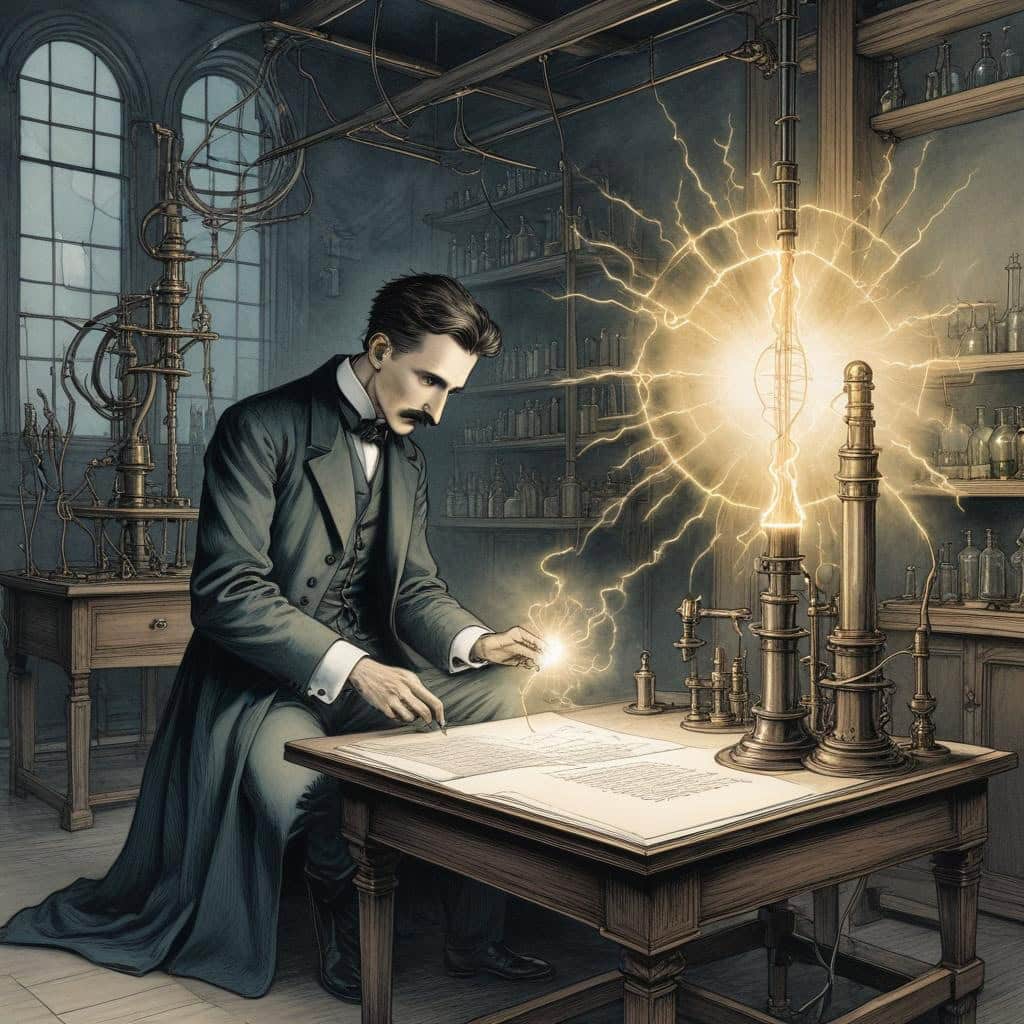
1. Nikola Tesla
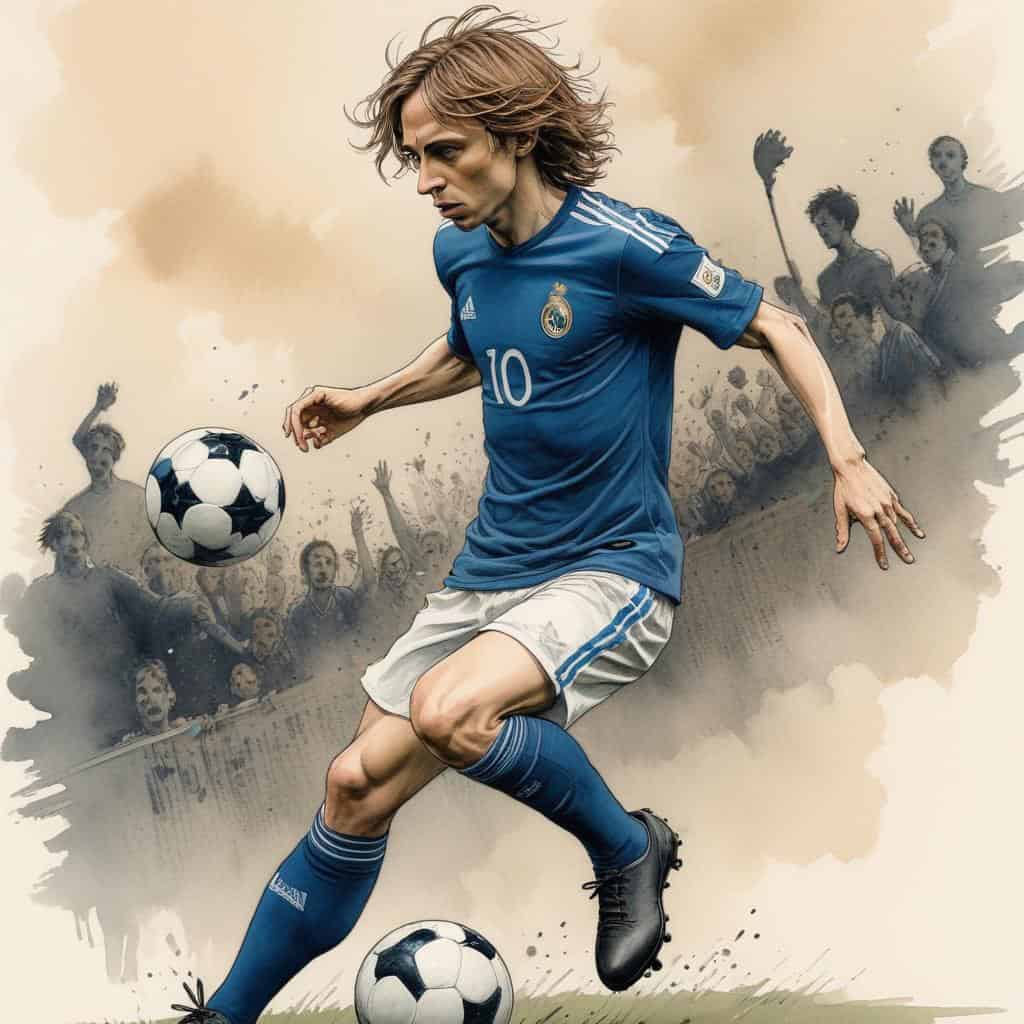
2. Luka Modric
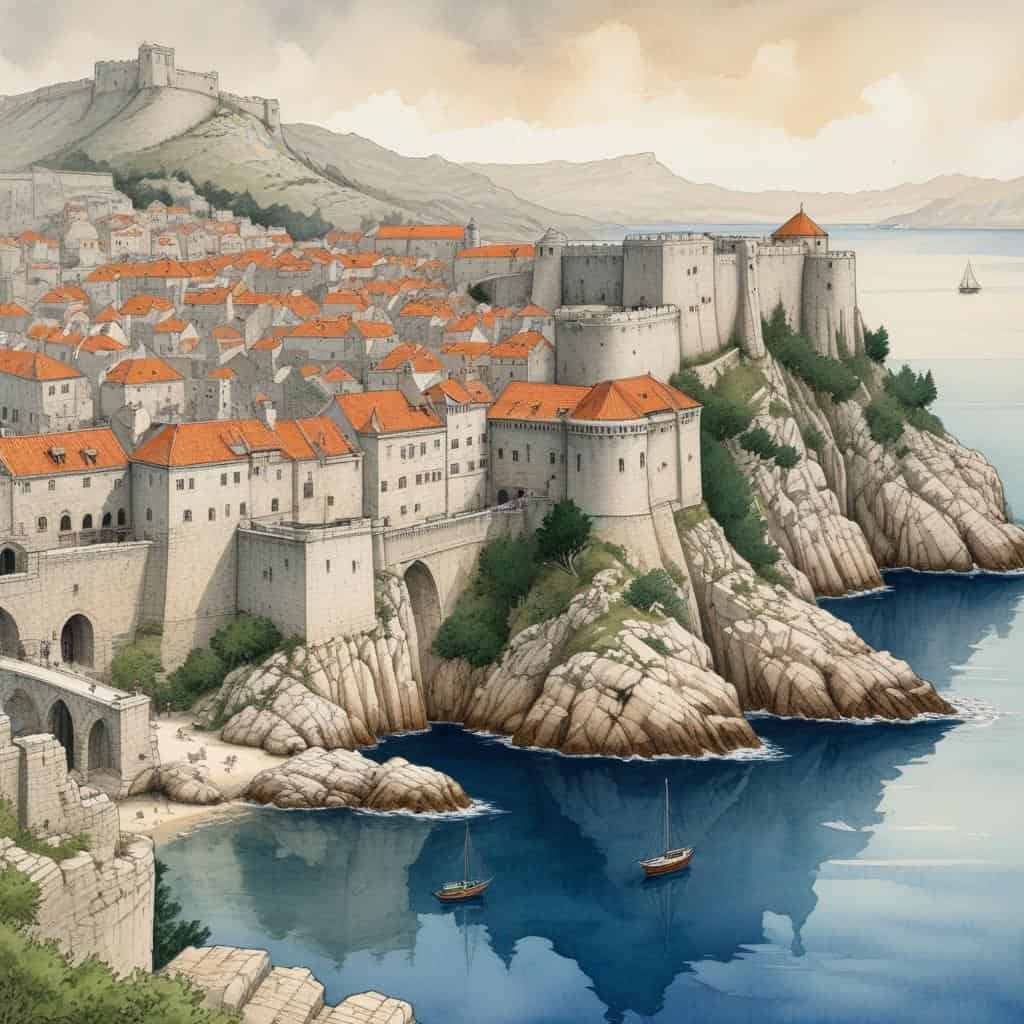
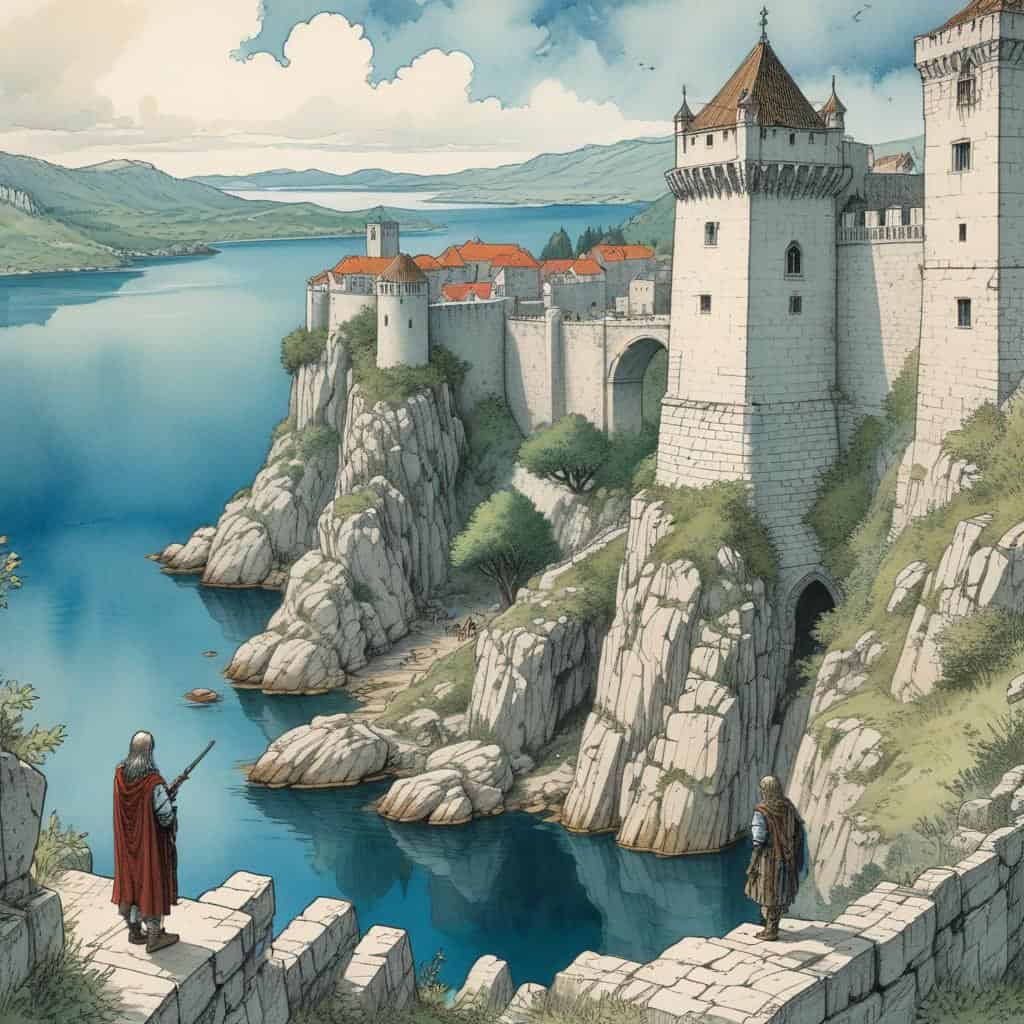
3. Dubrovnik

4. Mate Rimac
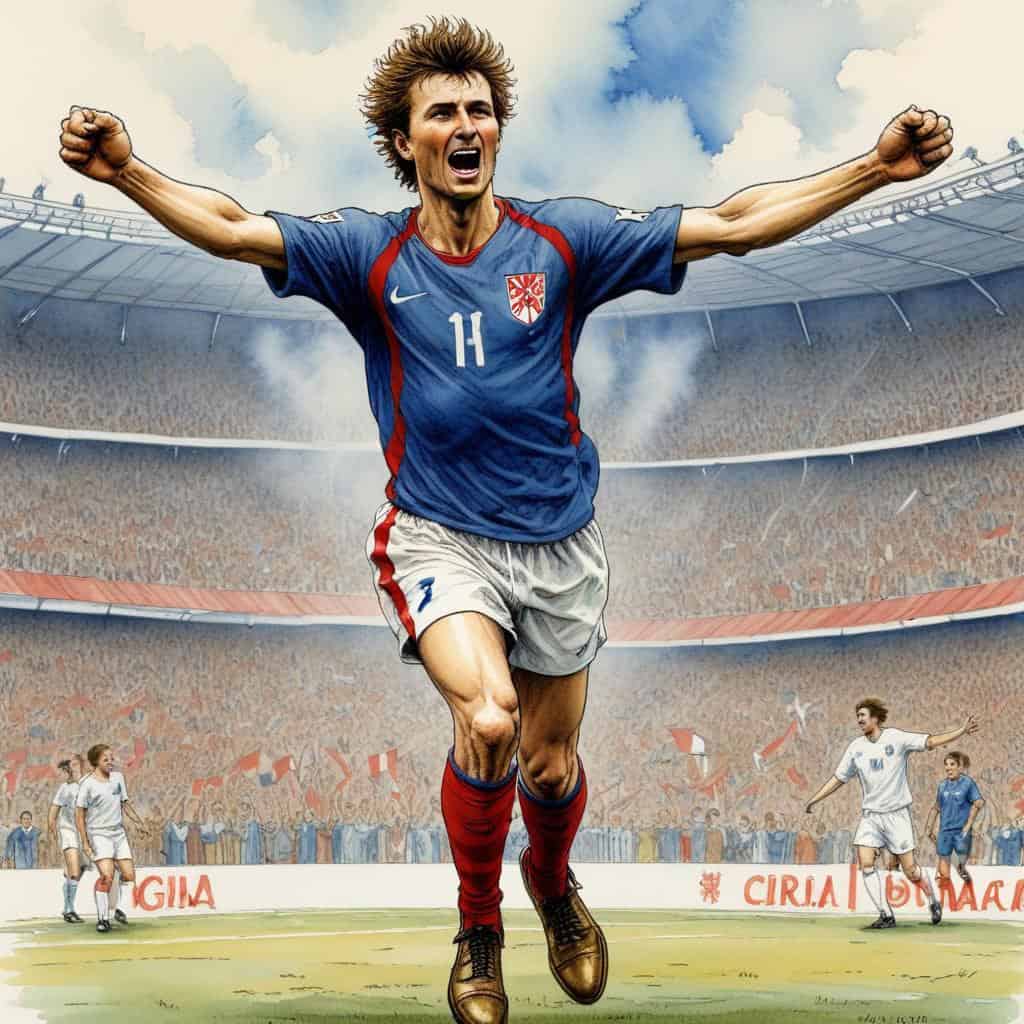
5. Davor Suker

1. Stunning Coastline

2. Historic Old Towns
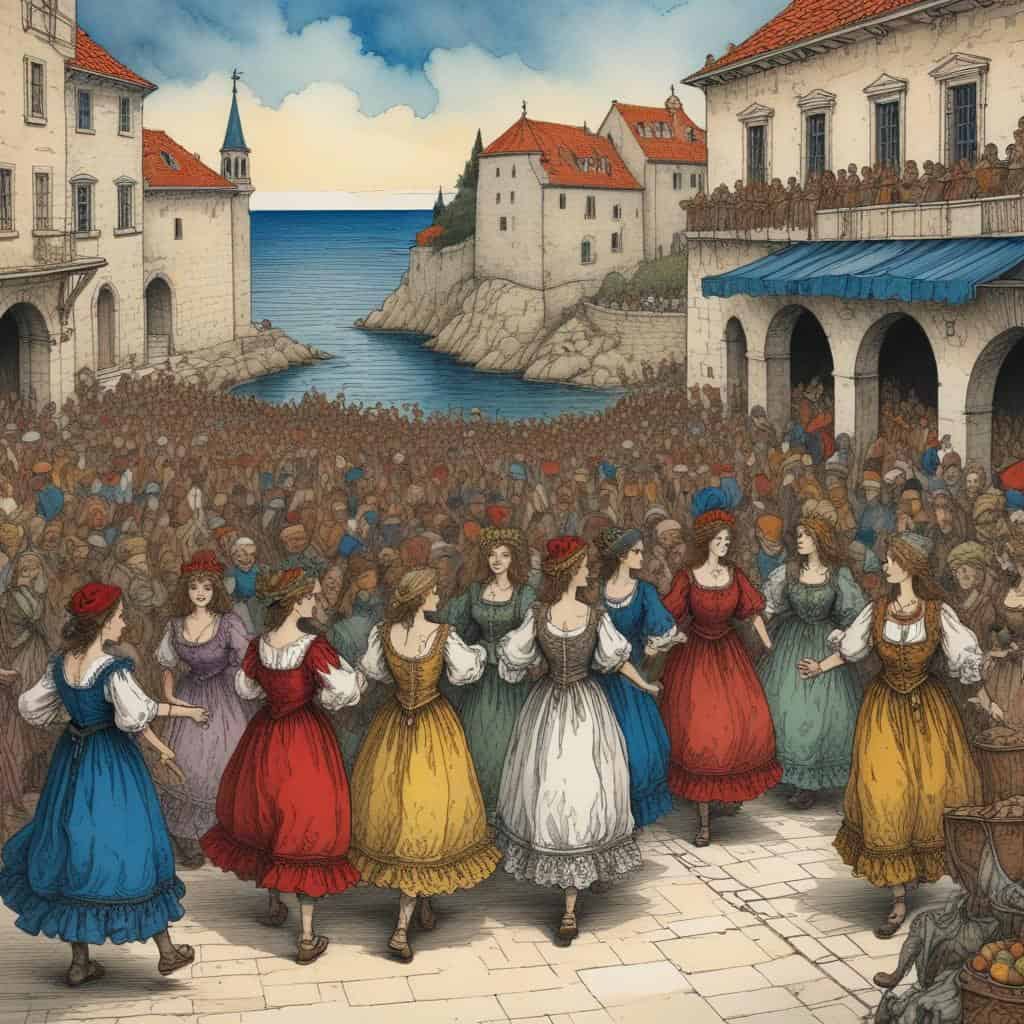
3. Vibrant Culture

4. Delicious Cuisine

5. Outdoor Adventures

6. Rich History
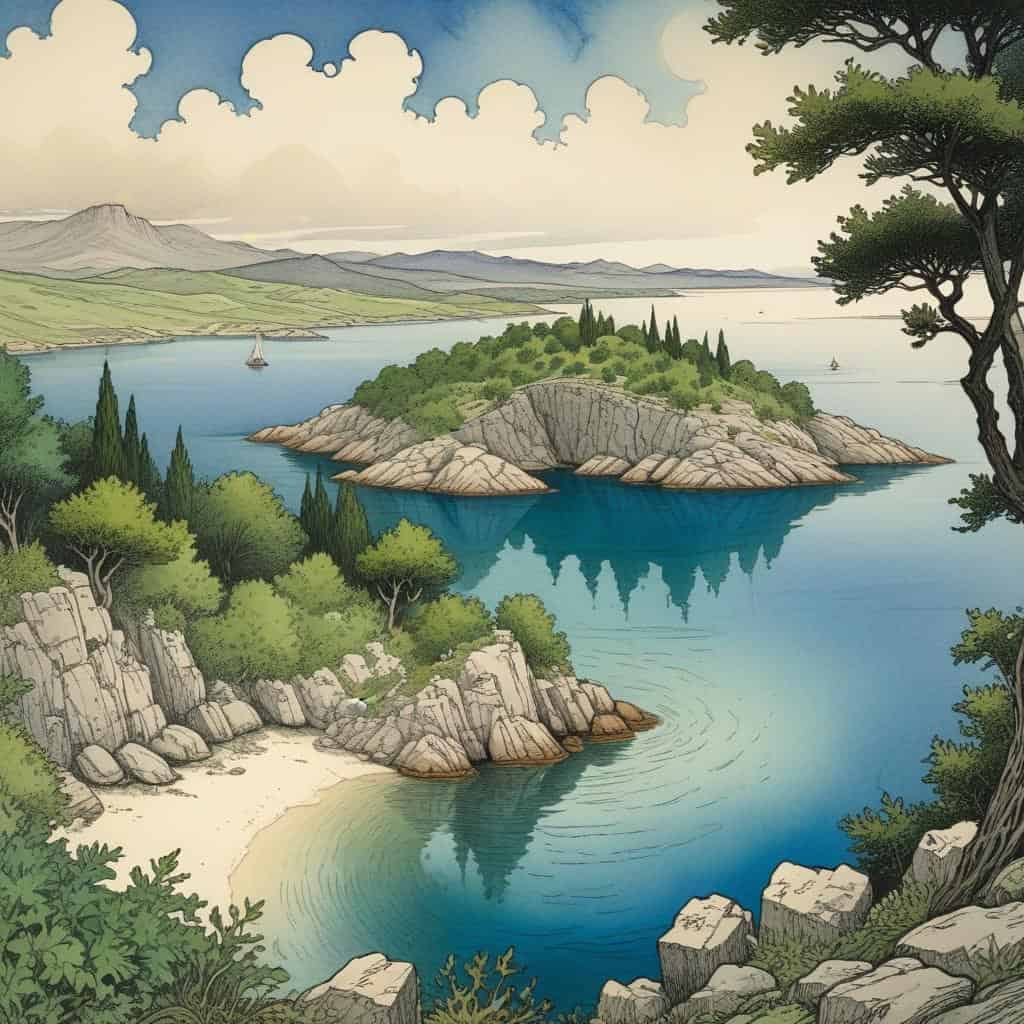
7. Island Hopping
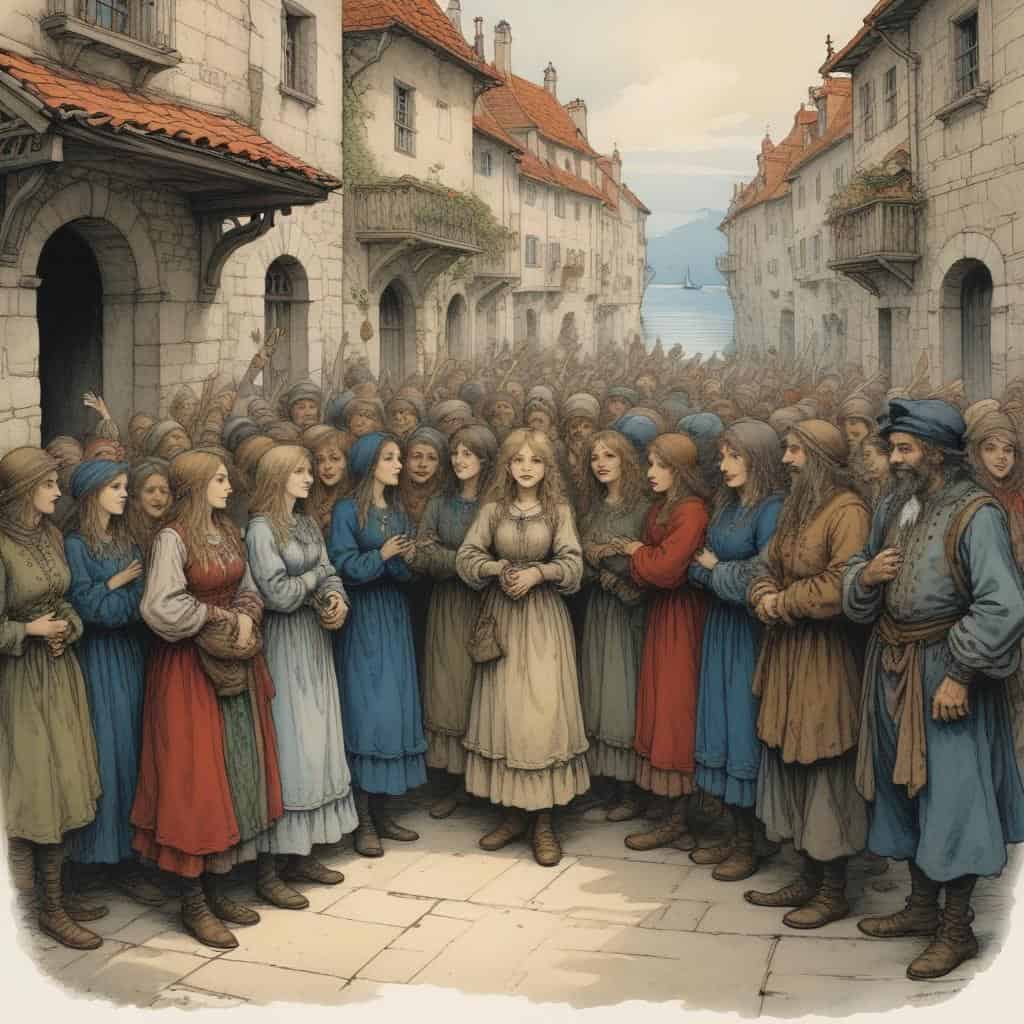
8. Warm Hospitality
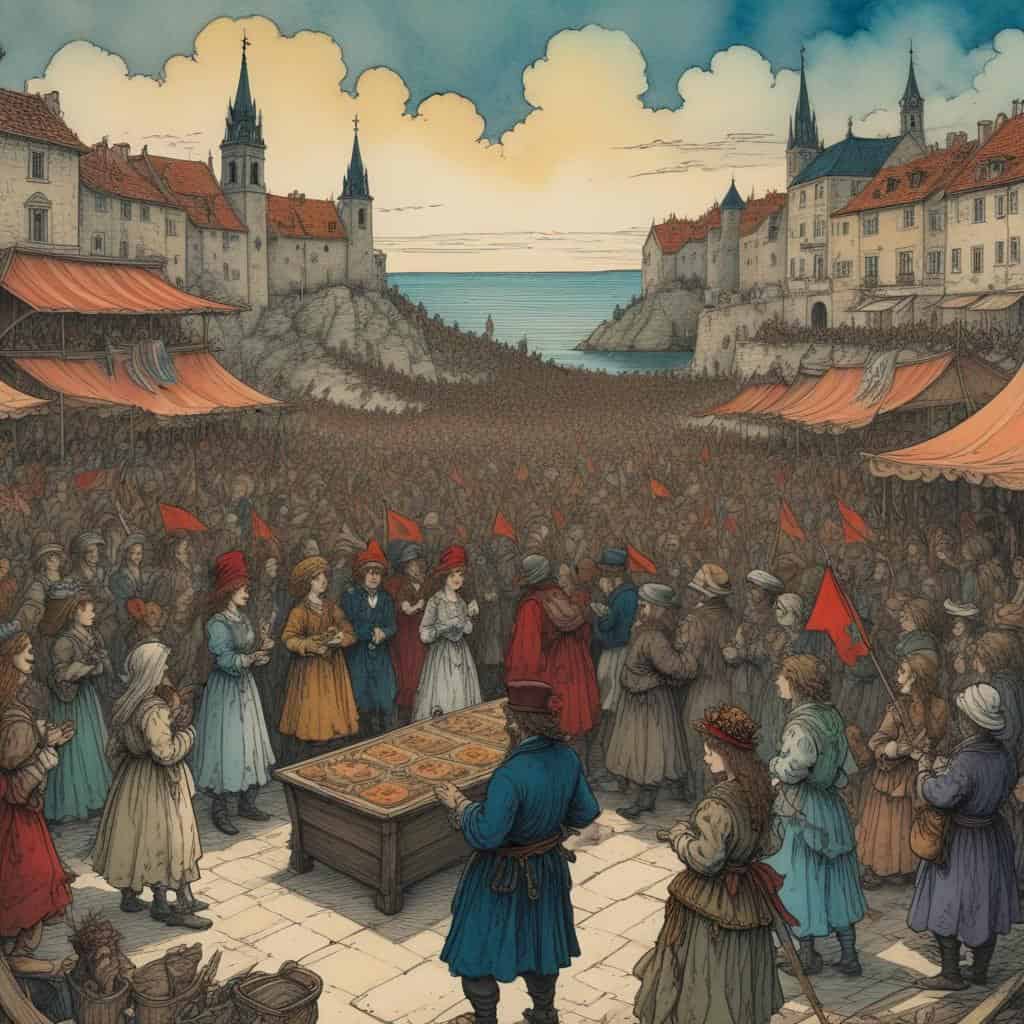
9. Festivals and Events

10. Diverse Landscapes
In a Nutshell
- Capital: Zagreb
- Population: Approx. 4.1 million (2021)
- Official Language: Croatian
- Currency: Croatian kuna (HRK)
Breaking Down the Country
Coastline Beauty
Croatia boasts a stunning Adriatic coastline with crystal-clear waters, picturesque islands, and charming coastal towns like Dubrovnik and Split.
Historic Architecture
Explore Croatia's rich history through its well-preserved medieval towns, Roman ruins like Diocletian's Palace, and iconic cathedrals.
Cultural Festivals
Experience Croatia's vibrant cultural scene with music festivals like Ultra Europe, traditional folk festivals, and lively street performances.
Timeline of Croatia
Croatia enters a union with Hungary
Kingdom of Croatia established under the rule of the Hungarian crown
Croatia becomes part of the Habsburg Monarchy
Great Turkish War results in Croatia becoming a part of the Habsburg Monarchy
Croatia becomes a kingdom within the Habsburg Monarchy
Croatia becomes part of the Austro-Hungarian Empire
First World War leads to the dissolution of the Austro-Hungarian Empire and the creation of the Kingdom of Serbs, Croats, and Slovenes
Croatia declares independence from Yugoslavia
Croatian War of Independence begins
Croatia becomes a member of the United Nations
Croatia joins NATO
Croatia becomes a member of the European Union
Croatia wins the FIFA World Cup
Croatia is hit by a devastating earthquake in Petrinja
Croatia experiences a surge in tourism, becoming a popular travel destination
Croatia hosts the UEFA Euro 2020 football tournament
Croatia adopts the Croatian kuna as its currency
Croatia experiences rapid economic growth and development in the 2000s
Croatia becomes a member of the Schengen Area
Croatia celebrates its Independence Day on October 8th
Vocabulary List
- Dubrovnik
- A coastal city in southern Croatia known for its Old Town surrounded by massive stone walls
- Plitvice
- Referring to Plitvice Lakes National Park, a UNESCO World Heritage site known for its cascading waterfalls and turquoise lakes
- Dalmatia
- A region along the Adriatic Sea coast, known for its beautiful beaches and historic towns
- Zagreb
- The capital and largest city of Croatia, known for its historic architecture and vibrant cultural scene
- Istria
- A peninsula in northwest Croatia known for its picturesque coastline, charming villages, and truffles
- Hvar
- An island in the Adriatic Sea known for its lavender fields, vineyards, and party scene
- Kor?ula
- An island off the Dalmatian coast known for its medieval old town and alleged birthplace of Marco Polo
- Pula
- A city in Istria known for its well-preserved Roman amphitheater
- Croatian Kuna
- The official currency of Croatia
- Klapa
- A traditional form of a capella singing native to the Dalmatian coast
Key Facts
This is the information used in the fact matching game
- Croatia is located in Southeastern Europe, bordering the Adriatic Sea.
- The official language of Croatia is Croatian.
- The capital city of Croatia is Zagreb.
- Croatia has a population of approximately 4 million people.
- The currency used in Croatia is the Croatian Kuna.
- Croatia became a member of the European Union in 2013.
- The Dinaric Alps run through the western part of Croatia.
- Croatia is known for its stunning coastline and more than a thousand islands.
- The Plitvice Lakes National Park in Croatia is a UNESCO World Heritage Site.
- Croatia has a diverse cuisine that includes dishes like cevapi, sarma, and pasticada.
- The traditional Croatian music instrument is called the tamburica.
- The tie, known as the cravat, originated in Croatia.
- Croatia has a rich history dating back to ancient times, with influences from the Romans, Venetians, and Ottomans.
- Croatia has eight national parks, including Paklenica, Krka, and Brijuni.
- The city of Dubrovnik in Croatia is known as the 'Pearl of the Adriatic' for its well-preserved medieval walls and historic buildings.
- Croatia has a Mediterranean climate with hot summers and mild winters.
- Croatia has a strong tradition of sports, with football (soccer) being the most popular sport in the country.
- The Croatian flag consists of three horizontal stripes - red, white, and blue.
- The Diocletian's Palace in Split, Croatia, is a UNESCO World Heritage Site.
- Croatia is famous for its wine production, with regions like Istria and Dalmatia producing high-quality wines.
Why It Matters
Geopolitical Significance
Croatia’s strategic location along the Adriatic Sea and its borders with Slovenia, Hungary, Serbia, Montenegro, and Bosnia and Herzegovina make it a key player in regional politics and security. Its membership in the European Union has also positioned it as a bridge between Central Europe and the Balkans.
Historical Importance
Croatia has a rich history shaped by influences from the Roman Empire, the Byzantine Empire, and the Austro-Hungarian Empire. The country’s struggle for independence in the 20th century and its role in the Yugoslav Wars have left lasting impacts on its culture, identity, and relationships with neighboring countries.
Modern-Day Role
Today, Croatia is a member of the European Union and NATO, playing a significant role in promoting stability and cooperation in the Balkans. Its booming tourism industry, beautiful coastline, and diverse cultural heritage continue to attract visitors from around the world, contributing to its economic development and global reputation.
Croatia Games


Take Your Learning Offline
Want a convenient, print-ready study guide for this lesson? Become a Memory Wizards Pro member to unlock the downloadable " Memory Scrolls" for this topic and our entire library!
- ✓ Complete Vocabulary Lists
- ✓ Key Facts & Timelines
- ✓ Beautifully Formatted for Print & Mobile