
How Do You Learn Best?
Learn by Reading
Immerse yourself in the 10-minute visual lesson for a comprehensive understanding of the topic.
Learn by Reviewing
Jump directly to the key facts, timeline, and vocabulary lists to build a solid foundation of details.
Learn by Doing
Challenge yourself! Jump straight into the interactive games to learn by trial, error, and discovery.
Belgium in 10 Minutes

Introduction
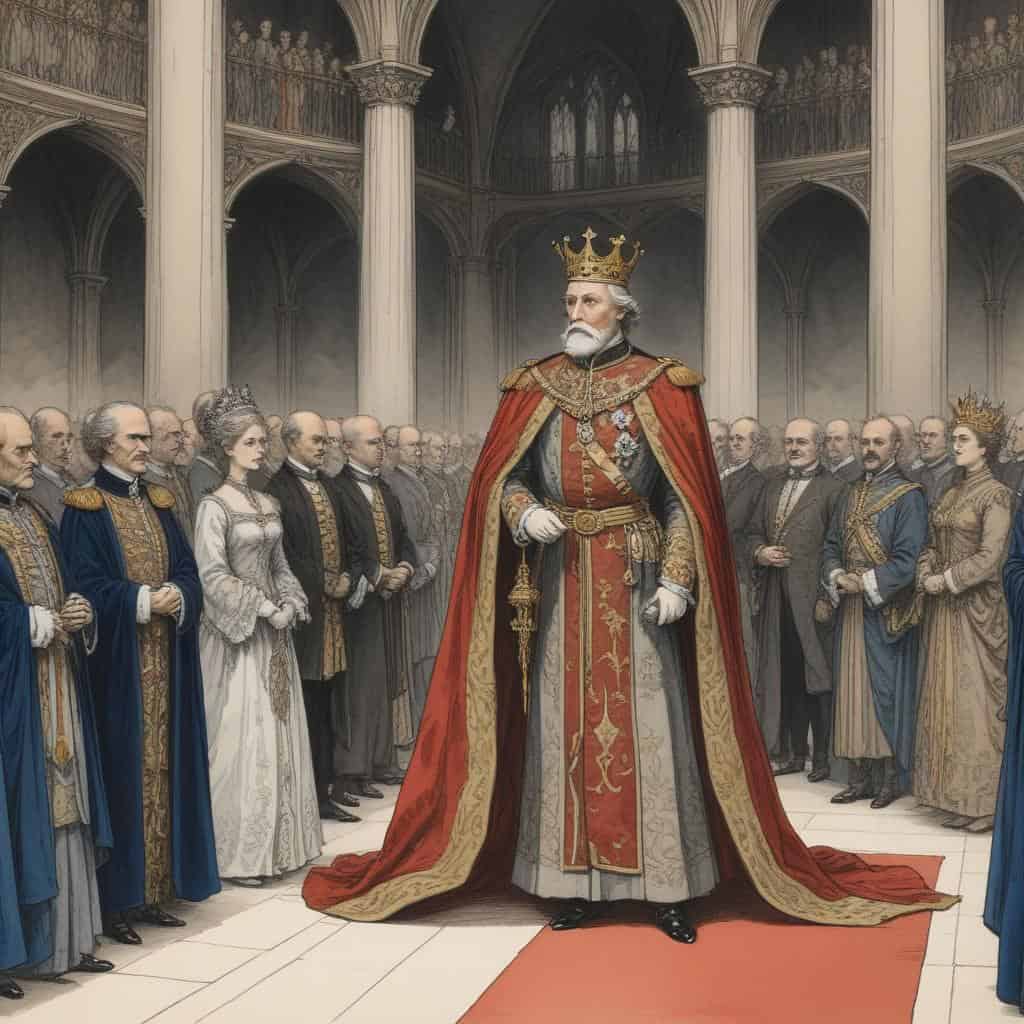
1. King Philippe
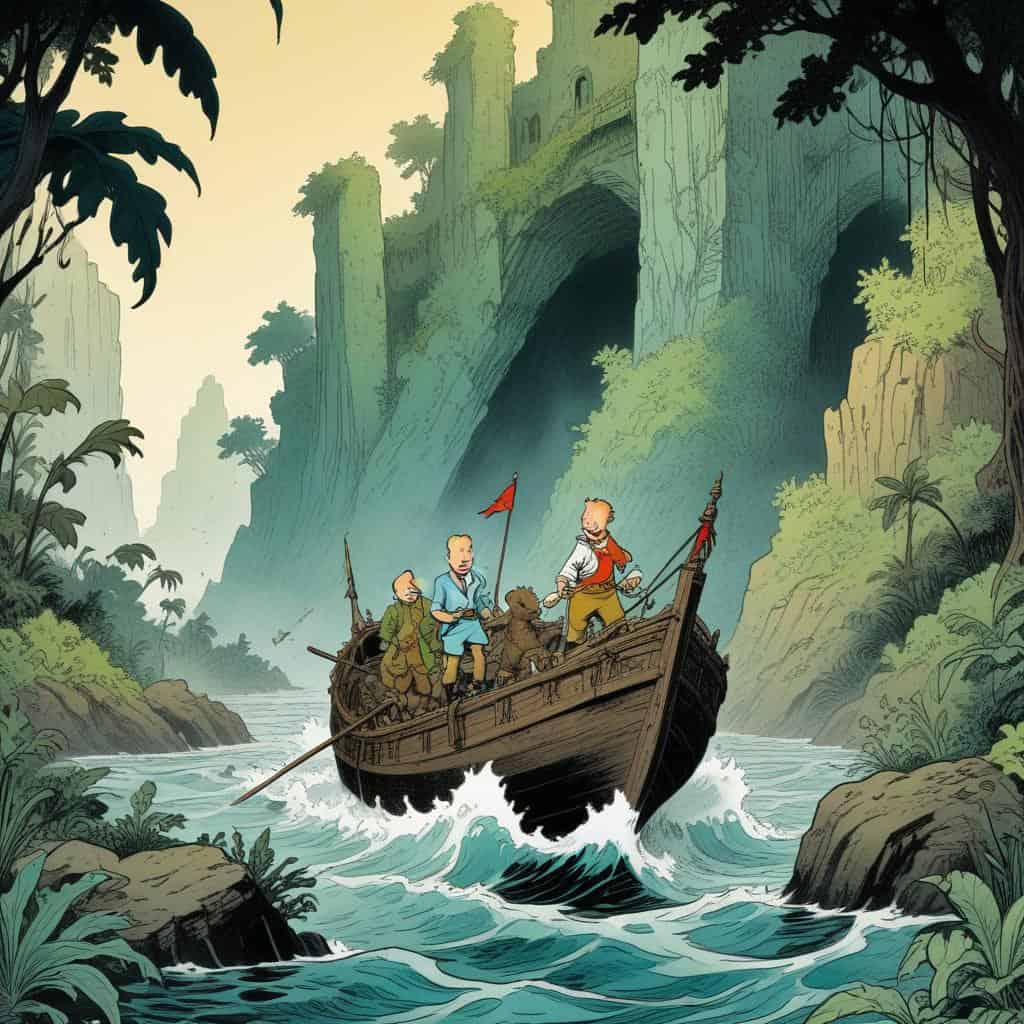
2. Tintin
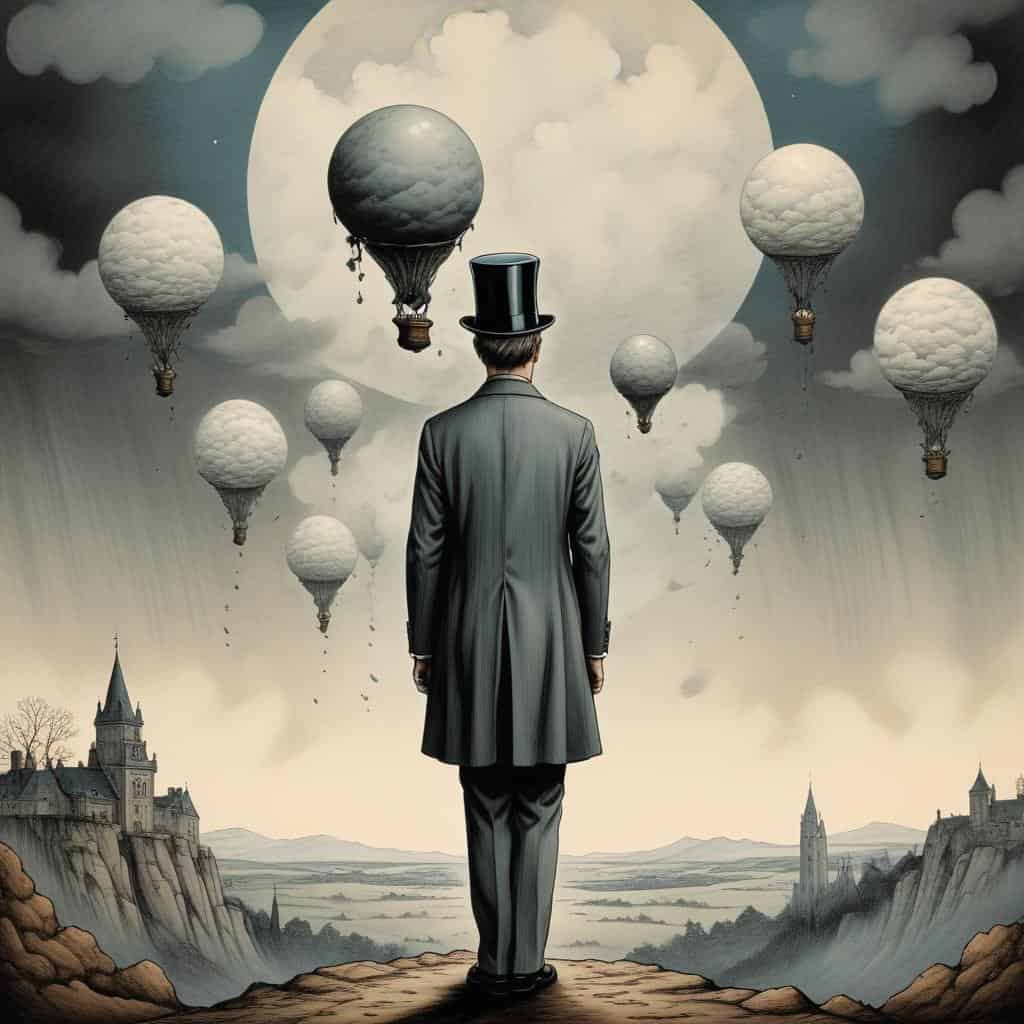
3. René Magritte
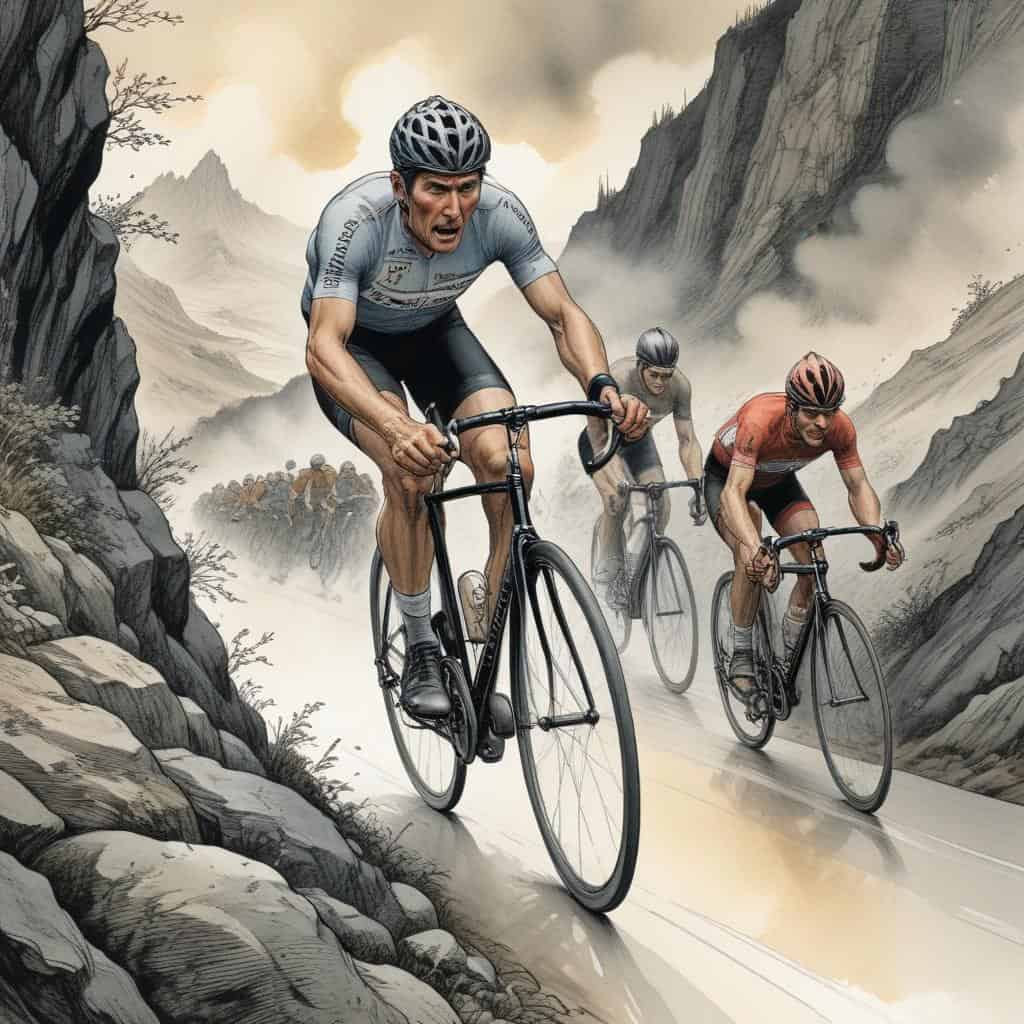
4. Eddy Merckx
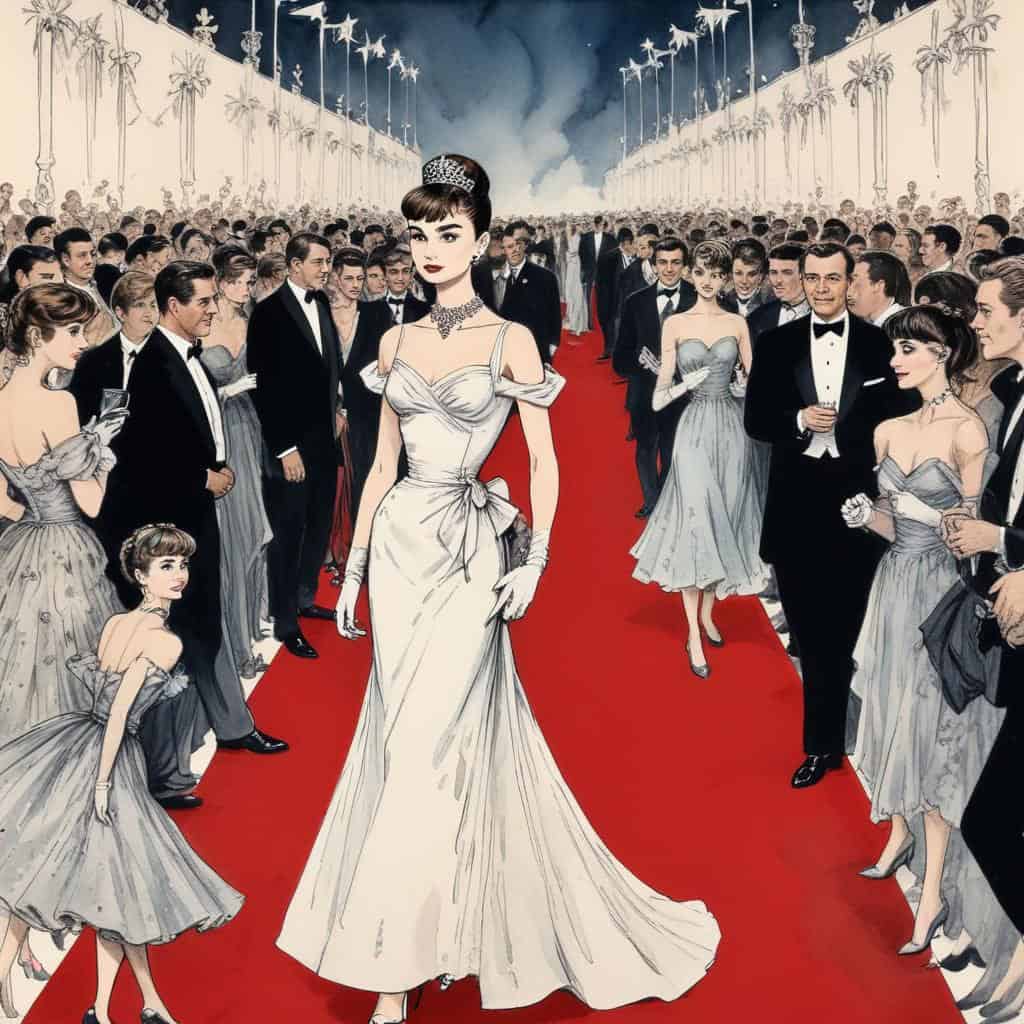
5. Audrey Hepburn

Brussels, the Capital City
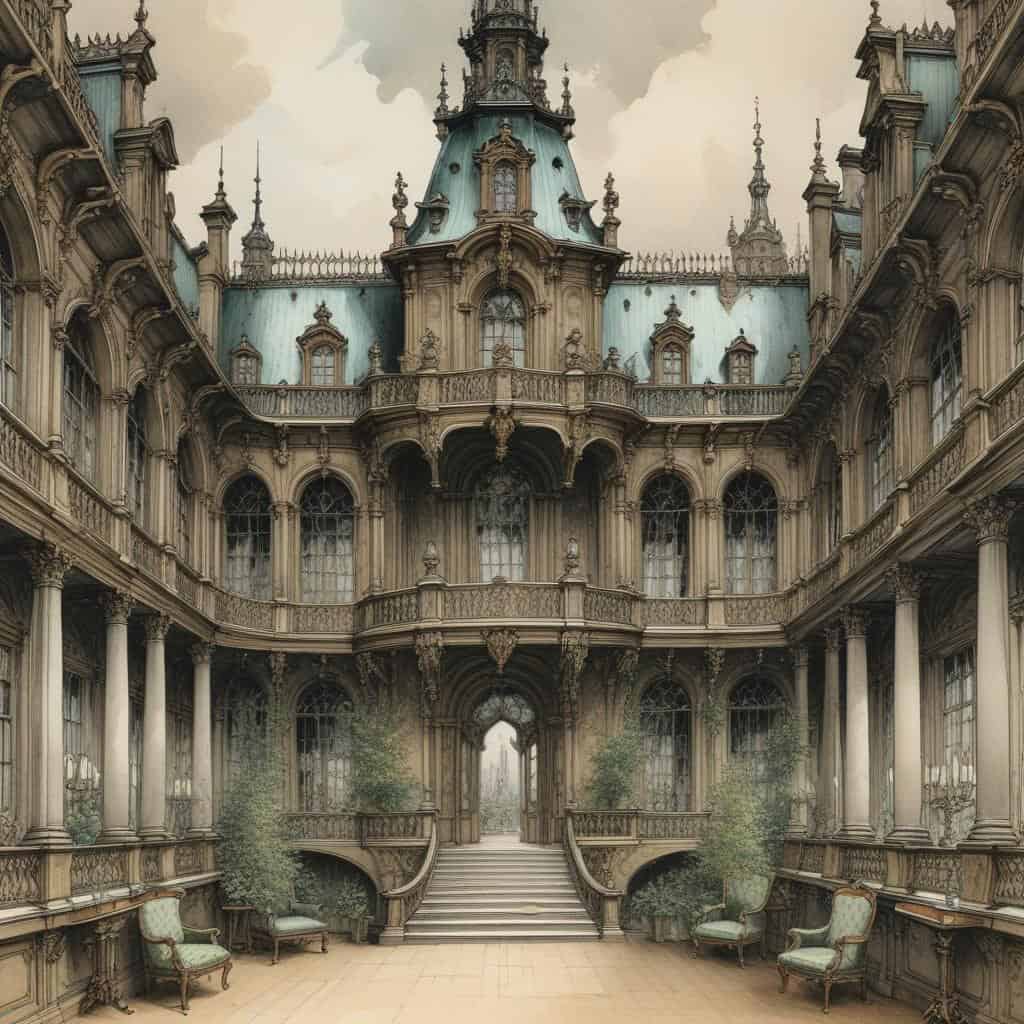
The Royal Palace of Brussels
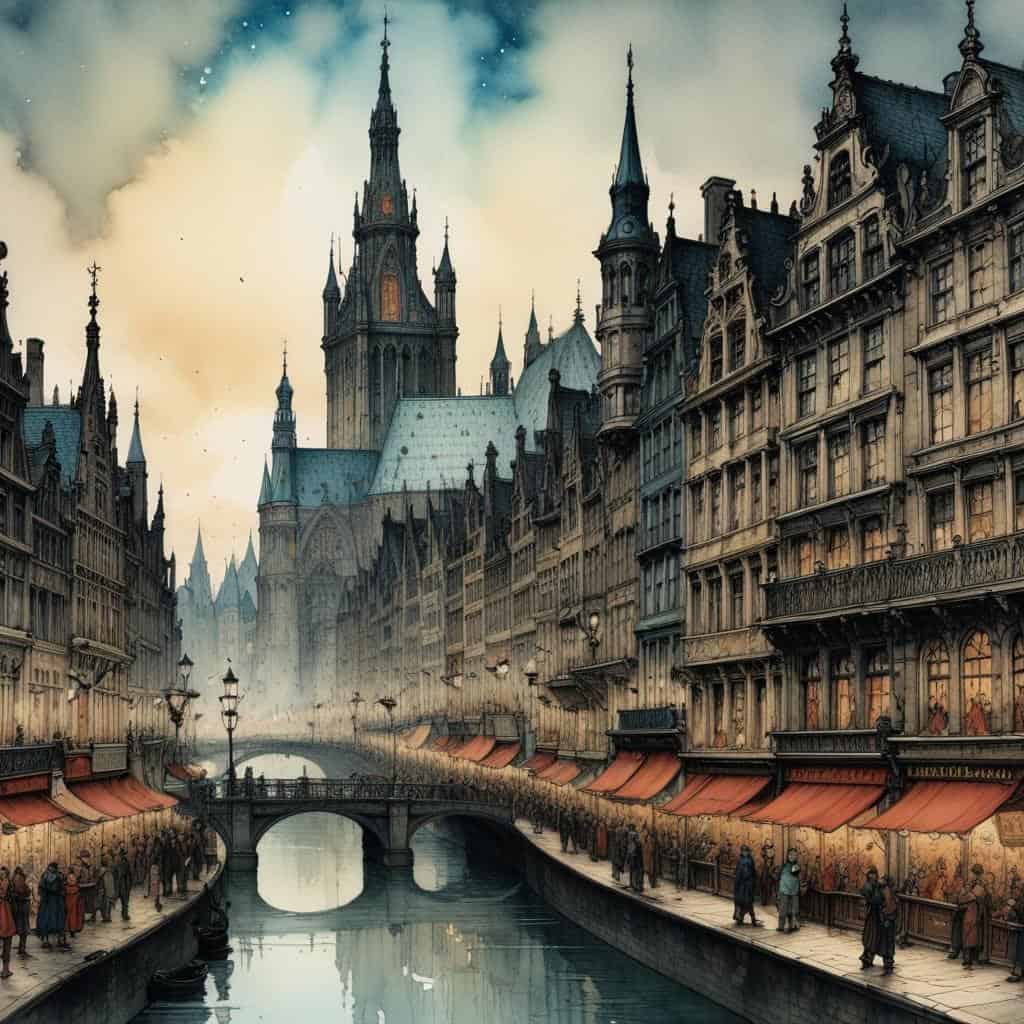
Antwerp, the Diamond Capital
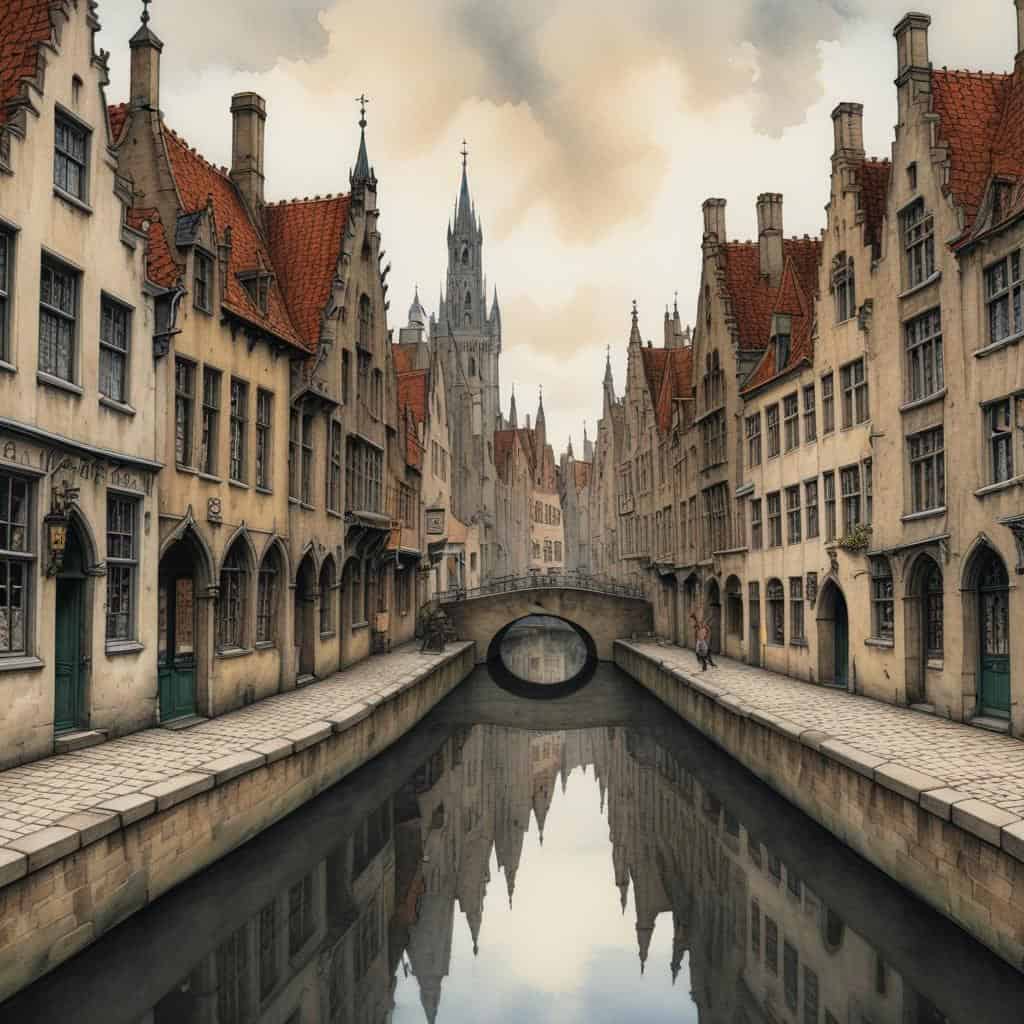
Historic Bruges
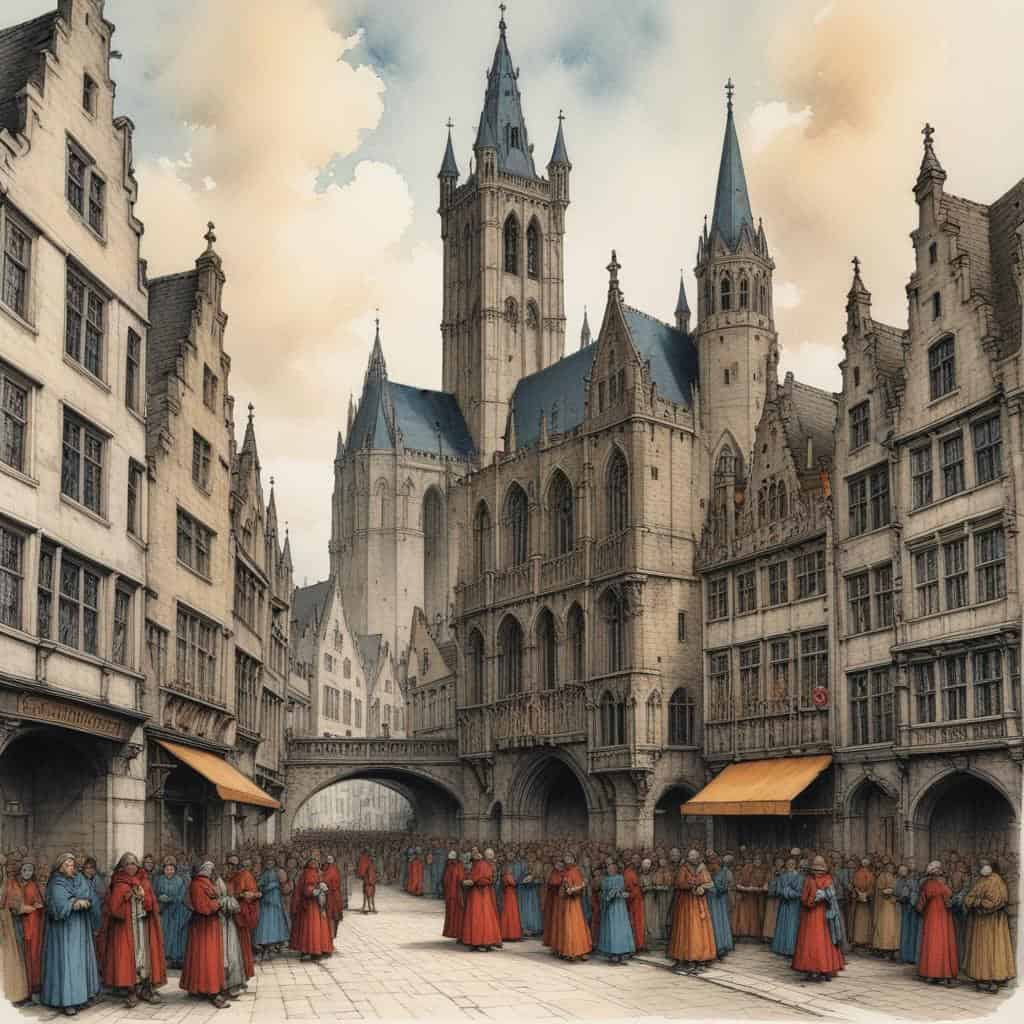
Ghent, the Medieval City
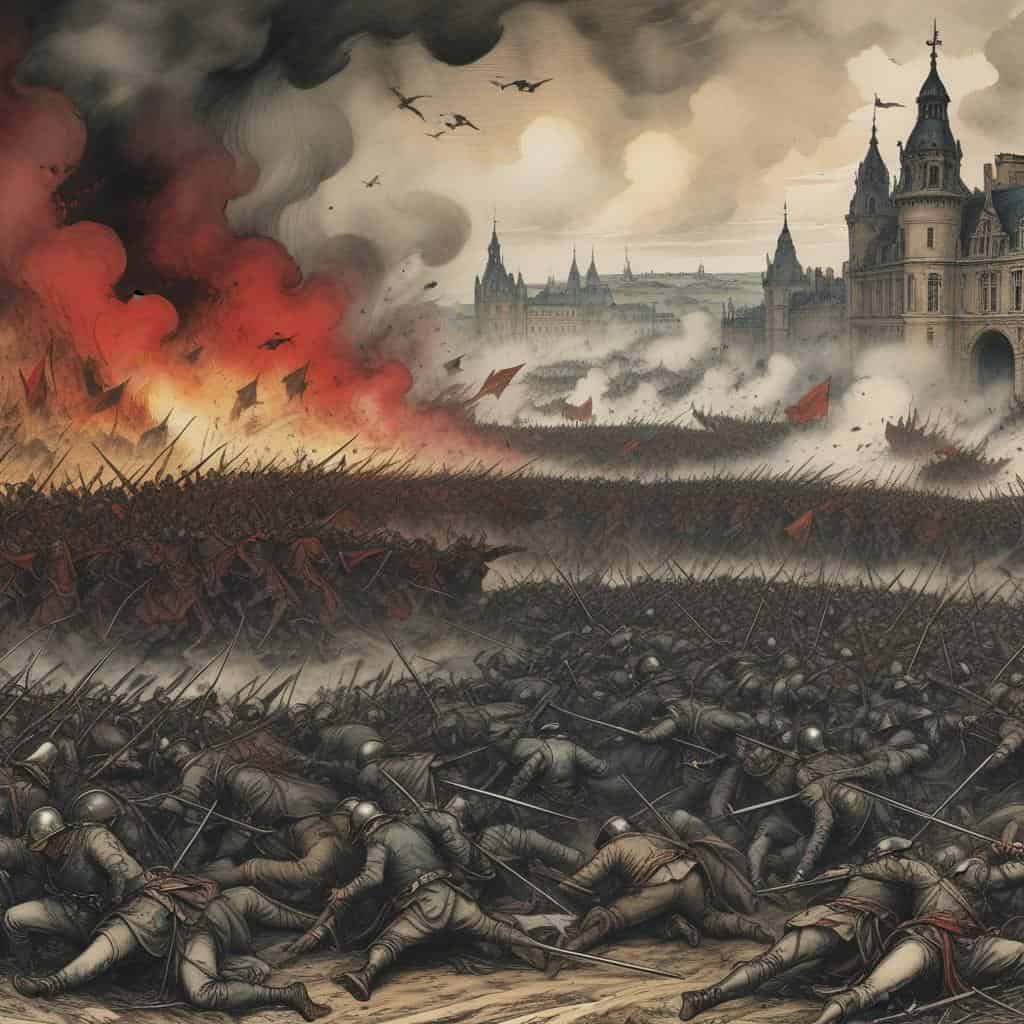
The Battle of Waterloo
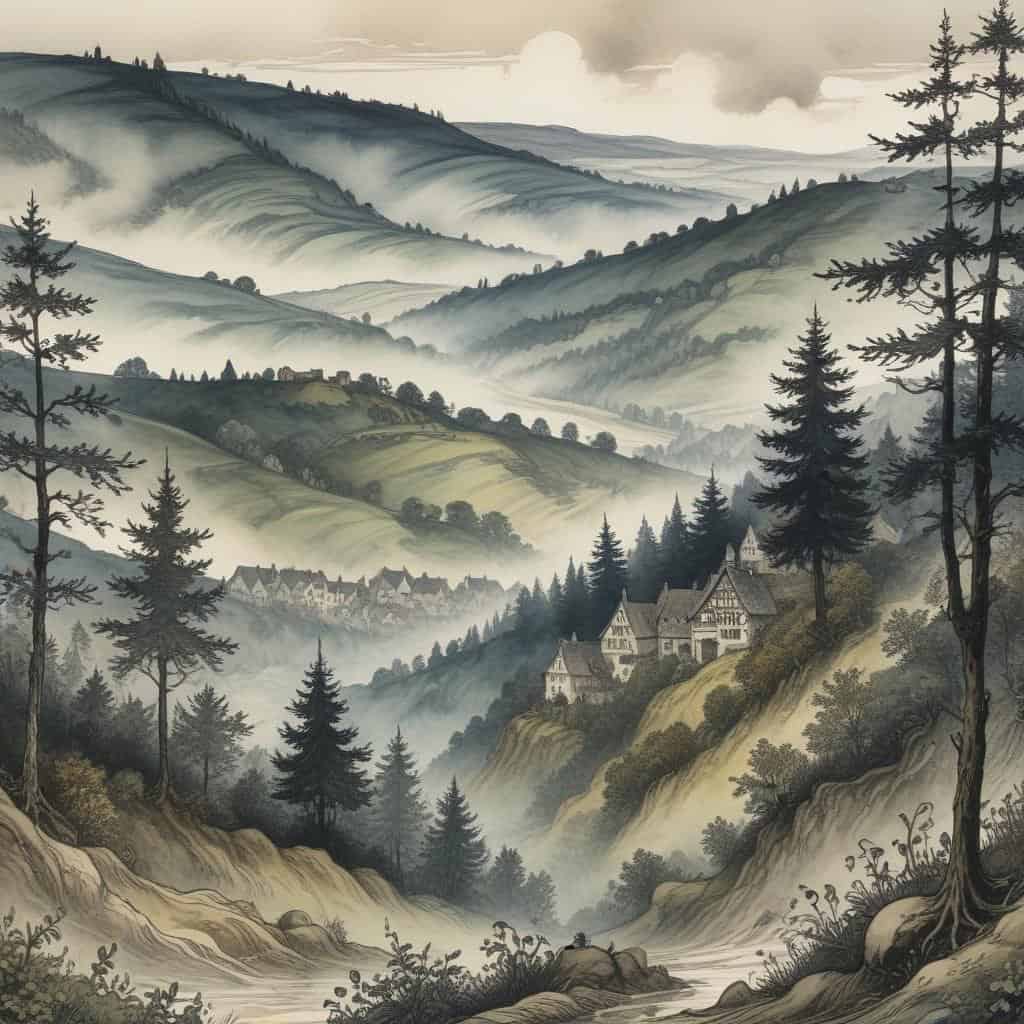
The Ardennes Region
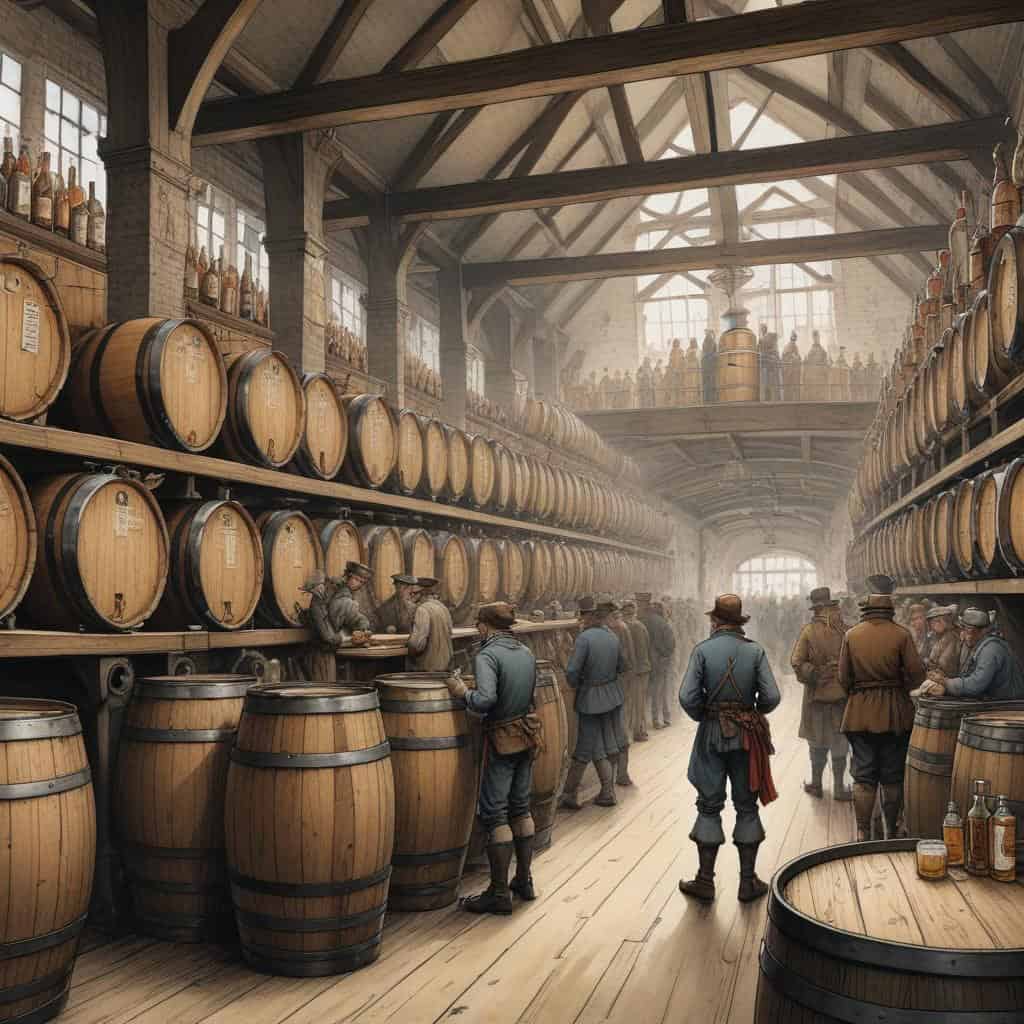
Belgian Beer Culture

The Comic Strip Route

The North Sea Coast
In a Nutshell
- Capital: Brussels
- Population: Approx. 11.5 million (2021)
- Official Language: Dutch, French, German
- Currency: Euro (EUR)
Breaking Down the Country
Historic Sites
Discover Belgium's rich history through iconic landmarks like Grand Place, Manneken Pis, and the medieval Belfry of Bruges.
Culinary Delights
Indulge in Belgium's gastronomic wonders, from world-renowned chocolates and waffles to flavorful Belgian beers and hearty Flemish stews.
Artistic Treasures
Explore Belgium's artistic legacy with visits to museums like the Royal Museums of Fine Arts and the Magritte Museum showcasing surrealism.
Timeline of Belgium
Belgium gains independence from the Netherlands
Leopold I becomes the first King of the Belgians
The Treaty of London recognizes Belgium as a neutral country
Belgium becomes a founding member of the Benelux Economic Union
Belgium becomes a founding member of the European Economic Community (EEC)
Brussels hosts the World's Fair (Expo 58)
Belgium gains independence from the Netherlands
King Baudouin I becomes King of the Belgians
Belgium becomes a founding member of the European Union (EU)
The Treaty of Lisbon is signed, amending the EU's previous treaties
Belgium legalizes same-sex marriage
Brussels becomes the de facto capital of the European Union
Belgium participates in the NATO bombing of Yugoslavia
Belgium adopts the euro as its official currency
Belgium grants independence to the Democratic Republic of the Congo
King Albert II abdicates the throne in favor of his son, Philippe
The Brussels attacks occur, resulting in multiple casualties
Belgium wins the FIFA World Cup in football
Belgium experiences a heatwave with record-breaking temperatures
King Philippe of Belgium visits the DRC, marking a new chapter in bilateral relations
Vocabulary List
- Brussels
- The capital city of Belgium.
- Waffles
- A popular Belgian dessert often topped with whipped cream, fruit, or chocolate.
- Frites
- Belgian-style fries, typically served with mayonnaise or other sauces.
- Beer
- Belgium is famous for its wide variety of beers, including Trappist ales, lambics, and saisons.
- Chocolate
- Belgium is known for its high-quality chocolate, with many chocolatiers producing delicious pralines and truffles.
- Atomium
- A landmark building in Brussels, originally constructed for the 1958 World's Fair.
- Tintin
- A popular Belgian comic book series created by Hergé.
- Flemish
- One of the official languages of Belgium, spoken in the northern region of Flanders.
- Wallonia
- The southern, French-speaking region of Belgium.
- Manneken Pis
- A famous bronze statue of a little boy urinating, located in Brussels.
- EU
- Brussels is home to the headquarters of the European Union.
Key Facts
This is the information used in the fact matching game
- Belgium is known for its delicious waffles, which are often enjoyed with toppings like chocolate, whipped cream, and fruit.
- The Belgian comic strip 'The Adventures of Tintin' was created by Belgian cartoonist Hergé and has become a cultural icon around the world.
- Belgium is home to the headquarters of the European Union and NATO, making it an important center for international politics.
- Belgium produces over 220,000 tons of chocolate per year, making it one of the top chocolate producers in the world.
- The Atomium, a unique building in Brussels that resembles an iron crystal magnified 165 billion times, was originally constructed for the 1958 World Expo.
- Belgium is known for its beer culture, with over 1,500 different types of beer produced in the country.
- Belgium has three official languages: Dutch, French, and German, reflecting its history as a multilingual country.
- The Belgian city of Bruges is known for its well-preserved medieval architecture and picturesque canals, earning it the nickname 'Venice of the North'.
- Belgium is home to the world's largest sand sculpture festival, held annually in the coastal town of Ostend.
- Belgium has more castles per square kilometer than any other country in the world.
- The Belgian city of Ghent is known for its vibrant street art scene, with murals and graffiti adorning buildings throughout the city.
- Belgium is the birthplace of surrealism, with artists like René Magritte and Paul Delvaux leading the movement in the early 20th century.
- Belgium is home to the largest courthouse in the world, the Palace of Justice in Brussels, which covers an area of over 26,000 square meters.
- Belgium is famous for its frites, or French fries, which are typically served with mayonnaise or other sauces.
- Belgium is known for its extensive cycling infrastructure, with over 1,000 kilometers of dedicated cycling paths throughout the country.
- Belgium is home to the world's first printed newspaper, the Nieuwe Tijdinghen, which was published in Antwerp in 1605.
- Belgium is the birthplace of the saxophone, with inventor Adolphe Sax hailing from the Belgian city of Dinant.
- Belgium is known for its art nouveau architecture, with notable examples found in cities like Brussels, Antwerp, and Ghent.
- Belgium has the highest density of Michelin-starred restaurants in the world, with over 130 restaurants boasting at least one star.
- Belgium is one of the most densely populated countries in Europe, with a population density of over 370 people per square kilometer.
Why It Matters
Geopolitical Significance
Belgium’s location in Western Europe has made it a key player in regional politics and trade. As the headquarters of the European Union and NATO, Belgium plays a crucial role in shaping international relations and security policies. Its bilingual culture and history of neutrality have also influenced its diplomatic standing.
Historical Importance
Belgium’s history is marked by periods of conflict and conquest, from Roman times to the World Wars. The country’s struggle for independence in the 19th century and its colonial legacy in Africa have shaped its national identity. The cultural contributions of artists like Rene Magritte and Herge have also left a lasting impact.
Modern-Day Role
Today, Belgium is a diverse and prosperous nation known for its high standard of living and progressive social policies. Its role as a diplomatic hub and financial center continues to grow, while its commitment to multilateralism and human rights advocacy has solidified its reputation on the world stage.
Belgium Games


Take Your Learning Offline
Want a convenient, print-ready study guide for this lesson? Become a Memory Wizards Pro member to unlock the downloadable " Memory Scrolls" for this topic and our entire library!
- ✓ Complete Vocabulary Lists
- ✓ Key Facts & Timelines
- ✓ Beautifully Formatted for Print & Mobile