
How Do You Learn Best?
Learn by Reading
Immerse yourself in the 10-minute visual lesson for a comprehensive understanding of the topic.
Learn by Reviewing
Jump directly to the key facts, timeline, and vocabulary lists to build a solid foundation of details.
Learn by Doing
Challenge yourself! Jump straight into the interactive games to learn by trial, error, and discovery.
Austria in 10 Minutes
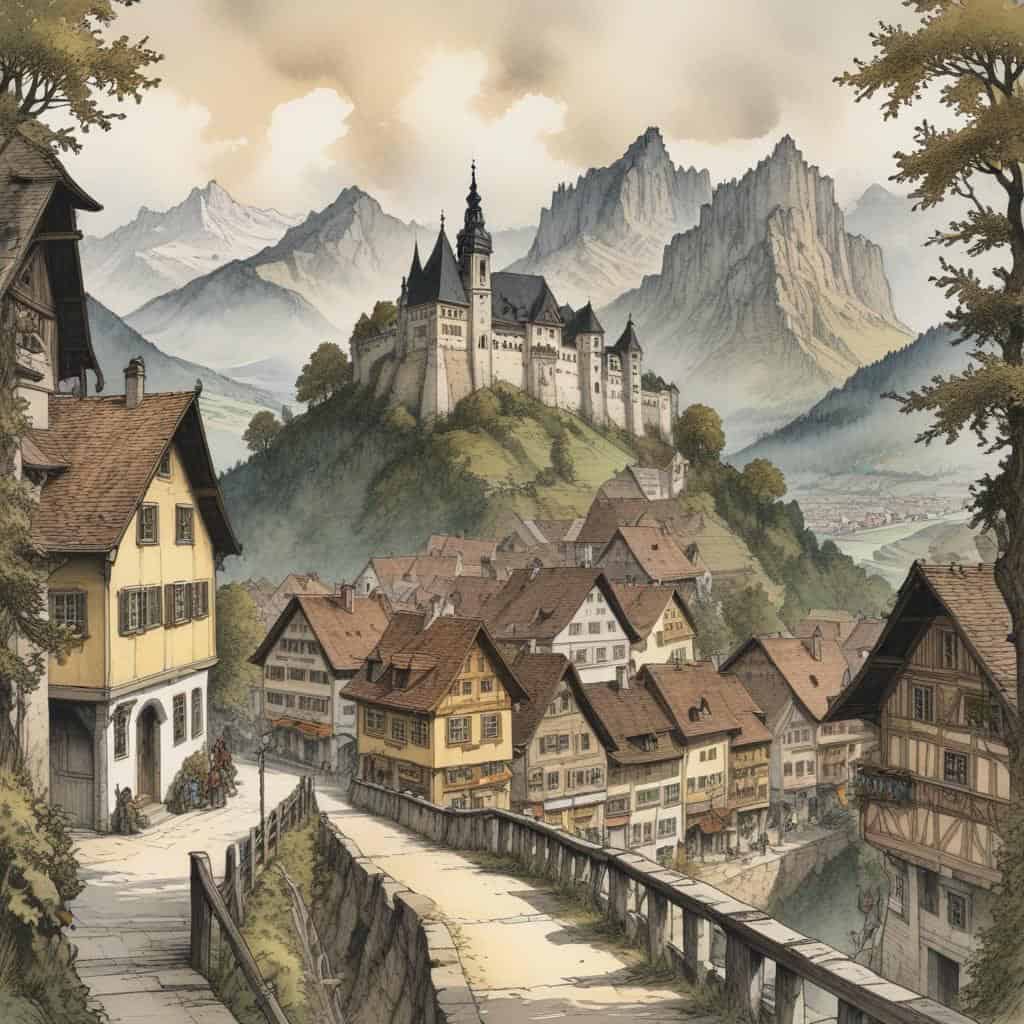
Introduction
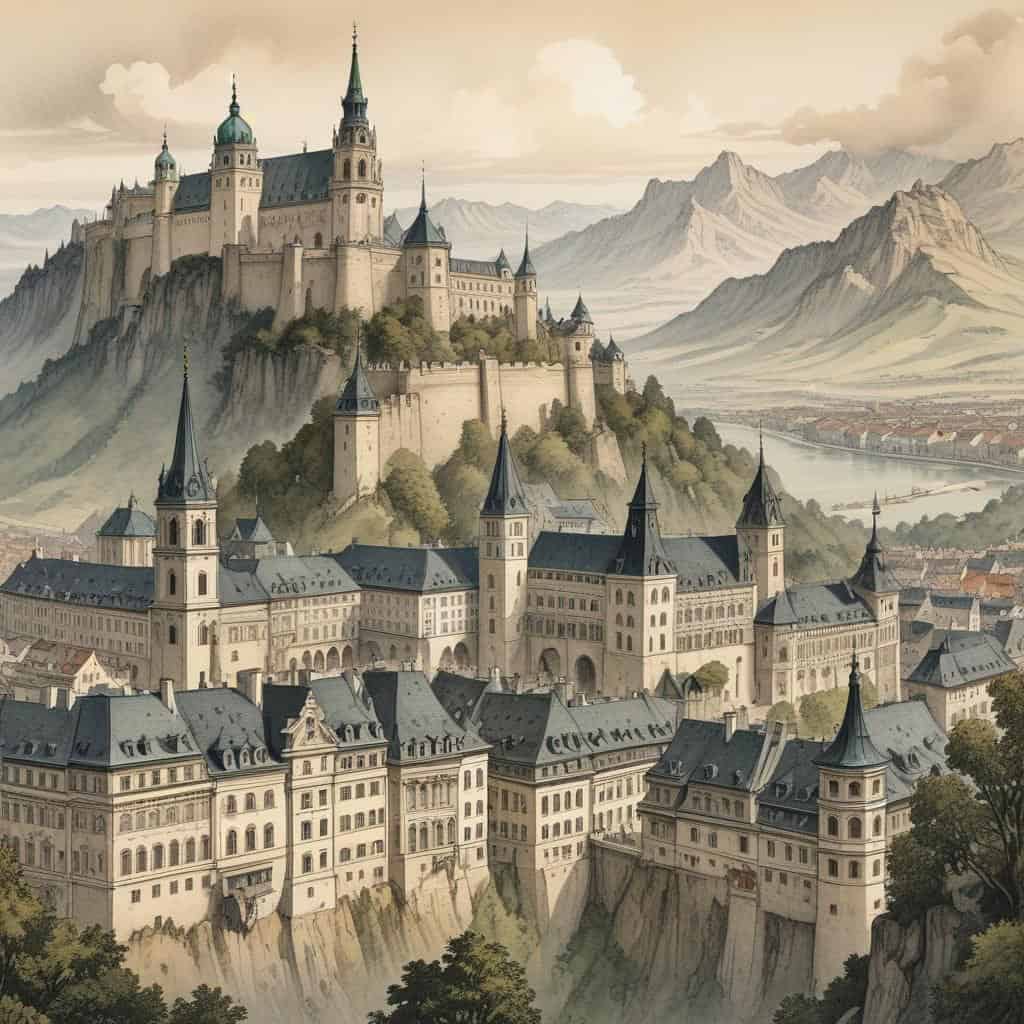
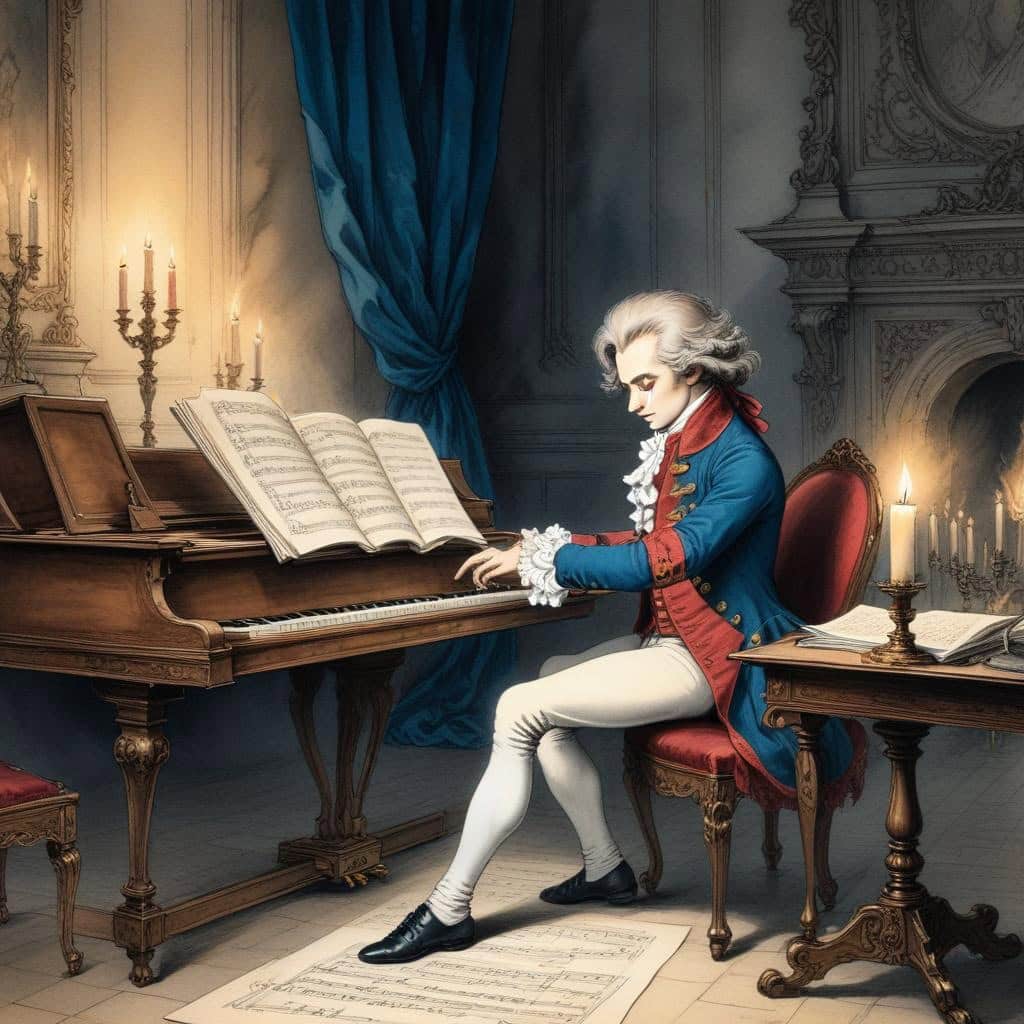
Wolfgang Amadeus Mozart
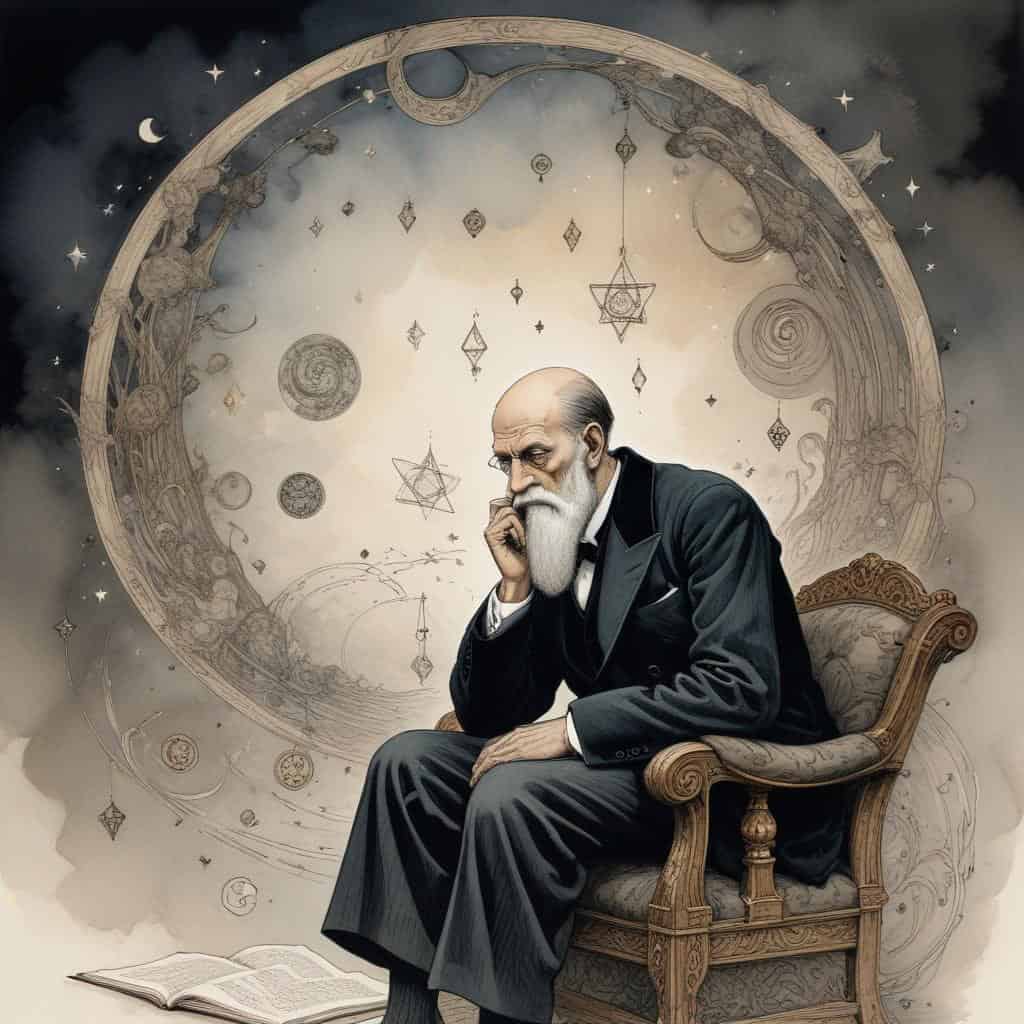
Sigmund Freud
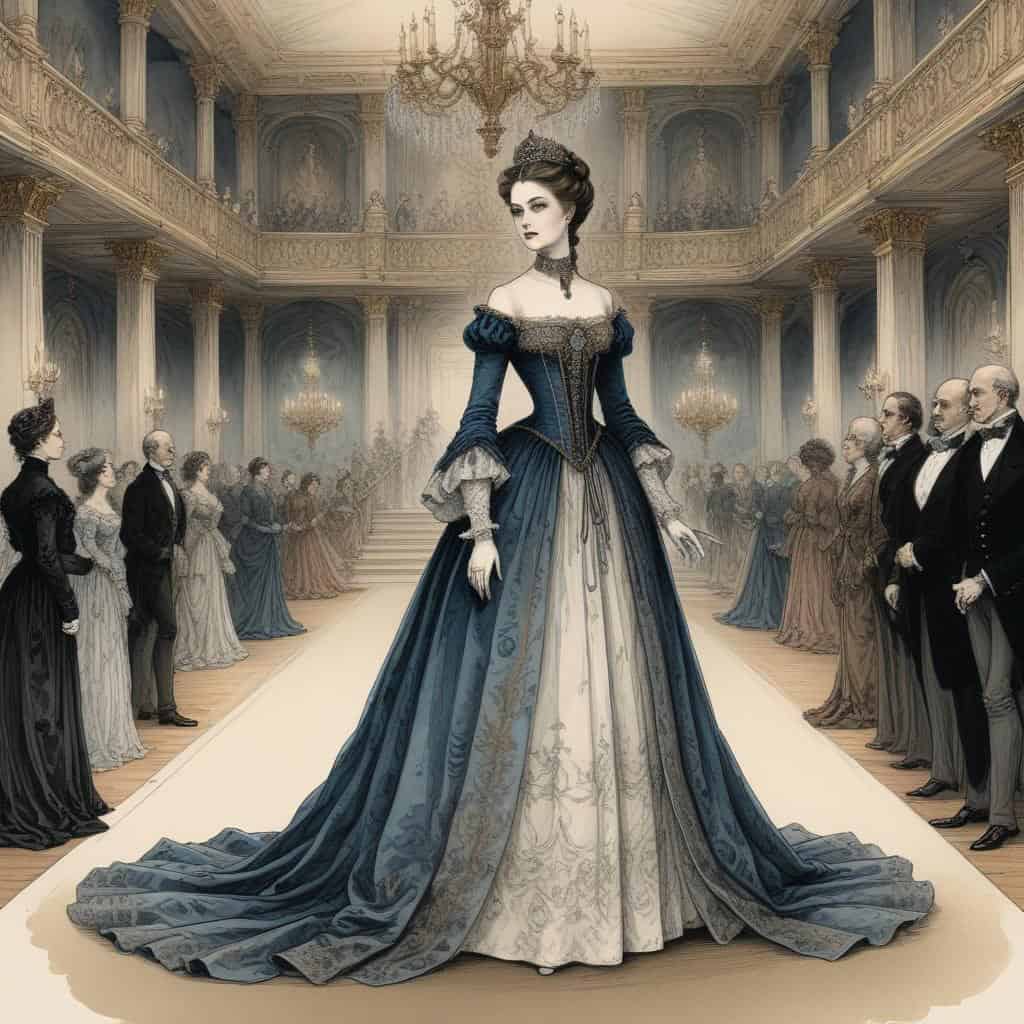
Empress Elisabeth of Austria
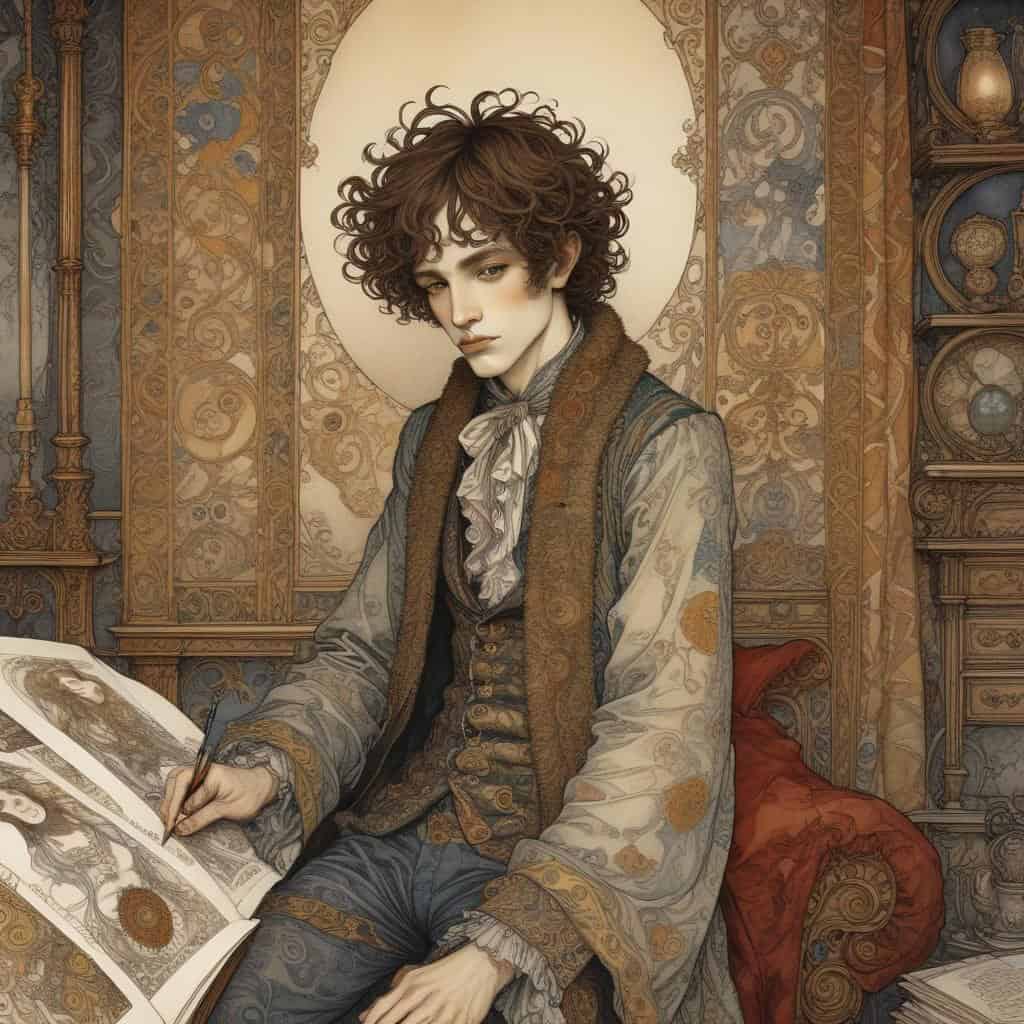
Gustav Klimt
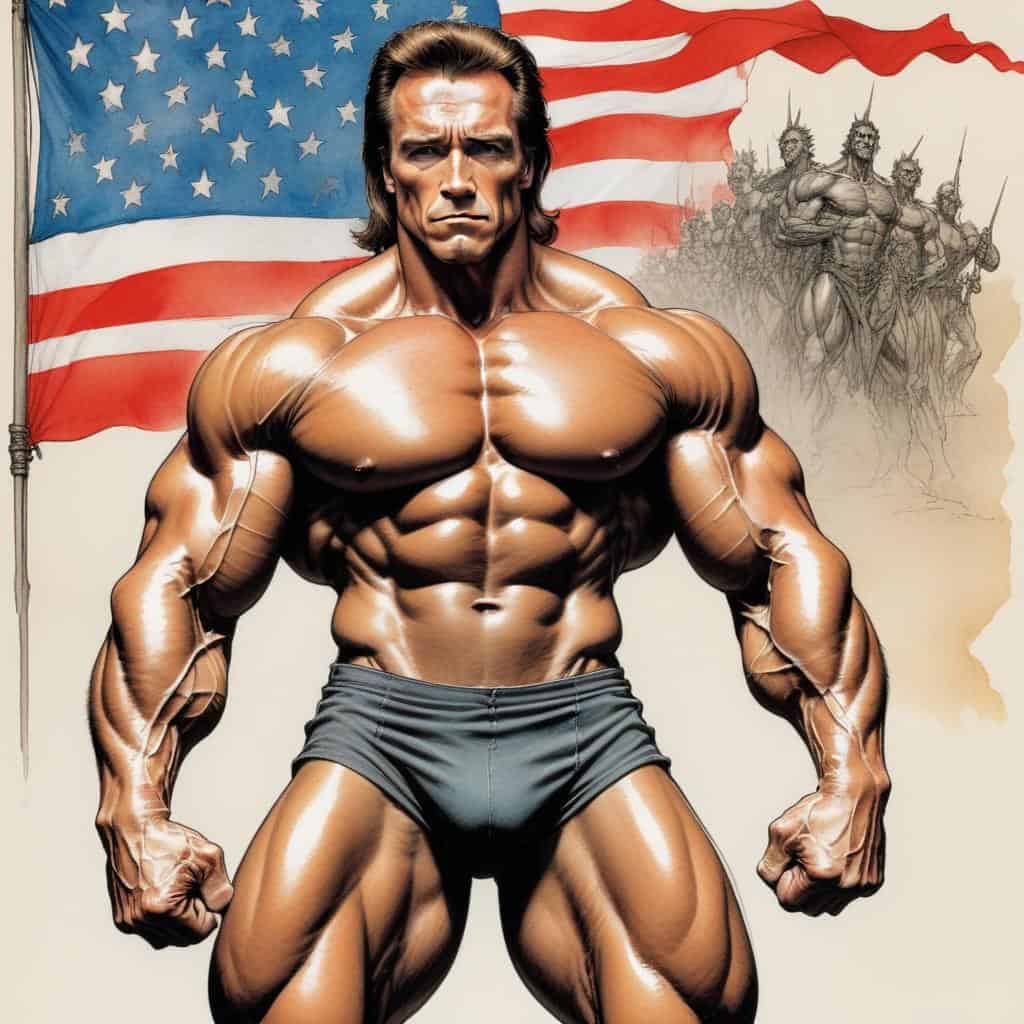
Arnold Schwarzenegger

1. Geography and Location
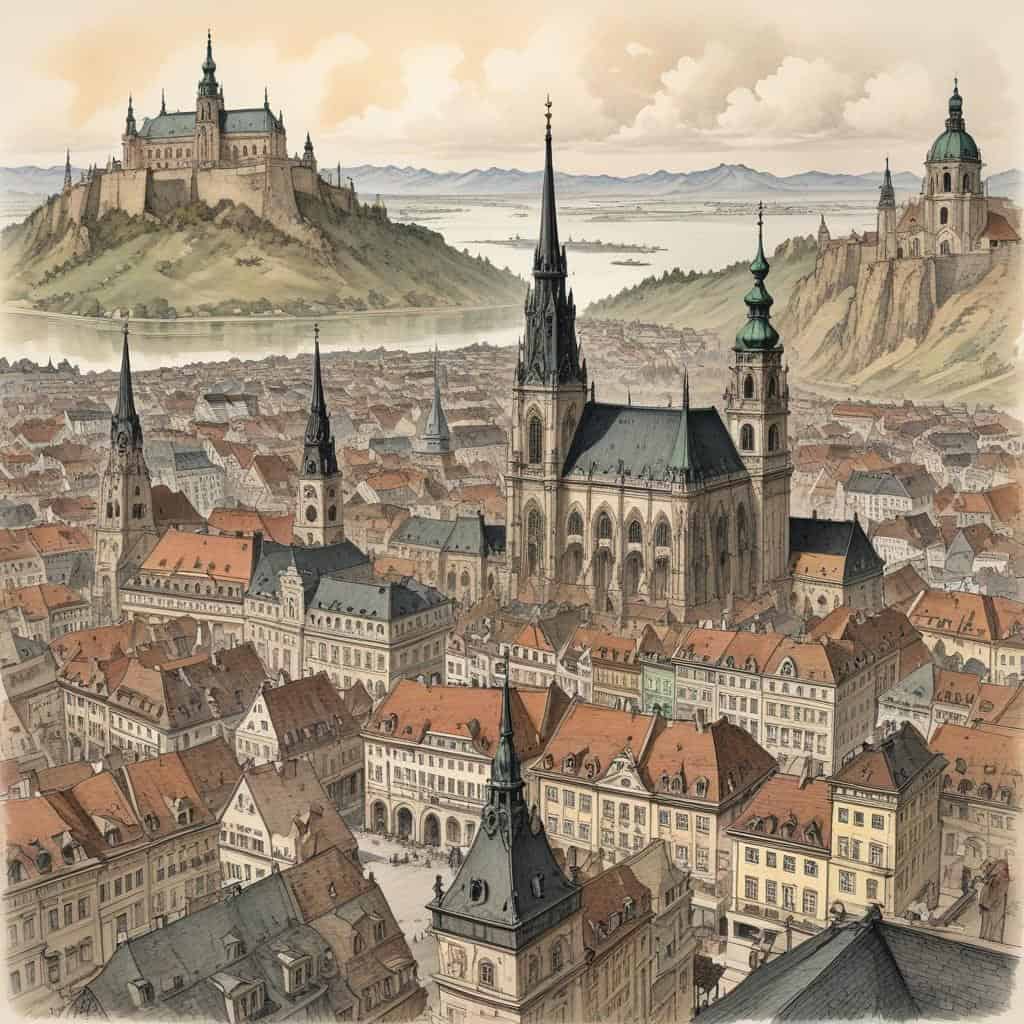
2. Capital and Major Cities
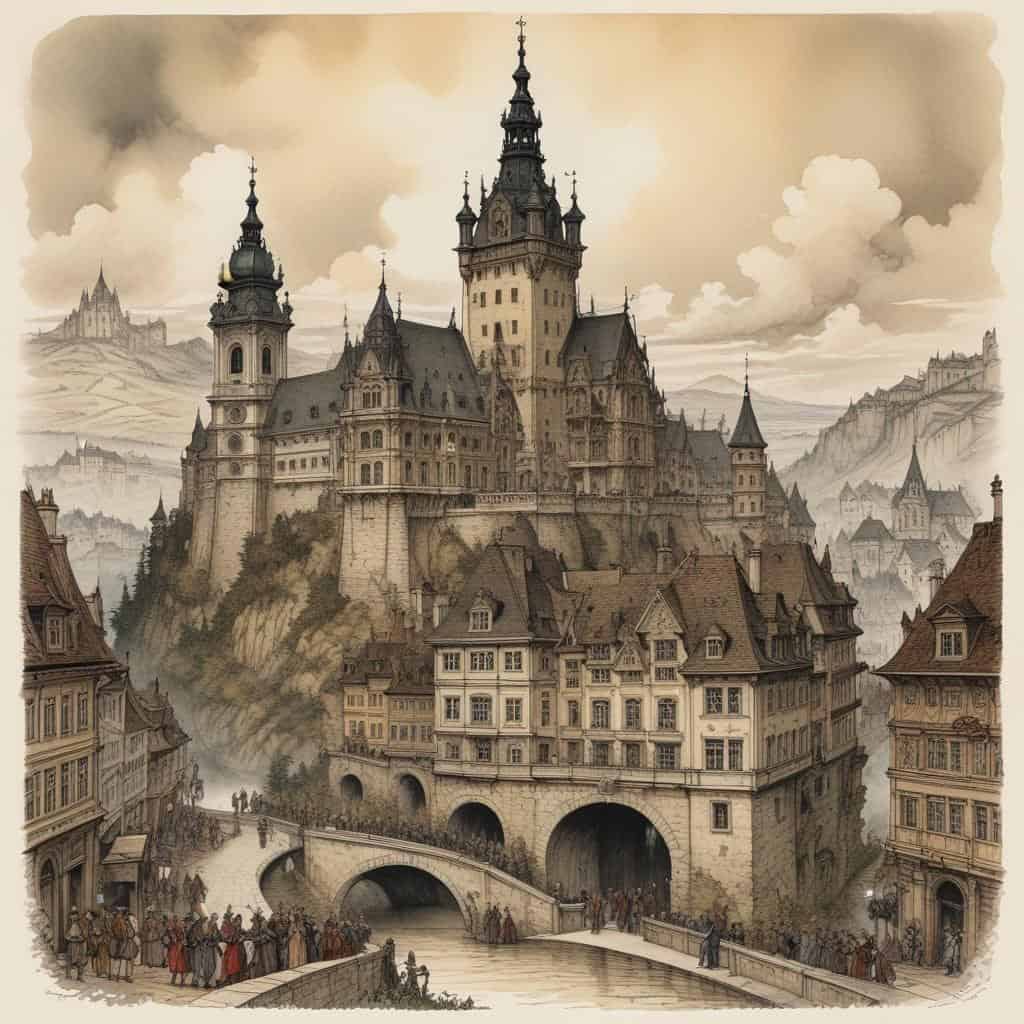
3. History and Culture
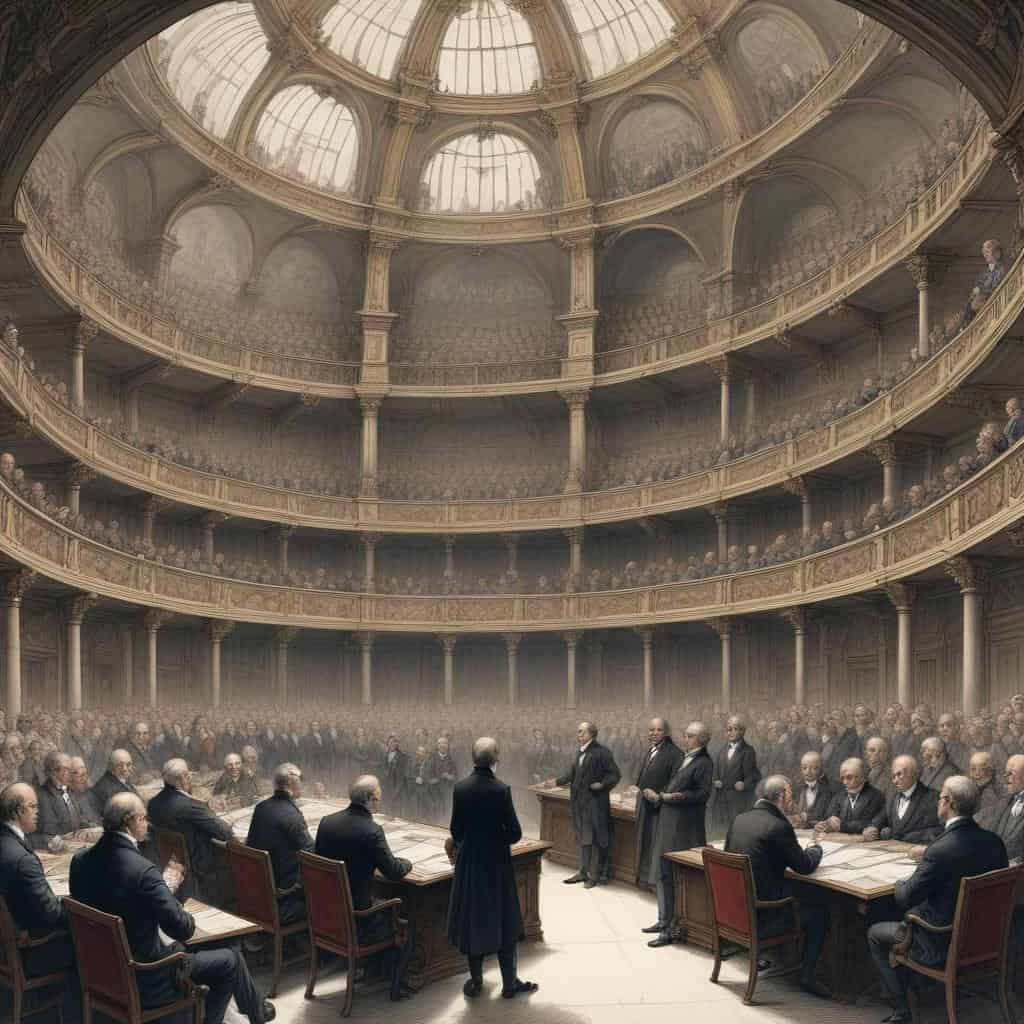
4. Government and Economy
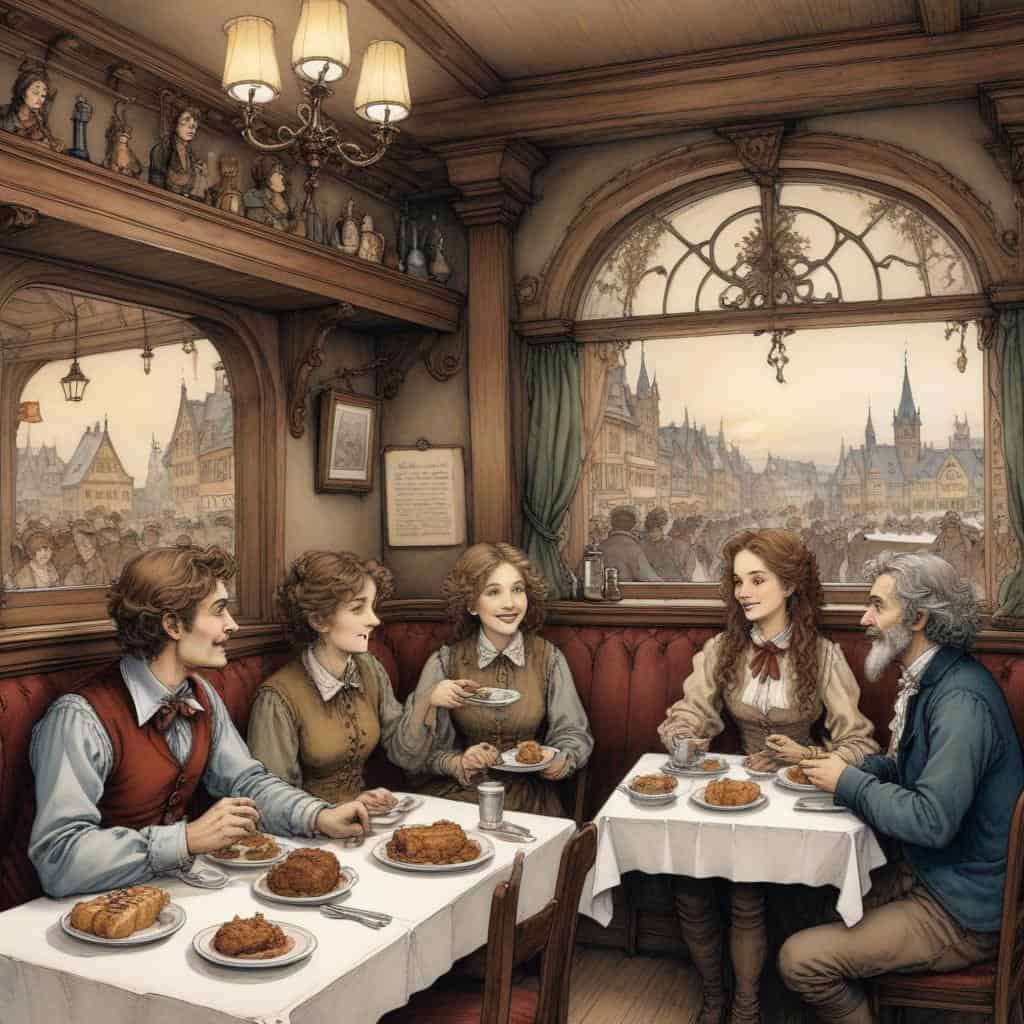
5. Language and Cuisine
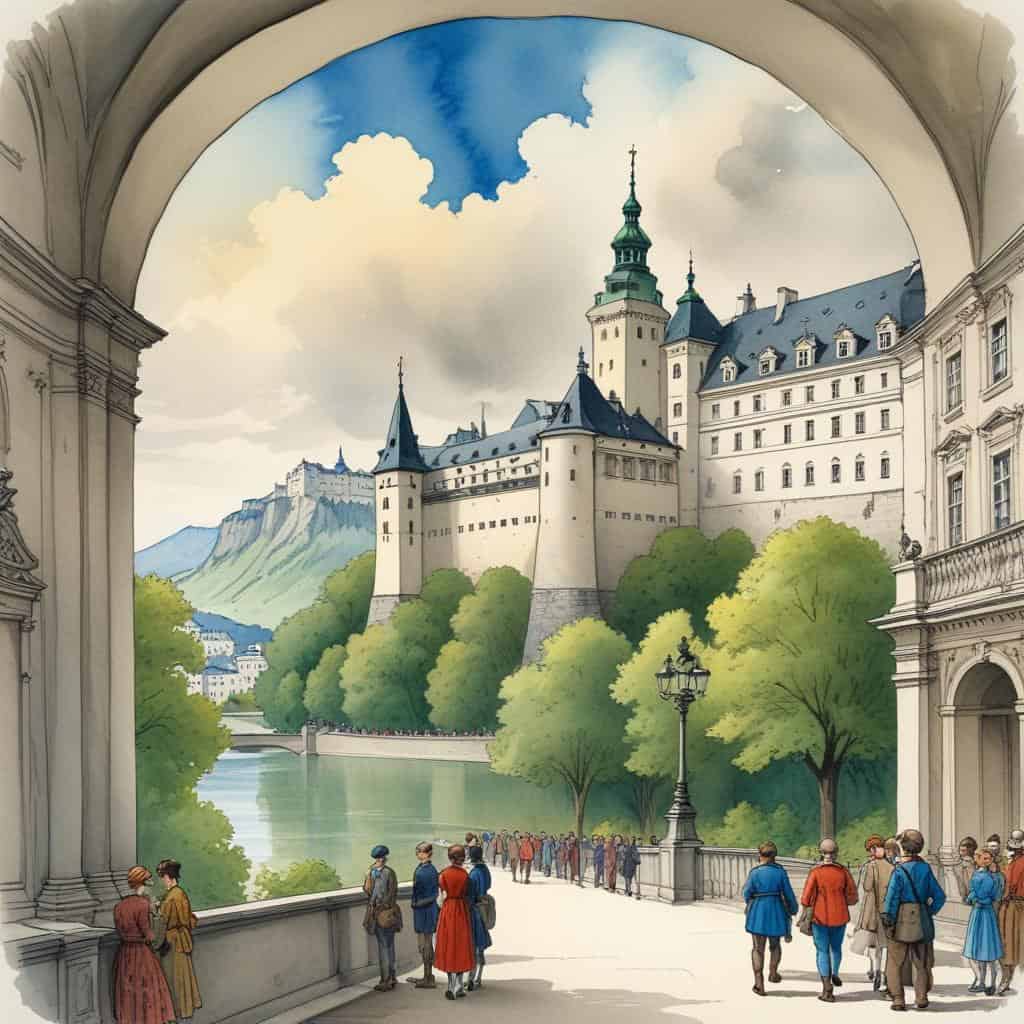
6. Tourism and Attractions
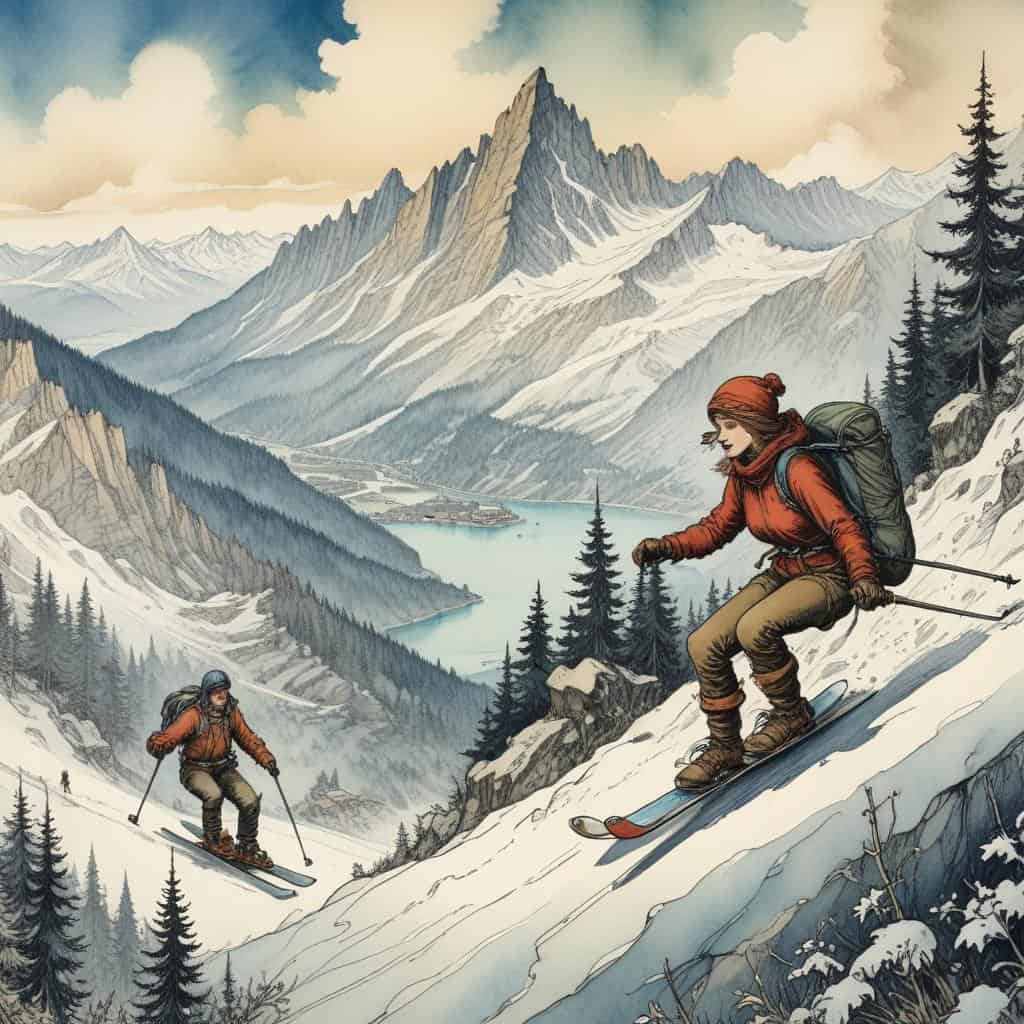
7. Outdoor Activities
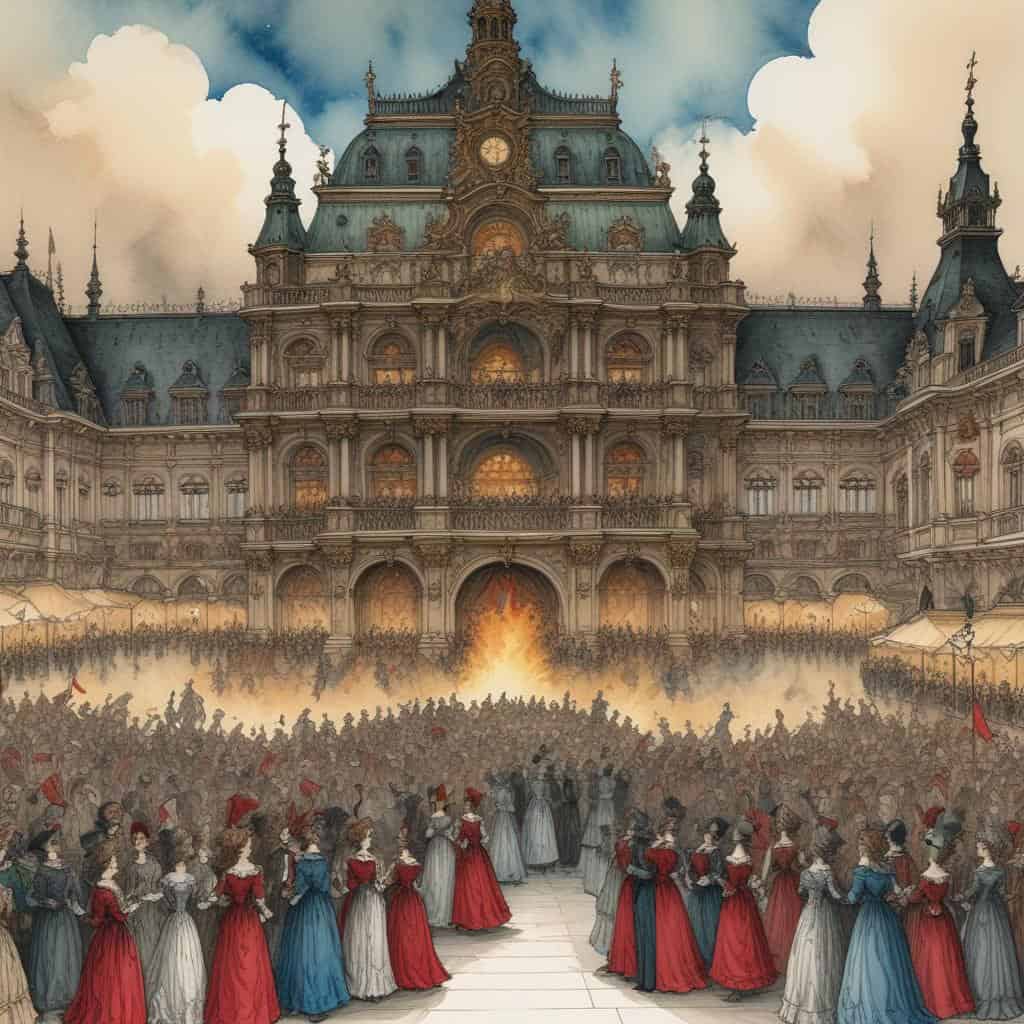
8. Festivals and Events
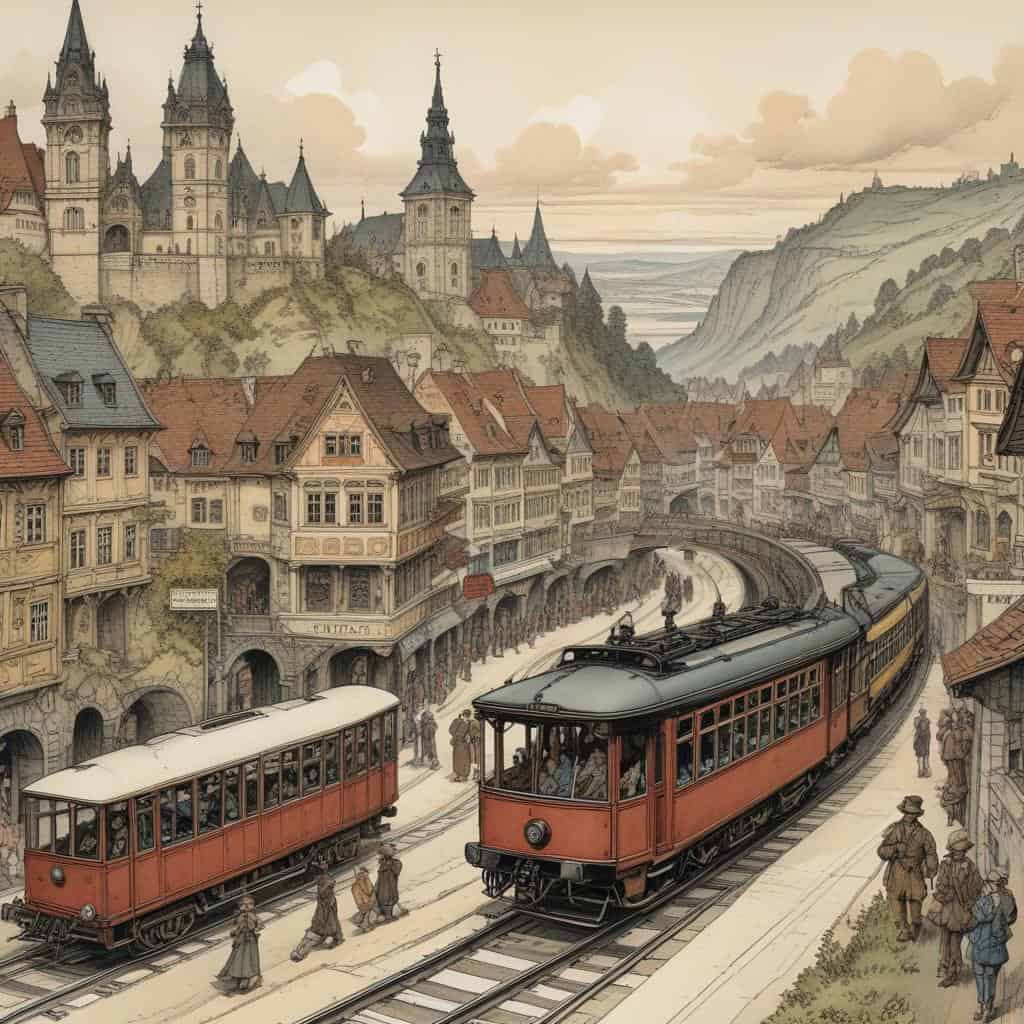
9. Transportation and Infrastructure
In a Nutshell
- Capital: Vienna
- Population: Approx. 8.9 million (2021)
- Official Language: German
- Currency: Euro (EUR)
Breaking Down the Country
Alpine Landscapes
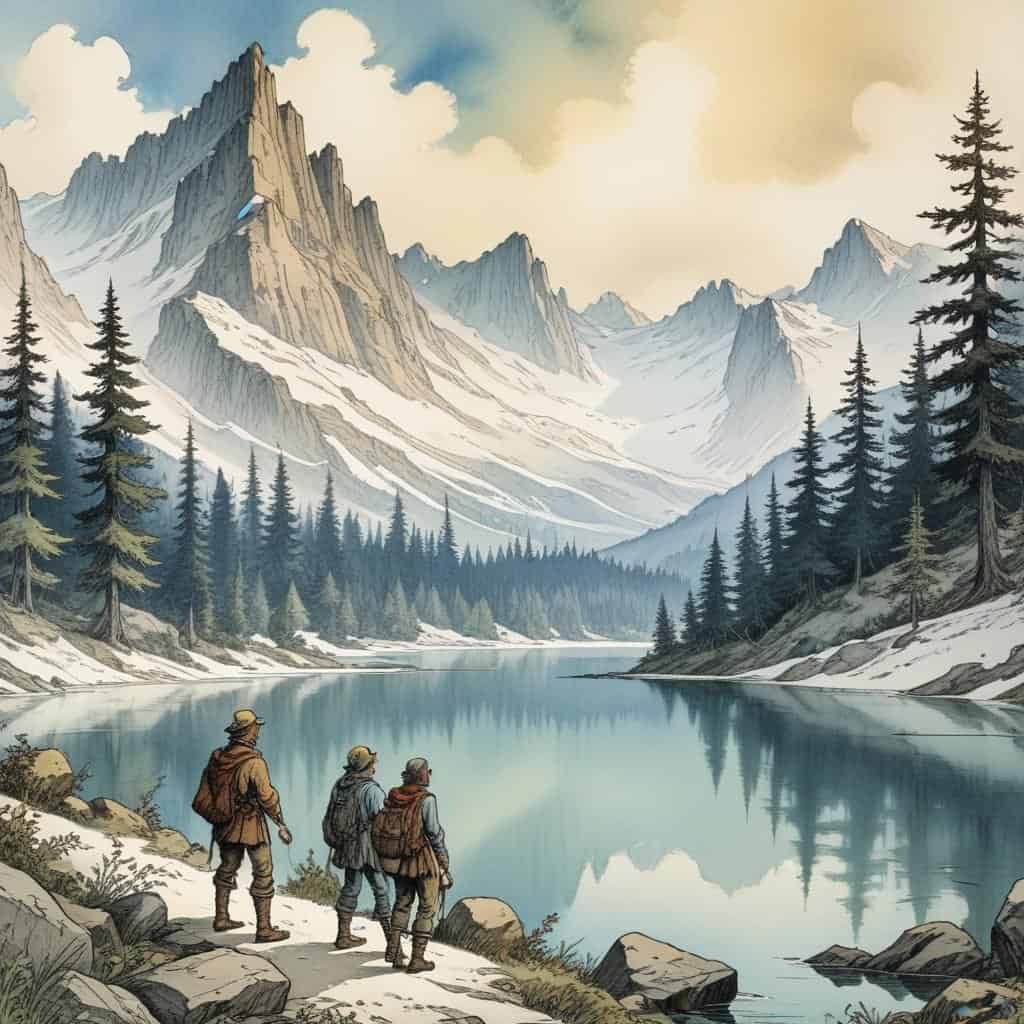
Austria's stunning alpine landscapes are home to picturesque villages, crystal-clear lakes, and majestic mountains, offering outdoor enthusiasts endless recreational opportunities.
Cultural Heritage
From Mozart to Freud, Austria has a rich cultural heritage. Explore historic palaces, world-class museums, and traditional music and dance performances.
Culinary Delights
Indulge in Austria's culinary delights, from savory Wiener Schnitzel to sweet Sachertorte. Discover the country's vibrant food scene and traditional dishes.
Timeline of Austria
First human settlements in the area of present-day Austria
Celts settle in the region
Roman conquest of the area
Christianity introduced by missionaries
Bavarian tribes settle in the region
Foundation of the Babenberg dynasty
Battle of Lechfeld against the Magyars
Austria becomes part of the Holy Roman Empire
Habsburg dynasty comes to power
Austrian Empire established
Vienna Congress, Austria gains territories
Revolution in Austria, Franz Joseph I comes to power
Austro-Hungarian Empire formed
Assassination of Archduke Franz Ferdinand, start of WWI
Treaty of Saint-Germain-en-Laye, Austria loses territories
Anschluss with Nazi Germany
End of WWII, Austria divided into zones of occupation
Austrian State Treaty signed, independence restored
Austria joins the European Union
Sebastian Kurz becomes Chancellor of Austria
Vocabulary List
- Wiener schnitzel
- A traditional Austrian dish made with breaded and fried veal cutlets.
- Schönbrunn Palace
- A famous baroque palace in Vienna, Austria, that was the summer residence of the Habsburg monarchs.
- Mozart
- One of the most famous composers in history, born in Salzburg, Austria.
- Alps
- A mountain range that stretches across several European countries, including Austria.
- Vienna
- The capital city of Austria, known for its classical music scene and historic architecture.
Key Facts
This is the information used in the fact matching game
- Austria is a landlocked country in central Europe.
- Vienna, the capital of Austria, is known for its cultural heritage and classical music scene.
- Austria has a population of approximately 9 million people.
- The official language of Austria is German.
- Austria is known for its Alpine ski resorts and winter sports.
- The Austrian flag is one of the oldest national flags in the world, dating back to 1191.
- The currency used in Austria is the Euro.
- Austria is a member of the European Union.
- The Austrian Alps are home to the highest mountain in Austria, Grossglockner.
- Austria is known for its coffeehouse culture, which dates back to the 17th century.
- The Vienna State Opera is one of the leading opera houses in the world.
- Sigmund Freud, the founder of psychoanalysis, was born in Austria.
- Austria has a long history of producing world-renowned classical composers, including Mozart, Beethoven, and Haydn.
- The Habsburg Monarchy ruled Austria for over 600 years, until the end of World War I.
- Austria is known for its traditional cuisine, including dishes such as Wiener Schnitzel and Sachertorte.
- The Austrian National Library in Vienna is one of the oldest and largest libraries in the world.
- Austria has a high standard of living and is consistently ranked as one of the wealthiest countries in the world.
- The first postcards were produced in Austria in the 1860s.
- Austria is a popular filming location for Hollywood movies, with notable films such as 'The Sound of Music' and 'Before Sunrise' being shot there.
- Austria has a rich tradition of Christmas markets, with some of the most famous ones located in Vienna and Salzburg.
Why It Matters
Geopolitical Significance
Austria’s central location in Europe has historically made it a key player in shaping regional politics and trade. It has served as a bridge between Western and Eastern Europe, influencing alliances and conflicts throughout history. Its position as a landlocked country surrounded by major powers has also impacted its diplomatic relations and strategic importance.
Historical Importance
Austria’s history as a former imperial power, including the Austro-Hungarian Empire, has left a lasting legacy on its culture and identity. It has been a significant player in European history, from the Habsburg dynasty to its role in World War I and II. The country’s rich history continues to shape its national identity and global reputation.
Modern-Day Role
Today, Austria is a stable and prosperous country, known for its high standard of living and cultural heritage. It is a member of the European Union and plays a crucial role in shaping European politics and economics. Its commitment to neutrality and diplomacy has made it a key player in international relations and peacekeeping efforts.
Austria Games


Take Your Learning Offline
Want a convenient, print-ready study guide for this lesson? Become a Memory Wizards Pro member to unlock the downloadable " Memory Scrolls" for this topic and our entire library!
- ✓ Complete Vocabulary Lists
- ✓ Key Facts & Timelines
- ✓ Beautifully Formatted for Print & Mobile