
The Value Of Self-sufficiency
Can we truly thrive without relying on others for support?
How Do You Learn Best?
Learn by Reading
Immerse yourself in the 10-minute visual lesson for a comprehensive understanding of the topic.
Learn by Reviewing
Jump directly to the key facts, timeline, and vocabulary lists to build a solid foundation of details.
Learn by Doing
Challenge yourself! Jump straight into the interactive games to learn by trial, error, and discovery.
The Value Of Self-sufficiency in 10 Minutes

Introduction


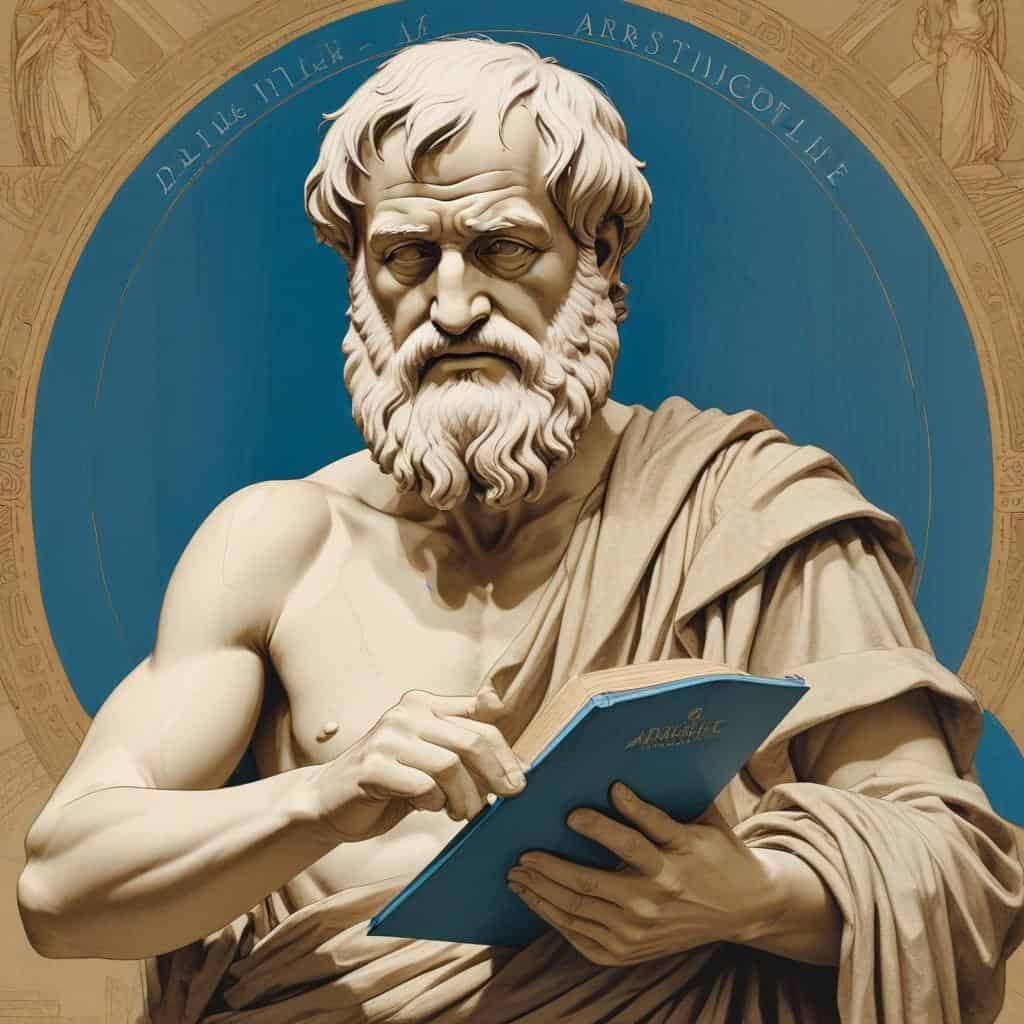
1. Aristotle

2. Henry David Thoreau

3. Ayn Rand

4. Friedrich Nietzsche

5. Epictetus
The Power of Independence: A Philosophical Perspective

The Ability to Make Decisions

Embracing Personal Responsibility

Building Resilience and Inner Strength

Enhancing Self-Confidence

Fostering Independence and Autonomy

Cultivating Self-Reliance

Promoting Personal Growth

Embracing Individuality and Authenticity


Lesson Details & Resources
In a Nutshell
- Concept: The Value of Self-Sufficiency is a philosophical concept that emphasizes the importance of being able to rely on oneself for fulfillment and happiness.
- Thinkers: Aristotle, Ancient Greek Philosophy.
- Central Question: How can individuals achieve a state of self-sufficiency and independence?
- Core Implication: True happiness and well-being come from within, and being self-sufficient leads to a more fulfilling life.
Timeline of The Value Of Self-sufficiency
Vocabulary List
- Self-sufficiency
- Self-sufficiency is an important concept in philosophy, emphasizing the value of independence and autonomy.
- Autonomy
- Autonomy is closely related to self-sufficiency, as it involves making decisions and taking actions independently.
- Independence
- Philosophers often argue that true happiness comes from independence and self-sufficiency rather than relying on others.
- Empowerment
- Self-sufficiency can lead to a sense of empowerment, as individuals take control of their own lives and decisions.
- Individualism
- Self-sufficiency is often associated with individualism, as it prioritizes personal autonomy over collective needs.
Key Facts
This is the information used in the fact matching game
- Self-sufficiency in philosophy refers to the ability to rely on oneself for fulfillment and happiness without depending on external sources.
- The Stoics emphasized self-sufficiency as a key virtue, believing that true happiness comes from within rather than from external circumstances.
- Self-sufficiency allows individuals to maintain a sense of independence and autonomy in their decision-making and actions.
- Self-sufficiency in philosophy encourages individuals to cultivate their inner resources and strengths to navigate life's challenges.
- The concept of self-sufficiency in philosophy can help individuals develop a sense of resilience and adaptability in the face of adversity.
- Self-sufficiency promotes a sense of self-reliance and self-confidence, enabling individuals to trust in their own abilities and judgment.
- Philosophical traditions such as Stoicism and Buddhism emphasize the importance of self-sufficiency as a path to inner peace and contentment.
- Self-sufficiency in philosophy does not mean isolation or detachment from others, but rather a healthy sense of autonomy and self-responsibility.
- The value of self-sufficiency in philosophy lies in its ability to free individuals from the tyranny of external circumstances and societal expectations.
- Self-sufficiency encourages individuals to focus on what they can control and accept what is beyond their control, leading to a greater sense of inner peace.
- The concept of self-sufficiency in philosophy can serve as a powerful tool for personal growth and self-improvement.
- Self-sufficiency can help individuals break free from the cycle of seeking external validation and approval, leading to a more authentic and fulfilling life.
- Self-sufficiency in philosophy encourages individuals to cultivate a sense of gratitude and appreciation for their own strengths and resources.
- The value of self-sufficiency lies in its ability to foster a sense of inner strength and resilience in the face of life's uncertainties.
- Self-sufficiency in philosophy can help individuals develop a sense of purpose and meaning in their lives by focusing on their own values and goals.
- The Stoic philosopher Epictetus believed that true freedom comes from cultivating self-sufficiency and inner mastery over one's desires and emotions.
- Self-sufficiency in philosophy can empower individuals to take ownership of their lives and pursue their own vision of a meaningful existence.
- The value of self-sufficiency in philosophy lies in its ability to help individuals find fulfillment and happiness from within, rather than from external sources.
- Self-sufficiency in philosophy can be seen as a form of self-care and self-love, as it involves prioritizing one's own well-being and inner growth.
- The concept of self-sufficiency in philosophy can serve as a guiding principle for individuals seeking to live a more authentic and purposeful life.
Analysis & Significance
The Core Argument
Self-sufficiency, as a philosophical concept, argues that individuals should strive to be independent and not rely on external sources for their well-being. This idea is rooted in the belief that true freedom and happiness come from being self-reliant and self-sustaining.
Criticisms and Counterarguments
Critics of self-sufficiency argue that humans are inherently social beings and that complete self-sufficiency is neither possible nor desirable. They contend that interdependence and cooperation are essential for a functioning society, and that the pursuit of self-sufficiency can lead to isolation and selfishness.
Modern Relevance
In today’s interconnected world, the concept of self-sufficiency raises important questions about individual autonomy and the balance between independence and community. With growing concerns about dependency on technology and external systems, understanding the value of self-sufficiency can help individuals navigate ethical dilemmas and make informed decisions about their personal and societal responsibilities.
The Value Of Self-sufficiency Games


Take Your Learning Offline
Want a convenient, print-ready study guide for this lesson? Become a Memory Wizards Pro member to unlock the downloadable " Memory Scrolls" for this topic and our entire library!
- ✓ Complete Vocabulary Lists
- ✓ Key Facts & Timelines
- ✓ Beautifully Formatted for Print & Mobile