
Living A Simple Life
Embracing simplicity: Can less truly lead to more in life?
How Do You Learn Best?
Learn by Reading
Immerse yourself in the 10-minute visual lesson for a comprehensive understanding of the topic.
Learn by Reviewing
Jump directly to the key facts, timeline, and vocabulary lists to build a solid foundation of details.
Learn by Doing
Challenge yourself! Jump straight into the interactive games to learn by trial, error, and discovery.
Living A Simple Life in 10 Minutes

Introduction



1. Thoreau

2. Buddha

3. Marie Kondo

4. Lao Tzu
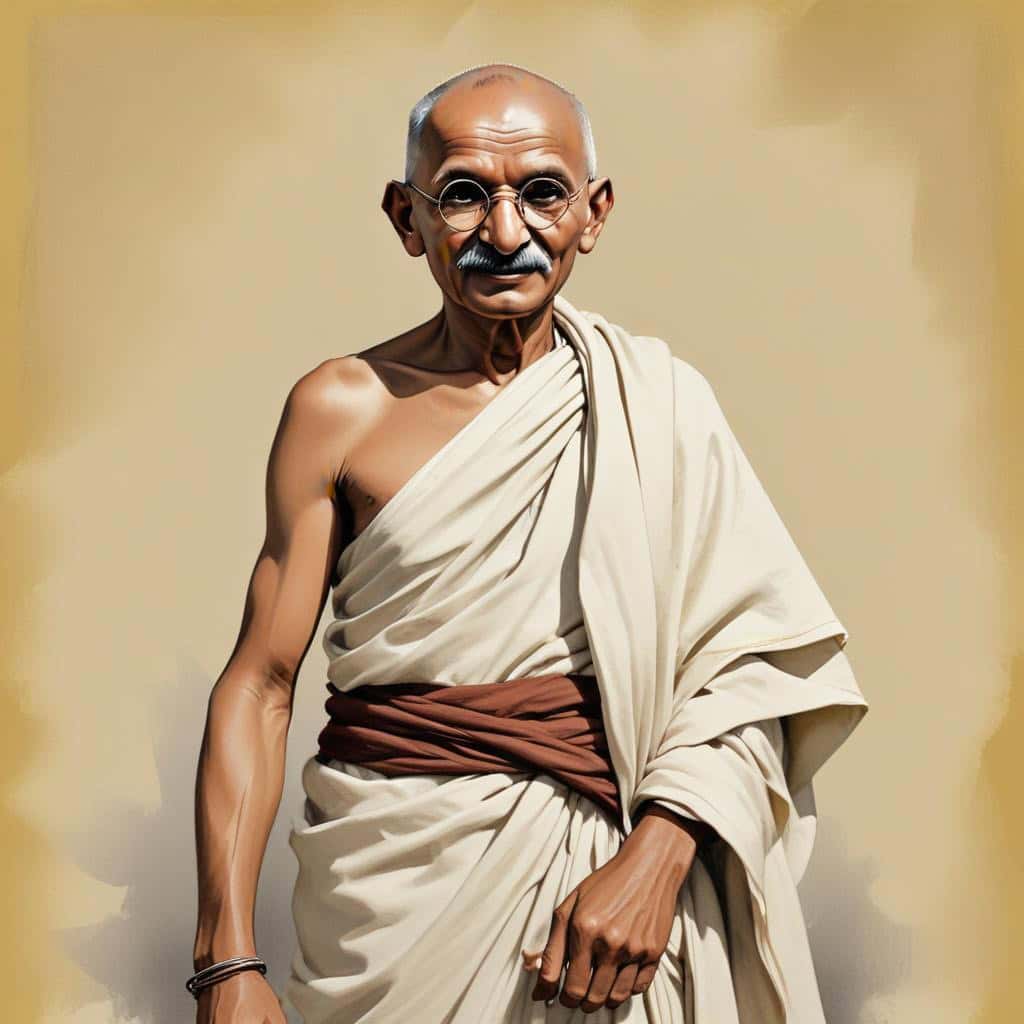
5. Gandhi
1. Embracing the Concept of Minimalism

2. Decluttering Your Physical Space

3. Simplifying Your Daily Routine

4. Cultivating Gratitude and Mindfulness

5. Establishing Meaningful Relationships

6. Nurturing Your Mind, Body, and Soul

7. Setting Boundaries and Saying No

8. Embracing Imperfection and Letting Go of Perfectionism

9. Finding Joy in the Simple Things

10. Reflecting on Your Values and Priorities


Lesson Details & Resources
In a Nutshell
- Concept: A lifestyle philosophy that emphasizes simplicity, minimalism, and focusing on what truly matters.
- Thinkers: Henry David Thoreau, Epicurus, Buddha, various spiritual leaders throughout history.
- Central Question: How can we live a more meaningful and fulfilling life by simplifying our existence?
- Core Implication: By embracing simplicity and reducing material possessions, we can cultivate inner peace, happiness, and a deeper connection to ourselves and the world around us.
Timeline of Living A Simple Life
Introduction of Minimalism as a lifestyle choice
Publication of 'Walden' by Henry David Thoreau
Rise of the Tiny House Movement
Popularization of the KonMari Method by Marie Kondo
Establishment of the Slow Living Movement
Publication of 'Simplify Your Life: 100 Ways to Slow Down and Enjoy the Things That Really Matter' by Elaine St. James
Formation of intentional communities and eco-villages promoting simple living
Rise of the Tiny Living trend in architecture and design
Growing popularity of sustainable and eco-friendly living practices
Rejection of consumerism and materialism in favor of experiences and relationships
Promotion of mindfulness and gratitude as key components of simple living
Increase in interest in off-grid living and self-sufficiency
Development of the concept of voluntary simplicity as a response to societal pressures
Incorporation of frugality and minimalism into the simple living lifestyle
Emphasis on living in the present moment and appreciating the small joys of life
Celebration of nature and the outdoors as integral to a simple life
Creation of online communities and social media platforms dedicated to simple living
Growing interest in mindfulness practices such as meditation and yoga
Recognition of the benefits of decluttering and organizing living spaces
Increased focus on mental health and well-being in the pursuit of a simple life
Vocabulary List
- Minimalism
- Many people choose to embrace minimalism in order to simplify their lives and reduce stress.
- Frugality
- Living a simple life often involves practicing frugality in order to prioritize what is truly important.
- Mindfulness
- In the philosophy of living a simple life, mindfulness is key to appreciating the small moments and finding contentment.
- Simplicity
- Living a simple life is all about embracing simplicity and focusing on what truly matters.
- Contentment
- Those who follow the philosophy of living a simple life often find contentment in the little things and do not rely on material possessions for fulfillment.
Key Facts
This is the information used in the fact matching game
- Living a simple life in philosophy emphasizes the importance of minimalism and intentional living.
- Simplicity in life philosophy encourages individuals to focus on what truly matters and eliminate distractions.
- Living simply in philosophy involves decluttering physical possessions as well as mental clutter.
- A simple life philosophy promotes sustainability and environmental consciousness.
- Living a simple life philosophy often involves disconnecting from technology and embracing nature.
- The philosophy of living simply encourages mindfulness and being present in the moment.
- Simple living philosophy promotes financial freedom and reducing the need for material possessions.
- Living simply in philosophy can lead to increased happiness and contentment.
- The philosophy of simple living emphasizes the importance of relationships and connections with others.
- Living a simple life philosophy encourages gratitude and appreciation for the little things in life.
- Simplicity in life philosophy promotes self-reflection and personal growth.
- Living simply in philosophy involves setting boundaries and saying no to things that do not align with your values.
- A simple life philosophy values experiences over material possessions.
- Living a simple life philosophy encourages creativity and innovation.
- The philosophy of living simply supports mental health and stress reduction.
- Simple living philosophy promotes living within your means and avoiding unnecessary debt.
- Living simply in philosophy can lead to a deeper connection with oneself and a stronger sense of identity.
- The philosophy of simple living encourages compassion and empathy towards others.
- Living a simple life philosophy emphasizes the importance of self-care and prioritizing your well-being.
- Simplicity in life philosophy promotes a sense of freedom and liberation from societal expectations.
Analysis & Significance
The Core Argument
Living a simple life is centered around the idea that by reducing material possessions, focusing on essential needs, and embracing minimalism, individuals can find greater happiness, contentment, and fulfillment. This philosophy emphasizes the importance of inner peace, mindfulness, and living in harmony with nature.
Criticisms and Counterarguments
Critics of the simple life philosophy argue that it may overlook the complexities of modern society and the practical challenges of sustaining a minimalist lifestyle. Some also question whether simplicity necessarily leads to a more meaningful or fulfilling life, highlighting the subjective nature of happiness and fulfillment.
Modern Relevance
In today’s consumer-driven society, the concept of living a simple life remains relevant as individuals increasingly seek ways to combat stress, anxiety, and the pressures of materialism. The simple life philosophy can offer a valuable perspective on prioritizing experiences over possessions, fostering sustainable practices, and promoting mental well-being in a fast-paced, materialistic world.
Living A Simple Life Games


Take Your Learning Offline
Want a convenient, print-ready study guide for this lesson? Become a Memory Wizards Pro member to unlock the downloadable " Memory Scrolls" for this topic and our entire library!
- ✓ Complete Vocabulary Lists
- ✓ Key Facts & Timelines
- ✓ Beautifully Formatted for Print & Mobile