
Cultivating Tranquility
Embrace stillness: Can tranquility be found within the chaos?
How Do You Learn Best?
Learn by Reading
Immerse yourself in the 10-minute visual lesson for a comprehensive understanding of the topic.
Learn by Reviewing
Jump directly to the key facts, timeline, and vocabulary lists to build a solid foundation of details.
Learn by Doing
Challenge yourself! Jump straight into the interactive games to learn by trial, error, and discovery.
Cultivating Tranquility in 10 Minutes

Introduction



1. Epictetus

2. Marcus Aurelius

3. Lao Tzu
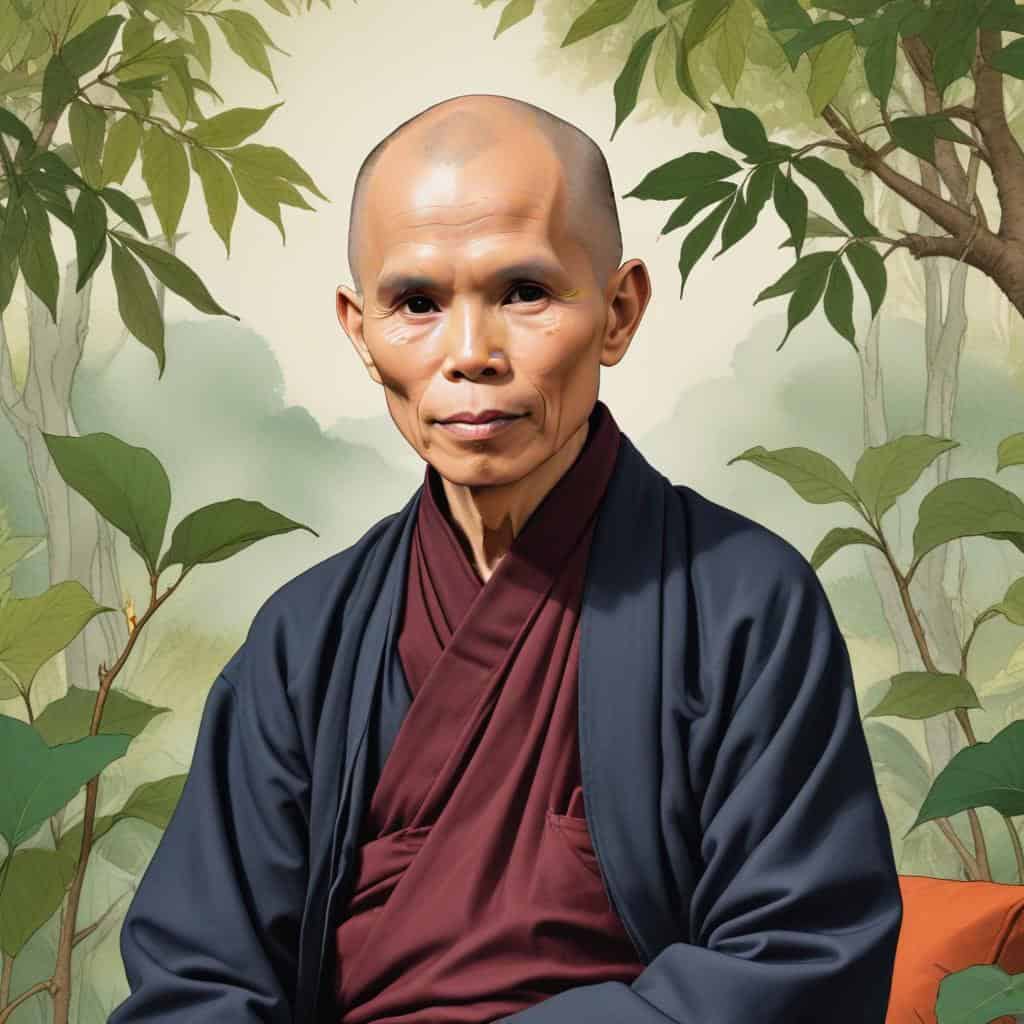
4. Thich Nhat Hanh

5. Alan Watts

Understanding the Concept of Cultivating Tranquility

Practicing Mindfulness and Meditation

Embracing Acceptance and Letting Go

Creating a Calm and Peaceful Environment

Practicing Self-Care and Self-Compassion

Fostering Positive Relationships and Connections

Engaging in Activities that Bring Joy and Fulfillment

Practicing Gratitude and Appreciation

Reflecting on Values and Priorities

Continuing the Practice of Cultivating Tranquility


Lesson Details & Resources
In a Nutshell
- Concept: A philosophical concept that focuses on achieving inner peace and calmness through various practices and contemplation.
- Thinkers: Stoic philosophers like Epictetus, Marcus Aurelius, and Seneca in ancient Rome.
- Central Question: How can individuals cultivate tranquility and maintain a sense of inner peace in the face of external challenges and disturbances?
- Core Implication: Through self-discipline, reflection, and acceptance of the things beyond our control, individuals can attain a state of tranquility and equanimity.
Timeline of Cultivating Tranquility
Zhuangzi's writings on cultivating tranquility
Stoic philosophy emphasizing tranquility as a goal
Epicurean philosophy promoting tranquility through pleasure and absence of pain
Buddhist teachings on inner peace and tranquility
Confucian principles of cultivating inner peace and harmony
The development of Zen Buddhism focusing on tranquility through meditation
The rise of Taoist practices for achieving tranquility and balance
The influence of Islamic philosophy on cultivating inner peace and tranquility
The spread of Christian mysticism emphasizing quiet contemplation and tranquility
The incorporation of tranquility practices in Hindu yoga traditions
The emergence of mindfulness meditation as a tool for cultivating tranquility
The integration of cognitive-behavioral therapy techniques for promoting tranquility
The exploration of nature-based therapies for enhancing tranquility
The recognition of the importance of social connections in fostering tranquility
The development of virtual reality applications for relaxation and tranquility
The incorporation of mindfulness practices in schools and workplaces for promoting tranquility
The research on the benefits of nature exposure for mental well-being and tranquility
The deepening understanding of the mind-body connection in cultivating tranquility
The increasing popularity of retreats and wellness programs for enhancing tranquility
The ongoing exploration of new techniques and technologies for achieving tranquility
Vocabulary List
- Tranquility
- In cultivating tranquility philosophy, individuals seek to achieve a state of inner peace and calmness through various practices such as meditation and mindfulness.
- Meditation
- Meditation is often used as a tool in cultivating tranquility philosophy to help individuals quiet the mind and find inner peace.
- Mindfulness
- Mindfulness is a key component of cultivating tranquility philosophy, as it helps individuals stay grounded in the present moment and find peace amidst chaos.
- Inner peace
- Cultivating tranquility philosophy aims to help individuals find inner peace by letting go of negative thoughts and emotions, and embracing a state of serenity and contentment.
- Contentment
- In cultivating tranquility philosophy, individuals strive to find contentment by letting go of desires and attachments, and finding joy in the present moment.
Key Facts
This is the information used in the fact matching game
- Cultivating tranquility in philosophy involves seeking inner peace and calmness through self-reflection and mindfulness.
- Tranquility philosophy emphasizes the importance of controlling one's emotions and thoughts to achieve a state of equanimity.
- Practicing tranquility philosophy can lead to a greater sense of clarity and focus in one's daily life.
- Tranquility philosophy encourages individuals to let go of negative thoughts and emotions in order to experience true peace.
- Developing a sense of tranquility in philosophy involves deep introspection and self-awareness.
- Tranquility philosophy teaches individuals to accept things as they are and find contentment in the present moment.
- Cultivating tranquility in philosophy can help individuals cope with stress and anxiety more effectively.
- Tranquility philosophy emphasizes the importance of living in harmony with oneself and the world around them.
- Practicing tranquility philosophy can lead to a greater sense of empathy and compassion towards others.
- Tranquility philosophy encourages individuals to let go of past grievances and focus on the present moment.
- Cultivating tranquility in philosophy involves developing a sense of gratitude and appreciation for the simple things in life.
- Tranquility philosophy teaches individuals to practice forgiveness and let go of resentment towards others.
- Practicing tranquility philosophy can lead to improved relationships and communication with others.
- Tranquility philosophy promotes a sense of interconnectedness and unity with all living beings.
- Cultivating tranquility in philosophy involves embracing change and uncertainty with an open mind.
- Tranquility philosophy encourages individuals to practice mindfulness and stay present in the moment.
- Practicing tranquility philosophy can lead to a greater sense of acceptance and self-love.
- Tranquility philosophy teaches individuals to let go of the need for control and surrender to the flow of life.
- Cultivating tranquility in philosophy involves finding balance and harmony in all aspects of life.
- Tranquility philosophy emphasizes the importance of self-care and taking time for oneself to recharge and rejuvenate.
Analysis & Significance
The Core Argument
Cultivating tranquility involves the practice of finding inner peace and calmness amidst the chaos of the external world. It focuses on developing a state of mental clarity and emotional stability that allows individuals to navigate life’s challenges with a sense of equanimity and serenity.
Criticisms and Counterarguments
Some critics argue that cultivating tranquility may lead to complacency or a lack of motivation to address injustices or make positive changes in the world. They suggest that an excessive focus on personal tranquility could result in apathy towards societal issues and a failure to engage in meaningful activism.
Modern Relevance
In today’s fast-paced and stressful world, the concept of cultivating tranquility is more relevant than ever. With the constant barrage of information and demands on our time, many people struggle to find moments of peace and quietude. By embracing the principles of tranquility, individuals can enhance their mental well-being, reduce stress, and cultivate a sense of inner harmony in the midst of chaos.
Cultivating Tranquility Games


Take Your Learning Offline
Want a convenient, print-ready study guide for this lesson? Become a Memory Wizards Pro member to unlock the downloadable " Memory Scrolls" for this topic and our entire library!
- ✓ Complete Vocabulary Lists
- ✓ Key Facts & Timelines
- ✓ Beautifully Formatted for Print & Mobile