
Applying Epicurean Principles To Modern Life
Do we chase pleasure or pursue purpose?
How Do You Learn Best?
Learn by Reading
Immerse yourself in the 10-minute visual lesson for a comprehensive understanding of the topic.
Learn by Reviewing
Jump directly to the key facts, timeline, and vocabulary lists to build a solid foundation of details.
Learn by Doing
Challenge yourself! Jump straight into the interactive games to learn by trial, error, and discovery.
Applying Epicurean Principles To Modern Life in 10 Minutes
Introduction


1. Epicurus

2. Martha Nussbaum
3. Lucretius

4. Michel de Montaigne
5. Daniel Klein
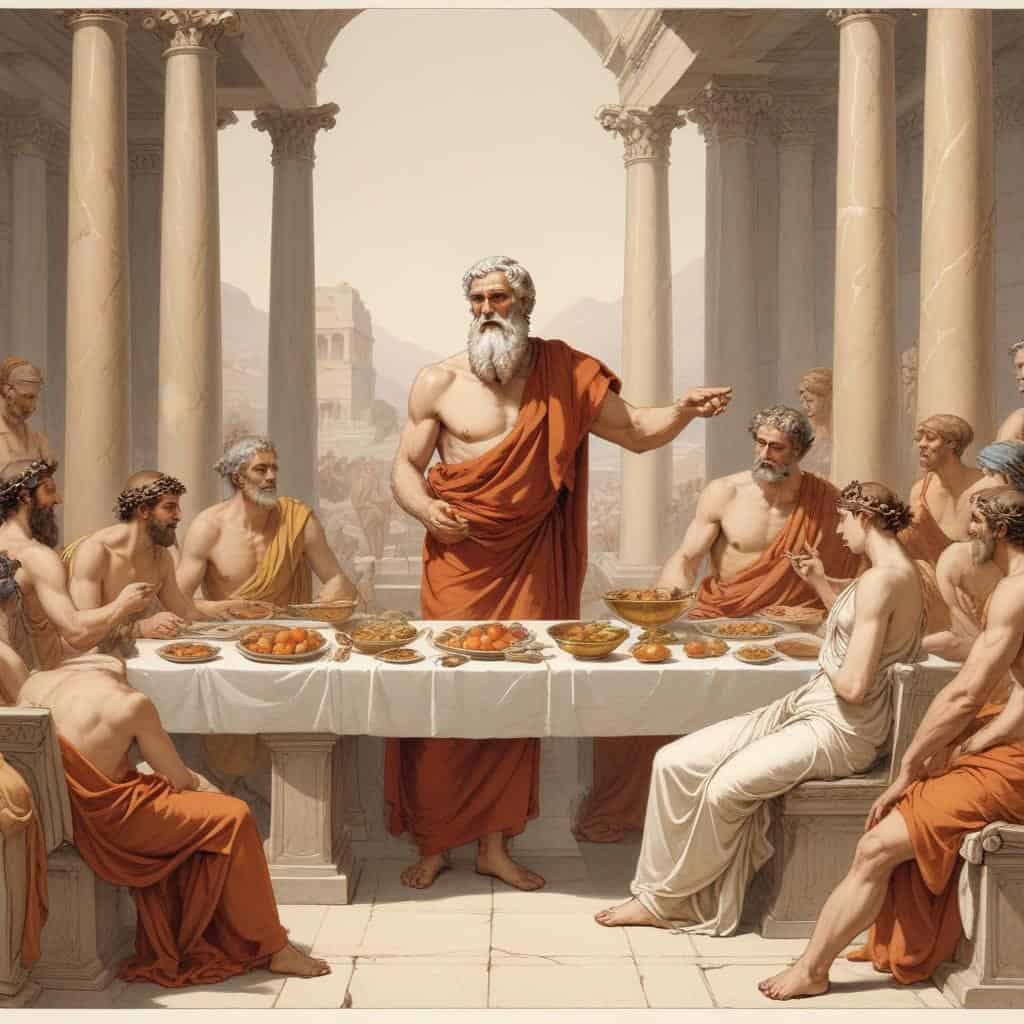
1. Introduction to Epicurean Principles

2. Understanding Pleasure in Epicurean Philosophy
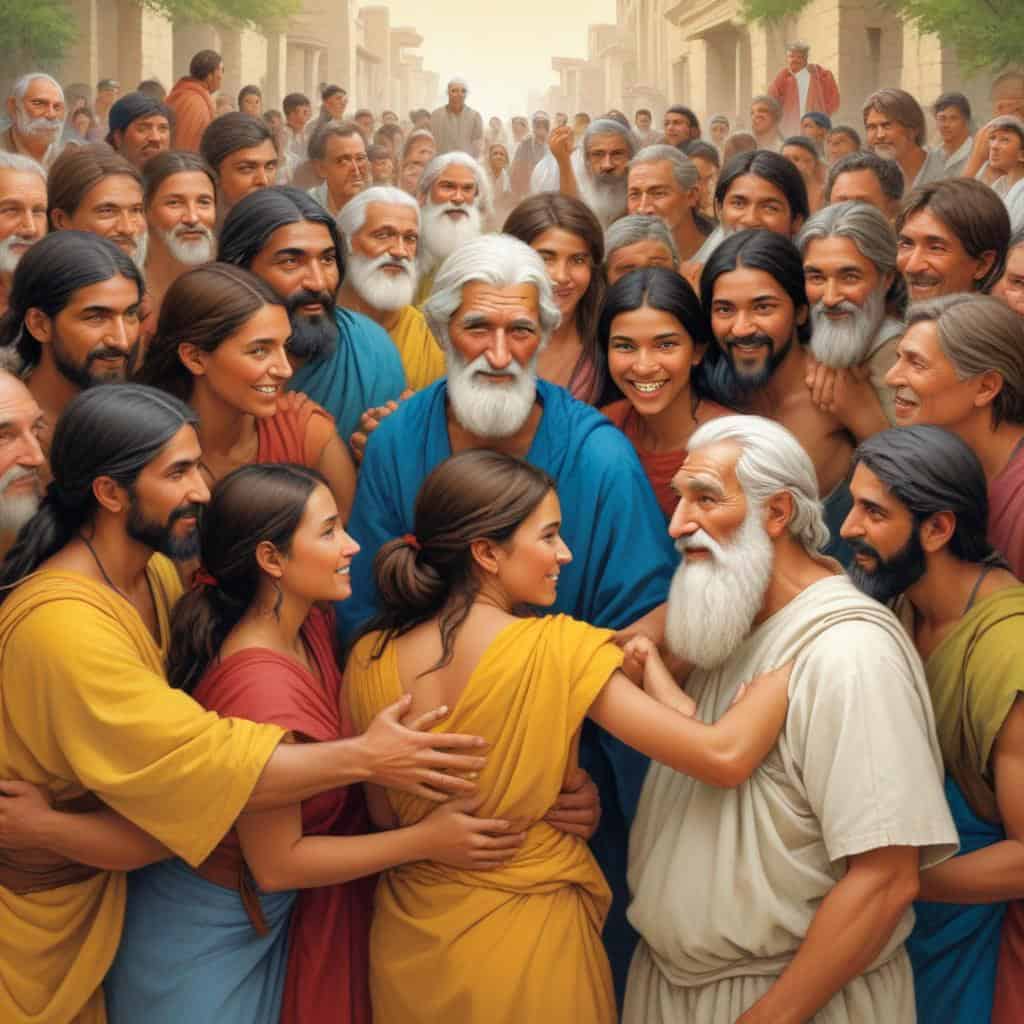
3. The Importance of Friendship and Community

4. Cultivating a Simple and Fulfilling Life

5. Embracing Tranquility and Inner Peace
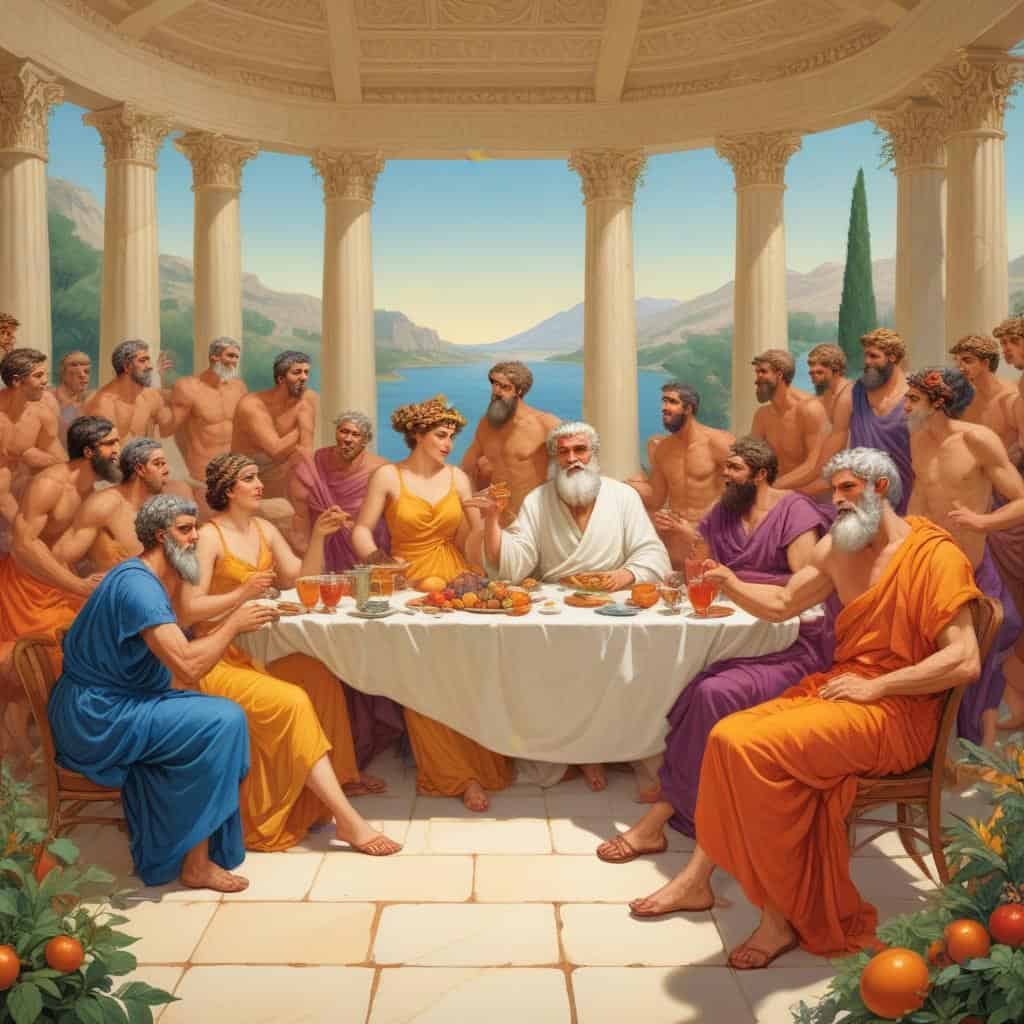
6. The Role of Hedonism in Epicurean Living

7. Overcoming Fear of Death and Embracing Mortality

8. Finding Balance in Materialism and Spiritualism

9. Applying Epicurean Principles to Modern Life
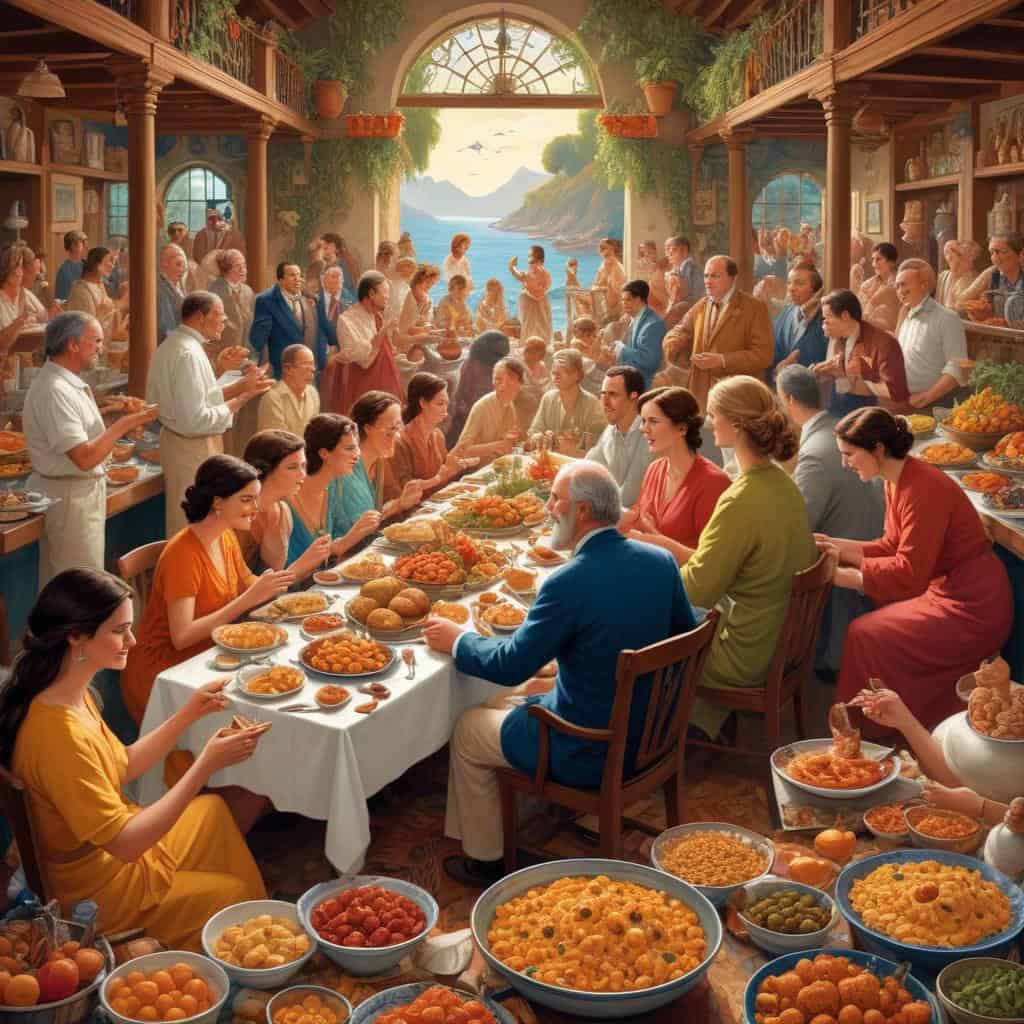

Lesson Details & Resources
In a Nutshell
- Concept: A philosophical approach that emphasizes the pursuit of pleasure and the avoidance of pain as the ultimate goals in life.
- Thinkers: Epicurus, 3rd Century BCE.
- Central Question: How can we achieve a life of tranquility and contentment in the midst of life's challenges?
- Core Implication: By seeking simple pleasures, cultivating friendships, and living modestly, we can attain a state of happiness and peace of mind.
Timeline of Applying Epicurean Principles To Modern Life
Epicurus founds the Garden of Epicurus in Athens
Epicurus writes 'Letter to Menoeceus' outlining his philosophy
Epicureanism gains popularity in Ancient Greece and Rome
Cicero introduces Epicureanism to Rome
Epicurean texts are preserved and studied throughout the Middle Ages
Renaissance humanists rediscover and promote Epicurean ideas
Epicureanism influences Enlightenment thinkers like Thomas Jefferson and Jeremy Bentham
Epicurean principles of pleasure and tranquility gain traction in modern philosophy
Epicureanism continues to be studied and applied in contemporary philosophy
Modern interpretations of Epicurean ethics emphasize mindfulness and moderation
Epicurean ideas inform the development of positive psychology and mindfulness practices
Epicurean principles are applied to issues of environmental sustainability and social justice
Epicurean philosophy is integrated into modern lifestyle trends like minimalism and slow living
Epicurean concepts of friendship and community are applied to social media and online relationships
Epicurean teachings on pleasure and moderation influence trends in food and wellness industries
Epicureanism becomes a popular topic in self-help and personal development literature
Epicurean ideas inspire movements for work-life balance and mental health awareness
Epicurean principles are integrated into educational curricula and leadership training programs
Epicurean philosophy continues to evolve and adapt to modern challenges and opportunities
Vocabulary List
- Hedonism
- Many people mistakenly equate Epicureanism with hedonism, but the two philosophies have significant differences.
- Ataraxia
- Epicureans believed that achieving ataraxia was a key goal in living a happy life.
- Materialism
- Epicureans were materialists who believed that the universe was composed of atoms and void.
- Friendship
- Epicurus emphasized the importance of friendship in achieving happiness and tranquility.
- Pleasure
- Epicureans believed that pleasure was the highest good and the ultimate goal in life, but they defined pleasure as the absence of pain and tranquility of the mind.
- Virtue
- Epicureans believed that virtue was important, but only insofar as it contributed to a life of pleasure and tranquility.
Key Facts
This is the information used in the fact matching game
- Epicurean philosophy emphasizes the pursuit of pleasure and the avoidance of pain as the highest good in life.
- Modern applications of Epicurean principles focus on finding pleasure in simple pleasures and living in the present moment.
- Epicureans believe that true happiness comes from inner peace and tranquility, rather than external sources.
- In modern life, applying Epicurean principles can help individuals prioritize mental well-being and emotional health.
- Epicureans advocate for moderation in all things, including food, drink, and other indulgences.
- Applying Epicurean principles to modern life can lead to a more balanced and sustainable lifestyle.
- Epicureans value friendship and social connections as essential components of a happy life.
- Modern interpretations of Epicurean philosophy emphasize the importance of cultivating meaningful relationships.
- Epicureans believe that death is nothing to be feared, as it is simply the end of consciousness.
- Applying Epicurean principles to modern life can help individuals overcome their fear of mortality and live more fully in the present.
- Epicureans value intellectual pursuits and the pursuit of knowledge as a means to achieve a deeper understanding of the world.
- In modern life, applying Epicurean principles can lead to a greater appreciation for learning and personal growth.
- Epicureans believe that living a virtuous life is essential to achieving happiness and fulfillment.
- Modern interpretations of Epicurean philosophy emphasize the importance of ethical behavior and personal integrity.
- Epicureans value self-sufficiency and independence, encouraging individuals to rely on themselves for their own happiness.
- Applying Epicurean principles to modern life can help individuals cultivate a sense of empowerment and autonomy.
- Epicureans believe that pleasure is not the same as indulgence, but rather a state of contentment and satisfaction.
- Modern applications of Epicurean principles focus on finding sustainable sources of pleasure that contribute to long-term well-being.
- Epicureans value mindfulness and living in the present moment as a way to fully experience life's pleasures.
- In modern life, applying Epicurean principles can help individuals cultivate a sense of gratitude and appreciation for the present moment.
Analysis & Significance
The Core Argument
The core argument behind applying Epicurean principles to modern life is centered around the pursuit of pleasure and the avoidance of pain. Epicurus believed that true happiness comes from living a simple life, free from unnecessary desires and fears, and that the key to a fulfilling life is achieving a state of tranquility and contentment.
Criticisms and Counterarguments
Critics of Epicureanism argue that this philosophy may lead to a self-centered and hedonistic lifestyle, focusing solely on individual pleasure without considering the well-being of others or the greater good. They also question whether avoiding pain and seeking pleasure as the ultimate goal of life is a sustainable or meaningful way to live.
Modern Relevance
In today’s society, the application of Epicurean principles can offer valuable insights into finding balance and peace in a world filled with constant distractions and pressures. By emphasizing the importance of simplicity, self-reflection, and moderation, individuals can navigate the complexities of modern life and strive for a sense of inner calm and fulfillment. Additionally, Epicurean ideas on friendship, community, and the pursuit of knowledge can provide guidance on building meaningful relationships and finding purpose in a fast-paced, materialistic world.
Applying Epicurean Principles To Modern Life Games


Take Your Learning Offline
Want a convenient, print-ready study guide for this lesson? Become a Memory Wizards Pro member to unlock the downloadable " Memory Scrolls" for this topic and our entire library!
- ✓ Complete Vocabulary Lists
- ✓ Key Facts & Timelines
- ✓ Beautifully Formatted for Print & Mobile