
Explore the Lessons
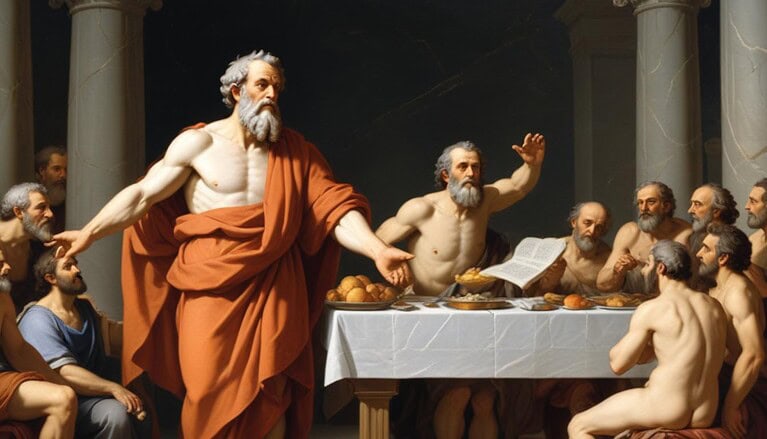
Introduction To Epicureanism
Is true pleasure the key to a meaningful life?
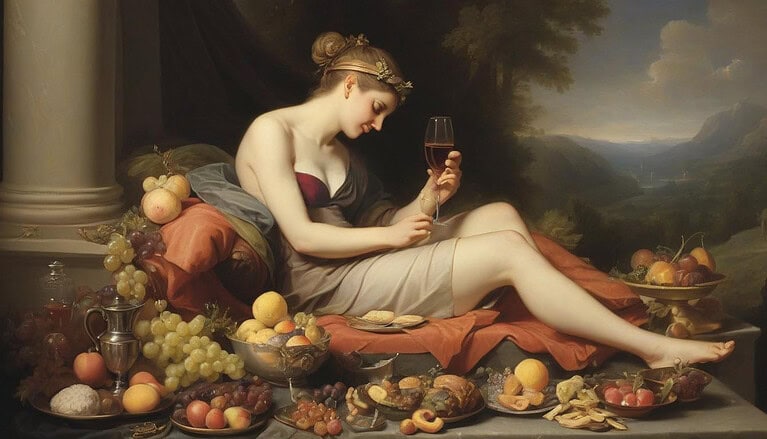
Epicureanism And Pleasure
Can true happiness be found in the pursuit of pleasure?

Friendship And Community
Are we defined by the company we keep?
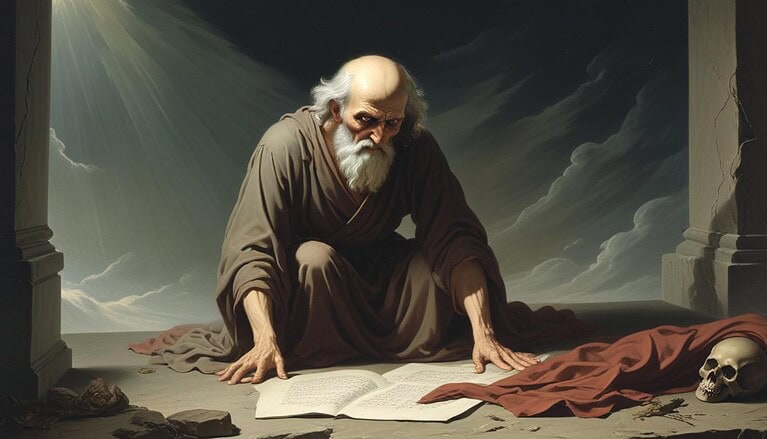
Overcoming Fear Of Death
What lies beyond our final breath?
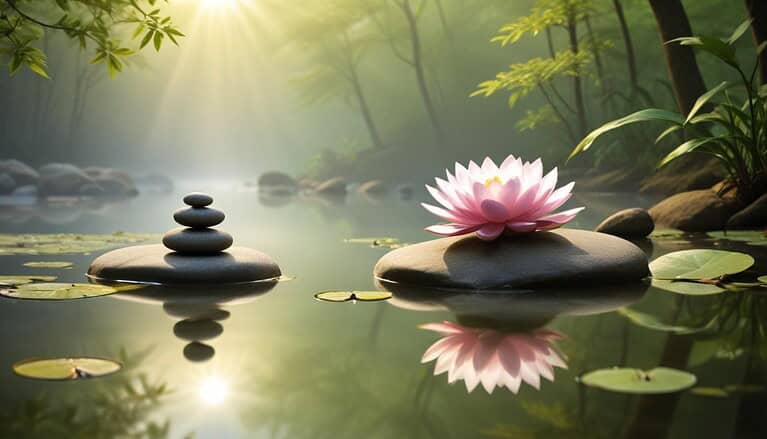
Cultivating Tranquility
Embrace stillness: Can tranquility be found within the chaos?
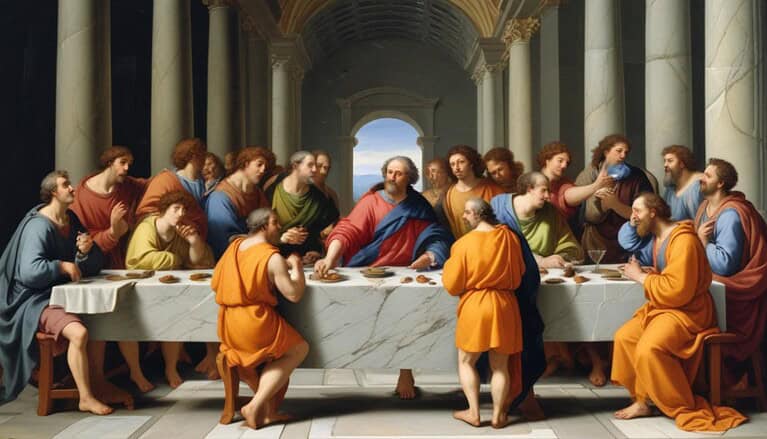
The Importance Of Moderation
Can balance bring harmony, or does excess lead to chaos?
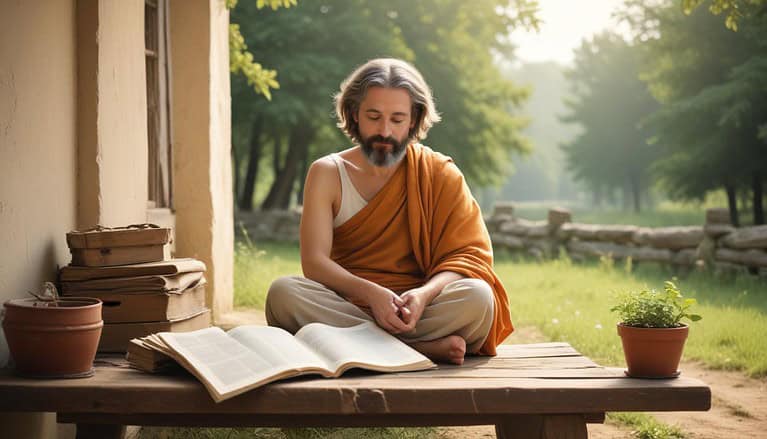
Living A Simple Life
Embracing simplicity: Can less truly lead to more in life?
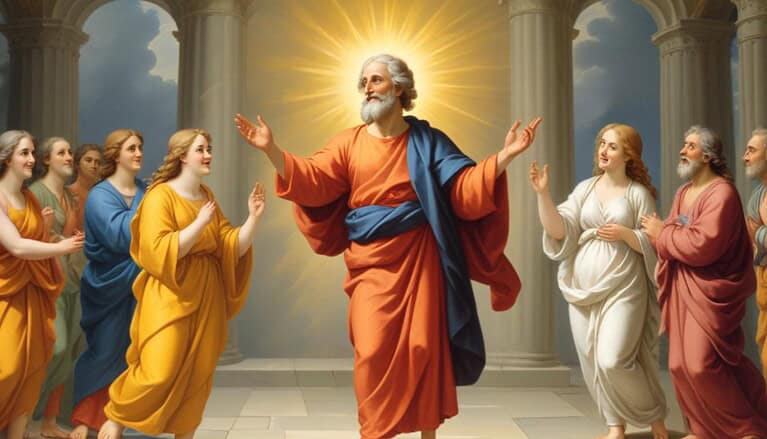
The Role Of Virtue In Happiness
What virtues lead the way to true happiness within us?
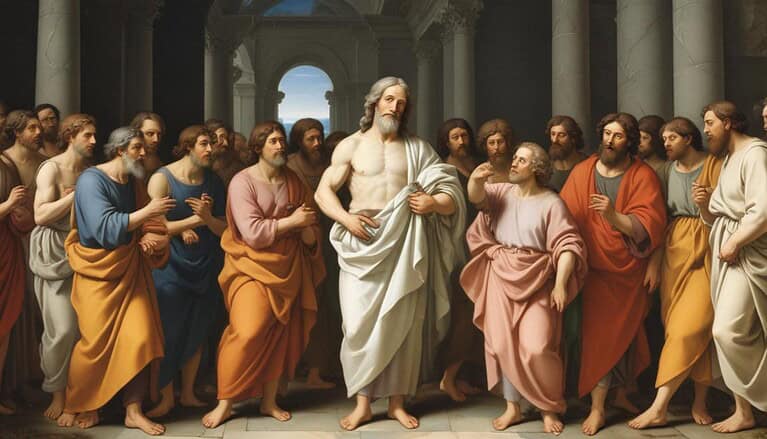
The Value Of Self-sufficiency
Can we truly thrive without relying on others for support?
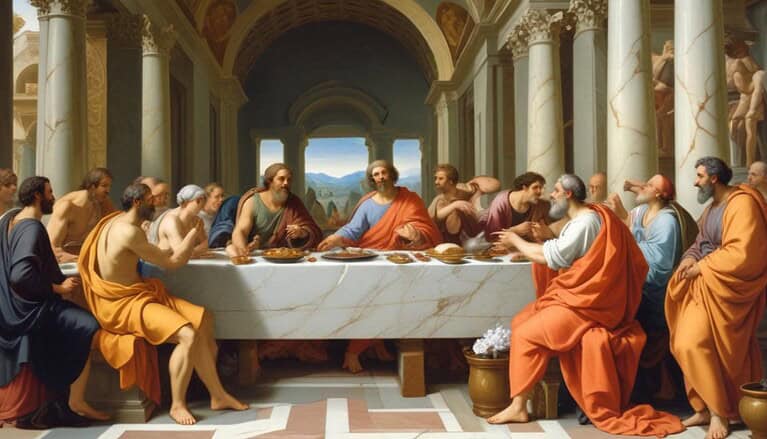
Applying Epicurean Principles To Modern Life
Do we chase pleasure or pursue purpose?
Timeline
Atomism (Democritus)
Epicurean Philosophy (Epicurus)
On Nature (Epicurus)
Letter to Herodotus (Epicurus)
Letter to Pythocles (Epicurus)
Letter to Menoeceus (Epicurus)
Principal Doctrines (Epicurus)
Epicurean Garden Established (Epicurus)
Happiness as the Highest Good (Metrodorus of Lampsacus)
Pleasure as the Absence of Pain (Hermarchus)
Epicurean Canon (Polianus)
Friendship as a Key Component of Happiness (Polyaenus)
The Tetrapharmakos (Four-part Cure) (Philodemus)
The Art of Poetry (Horace)
De Rerum Natura (On the Nature of Things) (Lucretius)
Epicureanism in Rome (Titus Lucretius Carus)
Epicurus' Works Rediscovered (Diogenes Laërtius)
Epicurean Revival in England (Thomas Hobbes)
Epicurean Influence on Utilitarianism (Jeremy Bentham)
Epicurean Philosophy Resurges (John Stuart Mill)
Epicurean Philosophy in Contemporary Ethics (Peter Singer)