
Summary of Trial and Execution of King Charles I (1649)
The dramatic downfall of a king: Charles I's fateful fate.
How Do You Learn Best?
Learn by Reading
Immerse yourself in the 10-minute visual lesson for a comprehensive understanding of the topic.
Learn by Reviewing
Jump directly to the key facts, timeline, and vocabulary lists to build a solid foundation of details.
Learn by Doing
Challenge yourself! Jump straight into the interactive games to learn by trial, error, and discovery.
Trial and Execution of King Charles I in 10 Minutes
Introduction
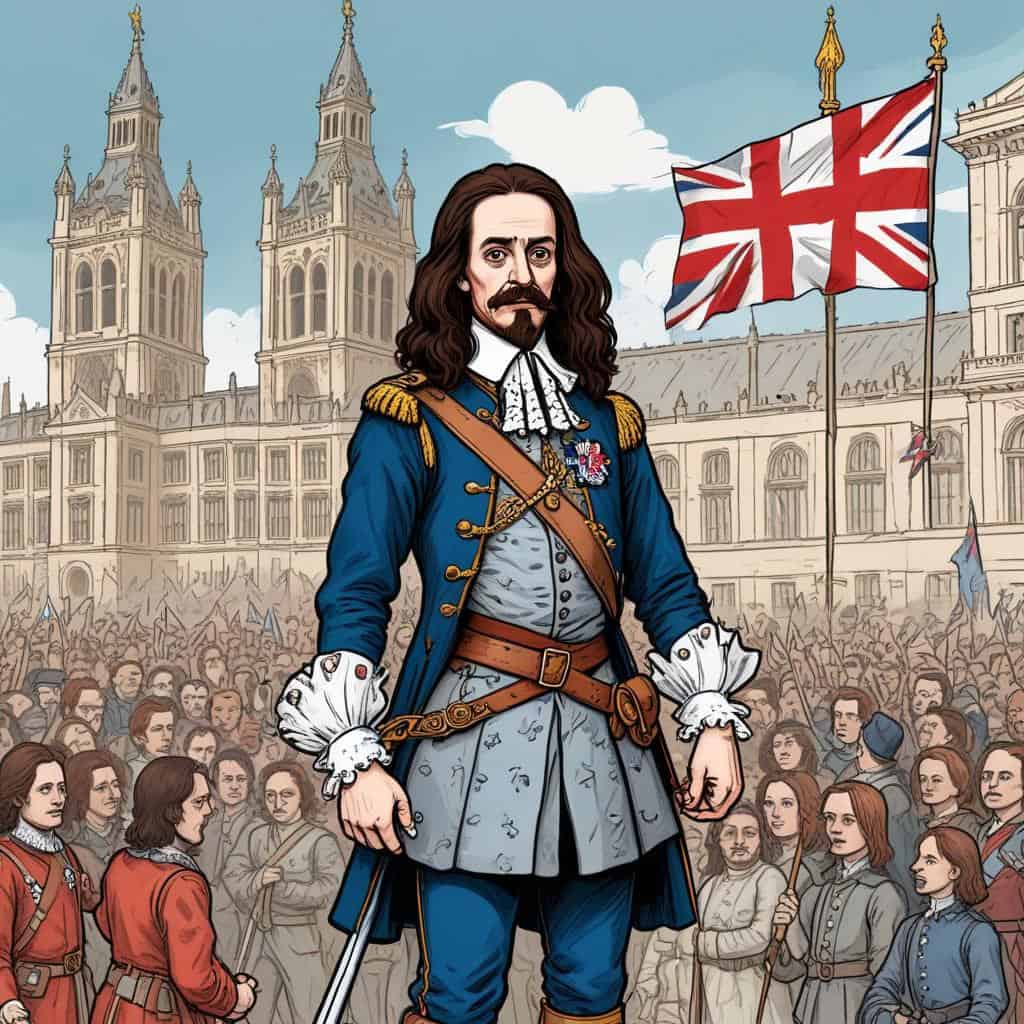
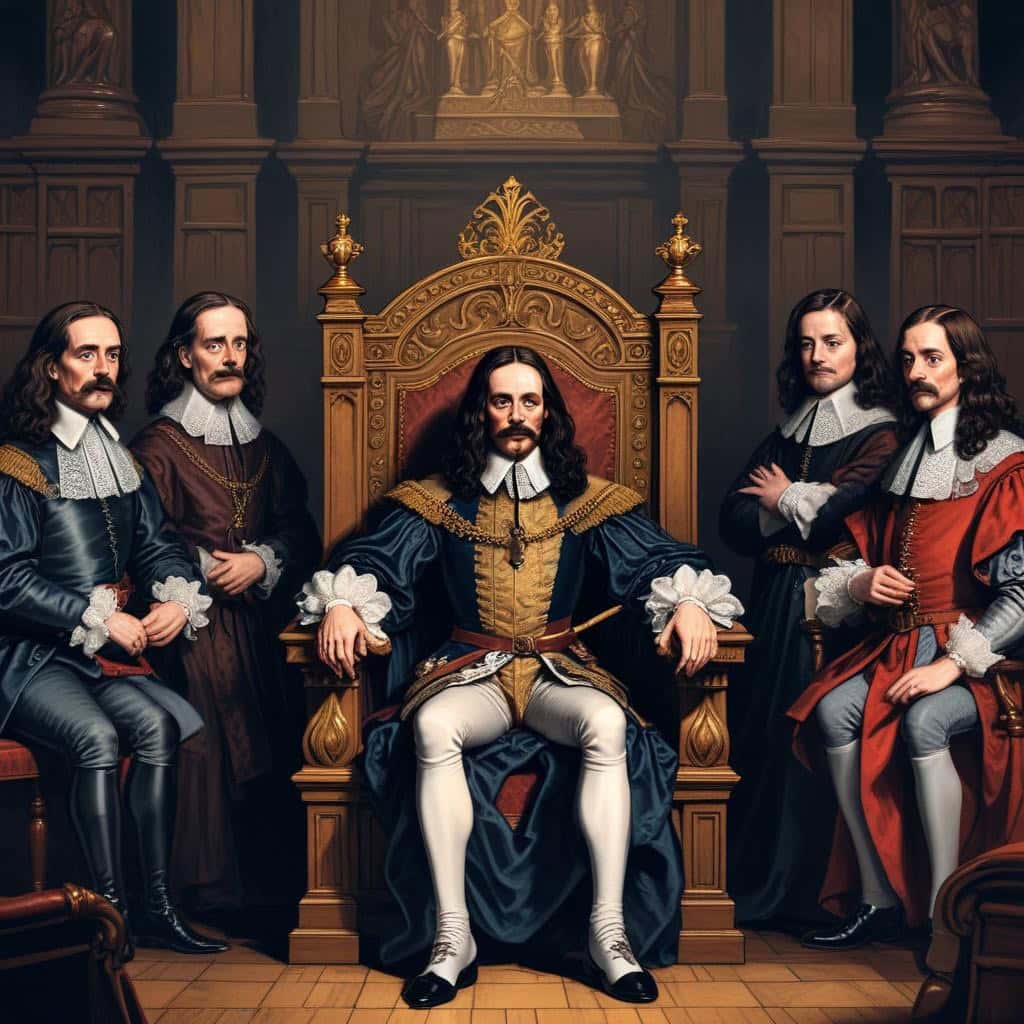
King Charles I

Oliver Cromwell
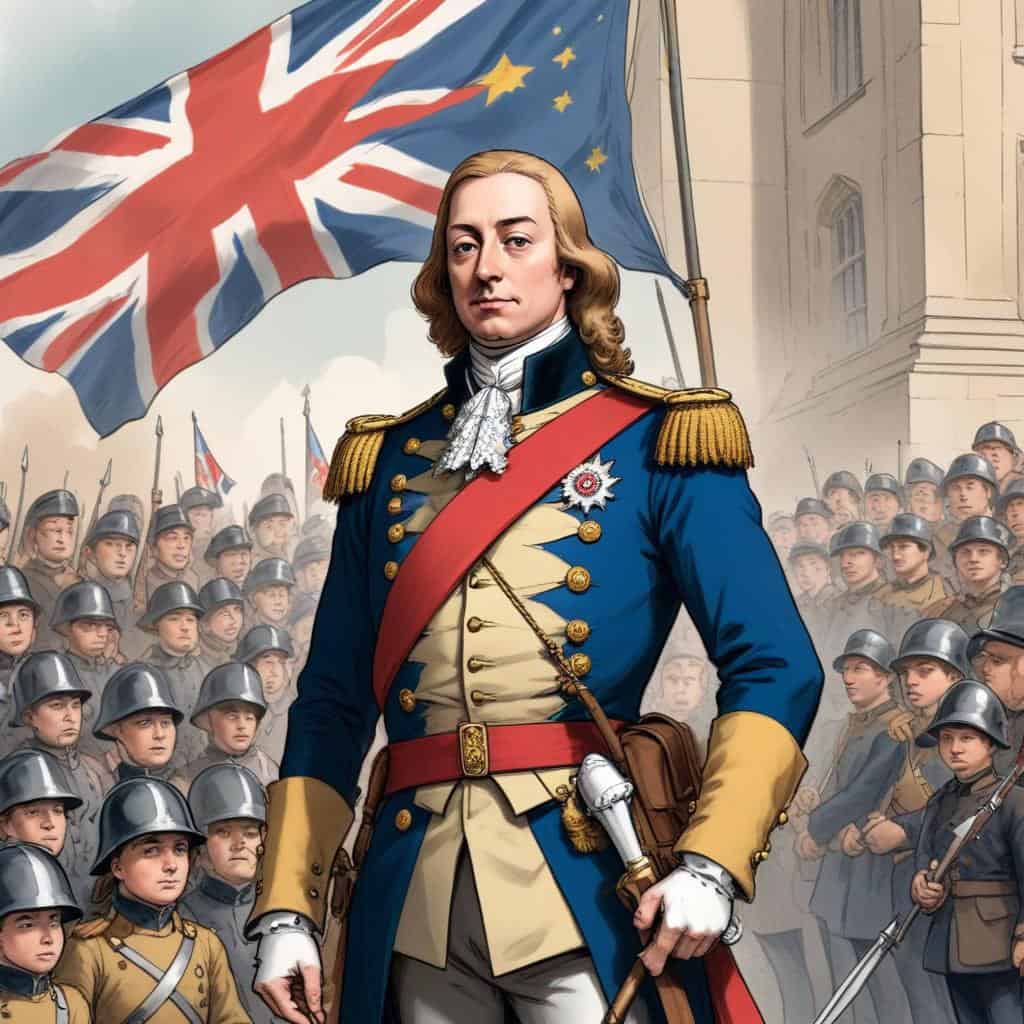
Lord Fairfax
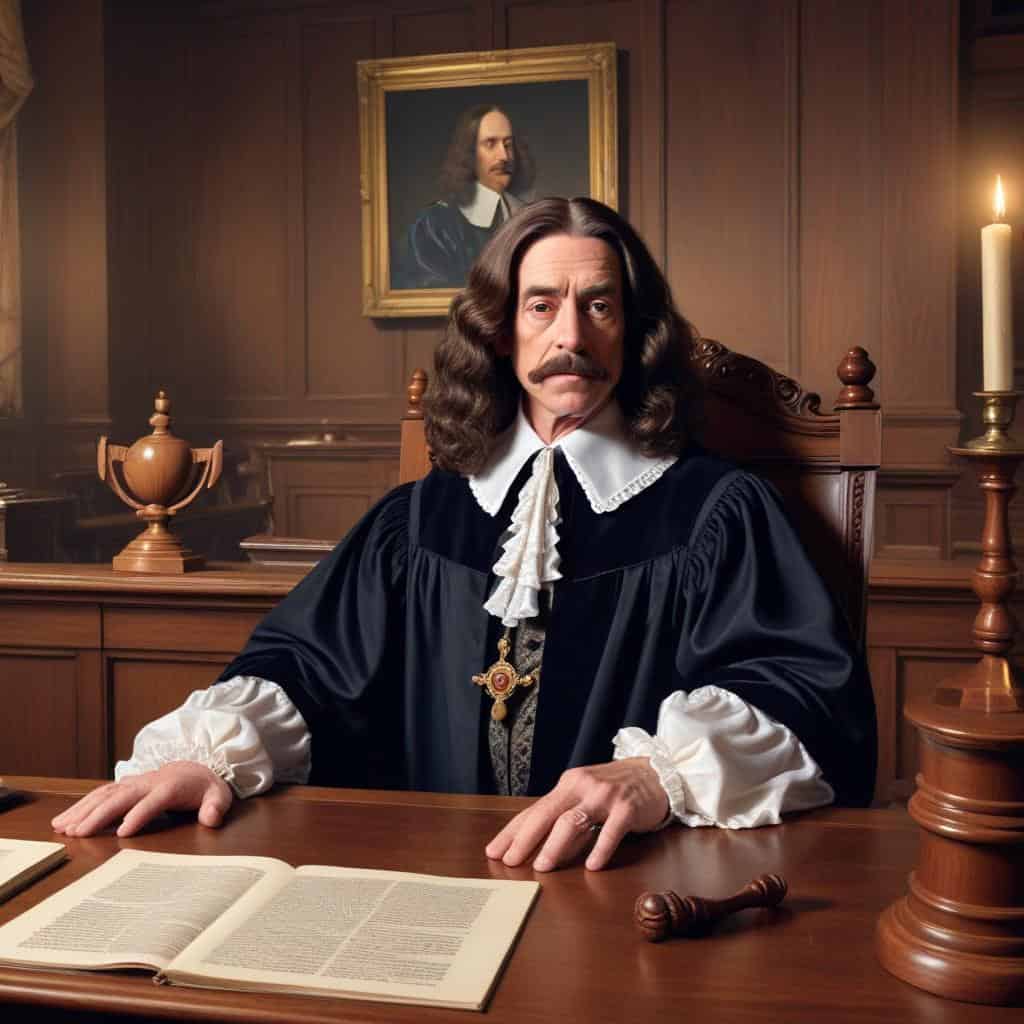
John Bradshaw
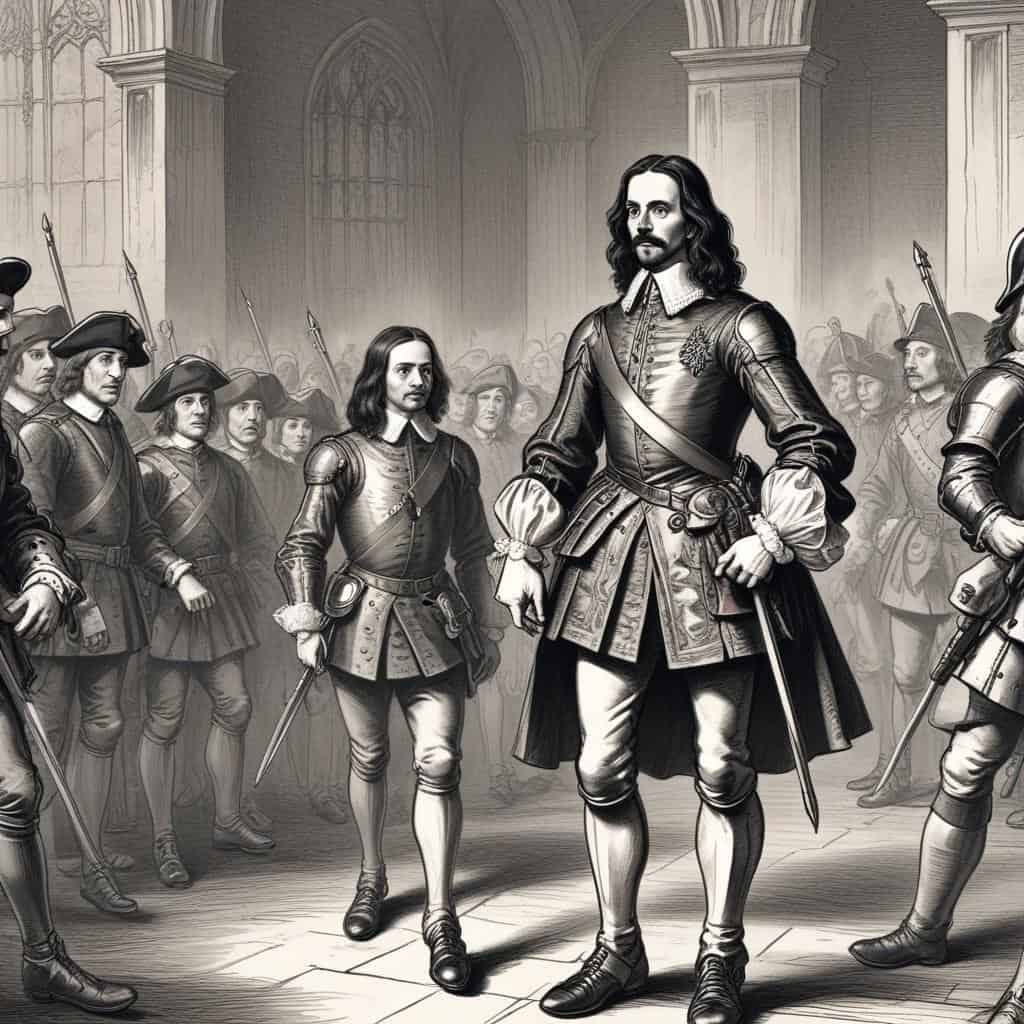
The Arrest of King Charles I

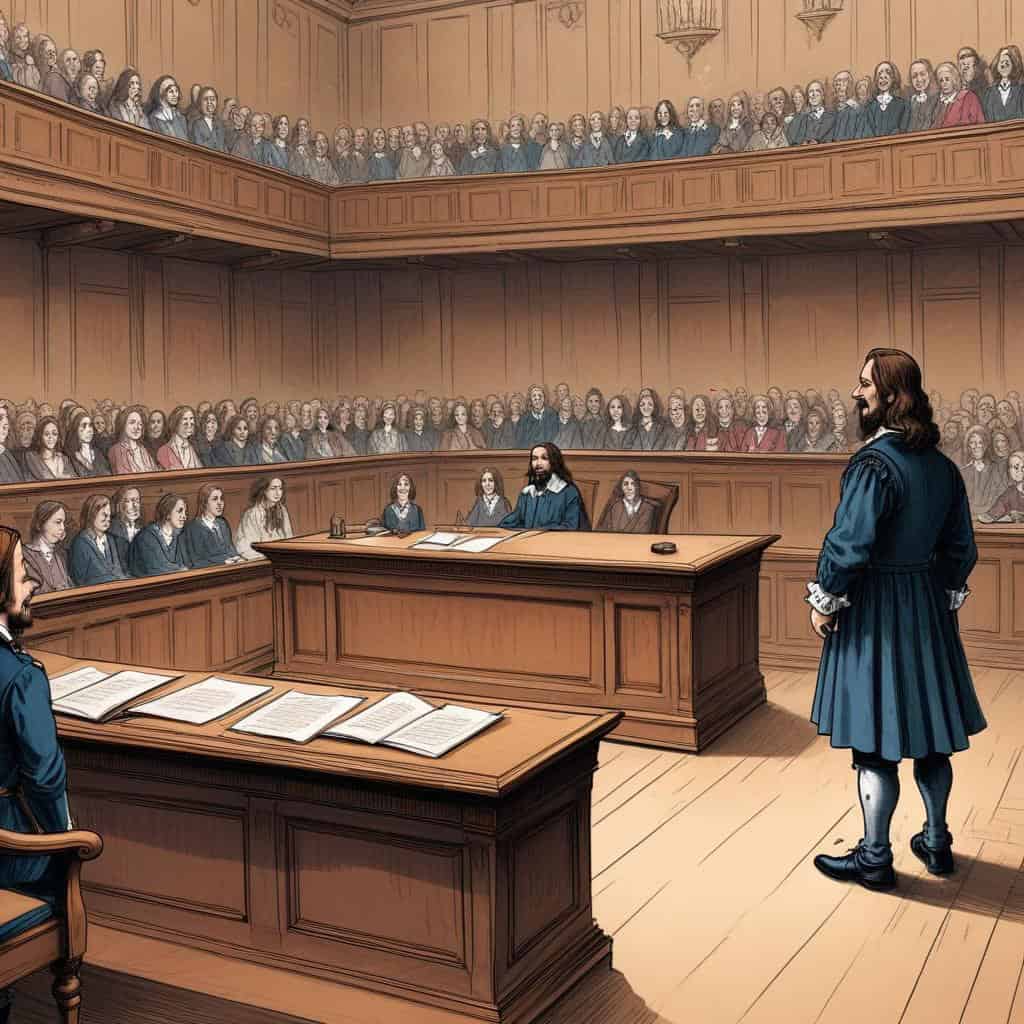
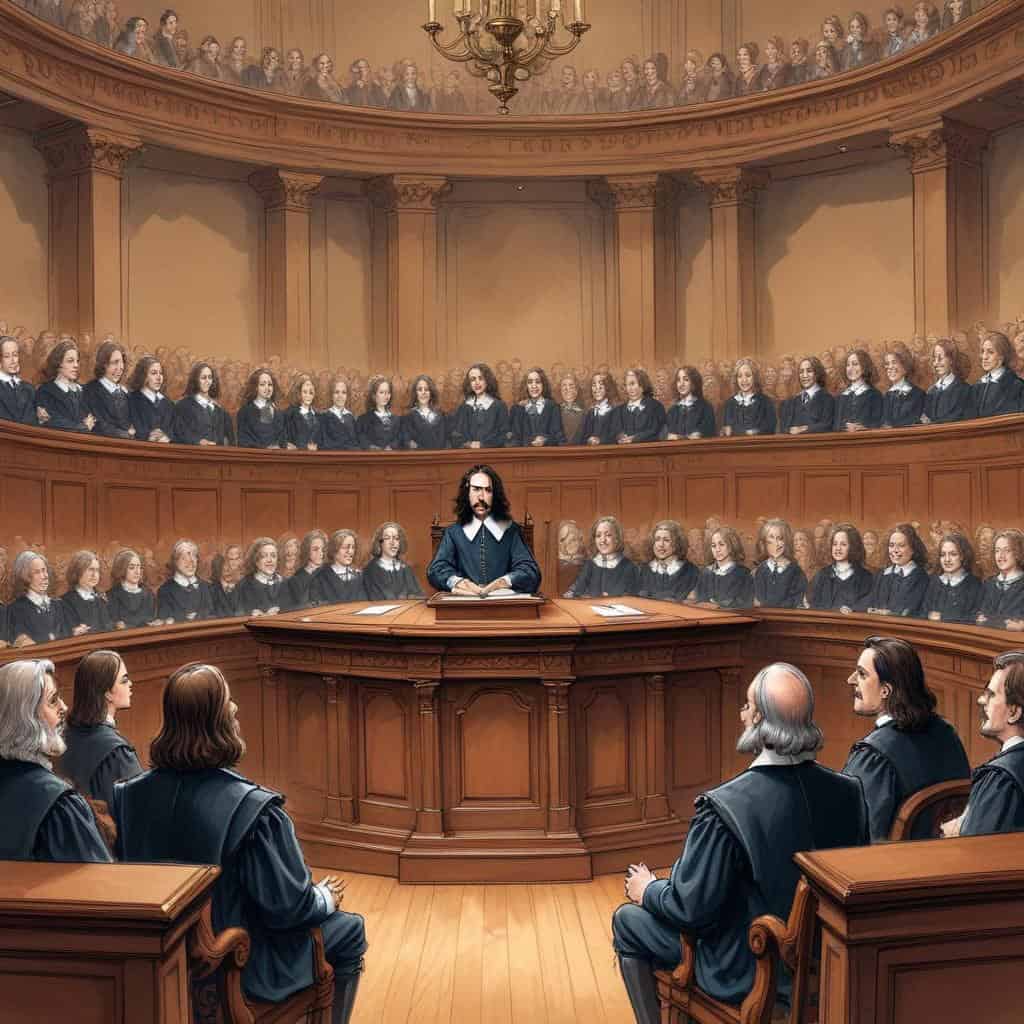
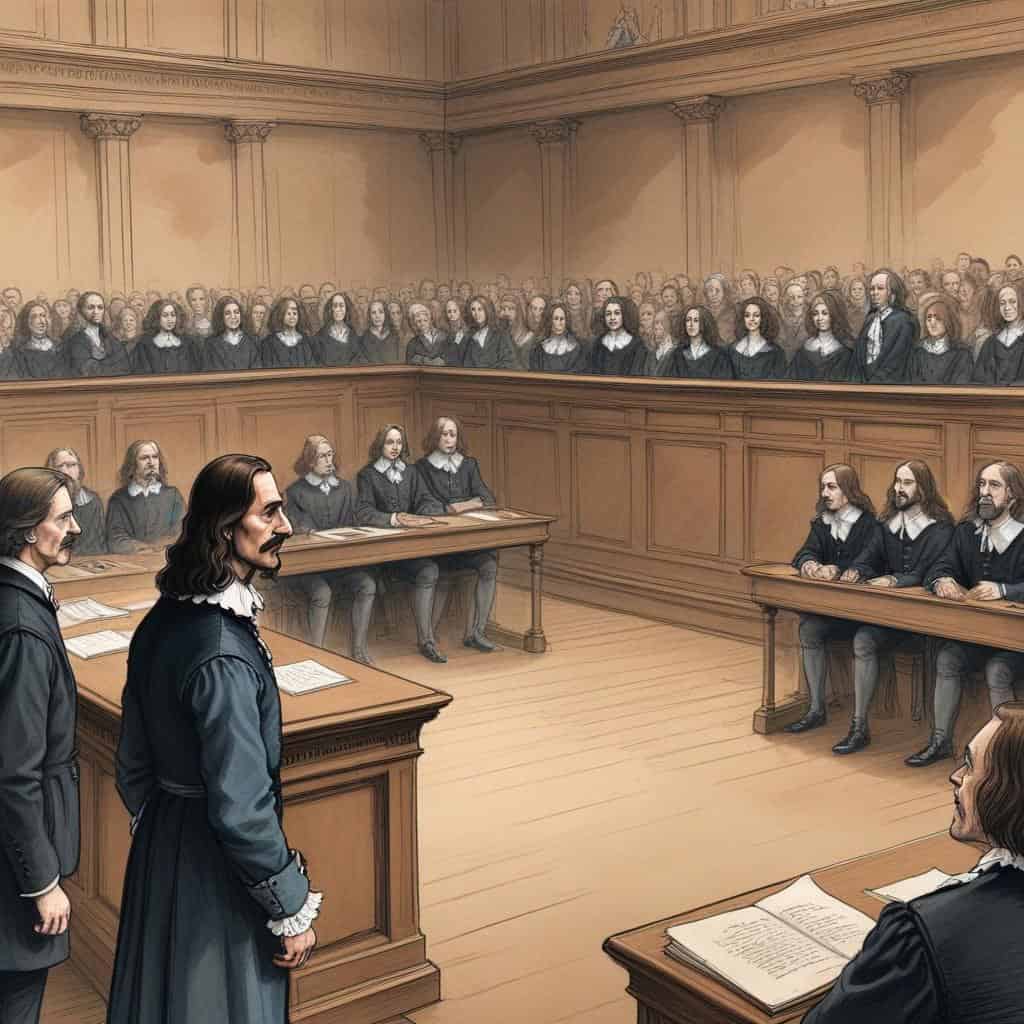
The Trial of King Charles I

The Charges Against King Charles I

The Verdict

The Execution of King Charles I

The Impact of the Execution

The Legacy of King Charles I

The Restoration of the Monarchy

The Lessons Learned
Lesson Details & Resources
In a Nutshell
- What: The trial and execution of King Charles I
- When: 1649
- Who: King Charles I, Oliver Cromwell, Parliament
- Outcome: King Charles I was found guilty of treason and executed, leading to the establishment of the Commonwealth of England
Famous Figures in the Trial and Execution of King Charles I
-
Oliver Cromwell
Oliver Cromwell: An English military and political leader who played a key role in the trial and execution of King Charles I. He later became Lord Protector of England, Scotland, and Ireland.
-
John Bradshaw
John Bradshaw: An English judge and lawyer who presided over the trial of King Charles I. He was the President of the High Court of Justice and signed the death warrant.
-
Thomas Fairfax
Thomas Fairfax: An English general and commander-in-chief of the Parliamentarian army during the English Civil War. He was one of the key figures who opposed King Charles I.
-
Charles II
Charles II: The eldest son of King Charles I and the rightful heir to the throne. After the execution of his father, he went into exile and later regained the monarchy.
-
John Milton
John Milton: An English poet and political writer who supported the trial and execution of King Charles I. He served as a government official during the Commonwealth period.
-
Henry Ireton
Henry Ireton: An English general and politician who played a significant role in the trial and execution of King Charles I. He was a prominent member of the Parliamentarian army.
-
Algernon Sidney
Algernon Sidney: An English politician and member of Parliament who opposed the trial and execution of King Charles I. He was later executed for his involvement in a plot against King Charles II.
Timeline of Trial and Execution of King Charles I
Civil War begins in England
Battle of Edgehill
King Charles I raises his standard in Nottingham
Battle of Marston Moor
King Charles I is defeated at the Battle of Naseby
King Charles I surrenders to the Scottish army
King Charles I is handed over to the English Parliament
Putney Debates take place
Second Civil War erupts
Battle of Preston
King Charles I is captured and imprisoned in Carisbrooke Castle
Pride's Purge takes place
Rump Parliament is established
King Charles I is put on trial for high treason
King Charles I is found guilty
King Charles I is sentenced to death
King Charles I is executed by beheading
The monarchy is abolished, and England becomes a Commonwealth
Regicide Act is passed by the Rump Parliament
Interregnum begins
Vocabulary List
- Monarchy
- The trial and execution of King Charles I marked the end of the monarchy in England.
- Regicide
- The regicide of King Charles I was a controversial and significant event in English history.
- Treason
- The king was accused of treason against the people of England.
- Parliament
- The trial of King Charles I was conducted by the English parliament.
- Civil war
- The trial and execution of King Charles I was a culmination of the English Civil War.
- Dictatorship
- After the execution of King Charles I, England briefly became a republic under Oliver Cromwell's dictatorship.
- Judgment
- The judgment of King Charles I was met with mixed reactions from the public.
- Martyr
- Some viewed King Charles I as a martyr for his beliefs and principles.
- Legacy
- The legacy of King Charles I continues to be debated by historians and scholars.
- Executioner
- The executioner carried out the sentence of beheading King Charles I.
Key Facts
This is the information used in the fact matching game
- King Charles I was put on trial on January 20, 1649.
- The trial took place at the Palace of Whitehall in London, England.
- The trial was conducted by the High Court of Justice.
- Charles I was charged with high treason and other high crimes.
- The trial lasted for several days, with Charles I defending himself against the charges.
- The trial was heavily influenced by the political climate of the time, with many of the judges being supporters of the Parliamentarians.
- Charles I refused to recognize the authority of the court and argued that only God had the power to judge a monarch.
- On January 27, 1649, the court found Charles I guilty of all charges.
- The sentence for Charles I's crimes was death by beheading.
- King Charles I was executed on January 30, 1649.
- The execution took place outside the Banqueting House in Whitehall, London.
- Charles I remained composed and dignified during his execution.
- After his execution, Charles I's body was embalmed and later buried in the St. George's Chapel at Windsor Castle.
- The execution of Charles I marked the end of the monarchy in England and the beginning of the Commonwealth of England.
- The trial and execution of Charles I had significant repercussions in Europe, with many monarchs expressing concern over the precedent it set.
- The execution of Charles I was a key event in the English Civil Wars.
- The trial and execution of Charles I was a result of the conflict between the Parliamentarians and the Royalists.
- The trial and execution were seen as a major turning point in English history, leading to the eventual restoration of the monarchy in 1660.
- Charles I's execution was followed by a period of republican rule known as the Interregnum.
- The trial and execution of Charles I sparked debates and discussions about the limits of monarchical power and the rights of the people.
Analysis & Significance
Immediate Consequences
The immediate consequence of the trial and execution of King Charles I in 1649 was the establishment of the Commonwealth of England, marking the end of the monarchy for a brief period. It led to political instability and the rise of Oliver Cromwell as the Lord Protector, creating a new form of government.
Long-Term Impact
The long-term impact of King Charles I’s execution was the shift towards a constitutional monarchy in England. It set a precedent that no monarch was above the law and established the supremacy of Parliament over the crown. This event laid the foundation for the Glorious Revolution of 1688 and the development of modern democratic principles.
Cultural Significance Today
The trial and execution of King Charles I continues to be a significant event in British history, symbolizing the struggle for power between the monarchy and Parliament. It serves as a reminder of the importance of accountability and the rule of law in governance. The legacy of this event is reflected in the constitutional monarchy system in the United Kingdom today.
Trial and Execution of King Charles I Games


Take Your Learning Offline
Want a convenient, print-ready study guide for this lesson? Become a Memory Wizards Pro member to unlock the downloadable " Memory Scrolls" for this topic and our entire library!
- ✓ Complete Vocabulary Lists
- ✓ Key Facts & Timelines
- ✓ Beautifully Formatted for Print & Mobile