
Summary of Battle of Marston Moor (1644)
Uncover the secrets of the pivotal Battle of Marston Moor.
How Do You Learn Best?
Learn by Reading
Immerse yourself in the 10-minute visual lesson for a comprehensive understanding of the topic.
Learn by Reviewing
Jump directly to the key facts, timeline, and vocabulary lists to build a solid foundation of details.
Learn by Doing
Challenge yourself! Jump straight into the interactive games to learn by trial, error, and discovery.
Battle of Marston Moor in 10 Minutes

Introduction
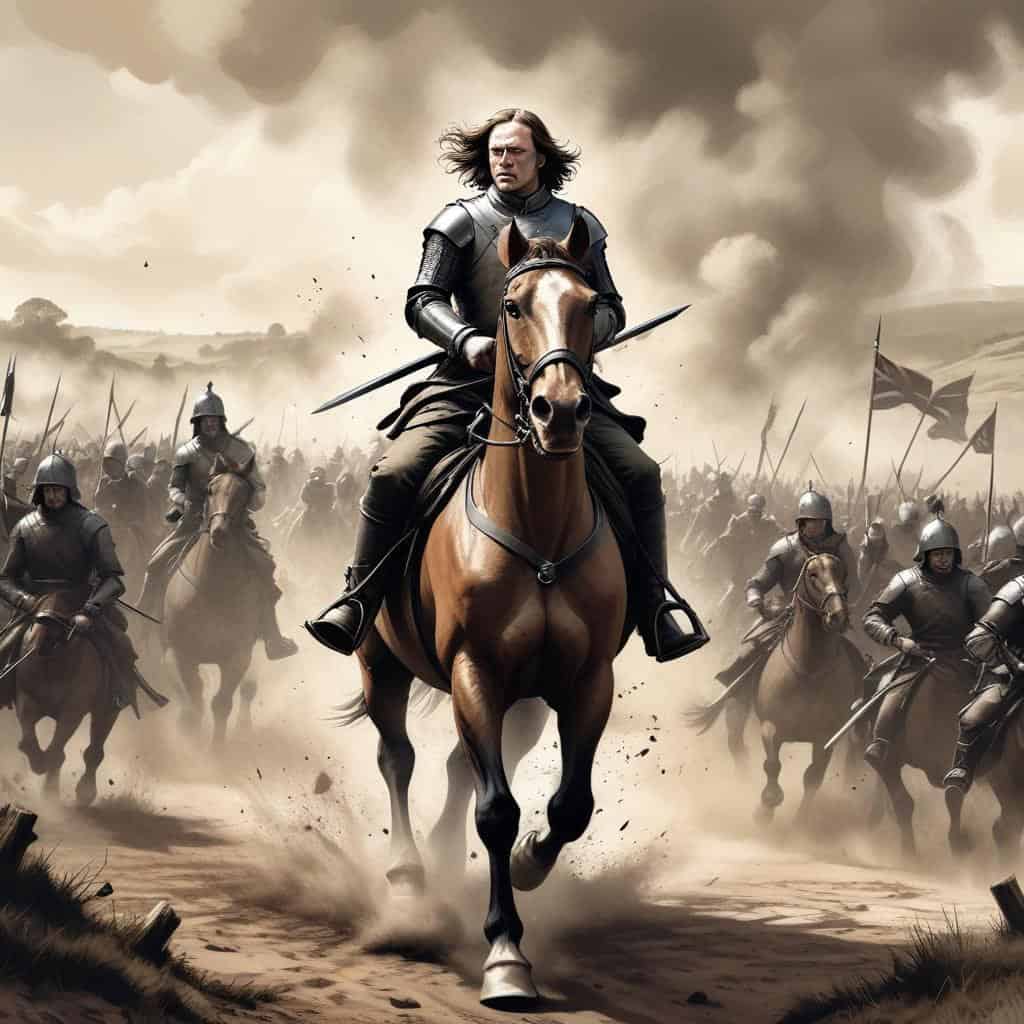
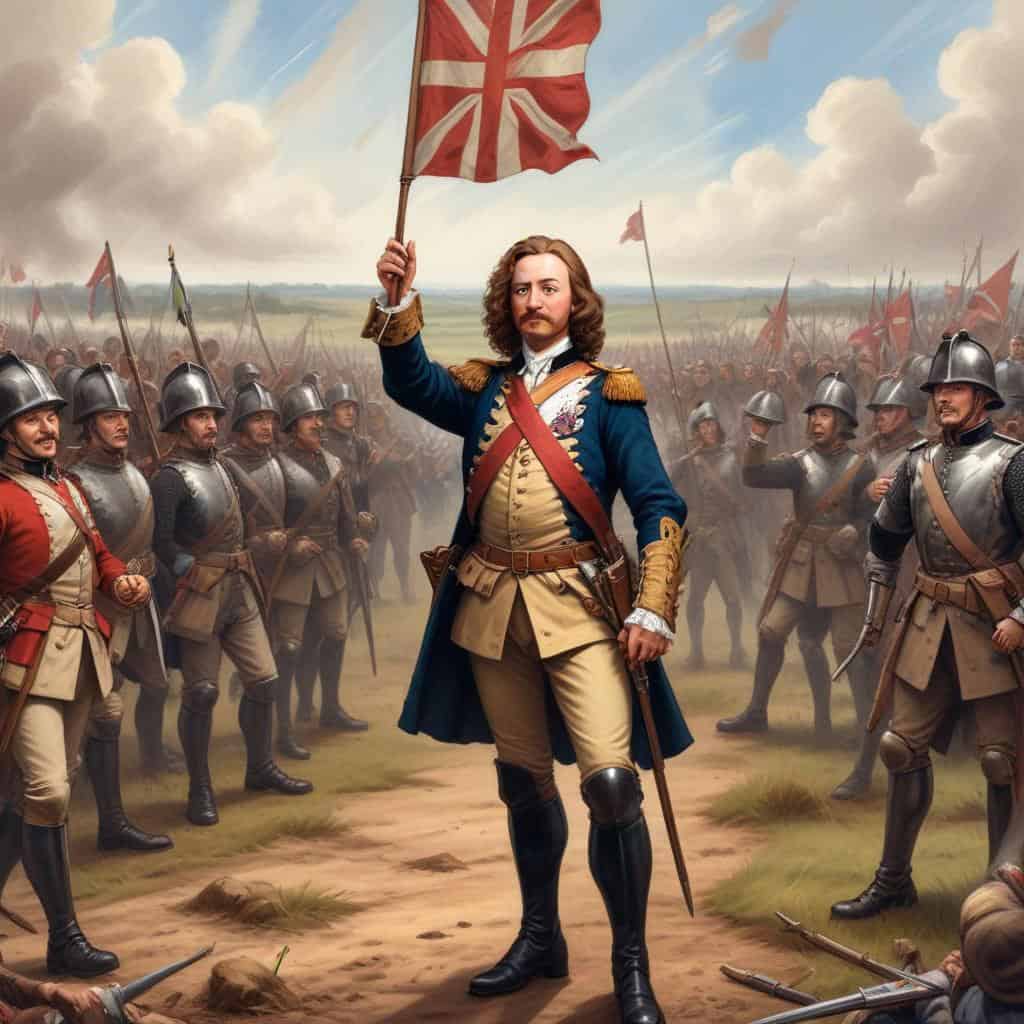
Oliver Cromwell
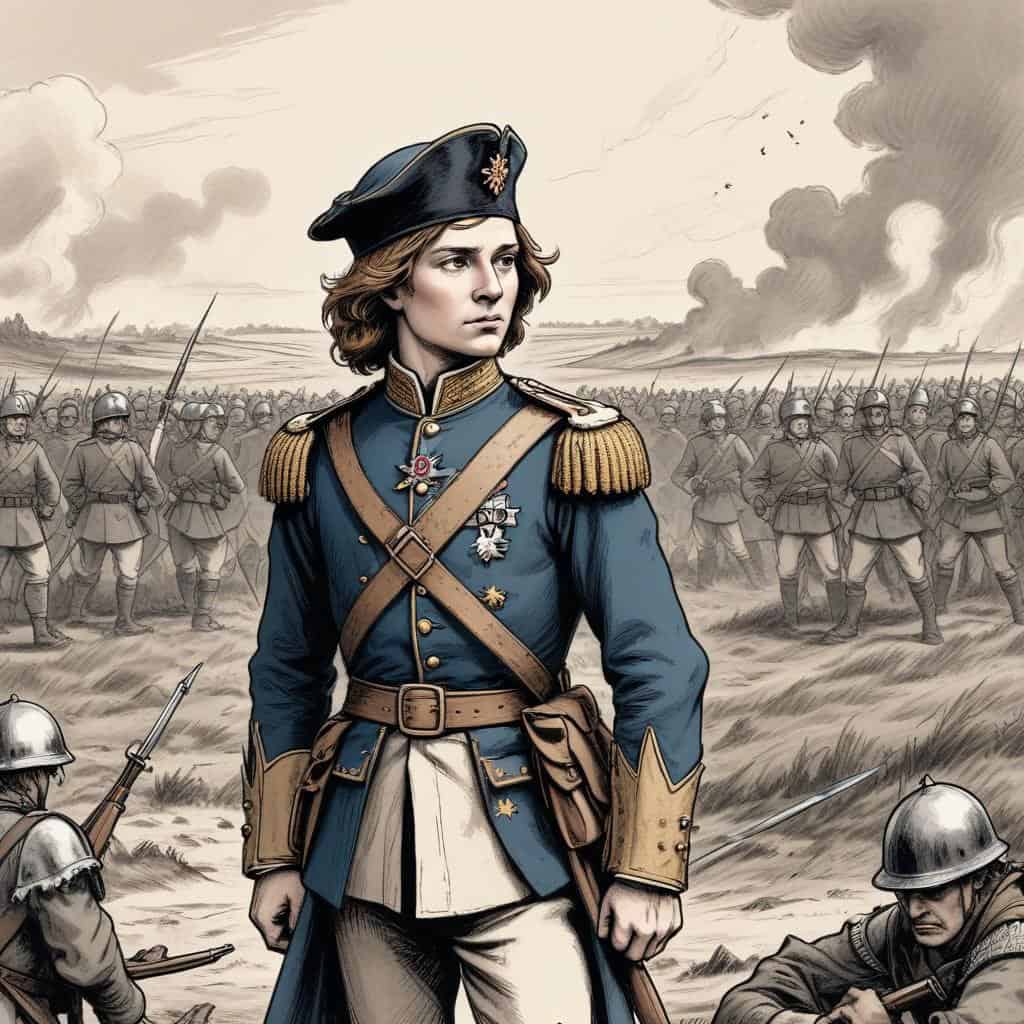
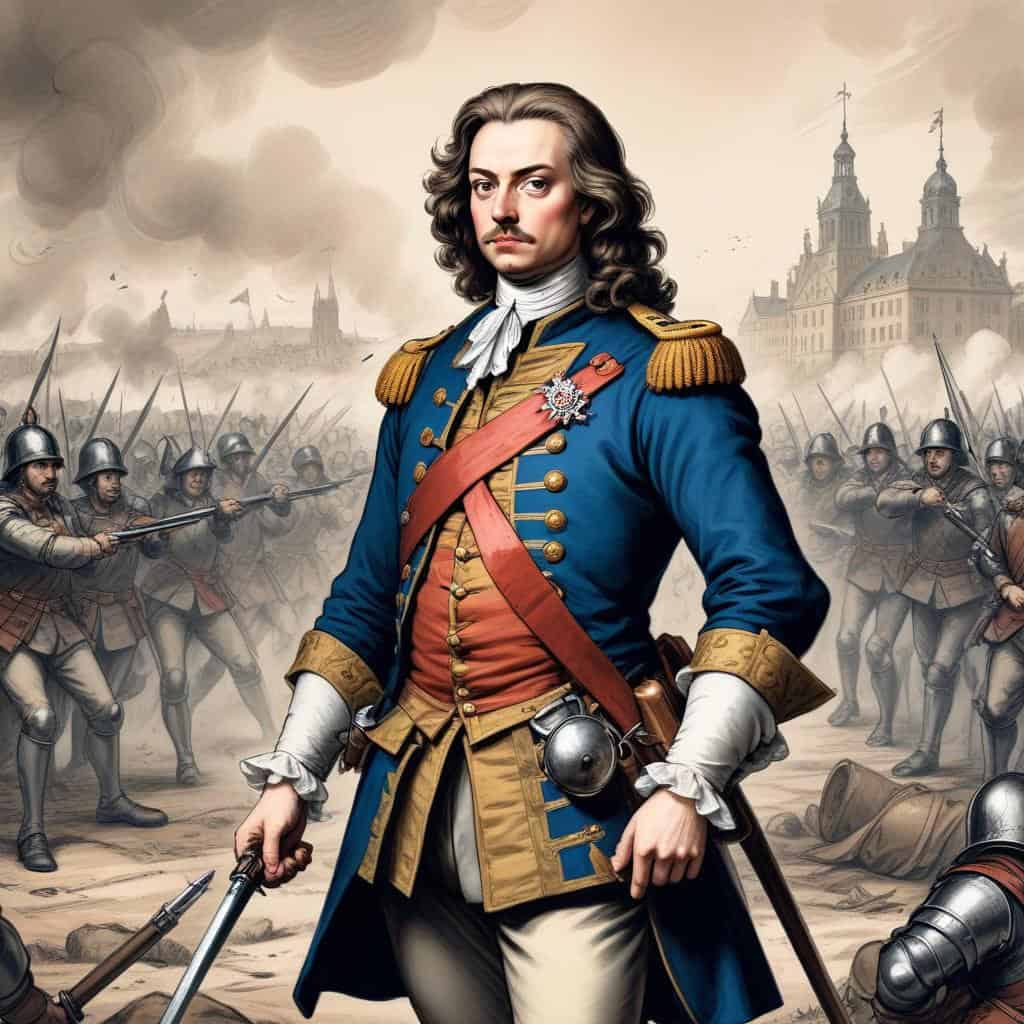
Prince Rupert of the Rhine
Sir Thomas Fairfax
Lord Newcastle
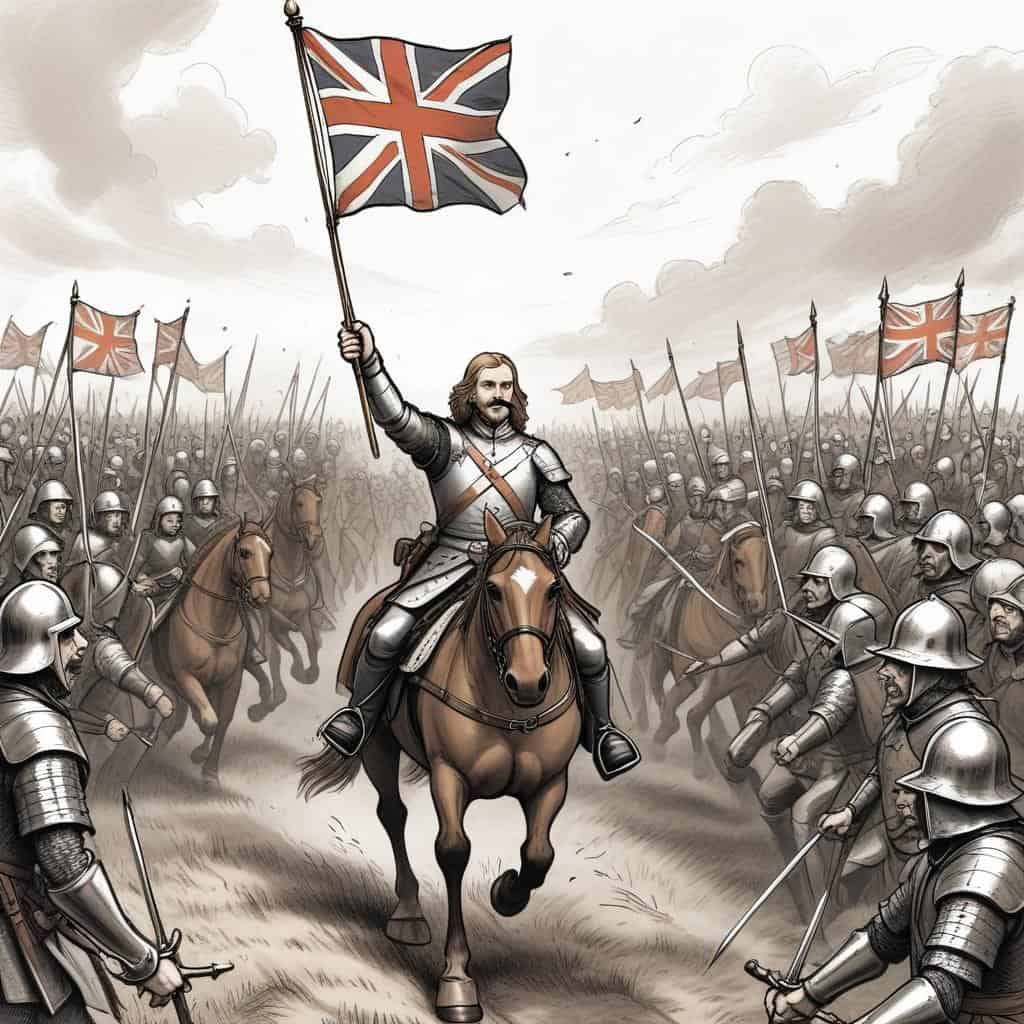
Sir William Waller

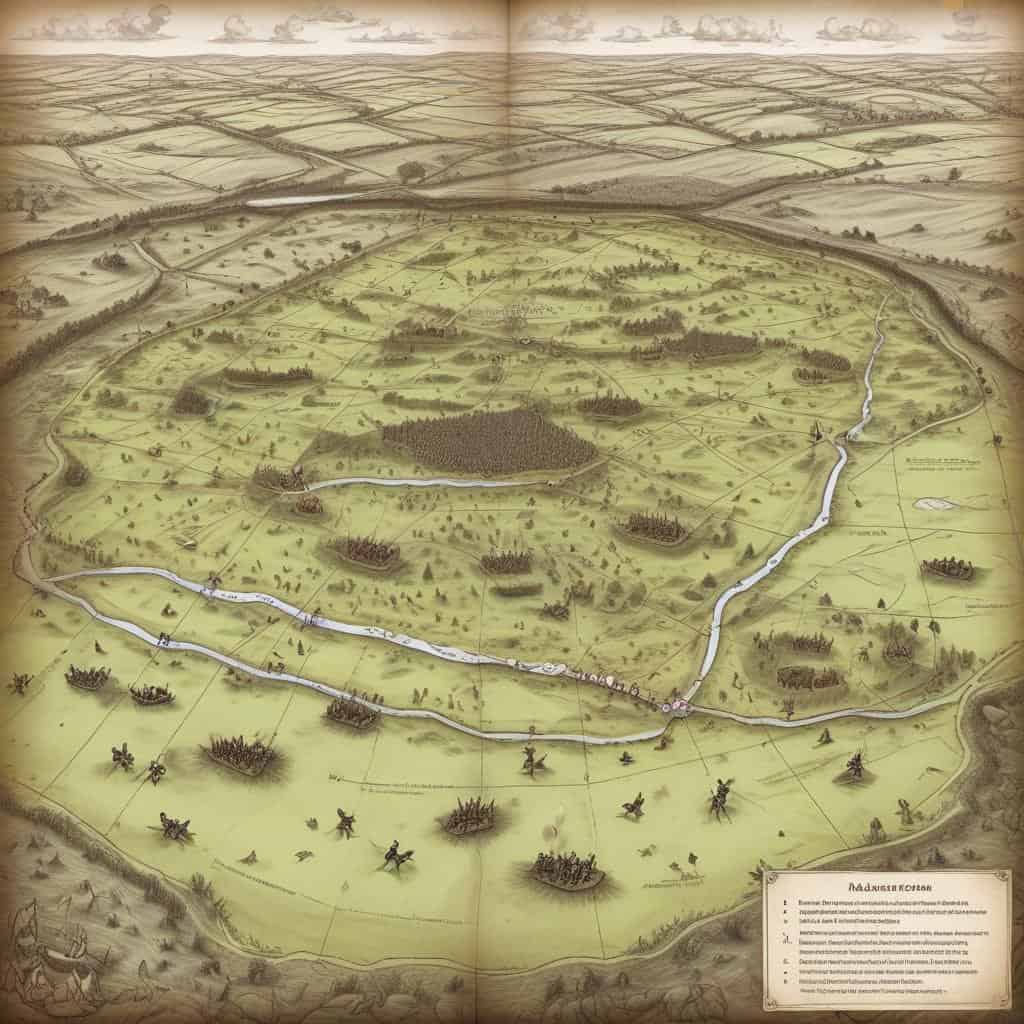
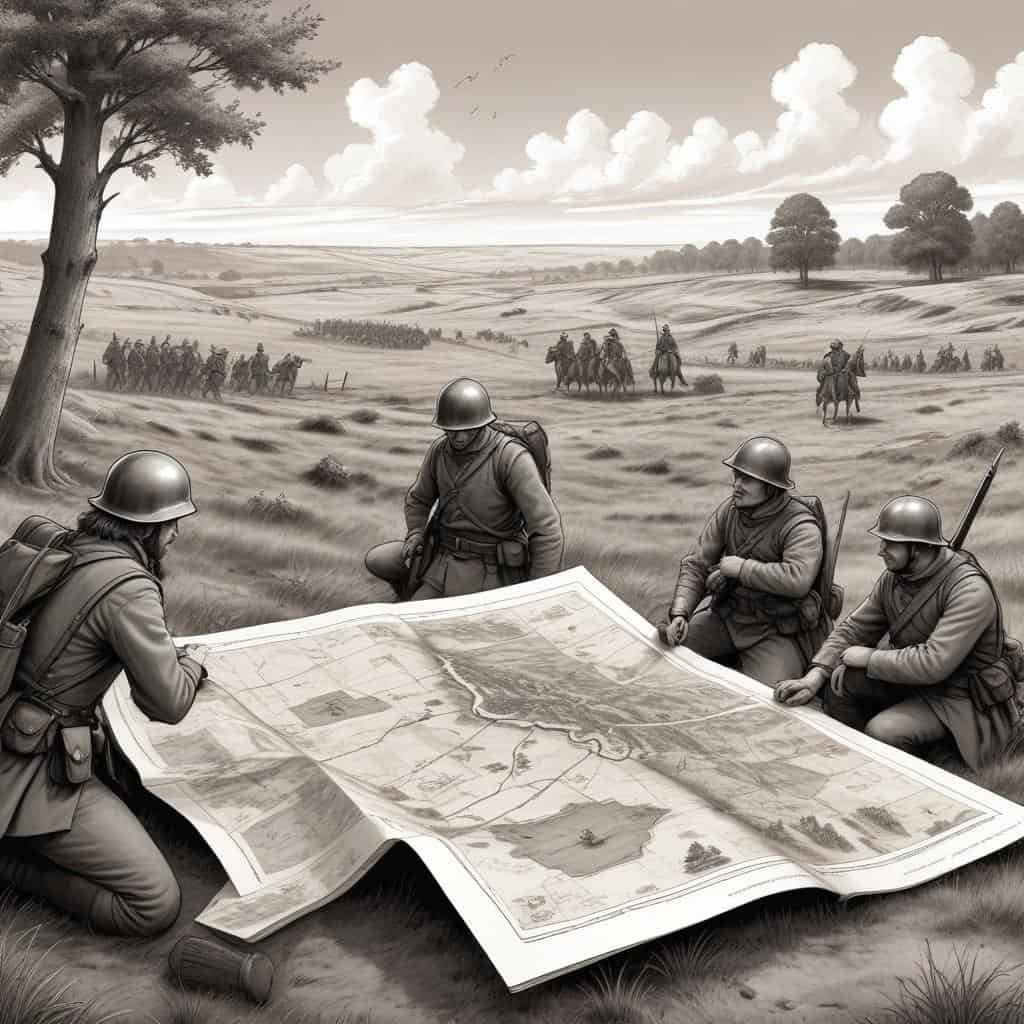
The Pre-Battle Build-Up

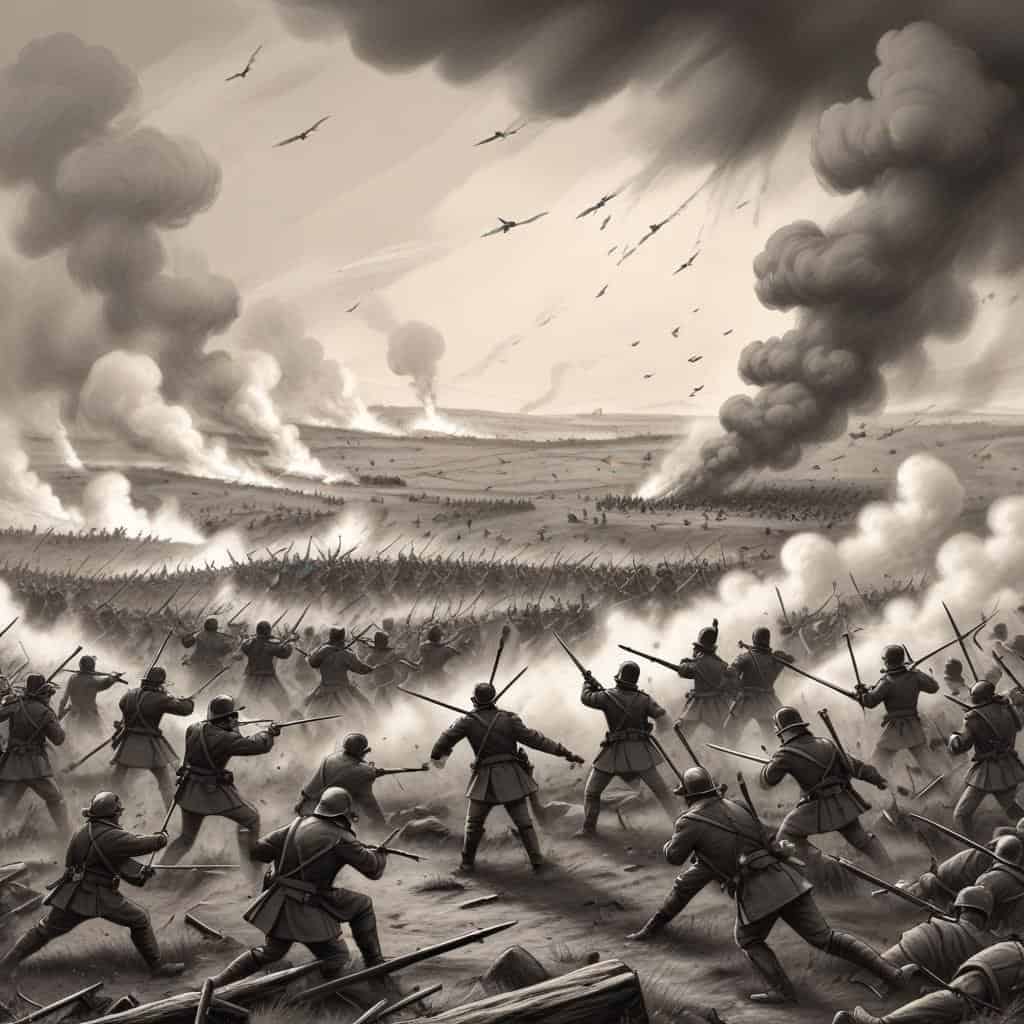
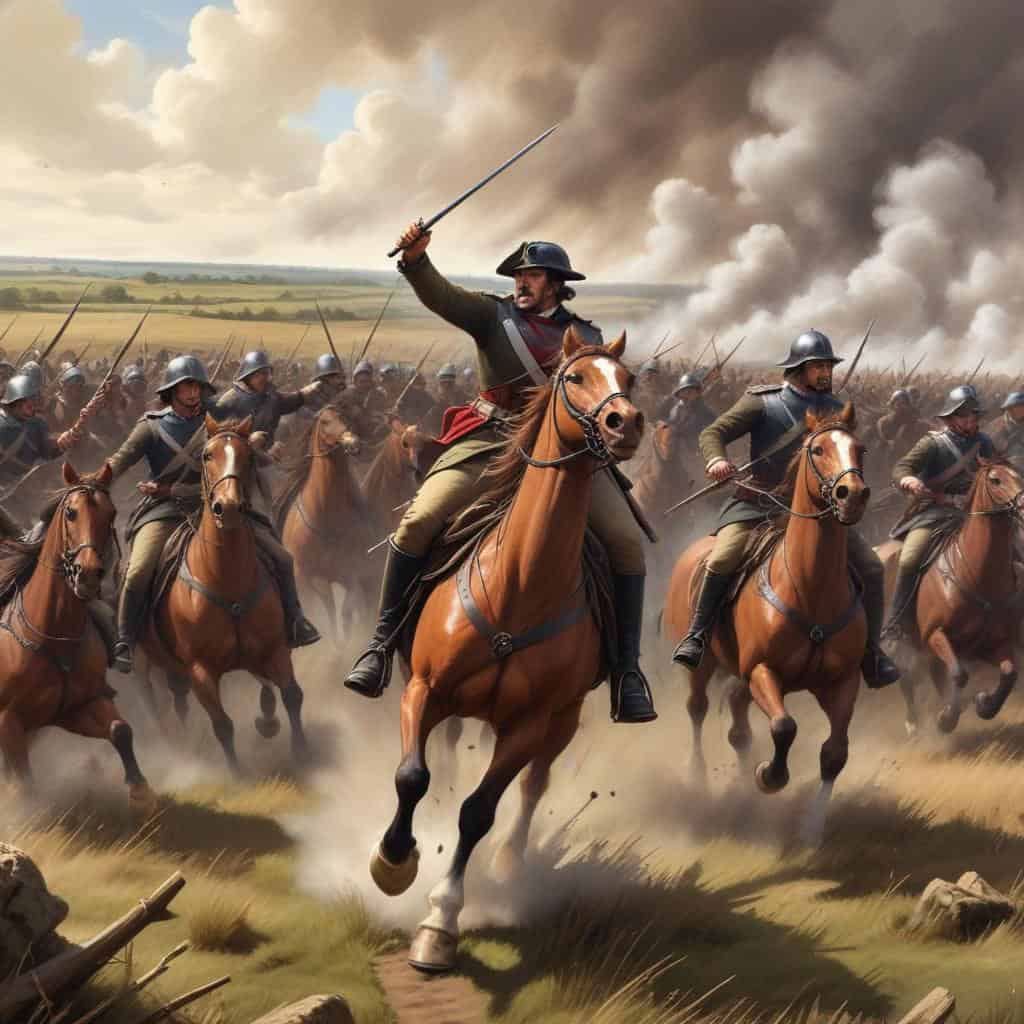
The Battle Begins

The Turning Point

The Bloody Melee

The Parliamentarian Victory
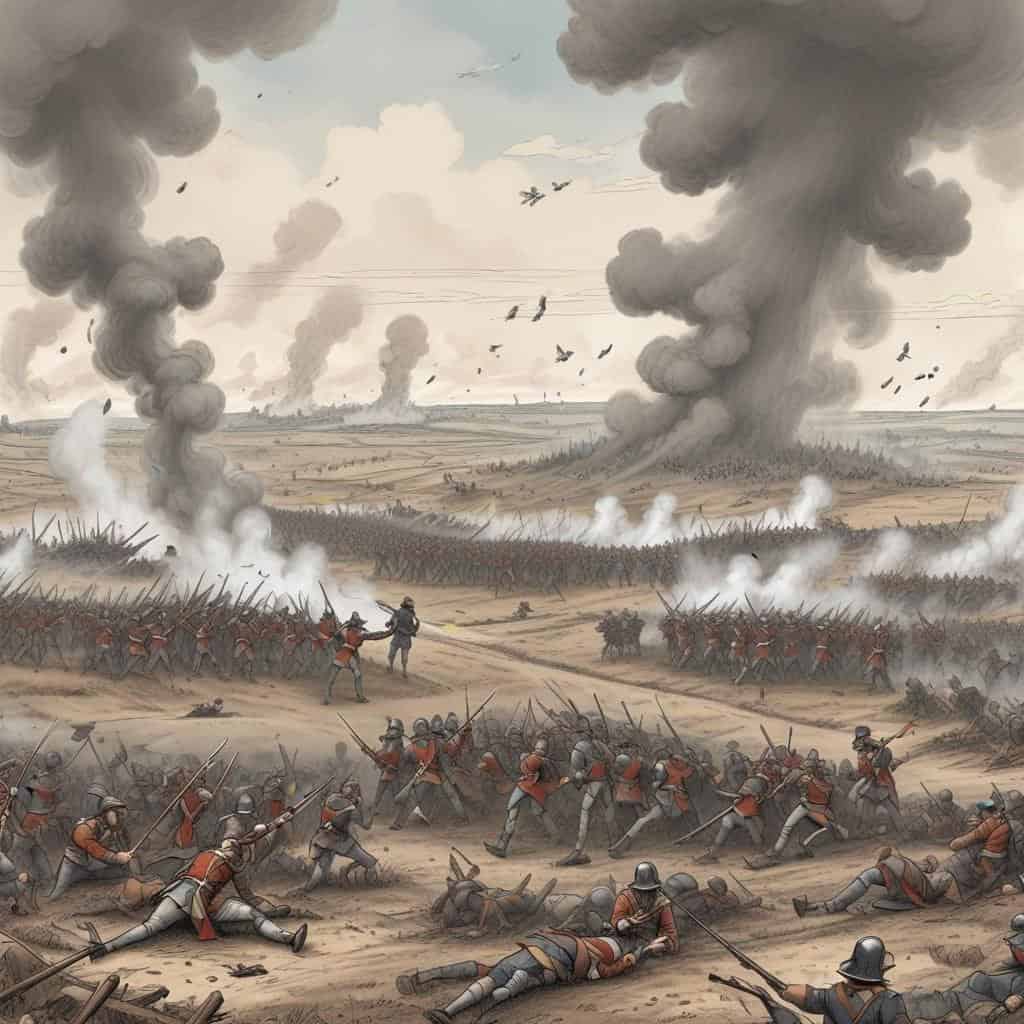
The Aftermath

The Legacy of Marston Moor

The Impact on the War

The Commemoration of the Battle
The Lessons Learned
Lesson Details & Resources
In a Nutshell
- What: A pivotal battle in the English Civil War
- When: July 2, 1644
- Who: Parliamentarians led by Oliver Cromwell, Royalists led by Prince Rupert
- Outcome: Parliamentarian victory, securing control of northern England
Famous Figures in the Battle of Marston Moor
-
Oliver Cromwell
Oliver Cromwell: A prominent military and political leader, Cromwell played a crucial role in the Battle of Marston Moor. He commanded the Parliamentarian cavalry and his tactical brilliance contributed to their victory.
-
Prince Rupert of the Rhine
Prince Rupert of the Rhine: A Royalist commander and nephew of King Charles I, Prince Rupert led the Royalist cavalry at Marston Moor. Despite his reputation as a skilled cavalry commander, his impulsive decisions and lack of coordination with other Royalist units led to their defeat.
-
Thomas Fairfax
Thomas Fairfax: A Parliamentarian general, Fairfax commanded the infantry at Marston Moor. His disciplined and well-trained troops played a crucial role in repelling the Royalist attacks and securing victory.
-
David Leslie
David Leslie: A Scottish cavalry commander, Leslie led the Covenanter forces at Marston Moor. His tactical expertise and disciplined cavalry units played a significant role in the Parliamentarian victory.
-
Hugo Grotius
Hugo Grotius: A Dutch lawyer and philosopher, Grotius served as a diplomat for the Dutch Republic during the Thirty Years' War. His writings on international law influenced the political and legal debates surrounding the conflict, including the Battle of Marston Moor.
-
Ferdinando Fairfax
Ferdinando Fairfax: A Royalist commander and cousin of Thomas Fairfax, Ferdinando fought on the Royalist side at Marston Moor. Despite his bravery, he was captured during the battle and later imprisoned.
-
Thomas Wentworth, 1st Earl of Strafford
Thomas Wentworth, 1st Earl of Strafford: A prominent political figure and advisor to King Charles I, Strafford played a role in escalating tensions that led to the English Civil War. He was executed by Parliament in 1641, a few years before the Battle of Marston Moor.
-
William Cavendish, 1st Duke of Newcastle
William Cavendish, 1st Duke of Newcastle: A Royalist commander and close advisor to King Charles I, Newcastle led the Royalist infantry at Marston Moor. Despite his efforts, his troops were overwhelmed by the Parliamentarian forces.
-
Henry Ireton
Henry Ireton: A Parliamentarian officer and son-in-law of Oliver Cromwell, Ireton played a significant role in the Battle of Marston Moor. He commanded a regiment of cavalry and his tactical skills were crucial in securing the Parliamentarian victory.
-
James Graham, 1st Marquess of Montrose
James Graham, 1st Marquess of Montrose: A Scottish nobleman and Royalist commander, Montrose led a successful campaign in Scotland during the early stages of the English Civil War. However, he did not participate in the Battle of Marston Moor.
Timeline of Battle of Marston Moor
The Battle of Marston Moor takes place between the Royalist and Parliamentarian forces
The Parliamentarian forces, led by Lord Fairfax and the Earl of Manchester, defeat the Royalist forces under Prince Rupert
The Battle of Marston Moor is one of the largest battles of the English Civil War
The Parliamentarian victory at Marston Moor is a turning point in the Civil War
The Royalist forces suffer heavy casualties at Marston Moor
Prince Rupert's reputation as a military commander is damaged by the defeat at Marston Moor
The Parliamentarians capture York following their victory at Marston Moor
The Battle of Marston Moor marks the end of Royalist dominance in the north of England
The Parliamentarians gain control of much of northern England after the Battle of Marston Moor
The Battle of Marston Moor is seen as a significant victory for the Parliamentarians in the English Civil War
The Royalist defeat at Marston Moor weakens their position in the war
The Parliamentarians consolidate their control over the north of England after Marston Moor
The Battle of Marston Moor boosts Parliamentarian morale and recruitment
The Royalist forces are forced to retreat southwards after their defeat at Marston Moor
The Battle of Marston Moor is followed by a series of Parliamentarian victories in the north of England
The Royalist cause in the north of England is severely weakened by the defeat at Marston Moor
The Battle of Marston Moor leads to increased support for the Parliamentarians in the north
The Parliamentarians use their victory at Marston Moor to launch further offensives against the Royalists
The Battle of Marston Moor is commemorated as a key event in the English Civil War
The Royalist defeat at Marston Moor contributes to the eventual victory of the Parliamentarians in the Civil War
Vocabulary List
- Battle of Marston Moor
- The Battle of Marston Moor was a key engagement in the English Civil War that took place on July 2, 1644.
- Cavaliers
- The Cavaliers were the Royalist supporters of King Charles I during the English Civil War.
- Roundheads
- The Roundheads were the Parliamentarian supporters of the English Parliament during the English Civil War.
- Oliver Cromwell
- Oliver Cromwell was a prominent Parliamentarian commander who played a significant role in the Battle of Marston Moor.
- Prince Rupert
- Prince Rupert was a Royalist commander who led the cavalry forces during the Battle of Marston Moor.
- Parliamentarians
- The Parliamentarians were the supporters of the English Parliament and opposed the rule of King Charles I.
- Royalists
- The Royalists were the supporters of King Charles I and fought against the Parliamentarians during the English Civil War.
- Combined English and Scottish armies
- The Battle of Marston Moor saw a combined force of English Parliamentarians and Scottish Covenanters fighting against the Royalists.
- Covenanters
- The Covenanters were Scottish Presbyterians who fought alongside the English Parliamentarians during the English Civil War.
- Tactics
- The Battle of Marston Moor saw the effective use of combined arms tactics by the Parliamentarian forces.
- Infantry
- Infantry units formed the backbone of both Parliamentarian and Royalist armies during the Battle of Marston Moor.
- Cavalry
- Cavalry units played a crucial role in the Battle of Marston Moor, with both sides employing them for charges and flanking maneuvers.
- Artillery
- Artillery pieces were used by both Parliamentarians and Royalists to provide long-range fire support during the Battle of Marston Moor.
- Strategic importance
- The Battle of Marston Moor was strategically important as it was a major victory for the Parliamentarians and shifted the balance of power in their favor.
- Military leadership
- The Battle of Marston Moor showcased the military leadership of key commanders such as Oliver Cromwell and Prince Rupert.
Key Facts
This is the information used in the fact matching game
- The Battle of Marston Moor took place on July 2, 1644.
- It was a significant battle during the English Civil War.
- The battle was fought between the Royalist forces of King Charles I and the Parliamentarian forces led by the Earl of Manchester and Oliver Cromwell.
- The Parliamentarian forces outnumbered the Royalists by approximately 2 to 1.
- The battle resulted in a decisive Parliamentarian victory.
- It is considered one of the largest and bloodiest battles of the English Civil War.
- The Royalist army suffered heavy casualties, with around 4,000 soldiers killed or captured.
- The Parliamentarians lost around 2,000 soldiers in the battle.
- The battle led to the loss of the Royalist stronghold in northern England.
- The Royalist defeat at Marston Moor marked a turning point in the English Civil War.
- The battle effectively ended Royalist hopes of winning the war.
- Oliver Cromwell's leadership and tactical genius played a significant role in the Parliamentarian victory.
- Marston Moor was fought near the village of Long Marston in Yorkshire, England.
- The battle lasted for several hours, starting in the late afternoon and continuing until nightfall.
- Marston Moor is often referred to as the 'Bannockburn of the North' due to its significance in the English Civil War.
- The battle resulted in the capture of many Royalist commanders, including Prince Rupert of the Rhine.
- The Parliamentarian victory at Marston Moor helped solidify their control over northern England.
- The battle had significant political and military consequences, strengthening the Parliamentarian cause.
- Marston Moor is one of the most studied battles of the English Civil War.
- The battle saw the extensive use of cavalry charges, with both sides utilizing horse-mounted soldiers.
Analysis & Significance
Immediate Consequences
The Battle of Marston Moor in 1644 resulted in a decisive victory for the Parliamentarian forces led by Oliver Cromwell and Thomas Fairfax over the Royalists. This victory shifted the balance of power in the English Civil War, weakening the Royalists and bolstering the Parliamentarians.
Long-Term Impact
The Battle of Marston Moor had a lasting impact on the outcome of the English Civil War. It marked a turning point in the conflict and paved the way for the eventual defeat of the Royalists. The battle also solidified Oliver Cromwell’s reputation as a military leader and set the stage for the establishment of the Commonwealth under his leadership.
Cultural Significance Today
The Battle of Marston Moor is remembered as one of the key battles of the English Civil War and as a pivotal moment in British history. It continues to be studied by historians and military strategists for its significance in shaping the course of the war. The legacy of the battle also resonates in modern discussions of democracy, governance, and the role of military leadership in times of crisis.
Battle of Marston Moor Games


Take Your Learning Offline
Want a convenient, print-ready study guide for this lesson? Become a Memory Wizards Pro member to unlock the downloadable " Memory Scrolls" for this topic and our entire library!
- ✓ Complete Vocabulary Lists
- ✓ Key Facts & Timelines
- ✓ Beautifully Formatted for Print & Mobile