
Summary of Battle of Edgehill (1642)
Uncover the secrets of England's first major battle of the Civil War.
How Do You Learn Best?
Learn by Reading
Immerse yourself in the 10-minute visual lesson for a comprehensive understanding of the topic.
Learn by Reviewing
Jump directly to the key facts, timeline, and vocabulary lists to build a solid foundation of details.
Learn by Doing
Challenge yourself! Jump straight into the interactive games to learn by trial, error, and discovery.
Battle of Edgehill in 10 Minutes

Introduction
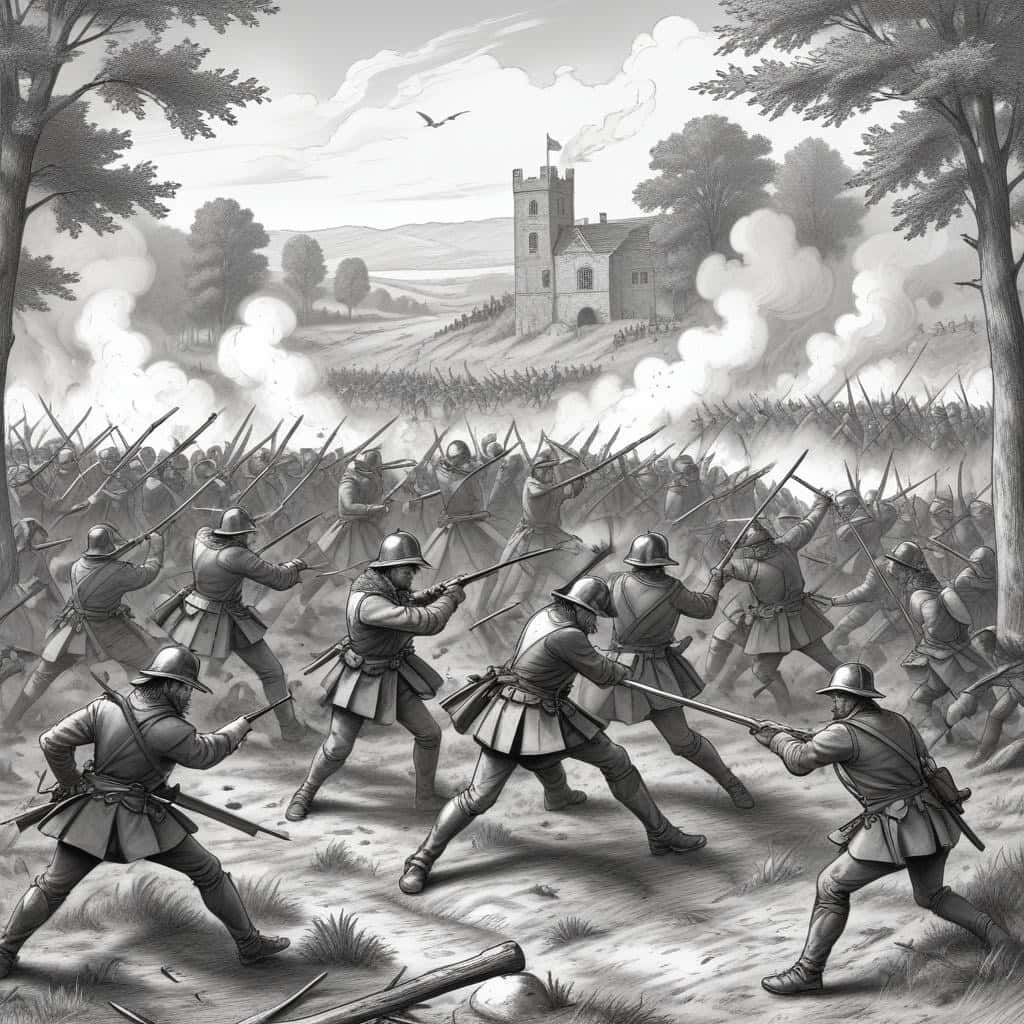
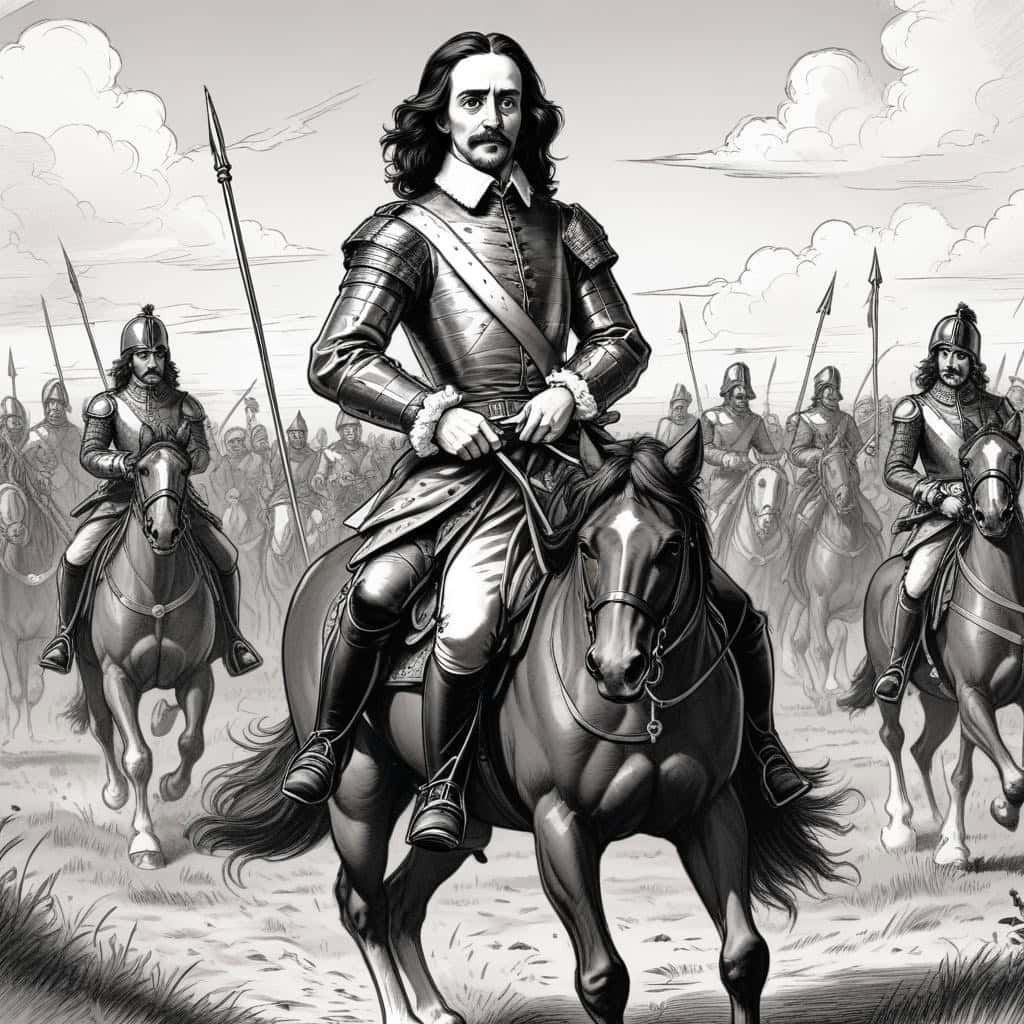
King Charles I
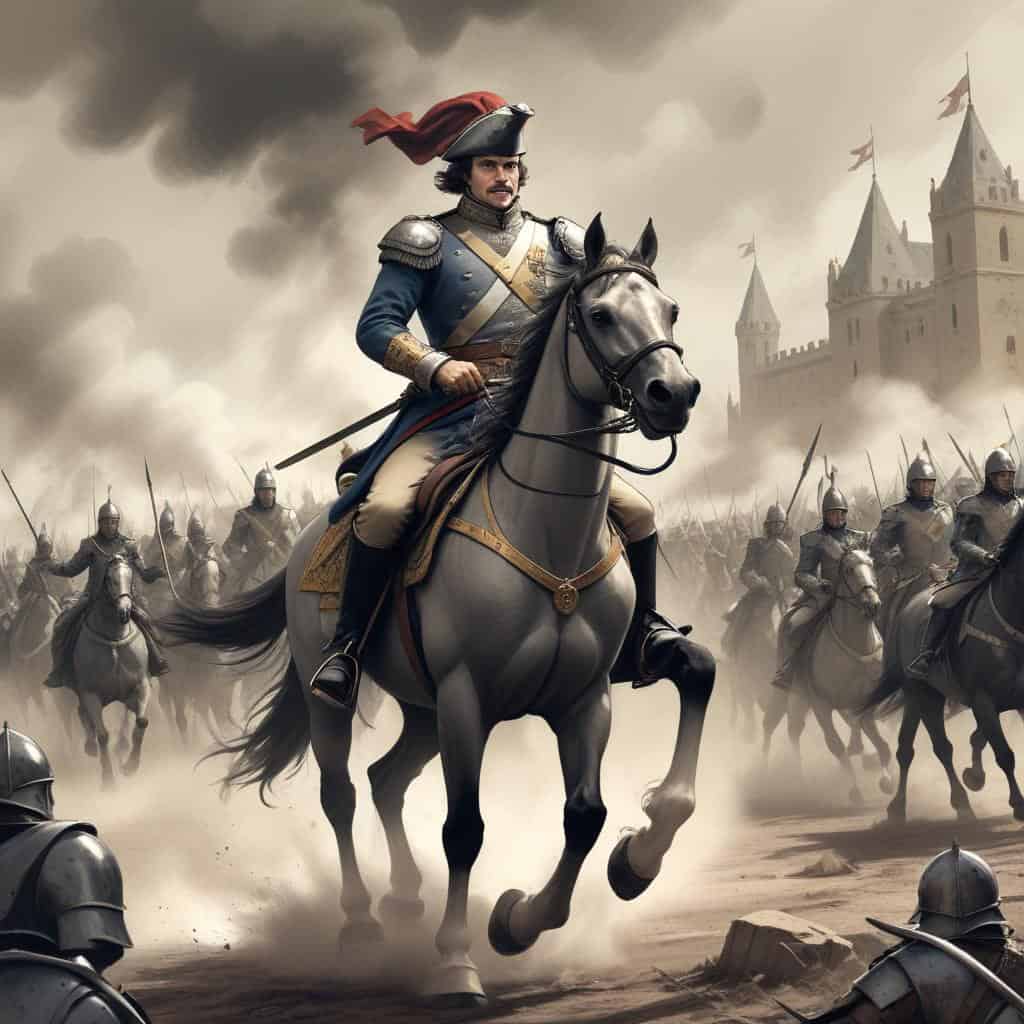
Prince Rupert of the Rhine

Robert Devereux, 3rd Earl of Essex
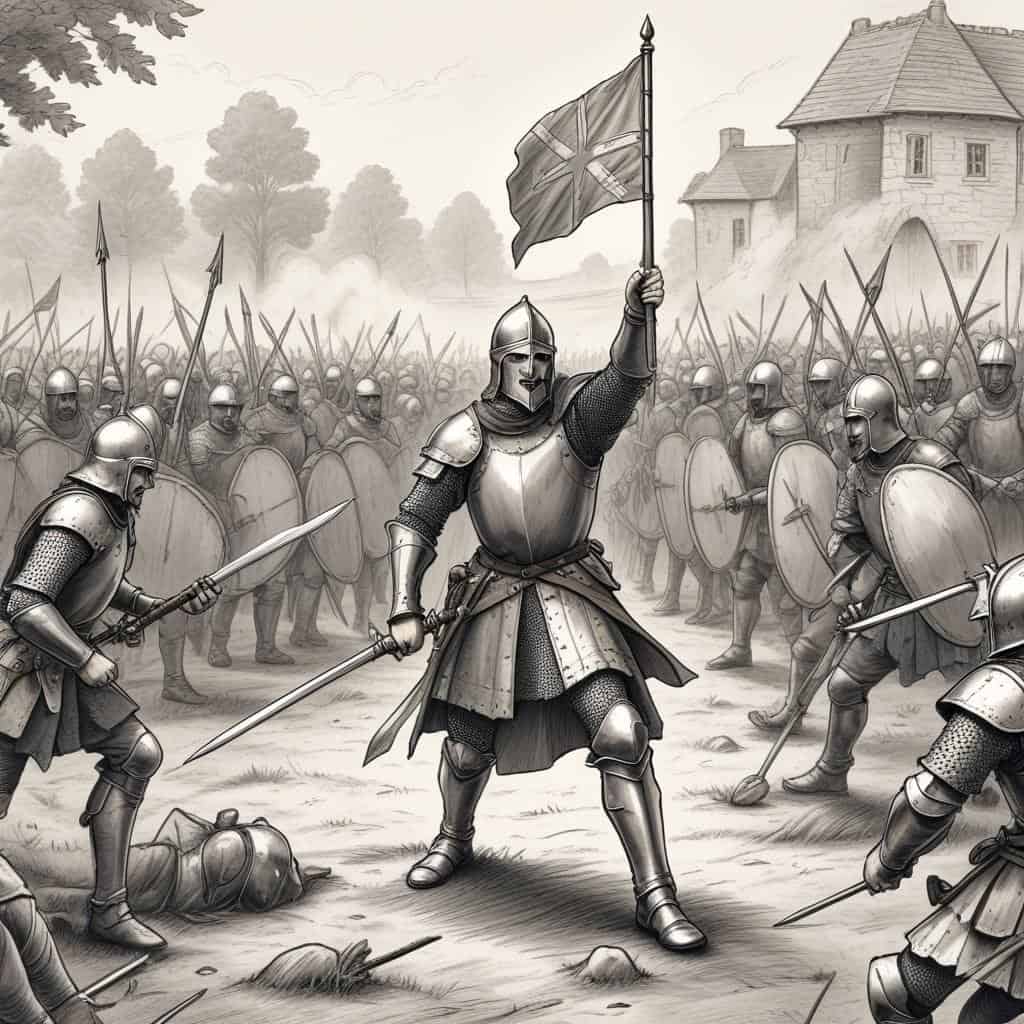
Sir Edmund Verney
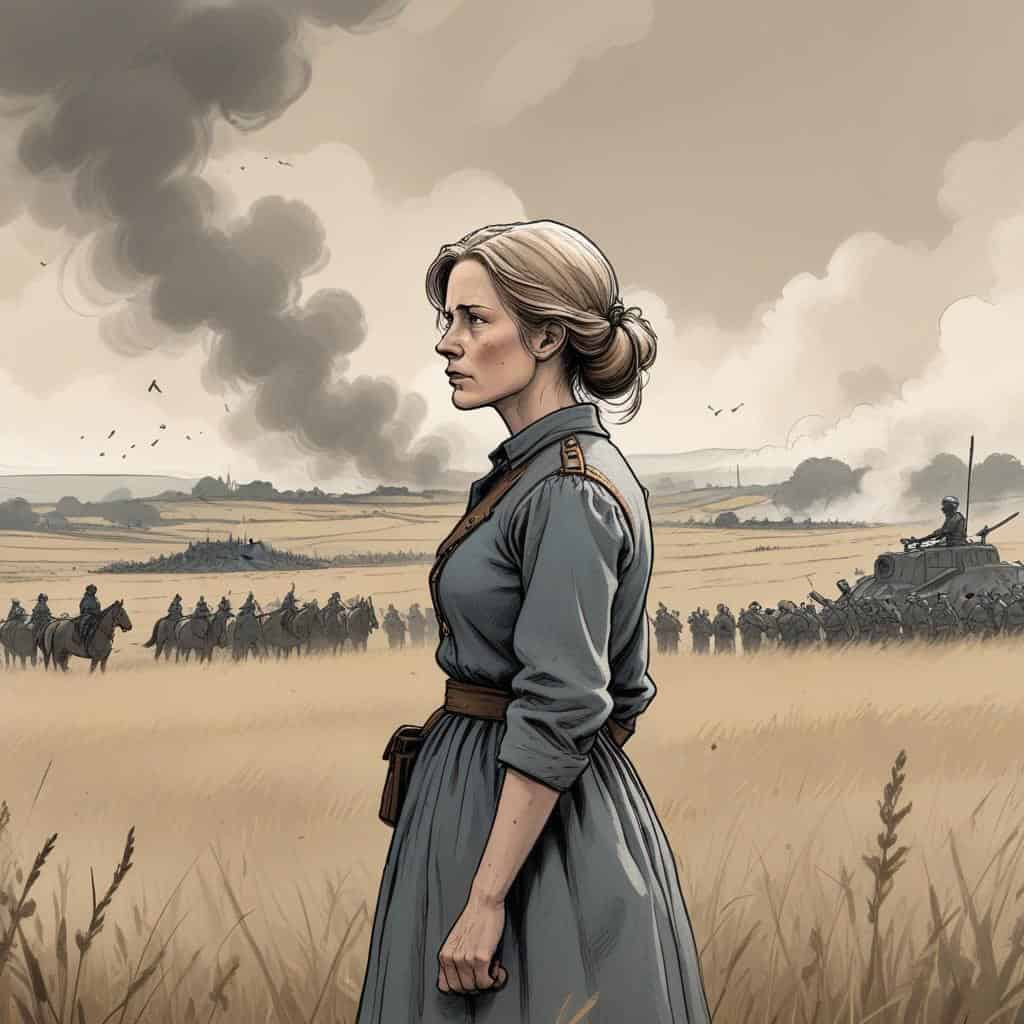
Lucy Hutchinson

The Gathering Storm

The Cavalry Charge

The Infantry Clash

The Turning Point

The Retreat

The Aftermath

The Legacy

The Impact

The Lessons Learned

The Continuing Struggle
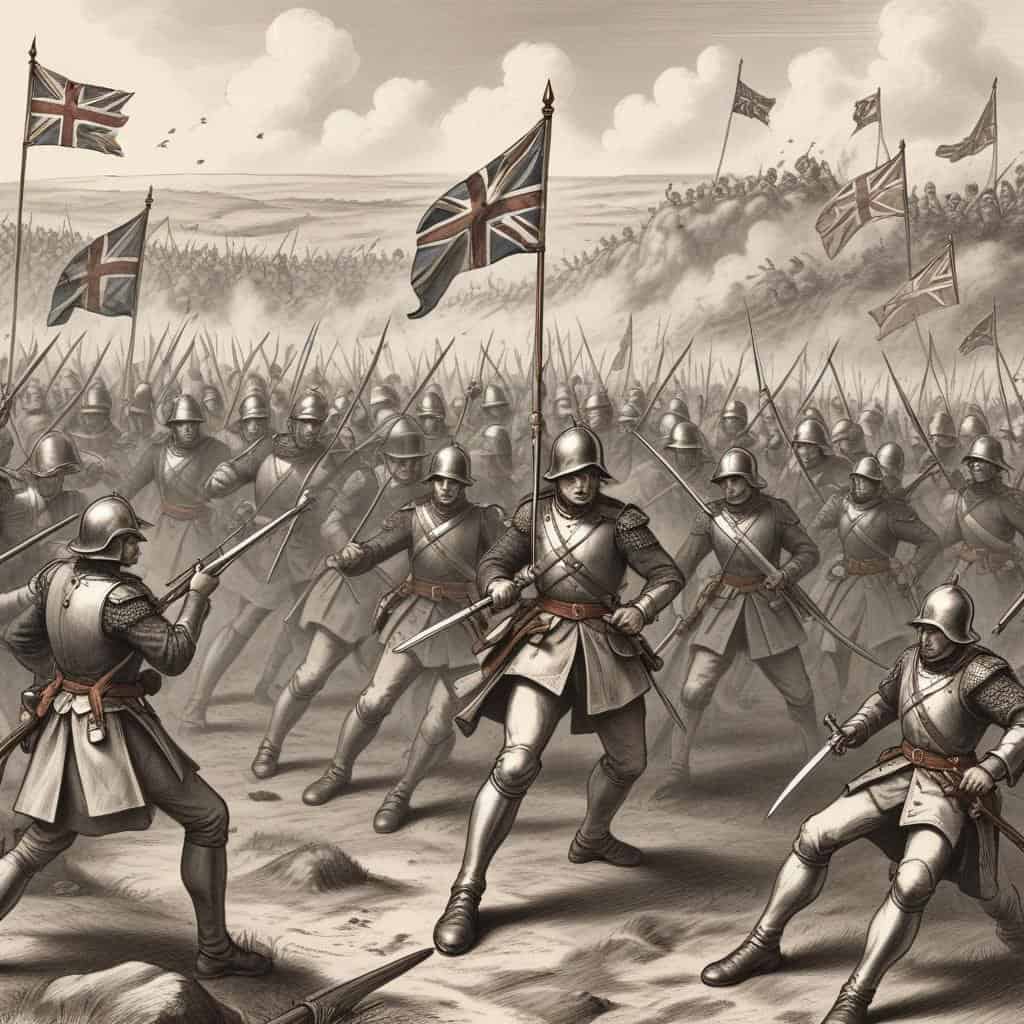
Lesson Details & Resources
In a Nutshell
- What: The first major battle of the English Civil War.
- When: October 23, 1642
- Who: Royalists led by King Charles I vs. Parliamentarians led by Robert Devereux, 3rd Earl of Essex
- Outcome: Inconclusive result, both sides claimed victory, marked the beginning of a long and bloody conflict.
Famous Figures in the Battle of Edgehill
-
Charles I of England
Charles I of England was the King of England, Scotland, and Ireland during the English Civil War. He led the Royalist forces in the Battle of Edgehill.
-
Oliver Cromwell
Oliver Cromwell was a prominent military and political leader during the English Civil War. He commanded the Parliamentarian forces and later became Lord Protector of England.
-
Robert Devereux, 3rd Earl of Essex
Robert Devereux, 3rd Earl of Essex, was a Parliamentarian general and one of the key commanders in the early stages of the English Civil War.
-
Prince Rupert of the Rhine
Prince Rupert of the Rhine was a Royalist commander known for his military tactics and innovations. He played a significant role in the Battle of Edgehill.
-
Edward Montagu, 2nd Earl of Manchester
Edward Montagu, 2nd Earl of Manchester, was a Parliamentarian general who served as the commander of the Eastern Association during the English Civil War.
-
William Cavendish, 1st Duke of Newcastle
William Cavendish, 1st Duke of Newcastle, was a Royalist commander and a prominent supporter of King Charles I during the English Civil War.
-
Lucius Cary, 2nd Viscount Falkland
Lucius Cary, 2nd Viscount Falkland, was a Royalist politician and military officer. He fought for the King in the Battle of Edgehill and died in the battle.
-
Edward Hyde, 1st Earl of Clarendon
Edward Hyde, 1st Earl of Clarendon, was a Royalist statesman and historian who served as Charles I's chief advisor during the English Civil War.
-
Thomas Fairfax, 3rd Lord Fairfax of Cameron
Thomas Fairfax, 3rd Lord Fairfax of Cameron, was a Parliamentarian general and one of the key figures in the English Civil War. He commanded the New Model Army.
-
Henry Wilmot, 1st Earl of Rochester
Henry Wilmot, 1st Earl of Rochester, was a Royalist cavalry commander who played a significant role in the Battle of Edgehill.
Timeline of Battle of Edgehill
Charles I raises his royal standard at Nottingham, officially declaring war on Parliament
Battle of Edgehill takes place in Warwickshire, the first major engagement of the English Civil War
The Royalists, led by Charles I, clash with the Parliamentarians, led by the Earl of Essex
Both sides suffer heavy casualties, with neither gaining a decisive victory
The Parliamentarians retreat to Warwick, while the Royalists regroup at Oxford
Charles I marches towards London, but is forced to turn back due to lack of supplies
Parliamentarians fortify London and begin recruiting more troops
Both sides engage in skirmishes and minor battles in the following weeks
The war continues with further battles and sieges in various parts of England
Parliament passes the Militia Ordinance, giving it control over local militias and strengthening its military position
Royalists capture Bristol, giving them control of a key port city
Parliamentarians win the Battle of Roundway Down, securing their control of the West Country
Charles I raises a new army and prepares for a major offensive in the north
Parliamentarians defeat the Royalists at the Battle of Newbury, preventing Charles I from advancing further
The war continues with further battles and sieges in various parts of England
Parliamentarians capture Oxford, the Royalist capital, effectively ending the first phase of the war
Charles I surrenders to the Scottish army, leading to his eventual trial and execution
The war officially ends with the signing of the Treaty of Newport, although fighting continues in some areas
The Second English Civil War breaks out, leading to further conflict and bloodshed
The Parliamentarians emerge victorious, establishing a Commonwealth under Oliver Cromwell
Vocabulary List
- Battle of Edgehill
- The Battle of Edgehill was the first major engagement of the English Civil War that took place on 23 October 1642.
- English Civil War
- The Battle of Edgehill marked the beginning of the English Civil War, a series of armed conflicts between Parliamentarians (Roundheads) and Royalists (Cavaliers) in England.
- Parliamentarians
- The Parliamentarians, also known as Roundheads, were supporters of the English Parliament during the English Civil War. They opposed the rule of King Charles I.
- Royalists
- The Royalists, also known as Cavaliers, were supporters of the monarchy and King Charles I during the English Civil War. They fought against the Parliamentarians.
- King Charles I
- King Charles I was the monarch of England during the English Civil War. He led the Royalist forces against the Parliamentarians.
- Cavaliers
- The Cavaliers, also known as Royalists, were supporters of the monarchy and King Charles I during the English Civil War. They fought against the Parliamentarians.
- Roundheads
- The Roundheads, also known as Parliamentarians, were supporters of the English Parliament during the English Civil War. They opposed the rule of King Charles I.
- Oliver Cromwell
- Oliver Cromwell was a prominent Parliamentarian and military leader during the English Civil War. He played a significant role in the Battle of Edgehill.
- Charles, Prince of Wales
- Charles, Prince of Wales, later known as King Charles II, was the son of King Charles I. He fought on the side of the Royalists during the Battle of Edgehill.
- Earl of Essex
- Robert Devereux, 3rd Earl of Essex, was a leading Parliamentarian general during the English Civil War. He commanded the Parliamentarian forces at the Battle of Edgehill.
Key Facts
This is the information used in the fact matching game
- The Battle of Edgehill was the first major battle of the English Civil War.
- The battle took place on October 23, 1642, near Edge Hill in Warwickshire, England.
- The conflict was fought between the Parliamentarians (Roundheads) and the Royalists (Cavaliers).
- The Royalists were loyal to King Charles I, while the Parliamentarians opposed his rule.
- The battle resulted in a tactical draw, with both sides claiming victory.
- Approximately 14,000 soldiers were involved in the battle.
- Both sides suffered heavy casualties, with an estimated 1,000-1,500 deaths.
- The battle marked the beginning of a long and bloody conflict in England.
- It demonstrated that the war would not be quickly resolved.
- The battle saw the first use of artillery in the English Civil War.
- Strategic mistakes on both sides led to missed opportunities to decisively win the battle.
- The Parliamentarian commander, Lord Essex, failed to capitalize on his initial advantage.
- King Charles I took personal command of the Royalist forces during the battle.
- The battle resulted in a prolonged stalemate, with both sides unable to gain a significant advantage.
- Despite the inconclusive outcome, the battle boosted the morale of the Royalists.
- The battle highlighted the need for better training and discipline among the Parliamentarian troops.
- Edgehill became a rallying point for both sides, symbolizing the start of a protracted civil war.
- It led to subsequent battles and campaigns across England, Scotland, and Ireland.
- The battle demonstrated the challenges of conducting large-scale warfare in the 17th century.
- Edgehill is considered one of the most important battles in English history.
Analysis & Significance
Immediate Consequences
The Battle of Edgehill in 1642 marked the beginning of the English Civil War, resulting in a stalemate between King Charles I and Parliament. The immediate fallout included significant casualties on both sides, further escalating tensions and setting the stage for a prolonged conflict.
Long-Term Impact
The Battle of Edgehill had a lasting impact on English history, leading to a series of battles and ultimately the execution of King Charles I. It also marked a turning point in the struggle for power between the monarchy and Parliament, shaping the future of British governance and laying the foundation for modern democracy.
Cultural Significance Today
The legacy of the Battle of Edgehill is still remembered today as a pivotal moment in British history. It serves as a reminder of the consequences of political and religious divisions, highlighting the importance of compromise and unity in times of conflict. The battle continues to influence discussions on power dynamics and governance, resonating with contemporary debates on democracy and leadership.
Battle of Edgehill Games


Take Your Learning Offline
Want a convenient, print-ready study guide for this lesson? Become a Memory Wizards Pro member to unlock the downloadable " Memory Scrolls" for this topic and our entire library!
- ✓ Complete Vocabulary Lists
- ✓ Key Facts & Timelines
- ✓ Beautifully Formatted for Print & Mobile