
Summary of The Commonwealth (1649-1660)
Uncover the secrets of England's tumultuous Commonwealth era.
How Do You Learn Best?
Learn by Reading
Immerse yourself in the 10-minute visual lesson for a comprehensive understanding of the topic.
Learn by Reviewing
Jump directly to the key facts, timeline, and vocabulary lists to build a solid foundation of details.
Learn by Doing
Challenge yourself! Jump straight into the interactive games to learn by trial, error, and discovery.
The Commonwealth in 10 Minutes
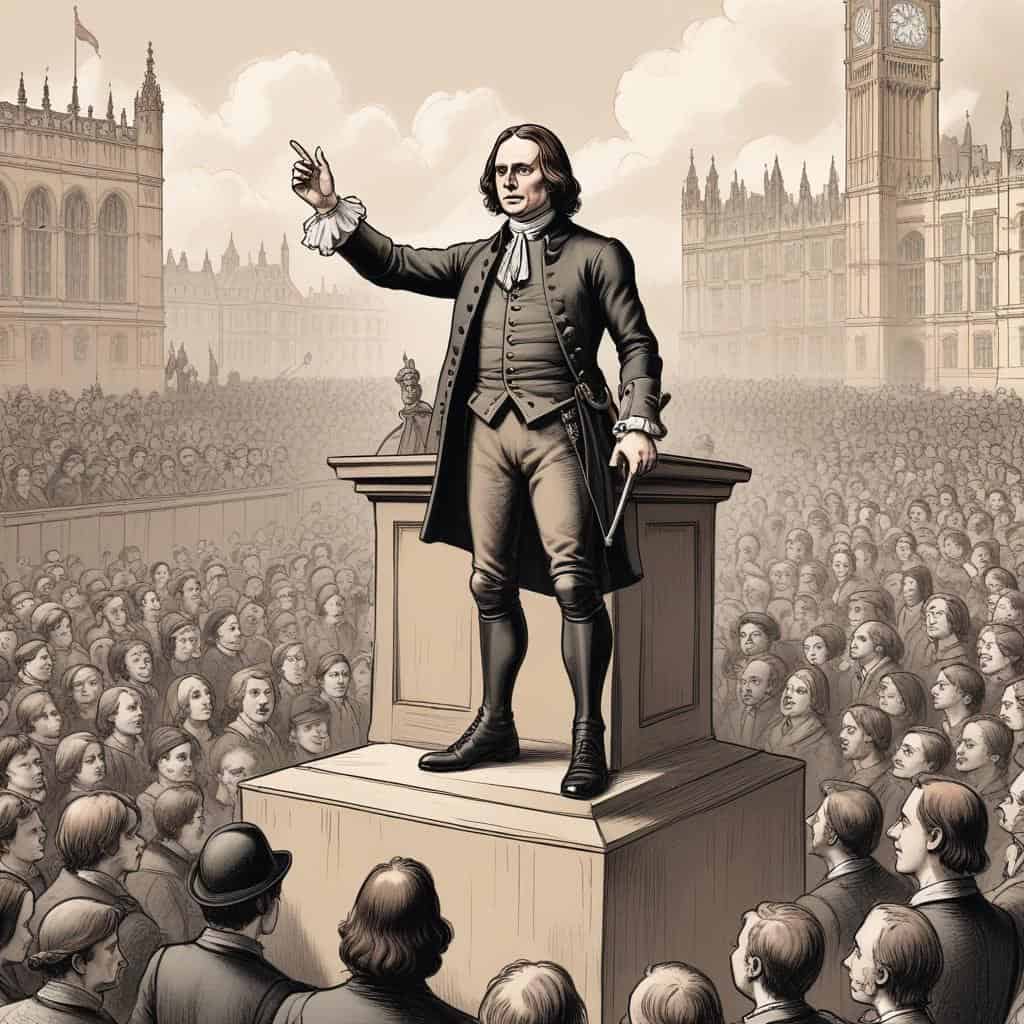
Introduction

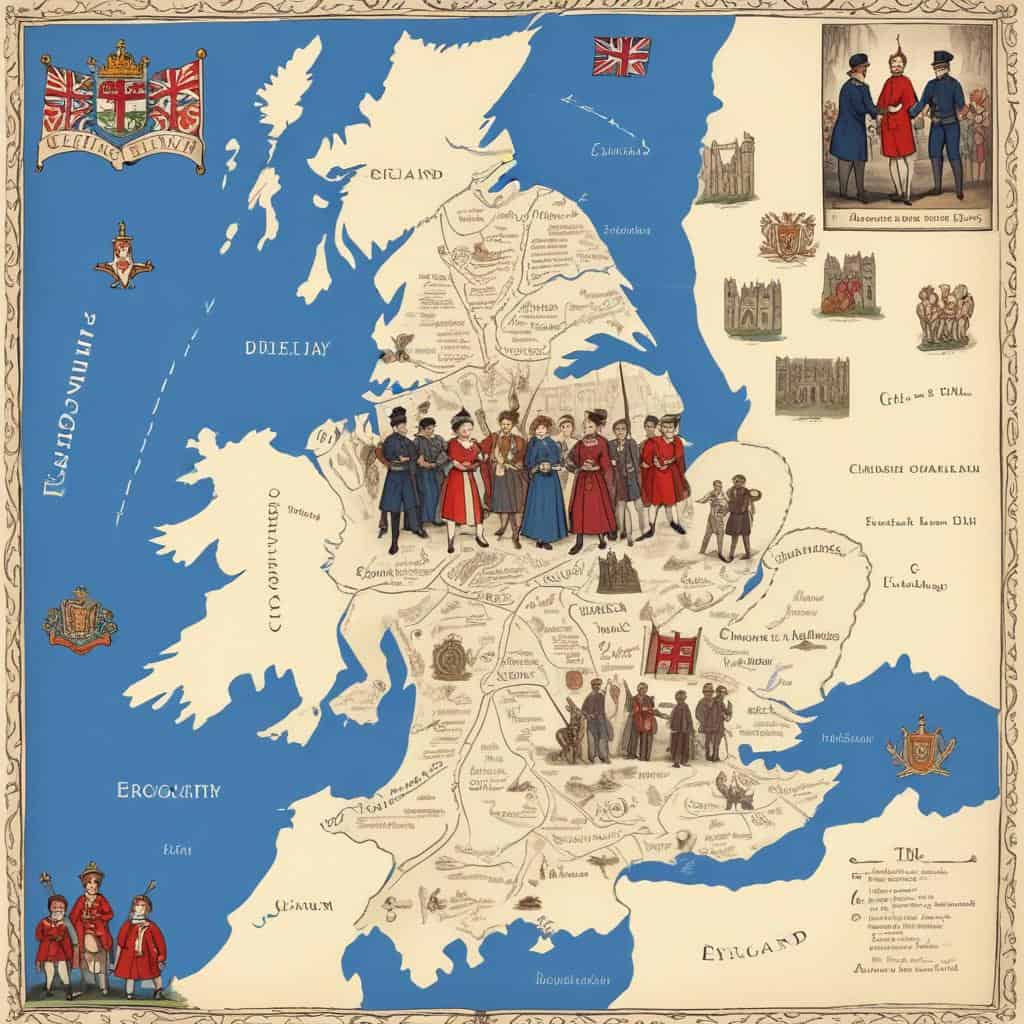

Oliver Cromwell
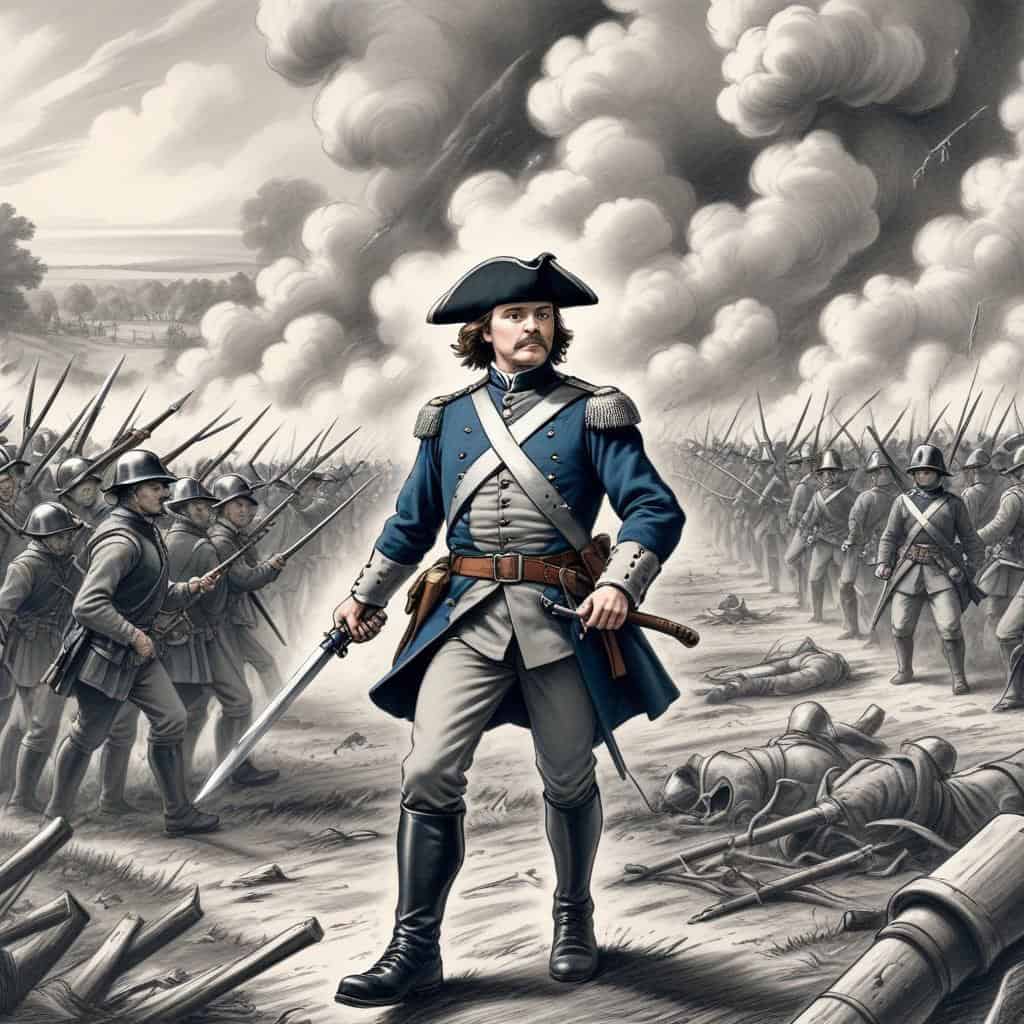
Thomas Fairfax
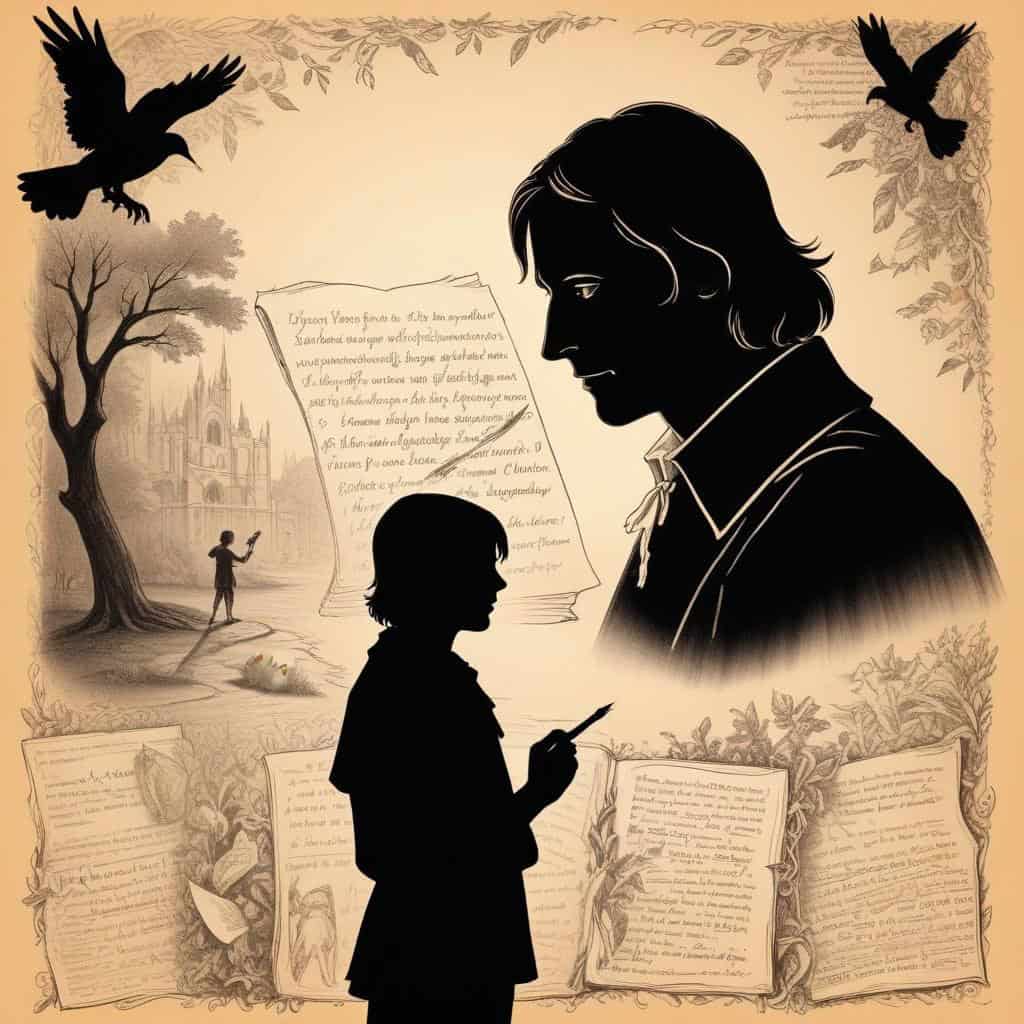
John Milton
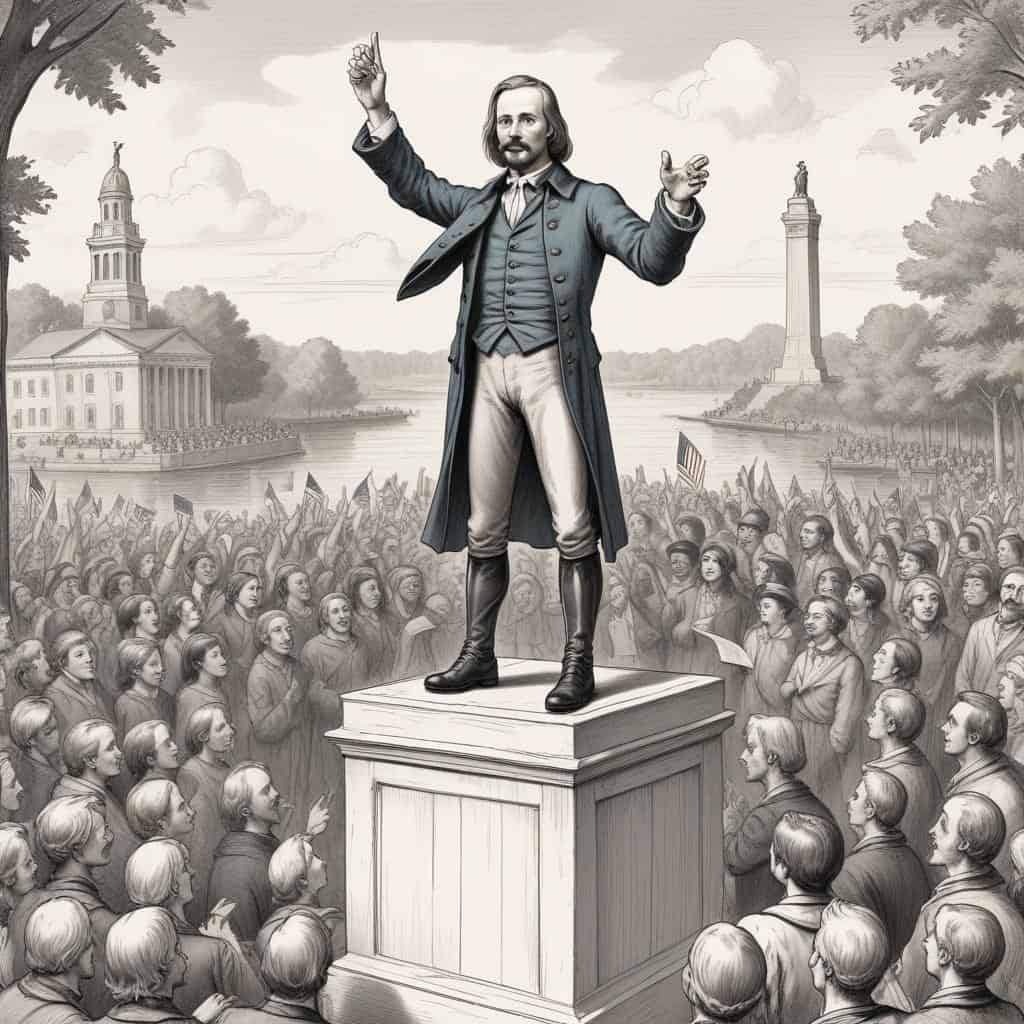
John Lilburne
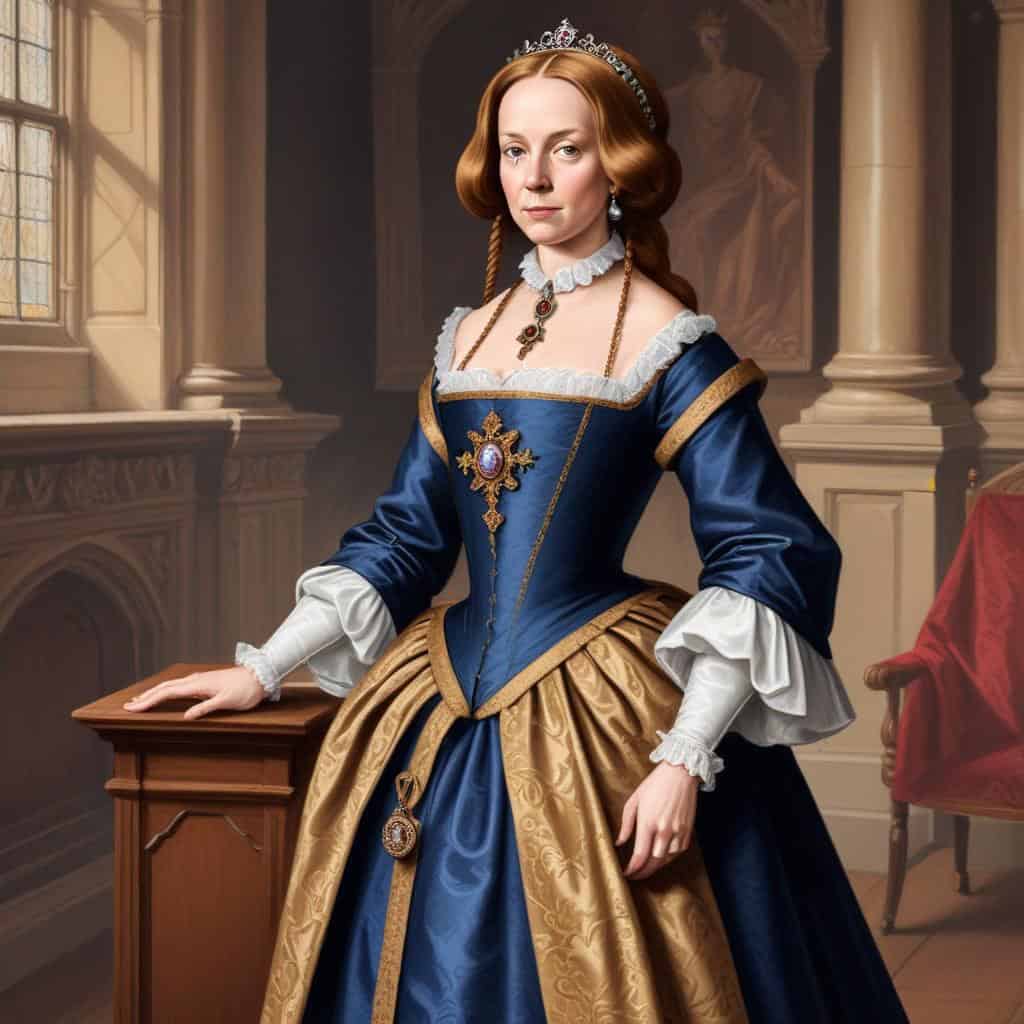
Elizabeth Cromwell

The Execution of King Charles I

Abolition of the Monarchy

Wars with Scotland and Ireland

The Instrument of Government

Religious Policies

Naval Supremacy

The First Anglo-Dutch War

Political Instability

End of The Commonwealth

Lesson Details & Resources
In a Nutshell
- What: A period in English history when the country was ruled as a republic.
- When: 1649-1660
- Who: Oliver Cromwell, Parliament, Charles I
- Outcome: Charles I was executed, leading to the establishment of the Commonwealth under Cromwell’s rule.
Famous Figures in the The Commonwealth
-
Oliver Cromwell
Oliver Cromwell was a prominent political and military leader during The Commonwealth. He served as Lord Protector of the Commonwealth of England, Scotland, and Ireland.
-
Charles I
Charles I was the monarch of England, Scotland, and Ireland until his execution in 1649, marking the beginning of The Commonwealth period.
-
John Milton
John Milton was an influential poet and writer during The Commonwealth. He is best known for his epic poem 'Paradise Lost'.
-
Thomas Hobbes
Thomas Hobbes was an English philosopher who lived through The Commonwealth. His famous work 'Leviathan' discussed the social contract and the nature of government.
-
John Bunyan
John Bunyan was an English writer and preacher who became famous for his allegorical novel 'The Pilgrim's Progress', published during The Commonwealth.
-
Samuel Pepys
Samuel Pepys was a naval administrator and Member of Parliament during The Commonwealth. He is best known for his detailed diary, providing valuable insights into the period.
Timeline of The Commonwealth
Execution of King Charles I
Establishment of the Commonwealth
Battle of Dunbar
Battle of Worcester
Act for the Better Propagation and Preaching of the Gospel in Wales
Navigation Act 1651
First Anglo-Dutch War
Barebone's Parliament
Cromwell becomes Lord Protector
Western Design
Instrument of Government
First Anglo-Spanish War
Treaty of Westminster
Second Anglo-Dutch War
Death of Oliver Cromwell
Richard Cromwell becomes Lord Protector
Resignation of Richard Cromwell
Restoration of the Monarchy
Coronation of King Charles II
Vocabulary List
- Commonwealth
- The Commonwealth refers to the period of English history between 1649 and 1660 when England was declared a republic following the execution of King Charles I.
- Republic
- During the Commonwealth era, England was declared a republic, which means it was a state in which supreme power is held by the people and their elected representatives, rather than a monarch.
- Interregnum
- The Interregnum refers to the period of time between the execution of King Charles I in 1649 and the restoration of the monarchy in 1660, when England was without a king.
- Lord Protector
- Oliver Cromwell, a prominent military and political leader during the Commonwealth, held the title of Lord Protector. He effectively ruled England as a de facto head of state.
- Puritans
- The Commonwealth era was strongly influenced by Puritanism, a religious movement that sought to 'purify' the Church of England from what they considered to be remnants of Catholicism.
- Execution of Charles I
- The execution of King Charles I in 1649 marked a significant event during the Commonwealth. He was found guilty of high treason and beheaded.
- Rump Parliament
- The Rump Parliament was the English Parliament that remained after Colonel Pride purged the Long Parliament in 1648. It played a crucial role in the establishment and governance of the Commonwealth.
- Cromwellian conquest of Ireland
- During the Commonwealth, Oliver Cromwell launched a military campaign known as the Cromwellian conquest of Ireland, which aimed to subdue and bring Ireland under English control.
- Navigation Acts
- The Commonwealth era saw the passing of Navigation Acts, a series of laws that restricted colonial trade and aimed to ensure England's economic dominance in its colonies.
- Restoration
- The Restoration refers to the event in 1660 when the monarchy was restored in England, bringing an end to the Commonwealth period.
Key Facts
This is the information used in the fact matching game
- The Commonwealth was a republican government that existed in England, Scotland, and Ireland from 1649 to 1660.
- The Commonwealth was established after the execution of King Charles I in 1649.
- Oliver Cromwell, a military and political leader, played a central role in the Commonwealth.
- Cromwell served as Lord Protector of the Commonwealth from 1653 until his death in 1658.
- The Commonwealth was characterized by strict Puritan rule and the suppression of many traditional customs and practices.
- The Commonwealth abolished the monarchy and the House of Lords, establishing a republican government.
- Under the Commonwealth, England experienced significant religious and social reforms.
- The Commonwealth engaged in wars with Scotland and Ireland to establish its authority.
- The Commonwealth was officially known as the 'Commonwealth of England, Scotland, and Ireland.'
- The Commonwealth faced numerous challenges, including political instability and resistance to Puritan rule.
- The Commonwealth introduced major reforms in the legal system, including the establishment of the High Court of Justice.
- The Commonwealth implemented a system of censorship to control the press and suppress dissenting opinions.
- The Commonwealth promoted religious tolerance to a certain extent, but Puritanism remained the dominant faith.
- The Commonwealth saw the establishment of the Navigation Acts, which aimed to promote English trade and shipping.
- The Commonwealth witnessed the expansion of English colonial interests, particularly in the Caribbean and North America.
- The Commonwealth faced economic challenges, including inflation and financial difficulties.
- The Commonwealth made efforts to establish a more efficient tax system to fund its activities.
- The Commonwealth established a new navy known as the 'Commonwealth Navy' to protect English interests.
- The Commonwealth witnessed the cultural flourishing of literature, art, and science.
- The Commonwealth came to an end in 1660 with the restoration of the monarchy under King Charles II.
Analysis & Significance
Immediate Consequences
Following the establishment of the Commonwealth in 1649, the immediate consequences were marked by political upheaval and social unrest. The execution of King Charles I led to a power vacuum and the rise of Oliver Cromwell as Lord Protector, leading to a period of authoritarian rule.
Long-Term Impact
The Commonwealth era had a lasting impact on British history, shaping the future of constitutional monarchy and parliamentary democracy. The overthrow of the monarchy and the subsequent restoration of Charles II in 1660 marked a pivotal moment in the development of British governance and the balance of power between the Crown and Parliament.
Cultural Significance Today
The legacy of the Commonwealth period continues to influence modern political thought and constitutional debates. It serves as a reminder of the dangers of unchecked power and the importance of upholding democratic principles. The events of this time period also highlight the complexities of balancing individual liberties with the need for strong leadership in times of crisis.
The Commonwealth Games


Take Your Learning Offline
Want a convenient, print-ready study guide for this lesson? Become a Memory Wizards Pro member to unlock the downloadable " Memory Scrolls" for this topic and our entire library!
- ✓ Complete Vocabulary Lists
- ✓ Key Facts & Timelines
- ✓ Beautifully Formatted for Print & Mobile