
Summary of Elizabethan Court
Step into the court of Queen Elizabeth I and discover intrigue.
How Do You Learn Best?
Learn by Reading
Immerse yourself in the 10-minute visual lesson for a comprehensive understanding of the topic.
Learn by Reviewing
Jump directly to the key facts, timeline, and vocabulary lists to build a solid foundation of details.
Learn by Doing
Challenge yourself! Jump straight into the interactive games to learn by trial, error, and discovery.
Audio Library
As one of our featured lessons, this topic includes premium audio guides.
Wizards in Conversation
A deep-dive conversation exploring the enduring relevance and key themes of this topic. Also available on Spotify and Apple Podcasts.
Elizabethan Court in 10 Minutes
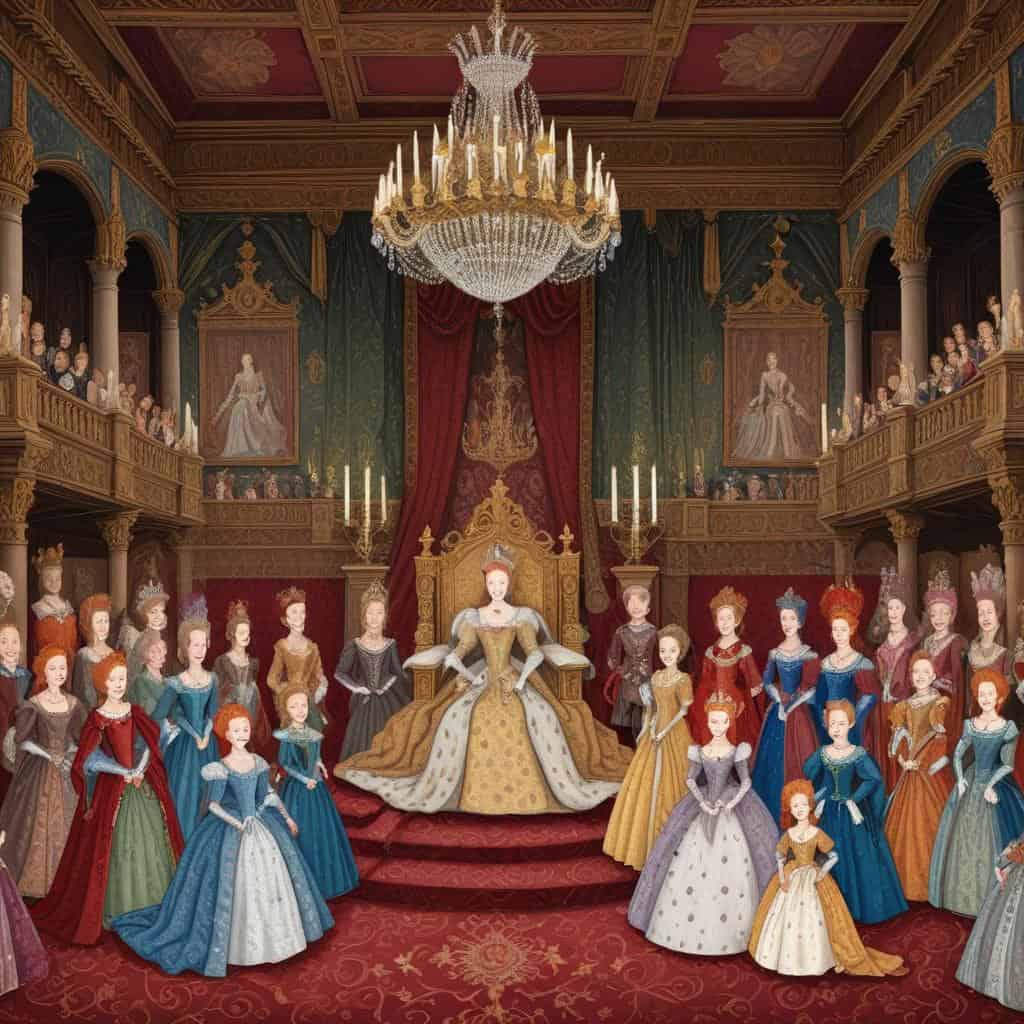
Introduction
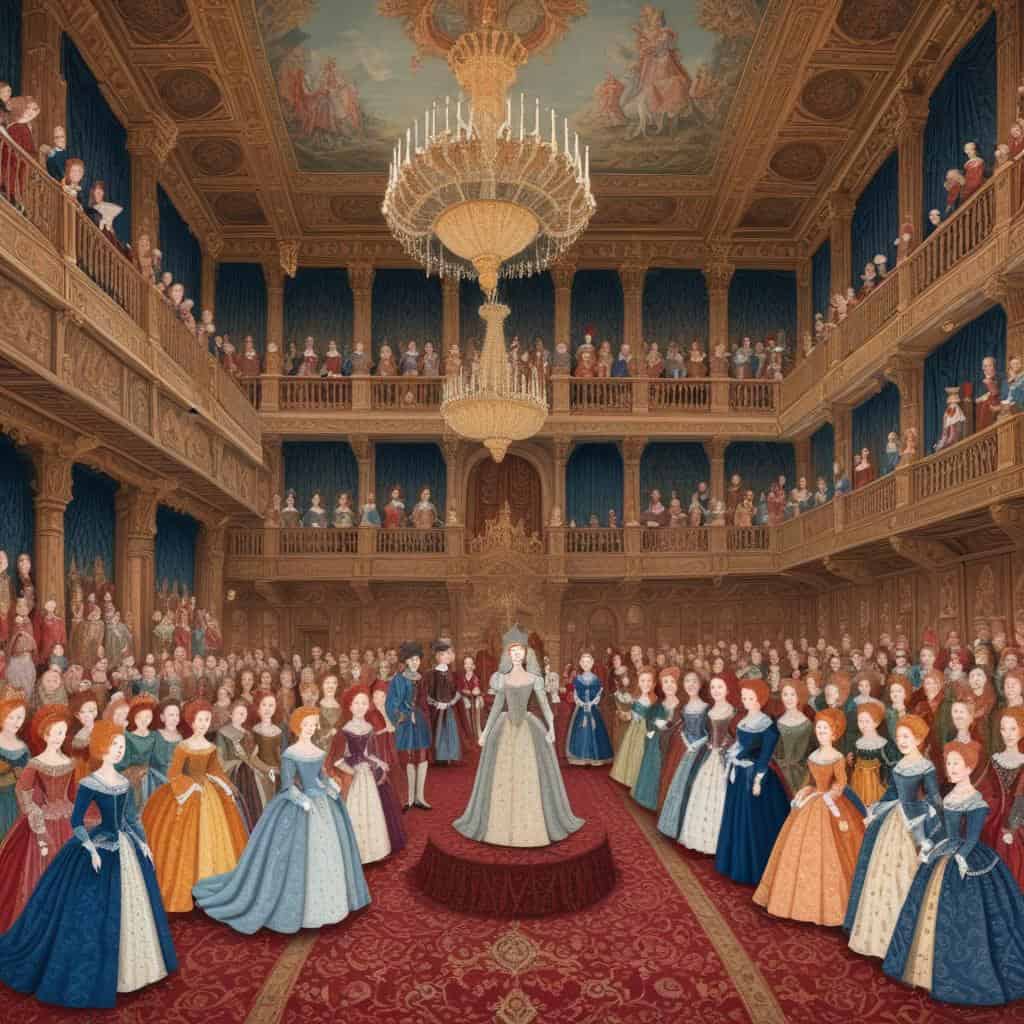
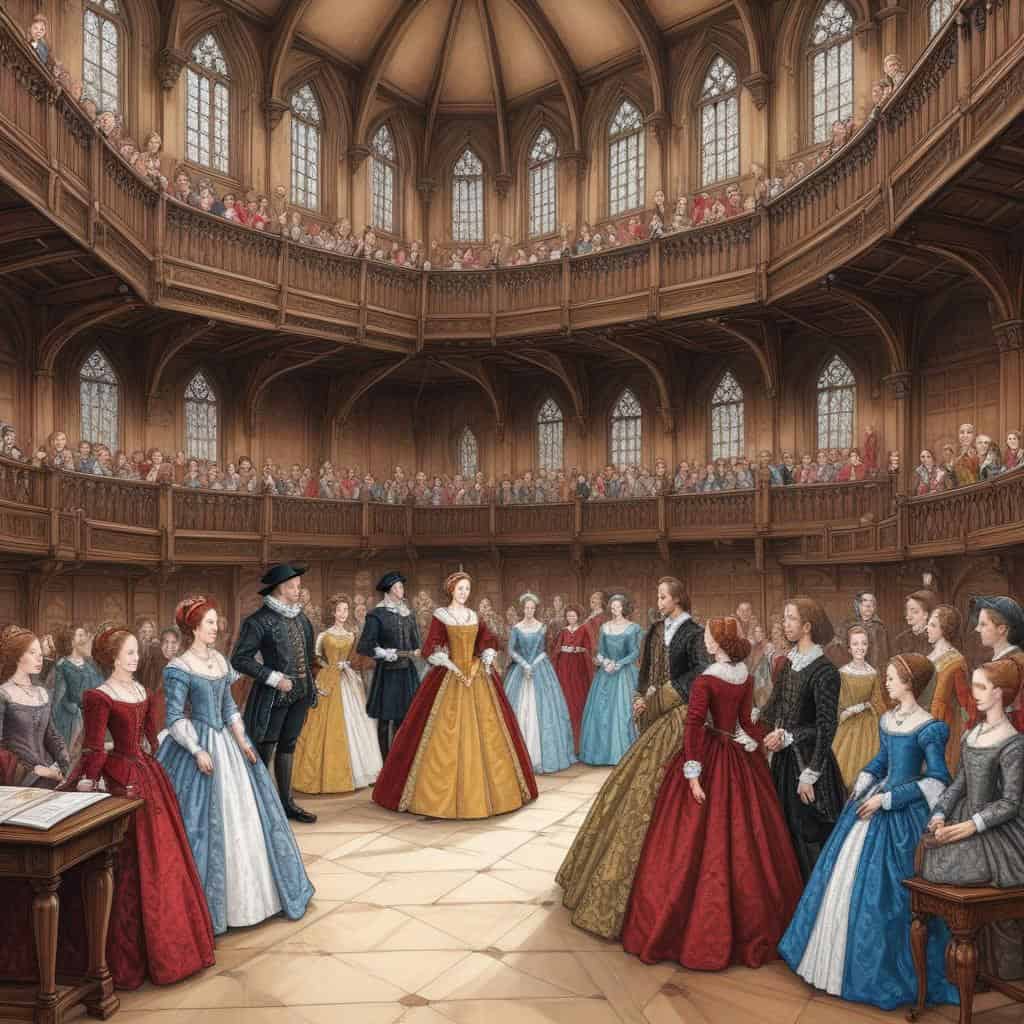
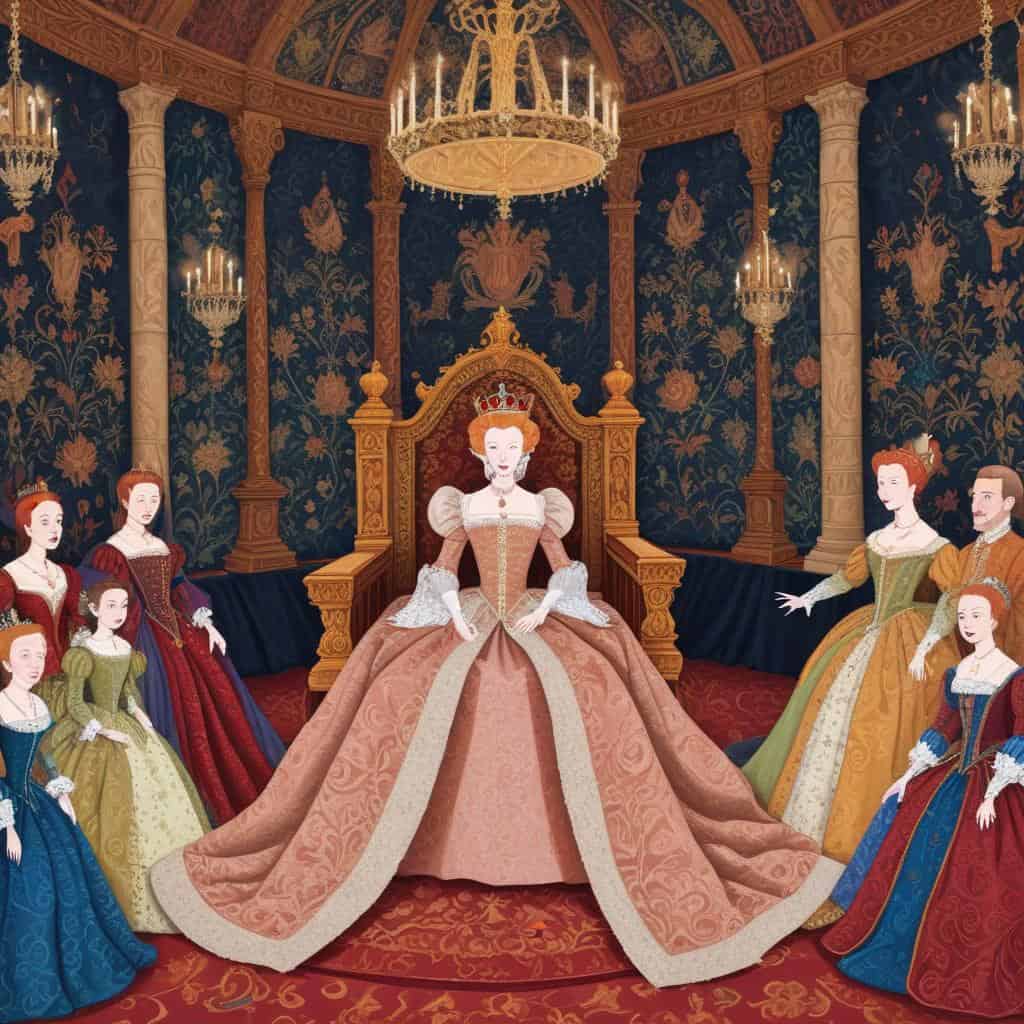
Queen Elizabeth I
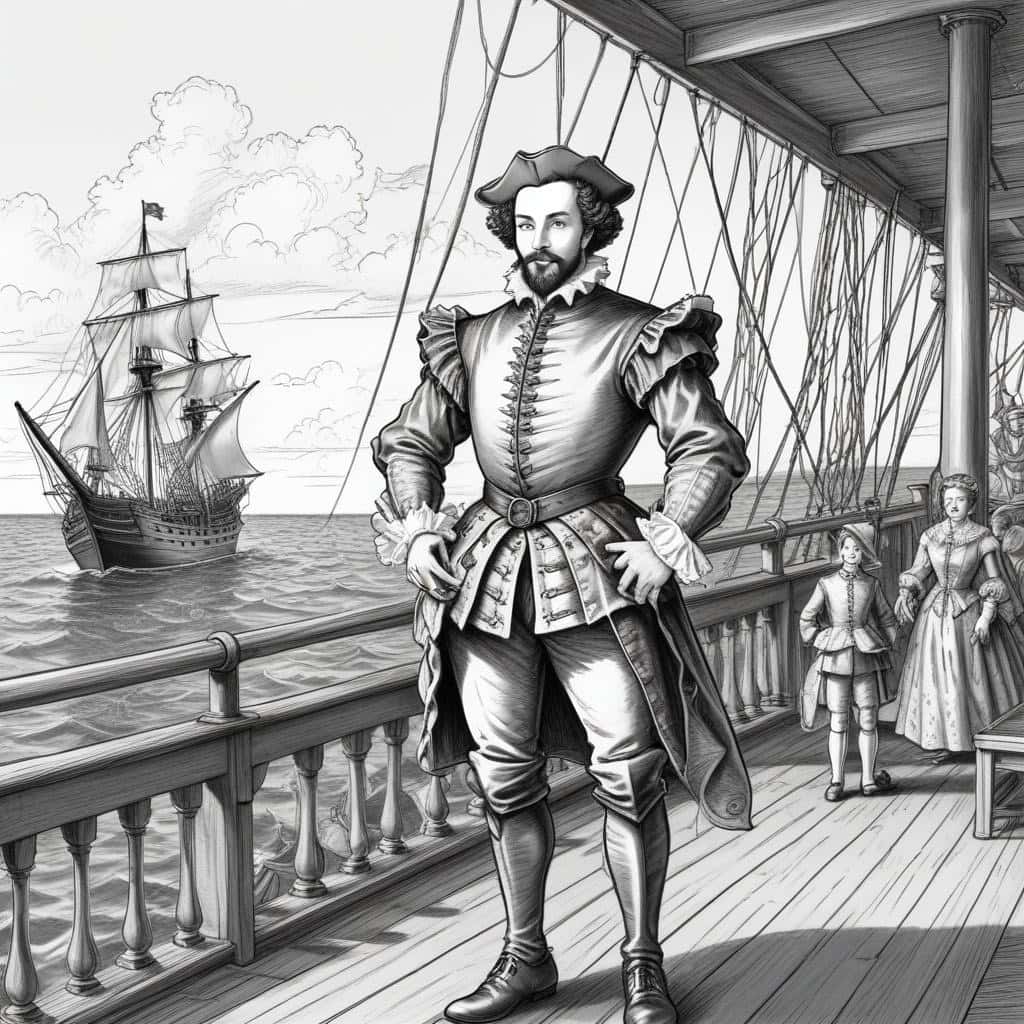
Sir Walter Raleigh
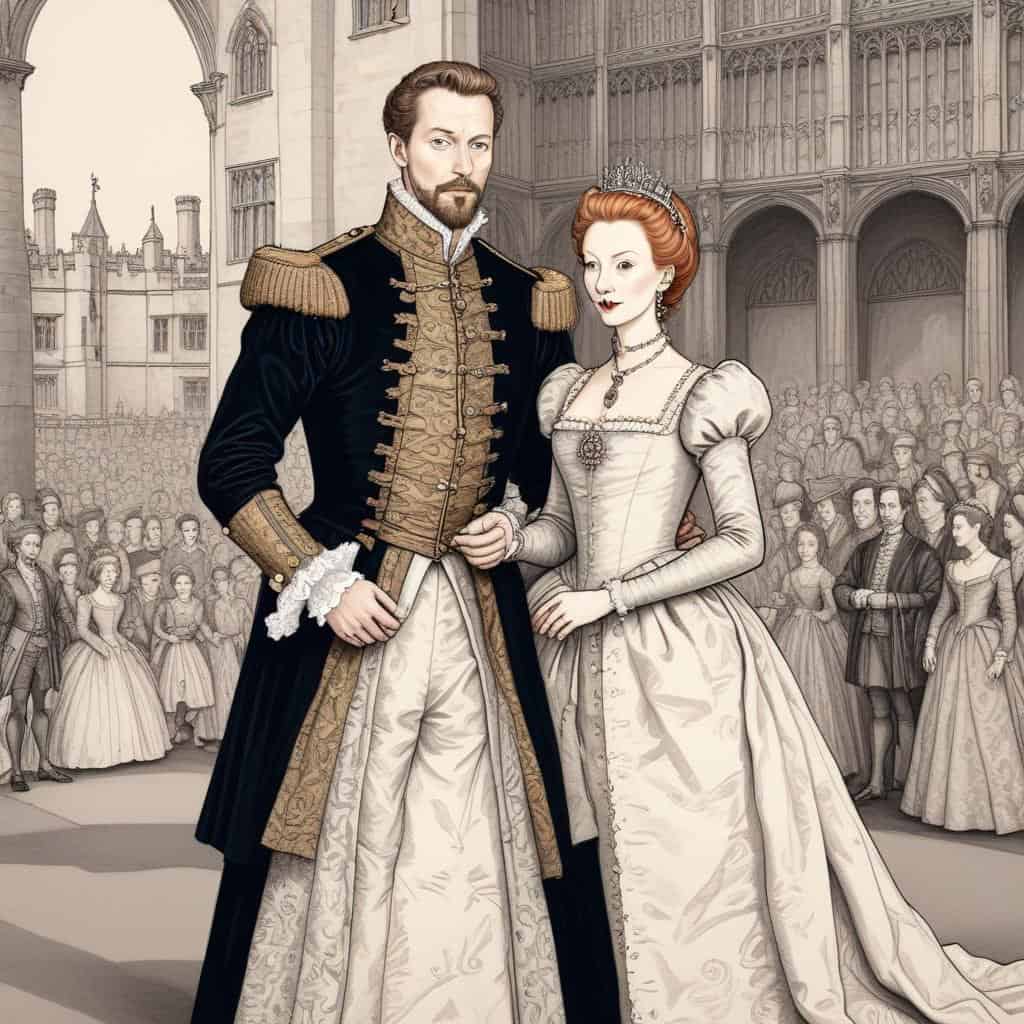
Robert Dudley, 1st Earl of Leicester
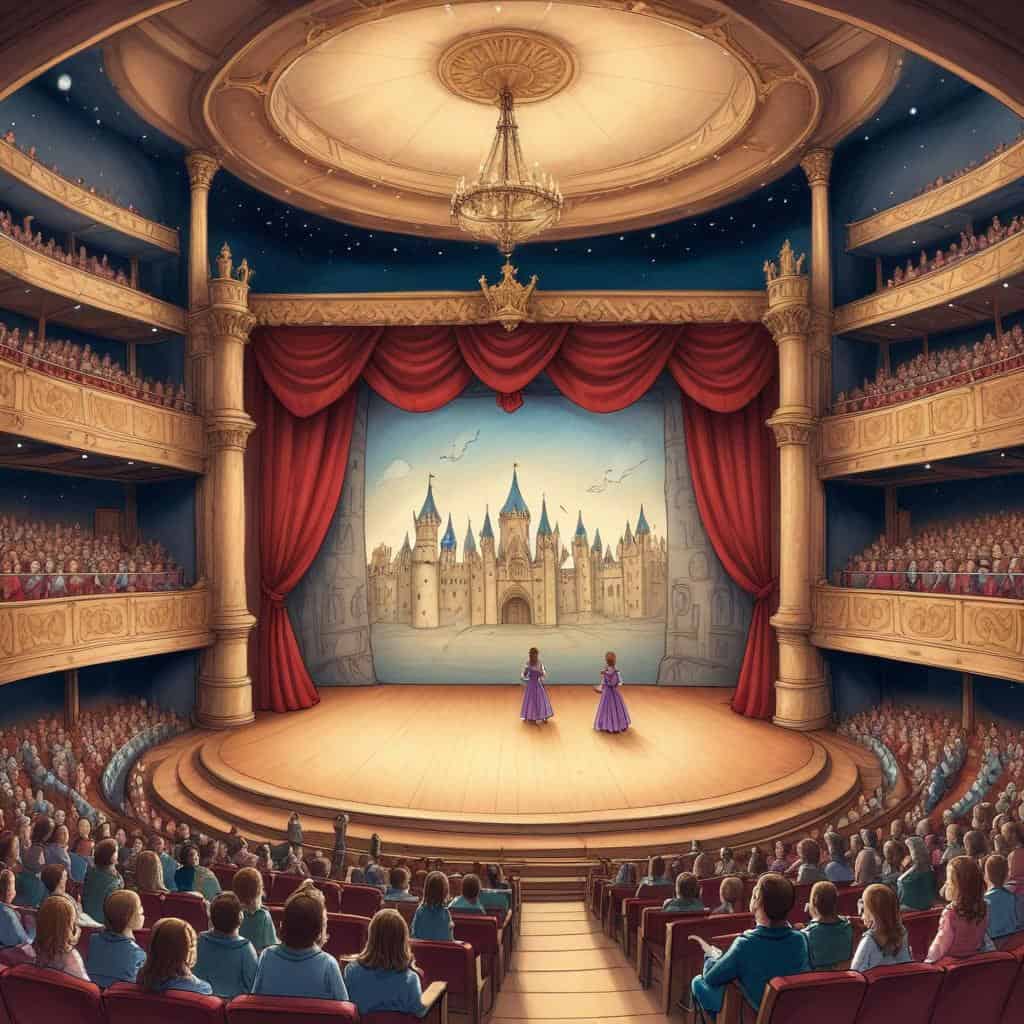
William Shakespeare
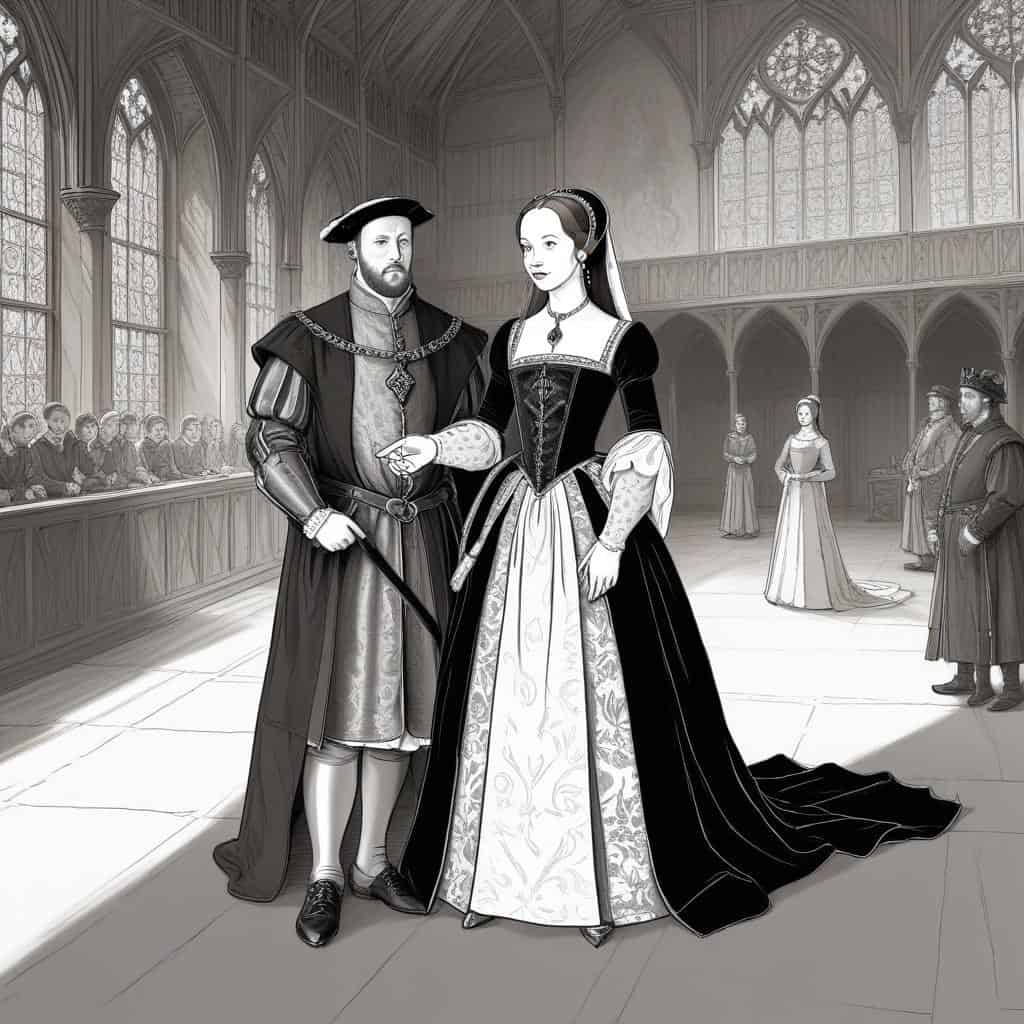
Anne Boleyn

The Elizabethan Court: A Brief Overview

1. Queen Elizabeth I

2. Courtiers and Nobles

3. Entertainment and Fashion

4. Political Intrigue

5. Foreign Relations

6. Religion and Religious Tensions

7. Courtly Love and Romance

8. Theater and Literature

9. Legacy of the Elizabethan Court

10. End of an Era

Lesson Details & Resources
In a Nutshell
- What: The royal court of Queen Elizabeth I during the Elizabethan era.
- When: 1558-1603
- Who: Queen Elizabeth I, courtiers, nobles, servants
- Outcome: Central hub of power, politics, and culture in England during the Renaissance.
Famous Figures in the Elizabethan Court
-
Queen Elizabeth I
Queen Elizabeth I was the reigning monarch of England during the Elizabethan era and was known for her political savvy and strong leadership.
-
William Shakespeare
William Shakespeare was a renowned playwright and poet who wrote many of his famous works during the Elizabethan period.
-
Robert Dudley, 1st Earl of Leicester
Robert Dudley, 1st Earl of Leicester, was a close friend and rumored lover of Queen Elizabeth I.
-
Sir Francis Drake
Sir Francis Drake was a famous explorer and naval captain who was known for his circumnavigation of the globe and his defeat of the Spanish Armada.
-
Mary, Queen of Scots
Mary, Queen of Scots, was a rival to Queen Elizabeth I and was imprisoned and eventually executed for her role in various plots against the English throne.
-
Sir Walter Raleigh
Sir Walter Raleigh was a courtier, explorer, and poet who was known for his attempts to colonize the New World and his involvement in the court of Queen Elizabeth I.
Timeline of Elizabethan Court
Accession of Queen Elizabeth I
Coronation of Queen Elizabeth I
Act of Supremacy establishes Elizabeth as Supreme Governor of the Church of England
Execution of Mary, Queen of Scots
Spanish Armada defeated by English fleet
Shakespeare's first play performed
The Globe Theatre opens in London
Death of Queen Elizabeth I
Accession of King James I
Gunpowder Plot foiled
King James Bible published
Execution of Sir Walter Raleigh
Death of King James I
Accession of King Charles I
Beginning of the English Civil War
Execution of King Charles I
Restoration of the monarchy with Charles II as king
Great Fire of London
Death of King Charles II
Accession of King James II
Vocabulary List
- Monarch
- The monarch held court in the grand palace.
- Noble
- The nobles of the court gathered for a banquet.
- Courtier
- The courtier presented a gift to the queen.
- Tapestries
- The walls of the court were covered in intricate tapestries.
- Jester
- The jester entertained the court with his jokes and tricks.
- Gallant
- The gallant knight escorted the queen to the ball.
- Masque
- A masque was performed in the royal court.
- Gown
- The queen wore a lavish gown to the court ball.
- Duchy
- The duchy was one of the wealthiest in the land and held great influence at court.
- Chamberlain
- The chamberlain was responsible for the day-to-day running of the court.
Key Facts
This is the information used in the fact matching game
- Queen Elizabeth I was the ruler of England during the Elizabethan era.
- The Elizabethan court was known for its elaborate and extravagant clothing styles.
- The court was a place of political intrigue and power struggles among the nobility.
- The court was heavily influenced by the arts, with many playwrights and poets in attendance.
- The court was a center of social life and entertainment, with frequent masques, banquets, and other festivities.
- The court was a place where alliances were formed, marriages were arranged, and reputations were made or broken.
- Courtiers were expected to display wit, charm, and eloquence in order to gain favor with the queen.
- Queen Elizabeth I held court at various palaces and residences, including Whitehall Palace and Greenwich Palace.
- The court was a place where fashion and etiquette were of utmost importance, with strict codes of behavior and dress.
- The court was a hub of gossip and rumors, with courtiers vying for the queen's attention and favor.
- The court was a place where music, dance, and drama were highly valued forms of entertainment.
- The court was a place where loyalty to the queen was paramount, and any hint of disloyalty could result in exile or even execution.
- Courtiers often engaged in elaborate gift-giving and flattery in order to win the favor of the queen.
- The court was a place where courtiers jockeyed for position and influence, often resorting to underhanded tactics and manipulation.
- The court was a place where the queen's personal life and romantic entanglements were closely scrutinized and speculated upon.
- The court was a place where the queen's courtiers were known for their wit, charm, and intelligence.
- Courtiers at the Elizabethan court were expected to be well-educated and well-versed in the arts, sciences, and languages.
- The court was a place where sumptuous feasts and elaborate entertainments were common occurrences.
- The court was a place where courtiers often engaged in duels, rivalries, and feuds in order to assert their status and dominance.
- The court was a place where the queen's courtiers were expected to be loyal, discreet, and trustworthy in all matters.
Analysis & Significance
Immediate Consequences
The Elizabethan Court was a center of power and intrigue during the reign of Queen Elizabeth I. The court was a place where political alliances were formed and broken, where ambitious courtiers jockeyed for favor, and where decisions made had immediate consequences on the balance of power within the realm.
Long-Term Impact
The Elizabethan Court had a lasting impact on English history and culture. The patronage of the arts by Queen Elizabeth I led to a flourishing of literature, theater, and music during this period, with figures like William Shakespeare and Christopher Marlowe producing some of their greatest works. The court also played a pivotal role in the establishment of England as a major European power.
Cultural Significance Today
The legacy of the Elizabethan Court can still be felt today in the enduring popularity of Shakespeare’s plays, the continued fascination with the Tudor period in historical fiction and television dramas, and the lasting impact of Elizabethan fashion and architecture on contemporary design. The court’s influence on English culture and politics continues to shape our understanding of the past and our present-day society.
Elizabethan Court Games


Take Your Learning Offline
Want a convenient, print-ready study guide for this lesson? Become a Memory Wizards Pro member to unlock the downloadable " Memory Scrolls" for this topic and our entire library!
- ✓ Complete Vocabulary Lists
- ✓ Key Facts & Timelines
- ✓ Beautifully Formatted for Print & Mobile