
Summary of Act of Supremacy 1559
Unveiling the power struggle behind England's religious revolution.
How Do You Learn Best?
Learn by Reading
Immerse yourself in the 10-minute visual lesson for a comprehensive understanding of the topic.
Learn by Reviewing
Jump directly to the key facts, timeline, and vocabulary lists to build a solid foundation of details.
Learn by Doing
Challenge yourself! Jump straight into the interactive games to learn by trial, error, and discovery.
Act of Supremacy 1559 in 10 Minutes
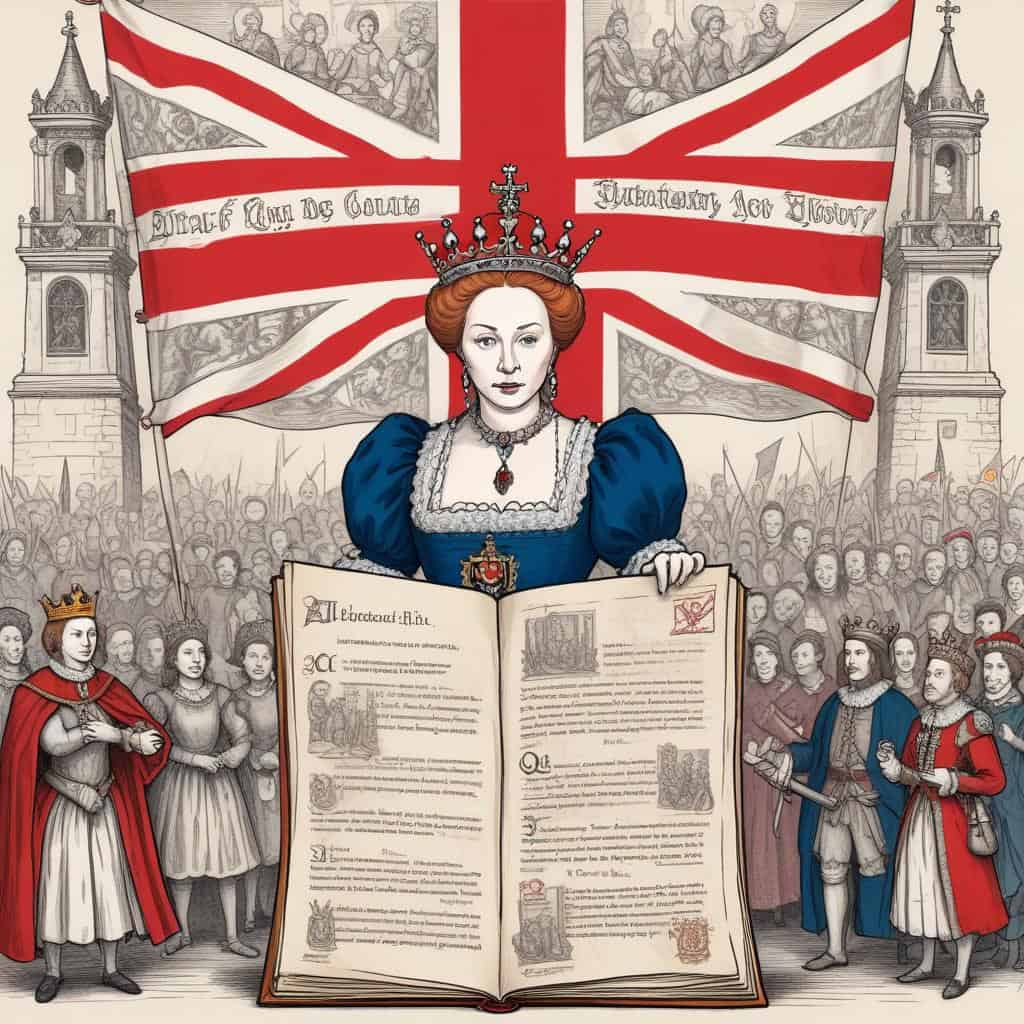
Introduction

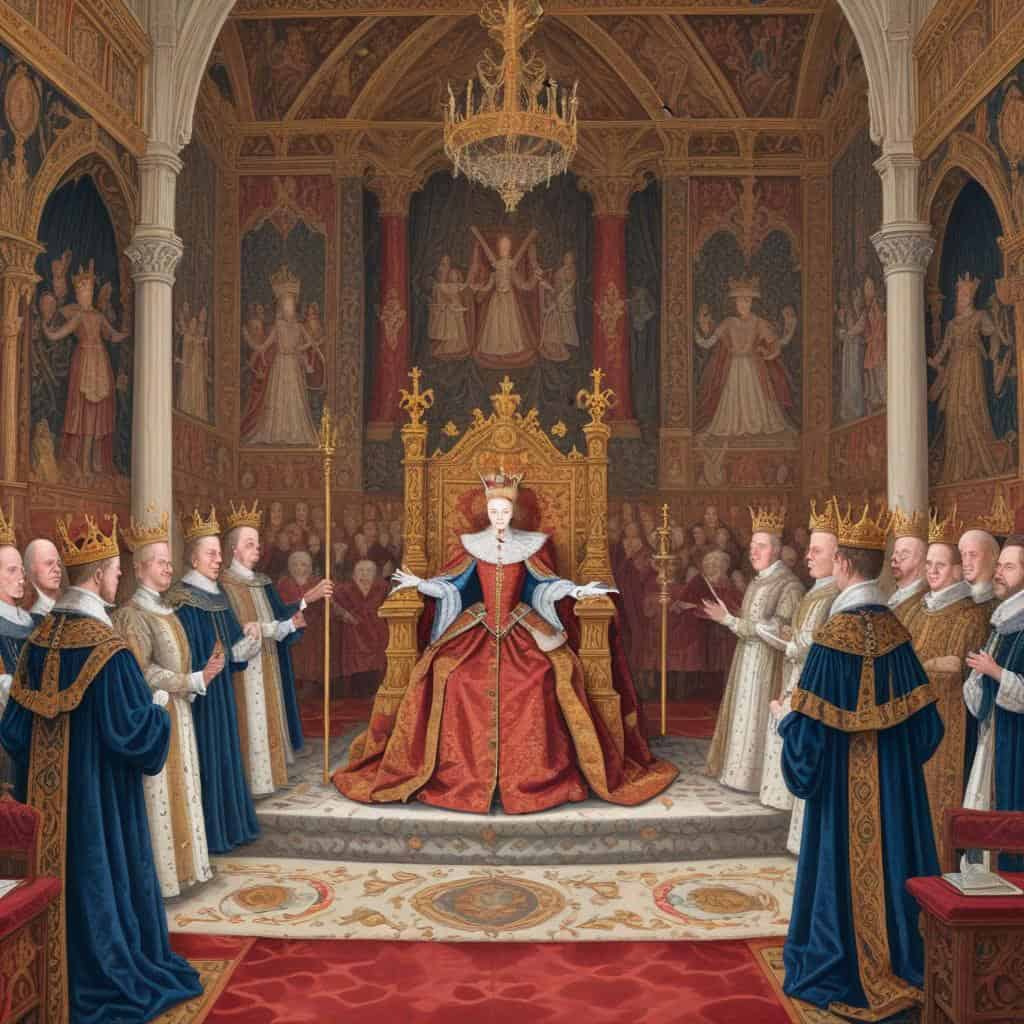

Queen Elizabeth I
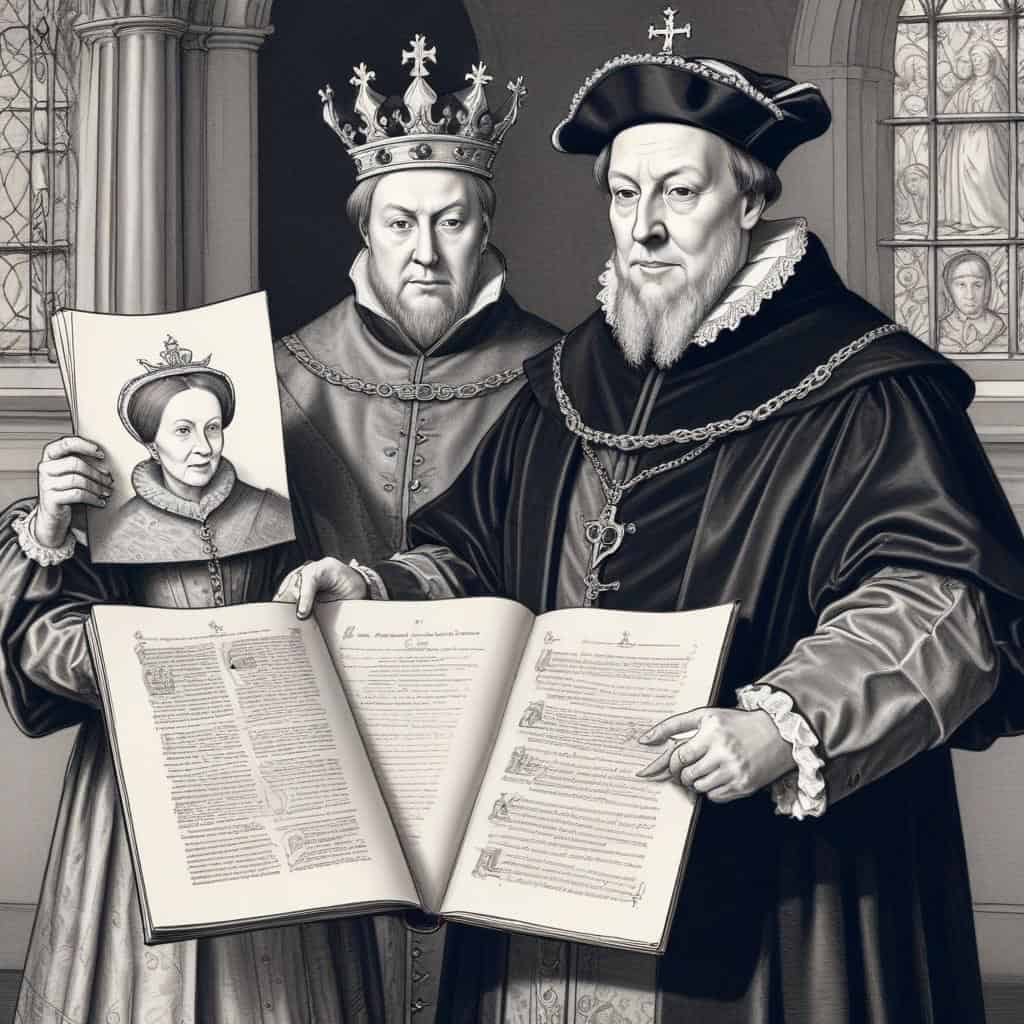
Thomas Cranmer

William Cecil

Passage of the Act of Supremacy

Rejection of Papal Authority

Enforcement of Oath of Supremacy

Impact on Catholicism

Establishment of the Church of England

Reactions from Europe

Continued Religious Reforms
Legacy of the Act of Supremacy

Challenges to the Act

Enduring Influence

Lesson Details & Resources
In a Nutshell
- What: The Act of Supremacy 1559 established Queen Elizabeth I as the Supreme Governor of the Church of England.
- When: 1559
- Who: Queen Elizabeth I, Parliament, Church of England
- Outcome: Officially separated the Church of England from the Roman Catholic Church, solidifying Elizabeth’s power and authority.
Famous Figures in the Act of Supremacy 1559
-
Elizabeth I
Elizabeth I: Queen of England from 1558 to 1603, she played a key role in the Act of Supremacy 1559, asserting the monarch's supremacy over the Church of England.
-
Mary I
Mary I: Also known as Mary Tudor or Bloody Mary, she was the Queen of England from 1553 to 1558 and her reign witnessed the initial stages of the Act of Supremacy.
-
Anne Boleyn
Anne Boleyn: The second wife of Henry VIII and mother of Elizabeth I, her marriage and subsequent execution had a significant impact on the Act of Supremacy.
-
Thomas Cranmer
Thomas Cranmer: Archbishop of Canterbury during the reign of Henry VIII and Edward VI, he played a crucial role in the development of the Act of Supremacy and the Church of England.
-
William Cecil
William Cecil: An English statesman and chief advisor to Elizabeth I, he was instrumental in the formulation and implementation of the Act of Supremacy 1559.
-
Thomas Cromwell
Thomas Cromwell: Chief minister to Henry VIII, he was influential in the dissolution of the monasteries and the establishment of royal supremacy through the Act of Supremacy.
-
John Knox
John Knox: A Scottish minister and leader of the Protestant Reformation, his ideas and activism influenced the Act of Supremacy in both England and Scotland.
Timeline of Act of Supremacy 1559
Queen Elizabeth I ascends to the throne
Act of Supremacy passed by Parliament
Elizabeth I becomes Supreme Governor of the Church of England
Clergy required to take an oath of allegiance to the Queen
Book of Common Prayer revised and reintroduced
Penalties for not attending Church of England services
First Convocation of the Church of England under Elizabeth I
Papal authority officially abolished in England
Separation of the Church of England from the Roman Catholic Church
Suppression of Catholic practices and rituals
Establishment of the Church of England as the official state church
Catholic bishops and clergy removed from their positions
Elizabeth I excommunicated by the Pope
Repeal of the Act of Supremacy under Mary I
Restoration of the Act of Supremacy under Elizabeth I
Rise of Puritanism in the Church of England
Influence of the Act of Supremacy on English religious identity
Impact of the Act of Supremacy on English politics and society
Legacy of the Act of Supremacy in shaping the Church of England
Continued debates over the Act of Supremacy and religious freedom
Vocabulary List
- Act of Supremacy
- The Act of Supremacy 1559 was an English parliamentary act that reestablished the Church of England's independence from Rome and declared Queen Elizabeth I as the Supreme Governor of the Church.
- Parliament
- The Act of Supremacy 1559 was passed by the English Parliament, which consisted of the House of Lords and the House of Commons.
- Church of England
- The Act of Supremacy 1559 solidified the Church of England as the official church in England, separate from the authority of the Pope and the Roman Catholic Church.
- Independence
- The Act of Supremacy 1559 aimed to establish the independence of the Church of England from the authority and influence of the Pope.
- Supreme Governor
- Under the Act of Supremacy 1559, Queen Elizabeth I was declared the Supreme Governor of the Church of England, giving her ultimate authority over religious matters in the country.
- Catholic Church
- The Act of Supremacy 1559 marked the separation of the Church of England from the Catholic Church, as it rejected the authority of the Pope and established a distinct national church.
- Religious Reformation
- The Act of Supremacy 1559 was part of the broader religious reformation in England, which aimed to assert the Protestant identity of the country and break away from Catholic doctrines.
- Protestantism
- The Act of Supremacy 1559 reflected the growing influence of Protestantism in England, as it established the Church of England as a Protestant institution separate from the Catholic Church.
- Roman Catholic
- The Act of Supremacy 1559 rejected the authority of the Roman Catholic Church and sought to establish the Church of England as the dominant religious institution in England.
- Monarchy
- The Act of Supremacy 1559 solidified the authority of the English monarchy, as it granted Queen Elizabeth I the title of Supreme Governor of the Church and consolidated her power.
Key Facts
This is the information used in the fact matching game
- The Act of Supremacy 1559 was enacted during the reign of Queen Elizabeth I.
- The Act of Supremacy declared Elizabeth I as the Supreme Governor of the Church of England.
- The Act of Supremacy reaffirmed the break of the Church of England from the authority of the Pope.
- The Act of Supremacy required all clergy and government officials to take an oath acknowledging the Queen's supremacy.
- The Act of Supremacy authorized the Queen to appoint bishops and other high-ranking church officials.
- The Act of Supremacy established penalties for anyone who denied the Queen's supremacy.
- The Act of Supremacy was passed by the Parliament of England.
- The Act of Supremacy played a key role in solidifying the Protestant Reformation in England.
- The Act of Supremacy was a response to the religious divisions and conflicts during the reigns of Henry VIII and Edward VI.
- The Act of Supremacy was part of Elizabeth I's efforts to establish religious stability and unity within England.
- The Act of Supremacy helped to consolidate the power of the English monarchy over the church.
- The Act of Supremacy prohibited the authority of foreign powers, such as the Pope, over the Church of England.
- The Act of Supremacy was influenced by the ideas of Protestant reformers like John Calvin.
- The Act of Supremacy helped in establishing Elizabeth I's control over religious matters and preventing any Catholic opposition.
- The Act of Supremacy was a significant step in the process of transforming England into a Protestant nation.
- The Act of Supremacy solidified the monarch's authority to govern the Church of England as the Supreme Governor.
- The Act of Supremacy remained in effect for over 400 years, until it was repealed in 1969.
- The Act of Supremacy was one of several acts passed during Elizabeth I's reign to establish Protestantism as the dominant religion in England.
- The Act of Supremacy was an important turning point in England's religious and political history.
- The Act of Supremacy faced opposition from Catholics who remained loyal to the authority of the Pope.
Analysis & Significance
Immediate Consequences
The Act of Supremacy 1559 immediately solidified Queen Elizabeth I’s authority over the Church of England, asserting her as the Supreme Governor. This resulted in the official break from the Roman Catholic Church and the establishment of Protestantism as the official religion of England. It also led to the expulsion of Catholic clergy and the confiscation of Catholic property.
Long-Term Impact
The Act of Supremacy 1559 had a lasting impact on the religious landscape of England. It paved the way for the growth of Protestantism and the Anglican Church, shaping the country’s religious identity for centuries to come. The Act also played a significant role in the consolidation of royal power and the establishment of the English monarchy as a dominant force in religious matters.
Cultural Significance Today
The legacy of the Act of Supremacy 1559 can still be felt in modern-day England. The establishment of the Church of England as a state church continues to influence the country’s cultural and political landscape. The Act also serves as a reminder of the complex relationship between religion and politics, highlighting the enduring impact of decisions made during the Elizabethan era.
Act of Supremacy 1559 Games


Take Your Learning Offline
Want a convenient, print-ready study guide for this lesson? Become a Memory Wizards Pro member to unlock the downloadable " Memory Scrolls" for this topic and our entire library!
- ✓ Complete Vocabulary Lists
- ✓ Key Facts & Timelines
- ✓ Beautifully Formatted for Print & Mobile