
How Do You Learn Best?
Learn by Reading
Immerse yourself in the 10-minute visual lesson for a comprehensive understanding of the topic.
Learn by Reviewing
Jump directly to the key facts, timeline, and vocabulary lists to build a solid foundation of details.
Learn by Doing
Challenge yourself! Jump straight into the interactive games to learn by trial, error, and discovery.
The Tell-Tale Heart in 10 Minutes
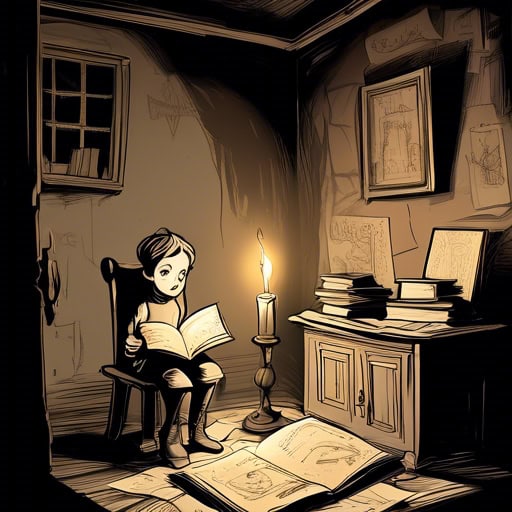
Introduction
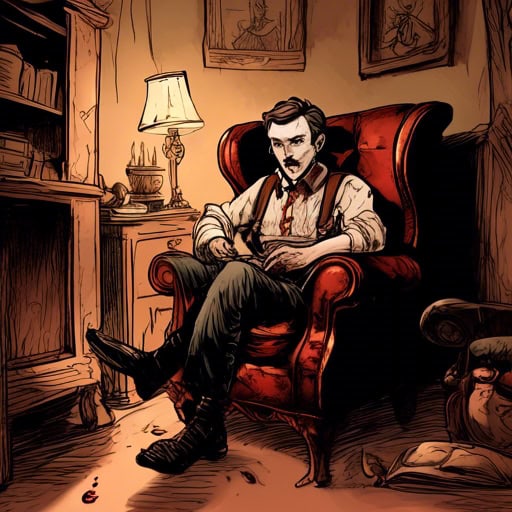
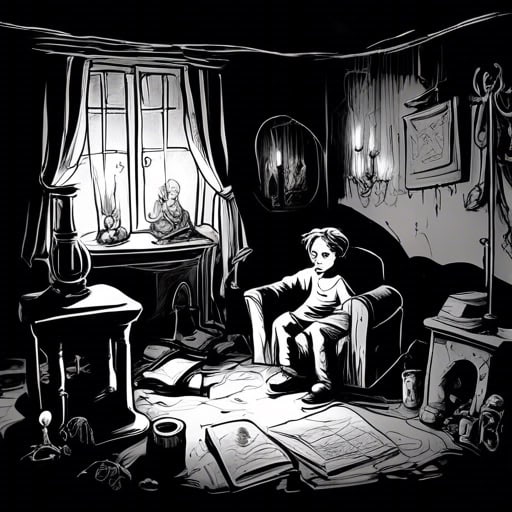

The Narrator

The Old Man

The Police Officers
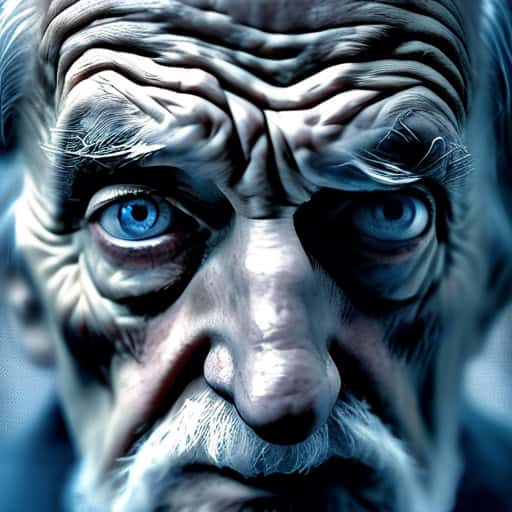
The Old Mans Eye
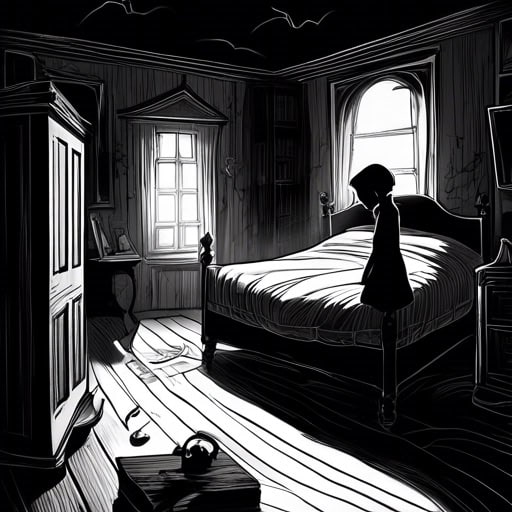
The Murder
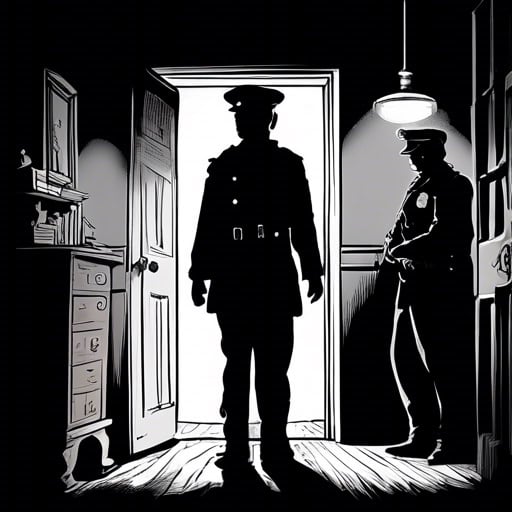
The Police Visit
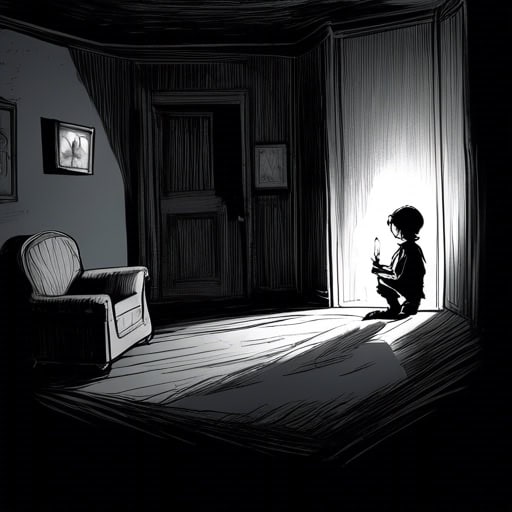
The Confession
Lesson Details & Resources
In a Nutshell
- What: Short story by Edgar Allan Poe
- When: Written in the 19th century
- Who: The narrator, the old man, the police officers
- Theme: Guilt, madness, and the power of the subconscious mind
List of Characters in The Tell-Tale Heart
-
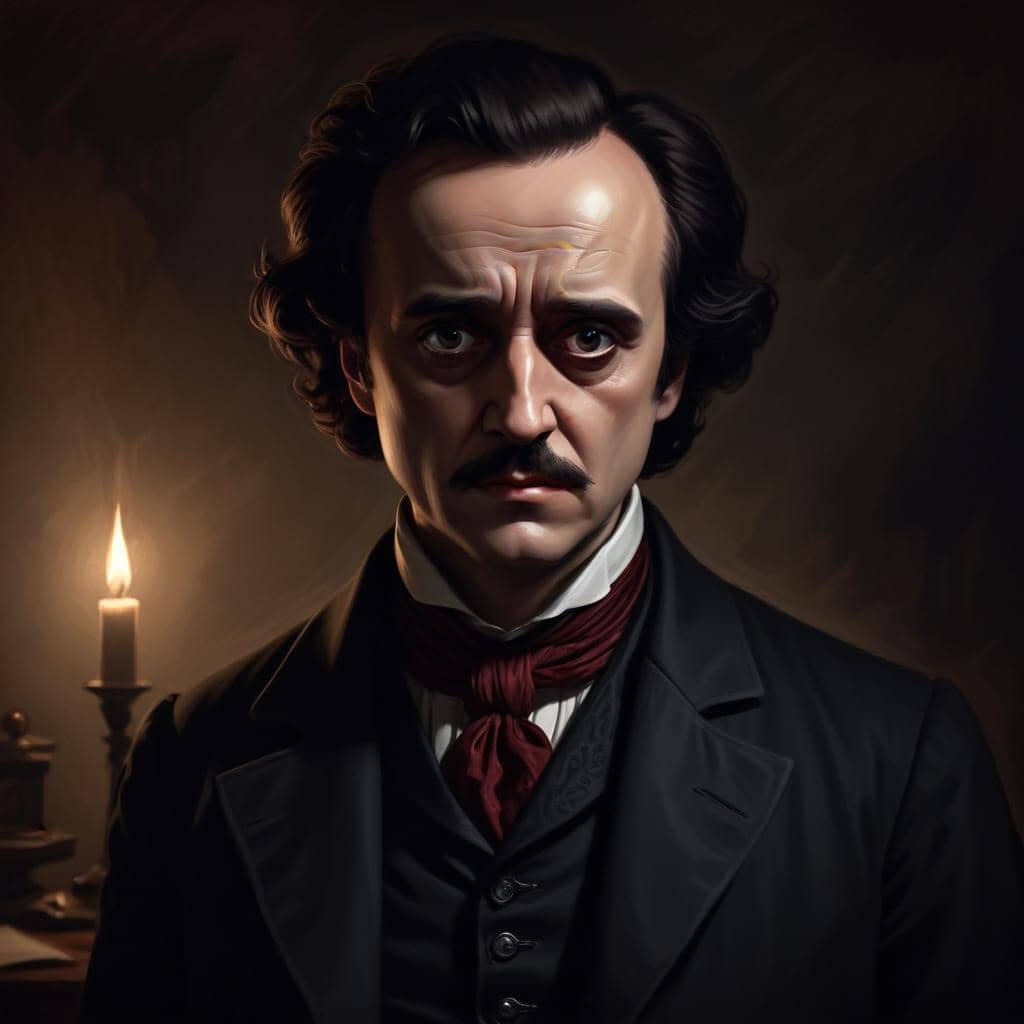
The narrator
The narrator is a mentally unstable individual who becomes obsessed with the 'evil eye' of the old man and ultimately murders him.
-

The old man
The old man is the victim of the narrator's madness, whose 'vulture eye' drives the narrator to commit murder.
-
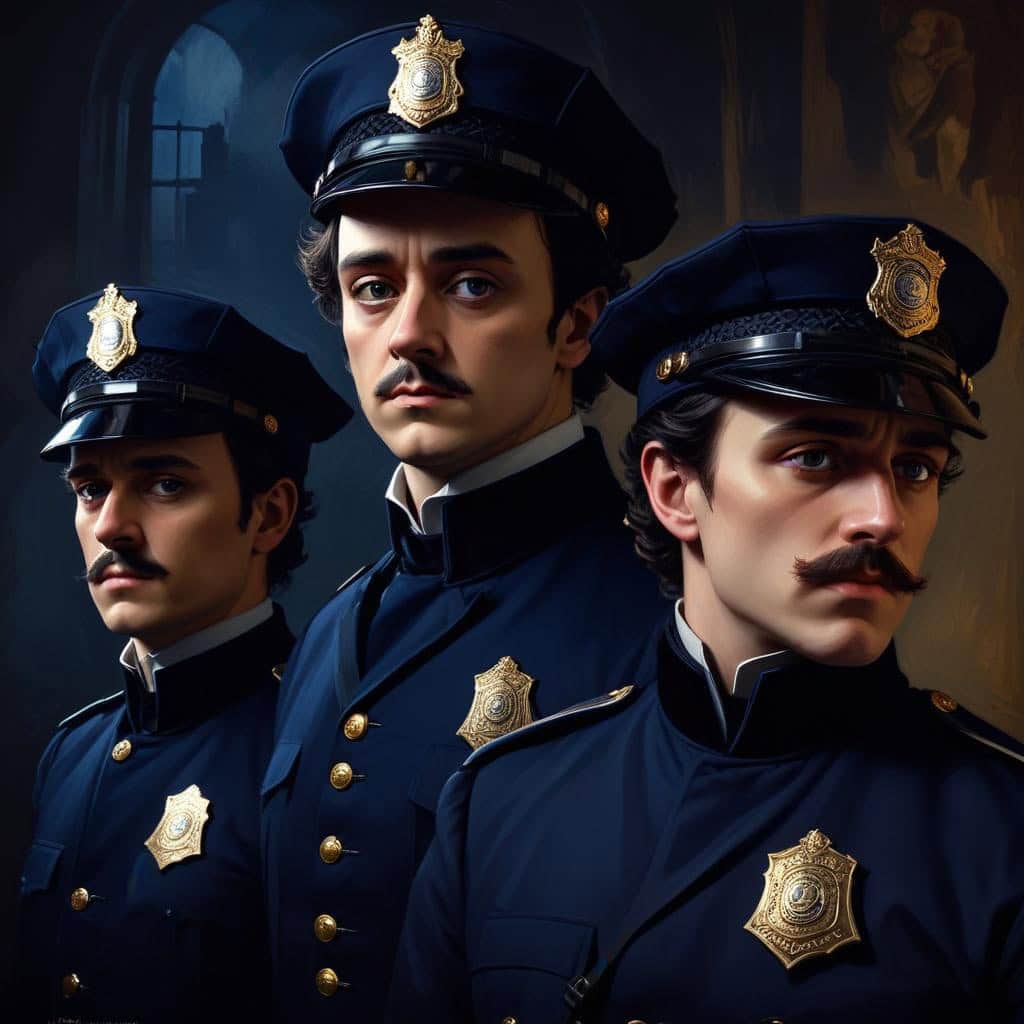
The police officers
The police officers are called to investigate a noise coming from the narrator's house, leading to the narrator's confession of the murder.
Timeline of The Tell-Tale Heart
The narrator insists on sanity and describes his motivation for telling the story.
The narrator explains his relationship with the old man and his obsession with the old man's eye.
The narrator describes the plan to kill the old man.
The narrator carefully observes the old man while he sleeps.
The narrator becomes convinced that the old man can hear his heartbeat.
The narrator kills the old man by suffocating him with his bed.
The narrator dismembers the body and hides the pieces under the floorboards.
The police arrive to investigate a neighbor's report of a scream.
The narrator calmly invites the police into the house and feigns innocence.
The narrator becomes increasingly agitated by the sound of the old man's heartbeat.
The narrator confesses the crime to the police, believing they can hear the heartbeat too.
Vocabulary List
- Vex
- The old man's eye vexed the narrator.
- Stealthily
- The narrator entered the old man's room stealthily.
- Derision
- The old man's derision of the narrator's fear drove him to murder.
- Hypocritical
- The narrator's hypocritical behavior towards the police officers made them suspicious.
- Acute
- The narrator's acute hearing led him to believe he could hear the old man's heart beating.
Key Facts
This is the information used in the fact matching game
- - The Tell-Tale Heart is a short story written by Edgar Allan Poe.
- - It was first published in 1843.
- - The story is told from the perspective of an unnamed narrator.
- - The narrator is obsessed with an old man's pale blue eye.
- - The eye is described as "vulture-like."
- - The narrator claims to have a disease that heightens his senses.
- - The story is set in a house during the night.
- - The narrator carefully plans the murder of the old man.
- - He succeeds in killing the old man by suffocating him.
- - The narrator dismembers the body and hides it beneath the floorboards.
- - Throughout the story, the narrator insists on his sanity.
- - The sound of the old man's beating heart intensifies the narrator's guilt.
- - The narrator eventually confesses his crime to the police.
- - He believes he can hear the dead man's heart still beating.
- - The story explores themes of guilt, obsession, and paranoia.
- - The Tell-Tale Heart is considered one of Poe's most famous and influential works.
- - It is often categorized as a Gothic horror story.
- - The story's unreliable narrator adds to its suspense and mystery.
- - The Tell-Tale Heart has been adapted into various forms of media, including film and theater.
- - It continues to be studied and analyzed for its psychological themes and narrative techniques.
Analysis & Significance
Impact on Literature
Edgar Allan Poe’s ‘The Tell-Tale Heart’ is a seminal work in the realm of psychological horror and Gothic fiction. Its use of unreliable narration and exploration of guilt and madness has had a lasting influence on the genre, inspiring countless authors to delve into the darker aspects of the human psyche.
Enduring Themes
The themes of guilt, paranoia, and the blurred line between reality and delusion in ‘The Tell-Tale Heart’ continue to resonate with modern audiences. The story’s exploration of the consequences of unchecked obsession and the haunting effects of a guilty conscience are universal and timeless.
Cultural Significance Today
‘The Tell-Tale Heart’ remains a staple in literary and popular culture, with numerous adaptations in film, television, and theater. Its legacy as a chilling tale of murder and madness has solidified its place as a classic work of horror fiction, ensuring its continued relevance and influence in the modern world.
The Tell-Tale Heart Games


Take Your Learning Offline
Want a convenient, print-ready study guide for this lesson? Become a Memory Wizards Pro member to unlock the downloadable " Memory Scrolls" for this topic and our entire library!
- ✓ Complete Vocabulary Lists
- ✓ Key Facts & Timelines
- ✓ Beautifully Formatted for Print & Mobile
Dive Deeper

The Tell-Tale Heart
A classic and chilling tale of murder and madness, written by the master of macabre storytelling himself, Edgar Allan Poe.
View on Amazon
A Quiet Madness: A Biographical Novel of Edgar Allan Poe
This captivating biographical novel delves into the enigmatic life of Edgar Allan Poe, offering a deep and immersive exploration of the man behind the haunting tales and poems.
View on AmazonTo help us keep Memory Wizards running and create more magical learning content, we are a participant in the Amazon Associates Program. If you make a purchase through the links on this page, we may earn a small commission at no extra cost to you. We only recommend resources we believe in.