
How Do You Learn Best?
Learn by Reading
Immerse yourself in the 10-minute visual lesson for a comprehensive understanding of the topic.
Learn by Reviewing
Jump directly to the key facts, timeline, and vocabulary lists to build a solid foundation of details.
Learn by Doing
Challenge yourself! Jump straight into the interactive games to learn by trial, error, and discovery.
The Murders in the Rue Morgue in 10 Minutes
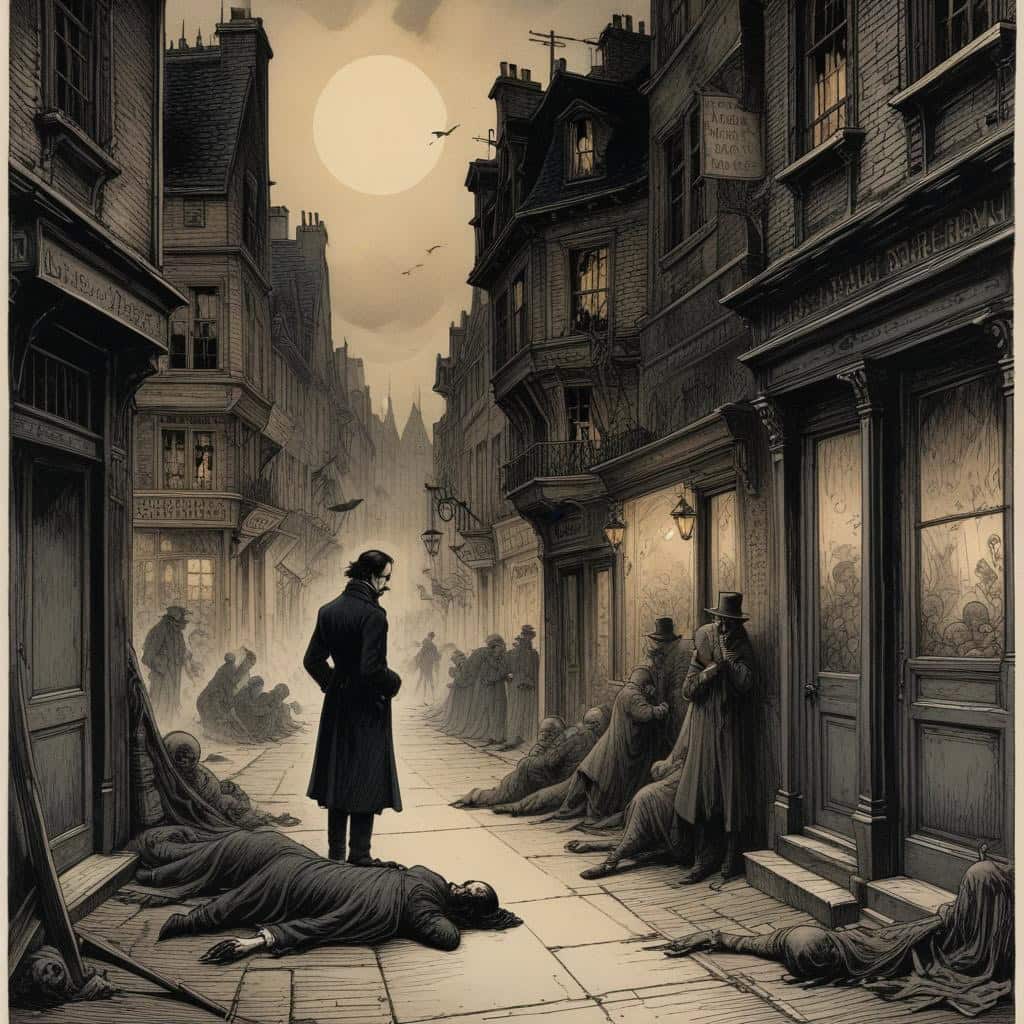
Introduction

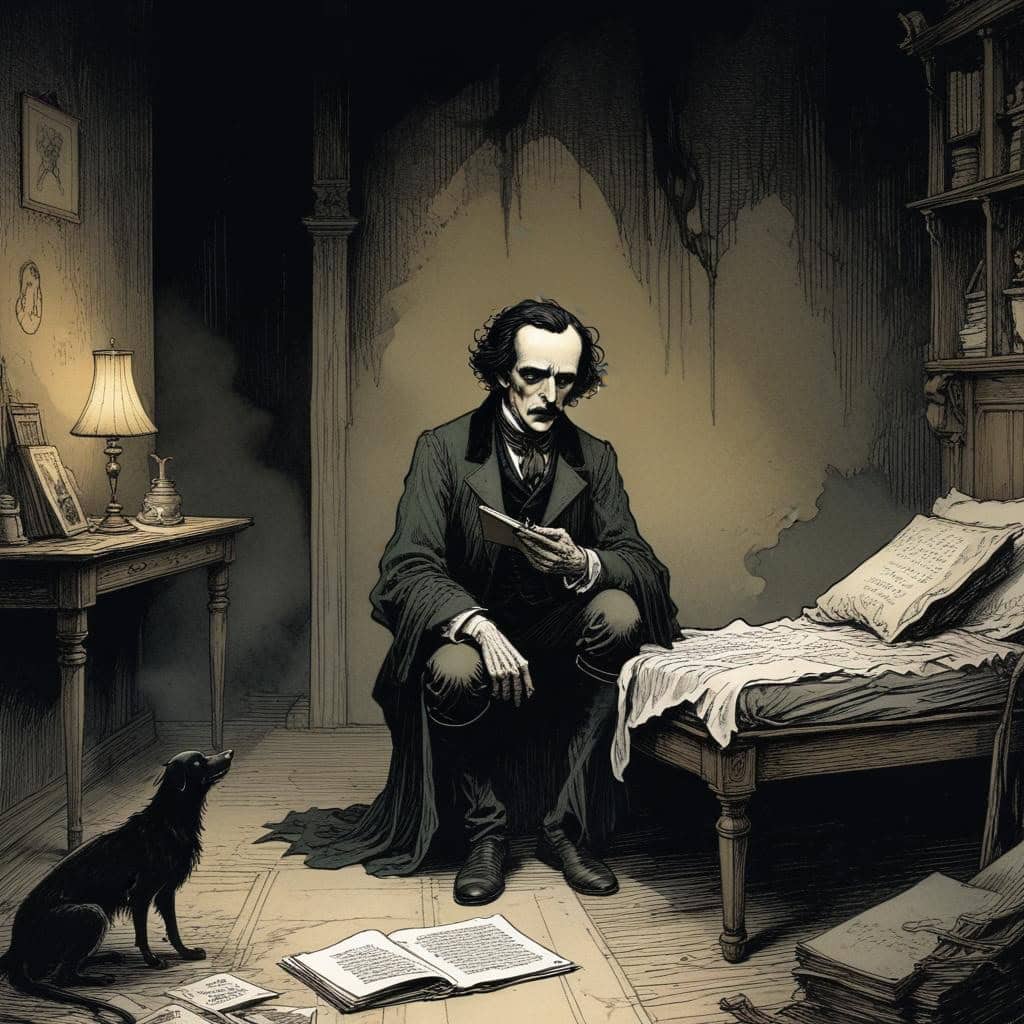

C. Auguste Dupin

Madame LEspanaye

The Narrator
The Murders in the Rue Morgue: A Captivating Summary
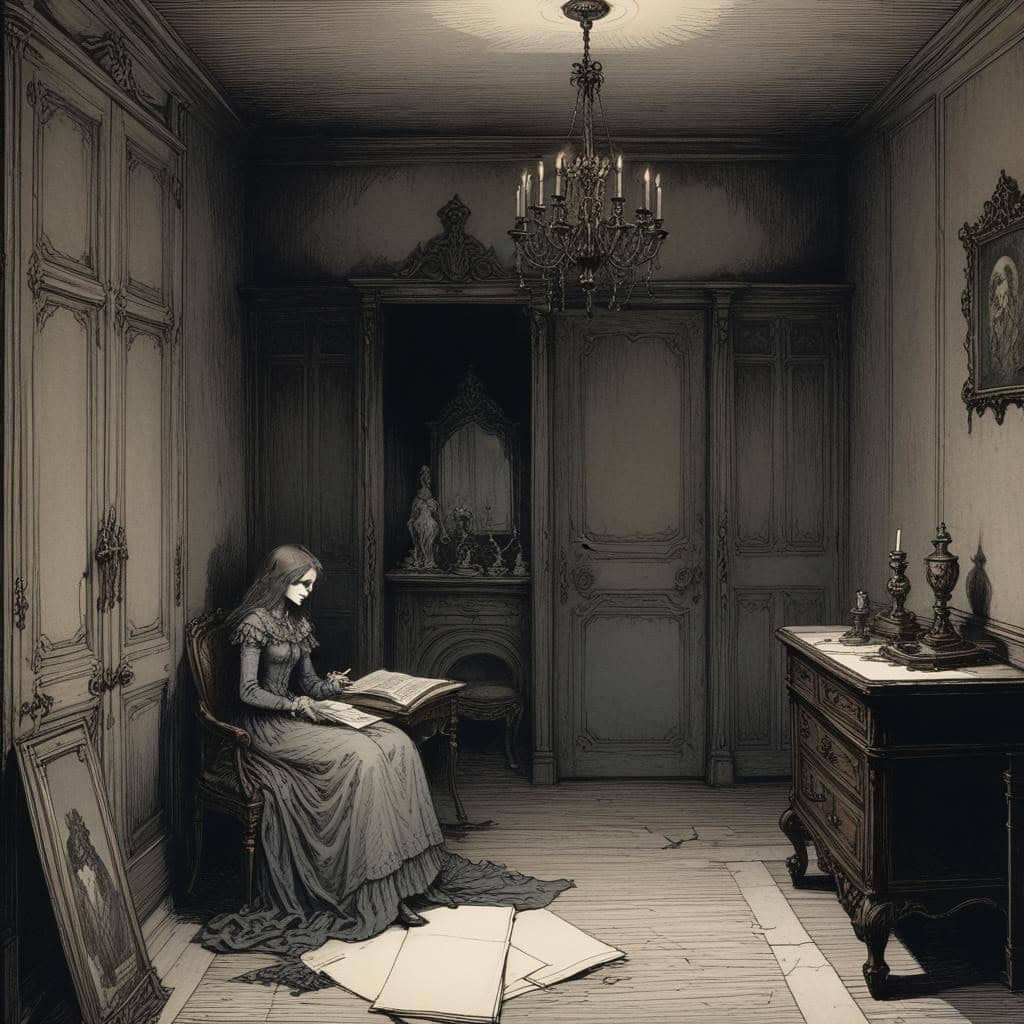
The Mysterious Murders
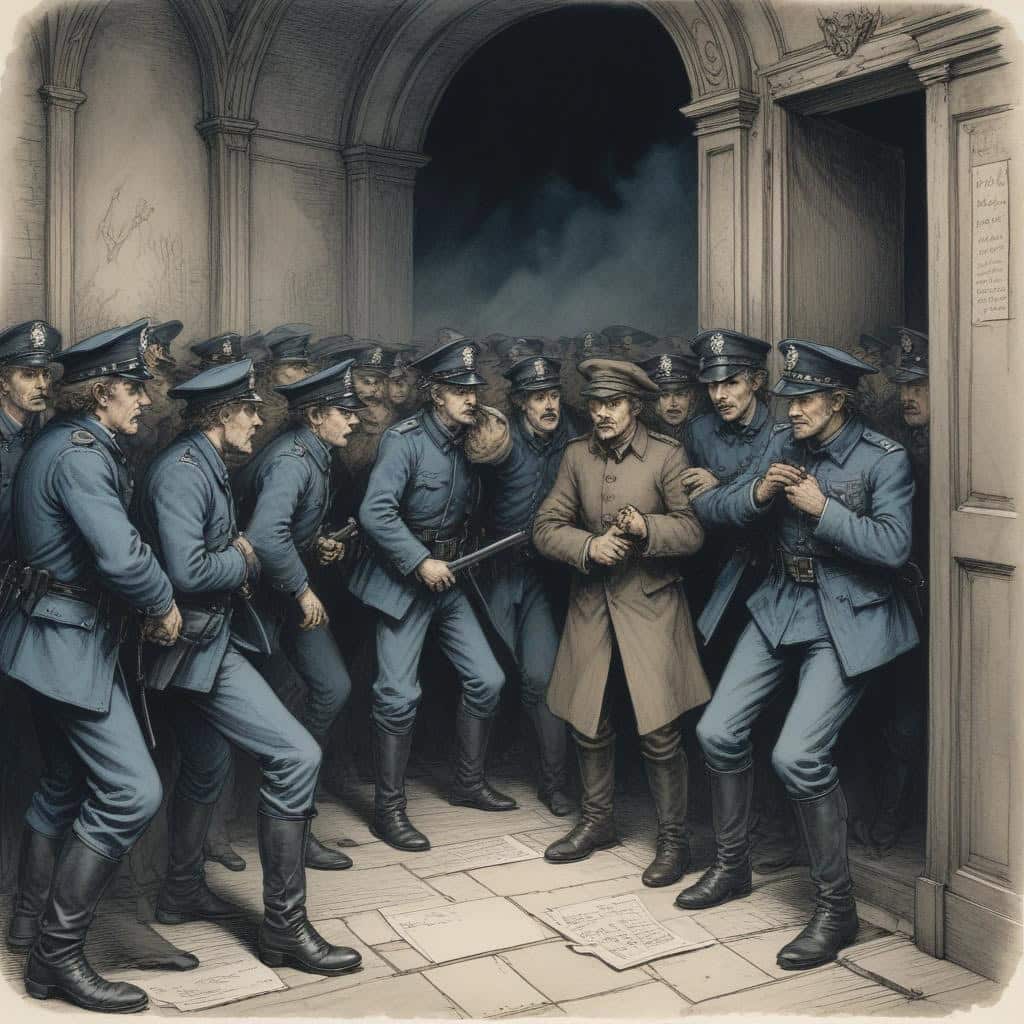
The Baffled Police
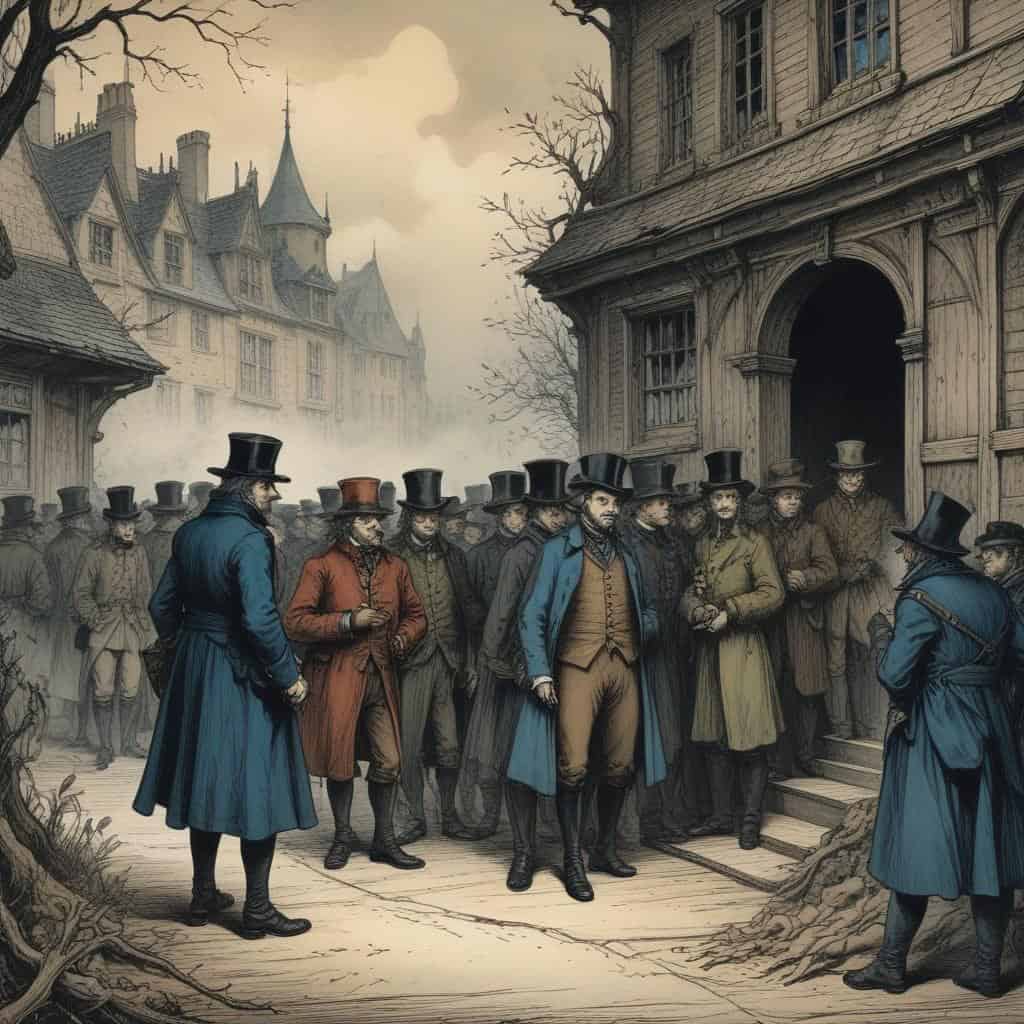
The Arrival of Dupin
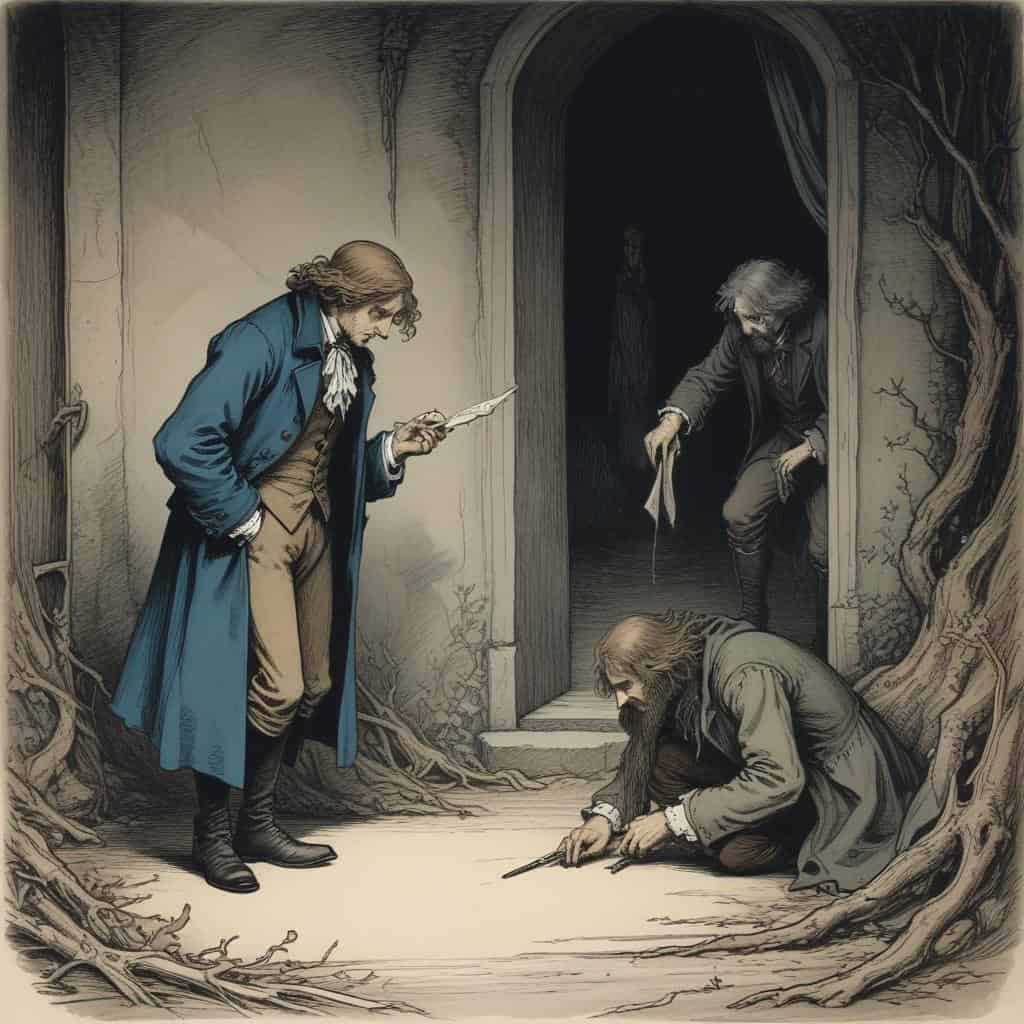
The Investigation Begins
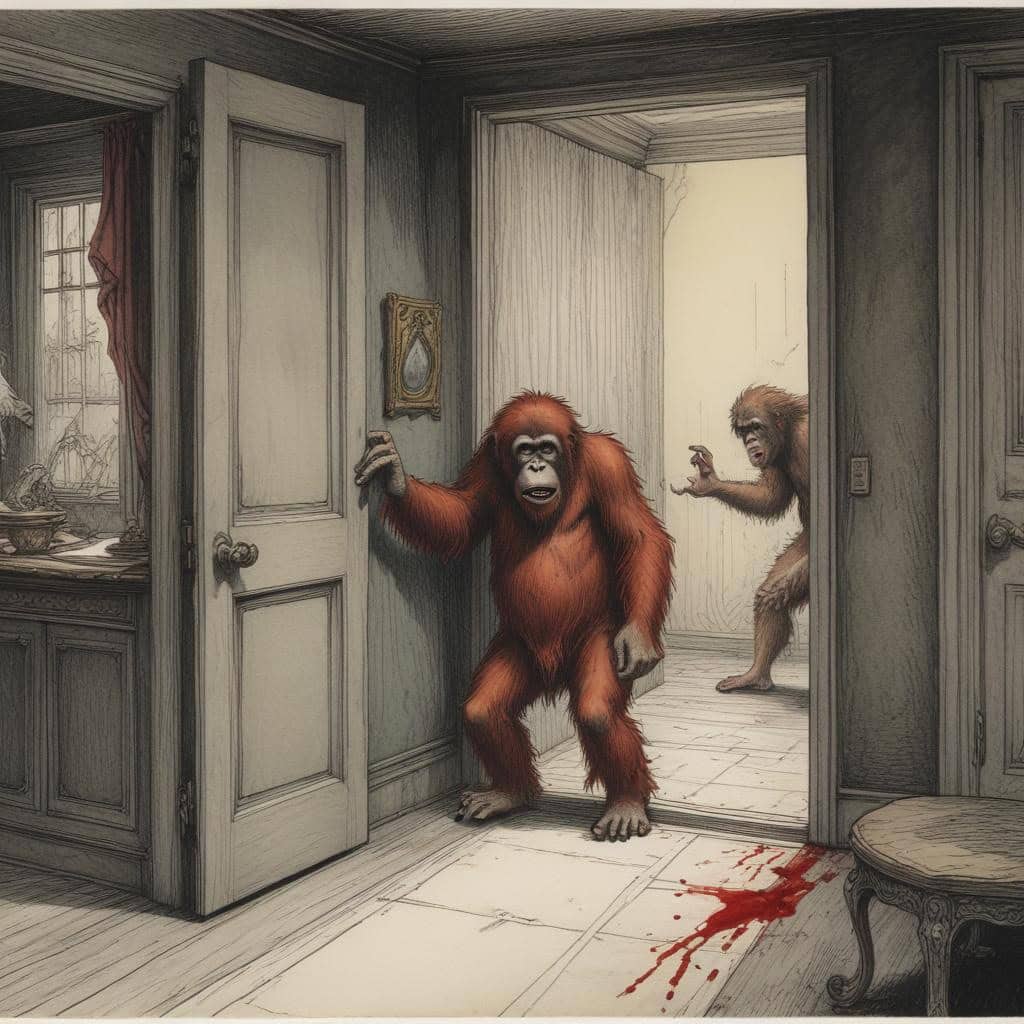
The Discovery of the Orangutan

The Capture of the Orangutan
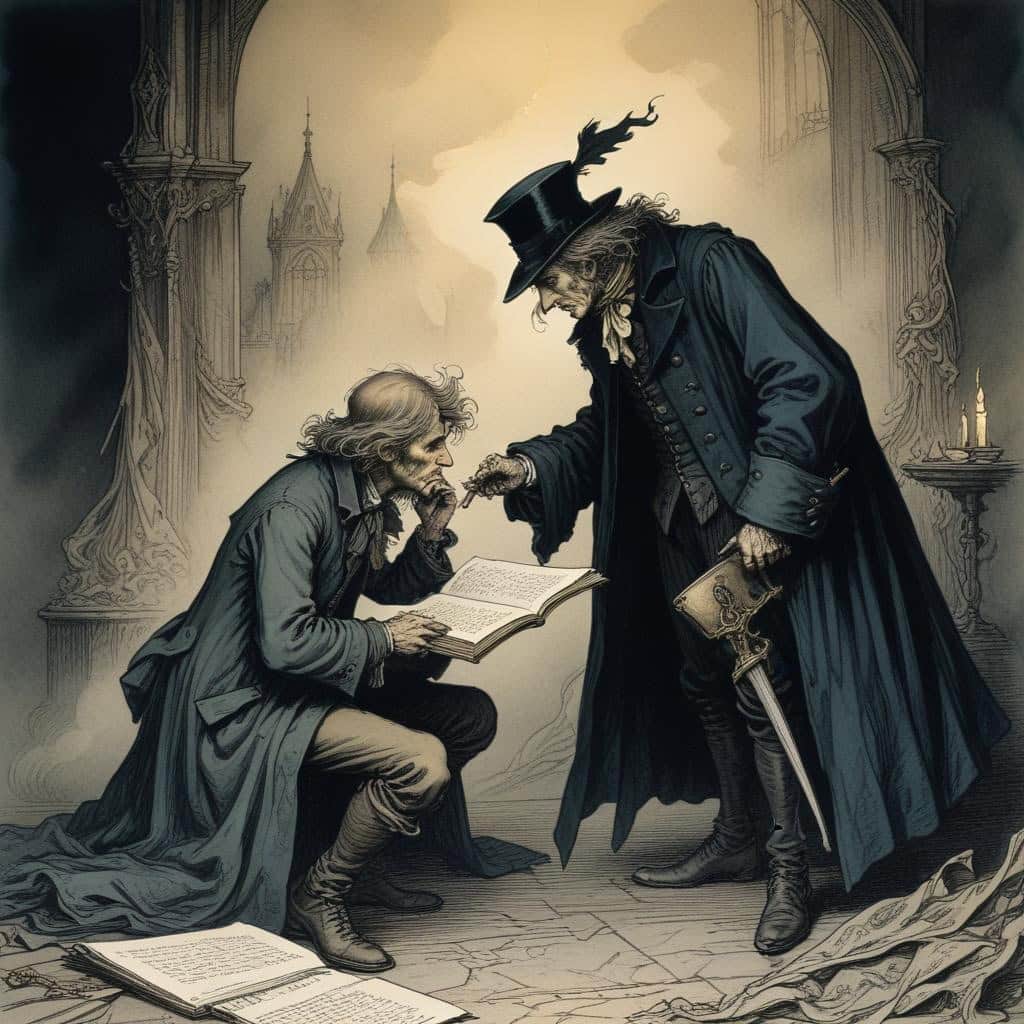
The Resolution of the Case
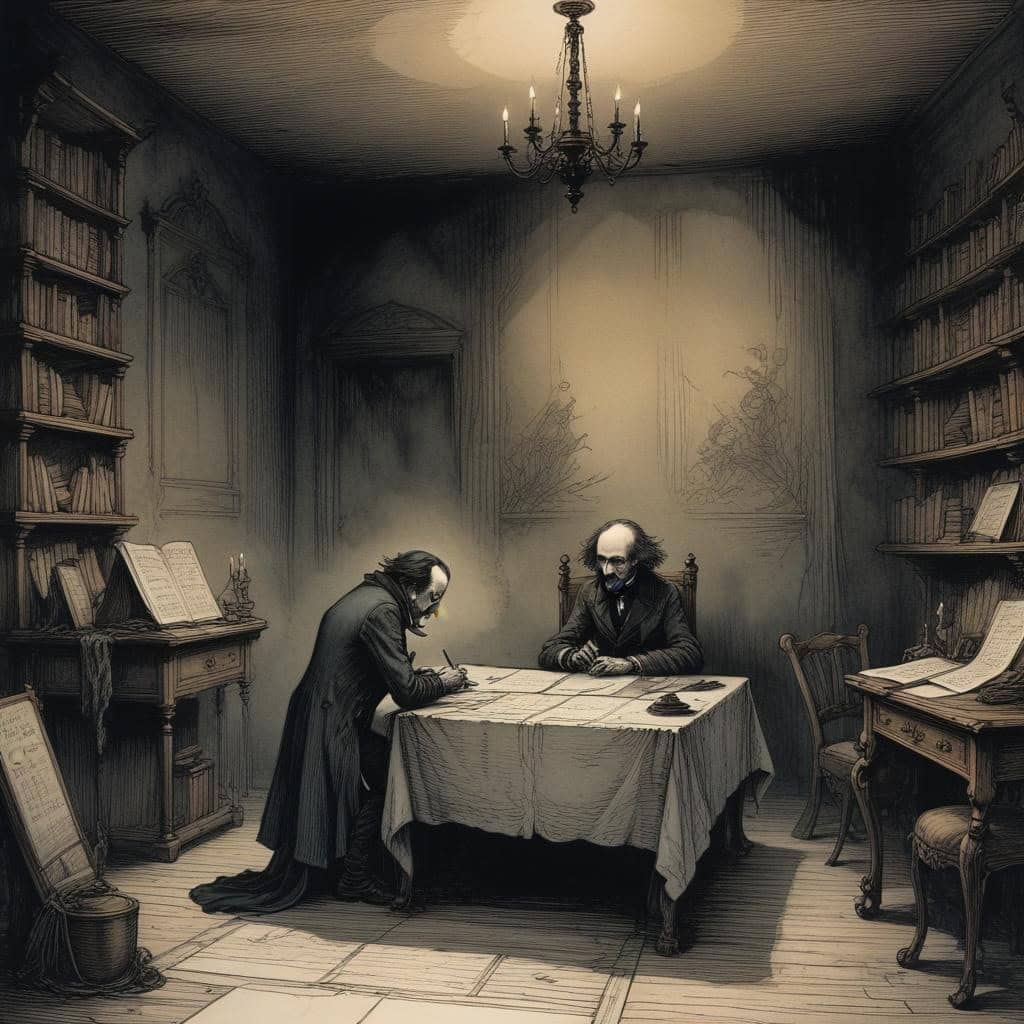
The Legacy of Dupin
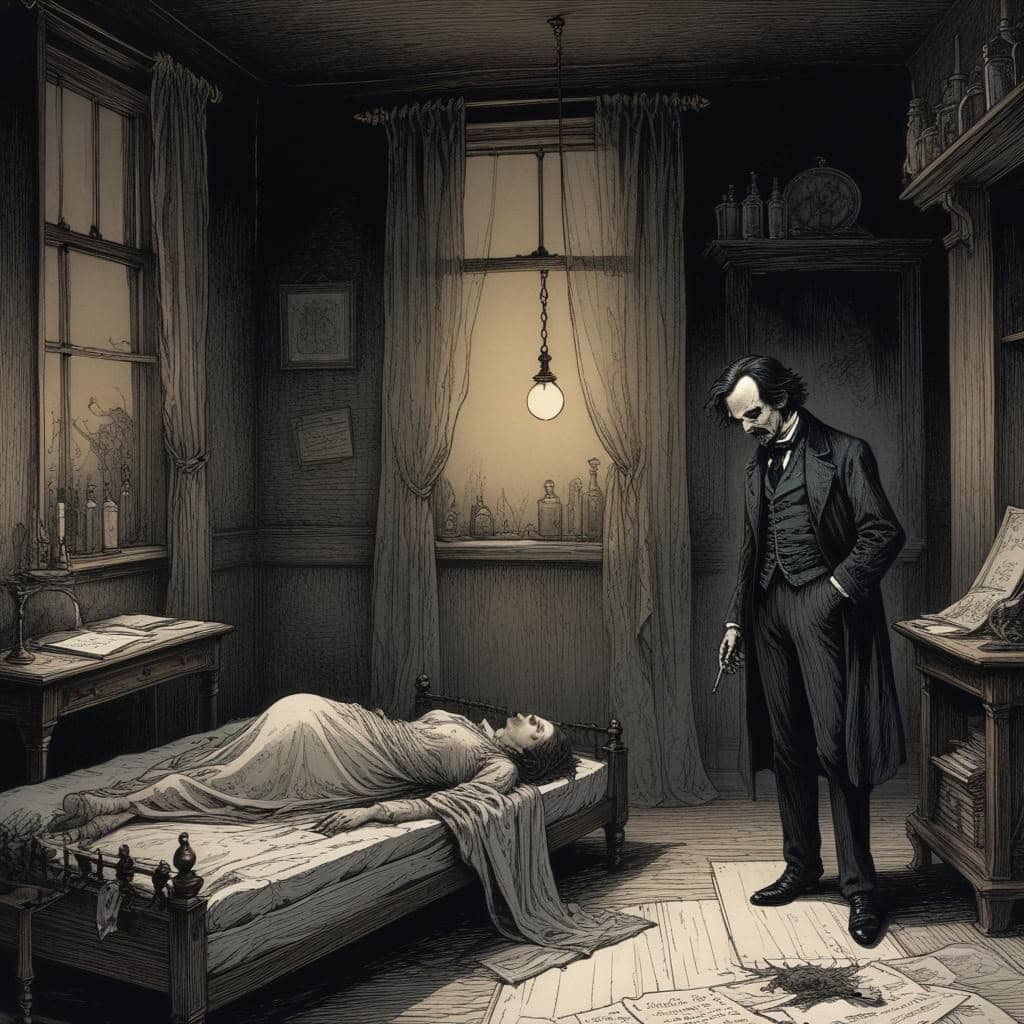
The Impact of the Story
Lesson Details & Resources
In a Nutshell
- What: Short story by Edgar Allan Poe
- When: Written in the 19th century
- Who: C. Auguste Dupin
- Theme: Mystery and detective work
List of Characters in The Murders in the Rue Morgue
-

C. Auguste Dupin
C. Auguste Dupin is a brilliant detective who solves the murders in the Rue Morgue
-

Madame L'Espanaye
Madame L'Espanaye and her daughter, Mademoiselle Camille L'Espanaye, are victims of the brutal murders
-

Mademoiselle Camille L'Espanaye
Le Bon is falsely accused of the murders
-

Le Bon
The sailor is a witness to the crime
-

The sailor
The orangutan is revealed to be the true culprit in the murders
Timeline of The Murders in the Rue Morgue
The narrator introduces Dupin, a brilliant amateur detective.
The narrator describes the brutal murders of Madame L'Espanaye and her daughter in their apartment on the Rue Morgue.
The police discover the bodies, with Madame L'Espanaye's throat cut and her daughter strangled and stuffed up the chimney.
The police question witnesses and neighbors but find no leads.
The police arrest a bank clerk named Adolphe Le Bon, based on circumstantial evidence.
Dupin reads about the murders in the newspaper and becomes interested in the case.
Dupin visits the crime scene and examines the evidence.
Dupin deduces that the murderer must have been an animal of immense strength and agility.
Dupin scrutinizes the witness statements and concludes that they heard two voices, one speaking a foreign language.
Dupin theorizes that the murderer is an orangutan brought from Borneo by a sailor.
Dupin locates the sailor who owned the orangutan and confirms his theory.
Dupin presents his findings to the police, who are initially skeptical.
Dupin explains his reasoning, using logic and deductive reasoning.
The police investigate further and discover the escaped orangutan, confirming Dupin's theory.
Adolphe Le Bon is released from custody, and the case is solved.
Vocabulary List
- Rue Morgue
- The setting of the story, a dark and mysterious street in Paris where the murders occur.
- Orangutan
- The exotic animal that is believed to have committed the murders in the story.
- Dupin
- The brilliant detective who solves the mystery of the murders in the Rue Morgue.
- Grisette
- A French working-class woman who is a witness in the case.
- Clues
- The various pieces of evidence that Dupin uses to unravel the mystery.
- Newspaper
- The source of information that leads Dupin to solve the case.
- Witnesses
- People who saw or heard something related to the murders.
- Motive
- The reason behind the murders, which is eventually revealed by Dupin.
- Alleyway
- A narrow passageway where the murders take place.
- Locked room mystery
- A type of mystery where the crime scene is sealed off and seemingly impossible to enter or exit.
Key Facts
This is the information used in the fact matching game
- 1. The Murders in the Rue Morgue is considered to be the first modern detective story.
- 2. It was first published in 1841 in Graham's Magazine.
- 3. The story features the brilliant detective C. Auguste Dupin.
- 4. Dupin is known for his exceptional powers of observation and deduction.
- 5. The Rue Morgue is a fictional street in Paris where the murders take place.
- 6. The victims of the brutal murders are Madame L'Espanaye and her daughter Camille.
- 7. The bodies are found in an locked room, with no apparent way for the killer to enter or exit.
- 8. The murders are initially believed to have been committed by an escaped orangutan.
- 9. Dupin's friend, the narrator, assists him in unraveling the mystery.
- 10. The story explores themes of madness, reason, and the limits of human understanding.
- 11. Poe's portrayal of the crime scene investigation and deduction techniques were ahead of their time.
- 12. The story's intricate plot and suspenseful narrative have made it a classic in the detective genre.
- 13. The Murders in the Rue Morgue inspired other famous fictional detectives, such as Sherlock Holmes.
- 14. Poe's use of psychological analysis in the story was groundbreaking for the time.
- 15. The story contains elements of horror and the macabre, which are characteristic of Poe's writing style.
- 16. Poe's attention to detail in describing the crime scene and its aftermath adds to the story's realism.
- 17. The Murders in the Rue Morgue is part of a trilogy of detective stories featuring Dupin.
- 18. Poe's fascination with puzzles and riddles is evident in the story's intricate clues and deductions.
- 19. The solution to the mystery involves a complex chain of logical reasoning.
- 20. The Murders in the Rue Morgue remains one of Poe's most popular and influential works.
Analysis & Significance
Impact on Literature
‘The Murders in the Rue Morgue’ is considered one of the first detective stories ever written, setting the stage for the entire genre of mystery and crime fiction. Edgar Allan Poe’s creation of the brilliant detective C. Auguste Dupin revolutionized storytelling by introducing the concept of a detective using logic and deduction to solve a crime, laying the groundwork for future iconic characters like Sherlock Holmes.
Enduring Themes
The themes of rationality versus irrationality, the power of observation and deduction, and the complexity of human psychology explored in ‘The Murders in the Rue Morgue’ continue to resonate with modern audiences. The story’s exploration of the darker aspects of human nature and the pursuit of truth in the face of chaos are timeless and universal.
Cultural Significance Today
‘The Murders in the Rue Morgue’ has left a lasting legacy in popular culture, inspiring countless adaptations in film, television, and literature. Its influence can be seen in the development of the detective genre as well as in the portrayal of eccentric and brilliant detective characters. The story’s impact on the mystery genre and its enduring popularity highlight its cultural significance today.
The Murders in the Rue Morgue Games


Take Your Learning Offline
Want a convenient, print-ready study guide for this lesson? Become a Memory Wizards Pro member to unlock the downloadable " Memory Scrolls" for this topic and our entire library!
- ✓ Complete Vocabulary Lists
- ✓ Key Facts & Timelines
- ✓ Beautifully Formatted for Print & Mobile