
Summary of Slavery in Ancient Rome
Uncover the untold stories of oppression and resilience in ancient Rome.
How Do You Learn Best?
Learn by Reading
Immerse yourself in the 10-minute visual lesson for a comprehensive understanding of the topic.
Learn by Reviewing
Jump directly to the key facts, timeline, and vocabulary lists to build a solid foundation of details.
Learn by Doing
Challenge yourself! Jump straight into the interactive games to learn by trial, error, and discovery.
Slavery in Ancient Rome in 10 Minutes
Introduction
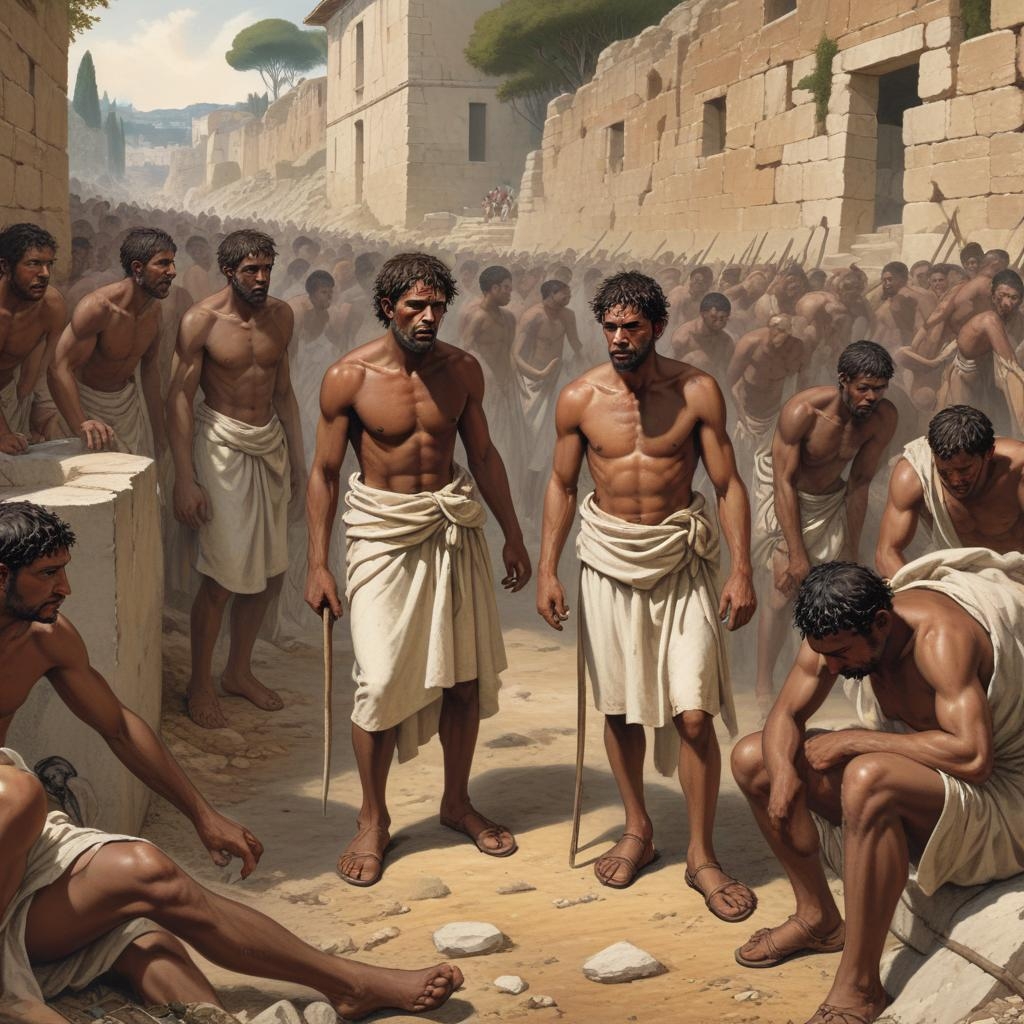
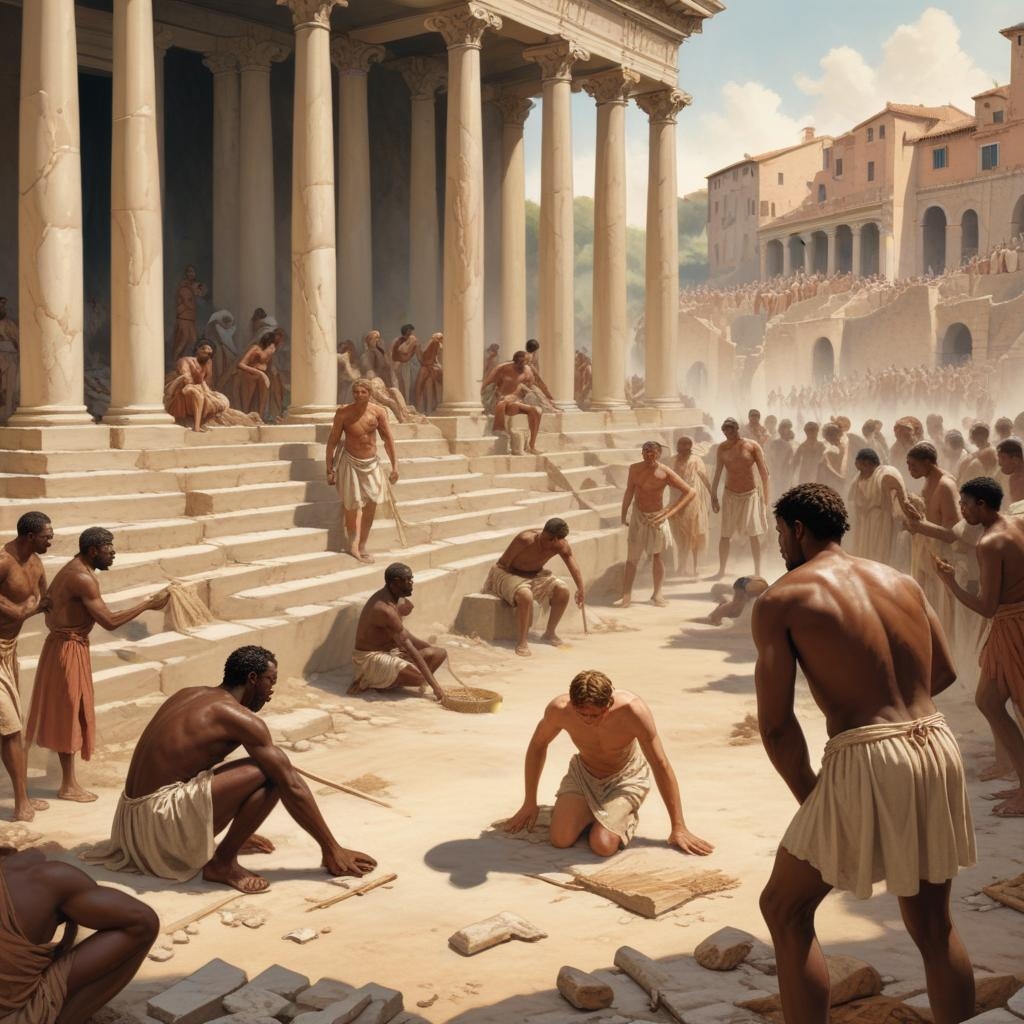
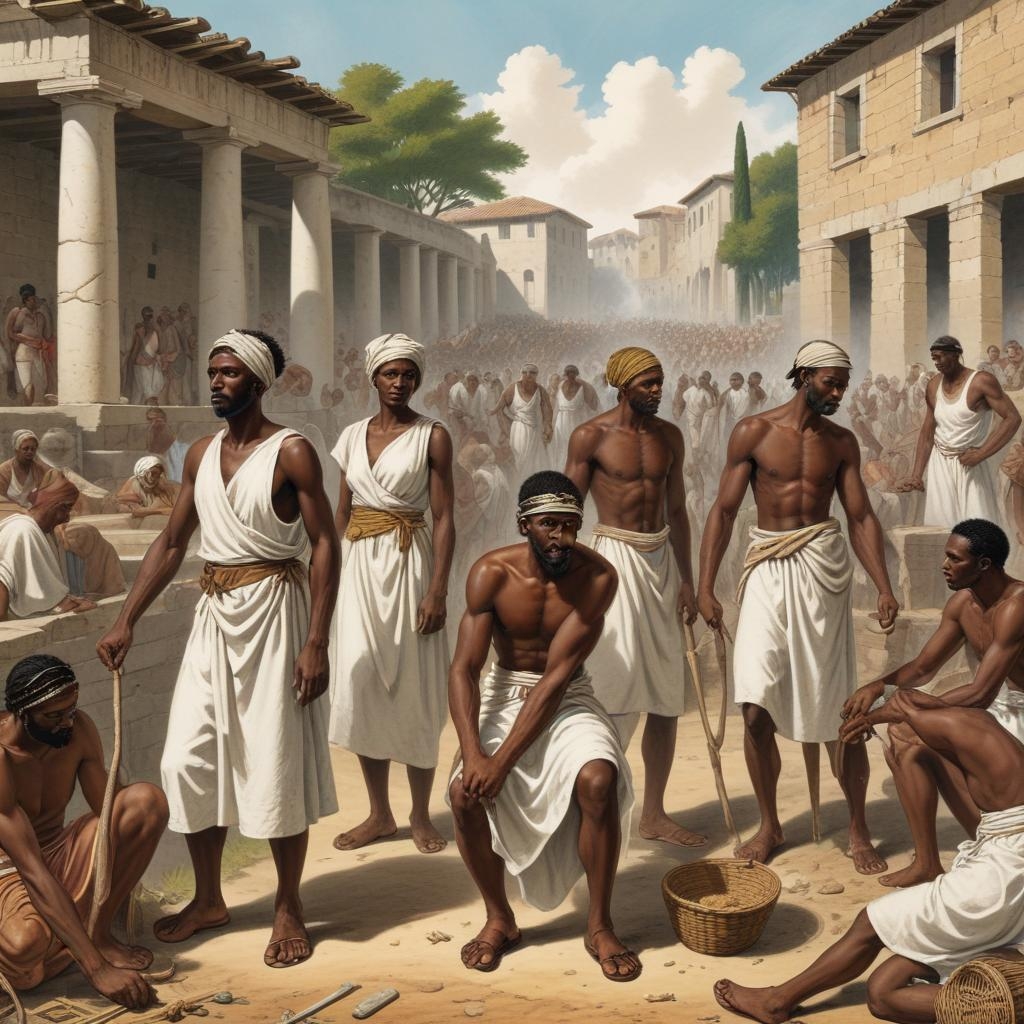
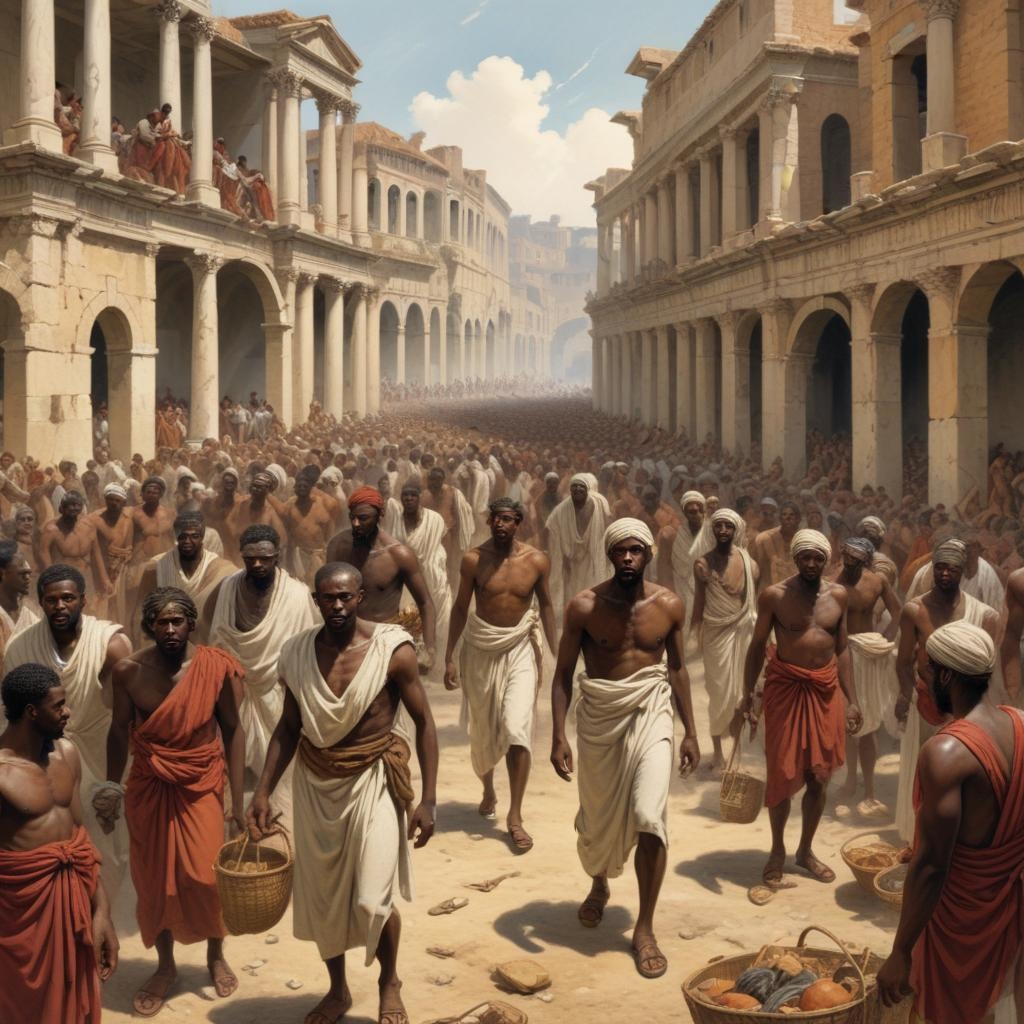
1. Enslaved Workers (Servi)
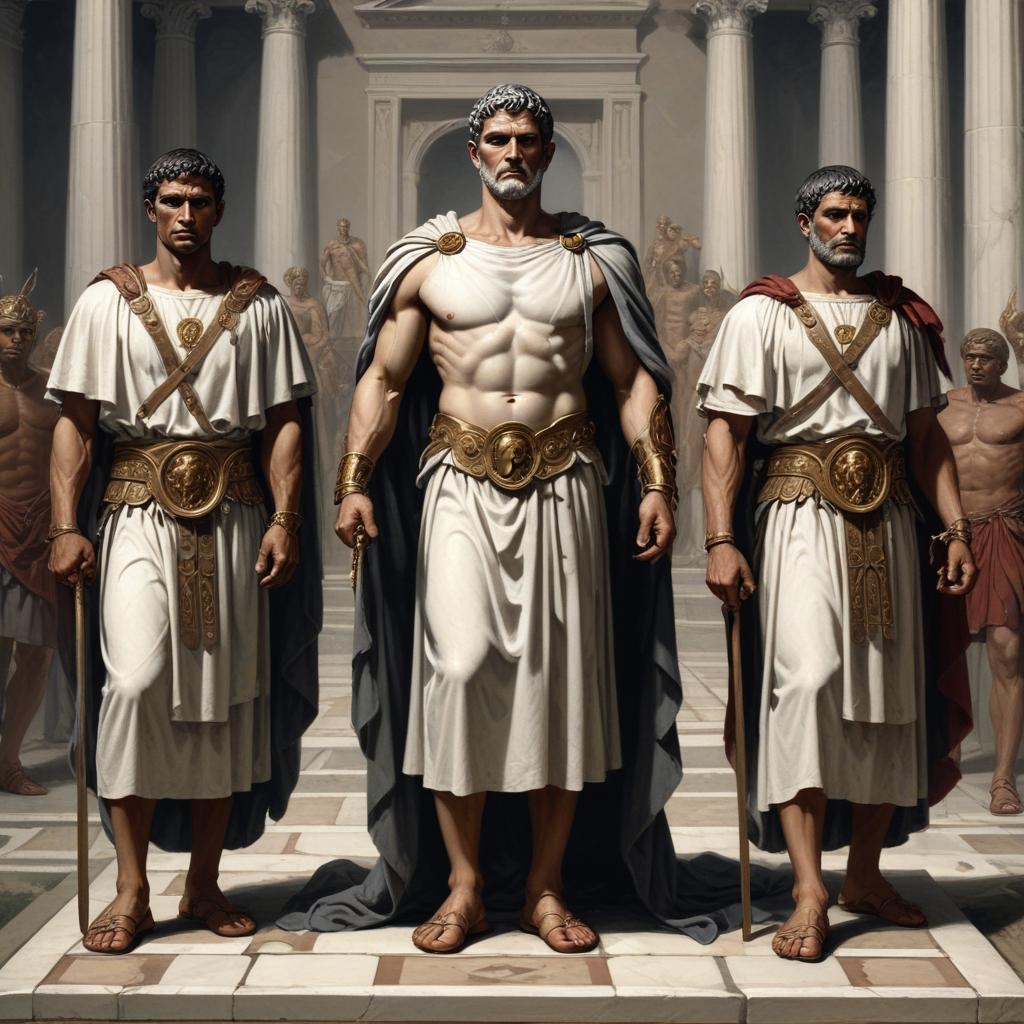
2. Slave Traders (Mercatores)
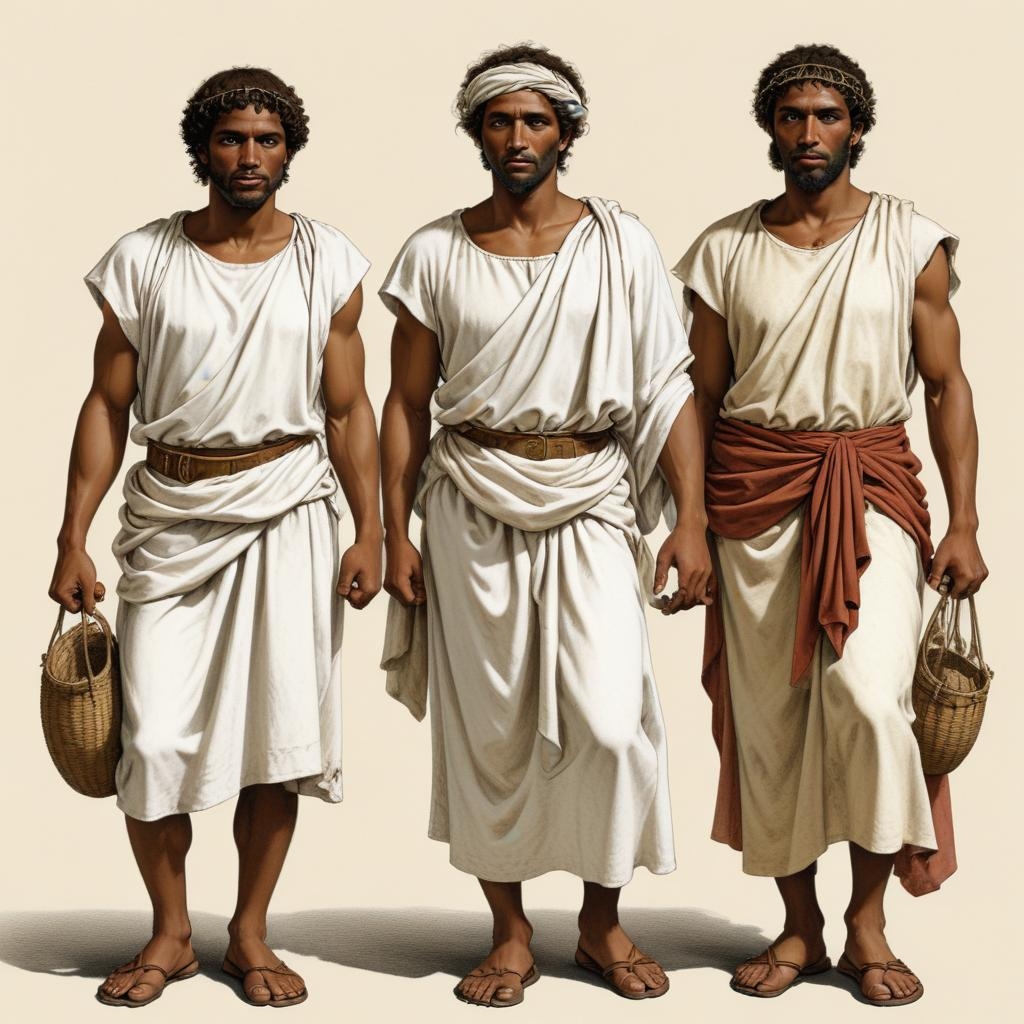
3. Slave Owners (Dominus)
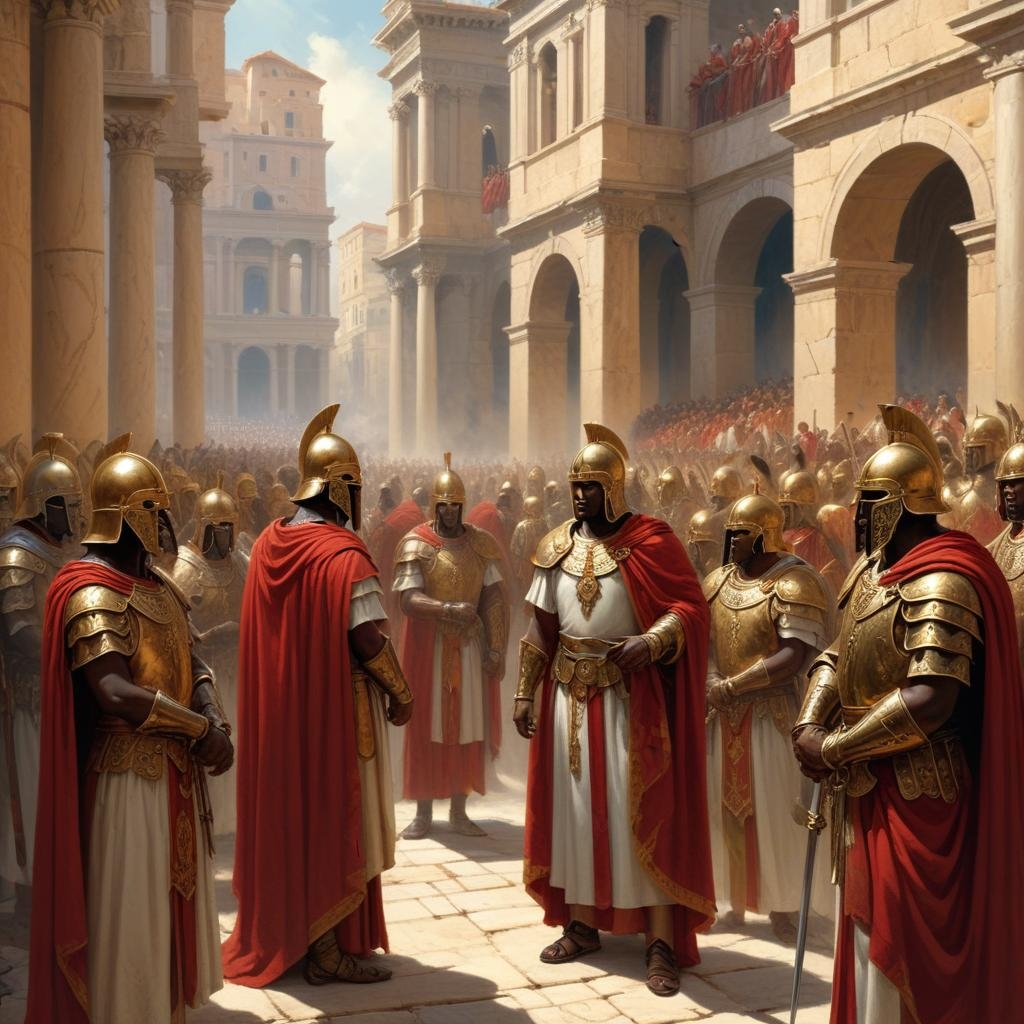
4. Freed Slaves (Liberti)
5. Slavery Inspectors (Custodes)

The Origins of Slavery in Ancient Rome

The Role of Slaves in Roman Society

The Conditions of Slavery

Rebellions and Resistance

The Legal Status of Slaves
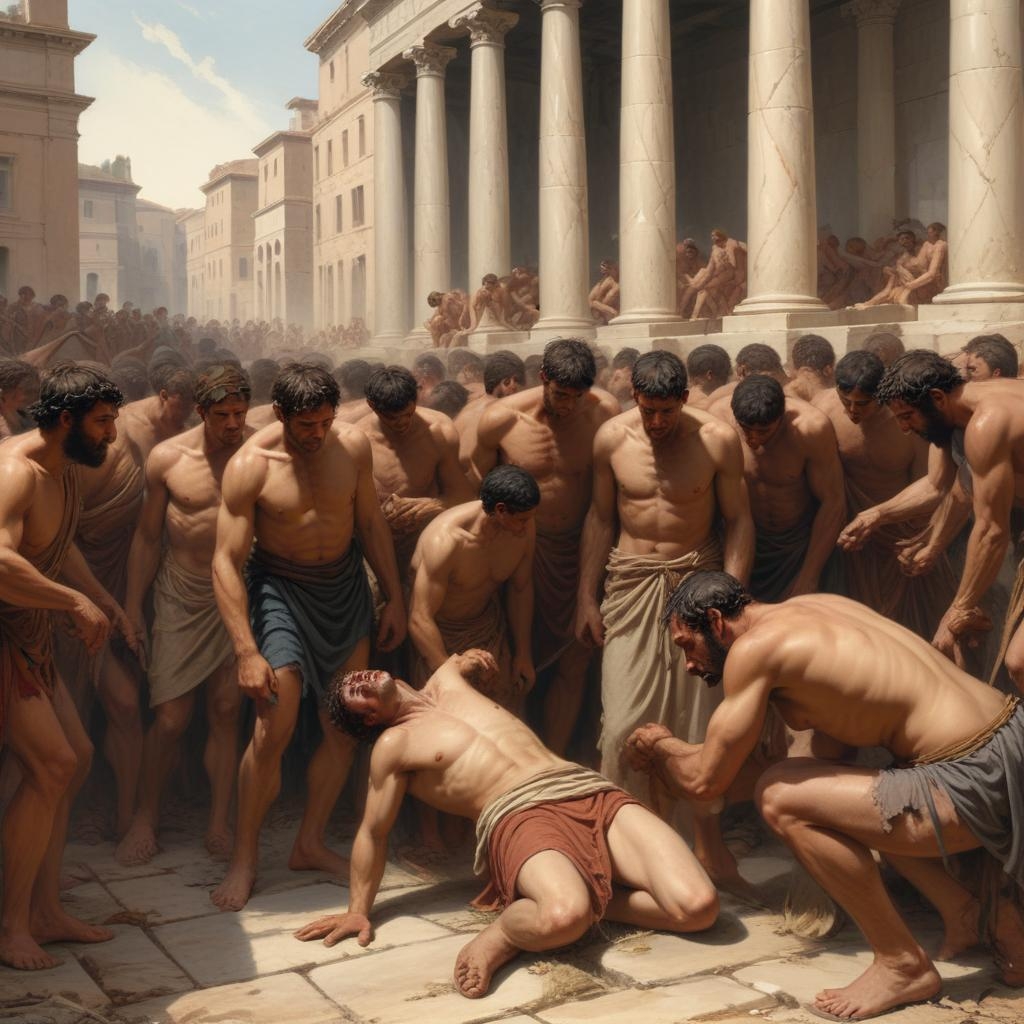
The Treatment of Slaves

The End of Slavery in Ancient Rome

The Legacy of Slavery in Ancient Rome

Historical Perspectives on Roman Slavery

Conclusion
Lesson Details & Resources
In a Nutshell
- What: Slavery in Ancient Rome was a system where individuals were considered property and could be bought, sold, or traded.
- When: 753 BC – 476 AD
- Who: Slaves were typically prisoners of war, criminals, or individuals who were born into slavery.
- Outcome: Slavery in Ancient Rome was a fundamental part of the economy and society, providing labor for various tasks and contributing to the wealth and power of the Roman Empire.
Famous Figures in the Slavery in Ancient Rome
-
Spartacus
Spartacus was a Thracian gladiator who led a slave uprising against the Roman Republic.
-
Cato the Elder
Cato the Elder was a Roman statesman who supported the institution of slavery.
-
Cicero
Cicero was a Roman philosopher and orator who spoke out against the cruelty of slavery.
-
Pliny the Elder
Pliny the Elder was a Roman author who wrote about the treatment of slaves in ancient Rome.
-
Seneca the Younger
Seneca the Younger was a Roman philosopher who criticized the exploitation of slaves in Roman society.
-
Tacitus
Tacitus was a Roman historian who documented the brutality of slavery in ancient Rome.
-
Aristotle
Aristotle was a Greek philosopher whose writings influenced Roman attitudes towards slavery.
-
Julius Caesar
Julius Caesar was a Roman general and statesman who used slave labor to build his empire.
-
Caligula
Caligula was a Roman emperor known for his cruel treatment of slaves.
-
Nero
Nero was a Roman emperor who used slaves for entertainment in his lavish parties.
Timeline of Slavery in Ancient Rome
First recorded instance of slavery in Ancient Rome
Roman Law of the Twelve Tables codifies slavery
Slavery becomes a significant part of the Roman economy
Slavery becomes an integral part of Roman society
Mass enslavement of conquered peoples during Roman expansion
Spartacus leads a major slave revolt against Roman authorities
Augustus becomes the first Roman Emperor, slavery continues to thrive
Roman law distinguishes between slaves and free people
Slavery reaches its peak, with an estimated 1 in 3 inhabitants of Rome being slaves
Roman jurist Ulpian declares all humans are born free, but slaves in bondage remain so
Diocletian reforms Roman society, but slavery continues
Christianity spreads in the Roman Empire, leading to debates about slave ownership
Roman Emperor Constantine prohibits the separation of Christian slaves from their families
Barbarian invasions and decline of the Western Roman Empire disrupt slavery
Byzantine Empire, successor to the Roman Empire, continues the practice of slavery
Pope Gregory the Great condemns the slave trade
Slavery gradually declines in Western Europe during the Middle Ages
Pope Nicholas V issues a papal bull that grants Portugal the right to enslave Africans
European exploration and colonization of the Americas leads to the transatlantic slave trade
Slavery officially abolished in the Roman Empire
Vocabulary List
- Slavery
- Slavery was a common practice in ancient Rome, where individuals were regarded as property and could be bought, sold, or owned by others.
- Slave
- A slave in ancient Rome was a person who was considered the property of someone else and had limited rights and freedoms.
- Manumission
- Manumission refers to the act of granting freedom to a slave by their owner, either through a formal process or as a reward for services rendered.
- Slave Market
- A slave market was a place where slaves were bought and sold, often through auctions, in ancient Rome.
- Slaveholder
- A slaveholder was an individual who owned one or more slaves and had complete control over their lives and labor.
- Slave Revolt
- A slave revolt was a rebellion or uprising of slaves against their owners or the Roman authorities, often driven by harsh treatment and desire for freedom.
- Slave Collar
- A slave collar was a device worn around the neck of a slave, often with an attached metal tag displaying the owner's name or symbol of ownership.
- Slave Quarters
- Slave quarters were living spaces designated for slaves, typically located in the same vicinity as their owner's residence but in separate and inferior conditions.
- Slave Labor
- Slave labor was the forced work performed by slaves, often in agriculture, mining, construction, or domestic service, without receiving any wages or personal freedom.
- Slave Trade
- The slave trade was the business of buying and selling slaves, with many slaves being captured or purchased from conquered territories and brought to Rome.
Key Facts
This is the information used in the fact matching game
- Slavery was an integral part of ancient Roman society.
- Slaves in Ancient Rome were considered property and had no legal rights.
- Slavery in Ancient Rome was not based on race; slaves came from various ethnicities and regions.
- Slaves in Ancient Rome could be bought, sold, and inherited.
- The number of slaves in Ancient Rome was estimated to be between one to three million.
- Slaves in Ancient Rome performed various roles, including domestic work, agriculture, and entertainment.
- Some slaves in Ancient Rome were highly educated and held positions of trust and responsibility.
- Slaves in Ancient Rome could earn or buy their freedom through various means.
- Slave owners in Ancient Rome had the power to punish slaves, including physical abuse and even death.
- Slavery in Ancient Rome was not limited to adults; children could also be enslaved.
- Slaves in Ancient Rome were often marked with tattoos or branded to indicate their status.
- Some slaves in Ancient Rome were trained as gladiators and fought in the arenas.
- Slavery in Ancient Rome played a significant role in the economy and the functioning of households.
- Slave rebellions and uprisings occasionally occurred in Ancient Rome.
- Female slaves in Ancient Rome often faced sexual exploitation and abuse.
- Slaves in Ancient Rome had no right to marry or form legally recognized families.
- Christianity in Ancient Rome had mixed views on slavery, but some Christians actively campaigned against it.
- Emperor Augustus introduced laws to regulate the treatment of slaves in Ancient Rome.
- Slavery in Ancient Rome started to decline in the 3rd century CE due to various factors, including economic changes.
- The last legal slave auction in Ancient Rome occurred in 6th century CE.
Analysis & Significance
Immediate Consequences
The immediate consequences of slavery in Ancient Rome were the brutal exploitation and dehumanization of enslaved individuals. They were subjected to harsh living conditions, forced labor, and often faced physical abuse and violence at the hands of their owners. Slavery also contributed to a system of social hierarchy that perpetuated inequality and oppression.
Long-Term Impact
The lasting impact of slavery in Ancient Rome is evident in the shaping of the Roman economy, politics, and social structure. The reliance on enslaved labor played a significant role in the expansion and prosperity of the Roman Empire. The legacy of slavery also influenced the development of racist ideologies and perpetuated systemic inequalities that continue to impact society today.
Cultural Significance Today
The cultural significance of slavery in Ancient Rome is evident in the way it continues to shape our understanding of power dynamics, human rights, and social justice. The legacy of slavery serves as a reminder of the atrocities committed in the name of exploitation and oppression. It challenges us to confront and address the ongoing impact of historical injustices on marginalized communities and strive for a more equitable and inclusive society.
Slavery in Ancient Rome Games


Take Your Learning Offline
Want a convenient, print-ready study guide for this lesson? Become a Memory Wizards Pro member to unlock the downloadable " Memory Scrolls" for this topic and our entire library!
- ✓ Complete Vocabulary Lists
- ✓ Key Facts & Timelines
- ✓ Beautifully Formatted for Print & Mobile