
Summary Of The Pax Romana
Unveiling the secrets of peace and power in ancient Rome.
How Do You Learn Best?
Learn by Reading
Immerse yourself in the 10-minute visual lesson for a comprehensive understanding of the topic.
Learn by Reviewing
Jump directly to the key facts, timeline, and vocabulary lists to build a solid foundation of details.
Learn by Doing
Challenge yourself! Jump straight into the interactive games to learn by trial, error, and discovery.
Summary Of The Pax Romana in 10 Minutes
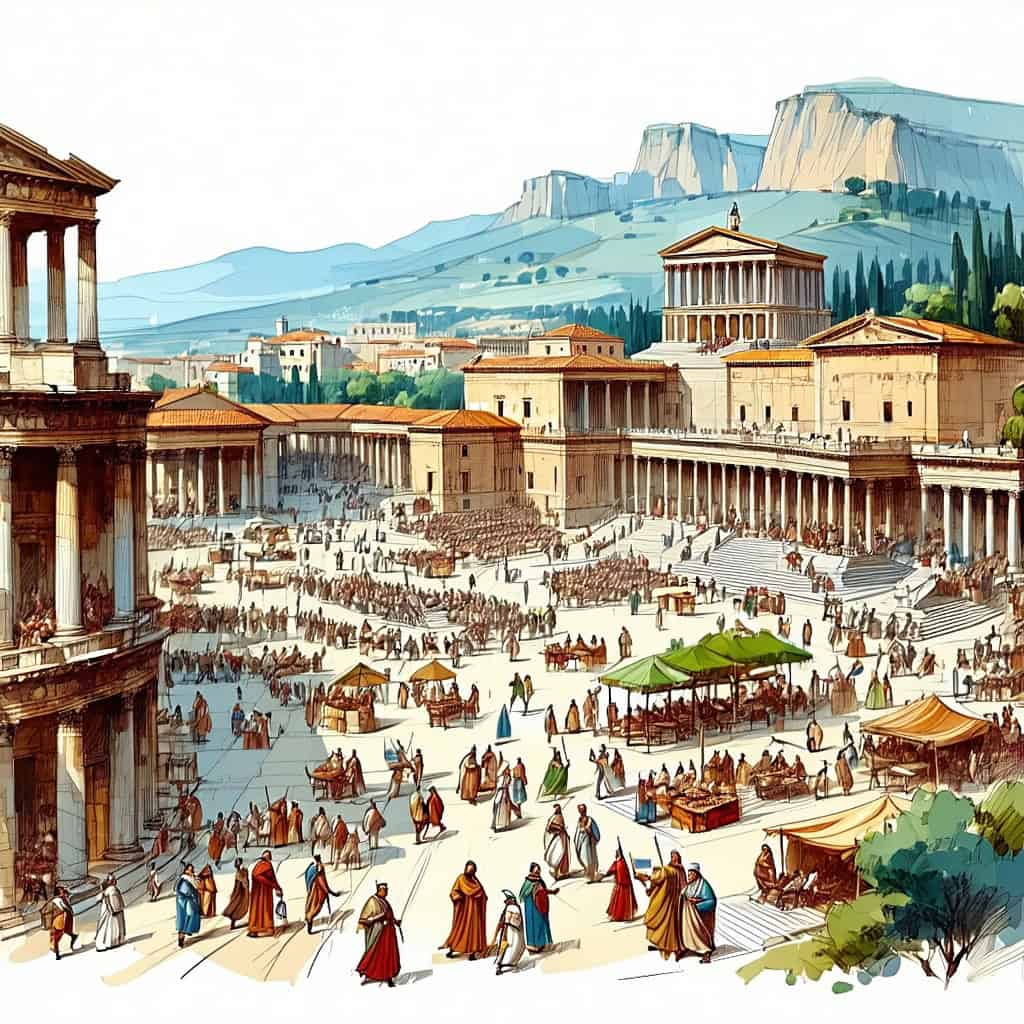
Introduction
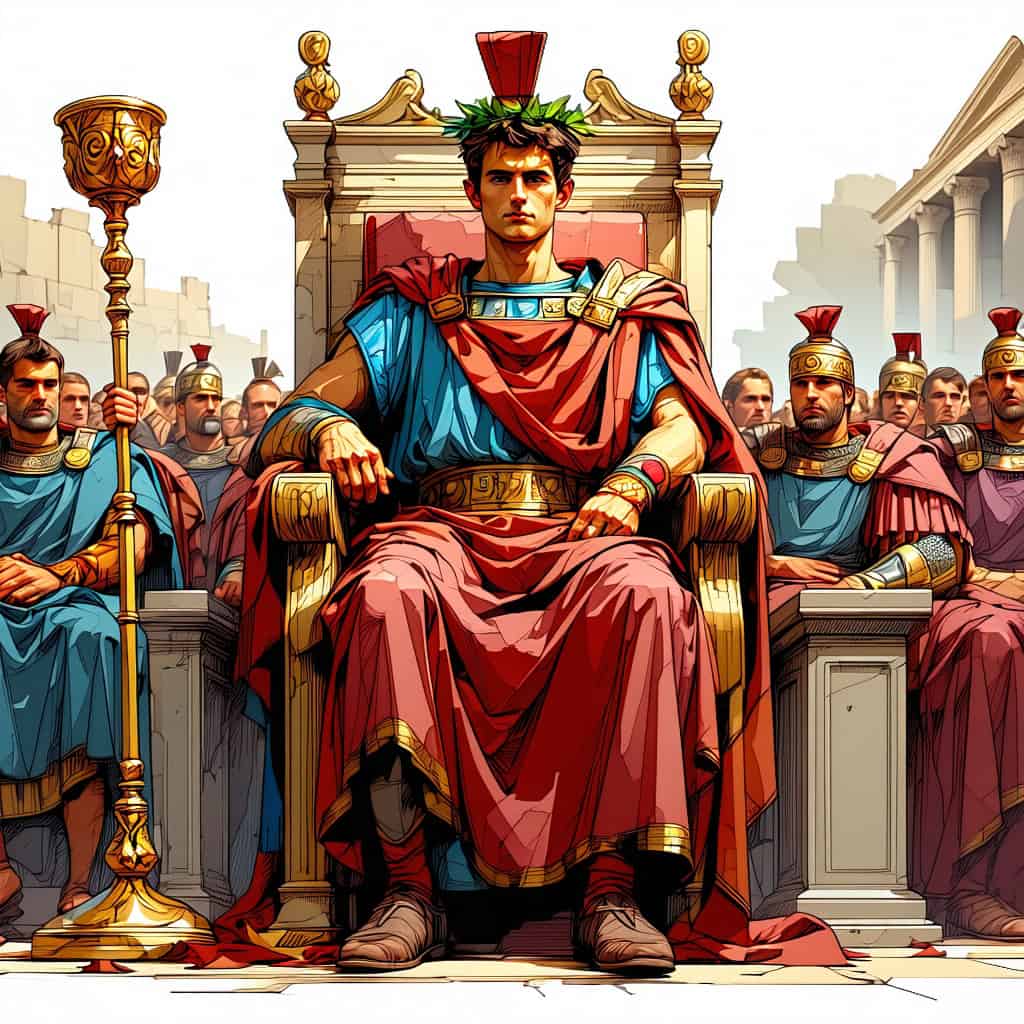
Emperor Augustus
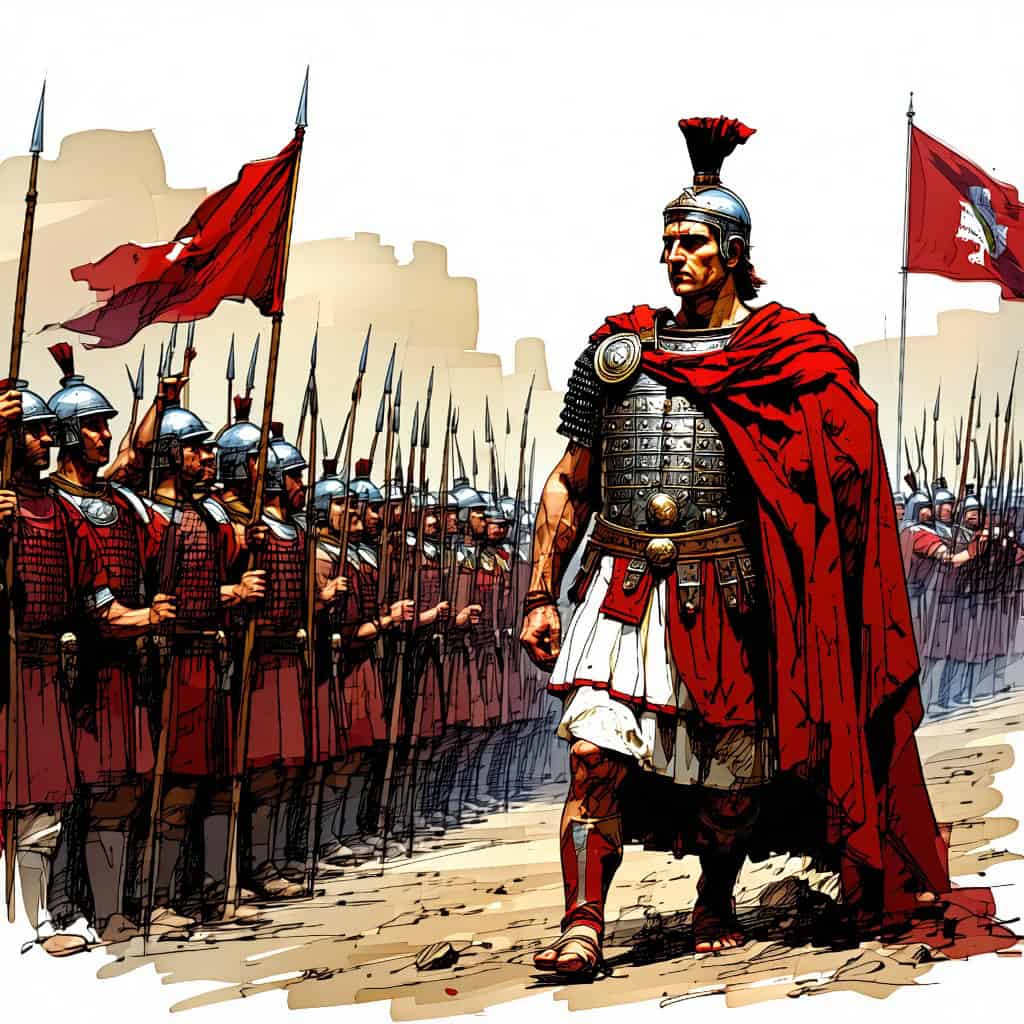
Emperor Trajan
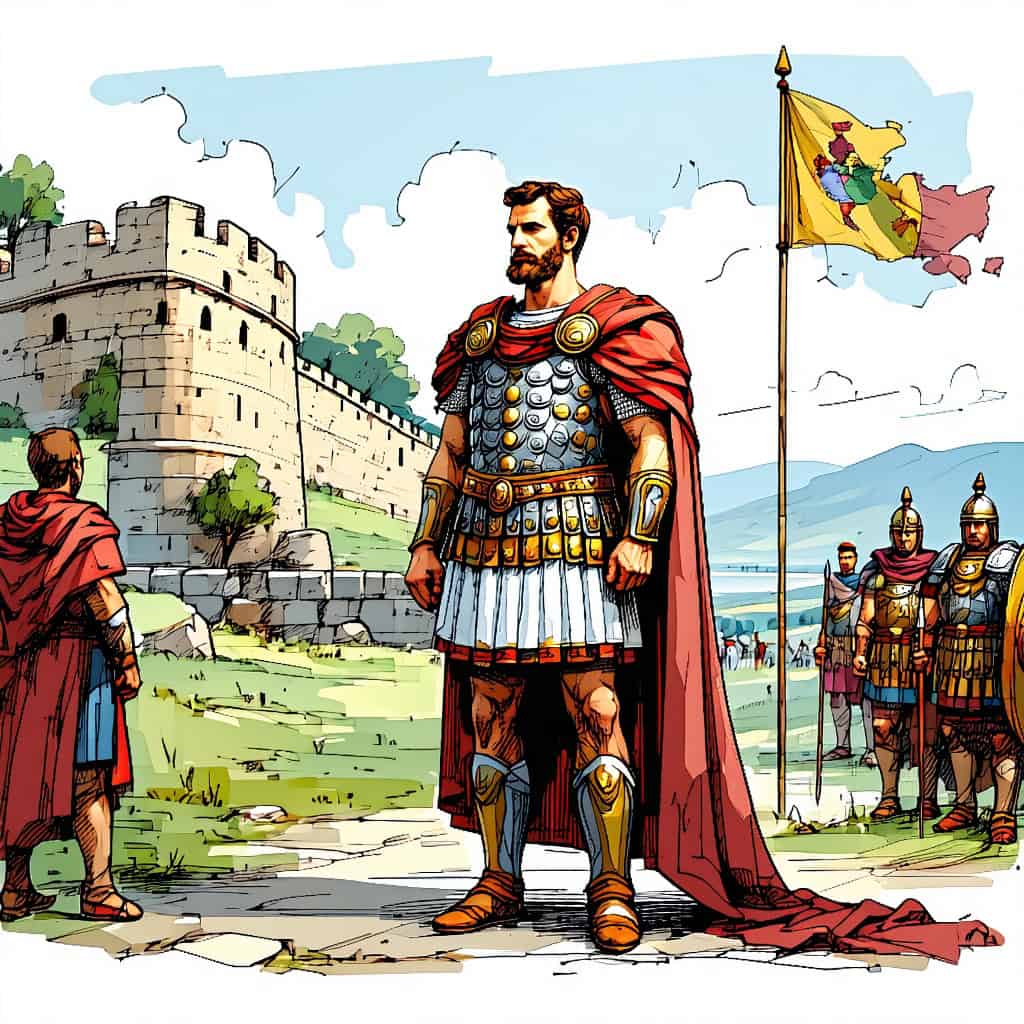
Emperor Hadrian
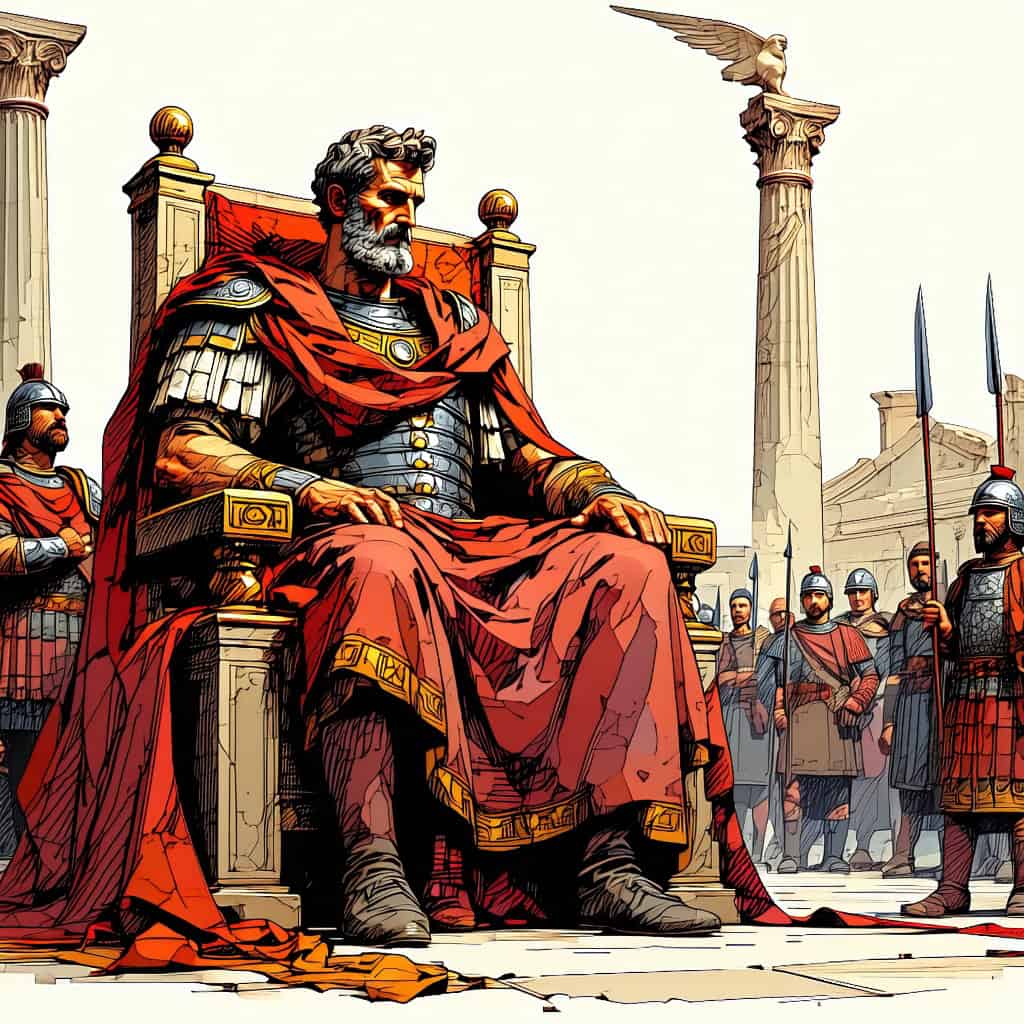
Emperor Marcus Aurelius
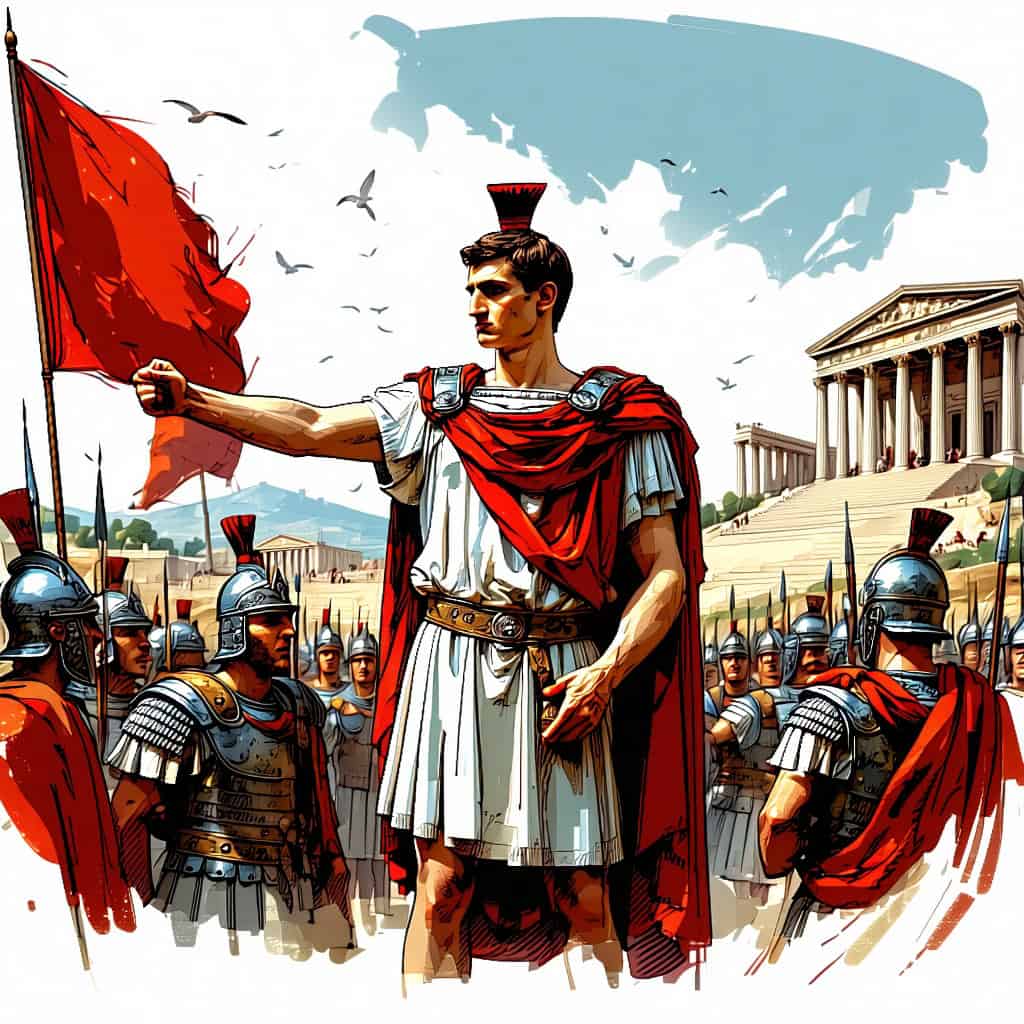
Julius Caesar

The Rise of Augustus

Reforms and Infrastructure

Expansion of the Empire

Cultural Achievements

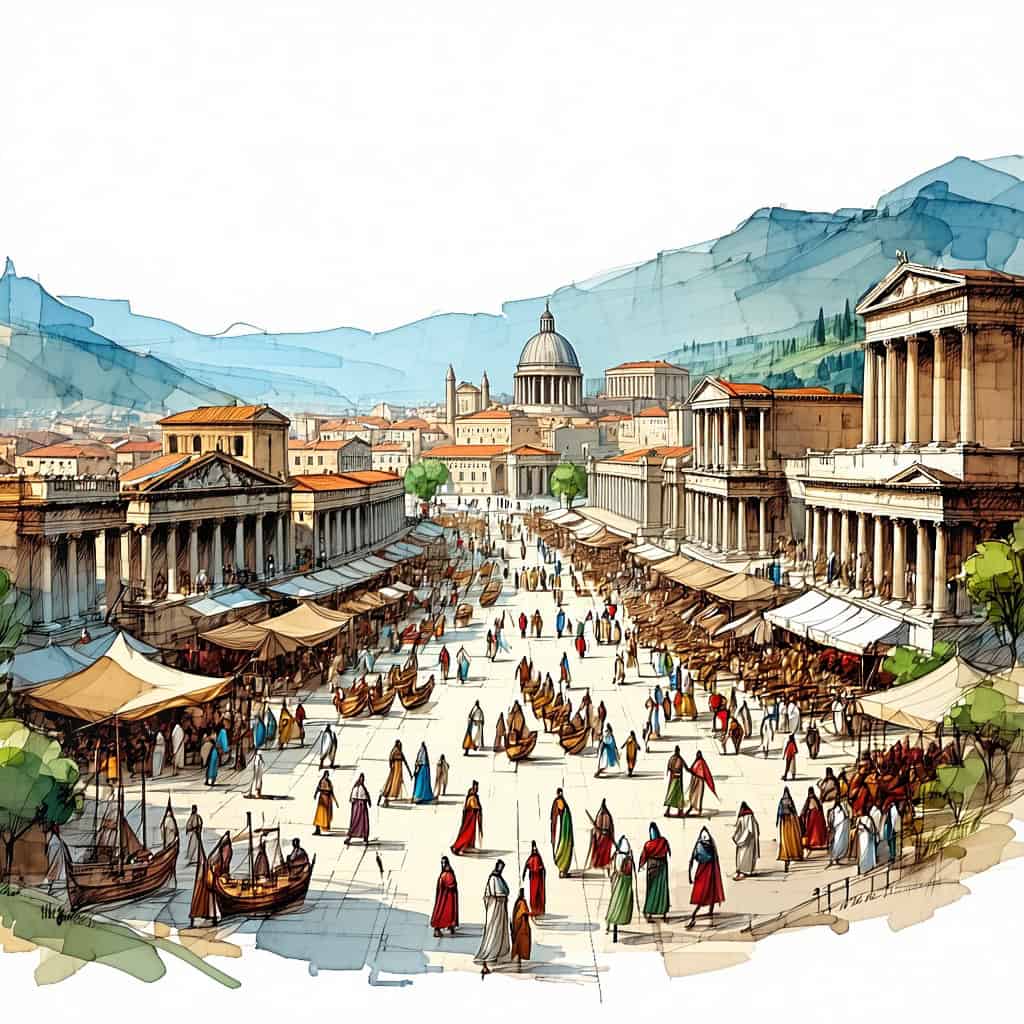
Trade and Commerce

Social Stability

Decline and Fall

Legacy of the Pax Romana
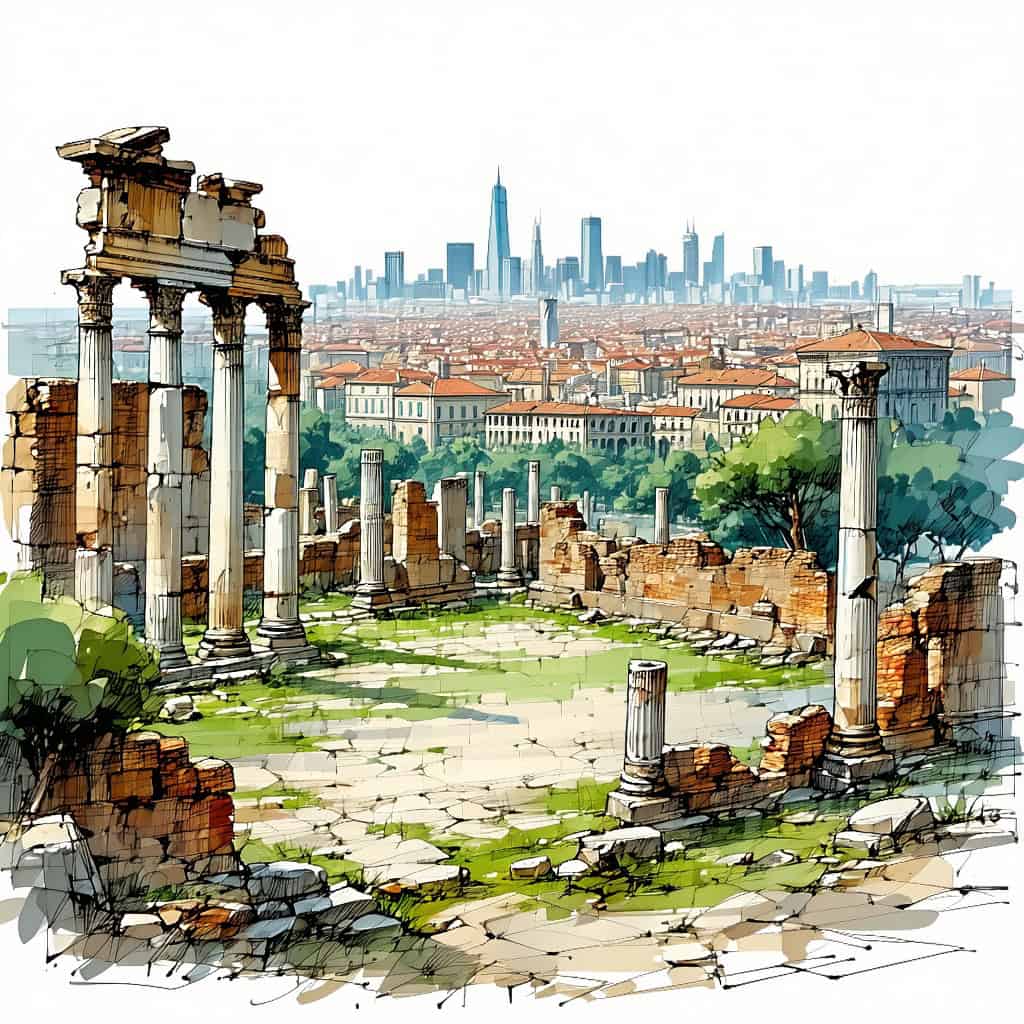
Impact on Western Civilization

Lessons from History
Lesson Details & Resources
In a Nutshell
- What: A period of relative peace and stability in the Roman Empire.
- When: 27 BC – 180 AD
- Who: Emperor Augustus, Emperor Trajan, Roman citizens
- Outcome: Economic prosperity, cultural flourishing, and infrastructure development within the Roman Empire.
Famous Figures in the Summary Of The Pax Romana
-
Augustus
The first Roman emperor who established the Pax Romana, a time of relative peace and stability in the Roman Empire.
-
Tiberius
Second Roman emperor who continued the Pax Romana, expanding the empire's borders and consolidating its power.
-
Caligula
The third Roman emperor who initially brought about stability but later became infamous for his tyrannical rule and extravagant lifestyle.
-
Claudius
The fourth Roman emperor known for his administrative skills, expanding the empire's infrastructure, and initiating the conquest of Britain.
-
Nero
The fifth Roman emperor whose reign was marked by extravagance, persecution of Christians, and the Great Fire of Rome.
-
Vespasian
The ninth Roman emperor who restored stability after the Year of the Four Emperors and established the Flavian dynasty.
-
Titus
Son of Vespasian and the tenth Roman emperor who completed the Colosseum and led a successful military campaign against Jerusalem.
-
Domitian
The eleventh Roman emperor who implemented stricter controls and sought to consolidate his power, leading to increased opposition.
-
Trajan
The Roman emperor known for his military campaigns, expanding the empire to its greatest territorial extent.
-
Hadrian
The Roman emperor who focused on cultural achievements, including the construction of Hadrian's Wall and the Pantheon.
Timeline of Summary Of The Pax Romana
27 BC: Octavian becomes the first Emperor of Rome, taking the name Augustus
6 AD: Roman Empire establishes the province of Judea
9 AD: Germanic tribes under Arminius annihilate three Roman legions in the Battle of Teutoburg Forest
43 AD: Roman conquest of Britain begins under Emperor Claudius
66 AD: Jewish revolt against Roman rule in Judea begins
69 AD: Year of the Four Emperors, marking a period of civil war and instability
79 AD: Mount Vesuvius erupts, burying the cities of Pompeii and Herculaneum
81 AD: Domitian becomes Emperor of Rome
98 AD: Trajan becomes Emperor of Rome
106 AD: Roman Empire reaches its greatest territorial extent under Emperor Trajan
117 AD: Hadrian becomes Emperor of Rome
132 AD: Bar Kokhba leads a major Jewish revolt against Roman rule in Judea
138 AD: Antoninus Pius becomes Emperor of Rome
161 AD: Marcus Aurelius becomes Emperor of Rome
166 AD: Parthian Empire is defeated by the Roman Empire, leading to the annexation of Armenia
180 AD: End of the Pax Romana with the death of Emperor Marcus Aurelius
Vocabulary List
- Emperor
- The ruler of an empire
- Conquest
- The act of defeating and taking control of a country or region
- Province
- A territory governed as a political or administrative division of a country
- Garrison
- A body of troops stationed in a particular location to defend it
- Civil war
- A war between citizens of the same country
- Legion
- A unit of the Roman army, typically comprising of 3,000 to 6,000 soldiers
- Fortification
- A defensive wall or other reinforcement built to strengthen a place against attack
- Infrastructure
- The basic physical and organizational structures and facilities needed for the operation of a society
- Assimilation
- The process of absorbing or integrating people, ideas, or culture into a wider society or group
- Citizen
- A legally recognized subject or national of a state or commonwealth, either native or naturalized
- Prosperity
- The state of being successful, wealthy, or flourishing
- Triumph
- A great victory or achievement
- Stability
- The state of being stable, firm, or steady
- Architecture
- The art or practice of designing and constructing buildings
- Aqueduct
- A channel or pipeline used to transport water, typically in ancient Rome
- Pantheon
- A temple dedicated to all the gods
- Amphitheater
- An oval or circular building with tiers of seats around a central open area, used for public spectacles
- Censorship
- The practice of officially examining books, movies, etc., and suppressing unacceptable parts
- Patronage
- The support, encouragement, privilege, or financial aid that an organization or individual bestows to another
- Gladiator
- A person, typically a slave or captive, who was forced to fight to the death in public contests
- Toga
- A loose outer garment worn by the citizens of ancient Rome.
Key Facts
This is the information used in the fact matching game
- The Pax Romana was a period of relative peace and stability in the Roman Empire
- It lasted for approximately 207 years
- It began with the reign of Augustus Caesar
- The term "Pax Romana" means "Roman Peace" in Latin
- It was marked by a lack of major conflicts and wars
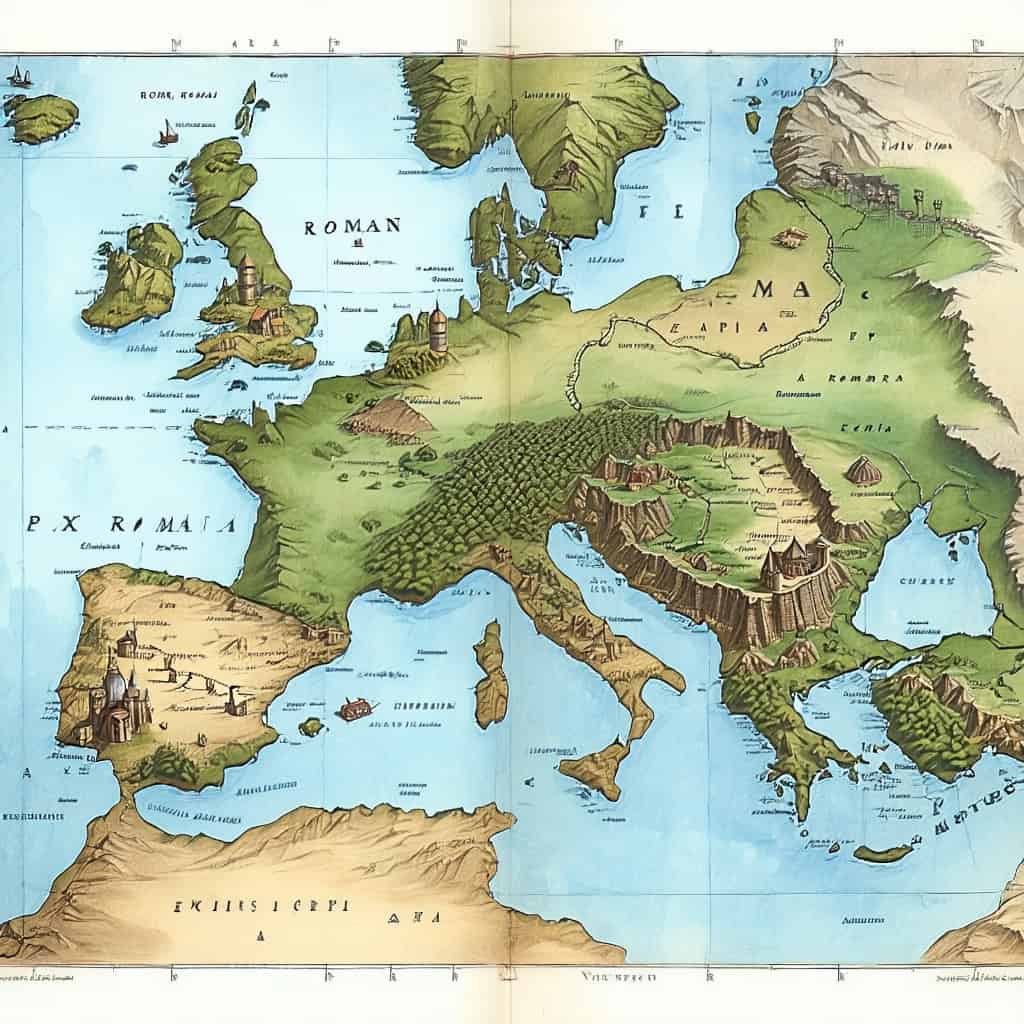
- The Roman Empire reached its territorial peak during this time
- The Pax Romana facilitated the expansion of trade and commerce throughout the empire
- It promoted the spread of Roman culture and civilization
- The Roman law system was established and codified during this period
- The Pax Romana allowed for the construction of numerous impressive architectural and engineering projects
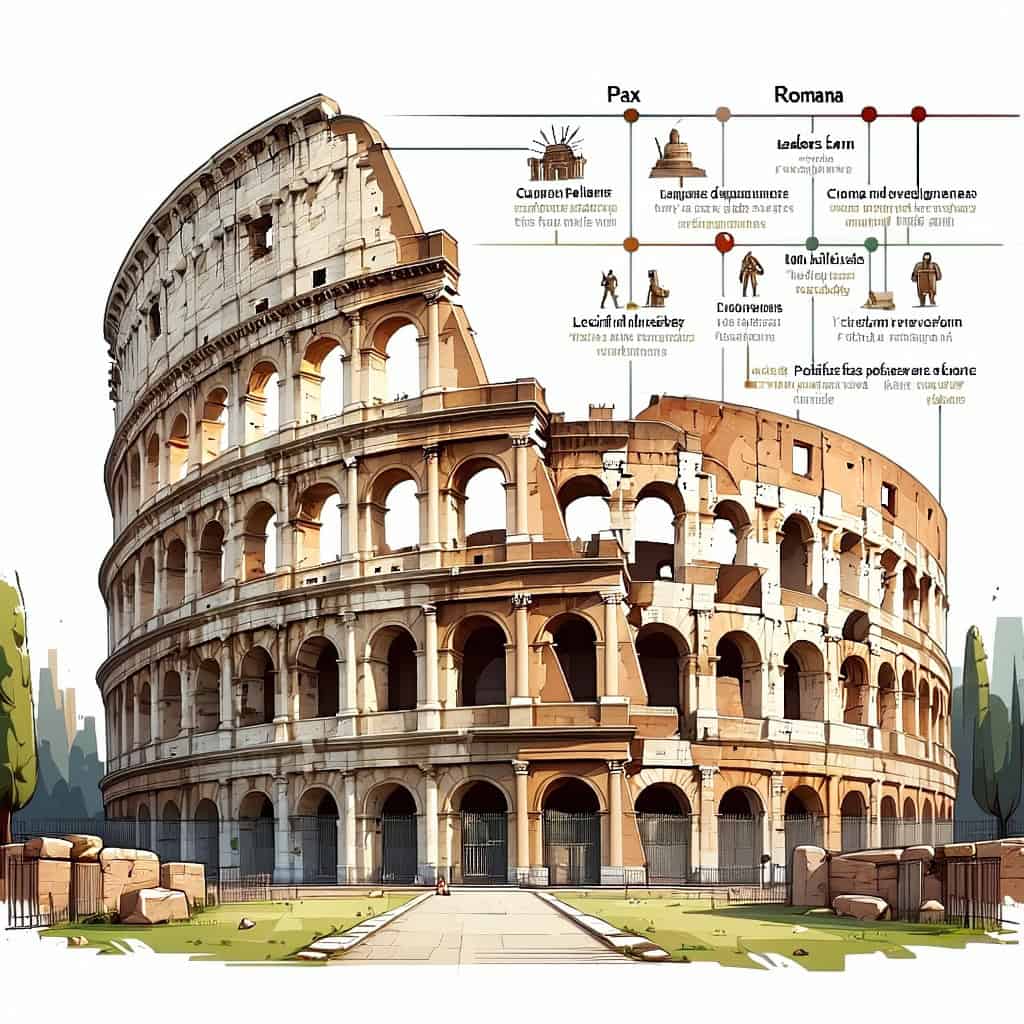
- It saw the construction of iconic structures such as the Colosseum and the Pantheon
- The Roman Empire experienced economic prosperity and growth during this time
- The Pax Romana saw significant advancements in literature, poetry, and philosophy
- Roman emperors played a crucial role in maintaining the peace and stability of the empire
- The Roman military was highly disciplined and organized during this period
- The Pax Romana promoted the spread of Christianity, which eventually became the official religion of the Roman Empire
- The Roman Empire had a complex system of governance and administration during this time
- The Pax Romana witnessed the reigns of notable emperors such as Augustus, Trajan, and Hadrian
- The Roman Empire faced occasional rebellions and uprisings, but they were generally suppressed quickly
- The Pax Romana came to an end with the political instability and economic decline of the third century AD.
Analysis & Significance
Immediate Consequences
The Pax Romana, a period of relative peace and stability in the Roman Empire, allowed for economic prosperity, improved infrastructure, and increased trade throughout the Mediterranean region. The absence of major conflicts also led to a flourishing of arts, literature, and architecture during this time.
Long-Term Impact
The Pax Romana had a lasting impact on the development of Western civilization. It facilitated the spread of Roman culture, law, and language across vast territories, shaping the foundations of modern Europe. The peace and order established during this period laid the groundwork for the expansion of the Roman Empire and the consolidation of its power.
Cultural Significance Today
The legacy of the Pax Romana continues to influence modern societies in various ways. Concepts of governance, law, and diplomacy derived from this period still resonate in contemporary political structures. Additionally, the artistic and architectural achievements of the time continue to inspire and inform our understanding of classical aesthetics and design.
Summary Of The Pax Romana Games


Take Your Learning Offline
Want a convenient, print-ready study guide for this lesson? Become a Memory Wizards Pro member to unlock the downloadable " Memory Scrolls" for this topic and our entire library!
- ✓ Complete Vocabulary Lists
- ✓ Key Facts & Timelines
- ✓ Beautifully Formatted for Print & Mobile